Haiphong Cooking Class Experience to Taste Local Flavors
A Haiphong cooking class is one of the most enjoyable ways to understand the port city’s food. Most experiences start with a visit to a local market to choose fresh herbs, vegetables and seafood, then move into a home kitchen or small studio where you cook two to four local dishes, such as banh da cua crab noodle soup or nem cua be crab spring rolls, before sitting down to eat what you made.
Haiphong has far fewer formal cooking schools than Hanoi or Hoi An, so many of the best experiences are small, personal and arranged through homestays, local hosts or tour operators. This guide from the Haiphong Adventure team explains what a typical class includes, the dishes worth learning, how to choose a good experience and how to make the most of your time in the kitchen. Formats and prices vary, so always confirm details directly before booking.
Why Take A Cooking Class In Haiphong
Haiphong’s food is shaped by the sea, the Red River delta and generations of street vendors. Dishes here are bolder and often more seafood focused than in Hanoi, and several are rarely found outside the city. A cooking class helps you:
- Understand the ingredients behind dishes you will see on every street corner.
- Learn how locals balance salty, sour, sweet and spicy flavors.
- Visit a real neighborhood market with someone who can explain what you see.
- Meet a local family or cook and hear stories you would never get from a menu.
- Take home recipes you can actually recreate.
It is also a great activity for a rainy afternoon or a slower day between sightseeing and island trips.
What A Typical Haiphong Cooking Class Includes
Every host does things a little differently, but most Haiphong cooking experiences follow a similar structure and last around three to four hours.
| Step | What happens | Typical time |
|---|---|---|
| Market visit | Shop for herbs, vegetables, seafood and spices | 45 to 60 minutes |
| Introduction | Learn about ingredients, tools and local food culture | 15 minutes |
| Cooking | Prepare two to four dishes with hands-on guidance | 90 to 120 minutes |
| Meal | Eat together and talk about the recipes | 30 to 45 minutes |
Durations are typical estimates. Some hosts skip the market in the afternoon, while others add extras such as making dipping sauces or a simple dessert.
Starting At The Market
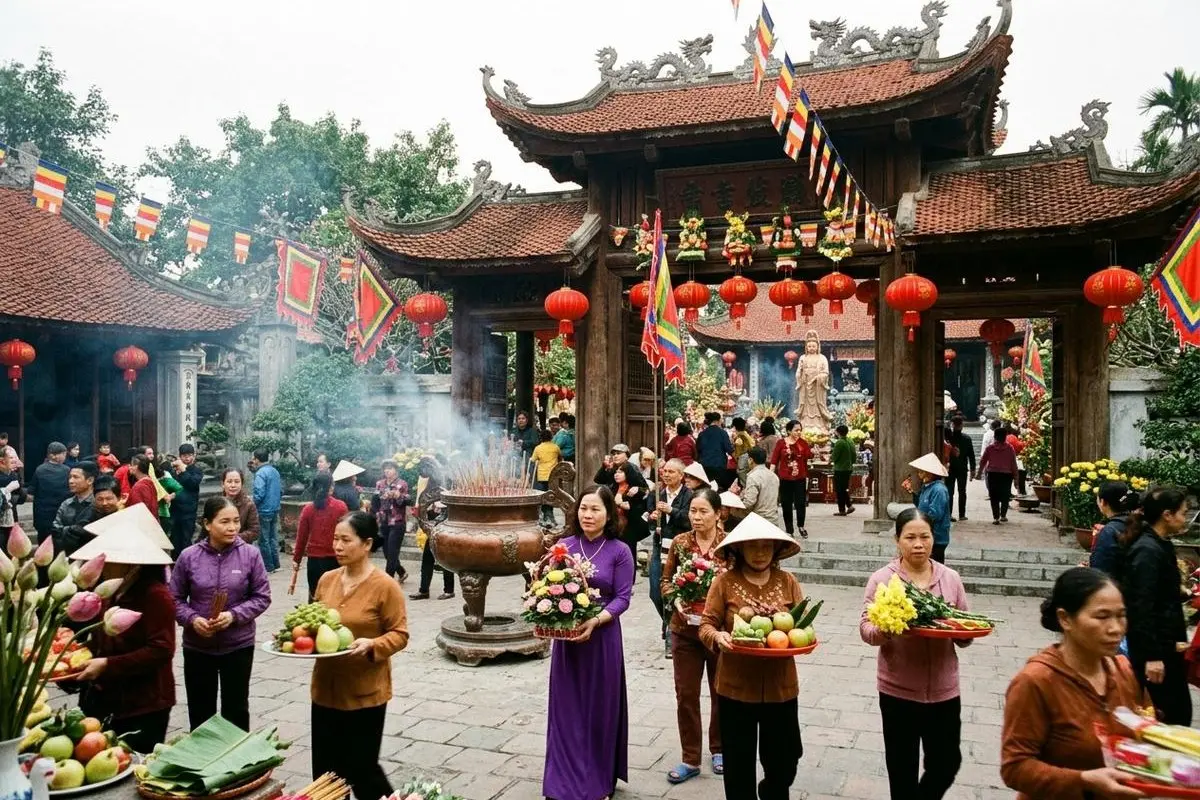
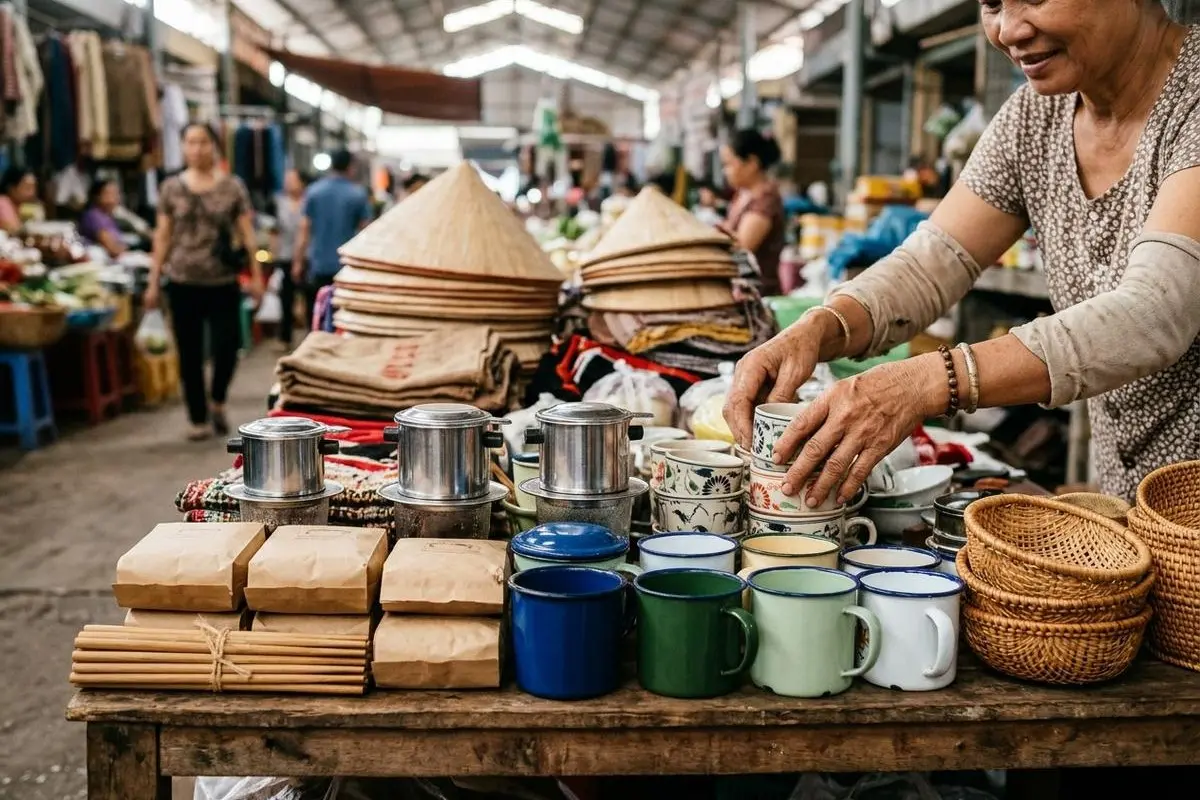
The market visit is often the highlight. Neighborhood wet markets in Haiphong are busiest early in the morning, when vendors sell live crabs, fresh fish, clams, piles of herbs and freshly made noodles. Your host will show you how locals choose produce and bargain politely.
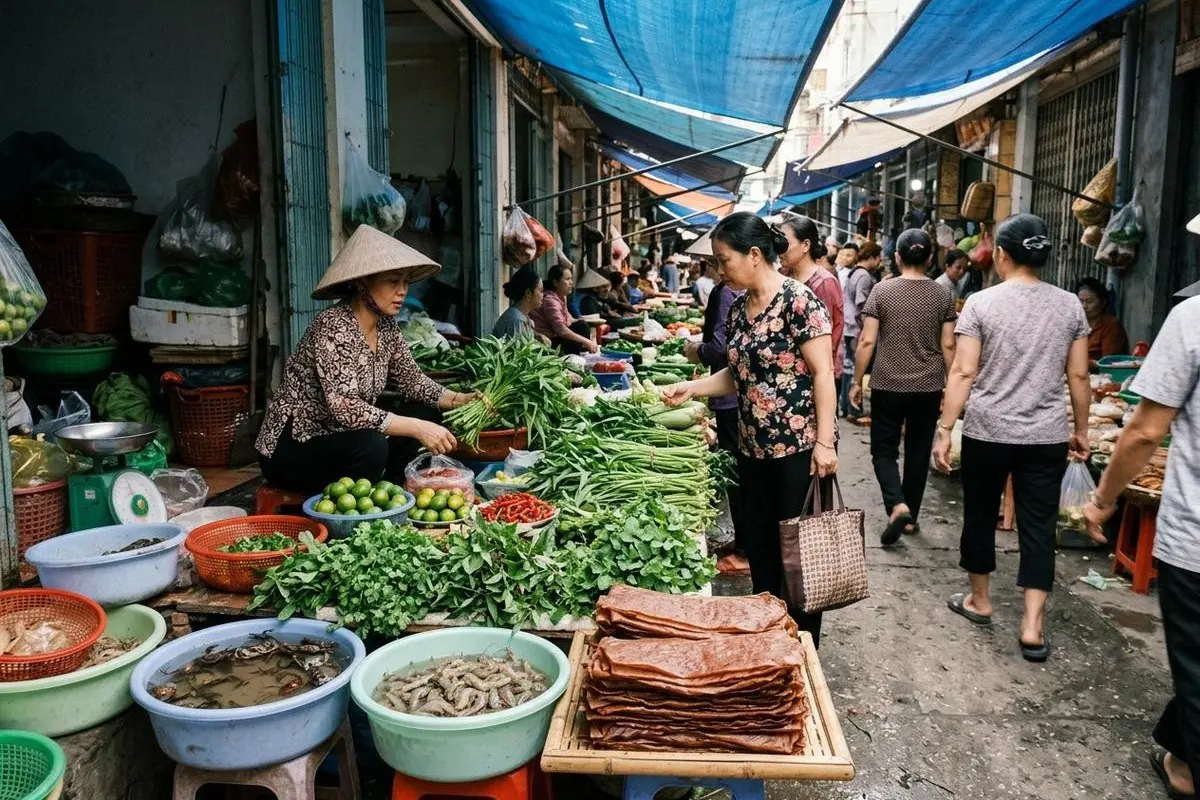
Ingredients you will likely meet
- Field crabs: pounded to make the rich broth for banh da cua.
- Banh da noodles: flat brown rice noodles that define Haiphong’s signature soup.
- Herbs: perilla, Vietnamese mint, coriander and betel leaves.
- Fish sauce and shrimp paste: the backbone of many dipping sauces.
- Rice paper: for wrapping spring rolls.
To see more markets on your own, follow our Haiphong food tour route through local markets.
>>> Banh Da Cua Ingredients What Makes It Special
Dishes Worth Learning In A Haiphong Cooking Class
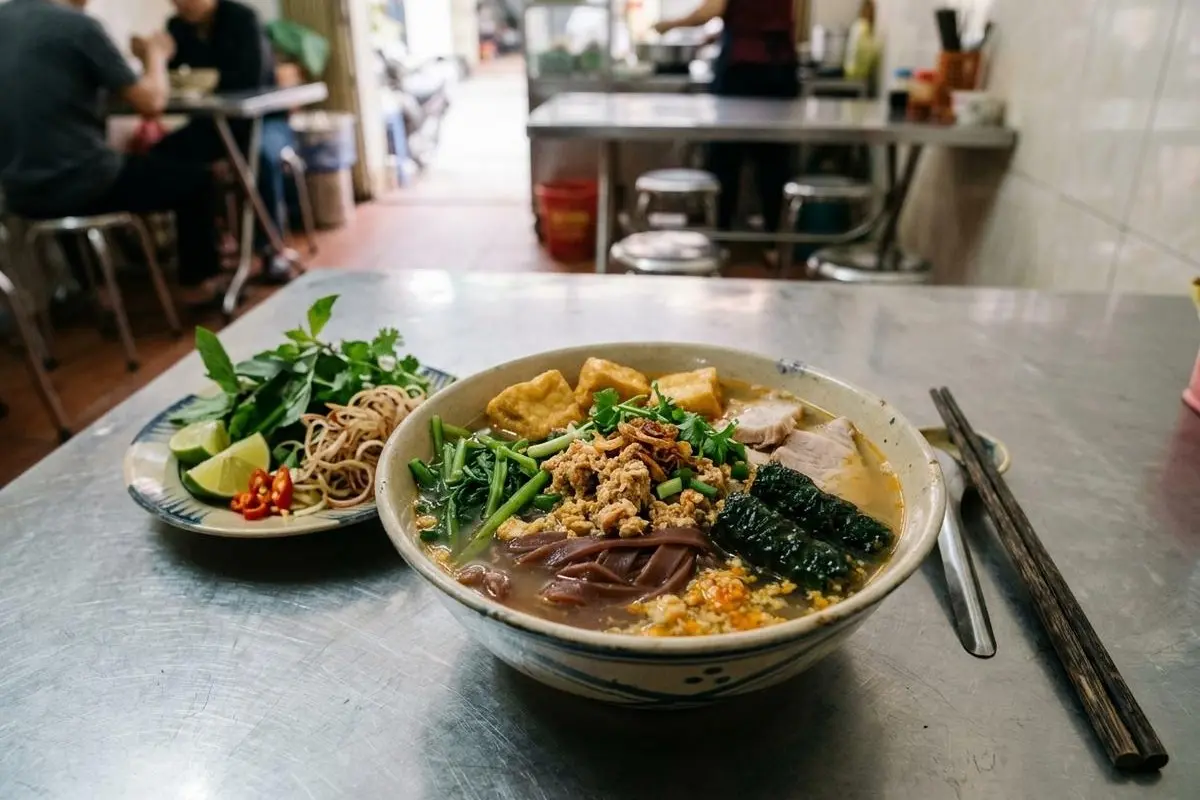
Banh da cua (crab noodle soup)
The city’s best-known breakfast. Crabs are pounded and strained to make a sweet, savory broth, then served with flat brown rice noodles, crab paste, greens and fried shallots. Learning it shows you why locals are so proud of this bowl.
Nem cua be (square crab spring rolls)
Haiphong’s famous spring rolls are square rather than round and packed with crab, pork, vegetables and glass noodles. Folding them neatly takes practice, which makes them fun to learn in a group.
Banh mi cay (spicy mini baguettes)
Small, crispy baguettes filled with pate and chili sauce. Some hosts show how to make the filling and toast the bread.
Seafood dishes
Depending on the season and market, you might steam clams with lemongrass, stir-fry squid or make a simple sour fish soup.
Dipping sauces
Mixing the perfect nuoc cham, a balance of fish sauce, lime, sugar, garlic and chili, is a skill you will use long after your trip.
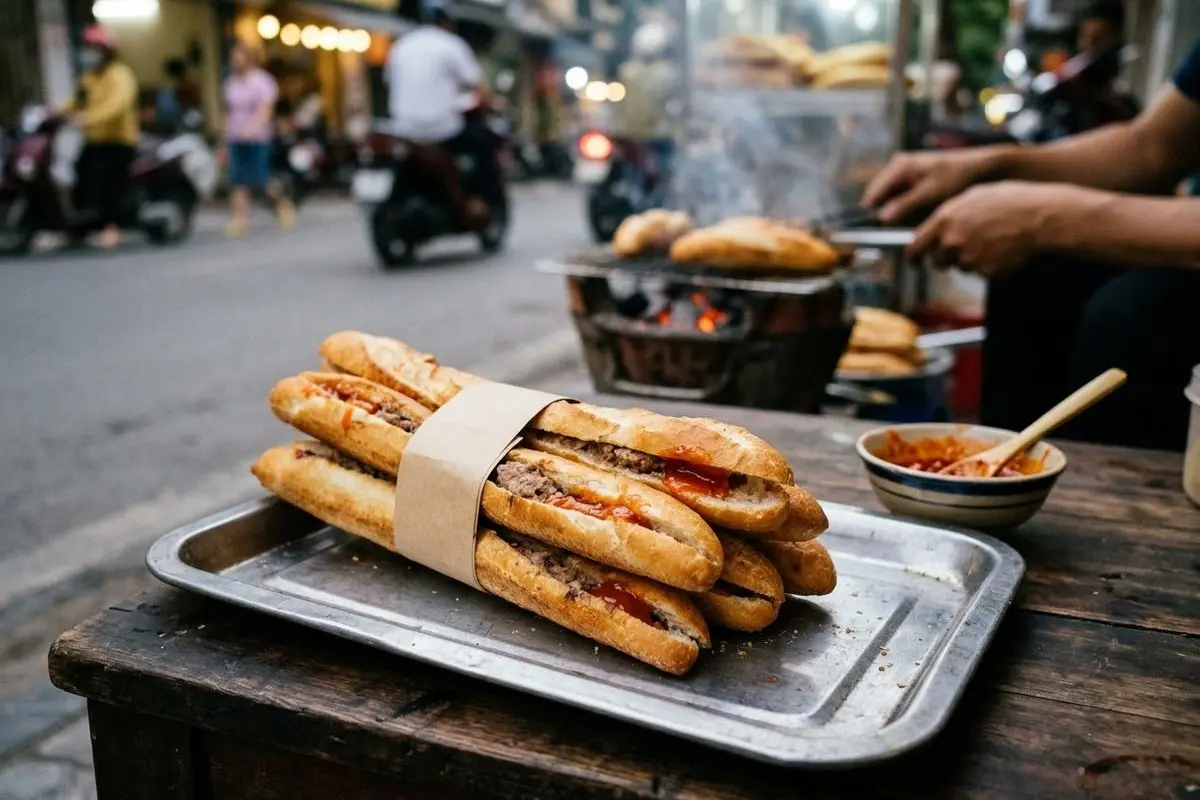
Curious about the story behind the city’s signature soup? Read the history of banh da cua in Haiphong.
Recommended tour
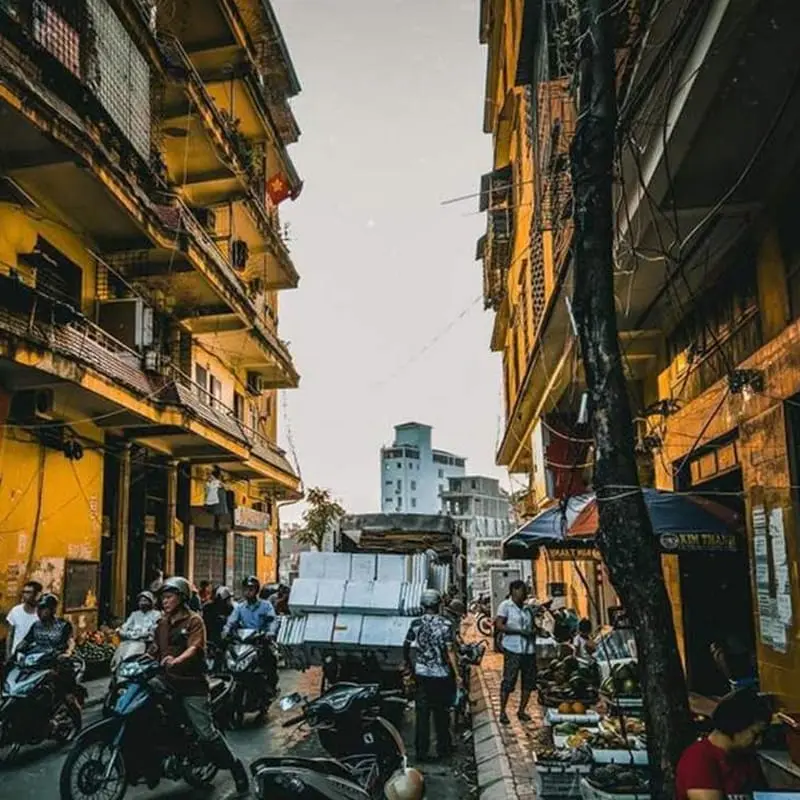
Pair your cooking class with a guided ride through old streets and markets, tasting the dishes you are learning to cook straight from the local cooks who make them every day.
From $79 per person
Home Cooking With A Local Family
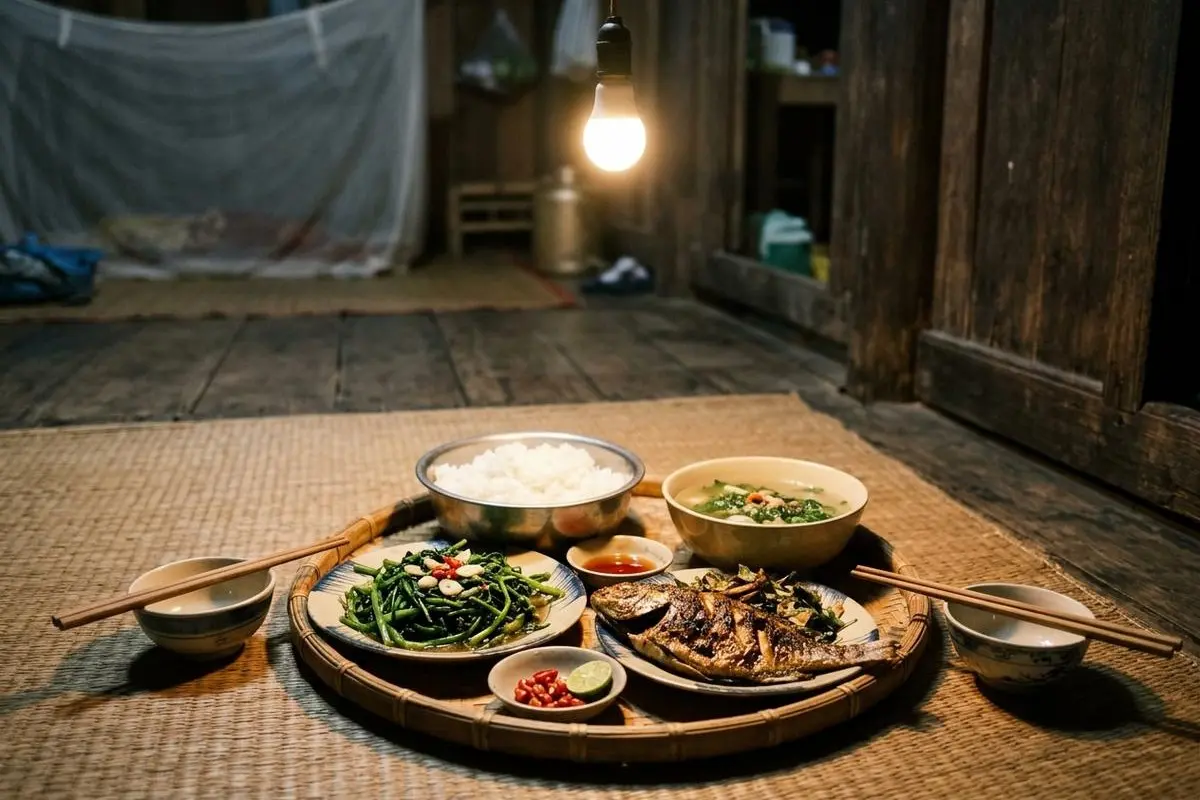
In Haiphong, many of the most memorable cooking experiences happen in family homes or homestays rather than dedicated schools. You might cook in a small kitchen in a tube house, chop herbs on a low wooden table and eat on a tray shared with the family.
- Pros: authentic, personal and full of everyday detail.
- Things to know: kitchens are simple, English may be limited and recipes are often taught by feel rather than exact measurements.
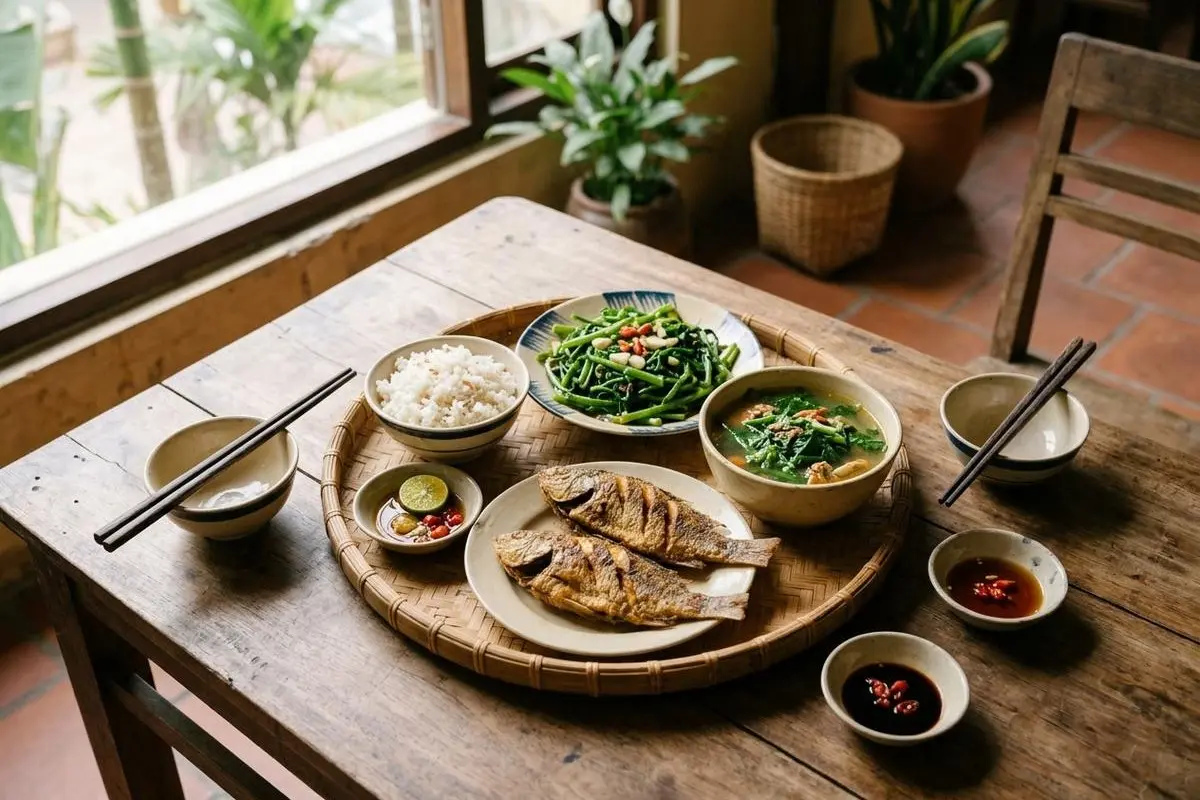
If you enjoy this style of travel, see our tips for finding quiet Haiphong homestay hidden gems.
>>> How To Cook Banh Da Cua Authentic Taste At Home
Countryside And Village Cooking Experiences
Some hosts outside the city center, and in rural areas around Haiphong and Cat Ba, offer cooking sessions in village homes. These often include vegetables from the garden, rice from nearby fields and a slower pace. Combined with a bicycle or motorbike ride through the countryside, they make a relaxed half-day or full-day outing.
How To Choose A Good Cooking Class
Because options in Haiphong are small and informal, a little research goes a long way.
- Read recent reviews and look for mentions of the host, hygiene and how hands-on the class is.
- Ask which dishes you will cook, and whether you can request Haiphong specialties.
- Check group size. Smaller groups mean more time at the stove.
- Confirm what is included: market visit, ingredients, transfers, drinks and recipes.
- Mention dietary needs early. Vegetarian versions are often possible with notice.
- Clarify the price and payment method before you go.
Questions to ask your host
- Do you start with a market visit, and what time?
- Will I cook myself or mostly watch?
- Can you adapt dishes for allergies or a vegetarian diet?
- How do I get to your kitchen?
>>> Top Dishes To Try On Your Haiphong Food Tour Day
Tips To Get The Most From Your Class
- Go hungry. You will taste as you cook and then eat a full meal.
- Wear comfortable clothes and closed shoes for the market.
- Take photos and notes of ingredient names in Vietnamese so you can find them at home.
- Ask about substitutes for ingredients that are hard to find abroad.
- Combine it with a food tour to taste professional versions of the dishes you cooked.
Frequently Asked Questions
Are there cooking classes in Haiphong?
Yes, though there are fewer formal schools than in Hanoi or Hoi An. Many experiences are run by homestays, local hosts or arranged through tour operators.
What dishes can I learn in a Haiphong cooking class?
Popular choices include banh da cua, nem cua be, banh mi cay, simple seafood dishes and Vietnamese dipping sauces.
How long does a cooking class take?
Most last around three to four hours, including a market visit, cooking and a shared meal.
Can vegetarians join a cooking class?
Often yes, if you tell the host in advance. Many dishes can be adapted with tofu, mushrooms and vegetable broth.
Is a cooking class good for families?
Yes. Rolling spring rolls and mixing sauces are fun for children, but ask the host about knives and hot stoves before booking.
Cook, Taste And Explore With Haiphong Adventure
A Haiphong cooking class connects you with the city in a way few activities can: you shop where locals shop, cook what locals eat and share a meal around the table. Combine it with a market walk or food tour and you will understand Haiphong’s flavors from the inside out.
Want help finding a cooking experience or pairing it with haiphong tours focused on food? Message the Haiphong Adventure team:
- WhatsApp, Viber, WeChat: +84(0)934.555.001
- KakaoTalk, Line ID: haiphongadventure
See you in the kitchen, and at the market.