Do Son Buffalo Fighting Festival Traditions and Visitor Tips
The Do Son buffalo fighting festival is one of the oldest and most famous traditional festivals in northern Vietnam. It takes place in Do Son, the seaside district of Haiphong, and its main fighting day falls on the 9th day of the 8th lunar month, usually in September or early October on the Western calendar. It is a ritual for the local water deity and a prayer for good harvests and safe fishing seasons, not only a sporting contest.
This guide explains the traditions behind the festival, how the event unfolds, what visitors should know about tickets, safety and etiquette, and how to plan a trip around it. We are Haiphong Adventure, a local tour team based in Haiphong, and we help foreign travelers understand events like this before they go.
What the Do Son Buffalo Fighting Festival Is
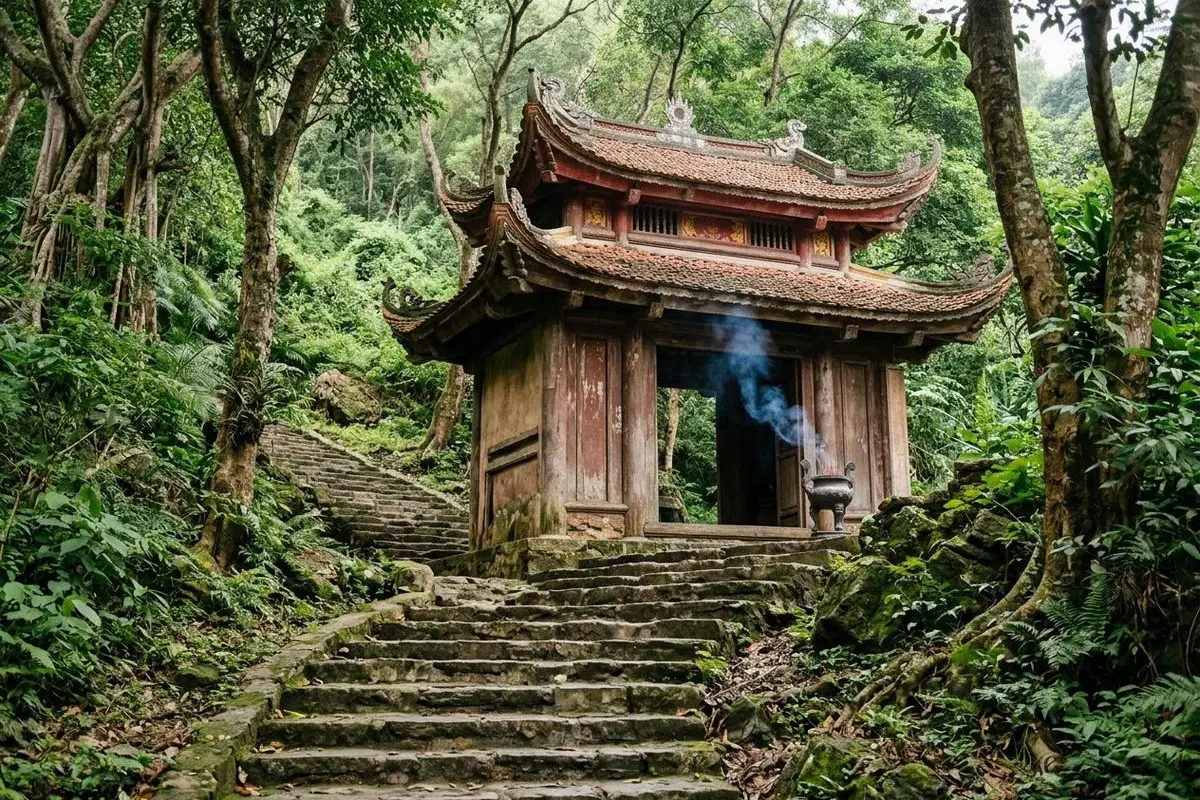
In Vietnamese the festival is called Le hoi choi trau Do Son. Villages of the Do Son peninsula each raise and train a fighting buffalo, and the strongest animals meet in a series of bouts. The event is closely tied to the worship of a local water god, honored by fishing communities who depend on the sea.
The festival was recognized as part of Vietnam’s national intangible cultural heritage, and it draws large crowds from Haiphong and beyond every year it is held. For visitors, it is a rare chance to see a ritual that blends village pride, folk belief, music and costume.
Origins and Meaning
Local tradition says the festival has been held for centuries, with roots in the farming and fishing life of Do Son. The buffalo was a vital working animal and a symbol of strength. Offering the champion buffalo to the water god was believed to bring calm seas, good catches and prosperity to the villages.
Over time the festival became a source of community pride. Each village’s buffalo carries the hopes of its people, and winning is seen as a sign of good fortune for the year ahead. Older residents often describe the event less as a competition and more as a shared prayer.
>>> Cultural Insights From A Haiphong City Tour Day
How the Buffaloes Are Chosen and Trained
Preparation starts many months before the festival. Villagers search for young male buffaloes with the features they believe make a good fighter, such as a broad chest, strong neck, curved horns and an alert look. The chosen animals are cared for carefully, fed well and kept apart from other buffaloes.
Training builds stamina and courage, and the animals are given names and treated with great respect. Earlier rounds held in the months before the main day decide which buffaloes go through to the final festival.
What Happens on Festival Day
Rituals and procession
The day begins with ceremonies at the communal house and a colorful procession. Participants wear traditional costumes, carry flags and parasols, and play drums and gongs. Dancers with flags perform a ritual dance on the fighting ground before the bouts begin.
The fights
Two buffaloes are led in from opposite sides and released toward each other. A bout can be over in seconds or last several minutes. The buffalo that runs away loses. The winning buffalo goes through to the next round until a champion is decided. The atmosphere is loud and tense, and the crowd follows every moment.
After the fights
By tradition, the buffaloes are later sacrificed as offerings to the deity, and the meat is shared among the community as a blessing. Visitors should know this before attending, since some travelers find this part of the custom difficult.
Recommended tour

Pair the festival with a day in Haiphong’s old quarter, local markets and street food, guided by locals who can explain the traditions behind what you see.
From $79 per person
When the Festival Takes Place
The main fighting day is traditionally the 9th day of the 8th lunar month. Because the lunar calendar moves against the Western one, the date changes every year, usually landing in September or early October. Preliminary rounds take place earlier in the summer.
The festival has occasionally been changed, scaled down or paused in some years, so always check the official announcement for the current year before you book travel (reference only, updated November 2026). Your hotel or a local guide can confirm the date and schedule.
Getting to Do Son
Do Son lies on a peninsula south-east of central Haiphong, roughly 20 kilometers away. The drive usually takes around 30 to 45 minutes in normal traffic, but festival day is anything but normal. Roads near the stadium get very crowded, and parking fills early.
- Private car or taxi: the easiest choice; agree a pickup point and time for the return.
- Ride-hailing app: handy for the trip there, harder for the trip back when demand peaks.
- Motorbike with a local guide: flexible in traffic and parking, and the guide can explain the rituals.
If you are coming from Hanoi, travel to Haiphong the day before. Our comparison of the bus and train from Hanoi to Haiphong helps you choose.
Tickets, Seating and Safety
The fights take place in a dedicated arena with stands around the fighting ground. Seating arrangements and ticket sales vary by year, and prices are not fixed, so check locally or ask your guide to arrange seats in advance.
- Arrive early to find your seat and avoid the biggest crowds.
- Stay in the stands at all times. Buffaloes are powerful and unpredictable.
- Follow instructions from organizers and security staff.
- Bring water, a hat and sunscreen. Early autumn can still be hot.
- Keep phones and wallets secure in the crowd.
- Children and anyone sensitive to loud crowds should think carefully before attending.
Etiquette for Foreign Visitors
The festival is a sacred event for the people of Do Son. A few simple habits show respect.
- Dress modestly, especially if you visit temples or the communal house.
- Do not touch ritual objects, flags or offerings.
- Ask before photographing people in costume up close.
- Do not use a drone without permission from organizers.
- Keep criticism of the customs to yourself while you are there.
Our guide to cultural things to do in Haiphong shares more tips for local festivals and temples.
>>> Exploring Rural Villages Via Haiphong Motorbike Tour
Make a Day of It in Do Son
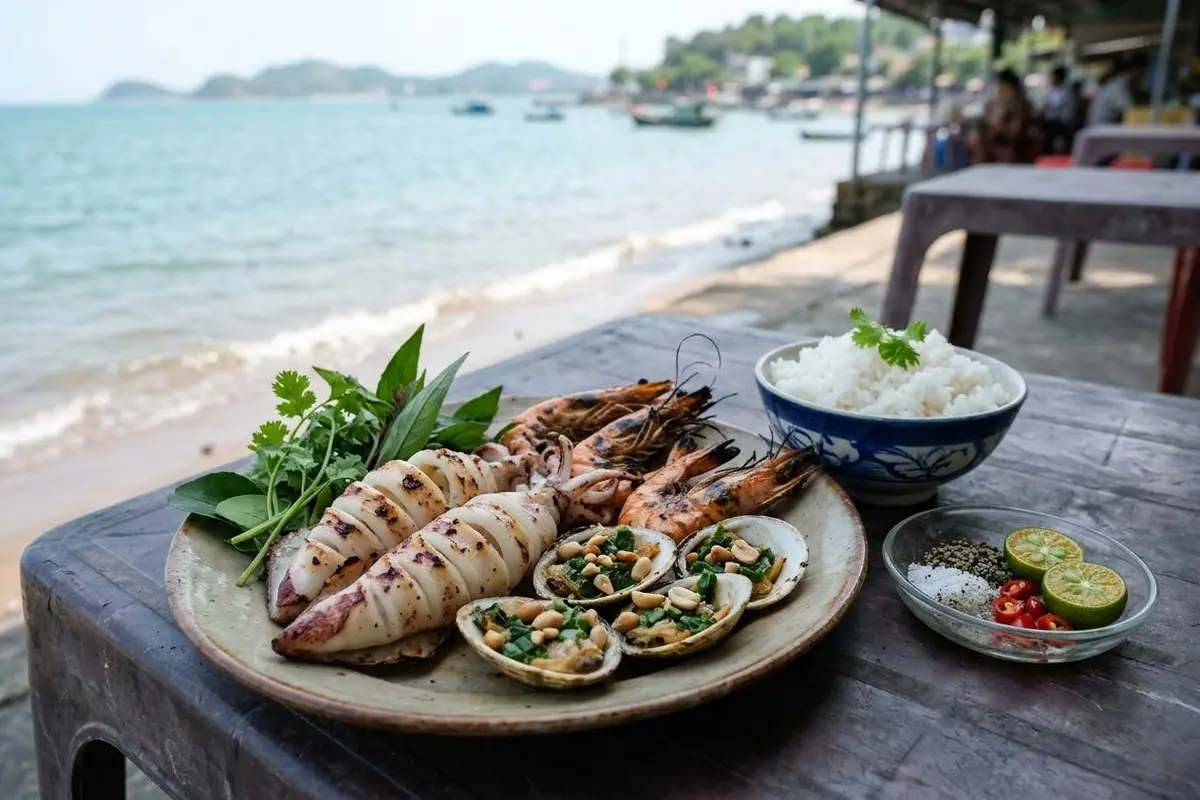
Do Son is worth exploring beyond the arena. The peninsula has beaches, hills with sea views, old temples and plenty of seafood restaurants. After the fights, many visitors walk along the seafront or sit down for grilled squid, clams and prawns.
If you cannot visit at festival time, Do Son is still a pleasant half-day trip, and you may find small displays about the tradition locally. For more ideas, see our list of unusual things to do in Haiphong.
>>> Food Tour Haiphong: 16 Best Must-Try Dishes & Local Eateries
Frequently Asked Questions
When is the Do Son buffalo fighting festival?
The main day is the 9th day of the 8th lunar month, usually in September or early October. Check the official date for the current year.
Where is the festival held?
In Do Son, a seaside district of Haiphong, at a dedicated buffalo fighting arena on the peninsula.
Is the festival suitable for tourists?
Yes, many visitors attend, but it is crowded and loud, and the tradition includes the sacrifice of the buffaloes afterwards. Decide whether it suits you before you go.
Do I need tickets?
Seating and ticketing vary by year. Ask your hotel or a local guide to check and, if possible, arrange seats in advance.
Can I visit Do Son on a day trip from Haiphong city?
Yes, Do Son is close to the city center, so a half-day or full-day trip is easy to arrange.
Visit Do Son with Haiphong Adventure
Want help with transport, timing and understanding the rituals? Message us your dates and we will check the festival schedule and suggest a plan, or explore our Haiphong tours for the rest of your stay.
Contact Haiphong Adventure:
WhatsApp, Viber, WeChat: +84(0)934.555.001
KakaoTalk, Line ID: haiphongadventure