
Haiphong Food Tour Route Exploring Local Markets
The best way to understand what a city eats is to walk through its markets before breakfast. This guide lays out a haiphong food tour route that follows the rhythm of local markets, from the first light of the morning rush to the snack stalls that wake up at dusk. It is designed for curious travelers who want to see ingredients, meet vendors and taste food in the places where it is bought and sold.
We are Haiphong Adventure, a local team that guides visitors through the city every week. Markets change constantly, with stalls moving, closing or reopening under new owners, so we focus on the route logic and the habits that work everywhere, and we encourage you to confirm opening times locally.
Why Start a Haiphong Food Tour Route at the Market
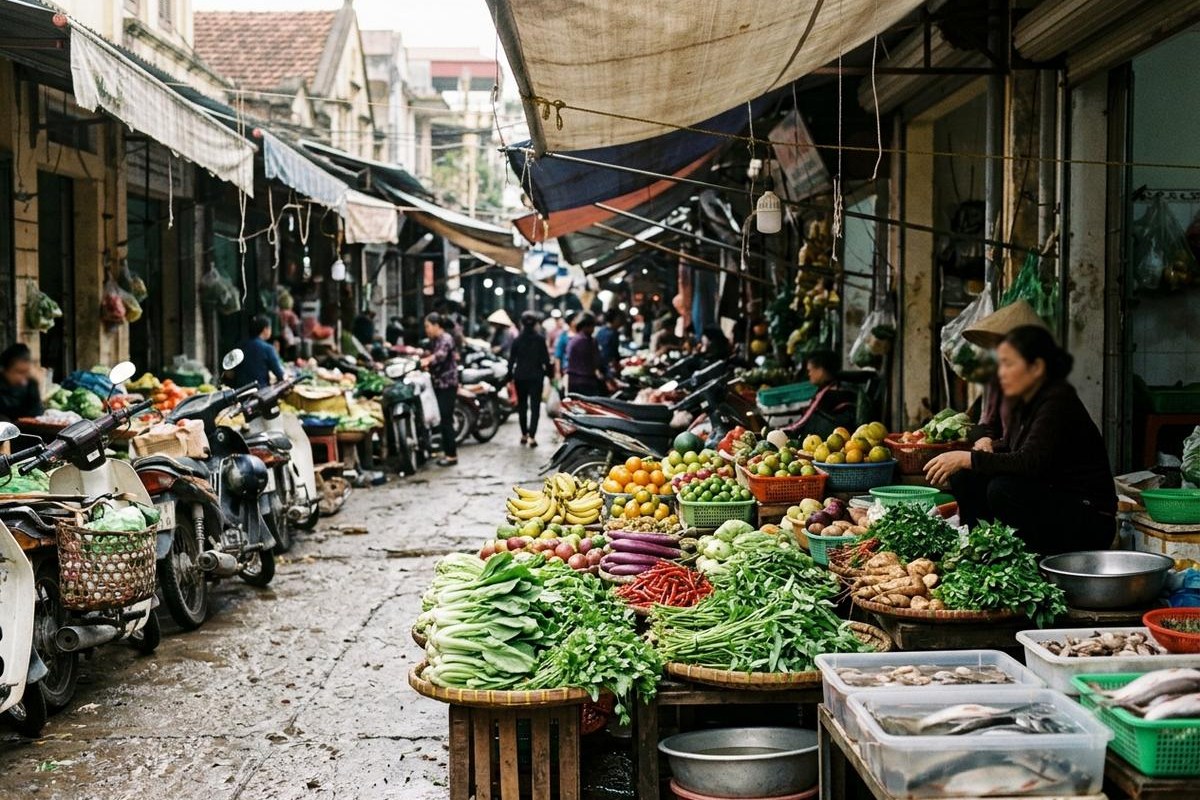
Markets are the kitchen of the city. Everything you later eat in a bowl, a roll or a grilled snack begins on a table or a basket in a market lane. Walking through one before you eat gives each dish a context, because you see the herbs, the crabs, the rice noodles and the vegetables in their raw form.
Markets also have cheap, honest food. Vendors who sell ingredients often cook small meals for themselves and for regular customers, and those meals can be among the best you will find.
What you gain from a market-based route
- A better understanding of local ingredients and seasonality.
- Chances to talk with vendors and learn the names of unfamiliar produce.
- Authentic snacks that are rarely written on tourist menus.
- Great photo moments in natural light.
Plan Your Timing First
Markets follow a clock. The busiest and freshest hour is early morning, when shoppers arrive for the day’s ingredients. By late morning, many fresh stalls start to wind down, and by afternoon some lanes are almost quiet.
A simple schedule that works
Aim to arrive in the early morning, spend about an hour or two inside, then move to a sit-down meal nearby. Plan an afternoon break, then return to the streets in the evening for grilled snacks and drinks. Exact opening hours vary by market and season, so ask your hotel or guide and check a recent map listing.
Weather and clothing
Market floors can be wet, uneven and crowded. Wear closed shoes with grip, light breathable clothes and carry a small rain layer. In hot months, bring a hat and water. A small cross-body bag keeps your hands free.
Choosing Which Markets to Visit
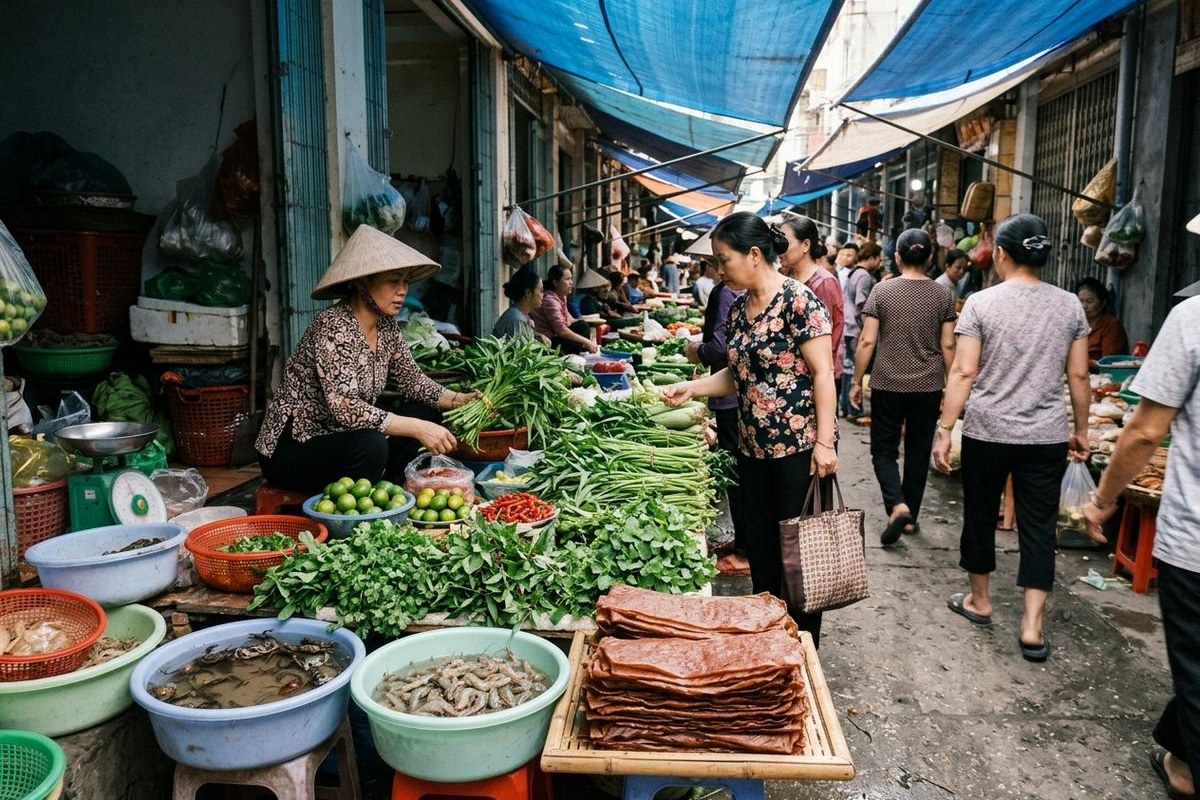
Haiphong has a mix of large central markets, small neighborhood markets and street markets that appear at certain hours. You do not have to visit them all. Pick one or two that are easy to reach from your hotel, and give each enough time.
How to find a good market
Search your map app for the word market in Vietnamese, which is cho, and read recent photos and reviews. Ask staff at your hotel which one they use themselves. A market that locals actually shop in is more interesting than one set up mostly for visitors.
Big market or small market
Large markets offer variety and a busy atmosphere but can be overwhelming. Small markets are calmer, easier to navigate and often better for chatting with sellers. If it is your first time, a small neighborhood market is a gentle introduction.
Our guide to cultural things to do in Haiphong has more ideas for combining market visits with temples, old streets and other local sights.
Stop One, Breakfast at the Market Edge
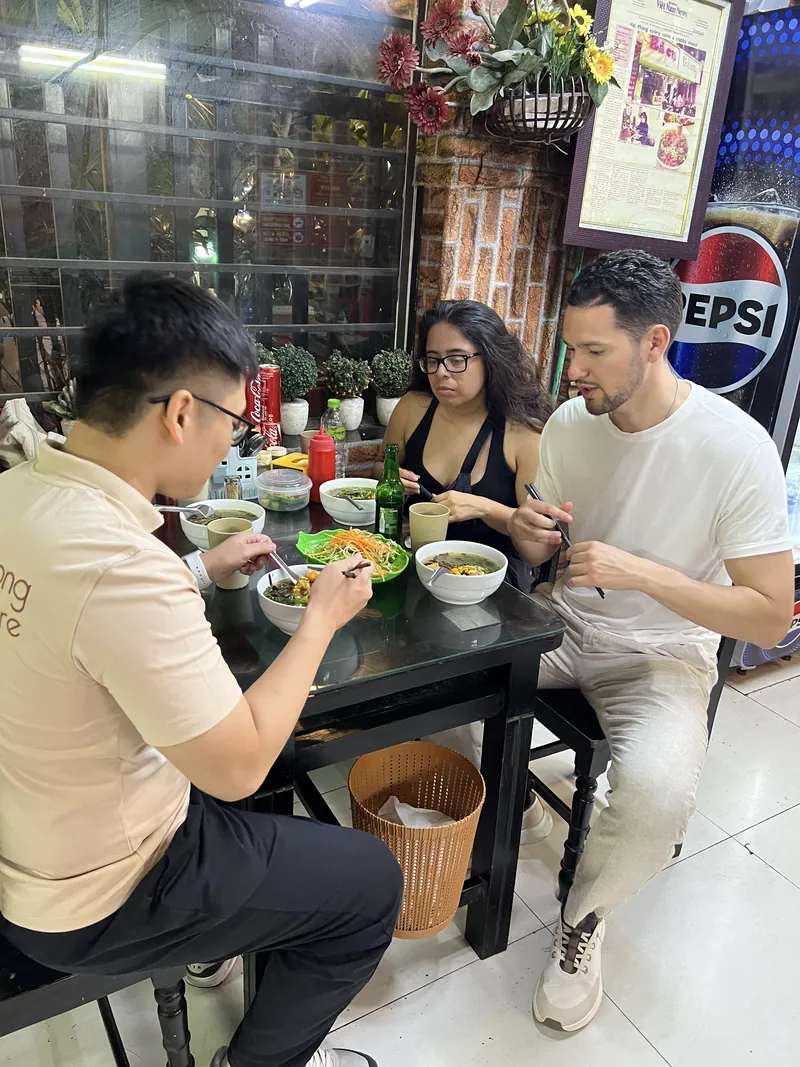
Start with food, not shopping. Many markets have a corner or a nearby lane with breakfast stalls serving noodle soups, steamed rice snacks and sandwiches. Eating first gives you energy for the walk and lets you watch how locals order.
What to look for
Choose a stall with a steady stream of customers and a short menu. Soup stalls with big pots and a quick turnover are usually a safe bet. Haiphong is famous for banh da cua, a crab noodle soup, so a bowl here is a fine way to begin. For more on that dish, see our write-up on Haiphong street food.
Ordering tip
Say hello, point to what you want and hold up fingers for the number of bowls. A smile solves most communication problems. If you do not eat pork or seafood, tell the vendor with a translation app before you order.
>>> Secrets To Enjoying A Real Haiphong Food Tour
Stop Two, Walk the Fresh Food Lanes
With breakfast in your stomach, enter the market proper. Markets are usually organized by product, with lanes for vegetables, herbs, meat, seafood, dry goods and prepared snacks.
The herb and vegetable lane
This is the most colorful part. Fresh herbs are central to Vietnamese cooking, and you will see many leaves you do not recognize. Ask a vendor to name a few and smell them. It is a great way to learn what flavors go into your next bowl.
The seafood lane
In a port city, the seafood section is a highlight. Live fish, crabs and shellfish sit in shallow trays, and vendors work fast. Stand back from busy spots, watch your step on wet floors and ask before taking photos of people. A friendly nod usually earns a smile.
The dry goods and snack lanes
Look for packaged snacks, dried seafood, rice paper and sauces. These make great small gifts, but check customs rules for your home country before packing food in your luggage.
Market Etiquette That Locals Appreciate
A market is a workplace, so a bit of courtesy goes a long way. Move with the flow, keep your voice calm and avoid blocking narrow passages while you take photos.
Do and do not
- Do greet vendors with a smile and a hello.
- Do ask before photographing a person or a stall.
- Do not touch produce without asking if you do not plan to buy.
- Do not haggle aggressively over small amounts. Prices at food stalls are often modest.
- Do keep your bag in front of you in crowded lanes.
Respecting small businesses
If a vendor spends time explaining something to you, buying a small item is a kind thank you. It does not have to be big. A piece of fruit or a snack is enough.
Recommended tour
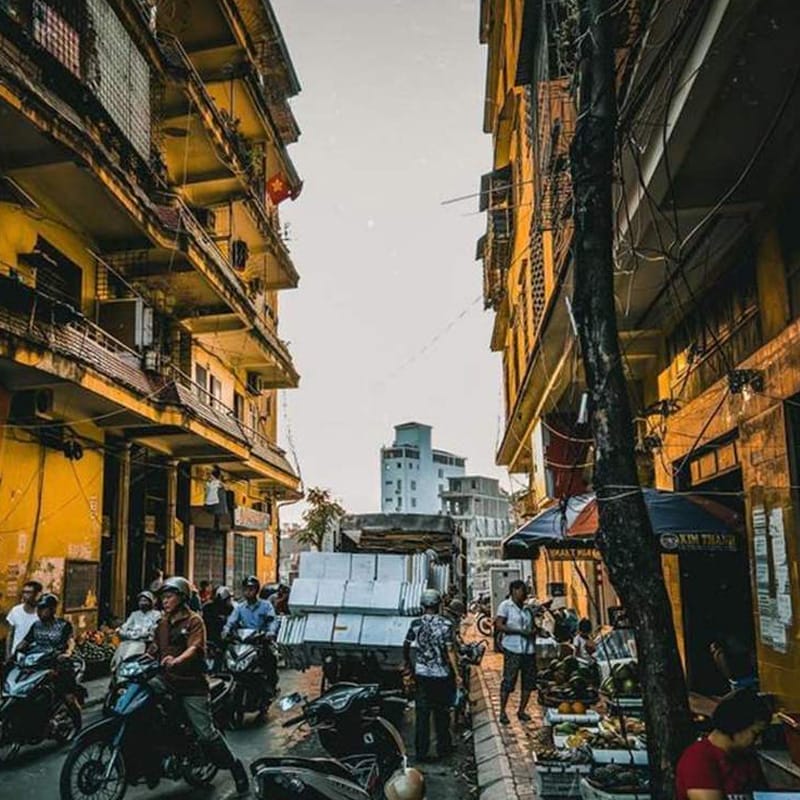
Prefer to explore the old center and its food culture with a local by your side? This four-hour outing is a relaxed way to see how the city eats.
From $79 per person (reference price, updated October 2026, please confirm before booking)
Stop Three, Snack Your Way Out
When you leave the fresh food lanes, follow the smell of cooking. Markets often have prepared food corners with fried snacks, sweet soups and grilled items. Taste small portions, because you still have more of the route ahead.
Snacks that suit a market walk
- Fresh fruit cut into bags with a dip of salt and chili.
- Sweet soups served cold in a cup.
- Small fried items you can eat while walking.
- Fresh sugarcane juice or a fruit drink.
Keep your hands clean
You will touch a lot of things in a market. Carry hand sanitizer and wipes, and use them before you eat. If you have allergies or a sensitive stomach, speak with a doctor before your trip.
>>> Food Tour Haiphong: 16 Best Must-Try Dishes & Local Eateries
Stop Four, A Proper Lunch Nearby
After a morning of grazing, a sit-down lunch gives your feet a break. Look for a small eatery within a short walk of the market. Restaurants near markets often get the freshest ingredients, because their owners buy there every day.
What to order
Ask for a house specialty, share two or three dishes and add a plate of vegetables or herbs. A simple meal of rice with a few shared plates can feel wonderfully satisfying after a morning of snacks.
Rest and recharge
Midday is the hottest time of day in warm months. Use it for a long lunch, a coffee and perhaps a rest at your hotel before heading out again in the late afternoon.
Stop Five, The Evening Street Food Loop
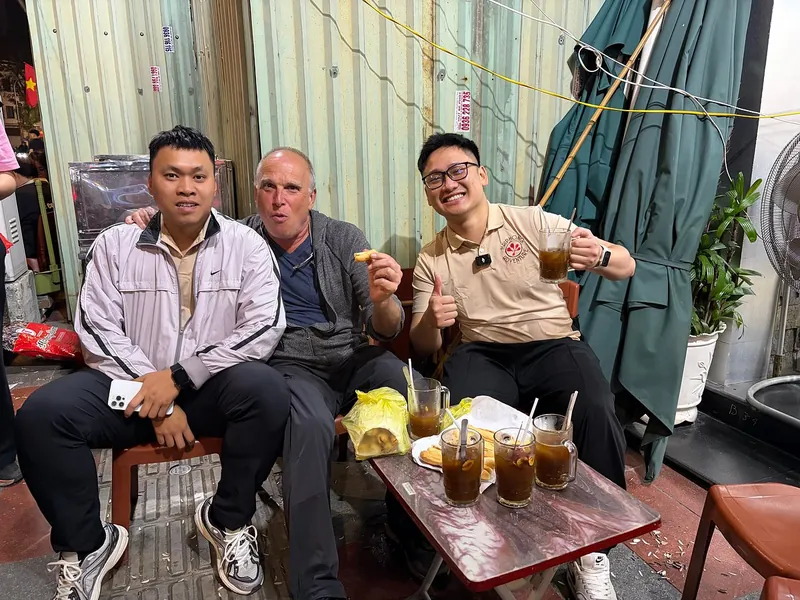
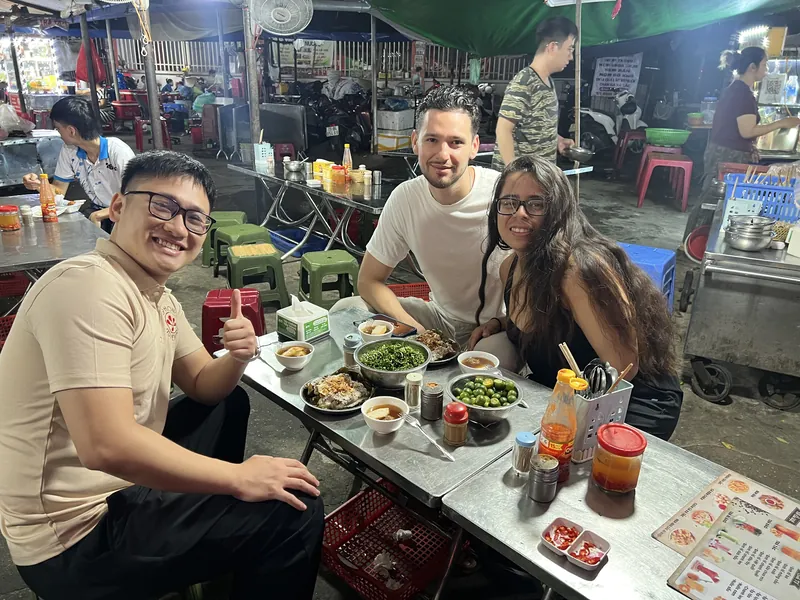
Many street food stalls appear or come alive after dark. Pick a lively street within walking distance of your hotel and graze through two or three stops. Sit at low tables, share plates and watch the street come to life.
Why evening completes the route
Markets show you the raw ingredients. Evening stalls show you what cooks do with them. Seeing both gives you a fuller picture of Haiphong’s food culture, from the basket to the plate.
Staying safe at night
Stick to well-lit streets, keep your phone charged and use a ride-hailing app or licensed taxi if you are tired. Keep valuables out of sight and drink water between rounds.
Market Words Worth Knowing
You can shop and snack in silence, but a few words make everything friendlier. Learn them from your guide, a phrasebook app or the vendors themselves.
Useful words
- Cho means market.
- Bao nhieu means how much.
- Rau means vegetables or greens.
- Ca means fish, tom means shrimp and cua means crab.
- Cam on means thank you.
Say them slowly and with a smile. Vendors usually respond with a laugh and a correction, which is part of the fun. Written Vietnamese uses accents, so words may look different on signs, but the sounds are close enough to be understood.
Numbers and pointing
If you are unsure how to say a quantity, use fingers or ask the vendor to write the price on a phone or a scrap of paper. This is normal and quick, and it avoids confusion.
Bringing Little Souvenirs Home
Markets are also a source of small, useful gifts. Look for sealed packaged snacks, dried spices or local sauces. Choose items that are clearly packaged and labeled, and check your home country’s rules on bringing food through customs, since restrictions differ widely and change over time.
Choosing gifts with care
Fresh produce, meat and seafood usually cannot travel. Dried or sealed goods have better odds, but rules vary. If in doubt, buy something that is not food, such as a woven basket or a ceramic bowl, and enjoy the memory of the market through the object.
Packing tips
Wrap sauces and liquids carefully in plastic and pack them in the middle of your luggage. Keep receipts in case you need to show them at the border.
>>> Unusual Things To Do In Haiphong Off Beaten Path
Visiting Markets With Family or Friends
Markets can be a wonderful family activity. Children are often fascinated by live seafood, colorful fruit and the busy atmosphere. Keep little ones close, because lanes are narrow and motorbikes sometimes pass through.
Tips for a smooth group visit
- Agree on a meeting point in case someone gets separated.
- Give older children a small job, like finding a fruit they have never tried.
- Take breaks in the shade and offer water often.
- Keep the pace relaxed and avoid peak crush hours if you have a stroller.
When to go for a calmer visit
If crowds bother you, try a smaller neighborhood market or visit slightly after the first rush. You will still see plenty of life and have more room to walk and talk.
Sample Route at a Glance
Here is a flexible template you can adapt to any market in the city.
- Early morning: breakfast at a market-edge stall.
- Morning: walk the herb, vegetable and seafood lanes.
- Late morning: market snacks and a fruit or cane drink.
- Lunch: a simple sit-down meal near the market.
- Afternoon: rest, coffee and a stroll through old streets.
- Evening: a loop of street food stalls.
Make it your own
Swap, skip or extend stops depending on your energy. If you love one stall, stay longer. If you are tired, cut the route short. Good food is meant to be enjoyed, not rushed. For ideas on how to fill the quiet hours, see our list of free things to do in Haiphong.
Getting Around and Staying Comfortable
Most central markets are within walking distance of each other, and short taxi or ride-hailing trips cover the rest. Keep your destination written in Vietnamese on your phone to show drivers.
Money matters
Carry small notes in Vietnamese dong. Market vendors rarely take cards. Prices change by season and stall, so we do not list fixed figures. Ask politely before ordering if prices are not shown.
Photography and privacy
Photos of food and stalls are usually welcome. For close-ups of people, always ask. A smile and a gesture toward your camera is a universal way to check.
Self-Guided Route or Guided Food Tour
You can follow this route on your own or walk it with a local. Both work well. The right choice depends on your time, your confidence and how much detail you want.
| Factor | Self-guided | With a local guide |
|---|---|---|
| Finding stalls | Map apps and trial and error | Guide picks busy, trusted stalls |
| Ordering | Pointing and translation apps | Guide explains dishes and dietary needs |
| Ingredients | You see them but may not know their names | Guide names herbs, seafood and sauces |
| Pace | Fully flexible | Planned, then adjusted to your group |
| Cost | Food and transport only | Tour fee, so check what is included |
Who should choose a guide
First-time visitors, travelers with allergies and anyone short on time usually get more from a guided walk. If you have a full day and enjoy figuring things out, the self-guided route is a rewarding challenge.
Frequently Asked Questions
What is the best time to start a haiphong food tour at a market?
Early morning is usually best, when ingredients are freshest and the atmosphere is liveliest. Exact times vary, so check locally.
Do markets take credit cards?
Mostly no. Carry small bills in Vietnamese dong and keep a card as a backup for restaurants and cafes.
Is it okay to take photos at the market?
Yes, generally, but ask before photographing individuals and avoid blocking busy walkways.
How long should I spend in a market?
One to two hours is a comfortable range for most visitors, including a breakfast stop and some snacking.
Can a guide take me to the best markets?
Yes. A guide can choose the best time, explain ingredients and translate. Message us for current options.
Ready to Walk the Markets With Us?
If you would like a local to show you the best lanes, introduce you to vendors and explain what you are eating, get in touch with Haiphong Adventure. Tell us your dates, interests and dietary needs, and we will suggest the right route. You can also browse our full list of Haiphong tours.
Contact us:
- WhatsApp, Viber, WeChat: +84(0)934.555.001
- KakaoTalk, Line ID: haiphongadventure