Haiphong Colonial Buildings Map for Tourists Who Love Heritage
This Haiphong colonial buildings map for tourists groups the city’s French-era landmarks into three easy zones you can explore on foot: the Opera House and Dien Bien Phu area, the old administrative streets near the river, and the railway station district. Most of the highlights sit within about 2 kilometers of each other, so you can see the best of them in half a day and save the rest for an evening stroll.
We are Haiphong Adventure, a local tour team based in Haiphong. We put this guide together for travelers who love architecture and history and want to understand what they are looking at, not just tick off photo spots.
Why Haiphong Has So Much Colonial Architecture
Haiphong grew from a fishing area into a major port in the late nineteenth century, when the French developed it as the main sea gateway to northern Vietnam. Banks, trading houses, government offices, a theater, a railway station and elegant villas were built to serve the new port city.
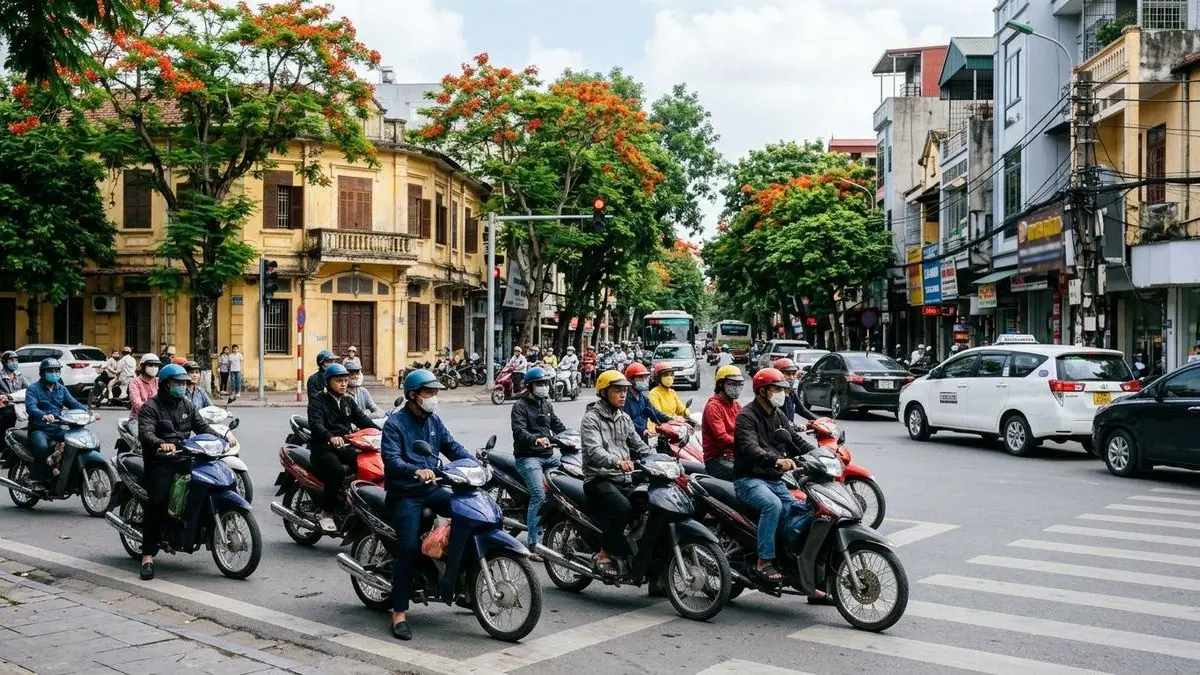
Many of these buildings are still in use today as museums, offices, schools, cafes and homes. Unlike some cities where heritage areas feel like open-air museums, Haiphong’s colonial streets are busy and lived in, which is part of their charm.
To understand the bigger story of how the city developed, read our overview of cultural insights from a Haiphong city tour.
Your Colonial Buildings Map at a Glance
Save these places as pins in your map app before you go. Group them by zone so you can walk from one to the next without backtracking.
| Zone | Landmarks | Best time |
|---|---|---|
| 1. Opera House and Dien Bien Phu | Opera House, flower gardens, Haiphong Museum, villas on Dien Bien Phu | Morning or late afternoon |
| 2. Riverside administrative streets | City Post Office, former town hall and port offices near Hoang Dieu, cathedral on Hoang Van Thu | Morning, when offices are active |
| 3. Railway district | Haiphong Railway Station and old shophouse streets nearby | Afternoon |
| Bonus | Cau Quay iron swing bridge | Evening, when it is lit |
Exact addresses and access rules can change, so treat this map as a guide and check opening details locally (reference only, updated November 2026).
Haiphong Opera House
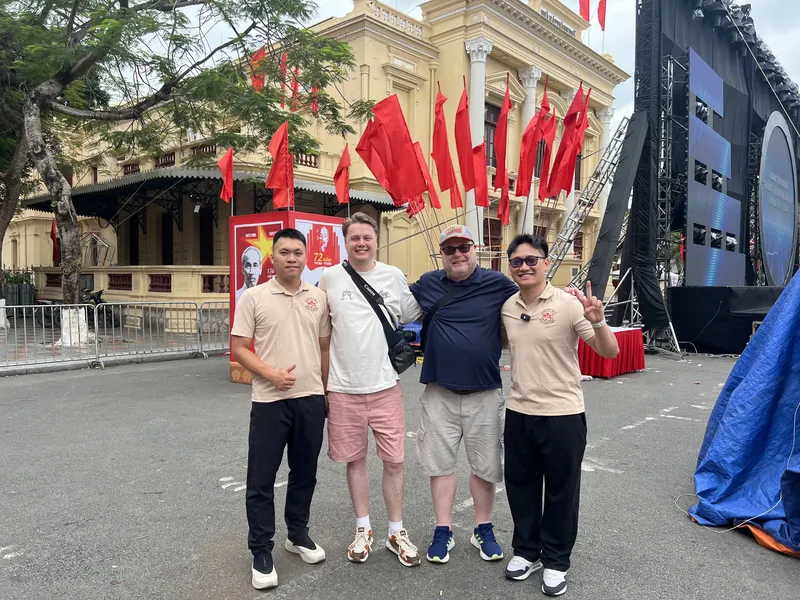
The Opera House is the most famous colonial building in the city and the best place to start. Built during the French period in the early twentieth century, it shows a neoclassical style with columns, a triangular pediment and tall arched windows. It faces a wide square that has become the city’s main gathering place.
The building is still a working theater, so the inside is usually only accessible during performances or special events. The outside is free to admire at any time. On national holidays it is decorated with flags and banners, which makes for colorful photos.
Haiphong Museum on Dien Bien Phu Street
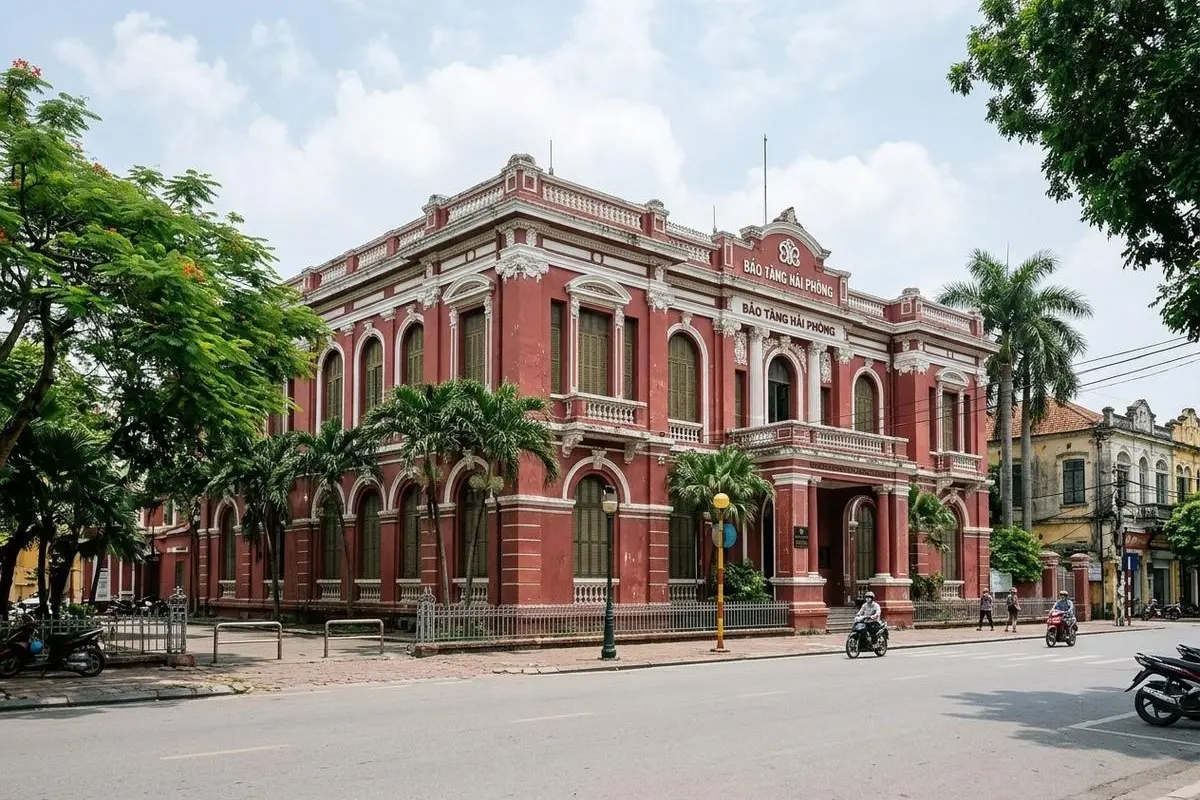
A short walk from the square, the Haiphong Museum is impossible to miss. Its deep red walls, ornate window frames and decorative details make it one of the most photographed buildings in the city. Inside, the galleries trace local history, from early settlements and battles on the Bach Dang River to the growth of the port.
Dien Bien Phu Street itself is worth walking slowly. Look for old villas behind gates and trees, many with tiled roofs, wooden shutters and wrought-iron balconies. Some have been converted into offices or restaurants, while others remain family homes.
Tips for visiting
- Check opening hours at the entrance, since they can differ on weekends and holidays.
- Photograph the facade from the opposite sidewalk for a full view.
- Morning light brings out the red color best.
>>> Cultural Things To Do In Haiphong You Must Try
Haiphong City Post Office
The City Post Office is a long, yellow colonial building with a corner entrance and tall windows. It still operates as a post office, which makes it a rare chance to step inside a working heritage building. Buying stamps and posting a postcard home is a simple, memorable souvenir.
The streets around the post office are leafy and calm compared with the busy center, with several more old buildings painted in the classic colonial yellow.
Recommended tour

Explore the old town with a local guide, hear the stories behind its buildings and stop for classic Haiphong flavors along the way.
From $79 per person
The Former Town Hall and Port Offices
Near the river, the streets around Hoang Dieu were the administrative heart of colonial Haiphong. The former town hall, now used by the city government, is a large, symmetrical building with a central clock tower. Nearby you will find other solid public buildings once linked to the port and customs services.
These are working government offices, so you can only admire them from outside. Do not try to enter, and avoid photographing guards or security points.
Haiphong Cathedral on Hoang Van Thu Street
The Catholic cathedral is one of the city’s most striking religious buildings, with a tall gray facade and pointed Gothic-style windows. It is an active place of worship, so plan your visit outside Mass times and dress modestly, with shoulders and knees covered.
If the gates are open, you may be allowed to step into the courtyard quietly. Keep your voice low, remove hats inside and do not use flash photography.
Haiphong Railway Station
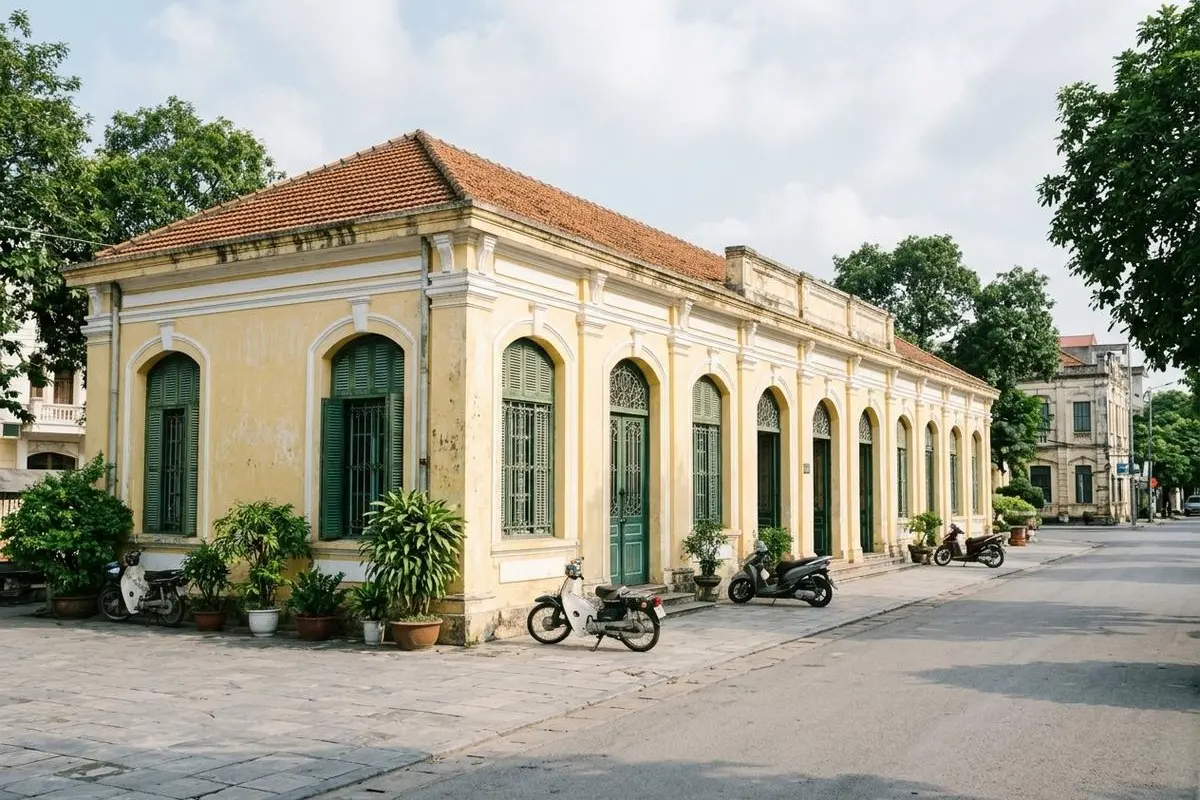
The railway station belongs to the line that has linked Hanoi and Haiphong since the early twentieth century. The station building keeps its colonial look, with arched windows, shutters and a pale facade. It is still a working station, and trains to Hanoi depart from here.
You can combine a look at the station with a train journey. Our story about the train from Hanoi to Haiphong explains what the ride is like.
>>> Comparing Bus And Train From Hanoi To Haiphong
Old Shophouses and Villa Streets
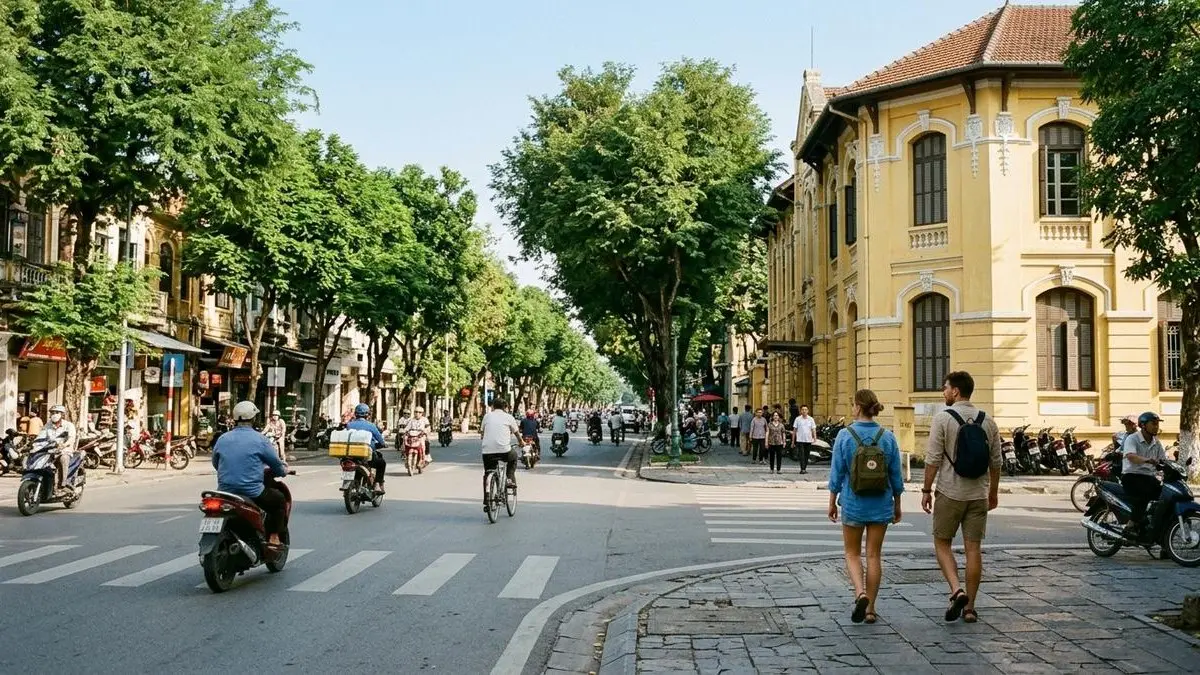
Beyond the big landmarks, some of the most rewarding colonial heritage is found in ordinary streets. In the center you will see narrow shophouses with tall shuttered windows, decorative plaster, and balconies where residents grow plants and dry laundry.
- Look up above modern shop signs to spot original moldings and dates on facades.
- Notice the mix of yellow, cream and pastel colors typical of the period.
- Watch for courtyard villas hidden behind tall gates on quieter streets.
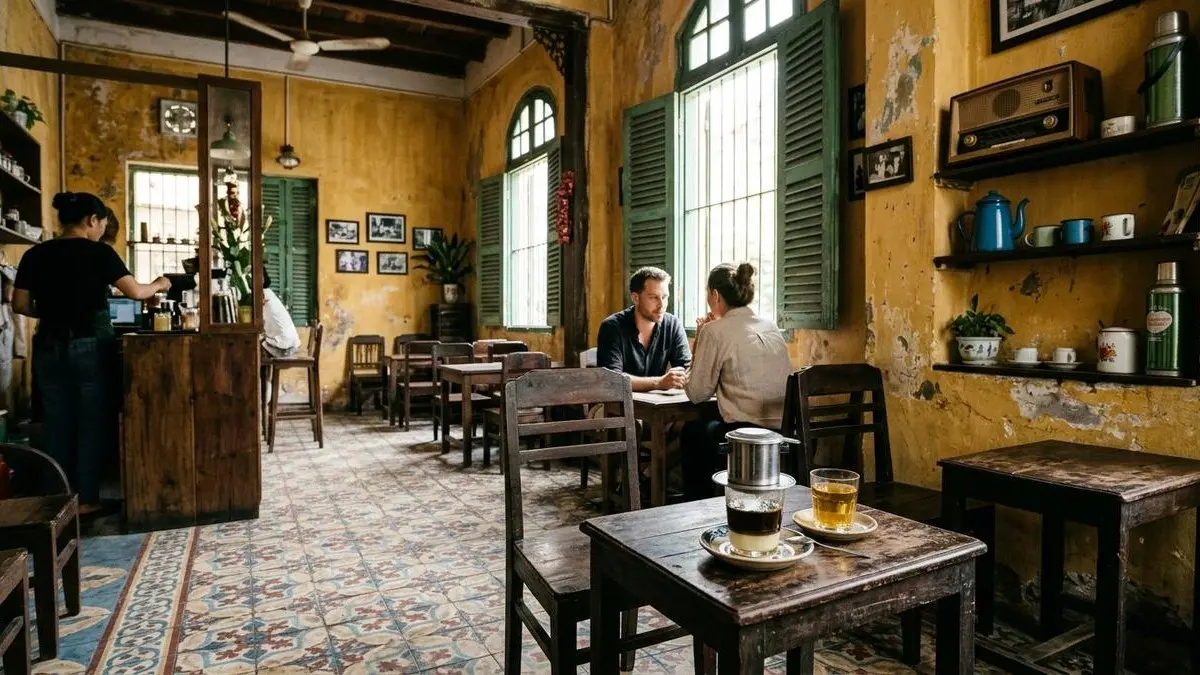
Several of these old houses now host cafes, where you can rest and enjoy the interiors with tiled floors and high ceilings.
Cau Quay Iron Swing Bridge
End your heritage tour at Cau Quay, an old iron railway swing bridge that reflects the industrial side of the colonial port. The street beside it is decorated with murals of old Haiphong, and the bridge is lit up in the evening, which makes it a favorite spot for night photos. Stay clear of the tracks and follow local signs.
Suggested Half-Day Route
- Start at the Opera House square around 8 am.
- Walk Dien Bien Phu Street to the Haiphong Museum.
- Continue to the City Post Office and send a postcard.
- Admire the former town hall and port offices near the river.
- Visit the cathedral on Hoang Van Thu Street.
- Take a coffee break in an old townhouse cafe.
- Ride a taxi or ride-hailing motorbike to the railway station.
- Return in the evening for Cau Quay bridge and the mural street.
If you prefer to see the city on two wheels, our Haiphong motorbike tour routes combine heritage stops with scenic rides.
>>> Half-Day Haiphong Tour: Best Things to See in 4 Hours
Photography and Etiquette Tips
- Early morning offers soft light and fewer motorbikes parked in front of facades.
- A wide-angle lens or phone mode helps capture tall buildings on narrow streets.
- Do not photograph security staff, guards or military sites.
- Ask permission before photographing residents in front of their homes.
- Respect private property and do not walk into gated villas.
- Do not fly drones over government buildings or the city center without permission.
Frequently Asked Questions
Where are most colonial buildings in Haiphong?
Most are in the city center around the Opera House, Dien Bien Phu Street, Hoang Van Thu Street and the riverside streets near Hoang Dieu, plus the railway station area.
Can I go inside the colonial buildings?
You can enter the post office during opening hours and the museum when it is open. The Opera House usually opens only for performances, and government buildings are closed to visitors.
How long do I need to see them?
Half a day is enough for the main landmarks. Add an evening for the bridge and night views.
Is a guide necessary?
No, you can follow this map on your own. A local guide adds stories, hidden alleys and food stops you might miss.
Discover Heritage Haiphong with Haiphong Adventure
Haiphong’s colonial architecture tells the story of a port city that connected northern Vietnam with the world. If you would like to explore it with locals who know the stories behind each facade, message us or browse our Haiphong tours.
Contact Haiphong Adventure:
WhatsApp, Viber, WeChat: +84(0)934.555.001
KakaoTalk, Line ID: haiphongadventure