History Of Banh Da Cua In Haiphong Culinary Art
The history of banh da cua is really the history of Haiphong itself: a busy port, a fertile delta and a city that learned to turn simple ingredients into comfort food. Today this reddish-brown noodle soup with crab is the dish most visitors connect with the city, and it appears on almost every local breakfast table.
No single document tells us exactly when the first bowl was served, and we will not pretend otherwise. What we can do is look at the landscape, the ingredients and the way local people eat, and explain why this dish belongs so firmly to Haiphong. Along the way, we share practical tips for tasting it on your own or with Haiphong Adventure on one of our haiphong tours.
What Is Banh Da Cua And Why Its Story Matters
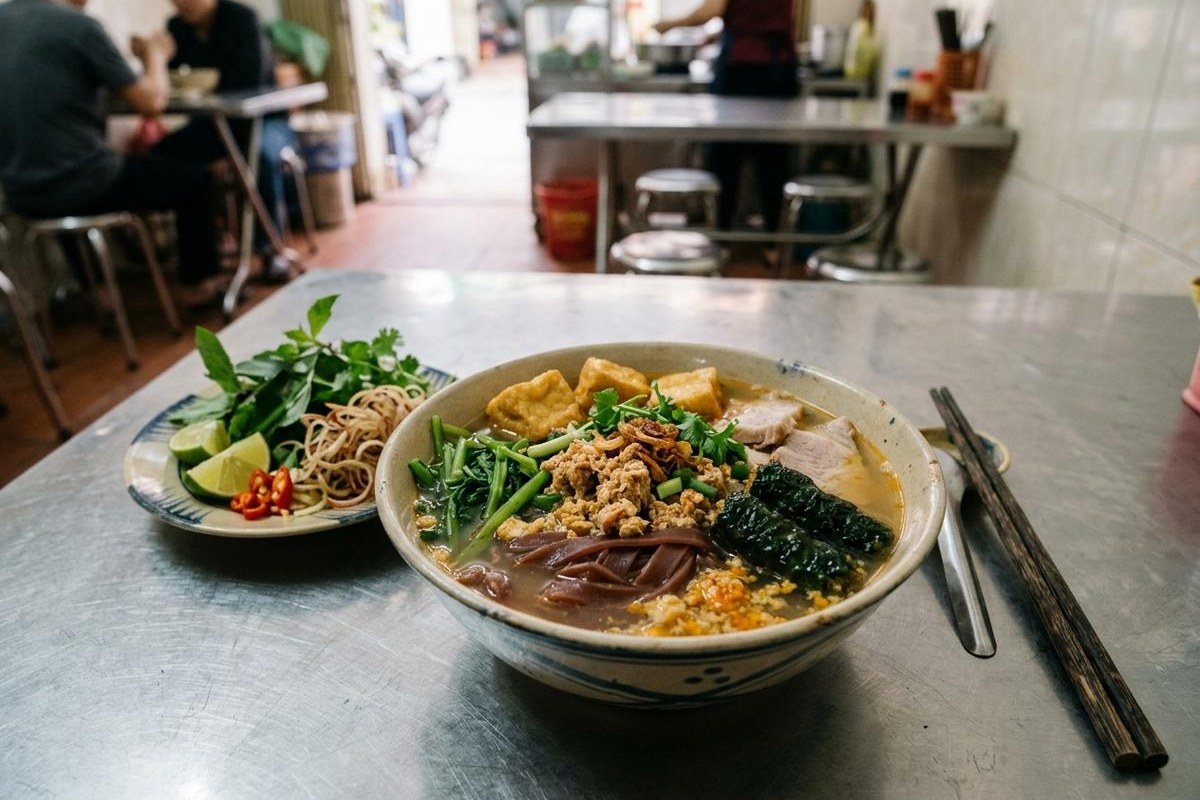
Banh da cua is a noodle soup made with flat rice noodles that have a distinctive reddish-brown color, served in a crab-flavored broth. The usual toppings include chopped water spinach, crab-based patties, pieces of crab, fried shallots and fresh herbs. Diners add chili, lime or vinegar at the table and stir everything together.
Food history in Vietnam is often passed on by families and street cooks, not by written records. That means stories about origins can differ from one person to another. This is normal, and it is part of the charm. When you sit down at a noodle shop in the old streets, you are tasting a recipe that has been shaped by many hands over many years.
It also helps to understand why people care so much about it. Banh da cua is not a special-occasion dish. It is everyday food, eaten for breakfast or lunch by office workers, students and grandparents. That daily habit is what keeps the tradition alive.
>>> My Haiphong Street Food Adventure Local Taste
Haiphong As A Port And Delta City
To understand the dish, start with the map. Haiphong sits near the mouth of the Red River Delta, where rivers meet the sea. It is a major port of northern Vietnam, and that role shaped everything from its streets to its kitchens.
A port city attracts workers, traders and travelers, and all of them need cheap, filling food that is quick to serve. A bowl of noodles in a flavorful broth fits that need perfectly. It is hot, it is filling, and it can be made in large quantities before dawn.
The delta around the city also provides rice, vegetables and freshwater animals. Rice becomes noodles, vegetables become toppings, and small freshwater crabs from the fields can become broth. In other words, the ingredients of banh da cua are close to the city, and that closeness is a big part of its identity.
The Noodles Behind The Name
The word da in banh da refers to a type of dried rice noodle sheet or noodle that is popular in northern Vietnam. The name banh da cua simply means crab noodle, which tells you the two stars of the dish: noodles and crab. The noodles themselves are what make Haiphong’s version different from many other soups. They are thicker and chewier than the white noodles used in pho, and they keep their texture in hot broth.
Their reddish-brown color is the most recognizable feature of the dish. Different makers have their own methods, and we recommend asking at a shop if you are curious about how a particular batch is made. What matters for a visitor is the result: noodles with a firm bite that soak up the flavor of the broth without falling apart.
Because dried noodles store well, they were practical food in a time before refrigerators. A cook could keep a supply, boil a portion when a customer arrived, and serve a hot bowl in minutes. That convenience helps explain why the dish spread across the city.
The Crab Behind The Broth
Traditionally, crab broth in northern Vietnamese cooking comes from small freshwater field crabs. Cooks pound the crabs, strain the mixture and cook it into a savory base. The result tastes sweet, a little earthy and deeply rich, without needing heavy spices. Modern cooks sometimes combine crab with pork bones or other ingredients, so the exact recipe changes from shop to shop.
Crab is not only used for the broth. Many shops add crab-based patties and pieces of crab meat on top, which gives each bowl more texture. The combination of a clear, savory broth with chewy noodles and tender crab is what people mean when they talk about an authentic bowl.
If you want to learn more about the way locals taste and judge a bowl, our guide on secrets to enjoying a real Haiphong food tour explains what to look for when you visit a stall.
Recommended tour
The Haiphong Street Food and City Tour
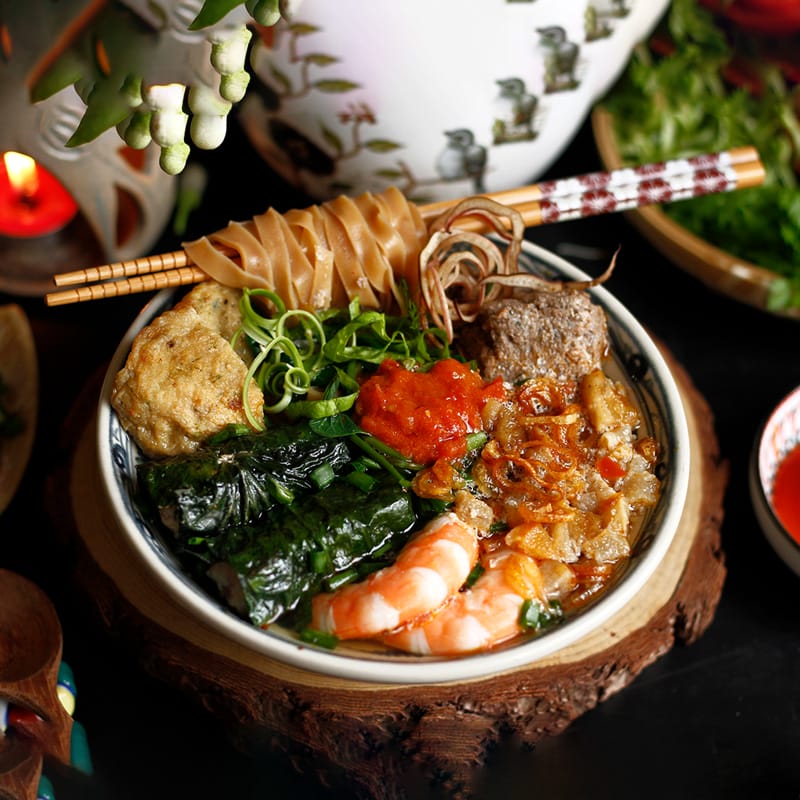
Taste banh beo, banh da cua and sweet local treats with a local guide, with stops at Linh Quang Pagoda, the Opera House and the Le Chan statue in between.
From $85 per person
How The History Of Banh Da Cua Keeps Evolving
Like any living recipe, banh da cua keeps changing. Older cooks often prefer a simple bowl, with broth, noodles and a few toppings. Younger shops sometimes add extra items such as fried ingredients, more kinds of crab patty or a bigger pile of herbs. Neither version is wrong. Each shop develops its own balance, and regular customers have strong opinions about which is best.
Another change is where the dish is eaten. For many years it was mostly a local breakfast. Today, as more travelers discover Haiphong, shops that once served only neighbors now welcome visitors with curious faces. Some have added menus with simple pictures or small English notes, although many still rely on pointing and smiling.
What has not changed is the basic idea: a hot, savory bowl made from local ingredients, served quickly and shared in a friendly, informal place. If you want to see this living tradition, a local guide can introduce you to stalls that would be hard to find alone.
Banh Da Cua In Daily Life And Culture
In Haiphong, food is a social activity. Friends meet over a bowl of noodles, families stop for breakfast before work, and visitors from other cities often ask to be taken to their favorite shop. Banh da cua appears in conversations about the city the same way a local football team might in other places: it is a point of pride.
You will also see how the dish connects with other parts of Haiphong’s food culture. Crab appears in nem cua be, the square crab spring rolls, and in many family dishes. Seafood and snails fill the evening streets. Together these dishes tell a story about a city that lives close to the water and the fields. For more ideas about experiencing local culture beyond the dinner table, see our guide to cultural things to do in Haiphong.
>>> Unusual Things To Do In Haiphong Off Beaten Path
How To Taste The Tradition Today
Choose a busy shop
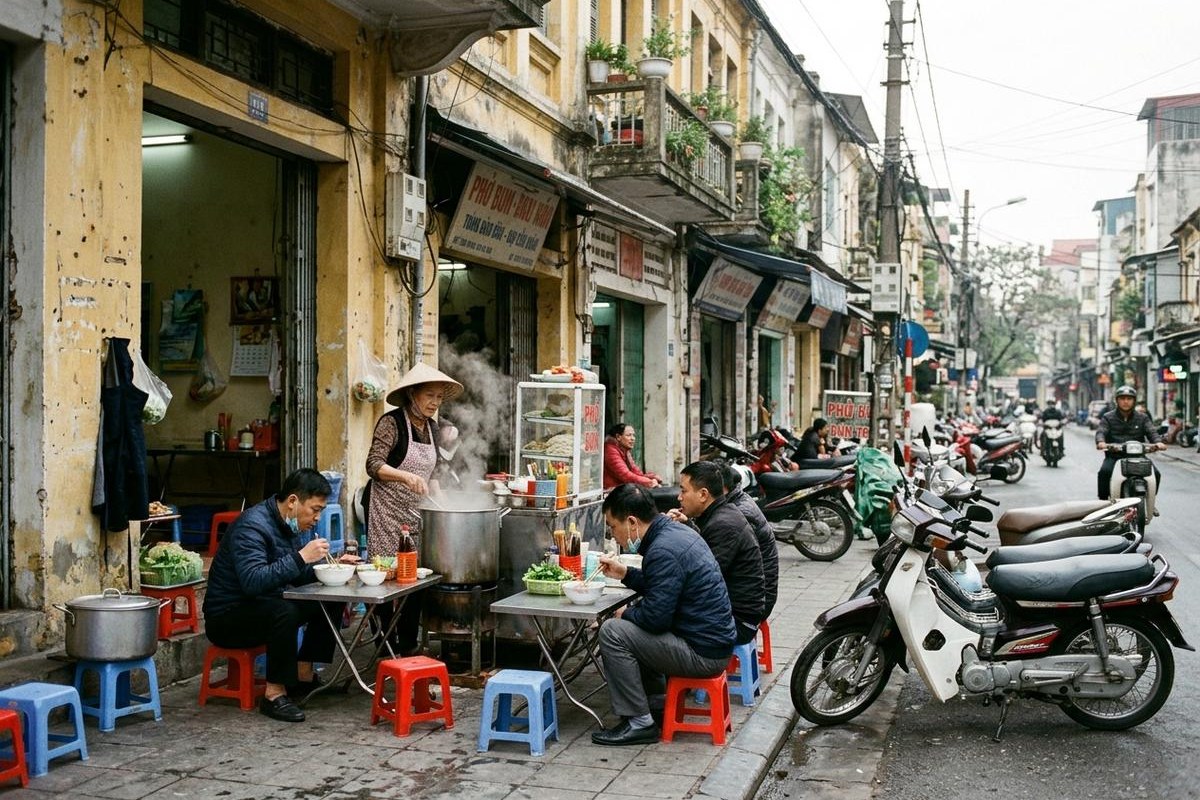
The easiest way to find a good bowl is to look for a shop with a steady stream of local customers, especially at breakfast. Busy shops cook fresh batches often, which means the broth and toppings are at their best. If the shop is empty at peak time, move on.
Order and customize
Sit down and say banh da cua. Most shops will bring you a bowl with the standard toppings. Add chili, lime or vinegar to taste. If you are sensitive to strong smells, ask your host before using fermented shrimp paste, since its aroma is intense. Prices differ between shops, so check before ordering any extra toppings (for reference only, updated 10/2026).
Eat like a local
Stir everything together, take a spoonful of broth first and then lift the noodles with chopsticks. Do not rush. Conversation, tea and a leisurely pace are all part of the experience.
Pair it with other local bites
One bowl is filling, but it is worth leaving a little room. Haiphong is also known for banh mi cay, a thin and crunchy mini baguette with pate and chili sauce. The city is also known for nem cua be, the square crab spring rolls.
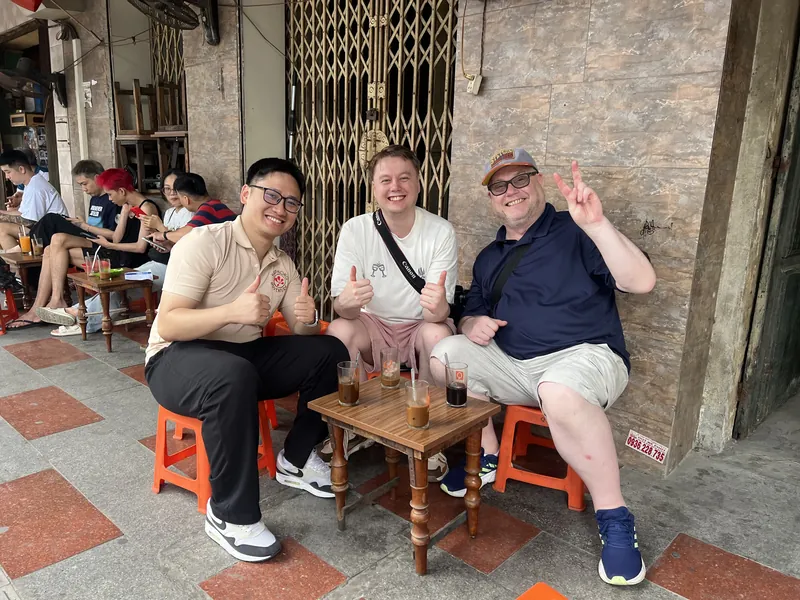
Trying these on the same day shows how often crab and simple street snacks appear in the local diet. If you prefer something calmer afterwards, a Vietnamese iced coffee on a plastic stool is a relaxed way to end a noodle breakfast.
Planning A Banh Da Cua Morning In Haiphong
Tasting banh da cua is easy, but a little planning makes the morning more enjoyable. The dish is part of a daily routine, so it helps to fit into that routine rather than expect a restaurant schedule.
Pick the right time
Go early. Breakfast is when shops are busiest and the broth is freshest. Some small shops close once the pot is empty, and opening times change from place to place, so do not plan your first bowl for late afternoon.
What to bring
- Small cash notes, because many street shops do not take cards.
- Tissues or wet wipes, since napkins can be thin or missing.
- A translation app or a photo of the dish to show the cook.
- An open mind about low stools, shared tables and busy sidewalks.
On your own or with a local guide
You can find a good bowl on your own by following the crowds. A local guide adds the stories behind the food, helps you order toppings and takes you to family shops in small alleys.
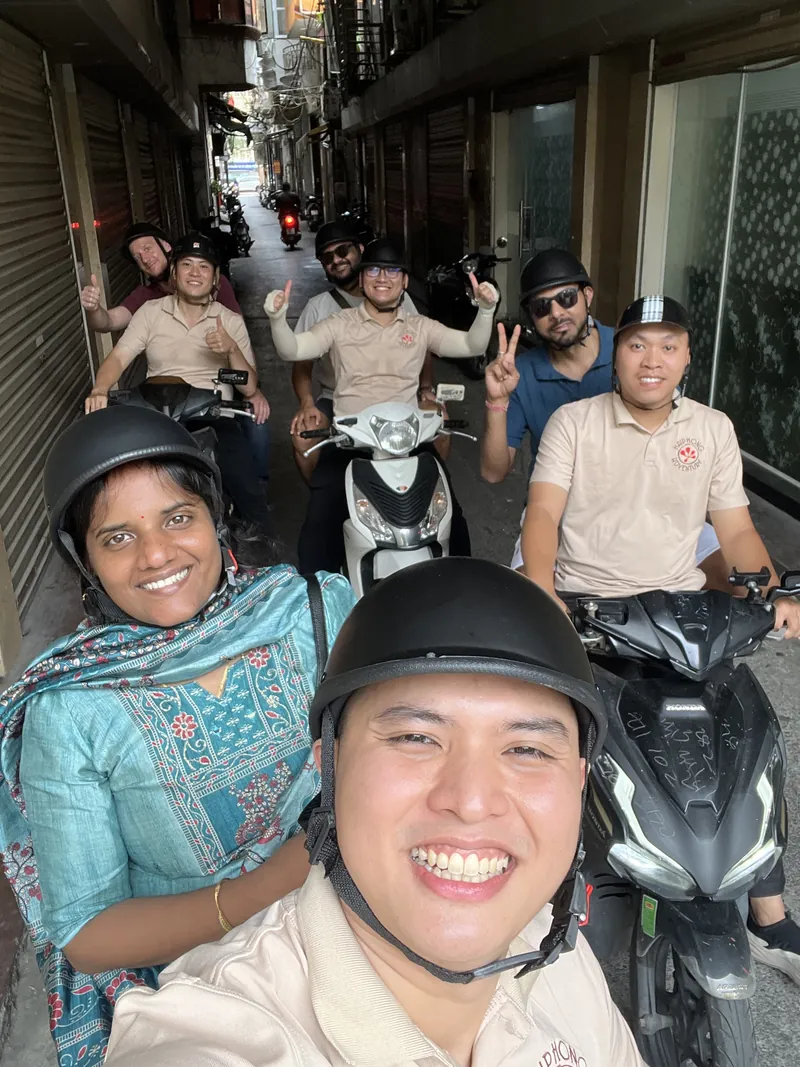
Many travelers combine a noodle stop with a city ride on the back of a motorbike. This way, breakfast becomes the start of a full morning of sights, coffee and conversation with Haiphong Adventure.
Frequently Asked Questions
Where does banh da cua come from?
It is strongly associated with Haiphong, the port city of northern Vietnam. There is no single agreed date or inventor, and stories vary, so it is best seen as a dish shaped by the city’s people over time.
Why are the noodles red or brown?
The color is part of the identity of the noodles. Different makers use different methods, so ask at the shop if you want to know how their noodles are prepared.
Is banh da cua the same as other crab noodle soups?
No. Several Vietnamese noodle soups use crab, but the noodles, toppings and broth in Haiphong’s version make it distinct.
What is the best time to eat banh da cua?
Breakfast and early lunch, when the broth is fresh. Many shops close once they sell out.
Can I try banh da cua on a tour?
Yes. Our local guides include it on food-focused routes. Browse our haiphong tours or message us to plan a custom food day.
Final Thoughts On This Haiphong Tradition
Banh da cua may look like a simple bowl of noodles, but it carries the story of a port, a delta and the people who cook for their neighbors every morning. You do not need to know every detail of its history to enjoy it. You only need to sit down, be curious and taste.
If you would like a local to take you to the shops where this tradition is still alive, the team at Haiphong Adventure is happy to help you plan a food day that fits your pace and interests.
WhatsApp, Viber, WeChat: +84(0)934.555.001
KakaoTalk, Line ID: haiphongadventure