Haiphong Food Etiquette Tips for Foreigners Dining Locally
Eating in Haiphong is relaxed, noisy and delicious, but a few habits make it smoother. These Haiphong food etiquette tips for foreigners explain how to order, sit, eat, share and pay so that you feel at ease in stalls, family restaurants and sidewalk cafes. Nobody expects perfection, and a smile fixes most mistakes, but knowing the basics helps you enjoy the food and connect with the people who cook it.
At Haiphong Adventure we take visitors to street food stalls every week, so we know the questions people ask. Do I use chopsticks or a spoon? Is it rude to ask for a different seasoning? How do I pay? Below you will find clear answers, a few helpful phrases and a simple plan for your first meal. Details change from place to place and from season to season, so treat everything as a guide and follow your host if they show you something different.
Why Food Etiquette Matters in Haiphong
Food is the heart of social life in Haiphong. Families eat together, friends meet over snacks and strangers share tables at busy stalls. When you show respect for how people eat, you earn smiles, extra herbs and often a short chat about the dish. Etiquette is also practical: it keeps queues moving, keeps your stomach happy and keeps small stalls friendly toward visitors.
The good news is that the rules are simple and forgiving. Haiphong residents are used to curious visitors and usually enjoy helping. If you are unsure, watch the next table, copy what locals do and ask politely.
Before You Sit Down
Look for busy places
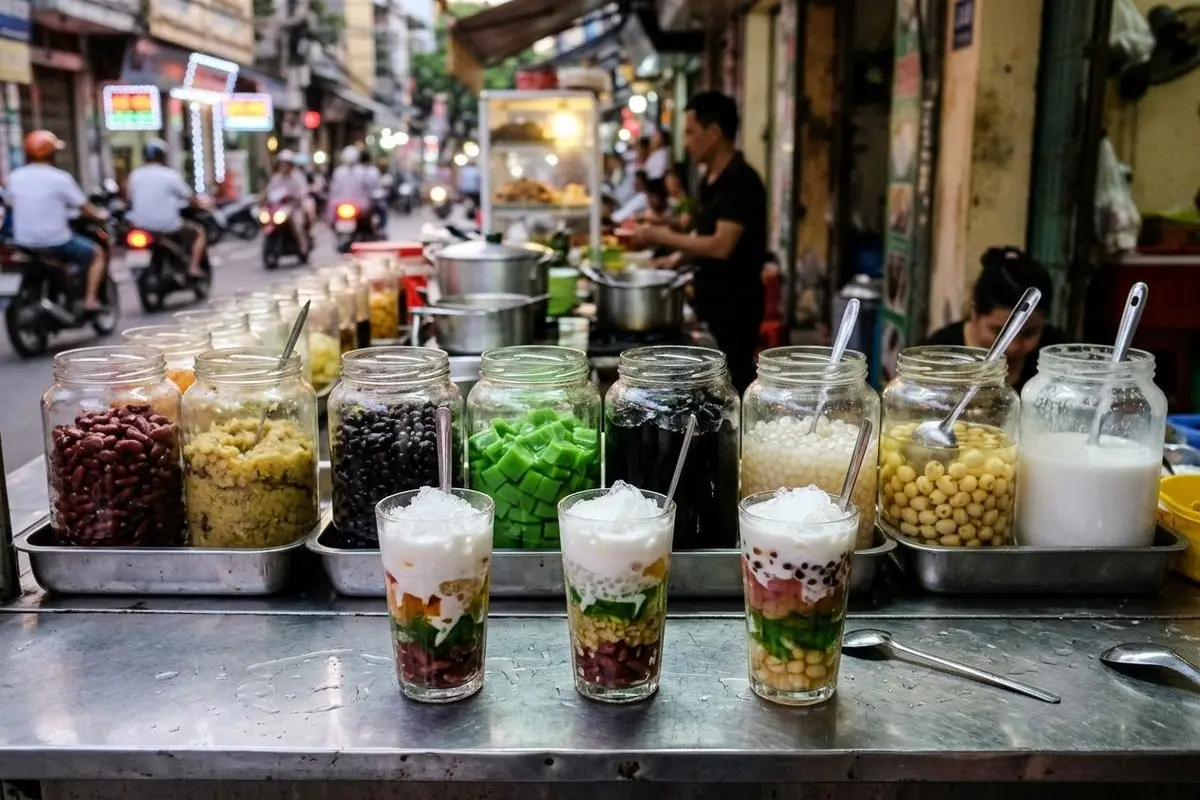
A stall with locals on low stools is usually a good sign. Many stalls serve one or two dishes only, so there is no long menu. If you are not sure what to order, point at the dish you like or ask for the specialty of the house.
Greet and ask for a seat
A smile and a short hello is enough when you arrive. Ask if there is room, and let staff guide you to a table. At crowded stalls you may share a table with strangers, which is normal. Keep your bag on your lap or under the table so that you do not block the walkway.
Check the price
Many stalls do not print a menu. Ask how much a bowl costs before you order, or look for a sign. Asking is not rude, and it avoids surprises. Prices vary by dish and by season, so use any figure you read online as a rough guide only.
How to Order Without Stress
Ordering in Haiphong is easy once you know the pattern. You tell the cook what you want, say how many portions you need and add any special request, such as no chili. Most stalls are quick, and the food arrives within minutes.
- Xin chao means hello.
- Cho toi mot to means I would like one bowl.
- Khong cay means not spicy.
- Ngon qua means very delicious.
- Tinh tien means please bring the bill.
- Cam on means thank you.
If you have allergies or dietary needs, such as seafood, peanuts or meat, tell the cook clearly before ordering, and consider writing the words in Vietnamese on your phone. Many broths use crab, shrimp paste or pork, so ask before you assume a dish is safe.
A good way to learn the basics is to read our guide to the top dishes to try on a Haiphong food tour and our overview of 16 must-try dishes and local eateries.
>>> Top Dishes To Try On Your Haiphong Food Tour Day
Chopsticks, Spoons and Table Manners
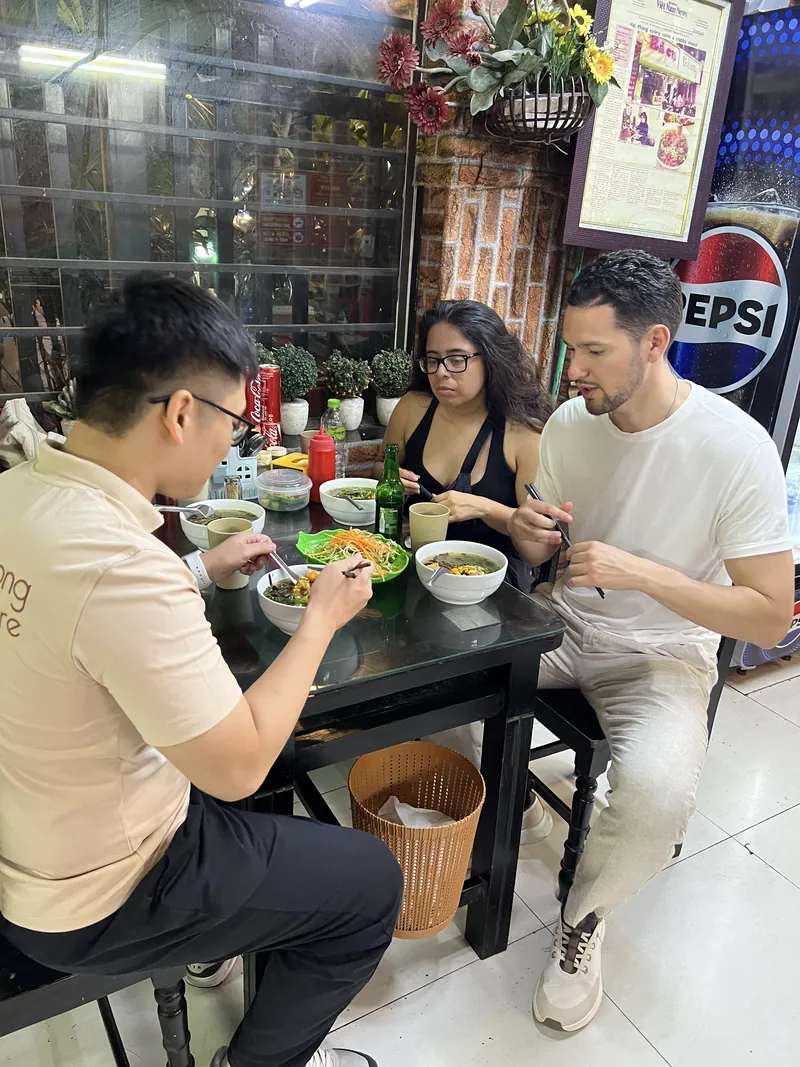
Most Vietnamese dishes are eaten with chopsticks, a spoon or both. Noodle soups such as banh da cua are usually eaten with chopsticks in one hand and a spoon in the other. Use the spoon for broth and chopsticks for noodles and toppings.
Simple chopstick habits
- Do not stand chopsticks upright in a bowl of rice, because it resembles incense offerings.
- Do not point with chopsticks or wave them while talking.
- Rest them across the bowl or on the holder when you pause.
- Use serving chopsticks or the back of your own chopsticks if you are sharing a plate and there are no serving utensils.
If you struggle with chopsticks, ask for a fork. Many places keep one, and nobody minds. Slurping noodles is normal, and it helps cool the soup.
Sharing and passing food
Sharing is part of the culture. Dishes are often placed in the middle of the table, and everyone takes a little at a time. Try each dish before taking a second helping, and offer food to others before filling your own bowl. Pass items with both hands or with your right hand supported by your left as a sign of respect.
Recommended tour
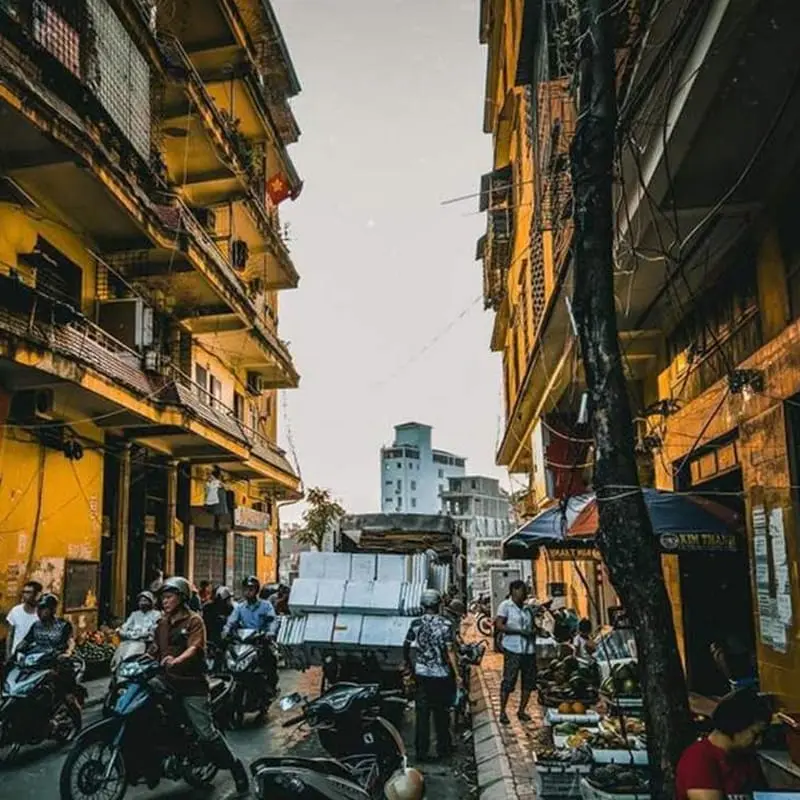
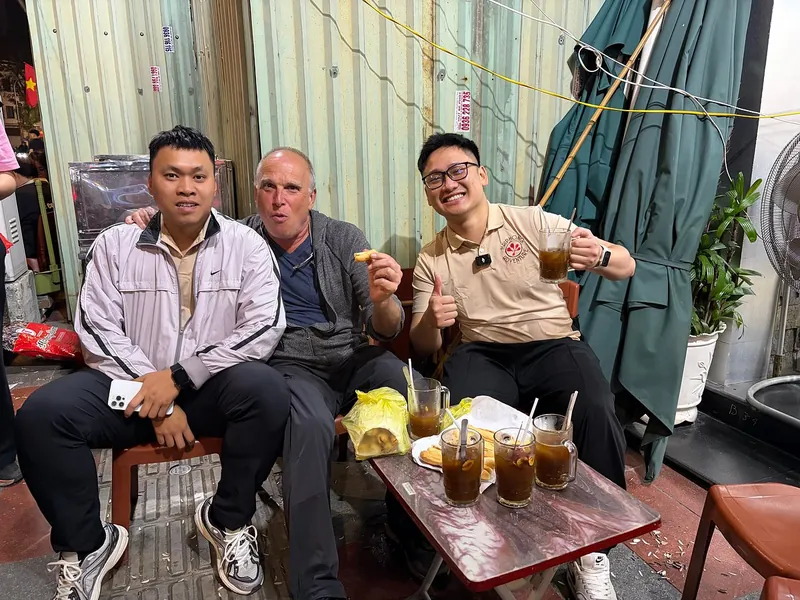
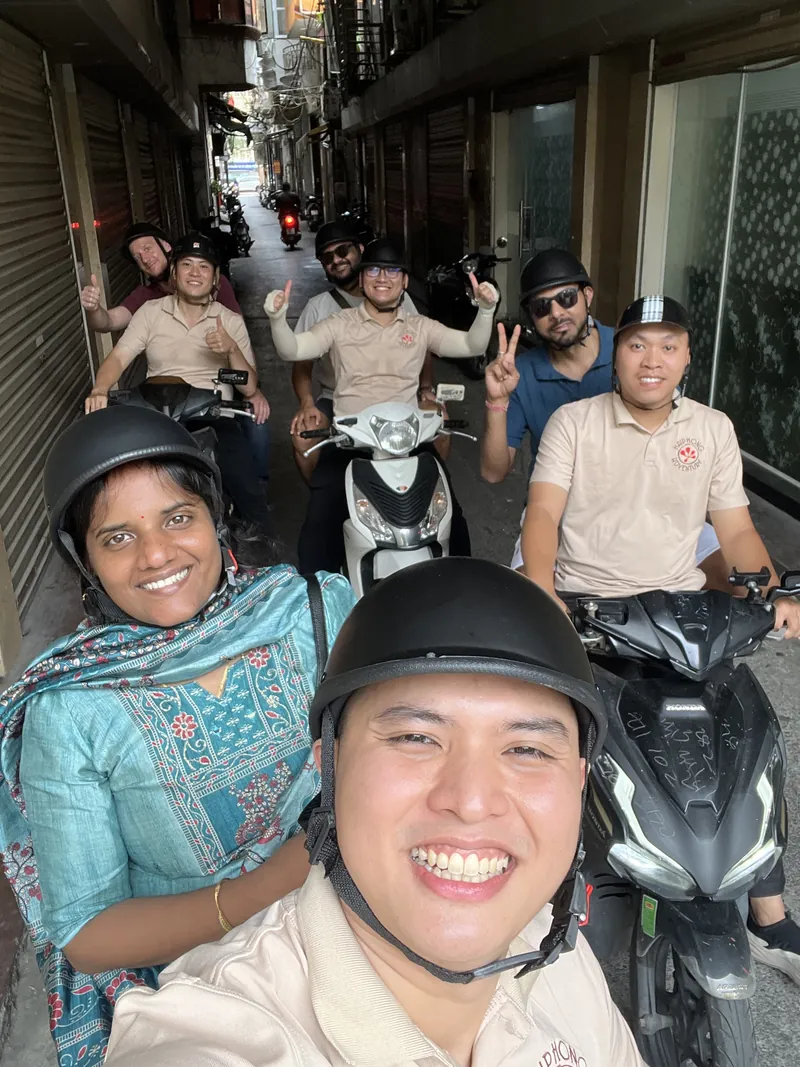
A four-hour food tour of central Haiphong, ideal if you want a local guide to handle ordering, explain each dish and show you how to eat it.
From $79 per person
Seasoning and Customizing Your Dish
Tables often hold herbs, chili, lime, fish sauce and other sauces. It is fine to adjust your bowl, but taste it first. Cooks put effort into balance, and many dishes are already seasoned. Add herbs and chili little by little, and avoid pouring large amounts of sauce into a delicate broth.
Banh mi cay, the small crispy baguette filled with pate and chili sauce, often comes with its own sauce. If you are sensitive to spice, ask for a mild version before you start. To learn what goes into the signature noodle soup, read about banh da cua ingredients and where to find a good bowl in local alleys.
>>> Banh Da Cua Ingredients What Makes It Special
Eating Street Food Safely and Politely
Street food is one of the best parts of a Haiphong trip, and most visitors eat it without problems. A few habits help.
- Choose busy stalls where food is cooked fresh and turns over quickly.
- Eat hot dishes while they are hot, and be careful with raw items if you have a sensitive stomach.
- Carry tissues or hand wipes, because napkins may be basic.
- Drink bottled or boiled water, and be cautious with ice if you are unsure of the source.
- Throw trash in the bin or leave it on the table as the stall prefers, and do not litter.
Remember that you are sitting in someone’s workplace. Keep the stool close to the table, leave space for other customers and avoid lingering for hours at a busy stall during rush time.
Paying, Tipping and Leaving
At many stalls you pay at the end by calling the staff, or at the counter on the way out. Ask for the bill with a friendly gesture or a phrase such as tinh tien. Check the total, and pay with small notes if possible, because small stalls may not have change for large bills.
Tipping is not required in the same way as in some countries. If you receive excellent service at a restaurant, a small tip is appreciated but never expected, and a warm thank you is always welcome. Policies differ by venue, so ask your guide if you are unsure.
Drinking Etiquette and Social Meals
If you join a group meal with beer or other drinks, expect lots of toasts. A common call is mot, hai, ba, vo, which means one, two, three, cheers. Clink glasses, make eye contact and say thank you when someone fills your glass. You may decline politely, and many people are happy with a soft drink or tea.
Always drink responsibly and plan safe transport, especially if you are riding a motorbike. Never drink and ride, and ask your hotel or guide to help arrange a taxi or a ride-hailing car if needed.
A Simple First Meal Plan for Newcomers
If this is your first meal in Haiphong, keep it simple and let the food teach you. Here is an easy sequence that works for most visitors.
Start with a signature bowl
Begin with banh da cua at a busy stall. Watch how other customers add herbs and chili, then copy them. Taste the broth first, add a little lime if you like, and eat the noodles and toppings with your chopsticks while sipping broth from the spoon.
Add a small snack
Follow with a small plate, such as banh mi cay or another local snack, ideally shared with your travel partner. Small portions let you try more dishes and avoid waste, which is also considered polite.
Finish with a sweet or a coffee
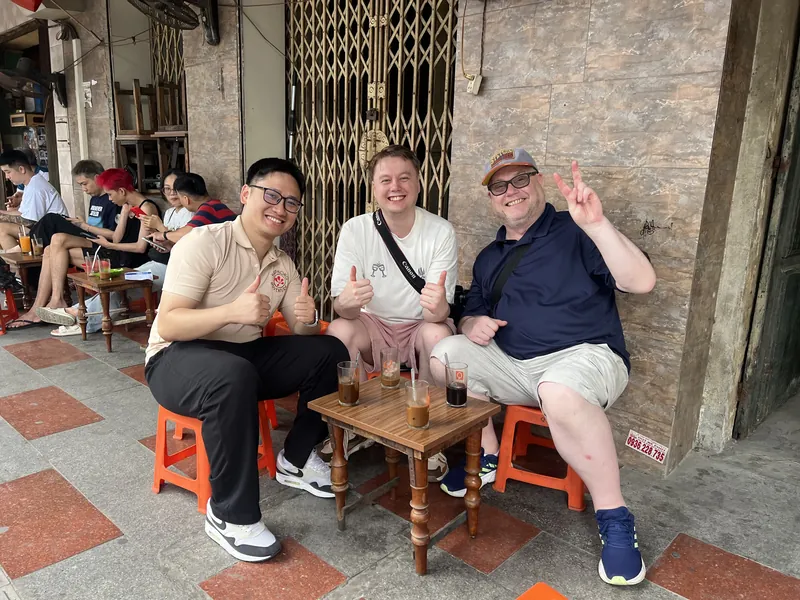
End with iced coffee or a sweet drink at a sidewalk cafe. Sit back, relax and enjoy the people-watching. Lingering over coffee is part of daily life, and nobody will rush you unless the cafe is very crowded.
After the meal, thank the cook with a smile and a cam on. A short compliment such as ngon qua tells them you enjoyed the food, and it often earns a warm reply.
Common Mistakes to Avoid
- Pointing chopsticks at people or leaving them upright in rice.
- Adding large amounts of sauce before tasting.
- Refusing everything an elderly host offers without a polite thank you.
- Photographing cooks or other diners without asking.
- Arguing loudly over a small price difference, because calm and polite conversation works better.
- Leaving a mess on the table or the floor.
If you do make a mistake, smile, apologize and move on. People appreciate effort far more than perfection.
Make It Easy With a Food Tour
If you want to skip the guesswork, a guided food outing is the easiest way to learn etiquette in practice. A local guide handles the ordering, explains each dish, shows you how to season it and introduces you to the cook. Our article on the secrets to enjoying a real Haiphong food tour explains what to expect, and the DIY Haiphong food tour map is useful if you prefer to explore on your own.
>>> DIY Haiphong Food Tour Map For Independent Eater
Haiphong Food Etiquette FAQ
Is it rude to slurp noodles in Haiphong?
No. Slurping is normal and helps cool hot noodles. Enjoy your meal and do not worry about the sound.
Can I ask for a fork instead of chopsticks?
Yes. Many places keep forks for visitors, and staff are happy to help.
Do I need to tip at street food stalls?
No. Tipping is not expected at most stalls, and a friendly thank you is enough. At restaurants, a small tip for great service is appreciated.
Is it safe to eat street food as a foreigner?
Many visitors eat street food without problems. Choose busy stalls, eat food that is hot and freshly cooked and use your judgment if you have a sensitive stomach.
How do I eat if I have dietary restrictions?
Tell the cook clearly before ordering, ask about broths and sauces and consider a guide who can translate. Many dishes contain seafood, pork or shrimp paste, so confirm ingredients.
Plan Your Haiphong Meals With Us
If you would like a local guide to take you to the best stalls and show you how to eat like a local, we are happy to help. Browse our Haiphong tours or message us with your dates, food preferences and any allergies, and we will suggest a plan.
Contact us:
WhatsApp, Viber, WeChat: +84(0)934.555.001
KakaoTalk, Line ID: haiphongadventure
Website: haiphongadventure.com