
Top Dishes To Try On Your Haiphong Food Tour Day
Which dishes should you actually eat when you only have one day in the port city? The short answer is a bowl of crab noodle soup, a few crispy crab rolls, a spicy bread sandwich and something sweet to finish. A good haiphong food tour is built around these classics, plus a handful of seasonal surprises that change with the weather and the market.
This guide goes dish by dish and explains what each one is, how it tastes, when locals eat it and how to order without stress. We are Haiphong Adventure, and we walk guests through these flavors every week. Recipes differ from stall to stall and prices change, so treat our notes as a friendly map, not a rulebook.
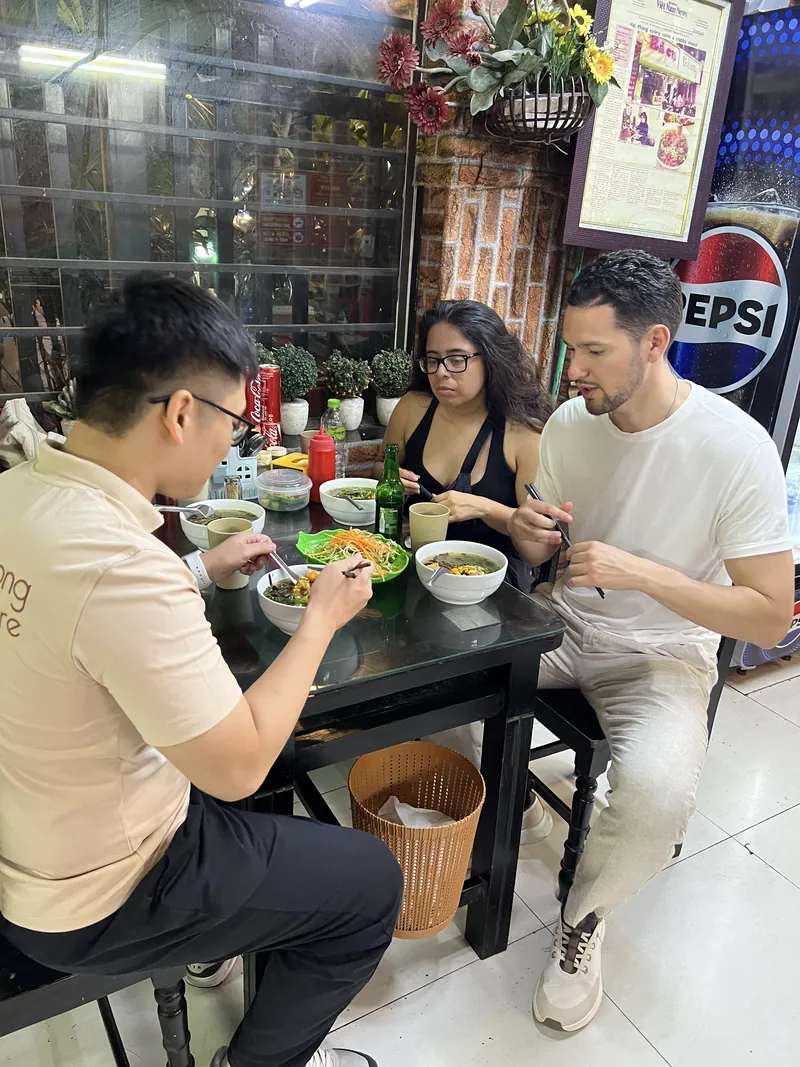
How to Use This Dish List
You do not have to eat everything. Pick four or five dishes that appeal to you, spread them across the day and share plates with your companions. A food day is a marathon of small tastes, not a single huge meal.
A quick look at the lineup
| Dish | Type | Best time |
|---|---|---|
| Banh da cua | Crab noodle soup | Morning or lunch |
| Nem cua be | Crab spring rolls | Lunch or snack |
| Banh mi cay | Spicy bread sandwich | Anytime, popular as a snack |
| Steamed rice snacks | Light, savory bites | Morning |
| Snails and seafood | Grilled or boiled | Evening |
| Sweets and drinks | Dessert, coffee, tea | Afternoon |
The names above are written without accents for easy searching on a map app. Vietnamese spellings carry accents, so you may see both versions on menus and signs.
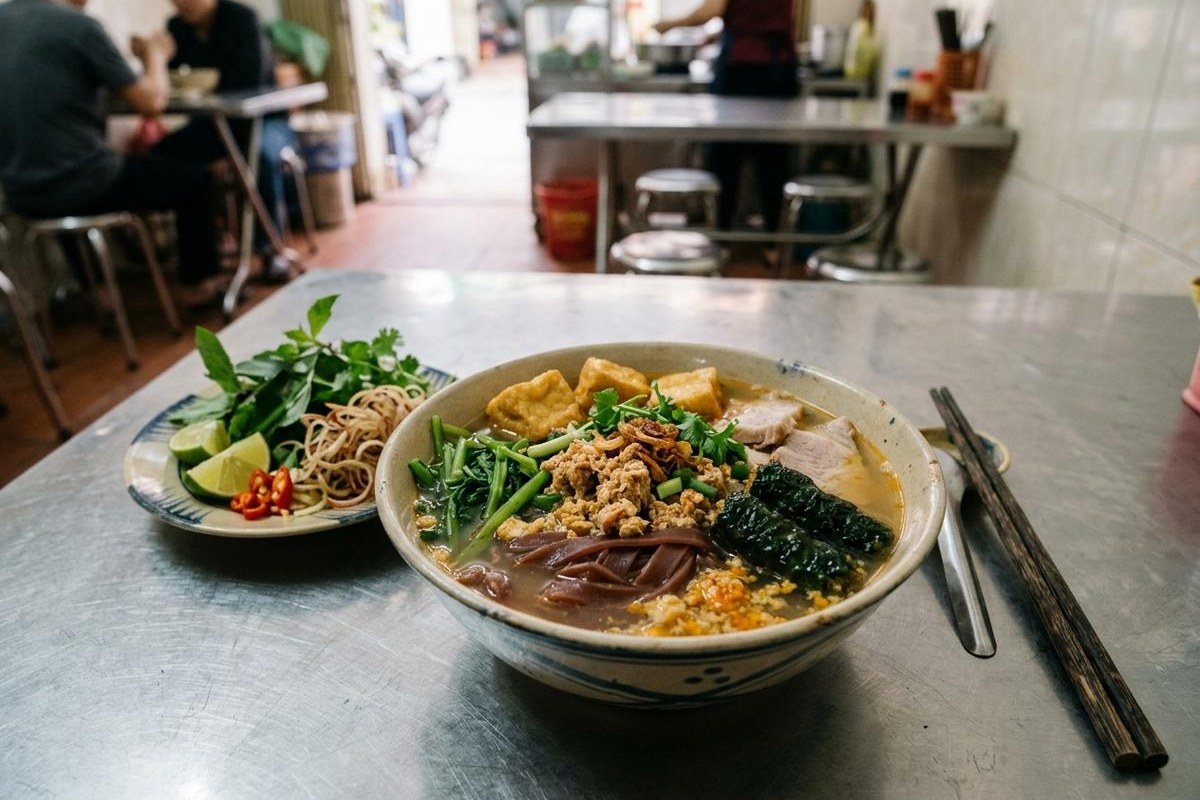
Banh Da Cua, the Crab Noodle Soup
If the city has a signature bowl, this is it. Banh da cua is a noodle soup built around crab, served with flat noodles that have a distinctive reddish-brown color. Toppings and broth styles vary by cook, so two bowls from two stalls can taste quite different.
What to expect
Expect a savory broth with a gentle seafood sweetness, noodles that are soft but chewy, and toppings that can include crab, herbs and other add-ins depending on the stall. It is usually served with fresh herbs, lime and chili on the side so you can adjust the flavor yourself.
How to eat it
Taste the broth first. Then add a squeeze of lime or a little chili if you like. Stir gently, eat the noodles while they are hot and finish the broth if you enjoy it. Locals often eat it for breakfast or lunch, and it makes a perfect anchor dish for your day.
If you want the stories behind this dish, our notes on Haiphong street food go deeper into how locals eat and why this soup is so beloved.
Nem Cua Be, the Crab Spring Rolls
Next up is a crunchy favorite. Nem cua be is a type of fried spring roll that is closely tied to the city’s food identity. The rolls are often cut into bite-sized pieces and served with herbs, lettuce and a dipping sauce.
What makes them special
The appeal is the contrast: a crisp outside with a savory, seafood-rich filling. The dipping sauce adds sweetness, acidity and a little heat. Fillings and shapes vary by cook, so ask the guide or stall owner how theirs is made if you are curious.
How to enjoy them
Wrap a piece in a lettuce leaf with a few herbs, dip it and take a bite. This mix of hot and cool, soft and crispy, is classic Vietnamese eating. Share a plate between two or three people, so you save room for the next stop.
>>> Secrets To Enjoying A Real Haiphong Food Tour
Banh Mi Cay, the Spicy Bread
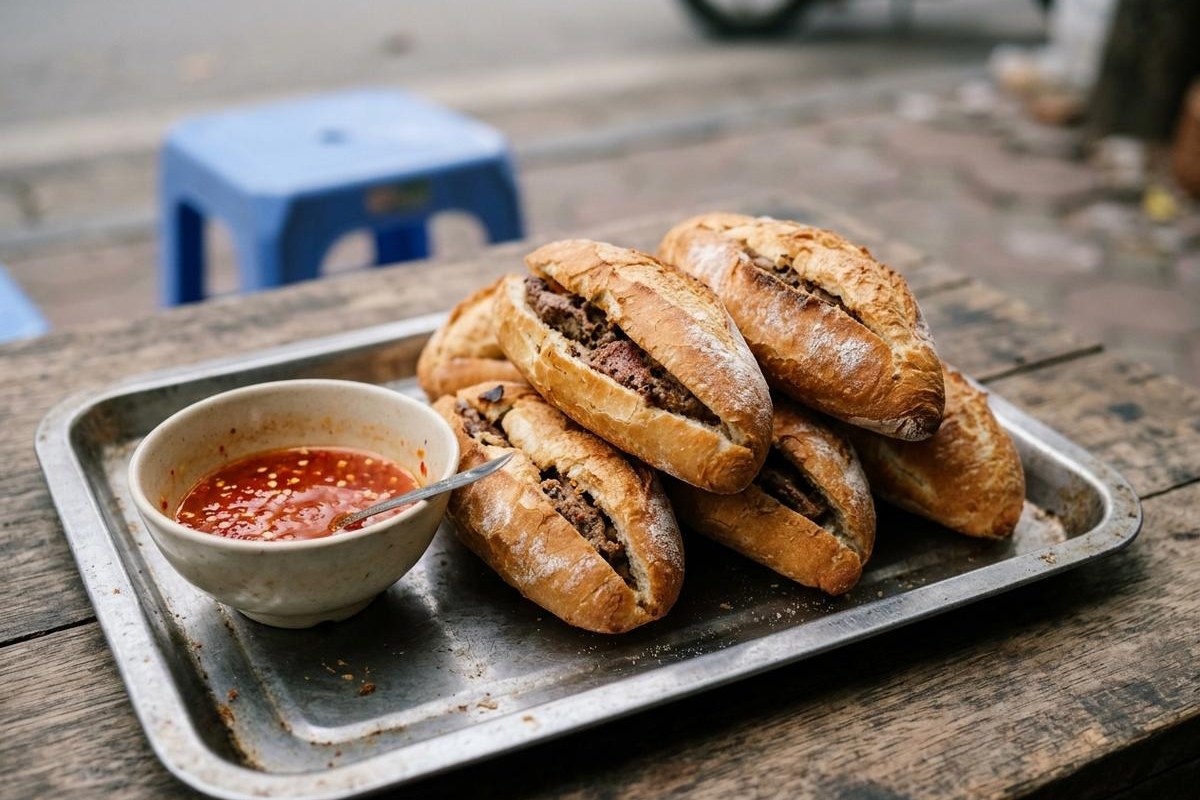
The city has its own twist on the famous Vietnamese baguette. Banh mi cay is a small, crisp bread filled with savory ingredients and finished with a chili sauce, which gives it its name, meaning spicy bread. It is cheap, filling and easy to eat on the go.
Why travelers love it
It is the ideal snack between bigger meals. The bread is light and crackly, the filling is savory and the sauce brings a kick. If you do not handle heat well, ask for less sauce or none at all, using a phrase like khong cay, which means not spicy.
Tips for ordering
- Order one and share if you are saving room for other dishes.
- Ask what is inside if you have allergies or dietary limits.
- Eat it fresh while the bread is crisp.
- Carry a napkin or two, since the sauce can drip.
Recommended tour
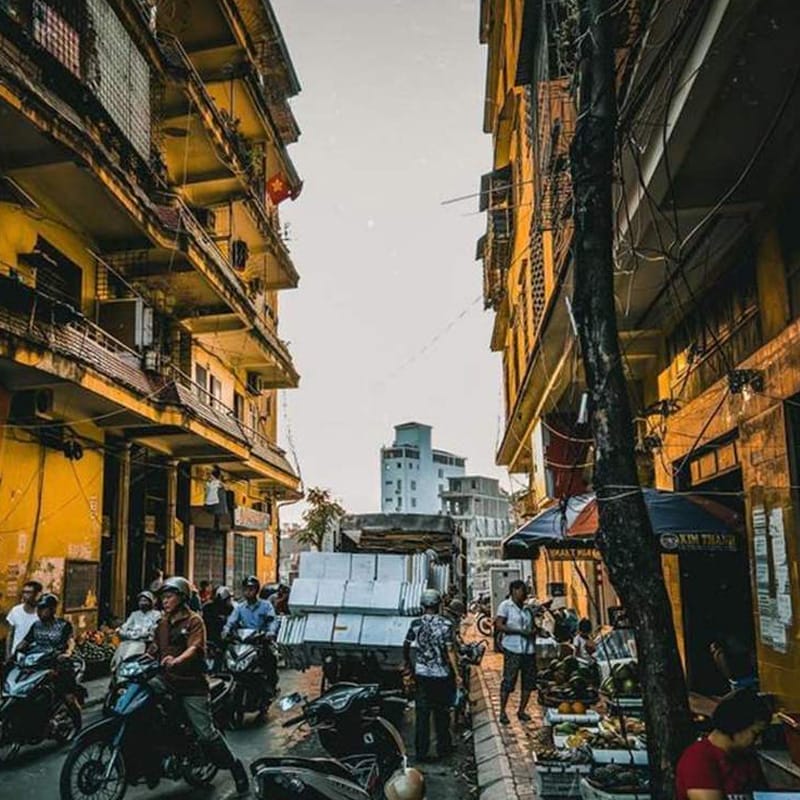
Want to taste the classics with a local guide at your side? This four-hour outing explores the old center of the city and its food culture at an easy pace.
From $79 per person (reference price, updated October 2026, please confirm before booking)
Steamed Rice Snacks
Not every great bite is fried or spicy. Vietnamese cooks make many light, steamed rice snacks, such as soft rolls and small cakes, often served with herbs and a savory dipping sauce. They are popular for breakfast and as afternoon snacks.
Why they belong on your list
These dishes balance a day of heavier flavors. They are gentle on the stomach, easy to share and a great way to taste the texture of freshly made rice batter. Ask the vendor which version is the specialty, and let them recommend a sauce.
When to eat them
Morning is best. Many steamed items are made fresh early in the day, and by afternoon some stalls have sold out. If you spot one at a market, treat it as a gift and try it while it is warm.
Snails and Seafood in the Evening
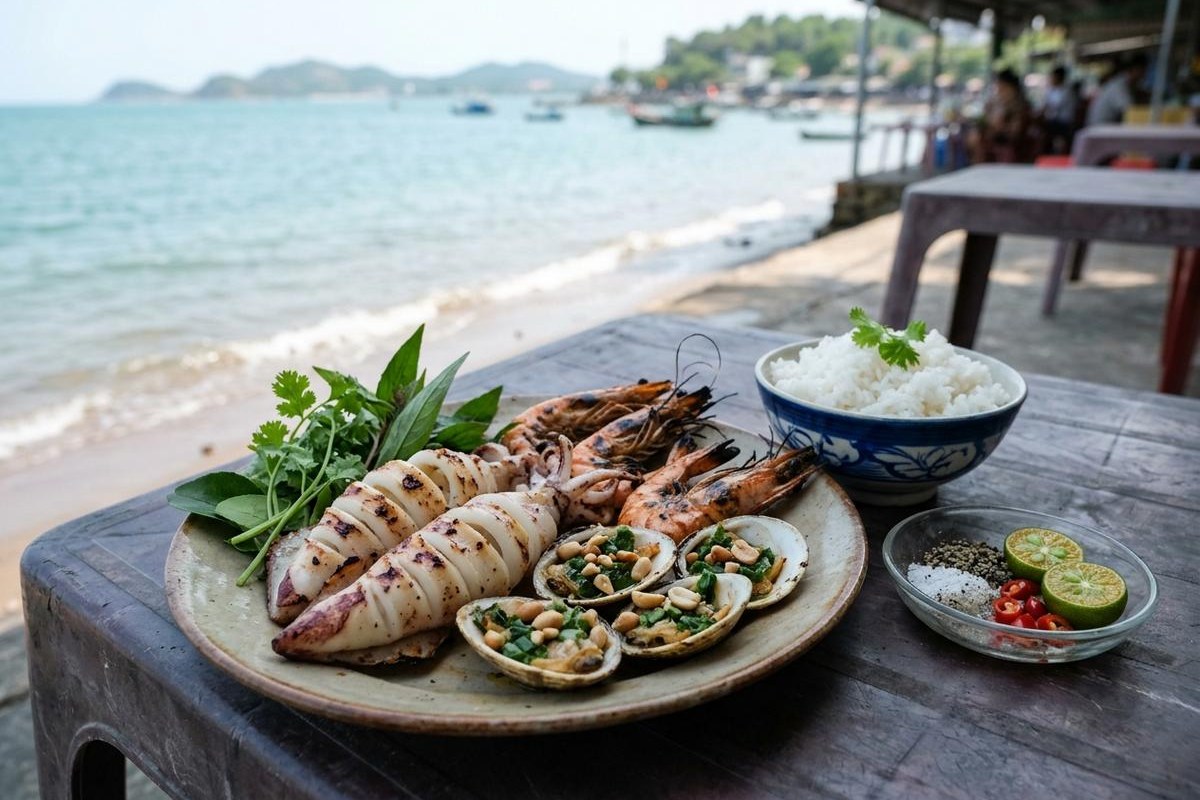
A port city eats seafood well, and evenings are the time for small plates of snails, shellfish and grilled treats. Pull up a low stool, order a few plates to share and enjoy the cool breeze after the heat of the day.
Start with a mild plate
If you have never tried snails, start with a simple preparation and a flavorful dipping sauce. Ask the staff or your guide to recommend something gentle. Many travelers find that the sauce and herbs do half the work.
Be careful with allergies and freshness
Shellfish allergies are serious. If you have one, avoid seafood stalls unless a local can explain every ingredient in your language. Always choose busy, well-lit places where food is cooked hot and fast. If you have any health concerns, speak with your doctor before you travel.
>>> Food Tour Haiphong: 16 Best Must-Try Dishes & Local Eateries
Sweets, Coffee and Cold Drinks
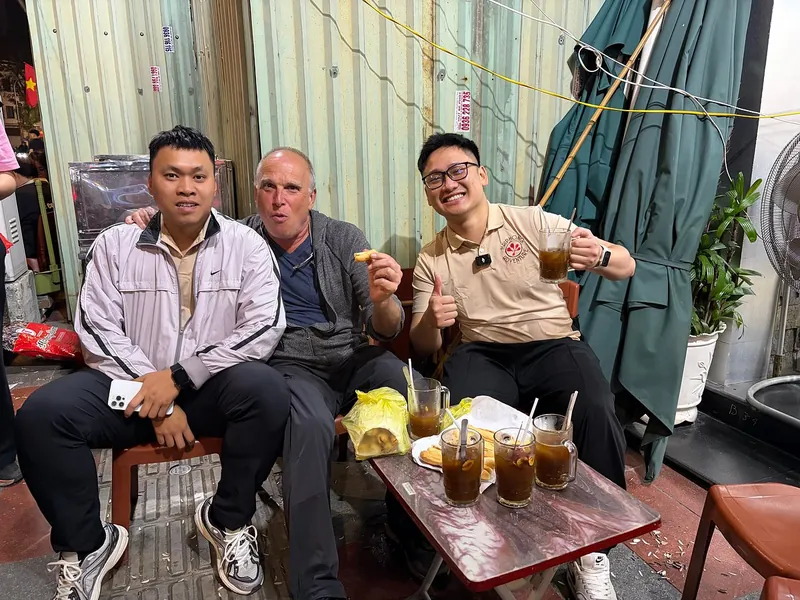
No food day is complete without something to cool down or perk you up. Vietnamese coffee is strong and often served sweet, sometimes over ice. Sweet soups and desserts, served cold, are popular in the afternoon, and fresh fruit drinks fill the gaps in between.
How to order coffee
Ask for it hot or iced. If you do not like sugary drinks, say so and ask for less sweetness. A small glass is often enough, since the coffee is concentrated.
Sweet treats worth trying
Look for places with a crowd of locals around a display of colorful toppings. Point at what looks good, and let the vendor build you a cup. Prices are usually shown on a small sign, but check before you order, and treat any figures you see as a reference for the day you visit.
Building Your Day Around the Dishes
Here is a gentle template that mixes these dishes without overloading your stomach. Adapt it to your own appetite and schedule.
- Morning: a bowl of banh da cua, then a Vietnamese coffee.
- Late morning: a steamed rice snack or a visit to a market.
- Lunch: crab spring rolls, shared among friends.
- Afternoon: a sweet treat and a rest in the shade.
- Early evening: a spicy bread snack as you stroll.
- Night: snails or grilled seafood if you are curious and feeling hungry.
Pace yourself
Share every dish, and drink water between stops. If you feel full, skip a stop and walk instead. The goal is a day you remember happily, not a contest.
If you would like more things to fill the gaps between meals, our list of things to do in Haiphong on a weekend has easy ideas.
Mistakes to Avoid on a Food Day
Even experienced eaters slip up. These small mistakes are easy to avoid once you know them.
Eating too much too early
It is tempting to order a large portion of everything at the first stall. Resist. A day of tasting works best when you share and keep each stop light, so you still have appetite for the dishes you came for.
Chasing only the famous names
Famous stalls can be crowded, and a long wait in the sun is no fun. A lesser-known stall a few streets away can serve an equally satisfying bowl. Be open to a neighborhood place that is busy with locals.
Skipping water
Salty broth, fried food and humid air add up. Carry a bottle of water and sip between stops. If you drink alcohol in the evening, match it with plenty of water.
Forgetting the weather
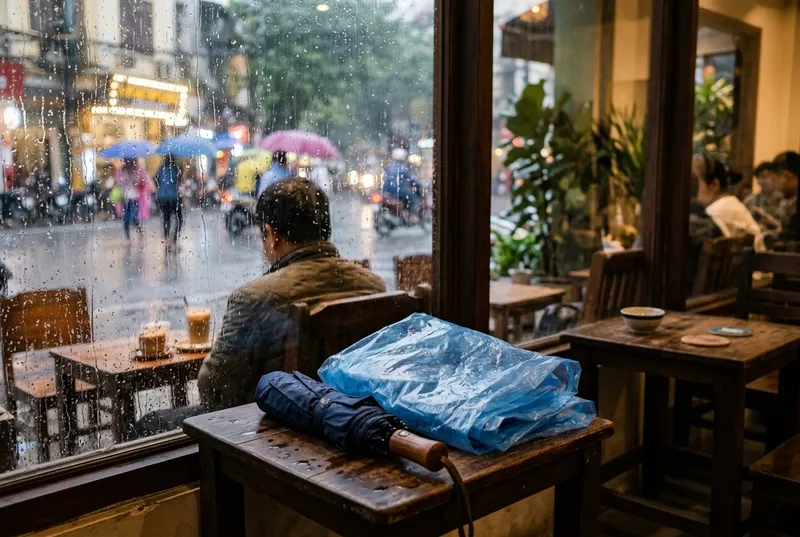
Rain can change your plan, but it rarely ruins a food day. Duck under a stall awning and enjoy a hot bowl while it passes. Pack a light rain jacket in the wetter months and sun protection in summer.
Timing and Seasonality
The city eats differently as the year turns. Cooler months invite hot soups and grilled snacks, while hot, humid months favor cold desserts and fruit drinks. Seafood availability also shifts with the season, so a stall’s offering today may differ from what you read in an older review.
Holidays and busy periods
During major holidays, many stalls close for several days, while others get very crowded. If your trip falls near a public holiday, check ahead and keep a backup plan. A quick message to us usually saves a wasted walk.
Photographing your food
Food looks best in soft daylight. Ask for a seat near the street or a window, take a quick photo and then eat while it is hot. Respect other customers and avoid blocking narrow walkways.
>>> Free Things To Do In Haiphong For Budget Travel
Pairing Dishes With Drinks
Local drinks suit local flavors. A cold iced tea or a fresh lime drink cuts through rich, fried snacks. A cup of hot tea can calm a spicy bite. In the evening, many travelers enjoy a light draft beer with grilled seafood, though that is entirely your choice.
A simple pairing guide
- Crab noodle soup pairs well with iced tea or a small coffee afterward.
- Fried rolls go nicely with a cold, refreshing drink.
- Spicy bread is balanced by a sweet drink or a glass of water.
- Seafood in the evening goes well with a light beer, if you drink alcohol.
Drinking safely
Choose sealed bottled drinks or places that serve ice from clean, commercial sources. If you are unsure, ask your guide or hotel. When in doubt, stick with hot drinks or sealed bottles.

Dietary Needs and Special Requests
Haiphong food leans heavily on seafood, pork and fish sauce, so strict vegetarians, vegans and people with allergies need extra planning. Tell your guide in advance, and write your needs down in Vietnamese or show them on a translation app.
Vegetarian options
Vegetarian food exists, especially around temples and on specific days in the lunar calendar, but it can be hard to find at random street stalls. Ask for dedicated vegetarian eateries, and confirm that broth and sauces contain no fish sauce or meat.
Spice and sweetness
Almost every dish lets you adjust the heat and sweetness. Ask for sauces on the side, add chili slowly and taste before you commit. It is easier to add than to remove.
Ordering and Paying Like a Local
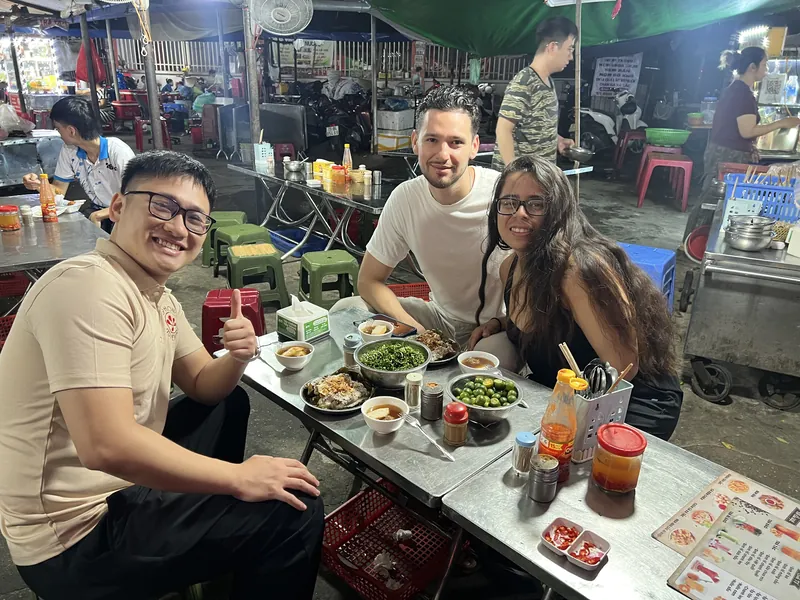
Most street vendors are friendly and patient. Smile, point and say a simple thank you. If you want to learn a few phrases, ngon qua means so delicious, and cam on means thank you.
Cash and prices
Carry small notes in Vietnamese dong. Prices change by place and season, so we do not quote fixed figures here. If a stall shows no prices, ask first. A polite question never offends.
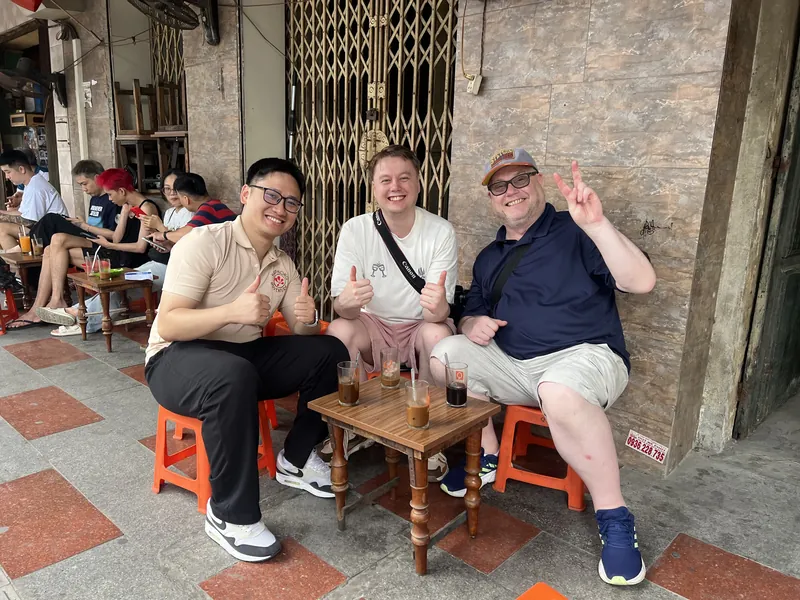
When a guide helps most
If you want help choosing the best stalls, understanding ingredients and avoiding tourist traps, a guided outing takes away the guesswork. Our Haiphong tours page lists current options, including food-focused outings.
Self-Guided or Guided Haiphong Food Tour
Both styles work well. The right choice depends on your time, how comfortable you feel at busy street stalls and how much you want to learn about each dish.
| Point | Self-guided day | Guided outing |
|---|---|---|
| Planning | You research stalls and routes yourself | The route is planned for you |
| Finding stalls | Map apps and luck, some stalls have no sign | A local takes you straight to trusted places |
| Understanding dishes | You guess from the menu or point at plates | Each dish is explained as you eat |
| Dietary needs | Harder to check every ingredient | Your guide can ask the cook for you |
| Flexibility | Eat whenever you like | Set time, but you can share your wishes in advance |
When going solo makes sense
If you are a confident traveler with a few days in the city, exploring on your own is part of the fun. Start with the dishes in this guide, choose busy stalls and keep your portions small.
When a guide is worth it
If you only have one day, have allergies or want the stories behind each bowl, a guide saves time and stress. Many guests tell us the conversations at the table are as memorable as the food itself.
Frequently Asked Questions
What is the one dish I must try on a haiphong food tour?
Banh da cua, the crab noodle soup, is the dish most visitors remember. If you only have room for one bowl, make it that one.
Is Haiphong food very spicy?
Not by default. Chili is usually offered on the side, so you control the heat. Say khong cay if you want no spice.
How many dishes can I try in a day?
Most people comfortably taste five to eight small portions when they share and pace themselves.
Are there vegetarian options?
Yes, but they take more planning. Tell us about your diet before the day starts and we will advise what is realistic.
Do I need to book a food tour in advance?
It is wise to book ahead, especially on weekends and holidays. Send us your dates and we will confirm availability.
Ready to Eat Your Way Through Haiphong?
Bring your appetite, your curiosity and comfortable shoes. Tell us your dates, your food likes and dislikes and we will help you build a day around the best of the city’s cooking. For the quickest reply, message Haiphong Adventure directly.
Contact us:
- WhatsApp, Viber, WeChat: +84(0)934.555.001
- KakaoTalk, Line ID: haiphongadventure