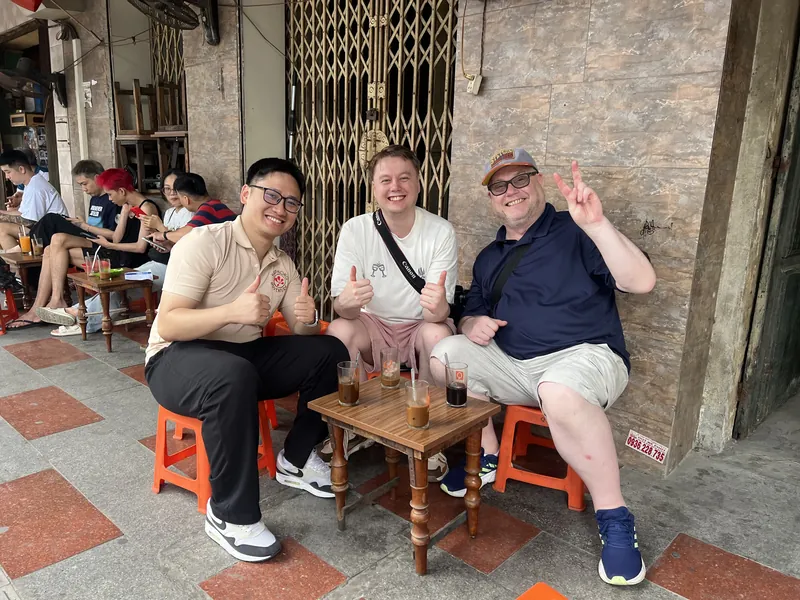
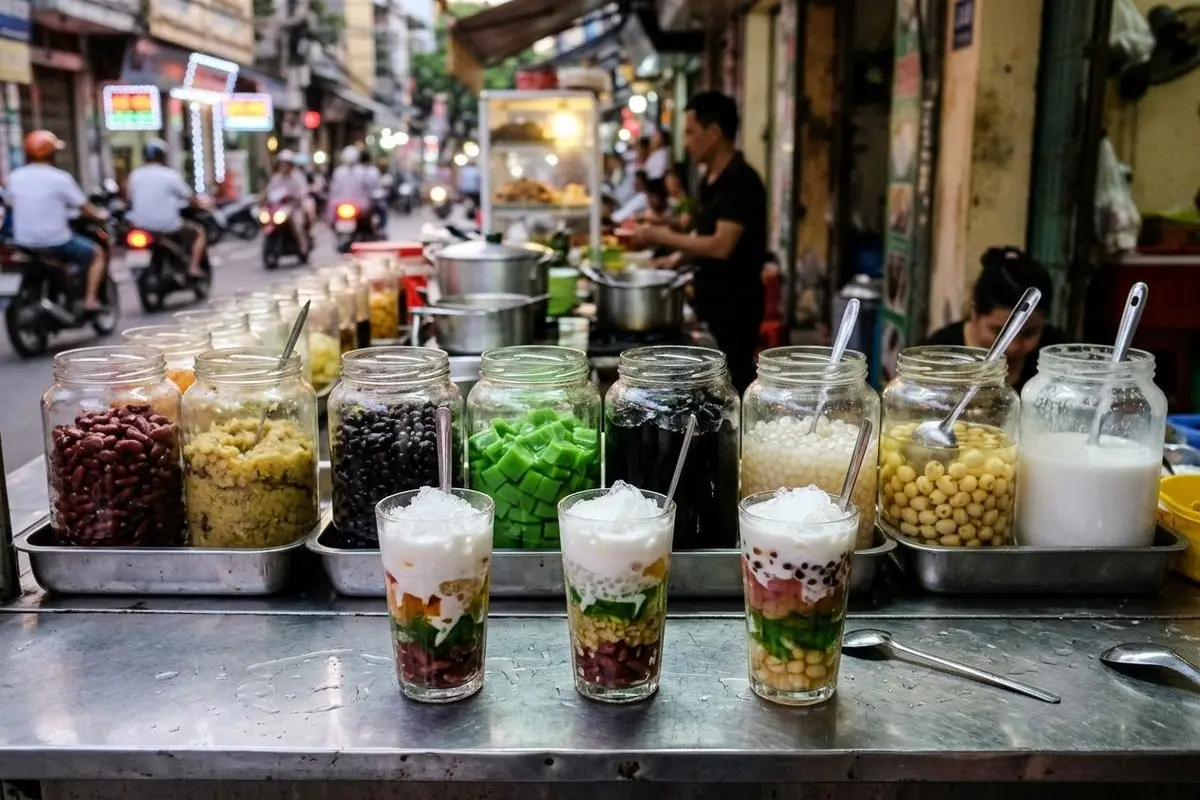
Banh Da Cua vs Pho What Is the Difference in Haiphong
Banh da cua vs pho: what is the difference? In short, pho is a clear, fragrant beef or chicken noodle soup with soft white rice noodles, while banh da cua is Haiphong’s crab noodle soup with chewy reddish-brown noodles, a savory crab broth and a generous pile of toppings. Pho is mellow and aromatic. Banh da cua is richer, more rustic and packed with texture.
Most travelers have heard of pho before they arrive in Vietnam, but few know the noodle soup that locals in Haiphong are proud of. In this guide the Haiphong Adventure team compares the two bowls side by side, explains how to eat banh da cua and shows where it fits into a food-focused day. Recipes, prices and shop quality vary, so treat every detail as a reference only, updated November 2026.
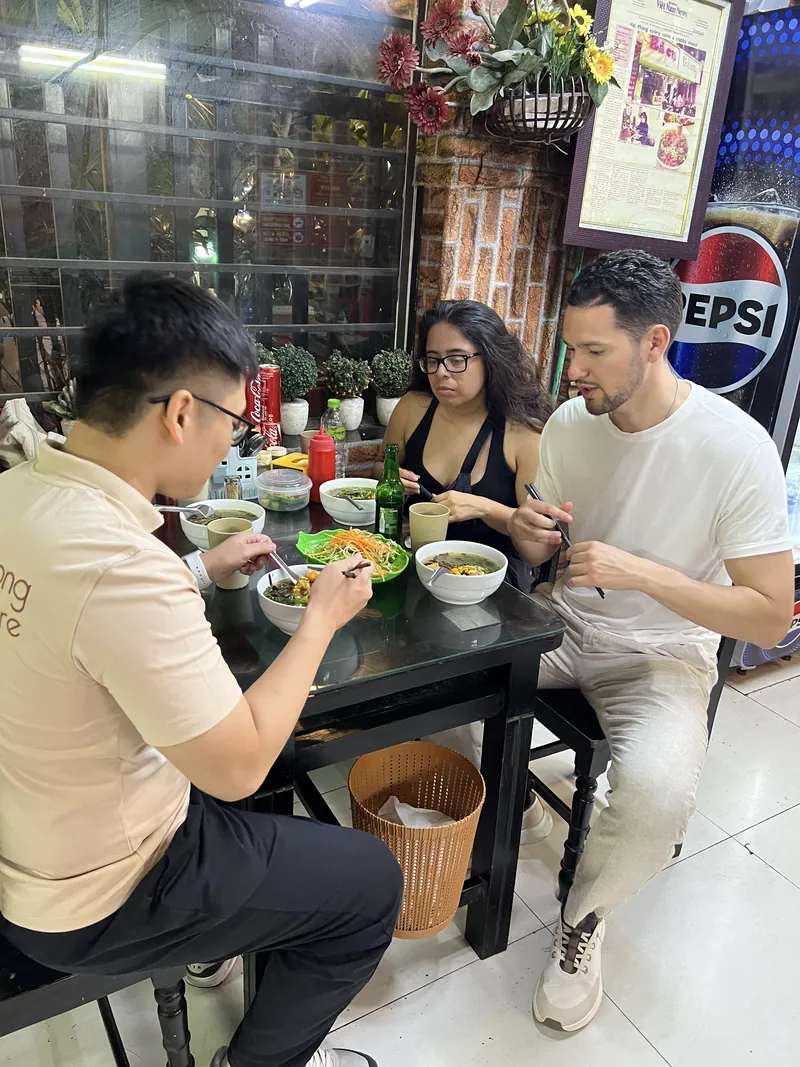
The Quick Answer
| Feature | Pho | Banh da cua |
|---|---|---|
| Home city | Northern Vietnam, famous in Hanoi | Haiphong |
| Noodles | Flat, soft white rice noodles | Chewy, reddish-brown noodles |
| Broth | Clear, spiced beef or chicken broth | Savory broth built on crab |
| Main toppings | Sliced beef or chicken, onion, herbs | Crab, fried tofu, pork sausage, greens and more |
| Flavor | Light, sweet, aromatic | Rich, savory, a little tangy |
| Texture | Soft and silky | Chewy with many layers |
If you like pho, you will probably like banh da cua, but it is a very different bowl. Think of pho as a gentle morning hug and banh da cua as a lively street party.
Origins and Local Pride
Pho is closely linked with northern Vietnam and has become a national dish that appears on menus across the world. Banh da cua belongs to Haiphong, a port city where rice paddies, rivers and the sea have long supplied the kitchen with crab and greens.
In Haiphong, banh da cua is more than a meal. It is breakfast, lunch, a late-night snack and a way to welcome guests. Locals have strong opinions about which shop makes the best bowl, which is why asking a resident for a favorite spot usually starts a friendly debate.
To learn more about how the dish became part of local life, read our story on the history of banh da cua in Haiphong.
The Noodles
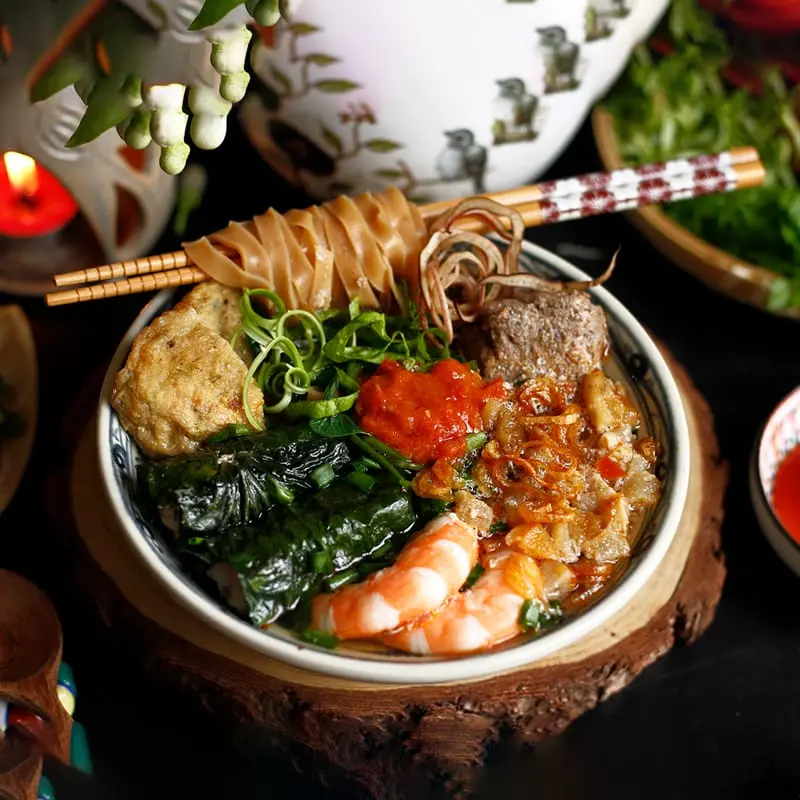
The noodles are the easiest way to tell the two apart. Pho uses flat, white, soft rice noodles that glide through the broth. Banh da cua uses thicker, flat noodles with a reddish-brown tone and a bouncy, chewy bite. They hold up well in the hot soup and soak up the flavor without turning mushy.
If you are new to the dish, you may find the texture surprising at first. Give it a few bites. Many visitors say the chew is exactly what makes the bowl memorable.
The Broth
Pho broth
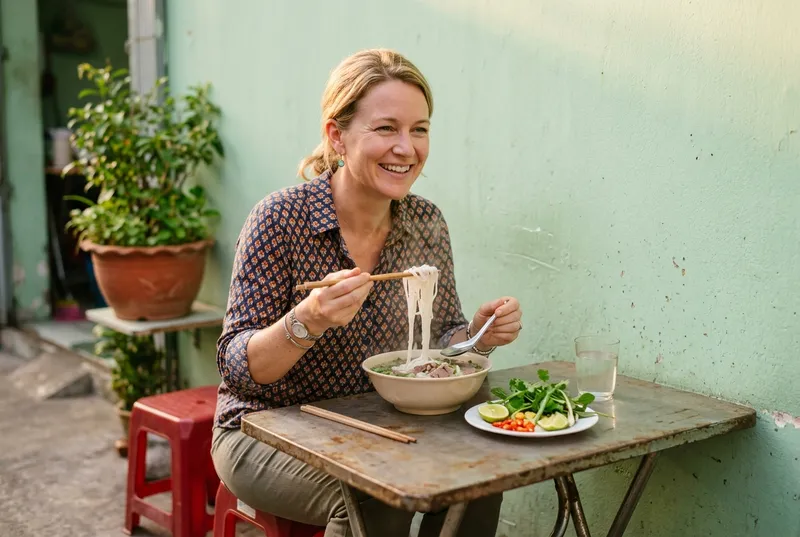
Pho broth is slow cooked with bones and warming spices such as star anise and cinnamon. It tastes clean, sweet and aromatic, with a clear golden color.
Banh da cua broth
Banh da cua broth gets its character from crab. It is savory, slightly sweet and deeper in color, with a taste that reminds you of the river and the sea. A squeeze of lime or a spoon of chili adds brightness if you like.
>>> My Haiphong Street Food Adventure Local Taste
The Toppings
Pho is simple on top: sliced beef or chicken, spring onion, onion and fresh herbs on the side. Banh da cua is a more generous bowl. A typical serving may include some or all of the following:
- Crab: the star of the bowl, in the broth and often in a crab paste or patty.
- Pork sausage or cha: sliced and added for extra savory bite.
- Fried tofu: crisp outside and soft inside.
- Fresh greens: water spinach and herbs for crunch and freshness.
- Fried shallots: for aroma on top.
Toppings differ by shop, so do not worry if two bowls look different. For a closer look at what goes inside, see our guide to what makes banh da cua special.
Taste and Texture
Pho is soothing. The broth leads, the noodles are soft and the herbs add a bright finish. It is perfect when you want something clean and comforting.
Banh da cua is bolder. You get crab flavor, chewy noodles, crunchy tofu and fresh greens in each spoonful. It is a more complex bowl with many textures, and it is a favorite for travelers who want something truly local.
How to Eat Banh da Cua Like a Local
- Taste the broth first: a spoonful before you add anything lets you appreciate the crab.
- Add flavor slowly: lime, chili and a little vinegar or sauce if offered, a bit at a time.
- Mix the toppings: lift the noodles and greens together with your chopsticks.
- Use the spoon: sip the broth between bites of noodles.
- Ask for extras: more greens, extra tofu or extra crab if you like.
- Pay at the end: most small shops tell you the price when you finish.
Want more tips on where to eat? Read our guide to finding the best banh da cua in local alleys.
Recommended tour
The Haiphong Street Food and City Tour
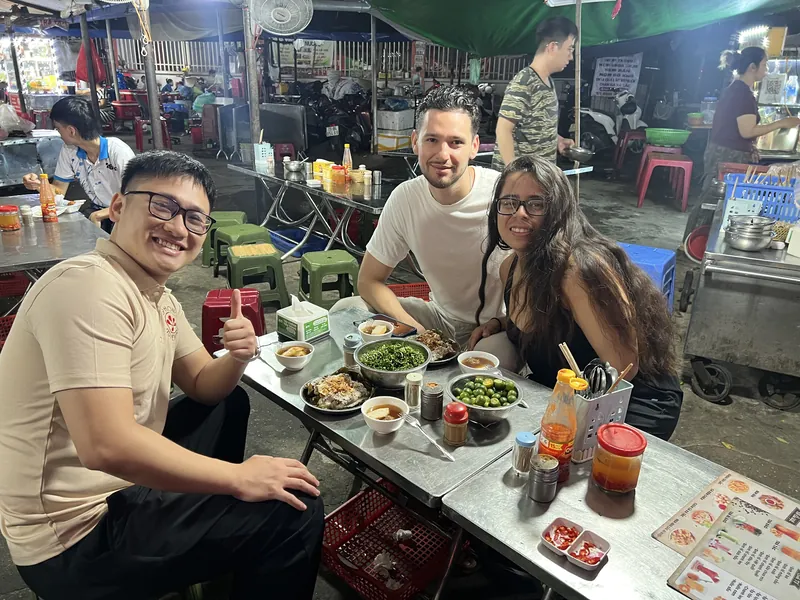
Want to taste banh da cua with a local who knows the best shops? Join a guided food and city tour, with stories behind every bowl.
From $85 per person
Which One Should You Choose
- Choose pho if you want a light, familiar bowl, a quick breakfast or a gentle meal after a long journey.
- Choose banh da cua if you love seafood, want something unique to Haiphong or enjoy textures and layered flavors.
- Order both if you have two days. Compare them for yourself and ask locals which they prefer.
Dietary note: banh da cua is built on crab and often includes pork, so it is not suitable for shellfish allergies or for vegetarians. Tell your guide or the shop clearly about any allergy before you eat.
Eating Tips for Visitors
- Go where locals queue: a busy shop usually means fresh food.
- Check the price first: ask or look for a price list, especially for extras.
- Carry small cash: many noodle shops do not take cards.
- Eat in the morning or midday: some shops sell out or close in the afternoon.
- Use hand sanitizer or wet wipes: handy for sidewalk stalls.
- Ask for a small bowl: great if you want to try several dishes in one day.
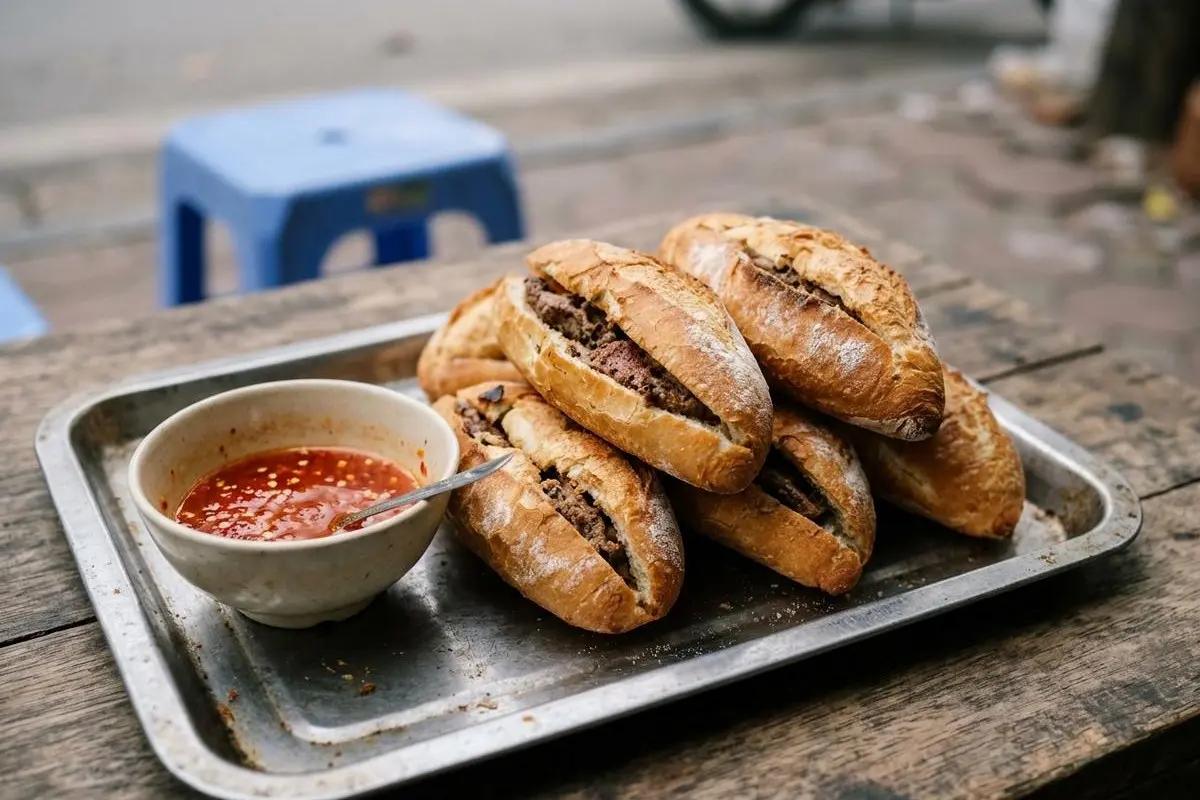
>>> Why Banh Mi Cay Is Famous Haiphong Street Food
Make It at Home or Join a Food Tour
Curious cooks can try a home version of banh da cua after the trip. Our step-by-step guide on how to cook banh da cua at home explains the basics. For the real thing, though, nothing beats eating it fresh in Haiphong with a local.
If you are planning a bigger food day, see our secrets to enjoying a real Haiphong food tour.
Frequently Asked Questions
Is banh da cua the same as pho?
No. Pho is a clear beef or chicken soup with white rice noodles. Banh da cua is a crab noodle soup from Haiphong with chewy reddish-brown noodles and many toppings.
Which is spicier?
Neither is spicy by default. You add chili to taste, so both can be mild or hot.
Is banh da cua good for first timers?
Yes, if you enjoy seafood and chewy noodles. Start with a small bowl and add lime or chili slowly.
Can vegetarians eat banh da cua?
Traditional banh da cua is made with crab and often pork, so it is not vegetarian. Ask locally about meat-free noodle options.
Where can I find banh da cua in Haiphong?
Small noodle shops across the city serve it, especially around the old center. A local guide can take you to trusted favorites.
Try Both and Taste the Difference
Banh da cua vs pho is not really a contest. Pho is a gentle classic, while banh da cua is the bold, textured bowl that tells you where you are. If you only have one day in Haiphong, put banh da cua on your list and let the crab, the noodles and the sidewalk atmosphere do the talking.
Want a local guide to take you to the best bowls? Haiphong Adventure is happy to help. Contact us:
- WhatsApp, Viber, WeChat: +84(0)934.555.001
- KakaoTalk, Line ID: haiphongadventure
Safe travels and welcome to Haiphong.