Banh Da Cua Ingredients What Makes It Special
The banh da cua ingredients look simple: noodles, crab, greens and broth. Yet together they make the most talked-about bowl in Haiphong. The magic is not in a secret spice, but in how fresh, local ingredients are chosen and balanced, one bowl at a time.
This guide takes the bowl apart piece by piece. You will learn what each ingredient is, why it matters, how to judge quality and what to ask if you have allergies or dietary needs. It is written for curious travelers who join Haiphong Adventure or one of our haiphong tours and want to understand what they are eating, not just taste it.
Banh Da Cua Ingredients At A Glance
Before we look at each part in detail, here is a quick overview. Use it as a cheat sheet when your first bowl arrives.
| Ingredient | What it adds | Sign of a good bowl |
|---|---|---|
| Reddish-brown rice noodles | Chewy, springy base | Whole strands that keep their bite |
| Crab broth | Savory, lightly sweet depth | Very hot, clean aroma, not greasy |
| Crab patties or crab meat | Richness and a soft bite | Fresh smell, moist texture |
| Water spinach (rau muong) | Fresh crunch | Bright green and slightly crisp |
| Fried shallots and herbs | Sweetness and aroma | Crisp shallots, fresh herbs |
| Table condiments | Heat, acidity and salt to your taste | Fresh lime and chili on the tray |
Recipes differ between shops, so not every bowl will include every item on this list. That variety is part of the fun of eating your way around the city.
The Noodles, A Chewy Reddish-Brown Base
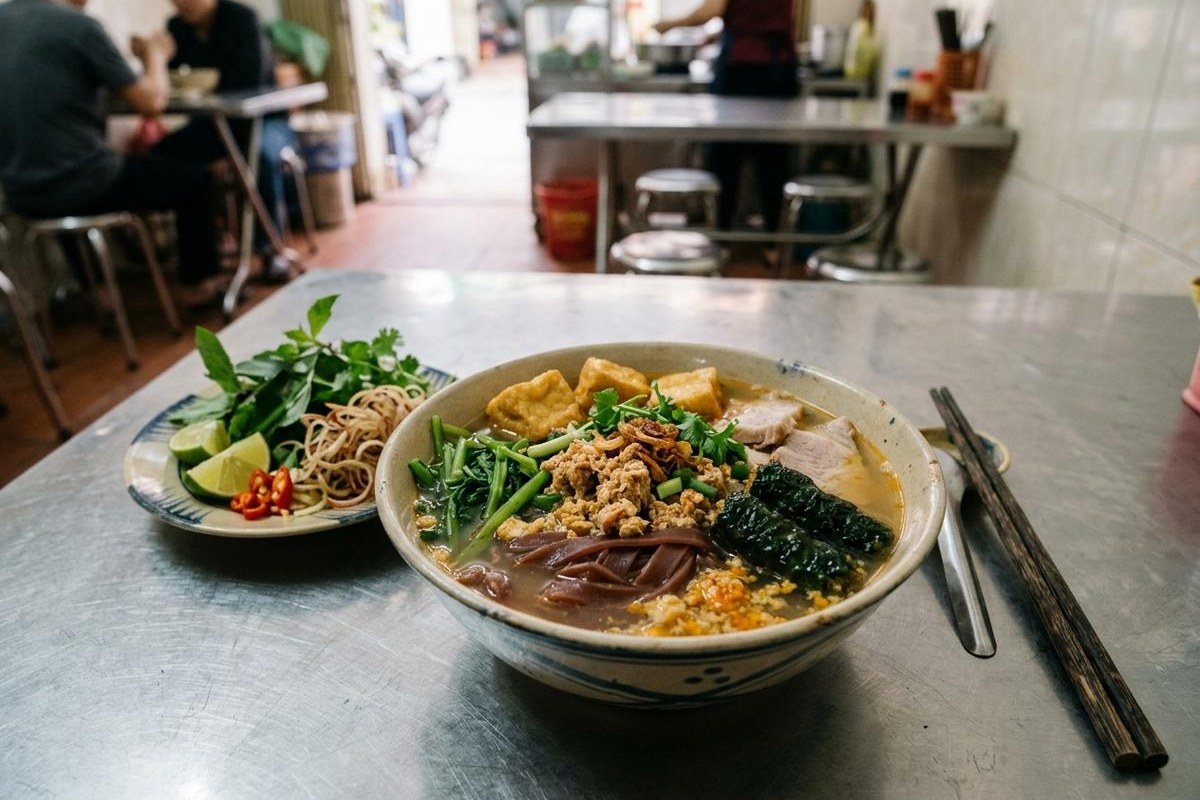
The first thing you notice is the noodle. Banh da cua uses flat rice noodles with a reddish-brown color that sets it apart from the white noodles of other Vietnamese soups. Rice is the foundation of everyday food across northern Vietnam, and these noodles are one of its most distinctive forms.
What matters at the table is texture. Good noodles are chewy and springy, a little thicker than many soup noodles, and they keep their shape in hot broth. That chew is one of the dish’s signature pleasures. If the noodles are mushy or break apart, the bowl was probably not prepared well.
The color varies slightly from shop to shop and from batch to batch, which is normal. If you are curious about how a particular noodle is made, ask the owner. Many cooks are proud of their noodles and happy to talk about them.
The Crab, Heart Of The Dish
The word cua in the name means crab, and crab is what gives the bowl its character. In the traditional approach, small freshwater crabs are pounded, strained and cooked into a savory base. The flavor is sweet, a little earthy and deeply rich, without any need for heavy spices.
Some modern shops use other kinds of crab or combine crab with pork bones, so the exact recipe changes from place to place. If you are curious, simply ask what goes into the broth.
Crab shows up in more than one form. It flavors the broth, it appears as meat or crab-based patties on top, and it gives the whole bowl its signature aroma. A good sign is a broth that smells fresh and clean, like the sea and rice fields rather than anything fishy.
>>> My Haiphong Street Food Adventure Local Taste
The Broth, Light And Savory
The broth ties everything together. It should taste savory with a gentle sweetness from the crab, never greasy and never overly salty. Because it is the base of the dish, shops guard their methods carefully. Some add pork bones for body, others keep it lighter and let the crab speak for itself.
Good broth is served very hot. If your bowl arrives lukewarm, the flavors flatten quickly. Take a spoonful first before adding anything at the table, so that you can taste what the cook intended. Then adjust with chili, lime or vinegar to your taste.
Why broth matters most
Noodles and toppings are replaceable, but a weak broth cannot be rescued. When locals judge a shop, they judge the broth first. That is also why regulars return to the same stall for years, even when other places open nearby.
Toppings That Add Texture
Water spinach
Chopped water spinach, known as rau muong, adds a fresh, slightly crunchy contrast to the soft noodles and rich broth. It is a common vegetable in northern Vietnamese kitchens and grows easily in wet fields and ponds. In a good bowl it stays bright green and a little crisp.
Crab patties and crab meat
Many shops add crab-based patties, often made with crab and other ingredients, and sometimes pieces of crab meat. They add richness and a soft, juicy bite. Each shop has its own mix, which is why two bowls in the same city can taste different.
Fried shallots and herbs
A sprinkle of fried shallots adds sweetness and aroma, while fresh herbs add a clean, green lift. Together they finish the bowl and make it feel complete. These small touches show the care of the cook.
If you want to see how all of this comes together at a real stall, our guide on secrets to enjoying a real Haiphong food tour explains what to look for.
Recommended tour
The Haiphong Street Food and City Tour
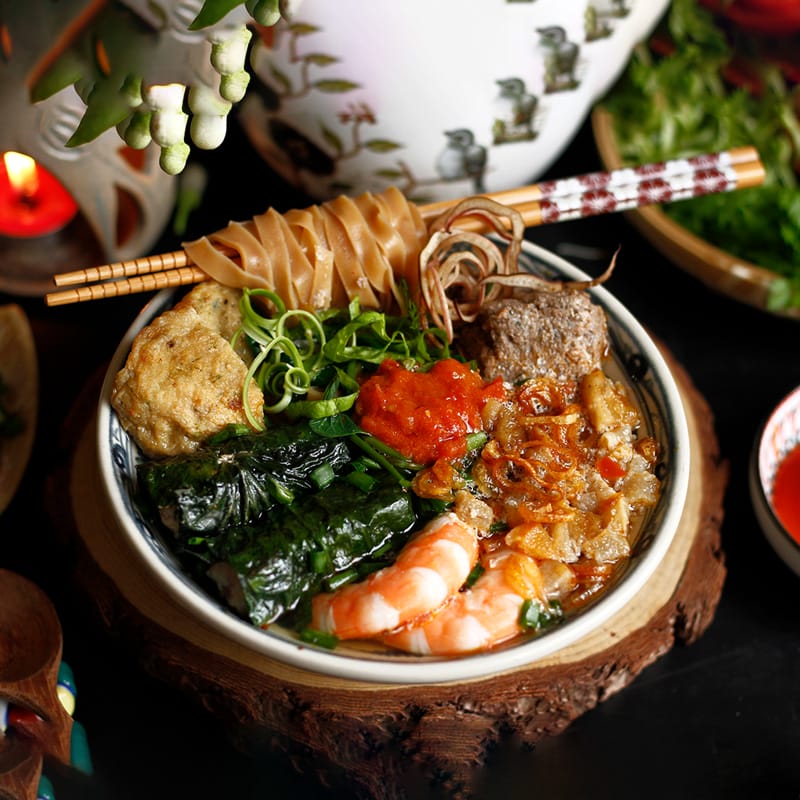
Taste banh beo, banh da cua and sweet local treats with a local guide, with stops at Linh Quang Pagoda, the Opera House and the Le Chan statue in between.
From $85 per person
Table Condiments, Your Own Finishing Touch
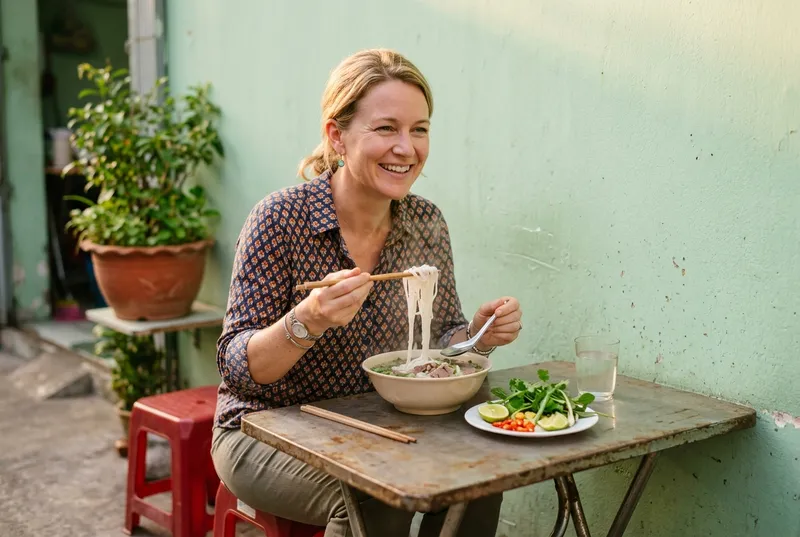
Part of what makes banh da cua special is that you finish it yourself. Most tables have a small tray with these items:
- Chili, fresh or in sauce, for heat.
- Lime, for brightness.
- Vinegar, for a sharp, clean tang.
- Fermented shrimp paste at some shops, for a deep, pungent savor.
- Fish sauce, for extra salt and depth.
Add a little at a time. The shrimp paste in particular has a very strong smell, so try only a drop or skip it. The bowl is delicious without it, and nobody will judge you.
>>> Cultural Things To Do In Haiphong You Must Try
How To Judge A Good Bowl Of Banh Da Cua
You do not need to be an expert to tell a careful bowl from a careless one. Use your eyes, nose and first spoonful, in that order.
Look
The broth should look clear and inviting rather than muddy or heavily oily. Greens should be bright, the noodles whole and the toppings fresh. A bowl that looks tired usually tastes tired.
Smell and taste
Breathe in before you eat. A clean, sweet crab aroma is a good sign. A sharp fishy smell is not. On the first spoonful, look for balance: savory, lightly sweet and never too salty.
Texture
Every bite should have contrast, with chewy noodles, soft patties and crisp greens. If everything feels soft and the same, the bowl has probably been sitting too long.
What Makes The Banh Da Cua Combination Special
Each ingredient is simple, but the combination is carefully balanced. Chewy noodles contrast with soft patties. Rich crab broth balances fresh greens. Lime and vinegar cut through the richness, while fried shallots and herbs add sweetness and aroma. Every spoonful gives you a different mix of textures and flavors.
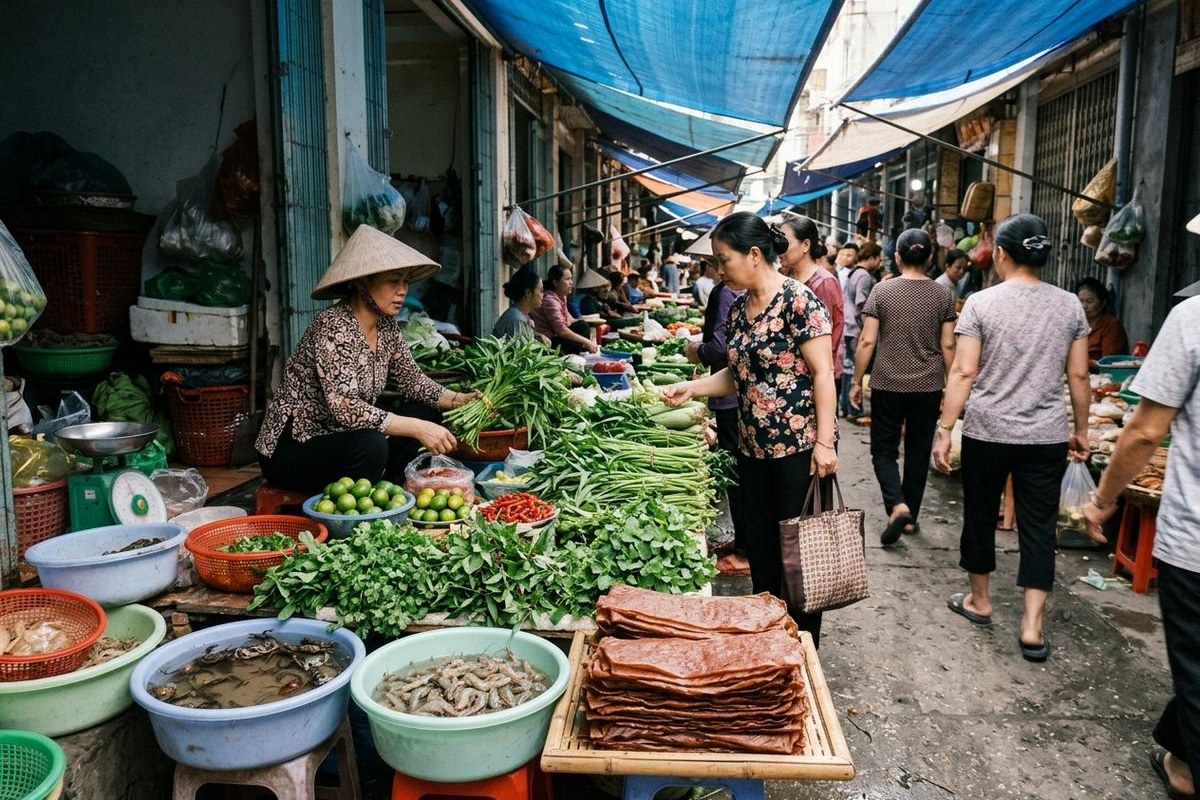
It is also special because it is local. The ingredients are tied to the port, the rice fields and the delta around the city. If you want to see where much of the produce comes from, our guide to exploring rural villages on a Haiphong motorbike tour shows the countryside behind the kitchens.
When And How To Eat It Like A Local
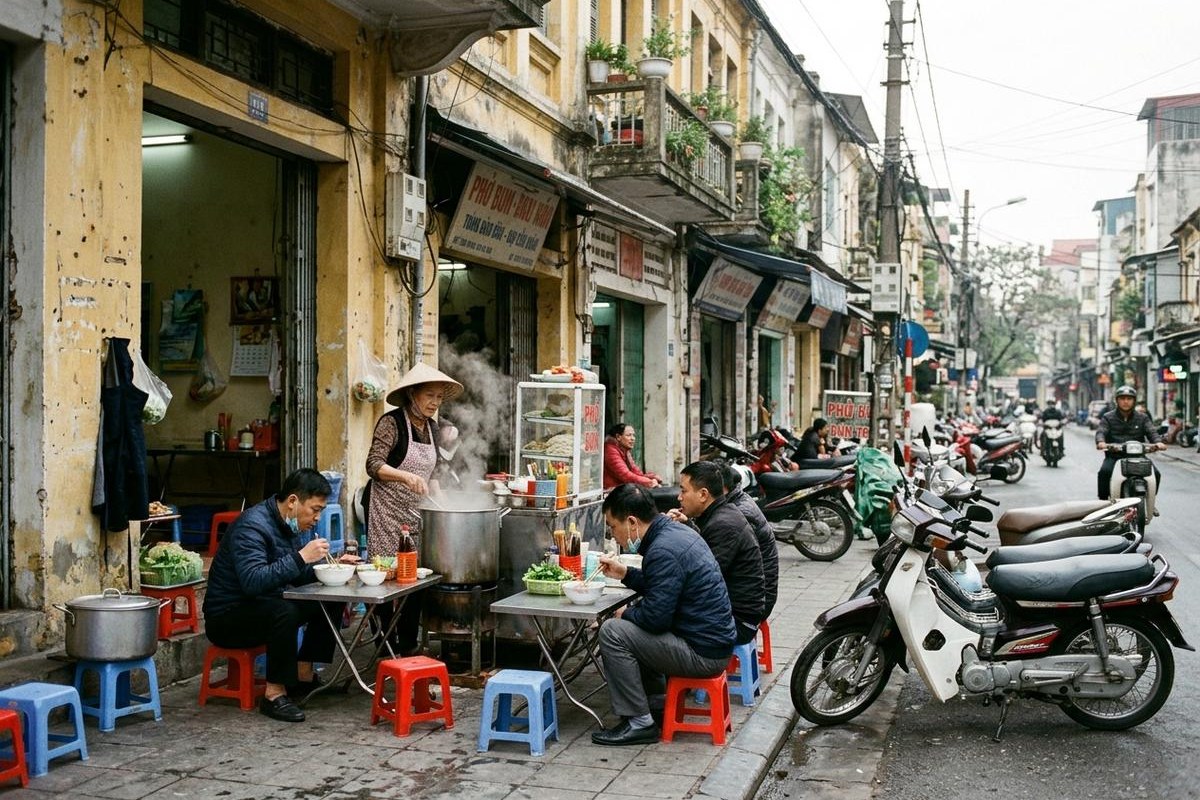
Banh da cua is an everyday dish, not a special-occasion meal. Locals often enjoy it as a hearty breakfast or an easy meal at a simple street-side shop, sitting on a small plastic stool. Opening hours and menus differ from shop to shop, so ask your guide or host for current details.
Come hungry, stir gently, taste the broth first and then add your own condiments. If you are planning a full day around the city, our favorite things to do in Haiphong on a weekend shows how a bowl of crab noodle soup fits into a relaxed local rhythm.
Useful Phrases For Ordering Banh Da Cua
Many small shops have no English menu, but ordering is easy. Most stalls sell only one or two dishes, so pointing and smiling often works. A few simple Vietnamese phrases make it even smoother and are always appreciated.
- Cho tôi một bát bánh đa cua: One bowl of banh da cua, please.
- Không cay: Not spicy.
- Không hành: No onion or scallion.
- Tôi bị dị ứng hải sản: I am allergic to seafood.
- Bao nhiêu tiền?: How much is it?
- Cảm ơn, ngon lắm!: Thank you, it is delicious!
Vietnamese is a tonal language, so pronunciation can be tricky. Show the phrase on your phone screen if people do not understand you. On a guided food tour, your guide will order for you and translate any questions about ingredients.
What To Eat With Banh Da Cua In Haiphong
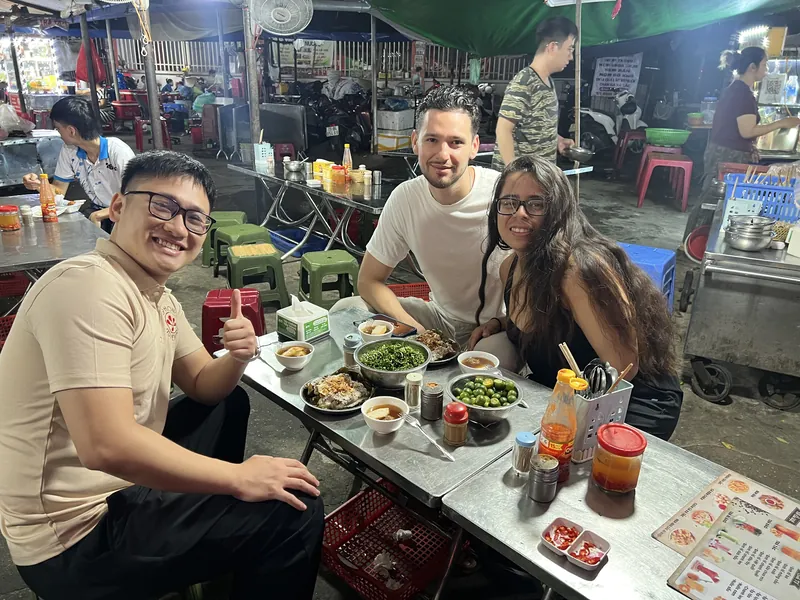
One bowl is filling, but Haiphong is a city made for grazing. Many travelers like to build a small food trail around their crab noodle soup and share several dishes rather than ordering big portions.
Banh beo
These small steamed rice cakes are soft and delicate, finished with savory toppings and a dipping sauce. They make a light partner to a rich crab broth, especially in the evening when sidewalk stalls get busy.
Banh mi cay
Haiphong’s famous spicy baguette is small, thin and very crisp, usually filled with pate and eaten with chili sauce. It is easy to share and a fun contrast to a soupy breakfast.
Vietnamese iced coffee
Locals often finish a meal with a strong coffee at a sidewalk cafe. Sitting on a low stool and watching the street go by is one of the simplest pleasures of a day in Haiphong.
Allergies, Diets And Safe Eating
Banh da cua is built on crab and often includes pork, so it is not suitable for vegetarians, vegans or anyone with a shellfish allergy. Fish sauce and shrimp paste may also be present. If you have an allergy, tell your guide or host before you order and consider choosing a different dish.
For other travelers, the usual street food rules apply: choose busy shops, eat food served hot and drink bottled or filtered water. If your stomach is sensitive, start with a small portion and add condiments slowly. Prices and ingredients can change from shop to shop and from season to season, so ask if you are unsure (for reference only, updated 10/2026).
>>> Unusual Things To Do In Haiphong Off Beaten Path
Frequently Asked Questions
What are the main banh da cua ingredients?
Reddish-brown flat rice noodles, a crab-based broth, crab patties or crab meat, water spinach, fried shallots and fresh herbs, served with chili, lime and vinegar.
Why are the noodles reddish-brown?
The color is part of the identity of the noodles. Different makers use their own methods, so ask at the shop if you want to know how they make theirs.
Is banh da cua spicy?
Not by default. You add chili at the table, so you control the heat.
Can vegetarians eat banh da cua?
No, because the dish is built on crab and usually contains pork. A guide can suggest vegetarian dishes instead.
Where can I try it with a local guide?
Our local guides include it on food routes in Haiphong. Browse our haiphong tours or message us to plan a custom food day.
Final Thoughts On What Makes This Bowl Special
Banh da cua proves that simple ingredients, chosen with care, can make an unforgettable meal. Chewy noodles, sweet crab broth, fresh greens and a few table condiments are all it takes. The rest is the skill of the cook and the setting of a busy Haiphong morning.
If you would like a local to introduce you to the best bowls and explain every ingredient along the way, the team at Haiphong Adventure is happy to help you plan your visit.
WhatsApp, Viber, WeChat: +84(0)934.555.001
KakaoTalk, Line ID: haiphongadventure