
Finding Quiet Haiphong Homestay Hidden Gems
If you want a haiphong homestay that feels like staying with a local friend rather than checking into an anonymous tower, the good news is that Haiphong still has plenty of calm corners. The best ones sit in leafy side streets, old villa lanes, seaside villages and small island hamlets, not on the busiest boulevards. This guide explains where to look, what to check before you book and how to build a slow, relaxed trip around your stay.
At Haiphong Adventure we spend our days riding the back roads of the city and the northern coast, so we see where travelers actually sleep well and where they do not. We will not name specific properties here, because quality, rooms and availability change often. Instead you will get a practical method for finding your own hidden gem.
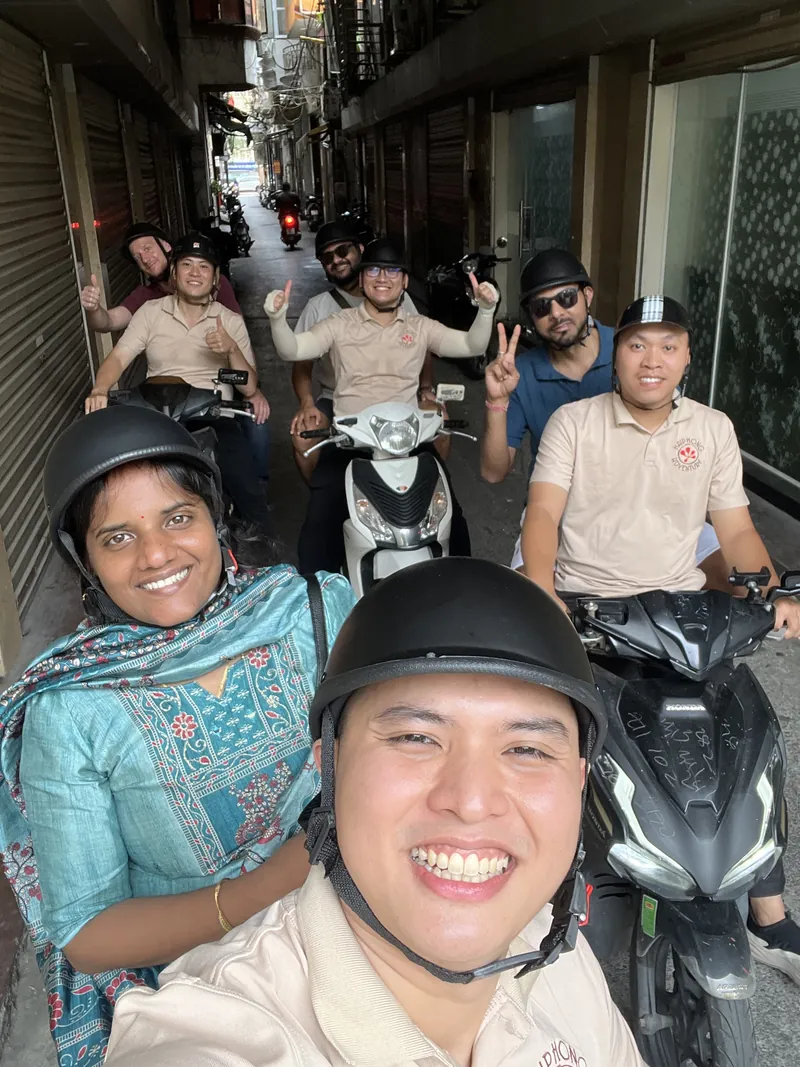
Why Choose a Haiphong Homestay Over a Hotel
Haiphong is a working port city. It is busy, honest and not built around mass tourism, which is exactly why a homestay fits it so well. A family-run home gives you context that a hotel lobby rarely can: which bowl of noodles the neighbors queue for, which lane is quiet after nine at night, and how to cross a road full of motorbikes without stress.
A calmer pace
Most homestays have only a handful of rooms. That means fewer guests, less noise in the corridors and more time to talk with your host over tea or coffee. If you are traveling after a hectic week in Hanoi, this slower rhythm can be the best part of your trip.
Local knowledge you cannot google
Hosts know the small things. They can tell you when a market is at its liveliest, which side street is best for a morning walk and which weekend events are on. Treat their suggestions as a starting point and double check anything time sensitive, such as opening hours, before you set out.
Honest trade-offs
A homestay is not always the right choice. Rooms can be simpler than in a hotel, reception may not be staffed around the clock, and some properties have steep stairs or no lift. If you travel with heavy luggage or reduced mobility, ask about this before you book. Being clear about your needs avoids disappointment later.
Where Quiet Homestays Hide in the City
Central Haiphong is compact, so you can base yourself in a calm lane and still reach the main sights quickly. Rather than chasing one famous address, think in terms of neighborhood character.
Old French-era streets
Around the opera house and the older districts you will find tree-lined streets with colonial villas and narrow lanes behind them. Homes tucked into these lanes are often much quieter than the main road only fifty meters away. Walking here in the early morning, when shopkeepers are opening up and the air is still cool, shows you why many travelers fall for the city.

Residential lanes near the lakes
Neighborhoods built around small lakes and parks tend to be green and peaceful in the evening. Look for homes whose listing mentions a garden, a courtyard or a rooftop terrace. These small outdoor spaces make a big difference after a day of sightseeing.
Back lanes near the food streets
If you love local eating, stay one or two lanes away from the busiest food streets, not directly above them. You can walk to dinner in minutes, then return to a bedroom where the street noise has faded. Our guide to Haiphong street food and local tastes shows what to try once you are settled in.
>>> Secrets To Enjoying A Real Haiphong Food Tour
Beyond the Center, Do Son and Cat Ba Island
For true quiet, many travelers leave the city grid. Two directions stand out for a haiphong homestay stay: the seaside area of Do Son and the island of Cat Ba.
Do Son, the easy seaside escape
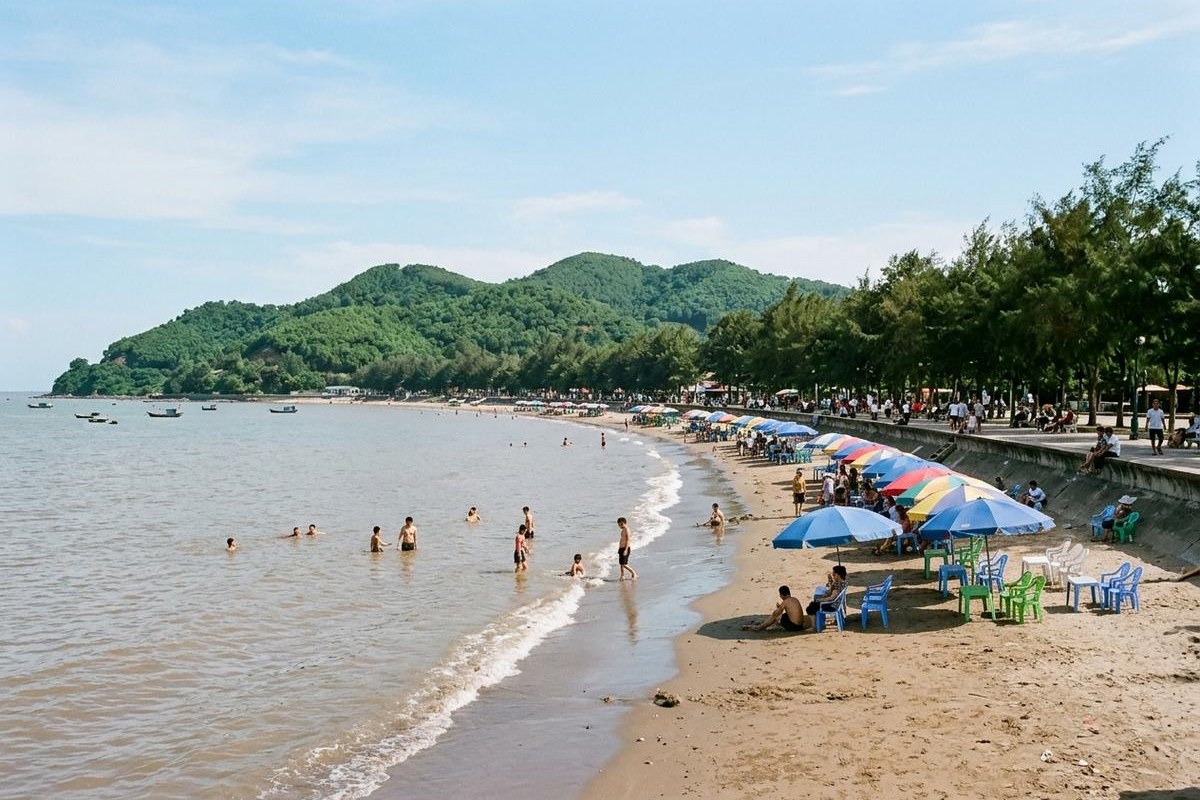
Do Son is a coastal peninsula within reach of the city, popular with domestic visitors at weekends and in peak summer. Outside those periods it can feel much calmer. Homestays and small guesthouses here suit travelers who like sea air, early walks along the shore and simple seafood meals. Weekends and school holidays are busier, so book earlier and ask your host about noise levels.
Cat Ba Island and its small villages
Cat Ba has a lively harbor town, but the island also has quieter villages and valleys where family homes welcome guests. Choosing one of these gives you a very different experience from the harbor strip, with more green views and fewer late-night crowds. Check the ferry and bus options in our Haiphong to Cat Ba ferry and bus tips so you can plan your arrival around daylight and tides. Schedules change, so confirm them shortly before you travel.

>>> Haiphong To Cat Ba Travel Time And Schedule Info
Rural edges of the city
Villages on the outskirts of Haiphong have started to welcome guests too. Rice fields, small temples and family gardens replace traffic noise. Because public transport is limited out there, a motorbike or a private driver is the practical way to reach them. We cover this kind of countryside riding in our Haiphong motorbike tour of rural villages.
Which area suits you
| Area | Best for | Keep in mind |
|---|---|---|
| Old city lanes | Walking, cafes, easy access to food and sights | Check noise from nearby streets |
| Do Son | Sea air, early shoreline walks, seafood | Busier on weekends and school holidays |
| Cat Ba villages | Green views, island calm | Plan ferry or bus times in advance |
| Rural edges | Rice fields, village life, true quiet | You will need a motorbike or driver |
What a Quiet Homestay Usually Includes
There is no official standard, so expectations vary from host to host. Still, most good homestays share a few features, and knowing them helps you compare options fairly.
- A private bedroom, often with an en-suite bathroom, although some rooms share facilities.
- Air conditioning or a fan, plus hot water. Confirm both in winter, when northern Vietnam can feel surprisingly cold and damp.
- Wi-Fi, usually good enough for messaging and light work. Ask if you need to join video calls.
- Breakfast, either included or available for a small extra charge. Ask what is served.
- Help with luggage, laundry or local transport, depending on the host.
Prices vary widely by season, location and room type, so treat any figure you see online as a rough guide and check it directly with the host or booking platform for the current month.
Recommended tour
Haiphong Countryside & Coastal Landmarks

Leave the city behind for rice fields, village pagodas and coastal landmarks on a relaxed motorbike ride with a local guide, a good match for a quiet homestay base.
From $79 per person
How to Find and Check a Genuine Homestay
Hidden gems are rarely the first result on a booking site. A little patience pays off.
Read reviews for the right words
Skip the star score at first. Search the reviews for words such as quiet, clean, helpful host and good location. Look at recent reviews from the last few months, not just the best ones overall. Comments about noise from karaoke, construction or roosters are useful clues.
Check the map, not just the photos
Photos show the room, but the map shows the neighborhood. Zoom in and look for a main road, a bar street or a market next door. A short walk from the lively area is often better than a room directly on it.
Message the host first
A quick message tells you a lot. Ask about the noise level at night, whether the address is easy to find, check-in times, luggage help and what is included for breakfast. Friendly, clear answers are a good sign. If the host is vague about the basics, consider another place.
Confirm the details in writing
Before you travel, confirm the dates, room type, total price and cancellation rules in writing, either on the platform or by message. Foreign guests are also usually asked to show a passport at check-in, so keep it handy. Rules can change, so ask your host or the booking platform about the current requirements.
>>> My Favorite Things To Do In Haiphong On Weekend
Etiquette and Small Habits Hosts Appreciate
Staying in a family home comes with a few unwritten rules. None of them are difficult, and following them makes everyone more comfortable.
- Greet your host and learn a few Vietnamese words. A simple xin chao and cam on go a long way.
- Take off your shoes where the family does. Many homes have a shoe rack at the door.
- Keep noise down late at night, since walls can be thin.
- Tell your host in advance if you plan to return very late, so they can arrange a key or gate access.
- Dress modestly if you visit a family altar room or a nearby temple.
- Ask before you use the kitchen, and offer to pay for anything you take.
If something is not right, mention it politely and early. Most hosts are keen to fix small problems quickly, and a calm conversation works better than an angry review after you leave.
A Sample Two-Day Quiet Itinerary
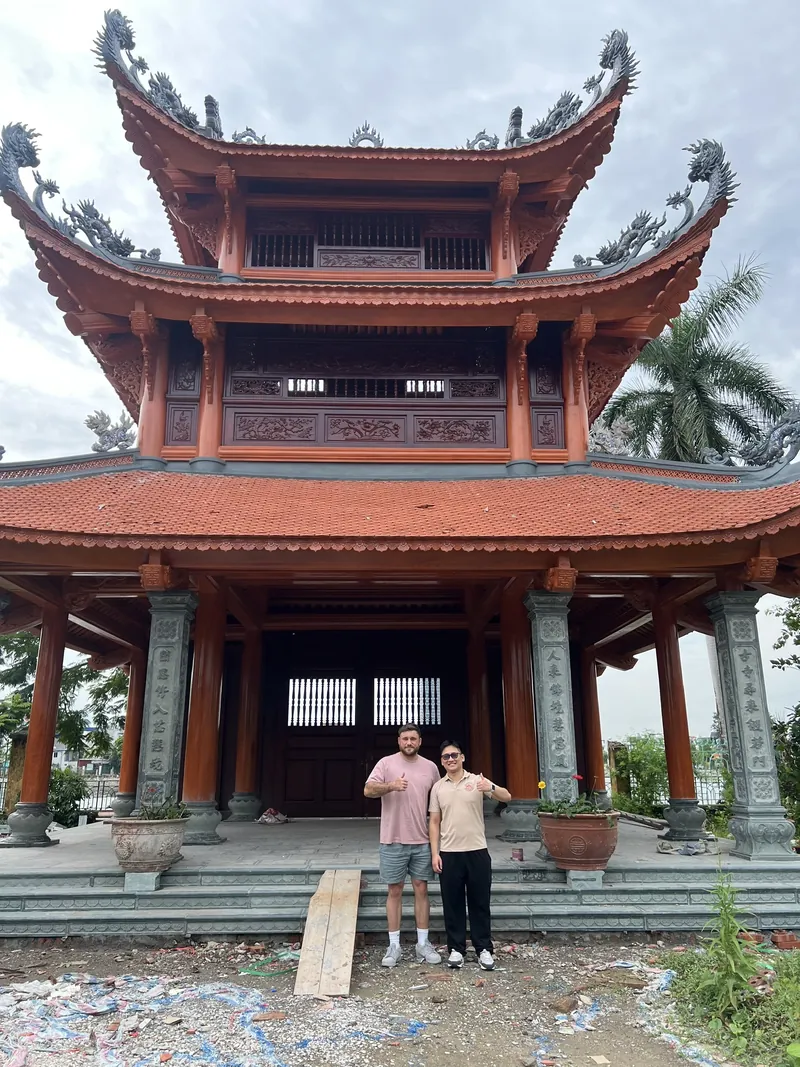
Here is a gentle plan that uses your homestay as a base. It leaves plenty of space for rest, so adjust it to your own pace and check opening times locally.
Day one, slow city morning
Start with breakfast at your homestay, then walk the old streets near your lane while the city wakes up. Visit a local market, sit for a coffee in a small cafe and let the afternoon heat pass indoors. In the evening, walk to a nearby food street for dinner, then return to the quiet of your room. Many of the best moments, such as watching the lanes wake up or sitting by a lake at dusk, cost nothing at all.

Day two, out to the coast or countryside
Spend the second day on a half-day trip, either to the Do Son shoreline or into the countryside by motorbike with a local guide. Return for a late lunch, rest, and finish with a relaxed dinner. Keep the evening free, because a slow walk around your own neighborhood is often the highlight of the trip.
>>> Planning A Perfect Cat Ba Tour From Haiphong City
Best Time of Year for a Quiet Haiphong Homestay
Northern Vietnam has real seasons, and they shape how calm your stay will feel. The pattern below is a general guide, not a forecast, so check the weather outlook a few days before you travel.
Spring and autumn
March to April and October to November are often the most comfortable months for walking and riding. Days tend to be mild, and outside public holidays the city lanes and Do Son feel relaxed. Spring can bring drizzle and grey skies, so pack a light rain jacket.
Summer
From around May to September it is hot and humid, with heavy showers and the chance of tropical storms. This is also the busiest time at the beach and on Cat Ba, especially at weekends. Choose a room with good air conditioning and keep your plans flexible in case boat services pause for bad weather.
Winter and Tet
December to February can feel cool and damp, and many homes have no central heating. Ask your host about hot water and extra blankets. Around Tet, the Lunar New Year, many families travel or close for a few days, so confirm well ahead that your homestay is open and that local services are running.
Getting Around From Your Homestay
One real advantage of staying in a quieter lane is that you are often a short ride from everything. The choice of transport depends on how far you plan to go.
Walking and ride-hailing
For the city center, walking and ride-hailing apps are the easiest options. Apps often show the price before you book, which keeps things simple. Fares and availability change, so check inside the app.
Motorbike with a local guide
If you want to see the outskirts, a guided motorbike trip is the safest way for most visitors. Traffic in Haiphong is busy and has its own rhythm, and an experienced rider takes the stress out of it. Always wear a helmet and make sure your insurance and license are valid for the vehicle you ride.

Arrival day tips
Tell your host your arrival time, share your phone number and ask for a pin on the map. Many hidden lanes are hard to find after dark, and a photo of the front door helps your driver drop you at the right spot.
Haiphong Homestay FAQ
Is a Haiphong homestay safe for solo travelers?
Haiphong is generally regarded as a calm city, and many solo travelers enjoy staying with local hosts. Use normal precautions, read recent reviews, share your address with someone you trust and keep valuables secure.
Do I need to book far in advance?
For weekdays outside holidays you can often book a few days ahead. For summer weekends, public holidays and Tet, book as early as you can because demand rises. Confirm current availability with the host.
Will my host speak English?
It varies. Many hosts in the main tourist areas can handle basic English, and a translation app fills the gaps. Message them before you book to see how easy communication will be.
Can I arrange tours from a homestay?
Yes. Many hosts can recommend local drivers, and you can also contact us directly for guided motorbike tours. Haiphong tours with a local guide work well with a quiet base like a homestay.
What should I bring?
Pack light clothes, a rain jacket, a small power adapter, a flashlight for dark lanes and some small cash for markets and snacks. Winter evenings can be cool, so add a warm layer between December and February.
Plan Your Quiet Stay With a Local Guide
A great homestay and a good local guide make a perfect pair. You rest in a calm lane, then we take you to the places most visitors miss. Browse our Haiphong tours to see what fits your plans, or message us with your dates and we will help you build a relaxed itinerary.
Contact our team
WhatsApp, Viber, WeChat: +84(0)934.555.001
KakaoTalk, Line ID: haiphongadventure
Information in this guide is for reference only, last updated October 2026. Please confirm prices, schedules and availability before you travel.