Architecture Of Old Cho Sat Market Nostalgia
Cho Sat market is more than a place to buy fans, wires and fabric. For many people in Haiphong, the old Iron Market is a symbol of the city’s trading past, a landmark beside the water where generations of families shopped, worked and met. The building has changed over the years, but the streets, shophouses and riverside setting around it still carry a strong sense of nostalgia.
In this guide, the Haiphong Adventure team looks at Cho Sat market through the lens of architecture and memory. We explain how the market fits into the old trading quarter, what to notice in the surrounding buildings, how the old and the new sit side by side and how to enjoy the area respectfully as a visitor. It is a gentle, slow way to experience the city before or after one of our Haiphong tours.
If you want broader context first, our cultural insights from a Haiphong city tour give a good overview of the old center.
Why Cho Sat Market Feels So Nostalgic
Ask older residents about Cho Sat and many will share a memory: buying school supplies with a parent, finding spare parts for a radio, or meeting friends near the water. The market grew up as part of Haiphong’s role as a busy port, when goods arrived by river and sea and were traded in the streets nearby.
Where the name comes from
Cho Sat translates as Iron Market. Local explanations of the name usually point to the iron and metal structures associated with the early market and to the metal goods traded here. Stories vary, and part of the charm is hearing how different people remember it.
Old memories, new building
Like many markets in Vietnam, Cho Sat has been rebuilt and renovated over the decades. Today’s market is a modern multi-level building, but the trading habits, the busy streets around it and the riverside setting keep the old character alive.
Read The Market As Part Of The Trading Quarter
To appreciate the architecture of Cho Sat market, look at it as one piece of a larger quarter rather than a single building. The market sits among streets that grew around trade, with shophouses, warehouses-turned-shops and narrow lanes that once served merchants and porters.
What to look for
- Rows of narrow tube houses with shops at street level.
- Old signboards and painted lettering above doorways.
- Upper floors with balconies, shutters and plants.
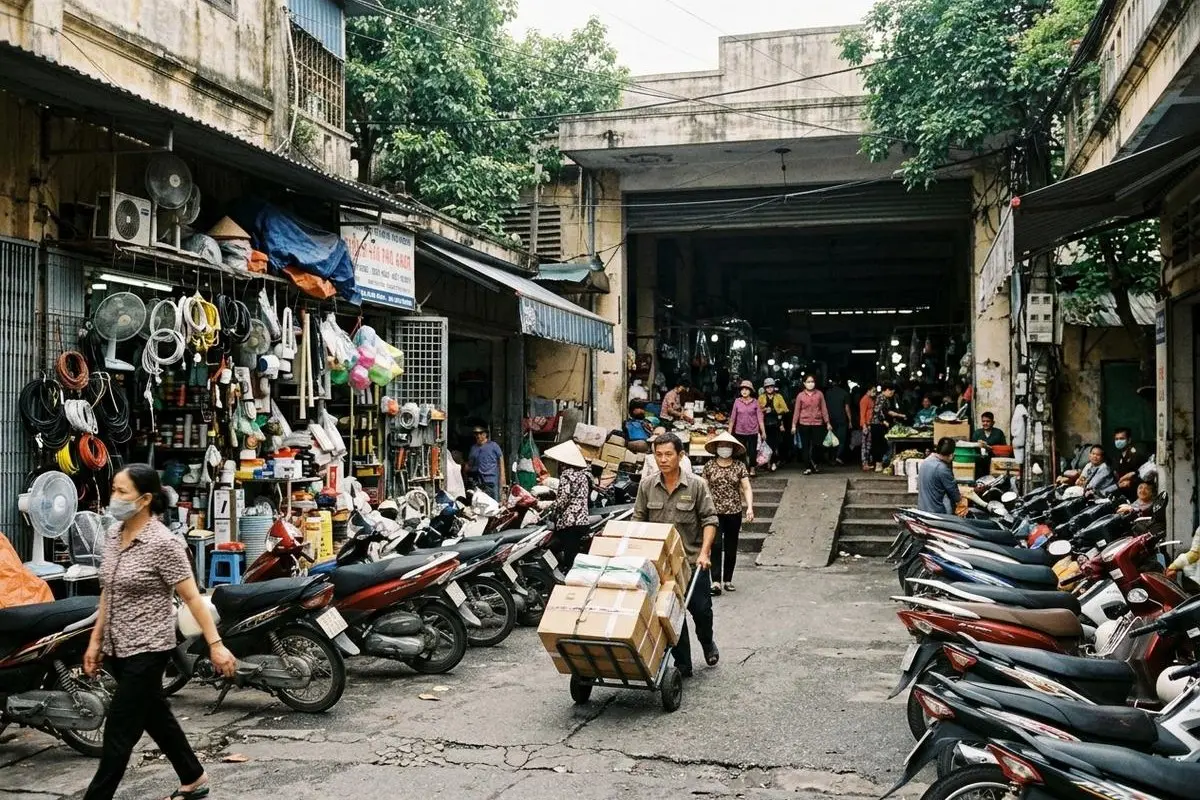
- Lanes just wide enough for a motorbike loaded with goods.
Explore Inside The Market Aisles
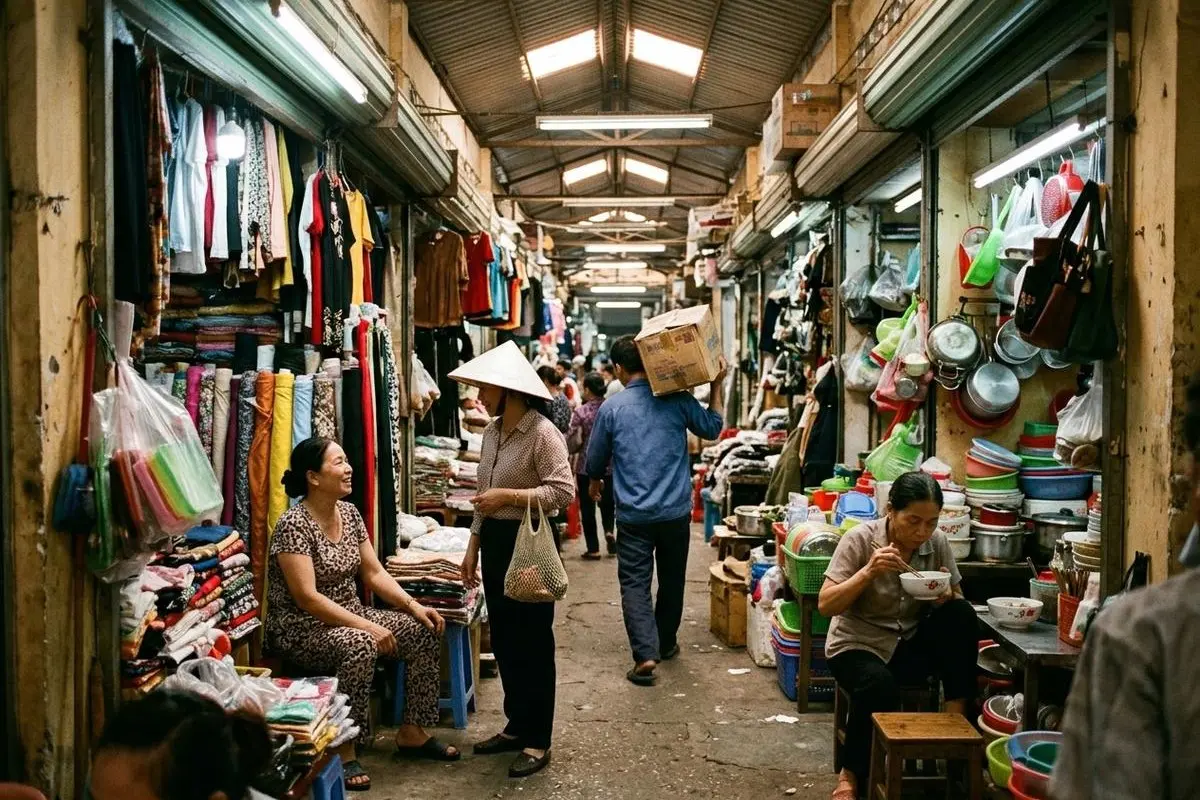
Inside, the market is all about efficient use of space. Stalls are small and packed tightly, with goods stacked to the ceiling and hanging from hooks. Corridors are narrow and busy, and the layout is roughly grouped by type of goods.
Architecture of daily trade
Notice how traders adapt every corner: shelves built into pillars, signs taped to railings, and small altars tucked above stalls for good luck in business. These details are not designed by architects, but they shape the character of the space as much as any facade.
>>> Haiphong Food Tour Route Exploring Local Markets
Look Up At The Shophouses Around Cho Sat
Step outside and walk slowly along the surrounding streets. Many buildings here are older than the current market and show layers of repairs, extensions and new paint added by different generations of the same family.
Details that tell stories
- Faded colors on walls next to freshly painted neighbors.
- Wooden shutters beside modern aluminum doors.
- Rooftop extensions added as families grew.
- Old ventilation openings and decorative patterns near the roofline.
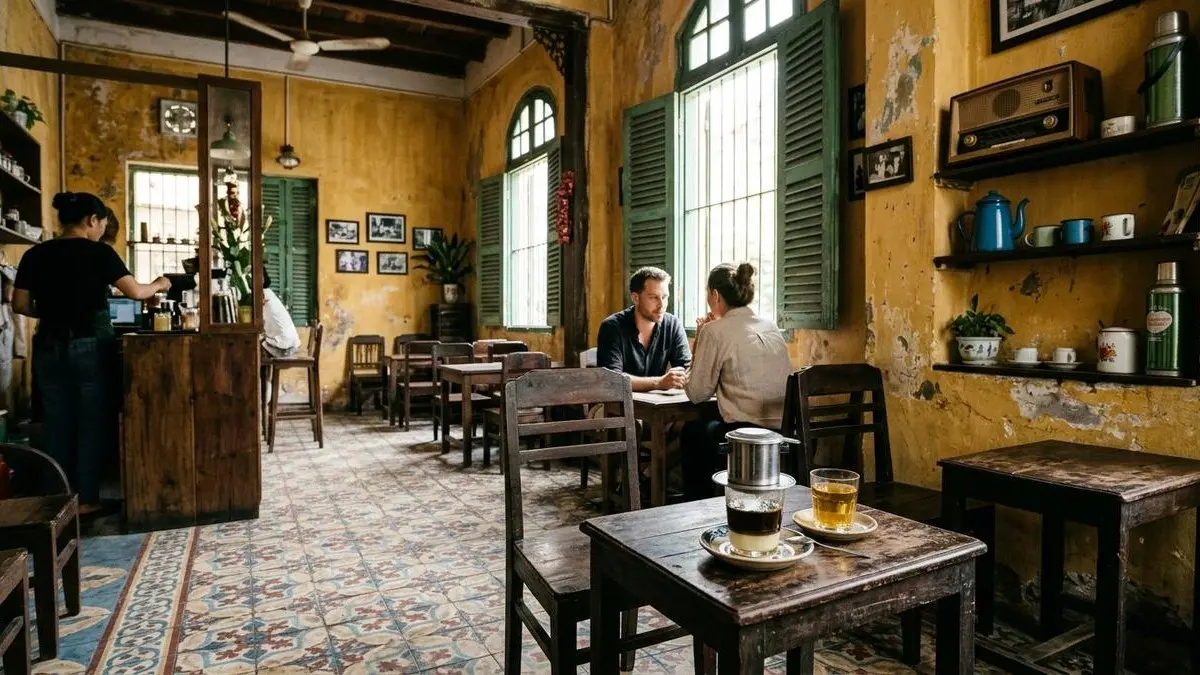
Some older houses in the city have been turned into cafes, which is one of the easiest ways to step inside a historic building. Order a coffee, look at the floor tiles, ceilings and windows, and imagine the house as it once was.
Recommended tour
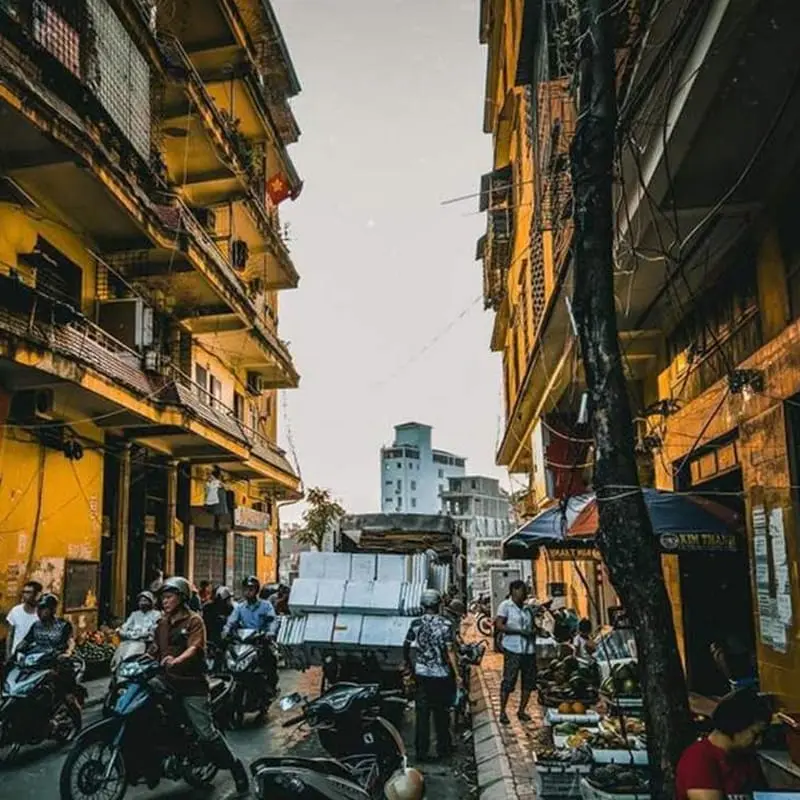
Walk through old markets, the French quarter and hidden alleys with a local guide who shares stories of the trading families and the buildings around Cho Sat.
From $79 per person
Walk To The Water At Tam Bac Lake
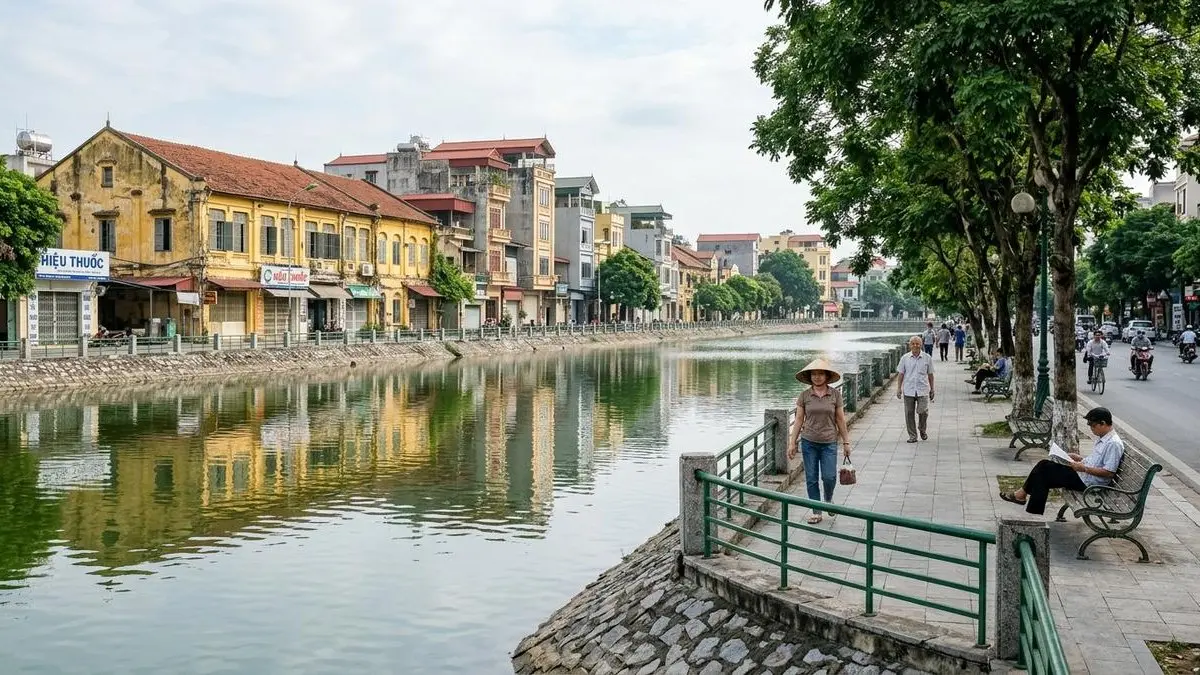
Cho Sat market is close to Tam Bac Lake and the old waterfront that helped the area grow as a trading hub. Today the lakeside walkway is a calm place to sit after the bustle of the market, with views of older buildings reflected in the water.
Best time for this view
Late afternoon light is soft and warm on the facades, and the walkway gets livelier as people come out to exercise and relax. Early morning is quieter and good for photography.
>>> Cultural Things To Do In Haiphong You Must Try
Taste The Neighborhood Around The Market
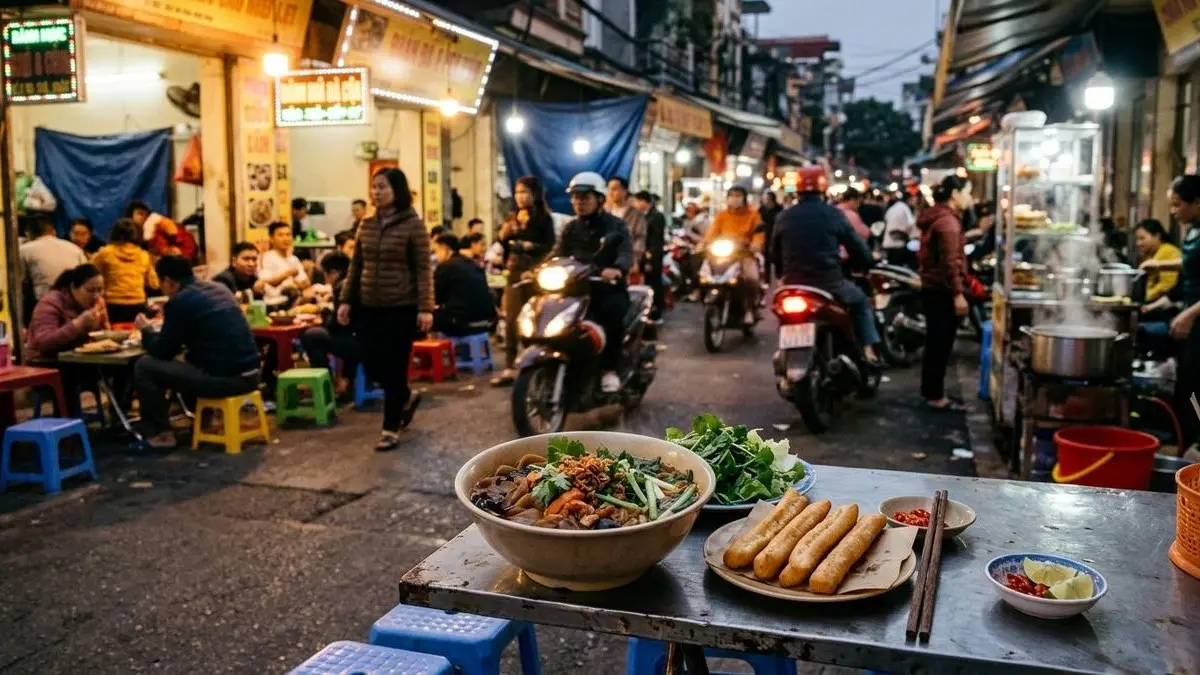
Nostalgia in Haiphong is also about food. The streets near Cho Sat have long served quick meals to traders and porters, and many locals still remember their favorite childhood snacks from the area.
What to try
- Banh da cua, the city’s crab noodle soup.
- Banh mi que or banh mi cay, the skinny spicy baguette.
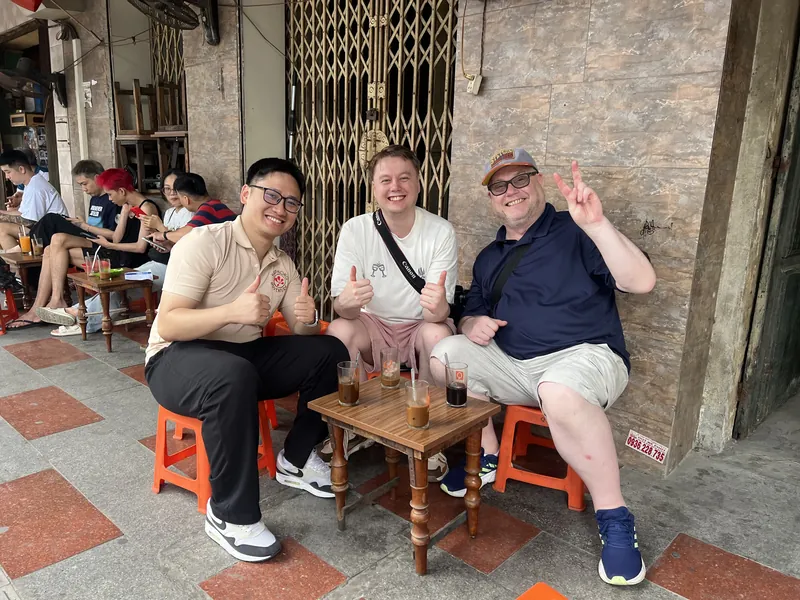
- Iced coffee or iced tea at a sidewalk stall.
- Seasonal fruit from street vendors.
For a fuller list of dishes, see our top dishes for a Haiphong food tour.
Photograph Old And New Side By Side
The most interesting photos around Cho Sat market often show contrast: an old shophouse next to a new glass front, a porter with a hand cart in front of a modern sign, or traditional altars above stalls selling the latest electronics.
Photography tips
- Use wide shots for streets and facades.
- Ask before taking close-up portraits of traders.
- Avoid blocking aisles or traffic while you frame a shot.
- Morning and late afternoon light work best outdoors.
>>> Unusual Things To Do In Haiphong Off Beaten Path
Suggested Nostalgia Walk Around Cho Sat Market
| Stop | Focus | Suggested time |
|---|---|---|
| Sidewalk cafe nearby | Coffee and street life | 20 to 30 minutes |
| Cho Sat market aisles | Trading spaces and stall details | 30 to 45 minutes |
| Surrounding streets | Shophouses and old signs | 30 minutes |
| Tam Bac Lake | Waterfront views and reflections | 20 minutes |
| Food corner | Local snacks | 20 to 30 minutes |
Times are a guide only. The market is busiest on weekday mornings, and some stalls close earlier in the evening and during holidays such as Tet.
Respectful Visiting Tips
- Remember it is a working market. Traders are busy, so step aside for customers and porters.
- Ask before photographing people. A smile and a gesture usually work. Accept a no politely.
- Do not touch goods you will not buy. Especially electronics and fabric.
- Keep valuables secure. Use a bag that closes and carry it in front.
- Dress comfortably. Closed shoes are best for busy aisles and uneven streets.
Visiting On Your Own Or With A Guide
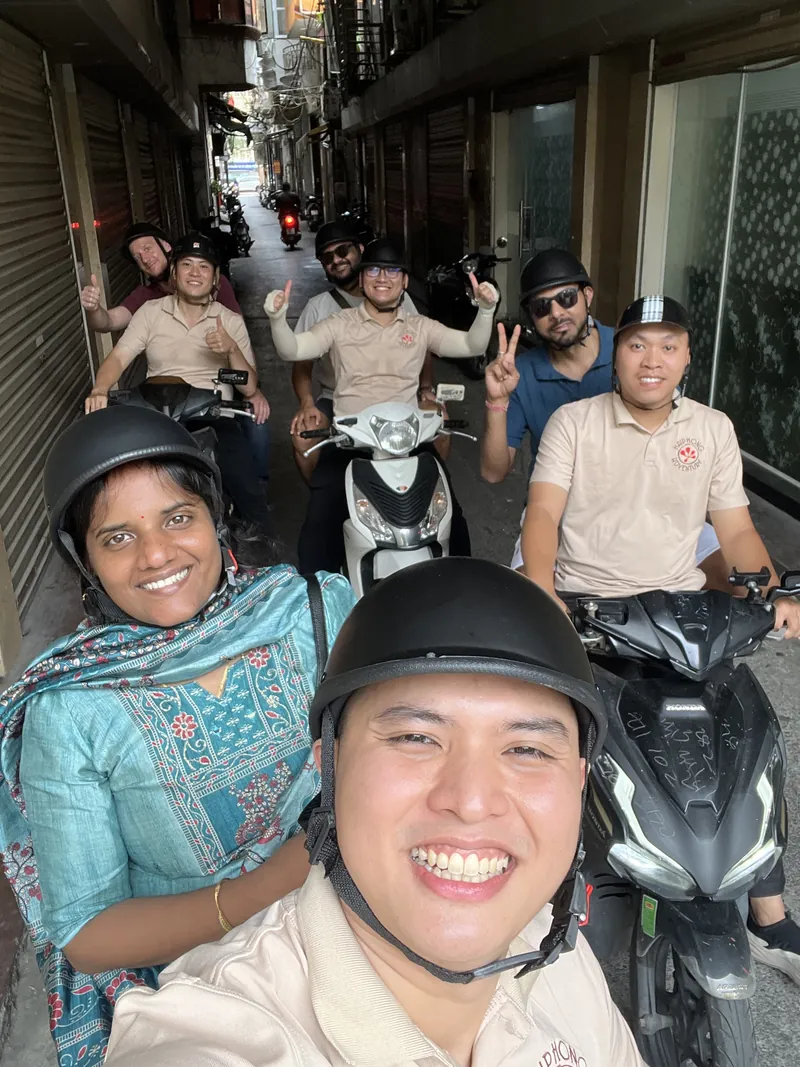
You can explore Cho Sat market and the surrounding streets on your own with an offline map. A local guide adds the stories you cannot see: which families have traded here for decades, how the market has changed and where locals go for their favorite snacks. If you want to see more of the city in one day, our motorbike tours let you ride as a passenger between neighborhoods with an experienced driver.
>>> Free Things To Do In Haiphong For Budget Travel
Frequently Asked Questions
Is the original Cho Sat market building still standing?
The market has been rebuilt and renovated over the years, so the current building is modern. The surrounding streets and waterfront still give a feel for the old trading quarter.
Why is it called the Iron Market?
Cho Sat means Iron Market. Local explanations usually link the name to the iron structures associated with the early market and the metal goods traded there.
What is the best time to visit Cho Sat market?
Weekday mornings are the liveliest. Late afternoon is pleasant for walking around Tam Bac Lake afterwards.
Is Cho Sat market good for souvenirs?
It focuses on everyday goods rather than souvenirs, but it is a fascinating place to see local trade. Ask a guide if you want help finding something specific.
Can Haiphong Adventure include Cho Sat on a tour?
Yes. We can include Cho Sat market and the old trading quarter in city, market and food tours.
Feel The Nostalgia Of Old Haiphong With Haiphong Adventure
Cho Sat market and its neighborhood show how Haiphong has grown from a busy river port into a modern city while keeping its trading spirit. Walk slowly, look up, taste the local snacks and listen to the stories. If you would like a local guide to share the history with you, contact the Haiphong Adventure team:
- WhatsApp, Viber, WeChat: +84(0)934.555.001
- KakaoTalk, Line ID: haiphongadventure
We hope to see you in the old trading quarter soon.