
Free Things To Do In Haiphong For Budget Travel
Haiphong is one of the easiest cities in northern Vietnam to enjoy on a tight budget. Many of the best things to do in Haiphong cost nothing at all: walking the old French streets, watching the city gather by the river at sunset, wandering through morning markets, or sitting in a square while kids race around on toy cars. Add cheap street food and a few small fares, and you can have a full, rich day for very little money.
Our guides grew up here, and most of our own free time is spent in exactly these places. This guide collects the free and nearly free things we recommend to backpackers and budget travellers, along with honest notes on where you might pay a small fee, how to eat well for a few dollars a day, and the money-saving habits locals use without thinking about it.
What “Free” Really Means In Haiphong
Before we start, a quick note on expectations. In this article, “free” usually means free to walk around, view from outside, or enjoy as a public space. Haiphong’s landmark buildings, such as the Opera House, the City Post Office and the Railway Station, are beautiful from the street, but going inside is not always possible or may depend on events, opening days and rules that change.
Some sights, like museums, certain historic sites and attractions outside the city, charge entrance fees. These are usually modest by international standards, but they vary and can change, so we do not quote exact numbers. Pagodas and temples are generally open to visitors without a ticket, though there is often a donation box, and leaving a small note is a polite gesture.
Finally, “near-free” covers the things that cost the same as a coffee or a street snack: a local bus ride, a sugarcane juice, a bundle of banh mi cay. These are the little costs that make a budget day in Haiphong feel generous rather than restrictive.
Walk The Old French Quarter From Street Level
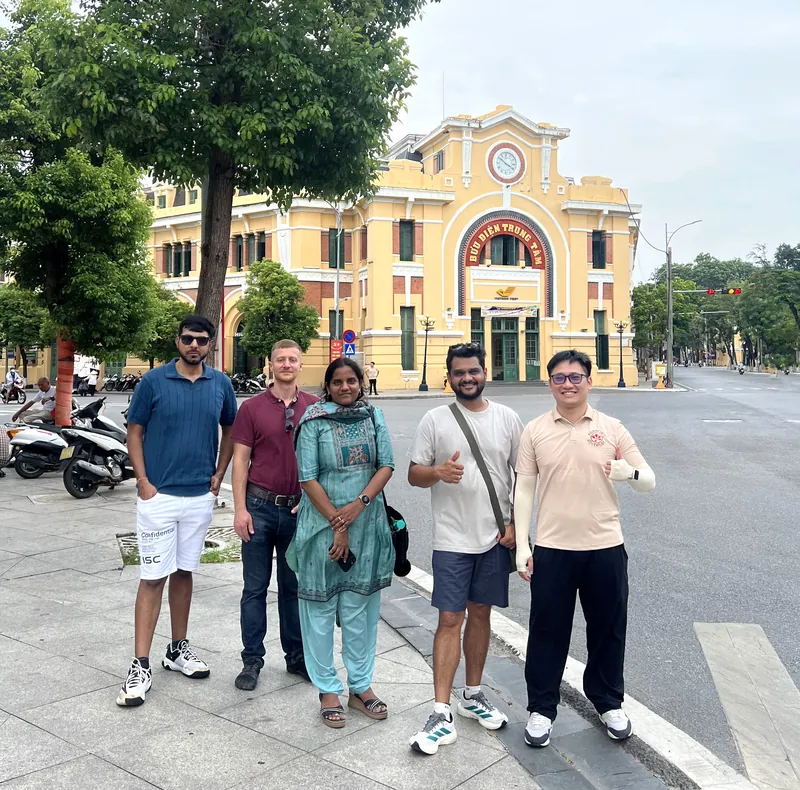
The centre of Haiphong still has many buildings from the French period: tall shuttered windows, yellow and ochre walls, wrought-iron balconies and wide tree-lined avenues. Some are government offices, some are shops, and some are slowly ageing family homes. Walking past them is free, and early morning or late afternoon light makes them look their best.
Good streets to start with are the ones around the Opera House and leading toward the river. Look up: some of the most interesting details, like old shop names, ornate ironwork and plaster decorations, are above the ground floor. Look down side alleys too, where houses are built so close together that neighbours can almost shake hands across the lane.
The City Post Office is one of the most photogenic colonial buildings in town, and the area around the Haiphong Museum and the nearby avenues is pleasant for a slow walk. If you want the deeper story of these places and the city’s temples and communal houses, read our guide to cultural things to do in Haiphong; here we keep to the free, outdoor side.
Spend An Evening On The Central Squares
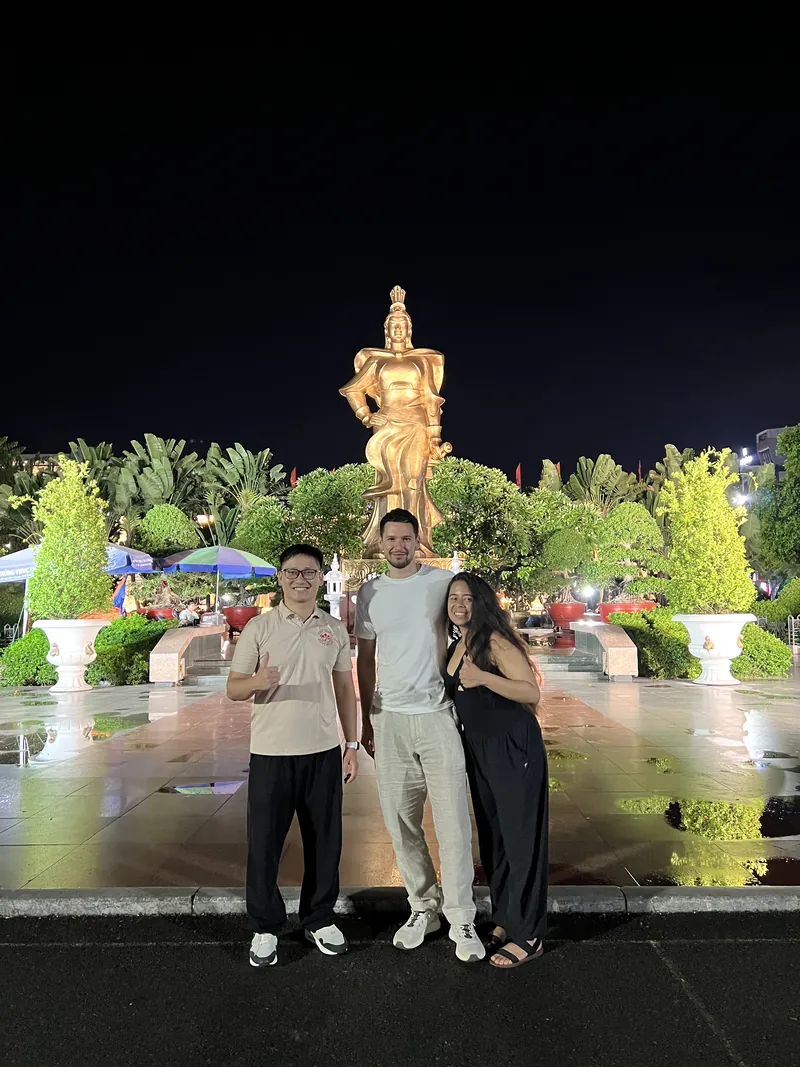
The squares in front of the Opera House and around the golden Le Chan statue are the city’s open-air living room. In the late afternoon and evening, families come out, kids play, older people do group exercise, teenagers take selfies, and vendors sell balloons, snacks and drinks. It costs nothing to sit on a bench and watch it all.
At night, the Opera House is lit up and the statue square glows gold, which makes for lovely free photos. On weekends and public holidays there are sometimes performances, markets or events in the area. These are not on a fixed schedule, so ask your hotel or message us if you want to know what is on during your visit.
Photograph The Murals And Tracks At Cau Quay
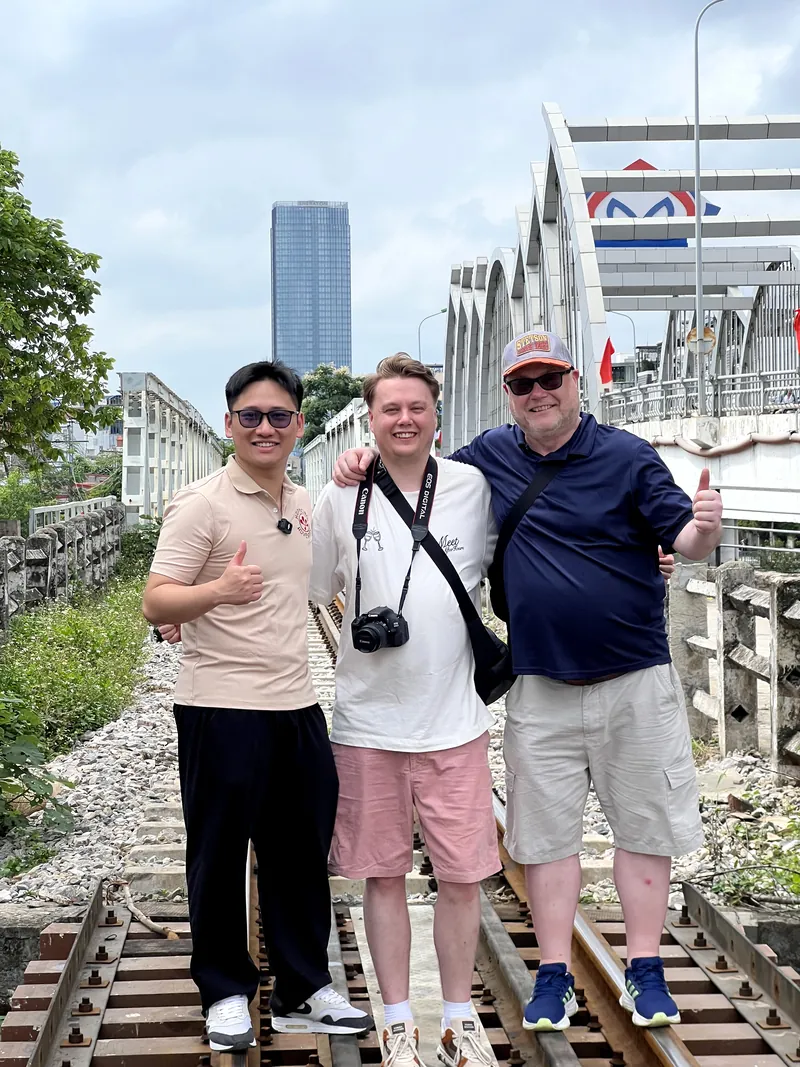
Cau Quay, the old railway swing bridge, is one of the most popular free photo spots in the city. The rail tracks, the iron bridge structure and the colourful murals painted on nearby walls make it feel like a small open-air gallery. Locals come here for portraits, and you will often see groups of students or couples posing on the tracks.
It is still part of a railway area, so be sensible. Follow any signs, move when asked, and do not climb on structures. Late afternoon is the nicest time, both for the light and the cooler air. If you enjoy quirky corners like this, our list of unusual things to do in Haiphong has more ideas off the beaten path.
Recommended tour
The Haiphong Street Food and City Tour
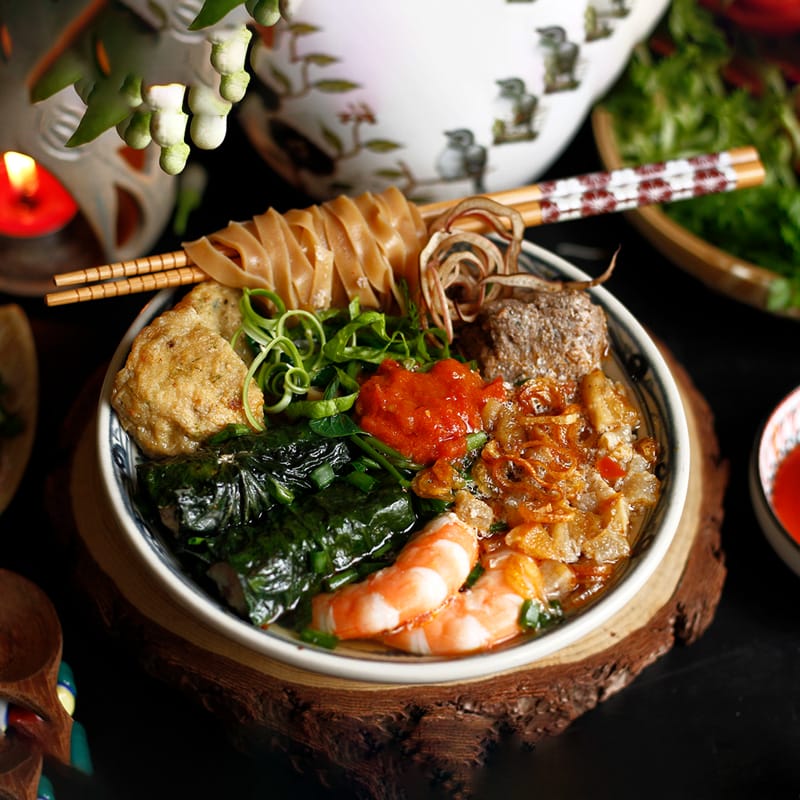
Combine Haiphong’s top city sights with a tasting trail of famous dishes like banh da cua and banh mi cay, all by motorbike with a local guide.
From $85 per person
Join The Sunset Crowd Along The Cam River
The riverside promenade along the Cam River, especially around Hoang Van Thu Bridge, is where a lot of Haiphong goes after work. People walk, jog, do aerobics to loud music, fly kites and sit on low stools drinking iced tea. As the sun goes down, the bridge lights come on and the river turns gold, then dark blue.
This is one of our favourite free things to do in Haiphong because it shows the city at its most relaxed. Bring a bottle of water, walk for an hour, and if you want a treat, buy a grilled corn cob or a cup of fresh fruit from one of the carts. It will cost you less than a coffee back home. Locals bring their own stools and thermos flasks of tea, which tells you everything about how cheap a good evening here can be.
Wander Through The Morning Markets
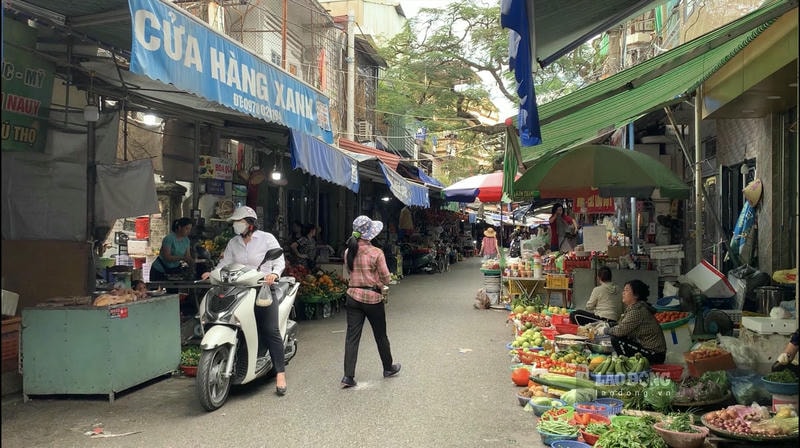
Haiphong’s markets are noisy, crowded and fascinating, and you can spend an hour in one without spending a single dong. The wet sections are full of seafood from the coast, live crabs, river fish and shellfish. The dry sections sell rice, spices, dried shrimp, herbs, fabric and household goods. Around the edges, small food stalls serve breakfast to traders.
Go early, ideally before 9am, when the market is at its busiest and the produce is freshest. Keep your valuables in front of you, ask before taking close-up photos of people, and if you want to say thank you, buy a small bag of fruit. It usually costs very little and often comes with a smile and a free extra piece.
Visit Pagodas And Neighbourhood Temples
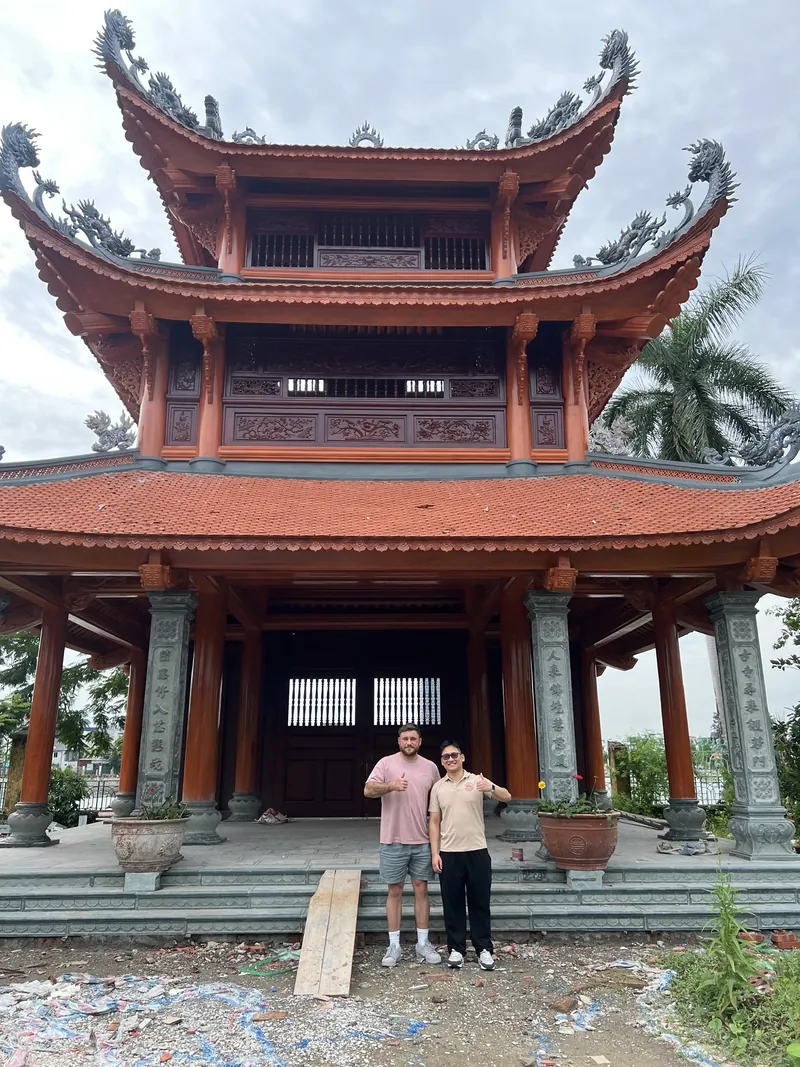
There are pagodas and small temples all over Haiphong, from well-known ones in the centre to tiny shrines tucked between houses. Most do not charge an entrance fee. Visiting quietly in the morning, when locals come to light incense, is a peaceful break from the traffic.
Dress modestly (shoulders and knees covered), take off your shoes where others do, speak softly, and do not point your feet at altars. A small donation in the box is appreciated but never demanded. If you are curious about the history and architecture, our cultural guide linked above goes into more detail on the main pagodas, so here we only suggest you include one or two on your walking route.
Admire Haiphong Railway Station From Outside
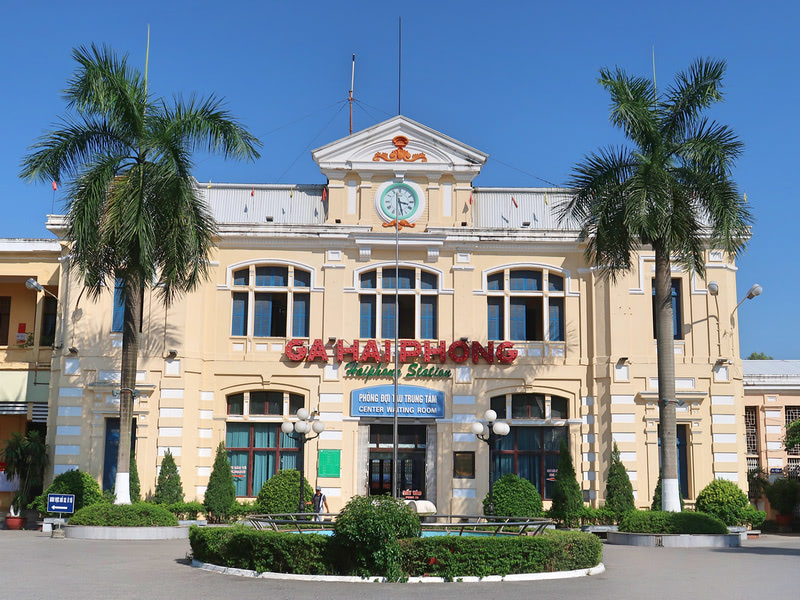
Haiphong Railway Station is a lovely yellow colonial building with palm trees in front, and it is free to look at from the street. Even if you are not taking a train, it is worth a short detour for photos, especially in the morning light. If you arrive in Haiphong by train from Hanoi, this is also one of the cheapest ways to travel between the two cities, though schedules and fares change, so always check before you go.
From the station, you can walk into the centre in a reasonable amount of time, passing through busy streets lined with shops and food stalls.
Ride A Local Bus To Do Son Beach
Do Son, Haiphong’s traditional seaside area, is roughly 20 km from the city centre. Local buses usually run between the city and Do Son, and the fare is low, although routes and timings change, so check locally on the day or ask your hotel. A ride-hailing motorbike is another affordable option if you are travelling alone.
Once you are there, walking along the seafront, watching fishing boats and enjoying the sea breeze is free. The beach is not a tropical postcard, but it is a nice change of air and very popular with local families on weekends. Some attractions in the area, such as the old villa of King Bao Dai, may charge an entrance fee, so treat those as optional extras.

Eat Like A Local For A Few Dollars
Eating is not free, but in Haiphong it comes close. Haiphong street food is some of the best value in Vietnam, and many signature dishes cost very little. A few favourites for budget travellers:
- Banh mi cay: tiny, thin baguettes with pâté and chilli sauce. Locals buy them by the handful.
- Banh da cua: Haiphong’s crab noodle soup, a filling breakfast or lunch.
- Com binh dan: “people’s rice”, where you choose a few dishes from a counter and pay by what you pick.
- Snails and shellfish: shared plates, best in a group, very social.
- Che: sweet dessert soups and jellies, perfect on a hot afternoon.
- Tra da: iced green tea, often free or almost free with a meal.
Prices change and vary by location, so we do not quote exact numbers, but in most local places a full meal costs a small fraction of what you would pay in a tourist restaurant. For a longer list of dishes worth trying, see our Haiphong food guide with 16 must-try dishes.

A Free And Cheap One-Day Itinerary
Here is a simple day plan that covers many of the free things to do in Haiphong and keeps spending low. You can walk most of it, and use a ride-hailing app for longer gaps.
- Early morning: Market visit, then a bowl of banh da cua at a nearby stall.
- Mid-morning: Walk the French quarter, the Post Office area and the Opera House from outside. Stop at a pagoda along the way.
- Midday: Com binh dan for lunch, then rest somewhere shady or back at your guesthouse.
- Late afternoon: Cau Quay swing bridge and the mural street for photos.
- Sunset: The Cam River promenade near Hoang Van Thu Bridge.
- Evening: Le Chan statue square and a street food dinner, with a few banh mi cay for the walk home.
If you have only one day and want to see more in a short time, our 24-hour DIY Haiphong tour gives another route you can follow on your own.
Budget Travel Tips From Our Local Guides
Getting Around Cheaply
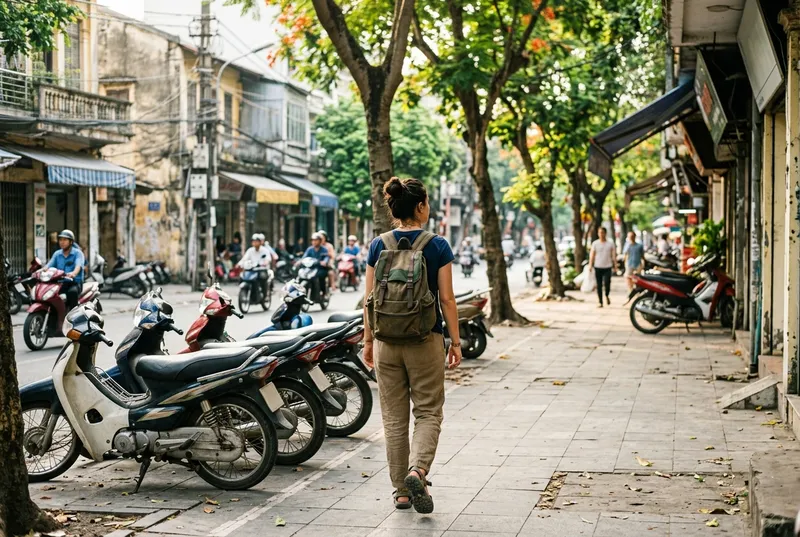
Central Haiphong is fairly compact, so walking is the cheapest option for most sights. For longer trips, ride-hailing apps usually show the price before you book, which avoids negotiation. Local buses are the cheapest of all, but routes can be confusing for first-timers, so ask your accommodation for help.
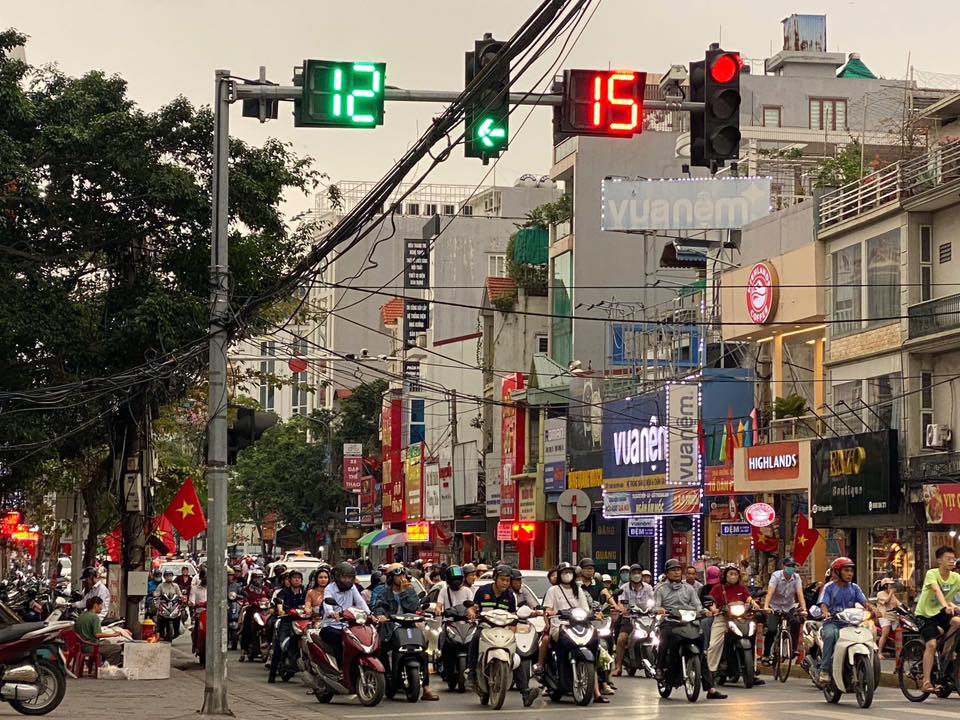
Saving On Food And Drink
- Eat where locals eat. If a stall is full of Vietnamese customers, it is usually good value.
- Ask the price before ordering seafood, which is often sold by weight.
- Drink iced tea or local draught beer rather than imported drinks.
- Carry small notes. Many stalls struggle to change large bills.
Accommodation
Haiphong has many simple guesthouses and mini-hotels that offer good value, especially outside public holidays. Staying near the centre saves on transport and lets you walk to most sights.
Free Things To Do In Haiphong When It Rains
Northern Vietnam gets heavy showers in summer and long grey drizzly days in late winter, so it helps to have a wet-weather plan that does not cost money. Covered markets are the obvious choice: you stay dry, the stalls are busier than ever, and you can snack your way through the afternoon for very little. Pagodas are another calm refuge, and sitting under the eaves watching the rain on the courtyard is surprisingly relaxing.
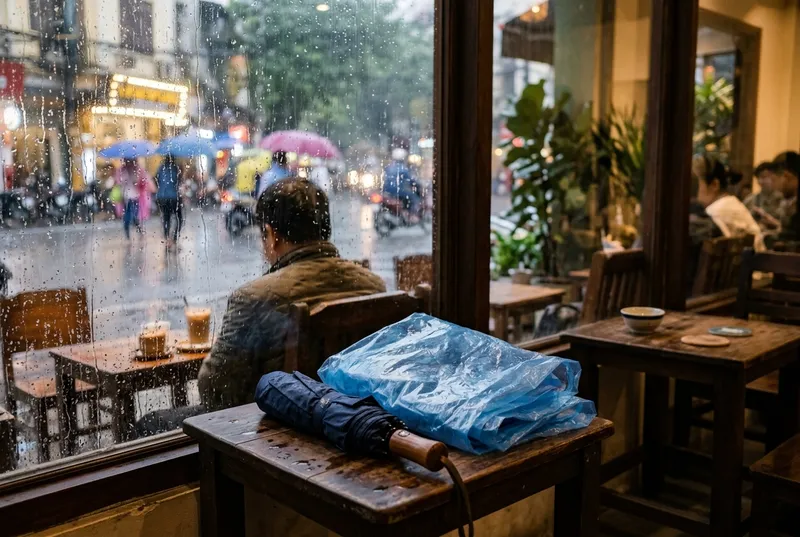
A long coffee is also a perfectly valid rainy-day activity in Haiphong. One drink buys you a seat for as long as you like, and many cafes in old tube houses have upper floors with views over wet rooftops and passing raincoats. Locals do exactly the same. Bring a cheap plastic poncho, sold at almost every corner shop, and you can keep walking between showers. Just be careful on smooth tiled pavements and around motorbikes, which do not slow down much for rain.
When To Spend A Little More
A budget trip does not mean saying no to everything. If you want to understand what you are eating, or reach places you would not find alone, a short guided tour can be worth it. Our Haiphong tour cost guide explains what is included in different options so you can decide what fits your budget.
Frequently Asked Questions About Budget Travel In Haiphong
Are there really free things to do in Haiphong?
Yes. Walking the French quarter, the central squares, the Cam River promenade, Cau Quay bridge, local markets and most pagodas cost nothing. You only pay for food, drinks, transport and any attractions with entrance fees.
Can I go inside the Opera House for free?
Not usually. The Opera House is best enjoyed from the square outside. Access inside depends on performances and events, so check locally if you are interested.
How much money do I need per day in Haiphong?
It depends on your style, but Haiphong is cheaper than Hanoi for most things. If you eat street food, walk a lot and stay in a simple guesthouse, your daily costs can be quite low. Prices change, so use recent traveller reports or ask us for a rough idea.
Is Haiphong safe for budget and solo travellers?
Generally, yes. Use normal city sense: watch your phone and bag in crowded places, use ride-hailing apps at night, and agree on prices before eating seafood.
Is the train from Hanoi the cheapest way to reach Haiphong?
The train is usually one of the cheapest options and takes around two and a half hours. Buses are faster on the expressway. Our comparison of bus and train from Hanoi to Haiphong explains the trade-offs. Schedules and fares change, so check before you travel.
Do I need to tip in Haiphong?
Tipping is not expected at street stalls or local restaurants. For guides and drivers, a tip is appreciated if you enjoyed the service, but it is always your choice.
Plan A Budget-Friendly Haiphong Trip With Us
At Haiphong Adventure, we love meeting travellers who want to see the real city, whatever their budget. Many of the free spots in this guide are also stops on our routes, and we are always happy to share tips even if you decide to explore on your own. If you want one guided experience to make the most of a short stay, tell us your budget and interests, and we will recommend the haiphong tours that give you the best value, or simply point you in the right direction for a DIY day.
WhatsApp, Viber, WeChat: +84(0)934.555.001
KakaoTalk, Line ID: haiphongadventure