Cultural Things To Do In Haiphong You Must Try
Most travelers pass through Haiphong on the way to Cat Ba Island or Lan Ha Bay and never stop. That is a shame, because Vietnam’s great port city has a cultural life that feels far more lived-in than many better-known destinations. Here, French colonial facades sit next to busy noodle stalls, centuries-old communal houses still host village festivals, and the rhythm of the day is set by sidewalk coffee and the hum of motorbikes.
This guide brings together the cultural things to do in Haiphong that our local guides at Haiphong Adventure share with every guest. Some are famous landmarks, some are small daily rituals, and a few are places most visitors never hear about. Whether you have one free afternoon or a full weekend, you will find ideas here to experience the city the way locals do.
Why Haiphong Is A Rewarding City For Culture Lovers
Haiphong has been a gateway to the sea for northern Vietnam for more than a century. That history left layers you can still see on a short walk: grand buildings from the French period, temples and communal houses from much older village life, and a modern city that is growing fast along the Cam River.
What makes Haiphong special for cultural travel is how little of it feels staged for tourists. There are few souvenir streets and almost no tour buses. Instead you will share pagoda courtyards with grandmothers lighting incense, sit on plastic stools beside office workers on their lunch break, and hear stories that are passed down in families rather than printed on signboards. That everyday quality is exactly what many travelers tell us they are looking for when they book Haiphong tours.
Admire The Haiphong Opera House And The Old French Quarter
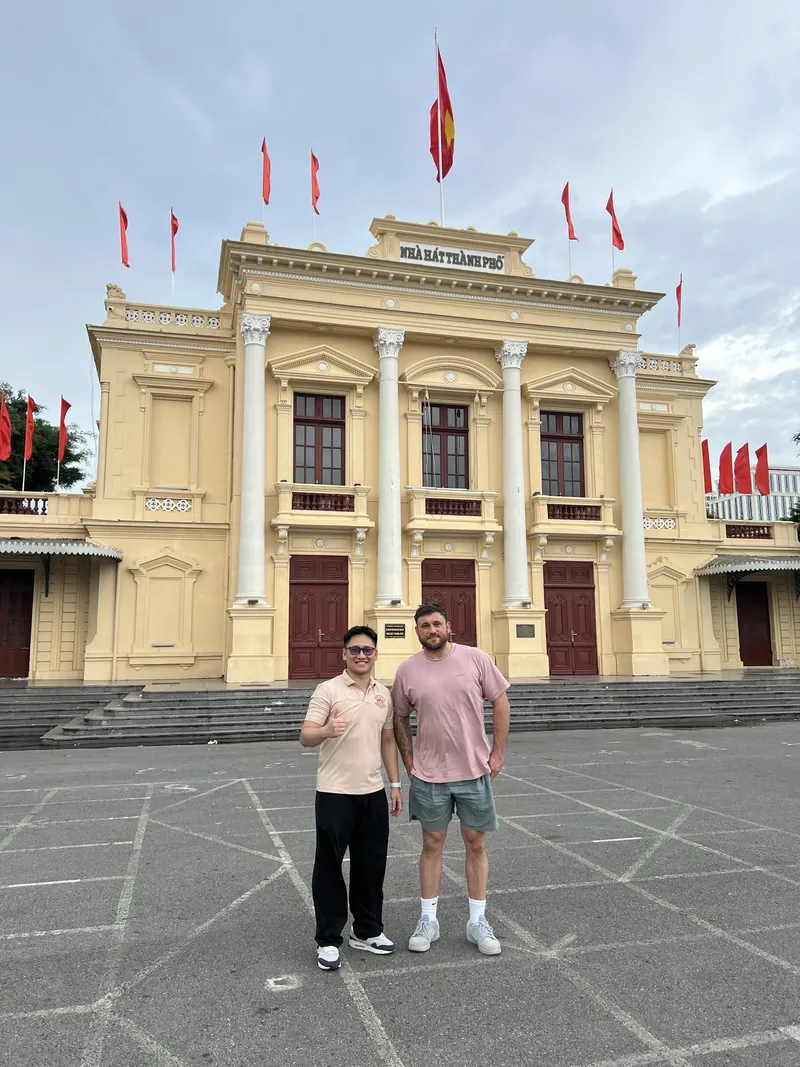
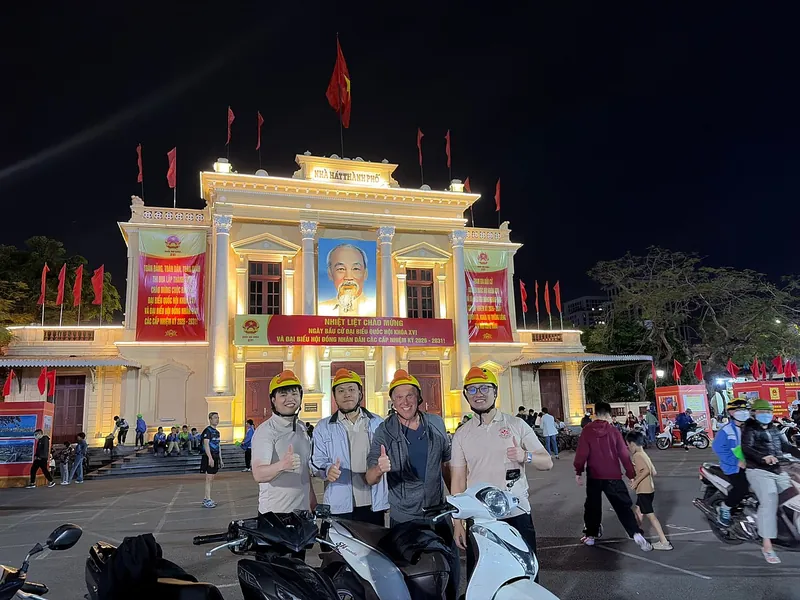
The Haiphong Opera House is the city’s most recognizable landmark and a natural starting point for any cultural walk. Built by the French in the early twentieth century, its cream facade, white columns and tall arched doors face a wide square lined with flowering trees. The building still hosts concerts, official ceremonies and festival performances, so it is very much part of local life rather than a museum piece.
Come twice if you can. In the morning the square is calm and the light is soft, which is ideal for photos. After dark, the facade is lit up, red flags flutter along the roofline, and families gather in the square to stroll, chat and let children ride small electric cars.
Tips For Visiting The Opera House Area
- Walk the surrounding streets slowly. Many shophouses in the area keep their colonial shutters, balconies and tiled floors.
- Check for events. On national holidays the square is often decorated with flags and stages, which makes for colorful photos.
- Combine it with a coffee stop. Several of the city’s classic sidewalk cafes are within a few minutes’ walk.
Visit The Le Chan Statue And Learn The City’s Origin Story
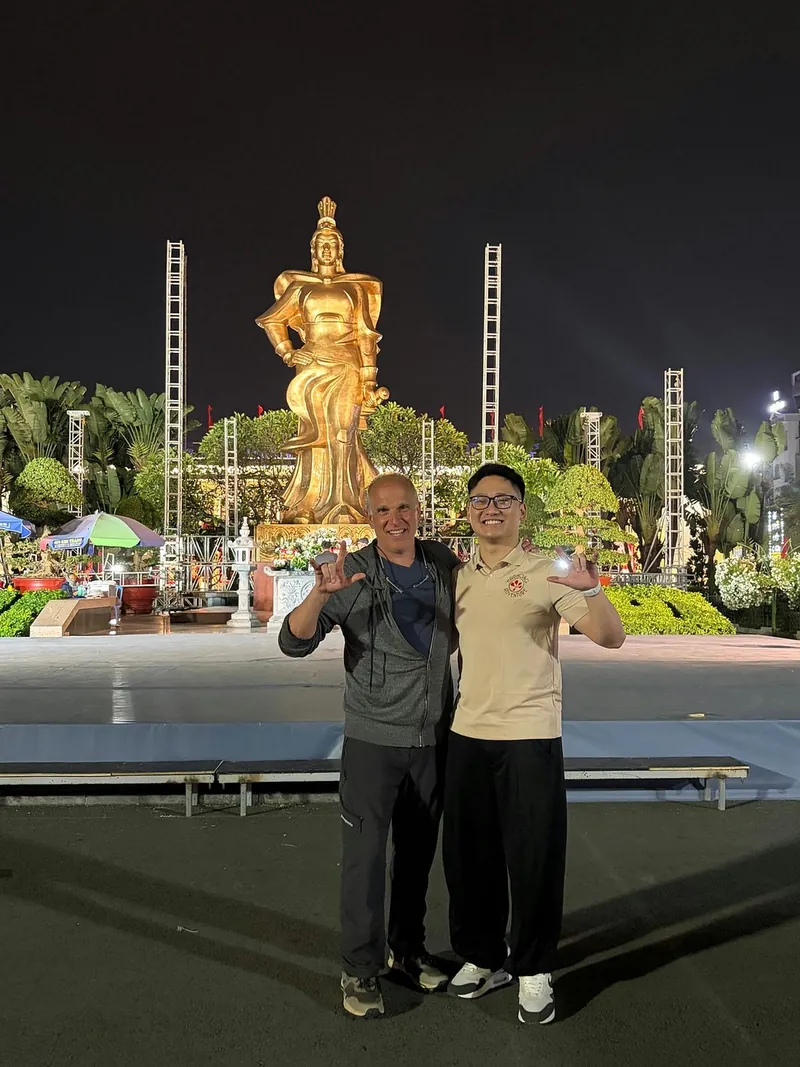
Every Haiphong local knows the name Le Chan. She was a female general who fought alongside the Trung Sisters against Chinese rule in the first century, and she is honored as the founder of the fishing settlement that later grew into Haiphong. Her golden statue stands on a large square close to the city center, holding a sword and looking out over the city she is said to have protected.
The square is especially beautiful at night, when the statue glows against the dark sky and the surrounding gardens are lit up. It is a favorite meeting spot for young people, and our guides like to stop here to share the legends of Le Chan before heading on to dinner.
Understanding Le Chan helps explain the strong local pride you will notice in Haiphong. People here describe their city as brave, direct and loyal, qualities they connect with her story and with the port’s long history of resistance.
Walk Across Cau Quay, The Historic Swing Bridge
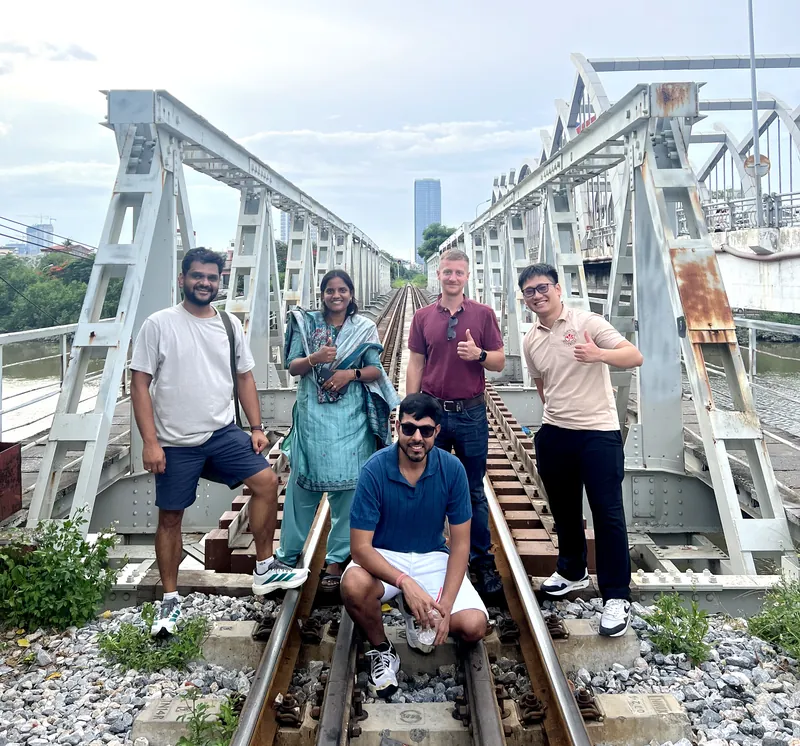
Cau Quay, which locals translate as “the swing bridge”, is an old iron railway bridge from the colonial era. According to local accounts, part of the structure could once turn to let boats pass along the river, which is how it earned its name. Today the steel trusses, rusty rivets and narrow tracks have become one of the most photographed spots in Haiphong.
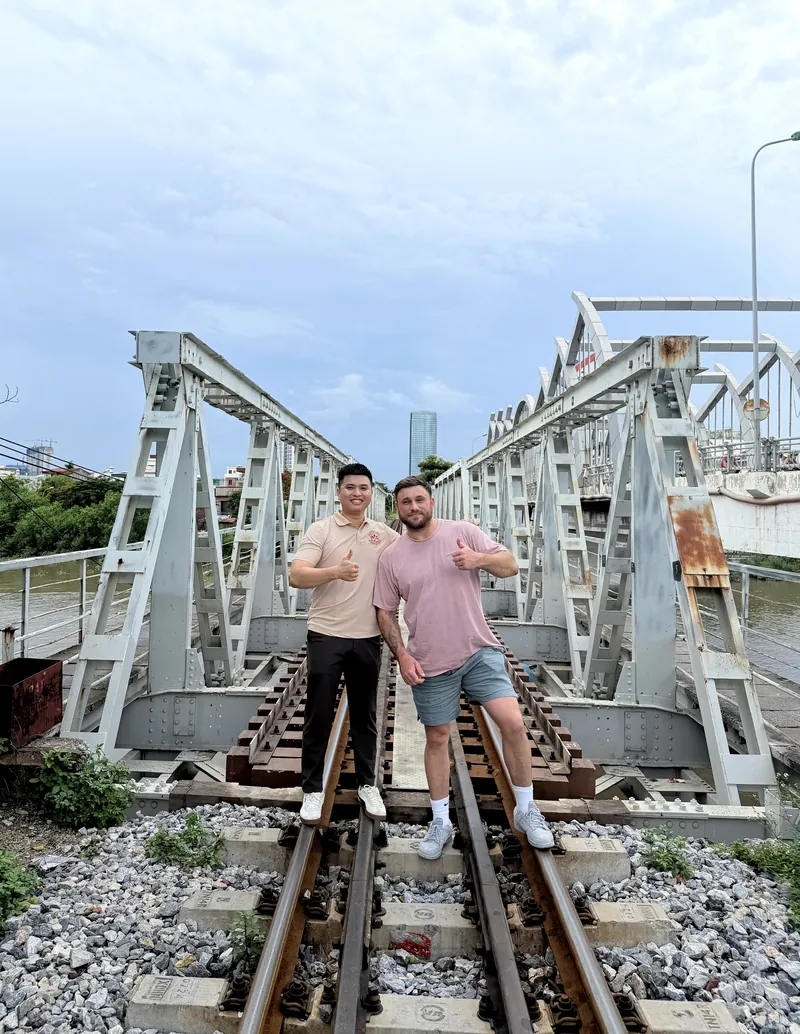
Visitors love posing on the tracks with the steel frame stretching into the distance, but please stay alert. This is still part of a working railway area, so always follow your guide’s advice, step off the tracks quickly when asked, and never linger when you hear a horn.
The Mural Street At The Foot Of Cau Quay
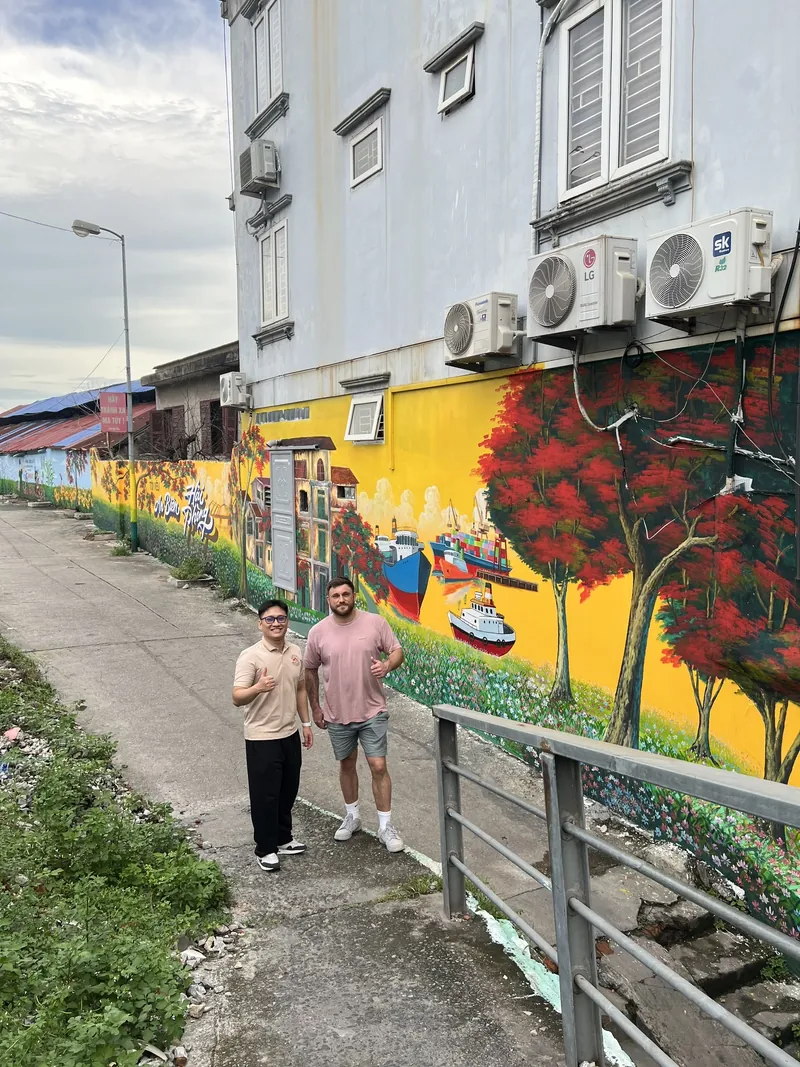
Right beside the bridge, a long wall has been transformed into a bright mural street. The paintings show scenes of Haiphong life: fishing boats, the city’s famous red flamboyant flowers, traditional trades and street vendors. It is an easy, relaxing walk and a good way to talk with your guide about the old neighborhoods along the river.
Find Peace At Linh Quang Pagoda
Buddhist pagodas are at the heart of community life across Vietnam, and Linh Quang Pagoda offers a quiet break from the traffic outside. Its red-tiled bell tower, curved roof corners and carved wooden details are typical of northern Vietnamese temple architecture. Inside the grounds you will often see local people praying, monks tending the gardens and incense smoke drifting through the courtyard.
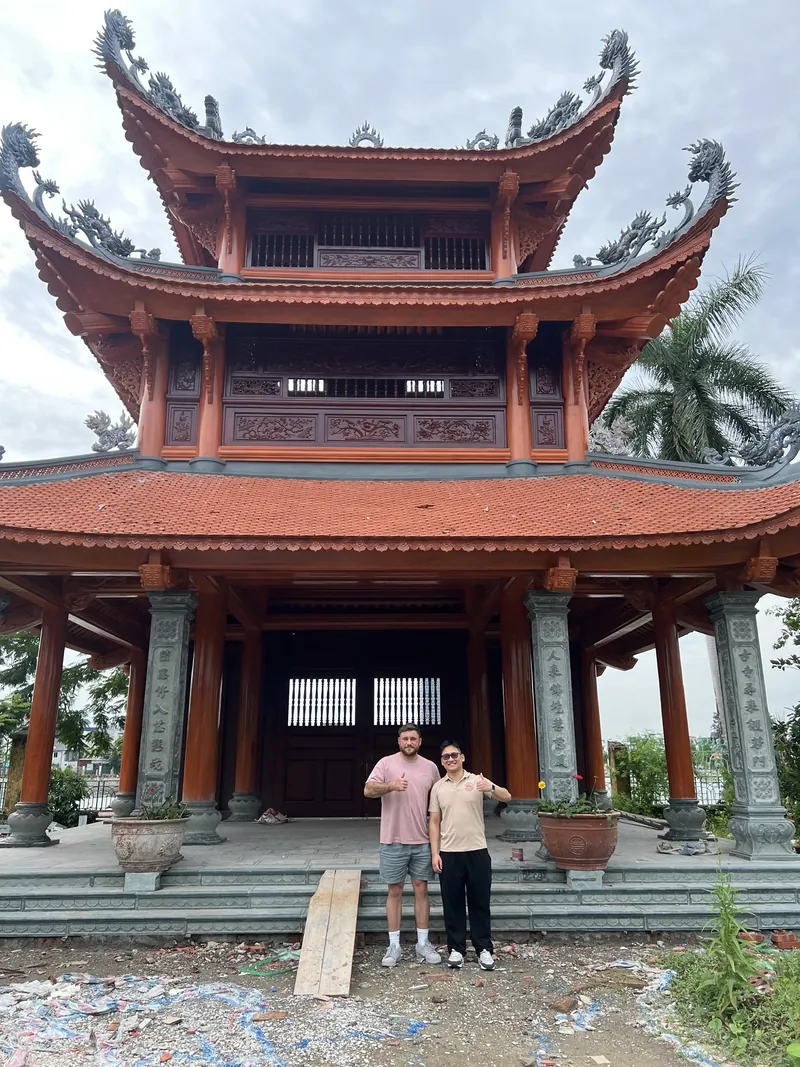
When you visit any pagoda in Haiphong, dress modestly with shoulders and knees covered, speak softly, and never point your feet toward an altar. If you would like to make a small offering, your guide can show you how locals light incense and what each gesture means.
More Sacred Sites Worth Adding
- Du Hang Pagoda: one of the oldest and most elegant pagodas in the city, with origins traced back around a thousand years, a three-entrance gate, a peaceful pond and detailed stone carvings.
- Hang Kenh Communal House: a village communal house dating from the early eighteenth century, famous for its hundreds of carved wooden dragons. It still hosts traditional festivals in spring.
- Nghe Temple: a busy temple dedicated to Le Chan, where locals come to pray for luck and protection, especially around Lunar New Year.
Discover French Colonial Architecture At The City Post Office
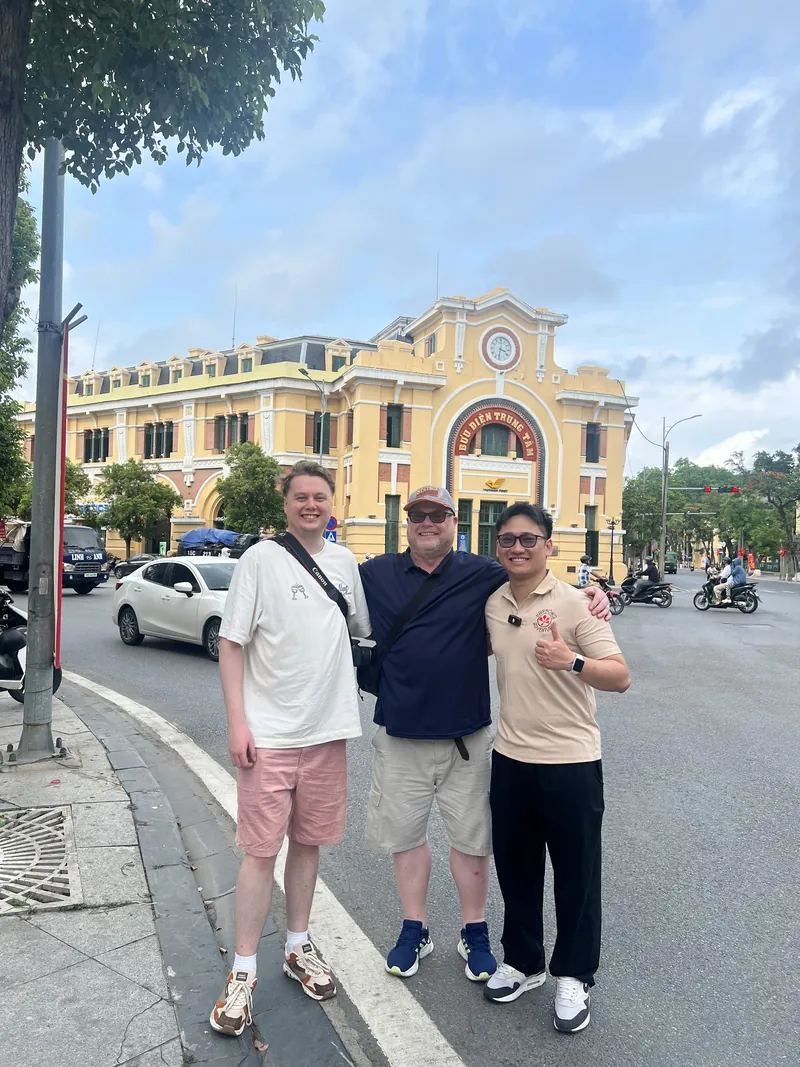
A short ride from the Opera House, the Haiphong City Post Office is another striking reminder of the French period. Its bright yellow walls, tall arched entrance and clock above the facade make it a favorite stop for architecture fans. The building still works as a post office, so you can step inside, buy a stamp and send a postcard home from a building that has been doing the same job for generations.
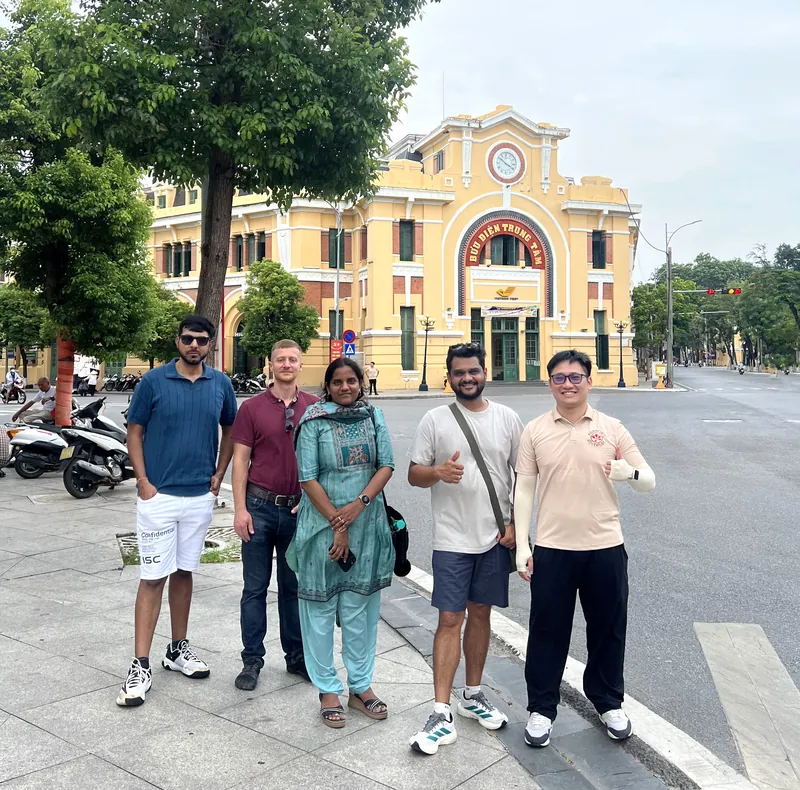
Nearby streets are full of other colonial-era buildings, including the deep red Haiphong Museum. If you enjoy architecture, ask your guide to design a route that links these buildings with the Opera House, so you can see how the old French quarter was planned around the port.
Recommended tour
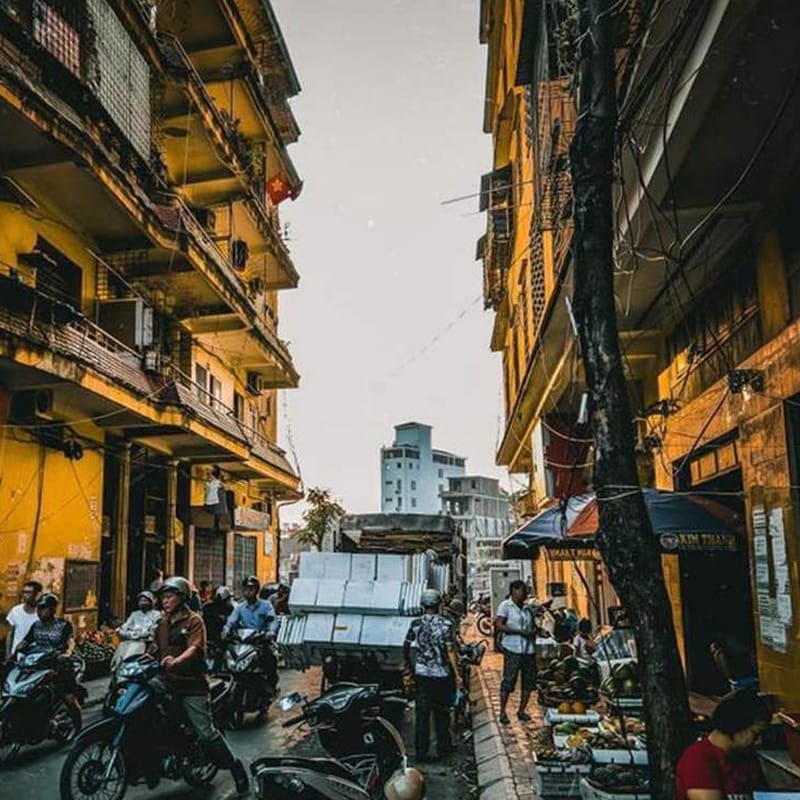
Ride with a local guide through the French quarter, old markets and hidden alleys, with coffee and street food stops along the way. The easiest way to see the places in this guide in one trip.
From $79 per person
Join The Sidewalk Coffee Culture
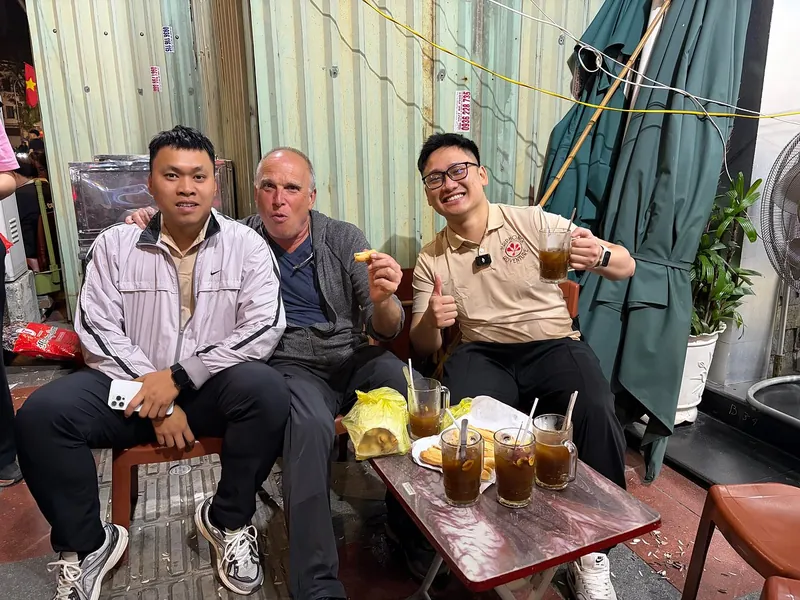
If there is one daily ritual that defines Haiphong, it is sitting on a tiny plastic stool on the pavement with a glass of coffee or iced tea and watching the city go by. Sidewalk cafes are where friends catch up, business deals are discussed, and neighbors trade news. Joining them is one of the easiest and most authentic cultural experiences in the city.
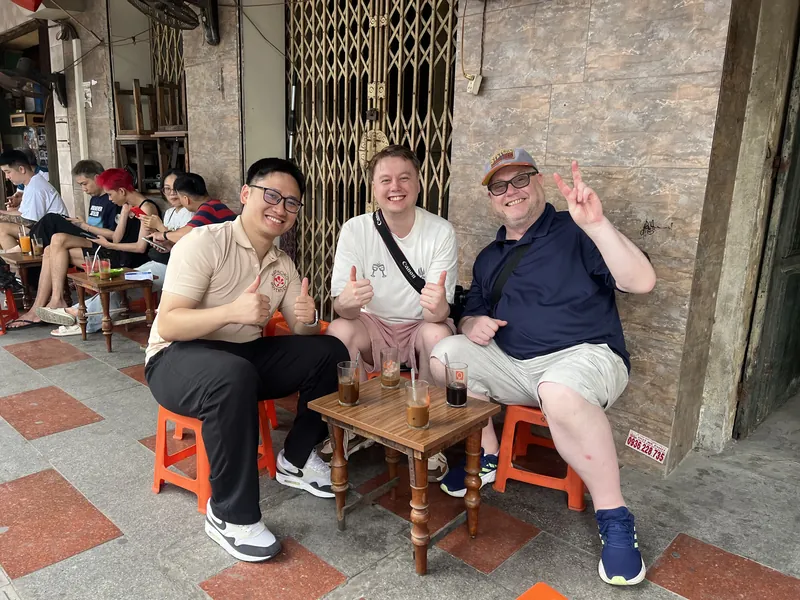
Order a ca phe sua da, strong Vietnamese coffee with sweetened condensed milk over ice, or try ca phe den, black coffee for a stronger kick. Many cafes also serve coconut coffee and fresh lime juice, and a glass of tra da, light iced green tea, is usually offered almost free of charge. Sit low, relax, and do as locals do: there is no rush to leave.
Taste Haiphong Through Its Street Food
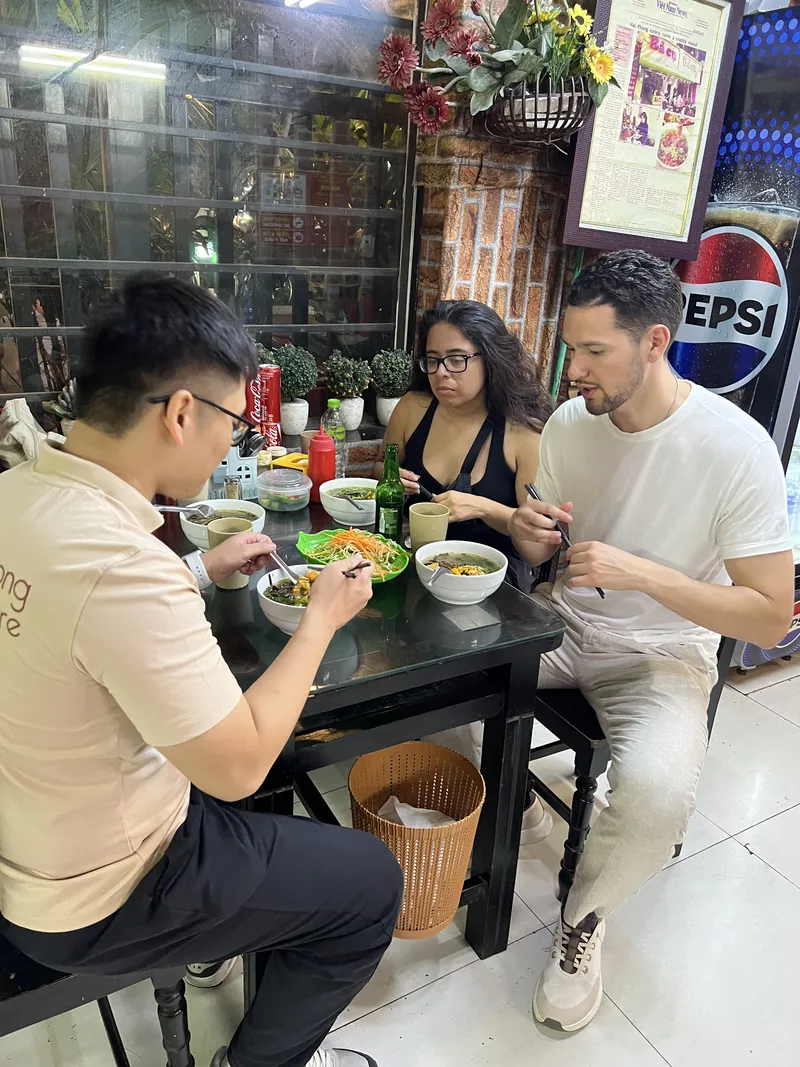
Food is culture in Vietnam, and Haiphong has a proud culinary identity of its own. Many dishes here are simpler, more seafood-driven and more strongly flavored than their Hanoi cousins, reflecting the city’s port history. Eating with a local is the best way to understand these differences, because each dish comes with a story about where to find the best version and how it should be eaten.
Banh Da Cua, The Signature Crab Noodle Soup
If you only try one dish in Haiphong, make it banh da cua. The flat red rice noodles are served in a sweet, savory broth made from field crabs, then topped with crab paste, fried tofu, pork, water spinach and fresh herbs. Locals eat it for breakfast, lunch and late-night snacks. A bowl is affordable, filling and very different from the pho you may have tried elsewhere in Vietnam.
Banh Beo And Other Night Market Bites
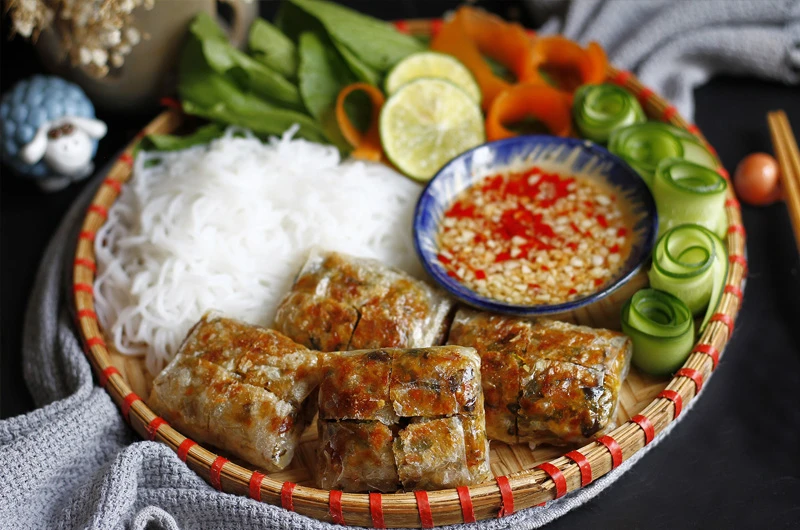
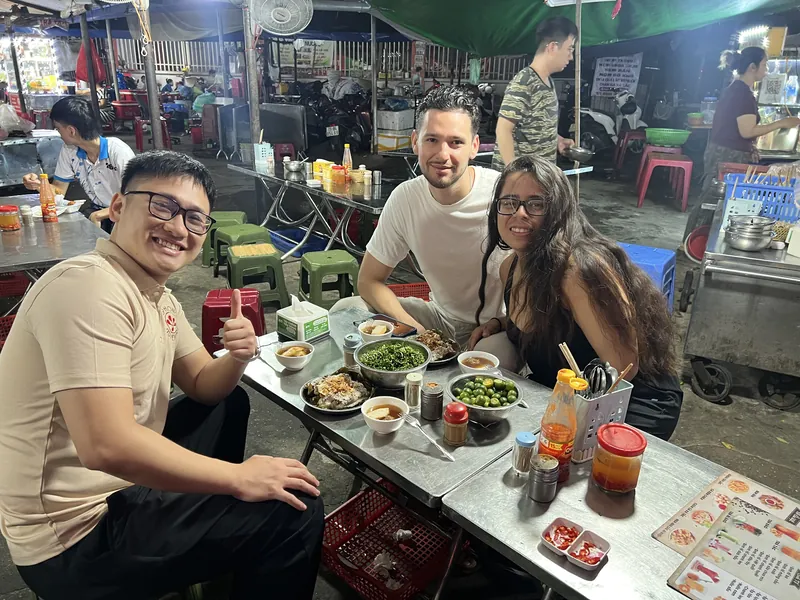
In the evening, small stalls set up along busy streets selling banh beo, delicate steamed rice cakes topped with savory fillings and dipping sauce. Other favorites include banh mi cay, a thin, crispy mini baguette filled with spicy pate, nem cua be, square crab spring rolls, and plates of local snails cooked with lemongrass, chili or coconut milk.
For a deeper dive into where to eat, read our guides to 16 must-try dishes and local eateries and secrets to enjoying a real Haiphong food tour.
Explore Local Alleys And Neighborhoods By Motorbike
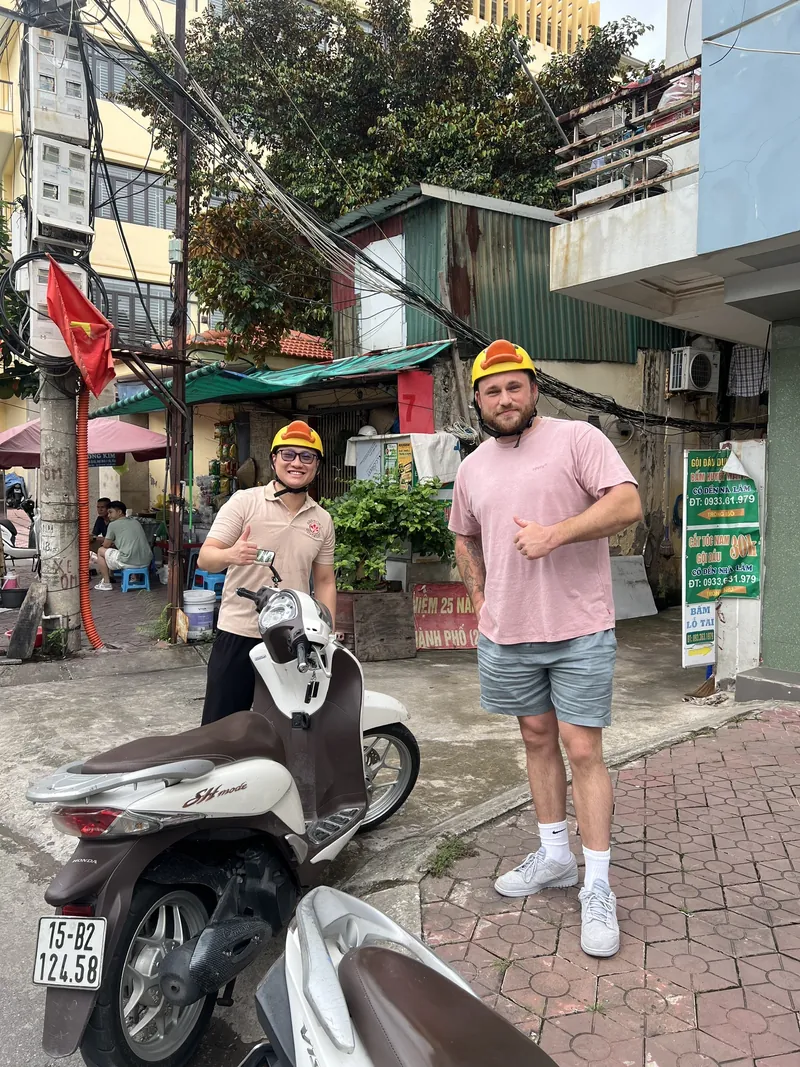
Some of Haiphong’s most authentic moments happen far away from landmarks, in the narrow residential alleys where families live, cook and run tiny businesses from their front rooms. These lanes are too small for cars, which is why exploring them on the back of a motorbike is such a memorable experience.
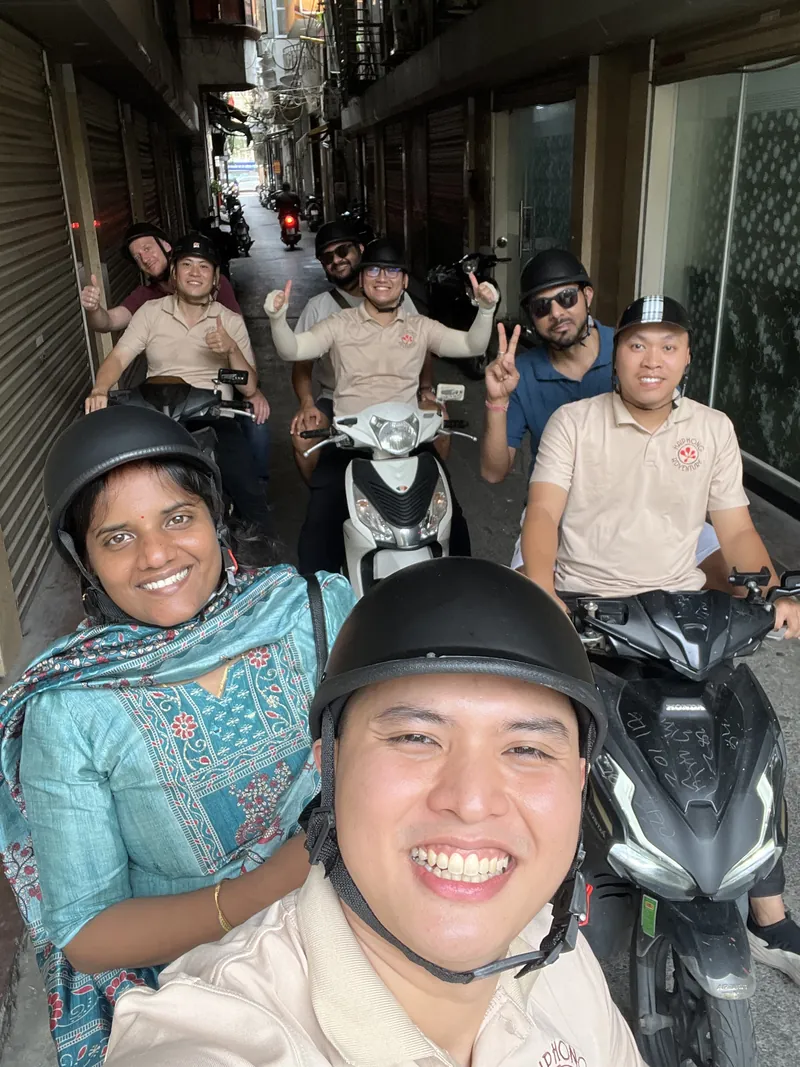
On our motorbike tours, guests ride as passengers with experienced local drivers, so there is no need to handle the traffic yourself. You will pass morning markets, family altars, children playing badminton in the lane and grandparents napping in hammocks. Every few minutes there is something to ask about, and your guide becomes your translator for the small stories behind daily life. If you are curious about routes, see our guide to Haiphong motorbike tour routes for scenic views, and read our motorbike tour safety tips before you go.
Experience Haiphong After Dark By The Cam River
Evenings show a different side of the city. As the heat fades, locals head to the riverside to walk, exercise and enjoy the breeze. The new Hoang Van Thu Bridge over the Cam River is lit with changing colors at night and has quickly become a favorite spot for photos and evening walks.
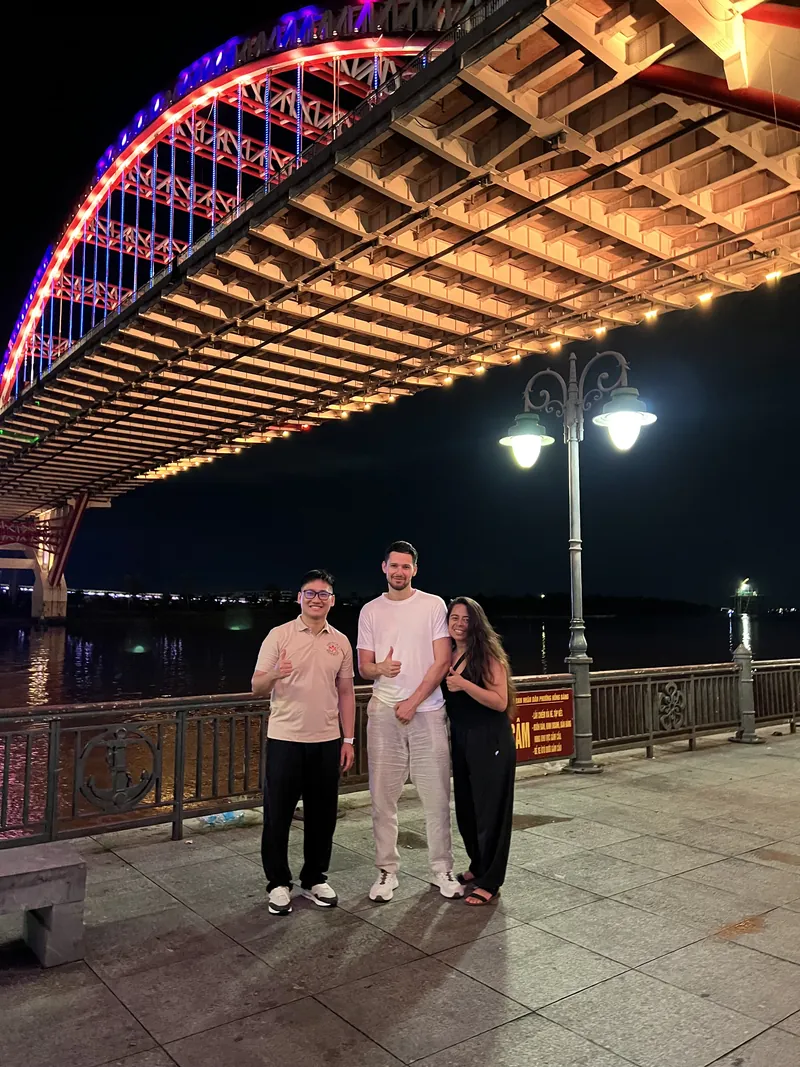
From there, it is easy to continue to a beer hall, a street food corner or one of the city’s small live music bars. Haiphong nightlife is relaxed and social rather than wild, and sharing a cold drink with your guide is a great way to end a day of cultural exploring.
Go Beyond The City For Traditional Crafts And Village Life
If you have extra time, the countryside around Haiphong offers a glimpse of older traditions. Rural districts are home to villages known for wood carving, rice farming and water puppetry, an art form that began in the flooded rice fields of northern Vietnam. Visiting a craft village lets you see artisans at work and understand how skills are passed from one generation to the next.
These trips are best done with a local guide who knows the families and can arrange visits respectfully. They also pair well with a day exploring the islands, since Haiphong is the main gateway to Cat Ba and Lan Ha Bay.
Cultural Etiquette Tips For Visitors To Haiphong
Haiphong people are famously friendly and direct. A few simple habits will help you feel welcome everywhere you go:
- Dress modestly at religious sites. Cover shoulders and knees and remove your shoes when asked.
- Ask before photographing people. A smile and a gesture toward your camera is usually enough, and most people will happily agree.
- Use both hands when giving or receiving. It is a small sign of respect, especially with older people.
- Learn a few words. “Xin chao” (hello) and “cam on” (thank you) go a long way.
- Carry small cash. Street vendors, cafes and parking attendants rarely take cards.
- Be patient in traffic. When crossing the street, walk at a steady pace and let motorbikes flow around you.
Suggested One-Day Cultural Itinerary In Haiphong
If you want to fit the highlights into a single day, here is a route our guides often recommend:
- Morning: Sidewalk coffee near the Opera House, then a walk around the French quarter and the City Post Office.
- Late morning: Linh Quang Pagoda or Du Hang Pagoda for a quiet cultural stop.
- Lunch: A bowl of banh da cua at a local favorite.
- Afternoon: Cau Quay swing bridge and the mural street, followed by a motorbike ride through residential alleys.
- Evening: The Le Chan statue and Opera House square lit up at night, street food dinner and a riverside walk by the Hoang Van Thu Bridge.
Short on time? Our half-day Haiphong tour itinerary covers the essentials in about four hours. For more inspiration, browse the top 10 must-visit spots in Haiphong.
Why Explore Haiphong Culture With A Local Guide
You can see many of these places on your own, but a local guide changes the experience. They know which pagoda festival is happening this week, which noodle stall the neighborhood swears by, and how to start a conversation with the old man selling tea on the corner. They also handle the traffic, the language and the small details, so you can focus on the experience.
At Haiphong Adventure, our guides are young locals who grew up in these streets and love sharing them. Our Haiphong tours range from motorbike city tours and food tours to trips to Cat Ba Island, Lan Ha Bay and other destinations across northern Vietnam. Read more about why a private local guide makes a difference, or browse all Haiphong Adventure tours.
Frequently Asked Questions
What are the best cultural things to do in Haiphong?
Top cultural experiences include visiting the Haiphong Opera House, the Le Chan statue, Cau Quay swing bridge, Linh Quang and Du Hang pagodas, Hang Kenh Communal House and the colonial City Post Office, as well as joining the sidewalk coffee culture and tasting local dishes like banh da cua.
How many days do I need to explore Haiphong?
One full day is enough to see the main cultural highlights of the city center. With two or three days, you can add craft villages, more food experiences and a trip to Cat Ba Island or Lan Ha Bay.
Is Haiphong safe for foreign travelers?
Haiphong is generally a safe and welcoming city for visitors. As in any busy city, watch your belongings in crowded areas and take extra care in traffic. Traveling with a local guide makes getting around much easier.
What should I wear when visiting pagodas in Haiphong?
Wear clothing that covers your shoulders and knees, and be ready to remove your shoes before entering some prayer halls. Lightweight long trousers or a scarf you can wrap around your shoulders are practical choices.
Can I join a motorbike tour if I have never ridden a motorbike?
Yes. On our motorbike tours you ride as a passenger behind an experienced local driver, so no riding experience or license is needed. Helmets are always provided.
Plan Your Cultural Trip With Haiphong Adventure
Ready to discover the real Haiphong? Tell us what you are interested in, whether it is history, food, temples or simply wandering local neighborhoods, and we will help you build the perfect day. Contact our team any time:
- WhatsApp, Viber, WeChat: +84(0)934.555.001
- KakaoTalk, Line ID: haiphongadventure
We look forward to showing you the port city we love.