
Cultural Insights From A Haiphong City Tour Day
A Haiphong city tour works best when you treat it as a day of listening rather than a checklist of photos. Haiphong is Vietnam’s great port city, a place of French-era boulevards, Buddhist pagodas, working docks and noisy neighborhood markets, and every one of them explains something about how northern Vietnamese people live. This guide walks you through a full cultural day, shows what each stop teaches you, and gives practical etiquette tips so you feel welcome everywhere you go. At Haiphong Adventure we guide travelers through days like this on our Haiphong tours, so the advice below comes from the road, not from a brochure.
Why a Haiphong city tour is a cultural experience
Most travelers arrive in northern Vietnam with Hanoi and Ha Long Bay on the map. Haiphong sits between the two, roughly two hours from the capital by road, and it rarely appears in the first pages of a guidebook. That is exactly why it feels honest. Shops here sell to neighbors, not to tour buses, and the person pouring your tea is probably the owner.
The city grew around its harbor, so it absorbed influences from across the sea. You will notice Vietnamese temples, French villas, Chinese-style assembly halls and Soviet-era apartment blocks within a few kilometers of each other. A good Haiphong city tour connects these layers into one story instead of presenting them as unrelated sights.
What a cultural day really means
Culture is not only monuments. It is also how breakfast is eaten, how a motorbike carries a whole family, how an incense stick is offered and how a bargain is struck. Plan your day so that you see all of these. Aim for three kinds of stops: places of worship, places of everyday trade and places of history. That balance keeps the day varied and stops it from turning into a long walk between buildings.
>>> Cultural Things To Do In Haiphong You Must Try
Start early with a local breakfast and the morning market
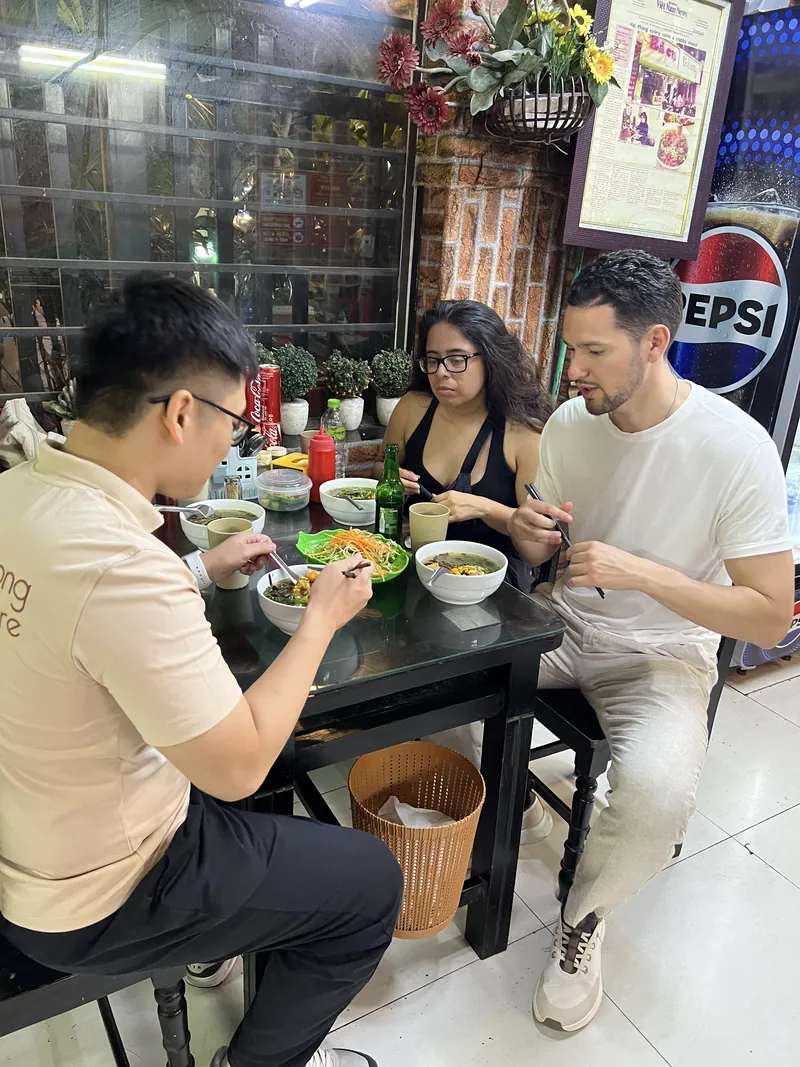
Begin around 7:30 a.m., when the city is at its most natural. Locals eat breakfast on low plastic stools and many stalls sell out by mid-morning. Haiphong is famous for its noodle culture, so do not skip the first meal. A bowl of crab noodle soup, a plate of sticky rice or a simple rice-flour roll will tell you more about local taste than any museum label.
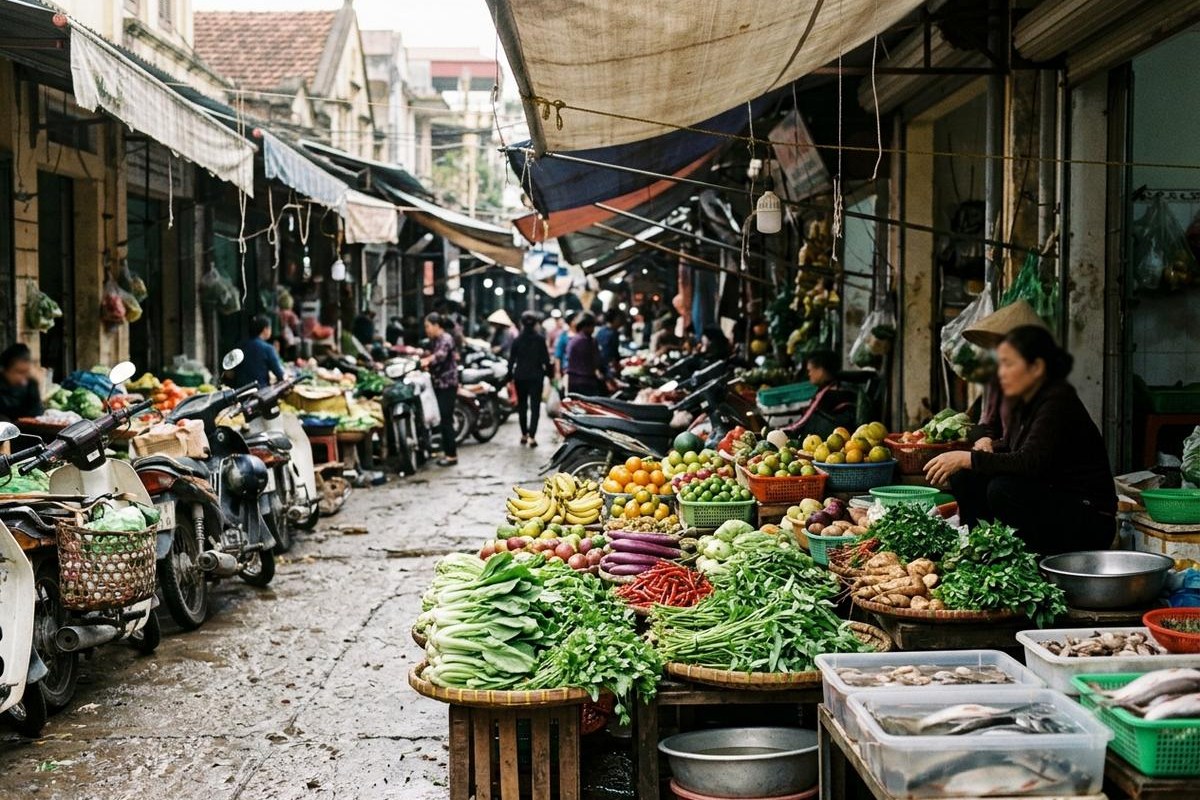
Walk through a neighborhood market afterwards. Look at the way vegetables are stacked by color, how sellers fan flies away from fresh fish and how motorbikes slip through impossibly narrow gaps. Take photos of produce, not people, unless you ask first with a smile and a gesture. Most vendors will happily pose if you buy something small.
Etiquette at markets
- Greet people with a smile and a simple “xin chào” before you start asking questions.
- Bargain gently and only if you really intend to buy. A few minutes of friendly bargaining is normal, but pushing hard for a tiny discount is not.
- Carry small bills. Prices at markets change with season and demand, so treat any figure you hear online as a rough reference and confirm it on the spot.
Read the French layer in the old city center
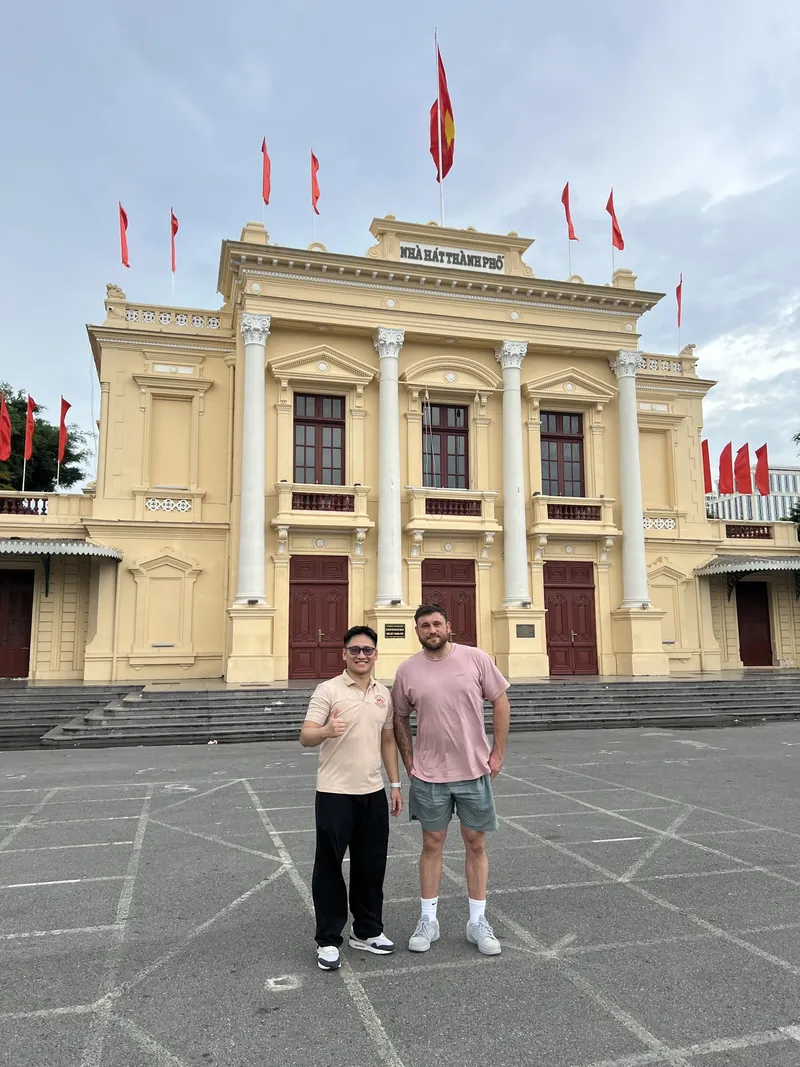
After breakfast, move to the old center, where wide streets and shuttered villas give Haiphong a faintly European air. The Municipal Theatre, often called the Opera House, dates to the early twentieth century and is the clearest example of the colonial style. Stand in the plaza in front of it and look up at the arched windows and the pale facade. Then look sideways at the modern shops that now surround it. That contrast is the story of the city.
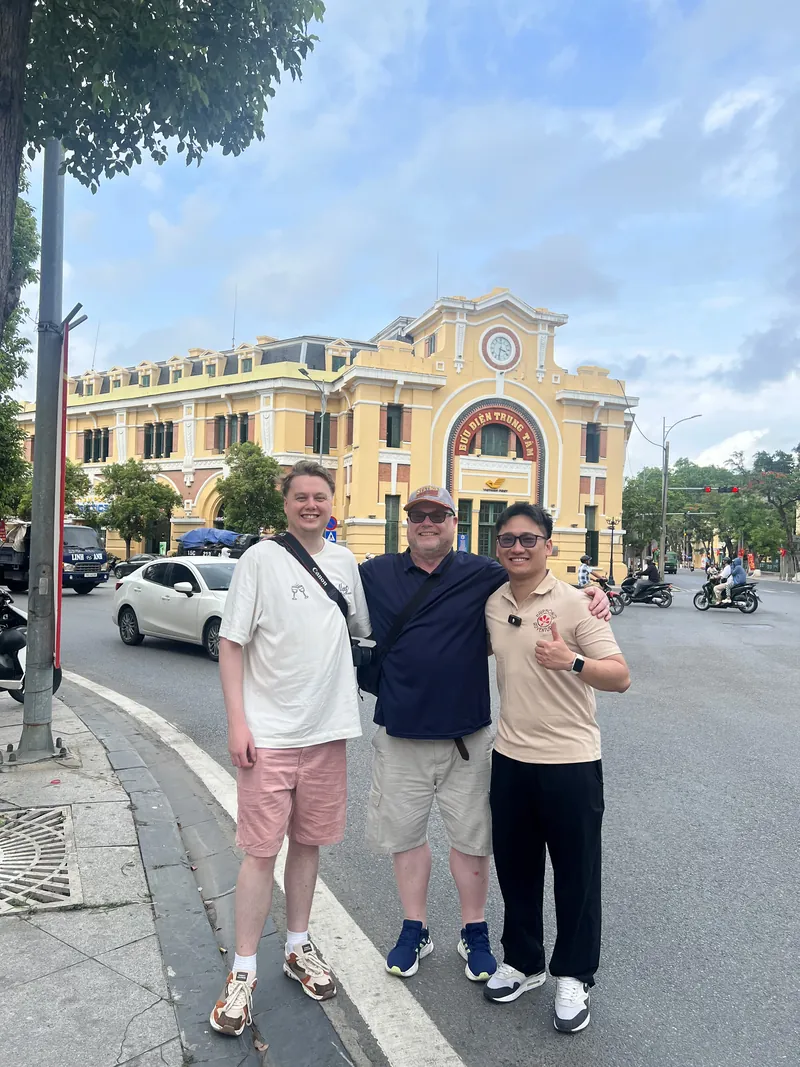
Spend time simply walking. The French-era City Post Office, a short ride away, is another fine example of the period. Tree-lined streets, old tiled floors inside cafes and carved wooden doors reward slow looking. Many buildings are lived in, not preserved for visitors, so photograph from the street and avoid entering private courtyards unless you are invited.
Reading the architecture
Look for yellow plaster walls, tall louvered shutters and decorative ironwork, which are common marks of French-era design adapted to a hot, humid climate. Note how many houses are narrow and deep. That tube-house shape grew out of limited street frontage, and it still defines most city streets.
>>> Unusual Things To Do In Haiphong Off Beaten Path
Visit a pagoda and learn how to give respect
Midmorning is a good time for a pagoda. Du Hang Pagoda is one of the best known in the city, and its wooden halls reward a slow look. Nghe Temple honors Le Chan, a female general from the time of the Trung Sisters, and the city’s identity as a place of strong women is tied to her story. If you prefer a smaller, quieter stop, Linh Quang Pagoda with its red-roofed bell tower is another peaceful choice. All of them are active places of worship, not just attractions, so behave as a guest.
Dress with covered shoulders and knees. Remove your hat before entering the main hall. Speak softly and never point your feet at an altar. If you want to take photos inside, look for signs or ask a monk or caretaker. Offering a small donation in the box is a simple way to say thanks, and the amount is entirely up to you.
Understanding the offerings
Fruit, flowers and incense appear on nearly every altar. Incense is lit and held with both hands, then planted in the burner after a small bow. Paper money and food offerings reflect ancestor veneration, which is central to Vietnamese family life. Your guide can explain who each offering is for and why timing matters around the first and fifteenth days of the lunar month.
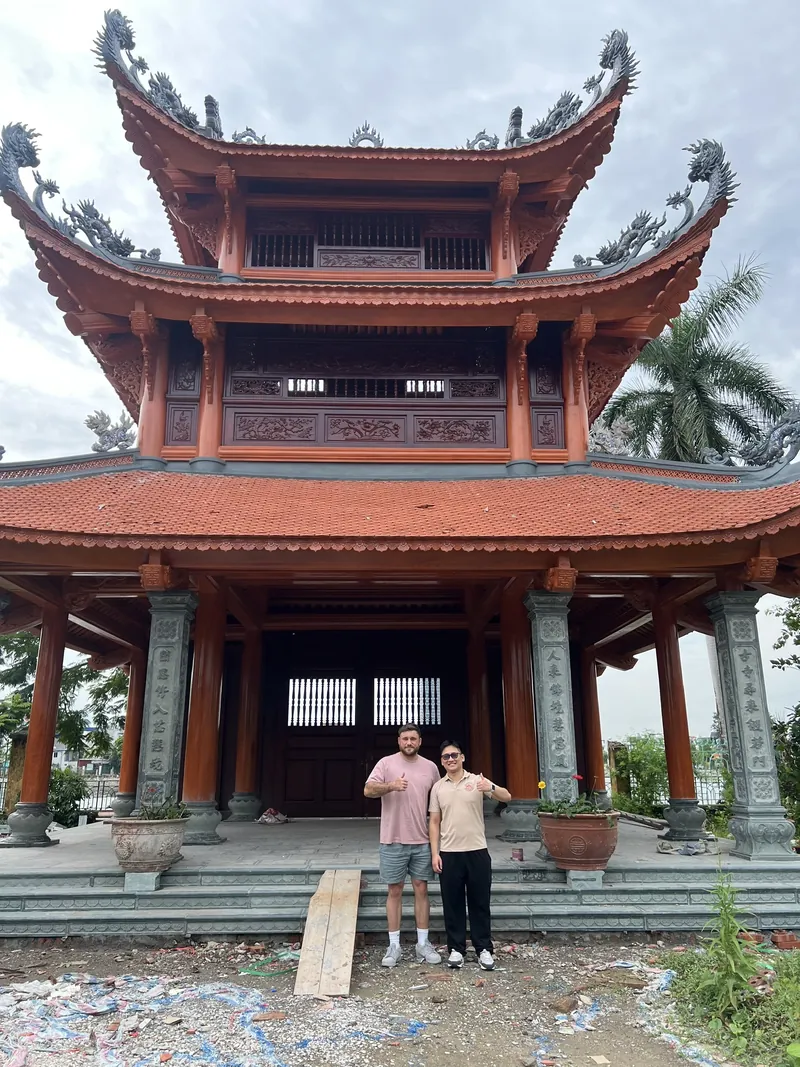
Step into a communal house and the village spirit
Many Haiphong neighborhoods still keep a dinh, or communal house, where villagers once gathered to honor a guardian spirit and settle local matters. Hang Kenh Communal House is famous for its dense wood carving and is a rewarding stop if you enjoy craftsmanship. The beams, panels and roof brackets show dragons, clouds and village scenes carved with astonishing patience.
The communal house tells you how Vietnamese society works at the smallest scale. Respect for elders, shared festivals and community obligations all begin here. Guides can describe which spirit is honored and when the main festival takes place, but festival dates change with the lunar calendar, so check the current year’s schedule before you plan around one.
For a wider introduction to heritage in the city, our own overview of the best things to do in Haiphong helps you decide how many stops to fit into one day.
Lunch at a family restaurant
By noon your stomach will be asking for the main meal. Look for a small restaurant with a handwritten menu, a crowd of office workers and tables that fill quickly. Haiphong seafood is excellent, and many families order a shared plate of grilled squid or steamed clams, a stir-fried vegetable, soup and rice. Eating family style is the local way, so order a few dishes and pass them around.
If you are traveling with dietary needs, tell your guide before you go. Most kitchens can adjust, but fish sauce and shrimp paste are hidden in many dishes, and clear communication avoids stress.
Table manners worth knowing
- Wait for the eldest person to start eating if you are a guest at a family table.
- Never stand chopsticks upright in rice. That resembles incense offered to the dead.
- Pour tea for others before yourself, and accept a refill with a small nod.
>>> My Haiphong Street Food Adventure Local Taste
Afternoon history stop at a museum or war memorial
After lunch, the hottest part of the day is a sensible time for an indoor stop. The Haiphong Museum and the city’s memorials introduce the port’s role in trade, resistance and reconstruction. The story is told from a Vietnamese perspective, which is exactly why it is worth hearing. Read the labels, then ask your guide about the personal stories behind them.
Opening hours and ticket rules change, so check them locally on the day, and avoid assuming that every site opens on Monday. A good guide will rearrange the order of your stops if a place is closed for a public event.
Taking the history lightly
Some travelers feel awkward discussing the past. Locals tend to be open and curious, and many people welcome respectful questions. Listen more than you speak, avoid political jokes and thank people when they share a memory. That attitude opens doors faster than any phrasebook.
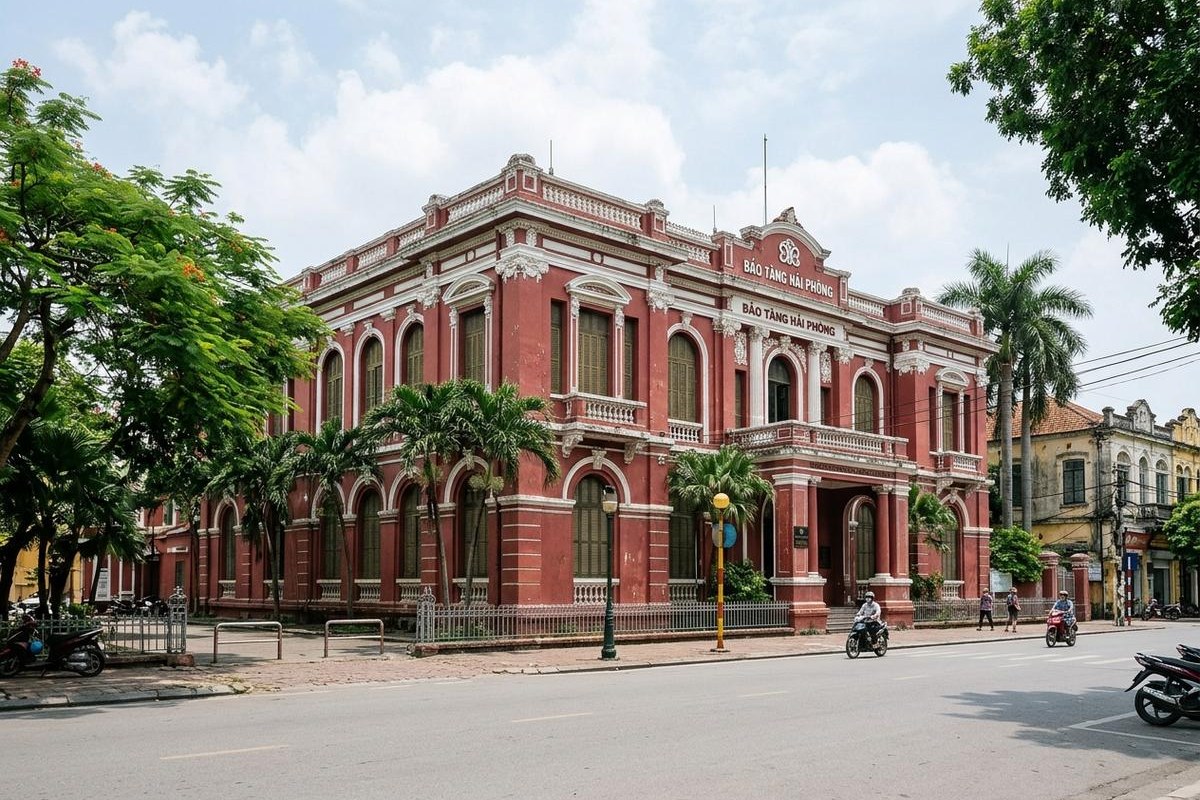
Ride with a local to see the neighborhoods that buses skip
A city tour on foot is lovely, but Haiphong is large. The best way to cover it in a single day is behind a local rider. A motorbike lets you cross the old center, the harbor edge and a quiet residential lane in an afternoon, with the freedom to pull over whenever something catches your eye. Our riders know which lanes are safe, where traffic is calmer and how to stop at the right moment for a photograph.
If you are new to Vietnamese roads, riding as a passenger is far safer than renting a bike yourself. You also keep your hands free for your camera. For more on choosing a guided ride, read our short safety tips for a Haiphong motorbike tour before you go.
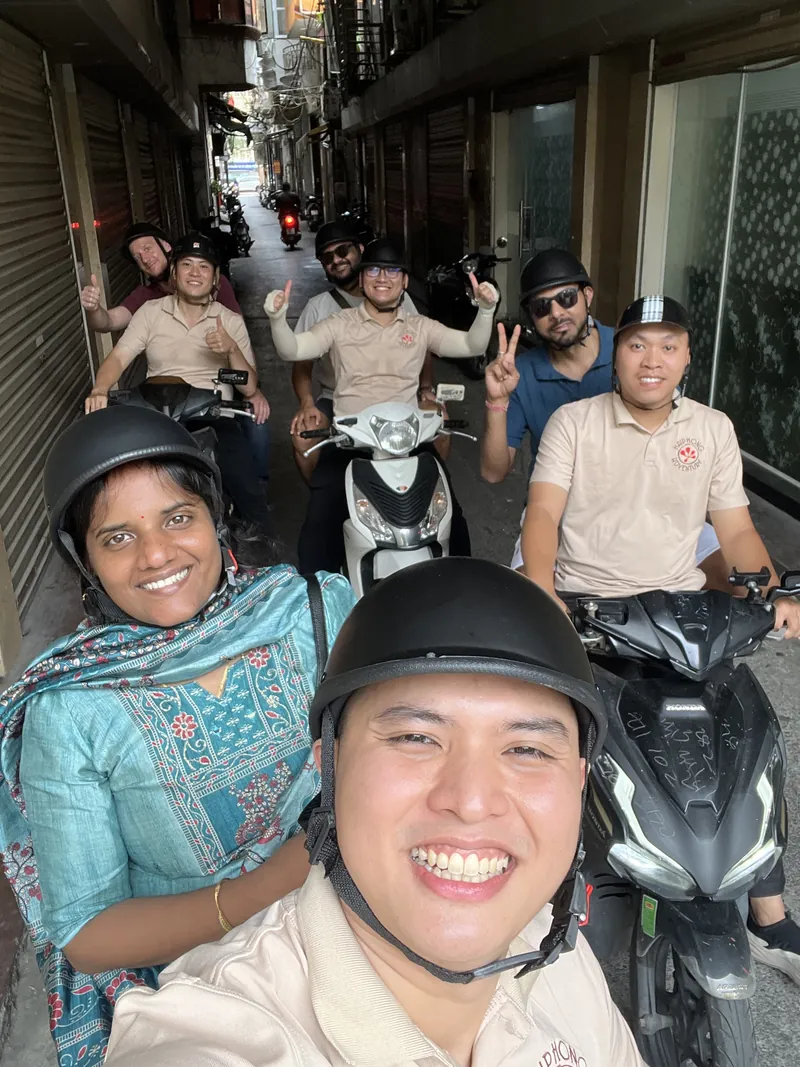
Recommended tour
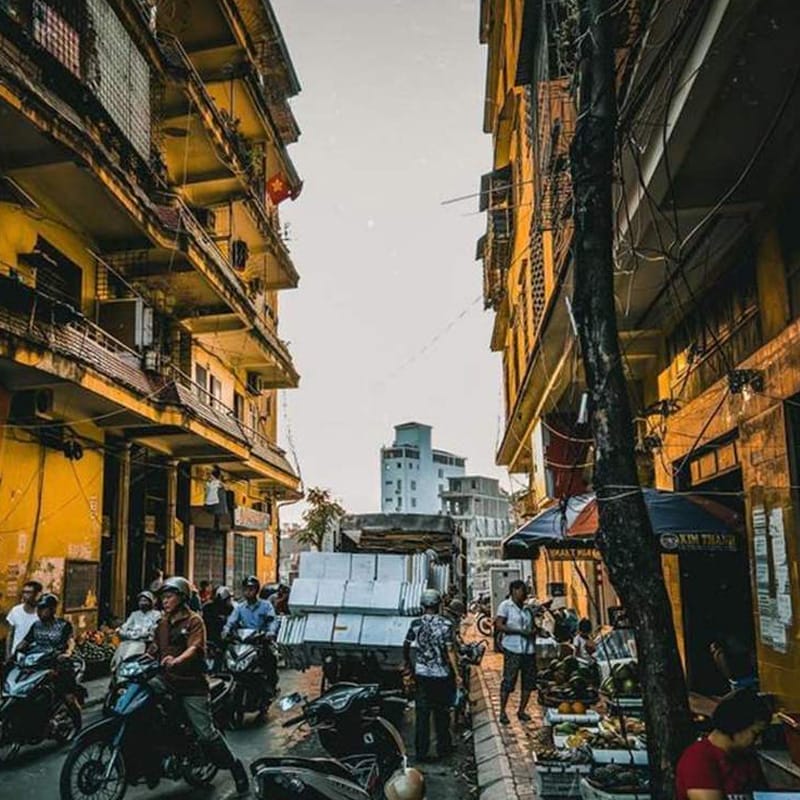
A guided motorbike journey through the old streets, architecture and markets, with hotel pickup by the motorbike team as described on the tour page.
From $79 per person (reference price, updated October 2026, please confirm on the tour page)
End the day by the water at sunset
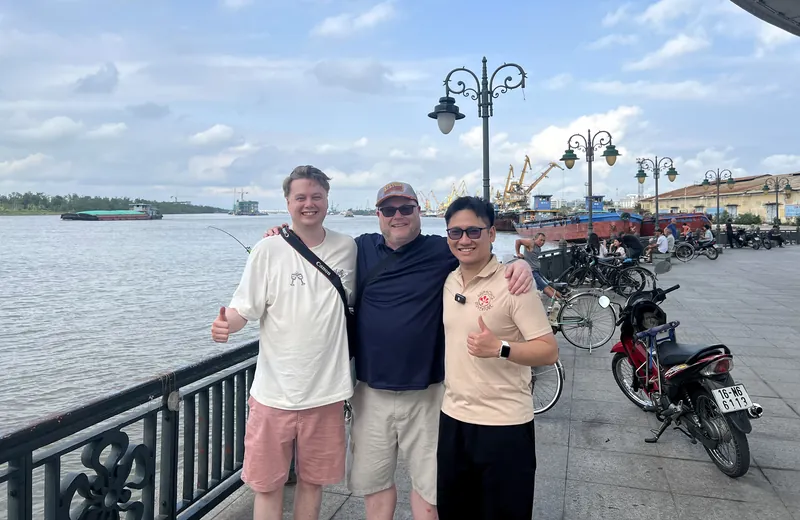
As the light softens, head toward the river or the harbor. The promenade along the Cam River near Hoang Van Thu Bridge is an easy place to start. Fishermen mend nets, cargo cranes silhouette against the sky and families gather on the pavement for evening snacks. This is a lovely place to reflect on the day and to try one last local treat, perhaps a sweet drink or a snack of grilled rice paper.
Sunset comes noticeably earlier in winter than in summer, so check the exact time on your phone the day before and plan your final stop around it. In rainy months, carry a light poncho and treat a shower as part of the atmosphere rather than an interruption.
>>> My Favorite Things To Do In Haiphong On Weekend
Sample Haiphong city tour itinerary at a glance
Here is how the stops above fit into one relaxed day. Treat the times as a loose guide. Traffic, weather and your own pace will shift them, and a good guide changes the order as you go.
| Time of day | Stop | What you learn |
|---|---|---|
| Early morning | Local breakfast and a neighborhood market | Haiphong noodle culture and everyday trade |
| Mid-morning | Old center around the Opera House | The French-era layer of the port city |
| Late morning | Du Hang Pagoda or Nghe Temple | How offerings and respect work |
| Before lunch | Hang Kenh Communal House | Village life and wood carving craft |
| Midday | Family-style lunch | Table manners and shared dishes |
| Early afternoon | Haiphong Museum or a memorial | The port’s history from a Vietnamese view |
| Late afternoon | Motorbike ride through local lanes | Neighborhoods that buses skip |
| Evening | Cam River promenade | How the city relaxes after work |
A shorter half-day version
If you only have a morning, combine breakfast, the old center and one pagoda. You will miss the communal house and the museum, but you still get a clear feel for the city. Many travelers then add the rest on a second visit.
Adding food or photography
Food lovers can swap the museum for extra street food stops. Photographers usually prefer the softer light of early morning and late afternoon. Tell the Haiphong Adventure team your interests when you book, and we will adjust the order of the day.
Practical tips for your cultural day
A few small habits make the day smoother. Start early, carry water, wear comfortable shoes you can slip off at temples and keep your valuables close in crowded markets. Use a hat and sunscreen in summer, and bring a light jacket in winter because northern Vietnam can be surprisingly cool and damp.
Best time to visit
Autumn and spring tend to be pleasant for a walking and riding day, with milder temperatures and less rain. Summer is hot and humid, and winter mornings can be chilly. Weather varies from year to year, so check the forecast a few days before you travel.
How to dress
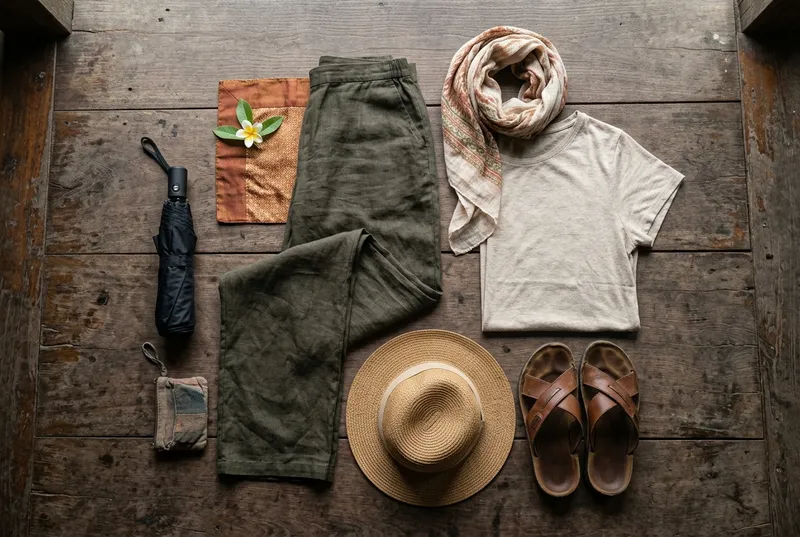
Light, breathable clothing that covers shoulders and knees works everywhere. Pack a scarf or thin shirt to throw over a tank top when you enter a pagoda. Closed shoes are best on a motorbike.
Frequently asked questions about a Haiphong city tour
How long should a Haiphong city tour take?
A relaxed cultural day usually runs six to eight hours including meals. If you are short on time, a half-day version can cover the old center, one pagoda and a market.
Is a Haiphong city tour suitable for first-time visitors to Vietnam?
Yes. Haiphong is less crowded than Hanoi, and a guide handles transport and communication, which makes it a gentle introduction to northern Vietnam.
Do I need to dress modestly?
You should cover your shoulders and knees at pagodas and temples. Elsewhere, ordinary casual clothing is fine.
Can I join a tour by motorbike if I have never ridden?
Yes, because you ride as a passenger with an experienced local rider. The pace is relaxed and you can ask for a stop whenever you like.
Are opening hours and prices fixed?
No. Temple hours, museum tickets and festival dates change, so treat any figure as a guide and confirm locally.
Plan your own Haiphong city tour with us
If this day sounds like your kind of trip, message us and we will shape a route around your interests, whether that is food, history or photography. Browse all our Haiphong tours to compare options, then contact us with your dates.
WhatsApp: +84(0)934.555.001
Viber and WeChat: +84(0)934.555.001
KakaoTalk and Line ID: haiphongadventure