
Unusual Things To Do In Haiphong Off Beaten Path
Most visitors see Haiphong through a bus window on the way to Cat Ba, or spend an hour at the Opera House before moving on. That is a shame, because the most unusual things to do in Haiphong are found in places that never appear on a postcard: residential alleys so narrow you can touch both walls, wet markets that start trading before sunrise, mangrove forests on the edge of the sea, and quiet riverbanks where some of Vietnam’s most famous battles were fought.
Our guides spend a lot of time in these corners, partly because they are where we live and partly because they are where travellers tend to have their best “I can’t believe I’m here” moments. This guide focuses on offbeat experiences, both in the city and out in the surrounding countryside and coast. It is not a list of the main monuments. For those, see our separate article on cultural sights; here we go a little further off the usual route.
What Off The Beaten Path Means In Haiphong
Haiphong is one of Vietnam’s largest cities and biggest ports, but tourism here is still small compared with Hanoi or Ha Long. That means “off the beaten path” does not require a long trek. Turn off a main road, walk ten minutes from the centre, or ride half an hour out of town, and you are often the only foreigner around.
The flip side is that these places are not set up for visitors. There may be no English signs, no ticket office, no toilets and no menu. Opening times can be informal and access to natural sites can change with weather or local rules. We will point out where that matters. If you want the well-known landmarks, temples and communal houses with their history explained, our guide to cultural things to do in Haiphong already covers them in depth, so we will not repeat them here.
The list below starts in the city and moves outward, so you can mix and match depending on how much time you have.
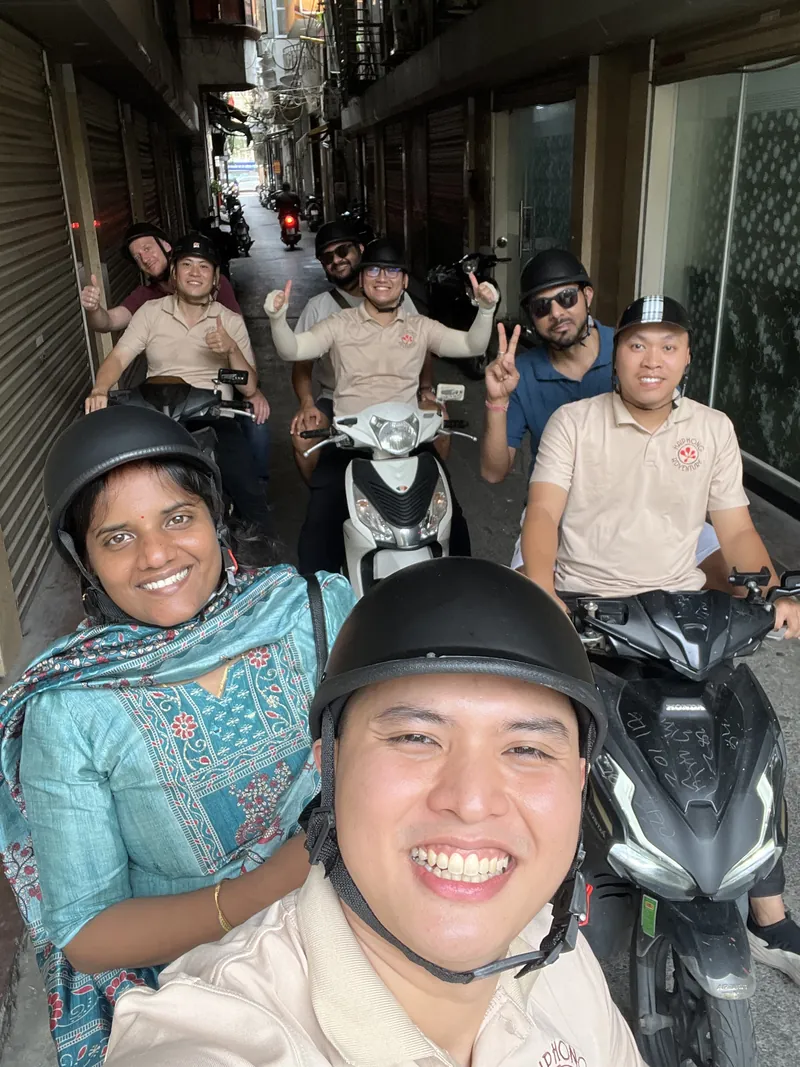
Get Lost In Haiphong’s Residential Alleys
Behind the main streets of central Haiphong is a maze of small alleys, called “ngõ” or “hẻm”, where most of the city actually lives. Some are wide enough for a motorbike, others barely fit a person with a shopping bag. Walking or riding slowly through them is one of the most rewarding unusual things to do in Haiphong.
In the alleys you will see grandmothers chopping vegetables on doorsteps, kids playing badminton between houses, tiny shops selling everything from shampoo sachets to lottery tickets, and family altars glowing red through open doors. Morning and early evening are the liveliest times. Smile, say “xin chào”, and keep your camera low. Remember these are people’s homes, so do not walk into courtyards or photograph inside houses without an invitation.
Alleys are also where you find the best small food places and some of the most authentic Haiphong street food: a woman selling sticky rice from a basket, a family noodle shop in a front room, a sugarcane press on a corner. Many of our guests say this is the part of a tour they remember most.
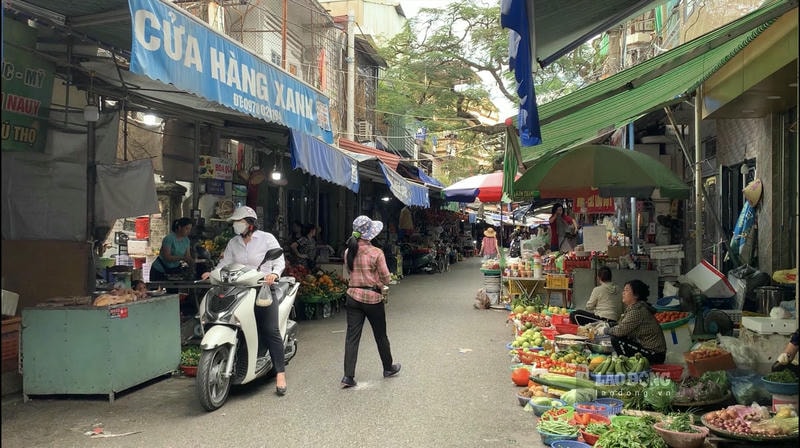
Shop A Wet Market Before Sunrise
If you are an early riser, visit a neighbourhood wet market around dawn. This is when the serious buying happens: restaurant owners choosing seafood, housewives haggling over vegetables, and traders unloading crates of crabs, clams and river fish brought in overnight. By mid-morning the energy is gone.
Being a port city, Haiphong’s markets have a huge variety of seafood. You may see mantis shrimp, horseshoe crabs, sea snails and fish you have never heard of. Wear closed shoes you do not mind getting wet, keep your bag in front of you, and ask before taking portraits. Buying a small bag of fruit or a breakfast snack is a nice way to join in.
Play Pool And Drink Bia Hoi With Locals
Evenings in Haiphong are noisy, social and fuelled by cold beer. Bia hoi, fresh draught beer served in simple glasses, is poured at corner places with plastic stools and metal tables, often alongside plates of peanuts, grilled squid and fried tofu. It is cheap, light and very much a local habit, especially after work.
Billiards halls are another big part of local nightlife. You will find “bi-a” signs all over the city, from small rooms with two tables to large halls full of young men in serious competition. Foreigners are usually welcomed with curiosity, and a friendly game is a great icebreaker even without a common language. Watch a round first to learn the house rules, and do not bet money.
One more custom: when locals raise their glasses, they often shout “một, hai, ba, dzô!” (one, two, three, cheers). Join in and expect to be toasted many times.

Recommended tour
The Insider’s Haiphong
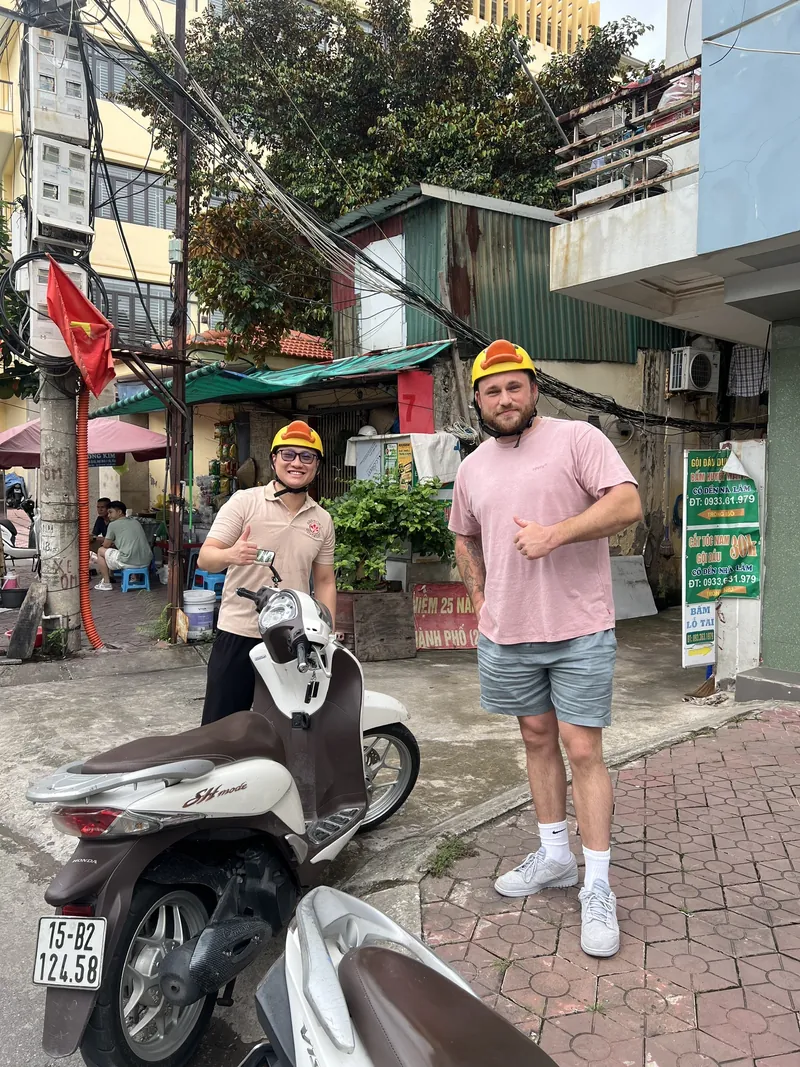
Ride pillion with a friendly local guide through French colonial streets, hidden alleys, markets and sidewalk cafes, and see the side of Haiphong most visitors miss.
From $79 per person
Watch Port Life From The Riverbank
Haiphong exists because of its port, yet most visitors never see the working side of the city. Along the Cam River and the roads leading toward the harbour areas, you can watch barges, cargo boats and fishing vessels moving up and down, cranes stacking containers in the distance, and small ferries carrying people and motorbikes across the water.
It is not a tourist attraction in any traditional sense, which is exactly why it is interesting. Find a riverside cafe or a quiet stretch of embankment in the late afternoon and simply watch. Port areas themselves are restricted, so stay in public spaces and do not photograph security gates or official buildings.
Join A Dawn Exercise Session In The Park
Between about 5:00 and 6:30 in the morning, Haiphong’s parks, flower gardens and riverbanks turn into open-air gyms. Groups of older women dance to loud music with fans, men play shuttlecock kicking (đá cầu) in circles, others walk backwards, stretch on railings or swing their arms in slow routines that look half tai chi, half military drill. By the time most visitors wake up, it is all over.
Few travellers ever see this, yet it is one of the most charming and unusual things to do in Haiphong, and it costs nothing. You do not need to speak Vietnamese to join in. Stand at the back of a dance group and copy the moves, or watch a shuttlecock circle until someone kicks the shuttle your way, which they often will. Expect laughter, encouragement and possibly an invitation for coffee afterwards. Wear comfortable clothes and simply follow the crowd; locals tend to be delighted when a foreigner gives it a try.
Afterwards, the stalls around the parks start serving breakfast, so it is easy to roll straight from exercise into a bowl of noodles, exactly as the regulars do.
Explore The Coastal Mangrove Forests
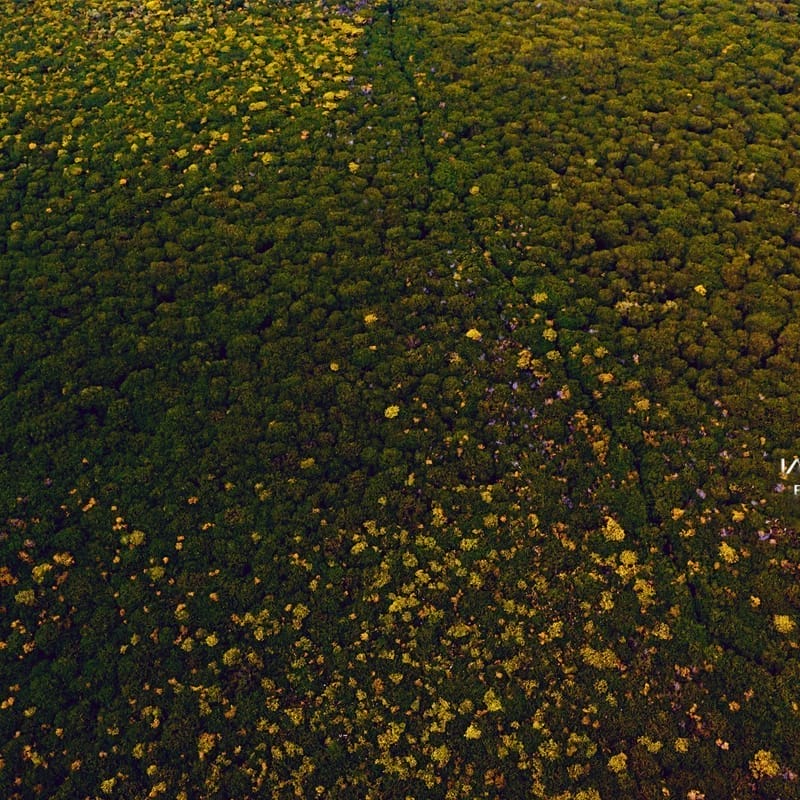
Few travellers realise that Haiphong has significant mangrove forests along its coast and river mouths, including areas around Do Son and farther out in the rural districts. These mangroves protect the shoreline from storms, provide nurseries for fish and crabs, and attract many birds, especially in the cooler months.
Visiting them feels like a different world from the city: narrow dykes cutting through green tangles of roots, fishermen checking nets, and wide views over mudflats at low tide. Some areas are easier to access than others, and conditions depend on tides and weather. This is a place where going with someone who knows the local paths really helps. Bring sun protection, insect repellent and shoes that can handle mud.
Stand By The Bach Dang River Stakes
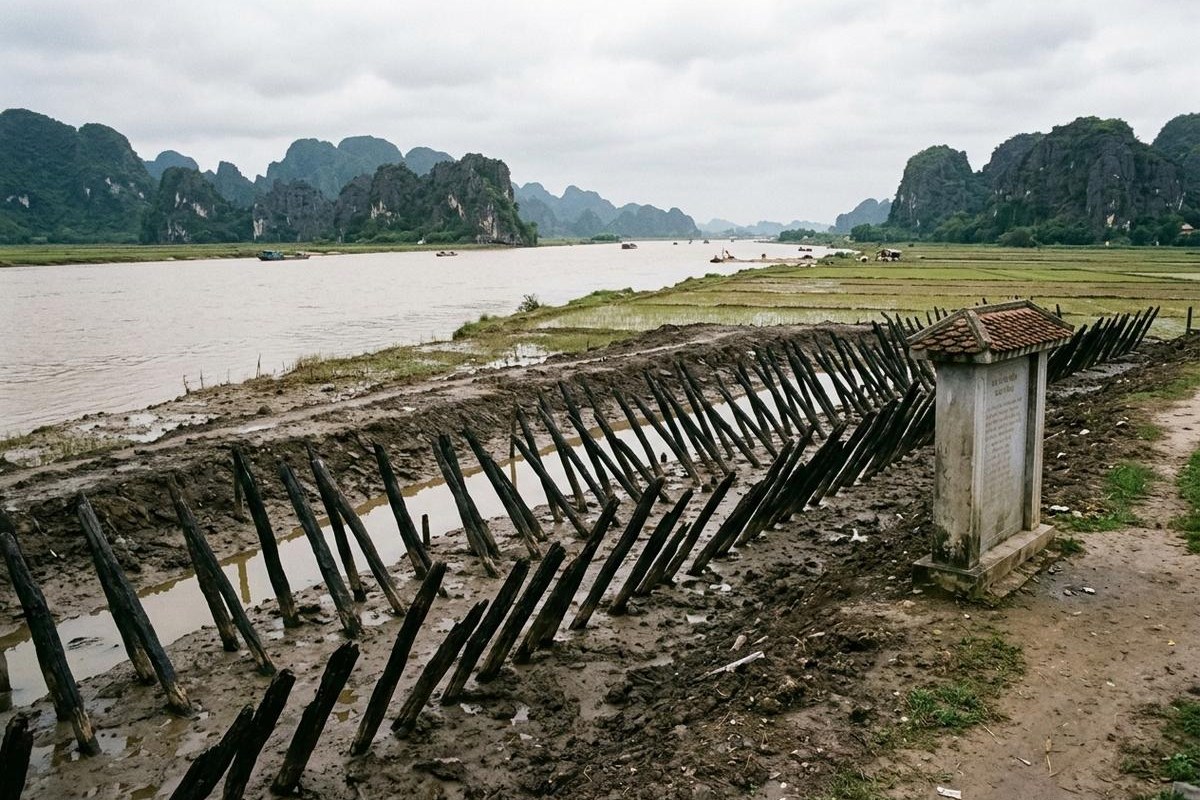
The Bach Dang River, north of the city centre, is one of the most important places in Vietnamese history. Here, Vietnamese forces used sharpened wooden stakes driven into the riverbed to trap enemy fleets at low tide. The best-known victory, in 1288 against the Mongol-Yuan fleet, is linked to the general Tran Hung Dao, and earlier battles on the same river are also celebrated.
In the Thuy Nguyen area, archaeologists have found remains of old stake fields, and there are memorials and a monument on the riverbank. Standing there, looking at the quiet water and the fields around it, it is hard to imagine the scale of what happened. Ask your guide to tell the story on site; it makes the visit far more meaningful than reading a sign. Access to specific relic sites and any small entrance fees can change, so check before you go.
Find The Turquoise Lake At Tuyet Tinh Coc
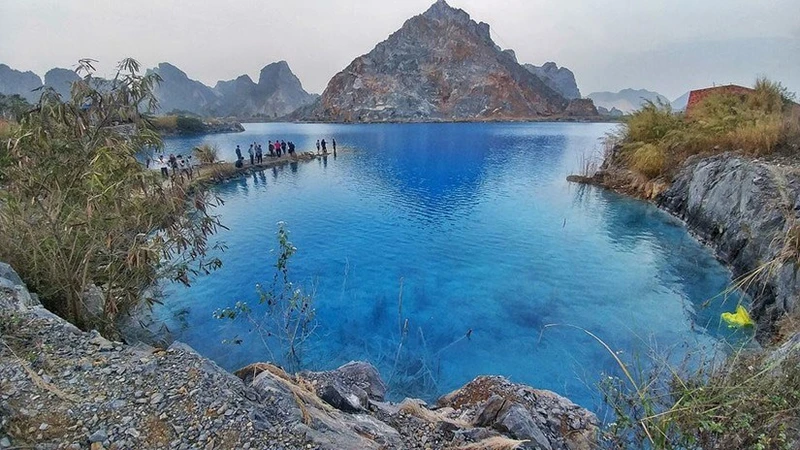
Tuyet Tinh Coc is a striking spot in Thuy Nguyen: a lake of surprisingly blue-green water surrounded by limestone hills, with a cave and small paths around it. The water colour comes from its past as a quarry area, and on a sunny day it looks almost unreal. It became popular with young Vietnamese for photos, but outside weekends and holidays it can still feel peaceful.
A few practical notes. Swimming is generally not allowed and not safe, and the rocks can be slippery. There may be an entrance fee or parking fee, which can change, and access rules have shifted over the years. Go in the morning for softer light and fewer people, and combine it with the Bach Dang area for a half-day ride north of the city.
Ride Out To The Caves Of Voi Mountain
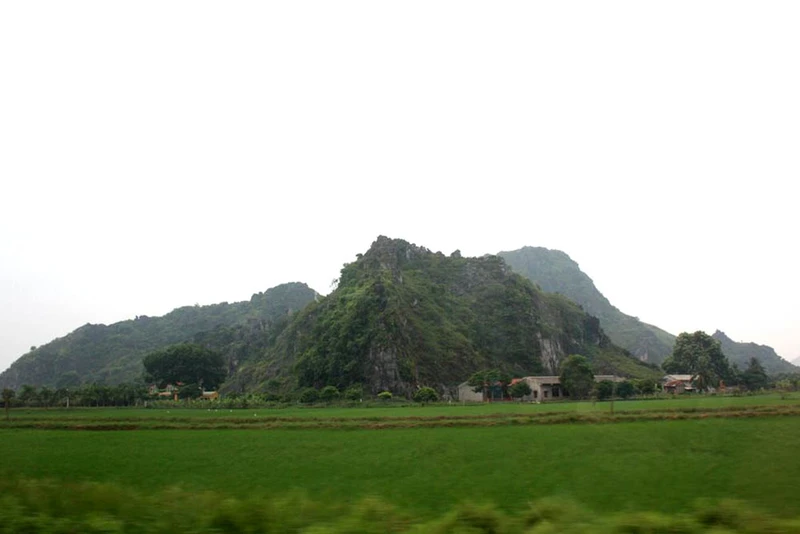
Voi Mountain, or Elephant Mountain, rises from flat rice fields southwest of the city, and from some angles its shape really does resemble a resting elephant. It is a small limestone massif with several caves, some linked to local legends, some to archaeological finds, and some to wartime history.
The ride out is half the fun. You pass villages, rice paddies and small temples, and the mountain appears suddenly above the flat landscape. Once there, you can explore some caves on foot, though paths can be rough and poorly lit, so bring a torch and good shoes. This area is quiet and rarely visited by foreigners, so expect curious looks and friendly questions.
Visit Hon Dau Island And Its Old Lighthouse
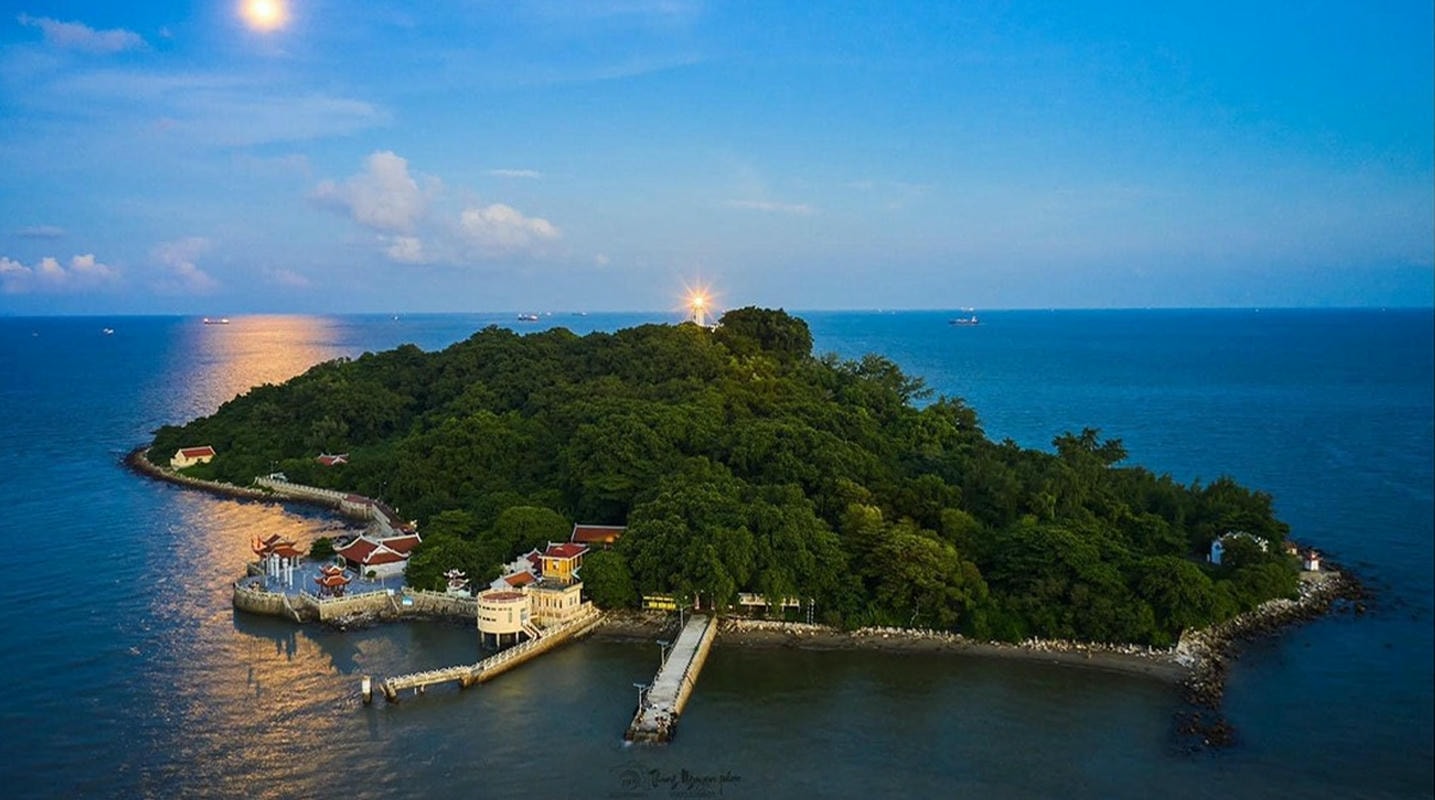
Off the coast near Do Son lies Hon Dau, a small rocky island known for its old lighthouse, which dates back to the French period and is one of the oldest in Vietnam. The island has a wild, windswept coastline, rocky coves and views across the sea toward the shipping lanes leading into Haiphong port.
Getting there takes some planning, since access usually involves a boat from the Do Son area and arrangements can change by season and weather. It is not a casual walk-in destination, but for travellers who like lighthouses, sea views and places few others reach, it is a memorable trip. Message us and we will check the current options before you go.
Two Day Routes For Unusual Things To Do In Haiphong
Here are two ways to combine the spots above into a day. Timings are approximate and depend on traffic, weather and how often you stop.
City And Riverside Route
- Dawn: Wet market visit and a street breakfast nearby.
- Morning: Walk or ride through residential alleys, with coffee in a tube-house cafe.
- Afternoon: Rest, then watch port life from the riverbank.
- Evening: Bia hoi, a game of pool and a late snack.
Countryside And Coast Route
- Morning: Ride north to Tuyet Tinh Coc and the Bach Dang river area.
- Lunch: A simple meal in a village restaurant.
- Afternoon: Head south to Voi Mountain or toward the mangroves near the coast.
- Evening: Seafood back in the city or in Do Son.
If you want ideas for linking rural spots by motorbike, our article on exploring rural villages on a Haiphong motorbike tour has a few more ideas.
Practical Tips For Going Off The Beaten Path
- Go with someone local if you can. Many of these places have no signs and no English speakers. A guide turns a confusing visit into a story and saves you a lot of guesswork.
- Respect private space. Alleys and villages are homes, not stage sets. Ask before photographing people.
- Check conditions first. Natural sites can close or change access after storms, during festivals or for maintenance.
- Carry cash, water and snacks. Rural areas may not have shops or card payments.
- Ride carefully. Country roads have trucks, buffalo, potholes and sudden turns. If you plan to ride yourself, first read about scams to avoid with motorbike rental in Haiphong.
- Dress for the outdoors. Closed shoes, sun protection and insect repellent are useful for mangroves, caves and quarry lakes.
Frequently Asked Questions About Offbeat Haiphong
What are the most unusual things to do in Haiphong?
Our favourites are exploring residential alleys, visiting a wet market at dawn, drinking bia hoi and playing pool with locals, and day trips to the mangroves, the Bach Dang river area, Tuyet Tinh Coc, Voi Mountain and Hon Dau Island.

Can I visit these places without a guide?
The city experiences are easy on your own. Rural and coastal sites are possible independently, but signage is limited and access can change, so a guide or at least local advice saves a lot of time.
Is it safe to walk in Haiphong’s alleys?
Yes, residential alleys are generally safe and friendly. Be respectful, keep noise down and avoid wandering into private courtyards.
Can I swim at Tuyet Tinh Coc?
Swimming is generally not allowed and not recommended because of deep water and slippery rocks. Enjoy it from the paths and viewpoints.
How far are Voi Mountain and Tuyet Tinh Coc from the centre?
Both are usually within about an hour by motorbike or car, depending on traffic and route. They sit on different sides of the city, so pick one per half day.
Is Hon Dau Island open to visitors?
Access usually depends on boat arrangements from the Do Son area and can change with weather and season. Contact us and we will check the current situation.
Explore The Unusual Side Of Haiphong With Us
Haiphong Adventure was started by locals who love the parts of the city that guidebooks skip. Our haiphong tours mix well-known sights with alleys, markets and countryside stops, and we can tailor a private day around the offbeat experiences in this guide. Tell us what interests you, from history and nature to night life and food, and we will suggest a route that fits your time and energy.
WhatsApp, Viber, WeChat: +84(0)934.555.001
KakaoTalk, Line ID: haiphongadventure