Haiphong Festivals: A Year-Round Guide to Local Events
Haiphong festivals follow the lunar calendar and the seasons, so there is something to see in almost every month. The big ones are Tet in late January or February, a wave of temple and communal house festivals in spring, the Red Flamboyant Festival in May, the Do Son Buffalo Fighting Festival in early autumn and the Mid-Autumn lantern festival a few days later. This guide explains each type of event, when it usually happens and how visitors can join in respectfully.
Many Haiphong festivals are small, local and deeply spiritual. They take place in village temples, pagodas and communal houses rather than on big stages. That makes them less polished than famous events elsewhere in Asia, but far more authentic. A little planning helps you catch them.
How Haiphong Festivals Work
Before you look at dates, it helps to know three things about local celebrations.
- Most follow the lunar calendar. Dates move each year on the Western calendar. A festival on the 9th day of the eighth lunar month can fall anywhere from late August to early October.
- Most are religious at heart. They honor village guardian spirits, national heroes, the Buddha or ancestors. Ceremonies come first, entertainment second.
- Many are local. Each village, temple and communal house has its own festival day. Two neighborhoods a few kilometers apart may celebrate on different dates.
Typical festival days start with a solemn procession and offering ceremony in the morning, followed by folk games, music, food stalls and sometimes performances such as water puppetry or traditional singing. The atmosphere is relaxed and family-oriented.
For the customs behind these events, our guide to Haiphong local customs and traditions gives useful background.
Tet: The Lunar New Year
Tet is the biggest celebration of the year in Haiphong and across Vietnam. It falls between late January and mid-February, depending on the lunar calendar.
What happens
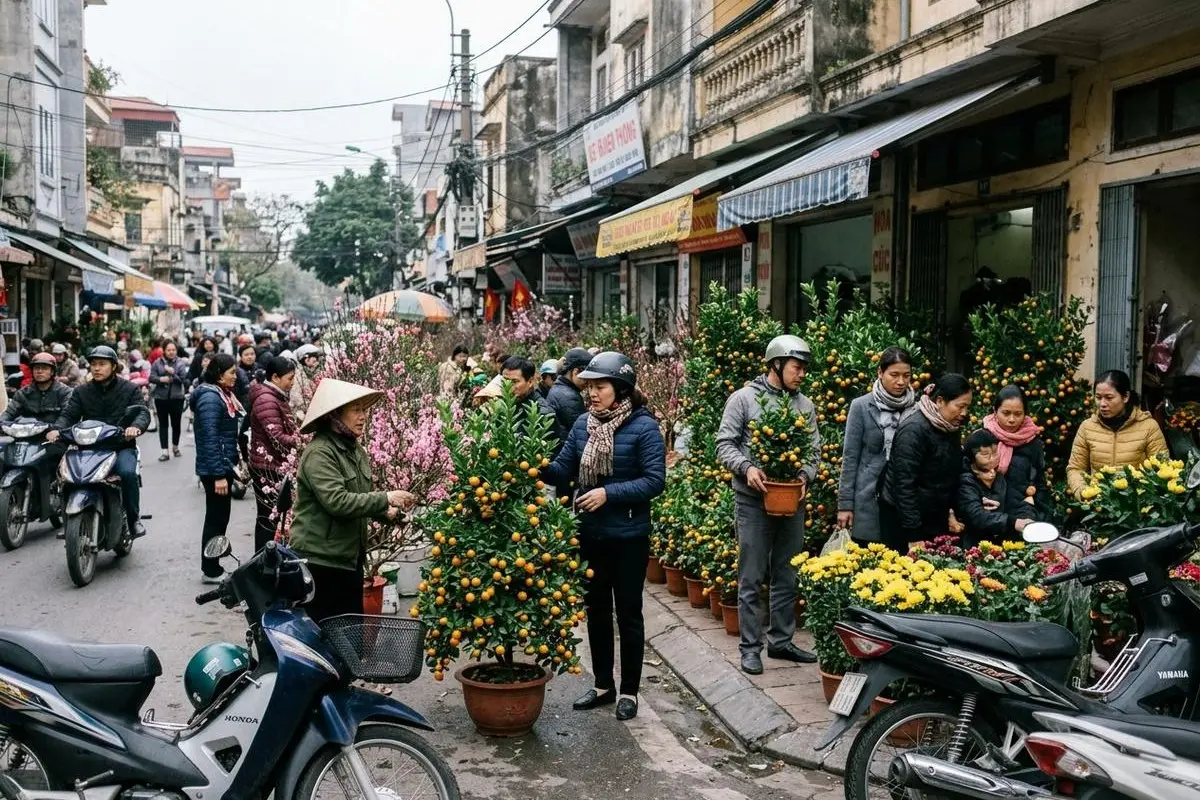
- Before Tet: flower markets appear on sidewalks, selling peach blossoms, kumquat trees and marigolds. Families clean their homes and prepare special food.
- New Year’s Eve: people make offerings to ancestors, visit pagodas at midnight and watch fireworks where the city organizes them.
- The first days: families visit relatives, give lucky money in red envelopes and go to temples to pray for a good year.
What visitors should know
Tet is beautiful but quiet in a practical sense. Many shops, restaurants and services close for several days, and transport is busy before and after the holiday as people travel home. Book ahead and expect limited choices in the first days of the new year.
Read our full guide to Tet holiday in Haiphong for what is open and how to join in.
Spring Festival Season at Temples and Communal Houses
The weeks after Tet, roughly the first three lunar months, are the busiest festival season of the year. Villages and urban wards celebrate their guardian spirits and local heroes, and pagodas welcome crowds praying for luck in the new year.
Hang Kenh Communal House
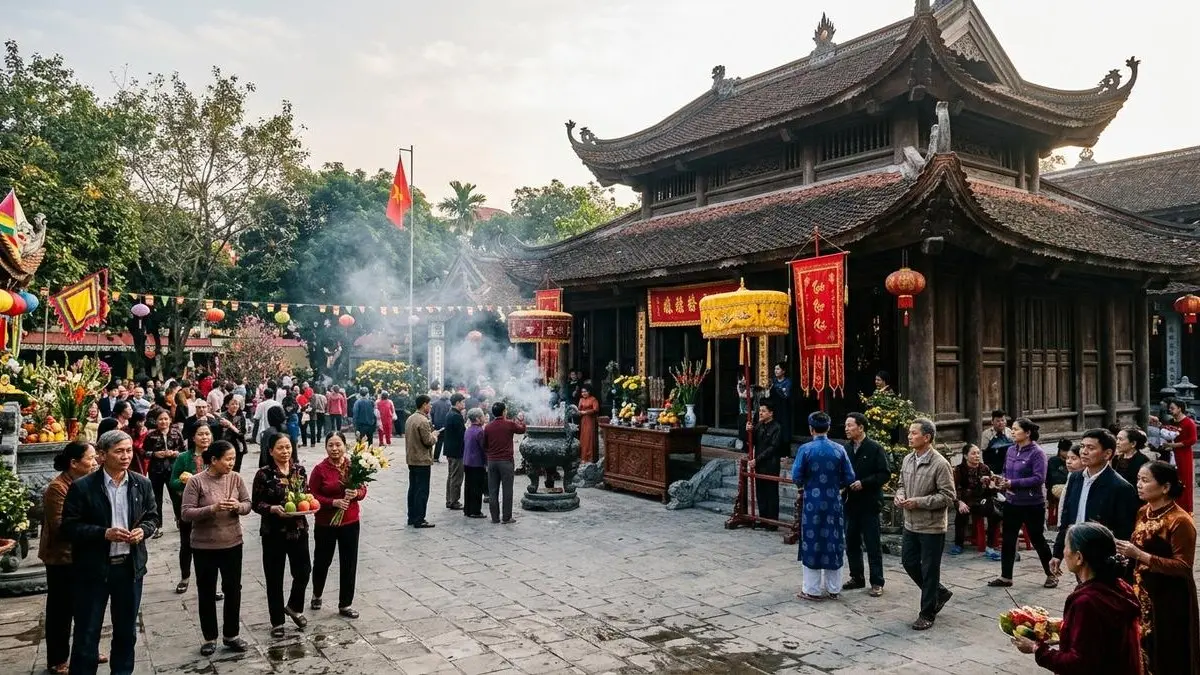
This old wooden communal house in the city is famous for its intricate dragon carvings. Its traditional festival is held in spring, with incense offerings, a procession and folk activities in the courtyard. Even outside festival days, it is one of the most beautiful heritage buildings in Haiphong.
Du Hang Pagoda
One of the oldest pagodas in Haiphong, Du Hang holds festival days with Buddhist ceremonies, offerings and visitors from across the city. Its quiet gardens and old roofs are worth a visit any time.
Le Chan and Nghe Temple
Haiphong honors its founding heroine, the female general Le Chan, at Nghe Temple in the city center. Commemorations are held in spring, with ceremonies and processions in her honor. Learn her story in who was Le Chan, the founder of Haiphong.
Bach Dang commemorations
In the third lunar month, ceremonies at the Bach Dang River sites remember the famous naval victories against invading fleets. The 1288 victory over the Mongol Yuan fleet was won on the 8th day of that month.
>>> Temples and Pagodas in Haiphong Worth Adding to Your Trip
Recommended tour
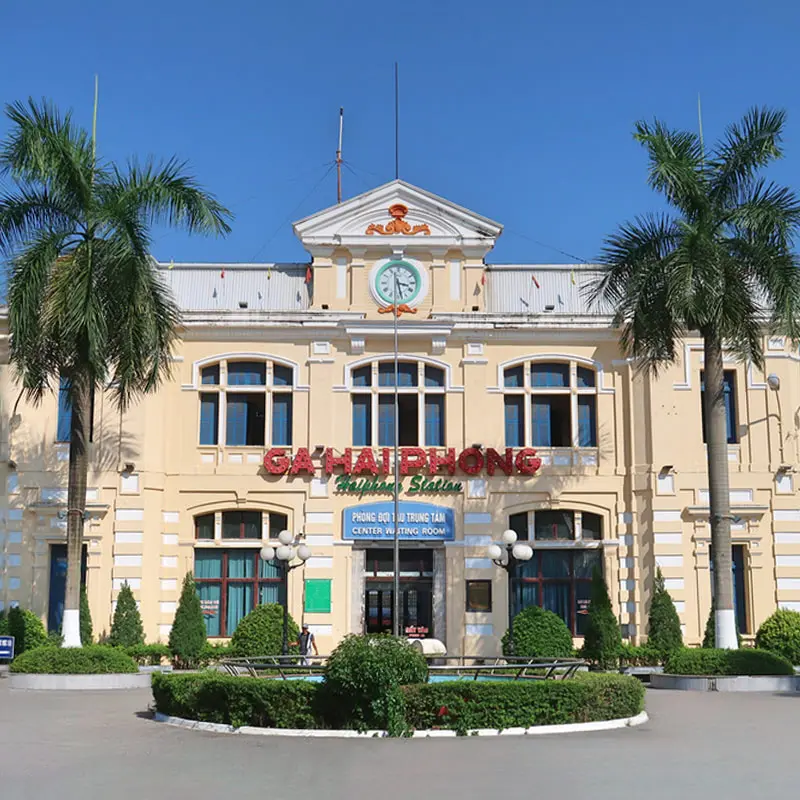
Visiting during a festival? Explore temples, markets and food streets with a local guide who can explain the rituals and show you where locals celebrate.
From $79 per person
Red Flamboyant Festival in May
Haiphong’s best-known modern festival celebrates the flower that gives the city its nickname. The Red Flamboyant Festival is usually held in mid-May, when the trees begin to bloom and around the anniversary of the city’s liberation on 13 May 1955.
Programs vary each year but often include an opening ceremony with a concert, street parades, art and photo exhibitions, and community events. It is the most visitor-friendly of all Haiphong festivals, with activities in the city center and no special etiquette to learn.
Discover the story behind the nickname in why Haiphong is called the city of red flamboyant flowers.
>>> Flamboyant Flower Season Haiphong When to See the Blooms
Buddhist Celebrations Through the Year
Pagodas in Haiphong are busy on the 1st and 15th day of every lunar month, when many people bring offerings and pray. Two Buddhist occasions stand out:
- The Buddha’s birthday (Vesak): on the 15th day of the fourth lunar month, usually in May or early June. Pagodas are decorated with flags and lanterns and hold special ceremonies.
- Vu Lan: on the 15th day of the seventh lunar month, usually in August. Known as the festival of filial piety, it honors parents and ancestors. People pin a rose to their clothes: red if their mother is alive, white if she has passed away.
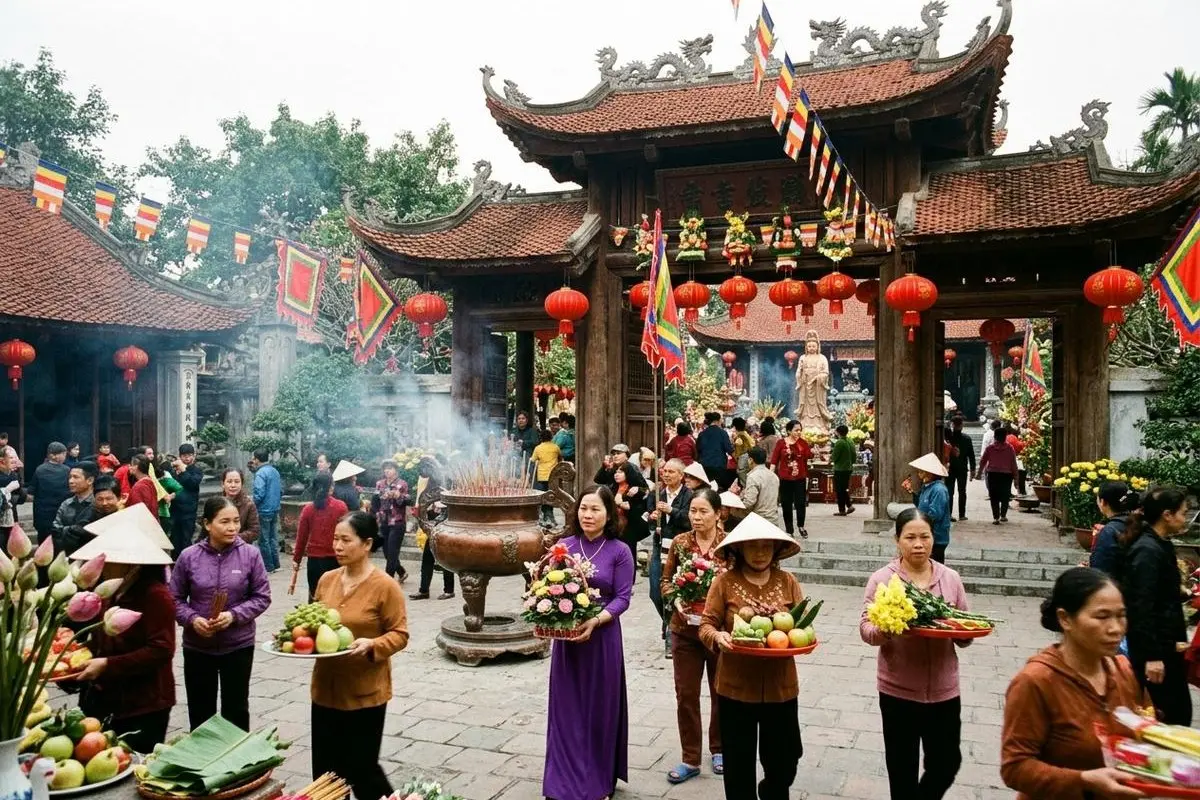
Do Son Buffalo Fighting Festival
The most famous traditional festival in Haiphong takes place in the seaside town of Do Son. The final fights are held on the 9th day of the eighth lunar month, usually in September, after months of preparation and earlier rounds.
The festival is a ritual to honor the local water god and pray for good fishing and harvests. Specially raised buffaloes are led into the arena with flags, drums and processions before facing each other in short contests. It is loud, crowded and full of ceremony, and it has been recognized as part of Vietnam’s national intangible cultural heritage.
Visitors should know that the buffaloes are sacrificed after the festival according to tradition, which some travelers may find difficult. Read more in our article on the Do Son Buffalo Fighting Festival traditions and visitor tips.
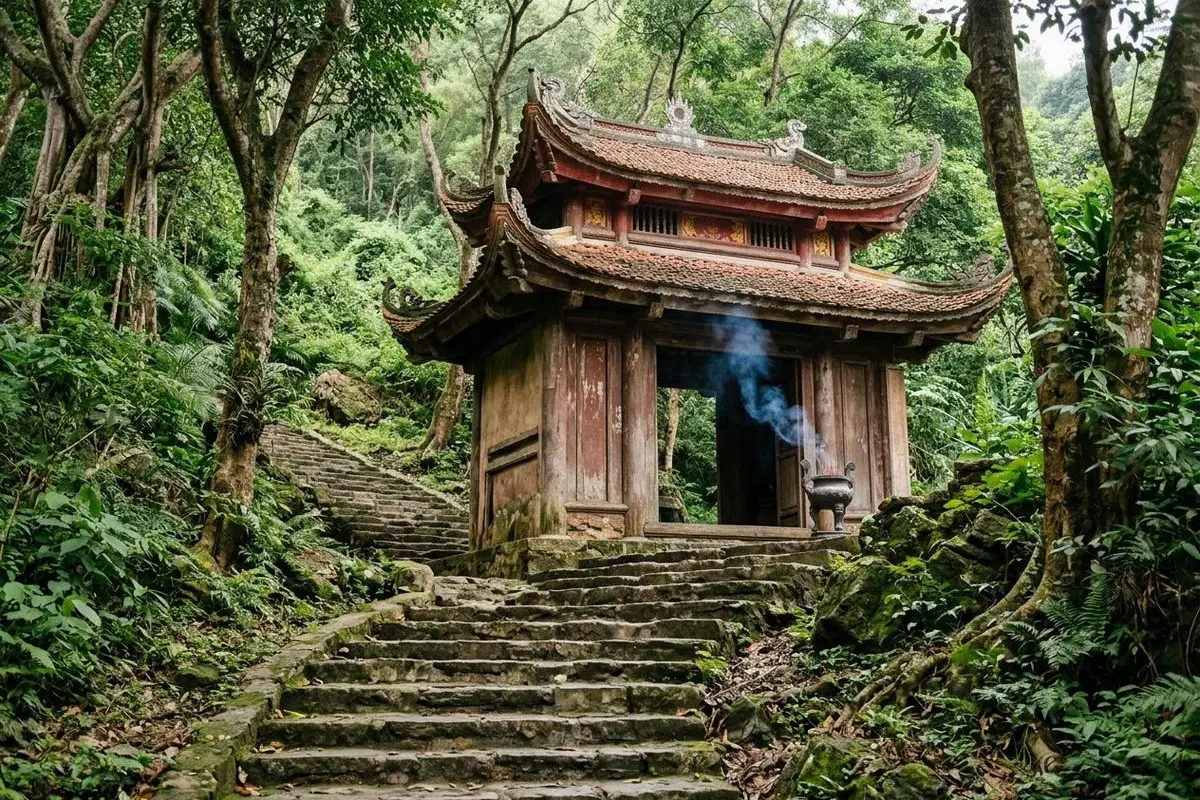
Mid-Autumn Festival and Autumn Events
A few days after the buffalo festival comes the Mid-Autumn Festival, Tết Trung Thu, on the 15th day of the eighth lunar month. It is a festival for children and families, with lanterns, lion dances and mooncakes.
- Lanterns: star-shaped and animal lanterns are sold in markets and streets in the weeks before.
- Lion dances: groups with drums perform in the streets and outside shops in the evenings.
- Mooncakes: bakeries and stalls sell them in fancy boxes, a popular gift.
Late autumn and early winter are quieter, with smaller village festivals. Near the end of the lunar year, families honor the Kitchen Gods on the 23rd day of the twelfth lunar month, and the city begins preparing for Tet again.
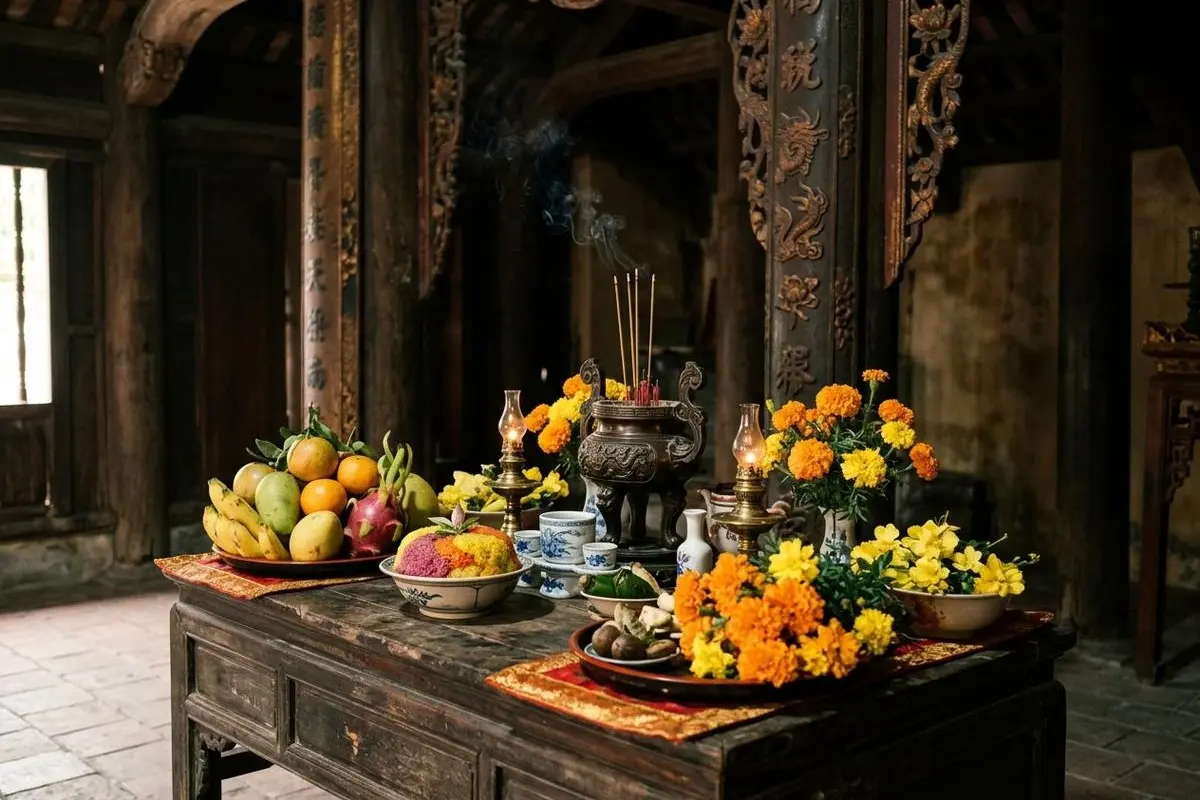
>>> Water Puppetry Origins in Haiphong: A Living Folk Art Story
Haiphong Festivals Month by Month
Use this table as a quick planner. Western dates are approximate because most events follow the lunar calendar. Always confirm the exact dates for your year.
| When (approx.) | Event | Where |
| Late January to February | Tet, Lunar New Year | Everywhere, pagodas and homes |
| February to April | Spring temple and communal house festivals | Hang Kenh, Du Hang, Nghe Temple, villages |
| March to April | Bach Dang commemorations | Bach Dang River sites |
| Mid-May | Red Flamboyant Festival | City center |
| May to early June | Buddha’s birthday | Pagodas |
| August | Vu Lan | Pagodas |
| September | Do Son Buffalo Fighting Festival | Do Son |
| September to early October | Mid-Autumn Festival | Streets, homes, markets |
| January | Kitchen Gods day, Tet preparations | Homes and markets |
For a season-by-season version with weather notes, see our Haiphong festivals calendar.
Festival Etiquette for Visitors
- Dress modestly. Cover shoulders and knees at temples and pagodas.
- Watch first, then join. Stand back during ceremonies and follow locals when it is time to offer incense.
- Ask before photographing people praying or performing rituals.
- Do not touch offerings or ritual objects on altars.
- Expect crowds and noise. Keep valuables safe and be patient.
- Check dates locally. Programs and schedules can change, and some events may be scaled down in certain years.
Our cultural etiquette guide for Haiphong covers more dos and don’ts for sacred places.
Frequently Asked Questions
What is the biggest festival in Haiphong?
Tet, the Lunar New Year, is the biggest celebration. Among traditional local festivals, the Do Son Buffalo Fighting Festival is the most famous.
When is the best time to experience Haiphong festivals?
Spring, from just after Tet to April, has the most temple and village festivals. May brings the Red Flamboyant Festival, and September has the buffalo and Mid-Autumn festivals.
Can tourists join festivals in Haiphong?
Yes. Visitors are welcome at most public festivals. Dress modestly, watch ceremonies respectfully and follow local guidance.
Why do festival dates change every year?
Most traditional festivals follow the lunar calendar, so their Western dates move from year to year. Check a lunar calendar or ask locally.
Is Haiphong busy during Tet?
Streets are busy before Tet with shopping, then very quiet for the first days as many businesses close. Transport is crowded around the holiday.
Plan Your Trip Around a Festival
Timing a trip around Haiphong festivals adds color, music and meaning to your visit, whether it is lanterns at Mid-Autumn, red blossoms in May or incense smoke at a spring temple fair. Haiphong Adventure runs small-group and private Haiphong tours by motorbike and on foot, and our local guides can tell you which celebrations are happening during your stay. Browse our Haiphong tours or message us with your dates.
Contact Haiphong Adventure
- WhatsApp, Viber, WeChat: +84(0)934.555.001
- KakaoTalk, Line ID: haiphongadventure