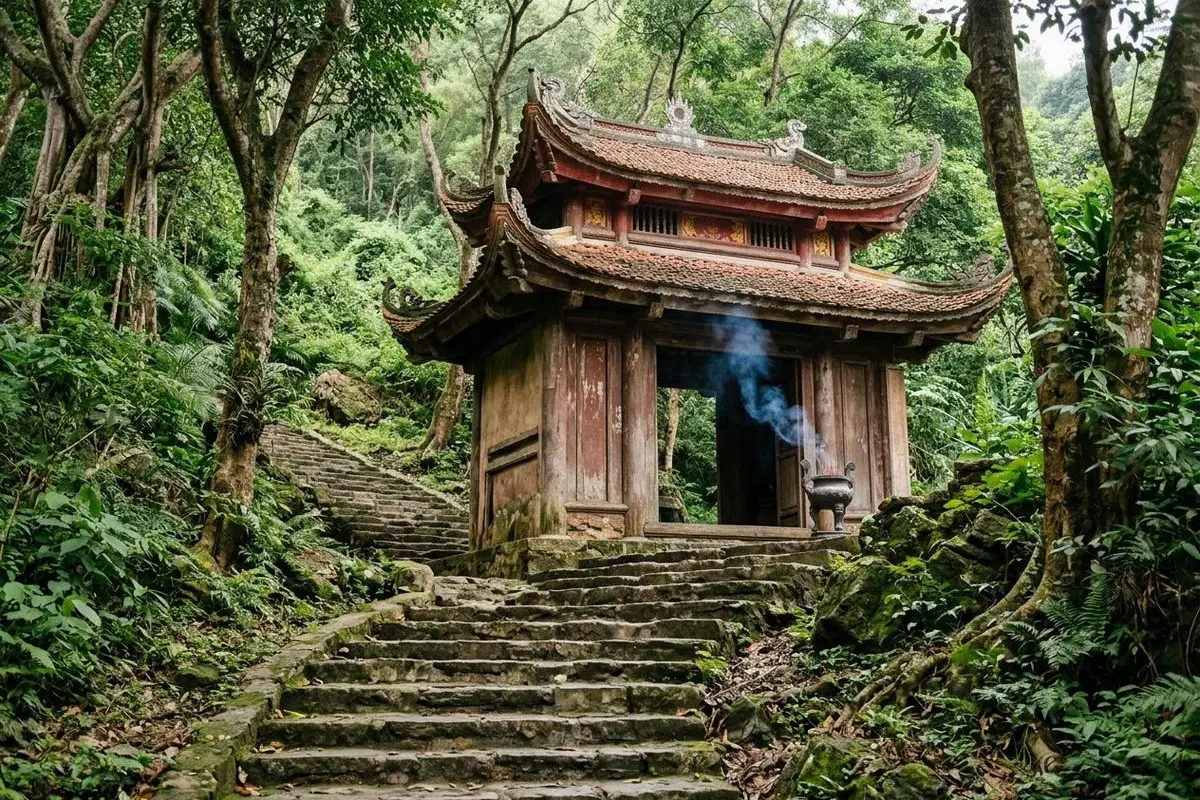
Haiphong Local Customs and Traditions Every Visitor Should Know
Haiphong local customs and traditions are easy to miss if you only see the port, the traffic and the busy street food stalls. Look a little closer and you will find incense burning on family altars, fruit offerings on the first day of the lunar month, wedding tents in narrow alleys and whole neighbourhoods gathering for the festival of the city’s founding heroine. This guide explains the traditions that still shape daily life in Haiphong, what they mean and how you can experience them as a respectful visitor.
You do not need to be religious or speak Vietnamese to enjoy these customs. Most local people are happy to explain them when you show real interest. Dates in this guide follow the lunar calendar, which shifts every year, so treat them as a reference (checked November 2026) and confirm the exact day before you travel.
Why Haiphong Local Customs and Traditions Still Matter Today
Haiphong is a modern industrial city of more than two million people, yet family life here is still built around old beliefs. Many homes follow both the Western calendar for work and school and the lunar calendar for rituals, festivals and family events. Grandparents often live with their children and grandchildren, and the family altar remains the emotional centre of the house.
The city also has a strong sense of local pride. People call it the “city of red flamboyant flowers”, they honour a female general as its founder and they are known across Vietnam for being direct, loyal and warm once you get to know them. Understanding a few customs helps you read what you see on the street, from smoke rising outside a shop to a crowd of people in white headbands. If you want the practical rules on dress, greetings and table manners, read our guide to cultural etiquette for Haiphong visitors first, then come back here for the stories behind them.
Ancestor Worship and the Family Altar
Almost every Haiphong home has an ancestor altar, usually placed in the highest and most respectful position of the house, often on the top floor of a narrow tube house. It holds framed photos of grandparents and great grandparents, an incense bowl, candles or electric lamps, flowers, fruit and small cups of tea or rice wine.
Families believe their ancestors continue to watch over them. People light incense to report important news, such as a new job, an exam, a wedding or a long journey. Before eating a special meal, they often place a little food on the altar first as a sign of respect.
Shop and street altars
You will also see small altars on the floor of shops and restaurants, dedicated to the God of the Land and the God of Wealth. Owners place drinks, cigarettes, fruit and incense here to ask for good business. Do not touch these altars or move the offerings, and never step over them when you walk past.
What visitors should know
If a family invites you home, you may be asked to light a stick of incense for their ancestors. It is a kind gesture of welcome, not a religious commitment. Hold the incense with both hands, bow slightly and place it in the bowl. If you prefer not to, a polite smile and a thank you are perfectly fine.
The Lunar Calendar Rhythm on the First and Fifteenth Days
Twice a month, on the first day (mung mot) and the fifteenth day (ram) of the lunar month, Haiphong slows down a little. Families prepare fruit, flowers and vegetarian food for the altar, and many people visit pagodas in the evening. Some locals eat vegetarian meals on these days, so vegetarian restaurants and pagoda kitchens get busier.
For travellers, these are good days to see pagodas full of life. Expect the scent of incense, monks chanting and families bringing trays of offerings. Our list of temples and pagodas in Haiphong helps you choose where to go.
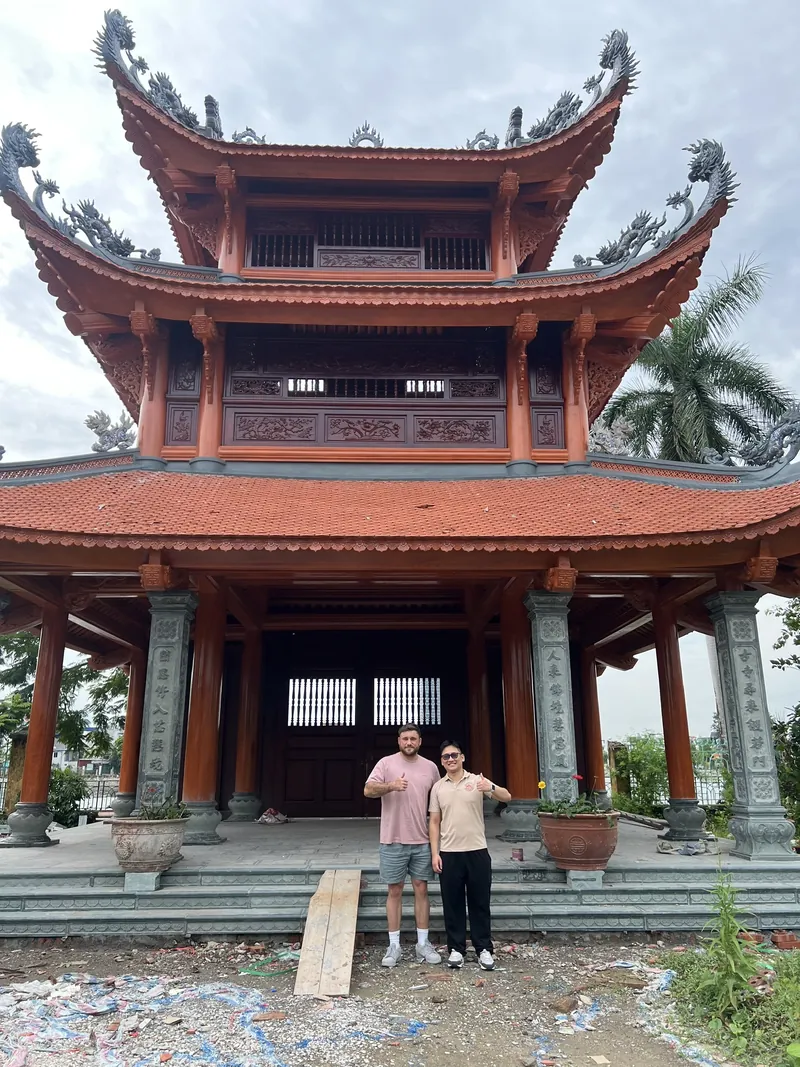
Burning votive paper
On these days, and especially during festivals, you may see people burning paper money, paper clothes and even paper houses in metal bins on the pavement. This is votive paper, sent symbolically to ancestors and wandering spirits. Give the fire some space, do not photograph people too closely while they pray and never kick or move the bins.
>>> Festival Days At Du Hang Pagoda Local Culture
Honouring Le Chan, the Founding Heroine of Haiphong
Le Chan was a female general who fought alongside the Trung Sisters against Chinese rule in the first century. According to local history, she settled the coastal land that became An Bien village, which grew into today’s Haiphong. That is why she is honoured as the city’s founder, and why her name appears on a district, a major street and a large statue in the city centre.
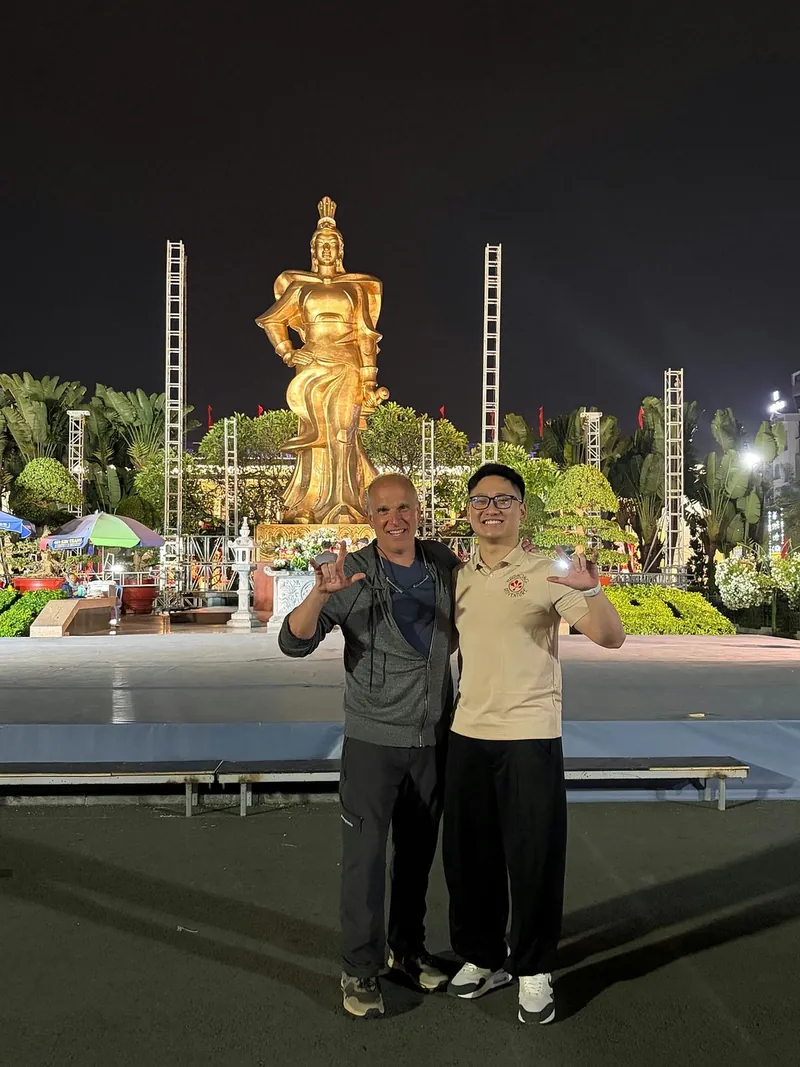
Nghe Temple, in the heart of the city, is dedicated to her. Its main festival is held in the second lunar month, usually in early spring, with processions, traditional music and offerings. Local women in particular visit the temple to pray for strength and good fortune. If you travel at that time, check the exact festival date locally, since it moves with the lunar calendar.
Why a female founder matters
Many Haiphong people say Le Chan’s courage explains the city’s independent spirit. When locals tell you that Haiphong people are “straight talkers”, they often say it with a smile and a nod to their brave founder.
Communal Houses and Village Guardian Spirits
Before Haiphong became a big city, it was a cluster of villages. Each village had a communal house, called a dinh, where people worshipped a guardian spirit and held meetings and festivals. Many of these buildings survive between modern streets.
The best known is Hang Kenh Communal House, famous for its detailed wood carvings and its link to Ngo Quyen, the hero of the Bach Dang River victory in 938. You can learn more about its cultural value and history before your visit.
Village festivals at communal houses usually take place in spring, after Tet. They can include processions with palanquins, traditional games, wrestling, chess with human pieces and shared feasts. These events are made for the community, but visitors who stand quietly at the side are normally welcome.
Tet, the Lunar New Year in Haiphong
Tet is the most important tradition of the year. It falls in late January or February, and preparations start weeks earlier. Families clean and decorate their homes, pay off debts, buy new clothes and visit the graves of their ancestors.
In northern Vietnam, including Haiphong, the symbols of Tet are pink peach blossom branches and kumquat trees heavy with small orange fruits. Flower markets pop up along main streets, and you will see motorbikes carrying whole trees through traffic. Every family wraps or buys banh chung, a square sticky rice cake filled with mung beans and pork, wrapped in green leaves.
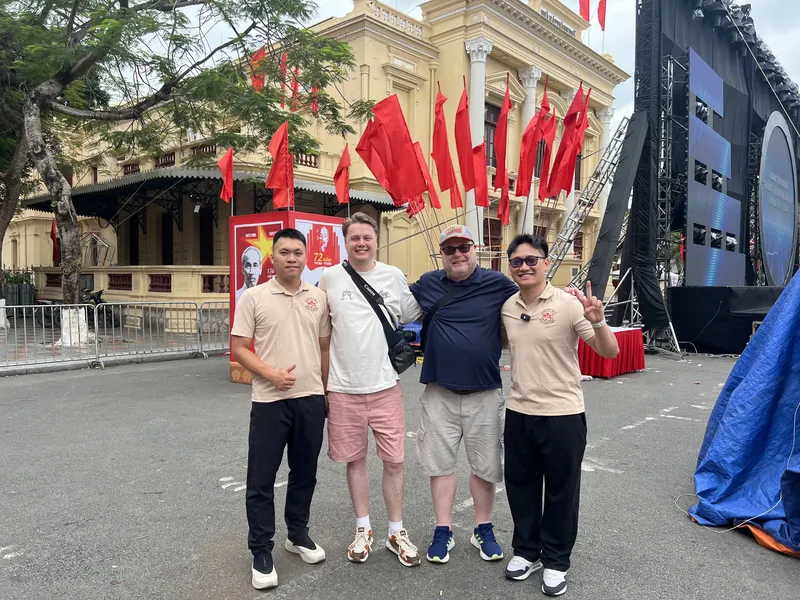
First footing and lucky money
The first person to enter a home after midnight on New Year’s Eve is believed to bring luck for the whole year, so families often invite someone with a good character and a lucky age. During the first days of Tet, adults give children and elders lucky money in red envelopes, and everyone exchanges wishes for health and prosperity.
Travelling during Tet
Many shops, restaurants and markets close for several days, and transport is very busy just before and after the holiday. On the other hand, pagodas are full and the city feels festive. Book transport and hotels early and expect limited food options in the first days. Our Haiphong festivals calendar shows what else happens through the year.
Recommended tour
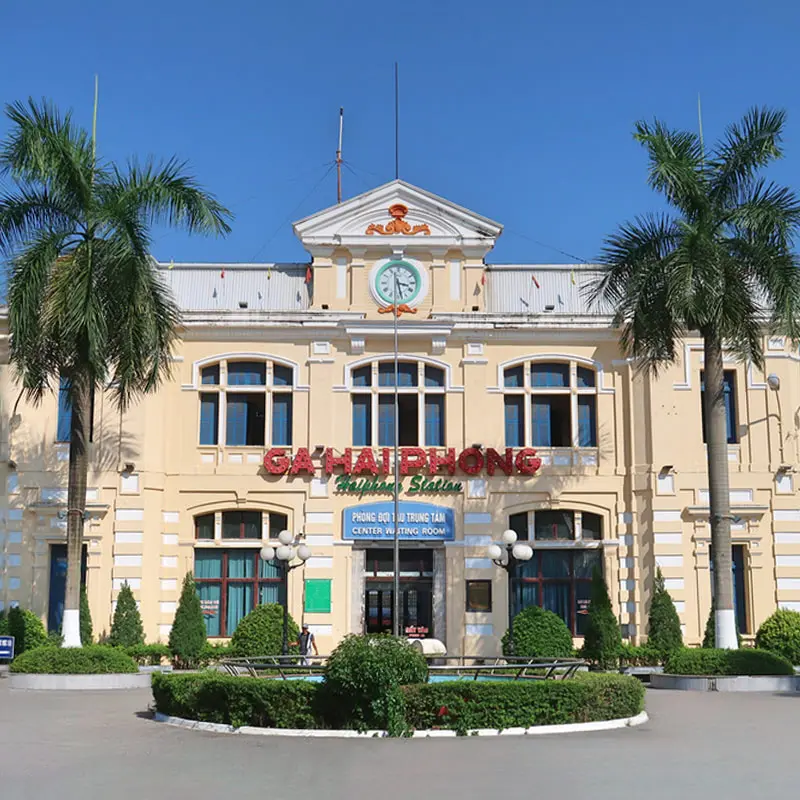
See temples, old streets, markets and family-run eateries with a local guide who explains the customs behind everything you see.
From $79 per person
Kitchen Gods, Ghost Month and the Mid-Autumn Festival
Several smaller festivals bring colour to the lunar year in Haiphong.
Kitchen Gods Day
On the 23rd day of the twelfth lunar month, about a week before Tet, families say goodbye to the Kitchen Gods, who are believed to travel to heaven to report on the household. People release live carp into lakes and rivers, since the fish are said to carry the gods on their journey. Around the lakes of Haiphong you will see families carefully pouring fish from plastic bags into the water.
The seventh lunar month
The seventh lunar month, usually in August or early September, is known as ghost month. Locals believe the gates of the spirit world open, so families make offerings to wandering souls and avoid big decisions such as buying a house or holding a wedding. The fifteenth day is also Vu Lan, a Buddhist day to honour parents, when many people wear a flower on their shirt at the pagoda.
Mid-Autumn Festival
On the fifteenth day of the eighth lunar month, children carry lanterns, lion dance teams beat drums in the streets and families share mooncakes under the full moon. It is one of the happiest times to walk around the city in the evening.
>>> Haiphong Red Flamboyant Festival Guide for Visitors
Weddings, Engagements and the Betel Nut Tradition
Haiphong weddings are big, loud and joyful. The most common wedding season is in the cooler months toward the end of the lunar year, and on lucky days you may see several wedding tents set up in the same street.
A traditional marriage has several steps. First comes a formal meeting between the two families. Then there is the engagement ceremony, when young unmarried men and women in matching outfits carry red lacquered trays of gifts from the groom’s family to the bride’s house. The trays hold betel leaves and areca nuts, tea, wine, fruit and cakes.
Betel and areca are an old symbol of love and marriage in Vietnam, based on a folk tale about two brothers and a wife whose loyalty turned into a betel vine, an areca tree and a stone. Today few young people chew betel, but it still appears at every wedding.
If you pass a wedding party, smile and congratulate the couple. Guests sometimes invite foreigners to join a toast. Accept a small drink if you like, but you do not have to stay long.
Death Anniversaries and Funeral Customs
In Vietnam, families remember the day a loved one died rather than their birthday. This death anniversary, called gio, is held each year on the lunar date of death. Relatives travel home, cook a large meal, place dishes on the altar and then eat together. For many families it is as important as a birthday party is in the West.
Funerals are very visible in Haiphong. You may see a tent outside a house, relatives wearing white headbands and clothing, wreaths along the pavement and a small band playing traditional or brass music. Processions may move slowly through the streets toward the cemetery.
How to behave near a funeral
Lower your voice, slow down if you are on a motorbike and give way to the procession. Do not take photos of mourners. White is the colour of mourning, so it is wise not to wear all white clothing when visiting a home during a family ceremony.
Fishing Village Beliefs Along the Coast
Haiphong has always lived from the sea, and coastal communities on Cat Ba Island and at Do Son keep their own beliefs. Many fishing families traditionally honour the whale as a protector of sailors, and some villages keep small shrines for whale bones found on the shore. Boats often have eyes painted on the bow so they can “see” danger on the water.
Before a fishing season or a long trip, crews make offerings for calm seas and a good catch. The best known coastal tradition is the Do Son Buffalo Fighting Festival, held in the eighth lunar month, which mixes ancient rituals for the water god with a dramatic contest.
>>> Do Son Buffalo Fighting Festival Traditions and Visitor Tips
>>> Life Of Locals In Viet Hai Village Cat Ba Story
Everyday Customs of Tea, Pavement Life and Early Mornings
Not every tradition belongs to a festival. Some of the most charming Haiphong customs happen every day.
Tea and the pavement
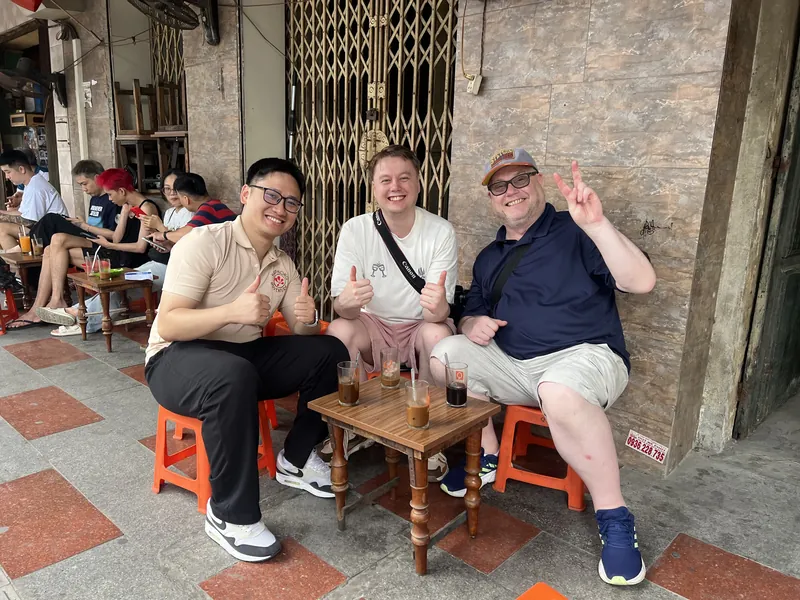
Green tea is the drink of hospitality. Any guest who enters a home or office is offered a small cup, and street corners are full of tiny stalls serving iced tea on low plastic stools. People sit for hours, chatting, watching traffic and sometimes passing around a bamboo water pipe, a habit Haiphong men are famous for across Vietnam.
Early mornings and lunch breaks
The city wakes up early. By dawn, parks and lake shores fill with people walking, dancing, practising tai chi or playing badminton. Markets are busiest in the early morning, when the freshest seafood arrives. Around midday many people take a short nap, and some small shops close for an hour, so plan visits to family-run places outside the lunch break.
How to Experience Local Traditions Respectfully
The easiest way to understand Haiphong local customs and traditions is to spend time with local people. Here are a few simple ideas.
- Visit a pagoda on the first or fifteenth day of the lunar month and watch quietly from the side.
- Plan your trip around Tet, Mid-Autumn or a temple festival if you enjoy crowds and colour.
- Join a street food walk, sit at a tea stall and try a few words of Vietnamese.
- Ask before photographing any ritual, and accept a no with a smile.
- Book a guided experience so a local can explain what you see and introduce you to families.
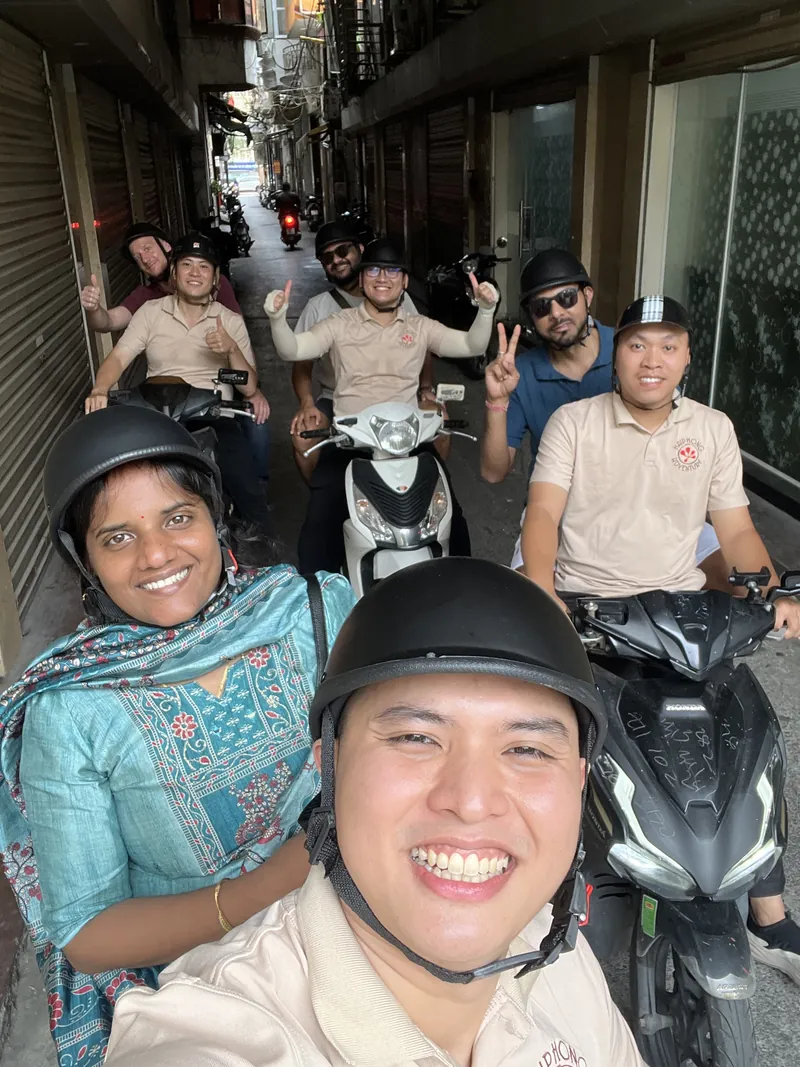
A local guide makes a big difference, because many traditions are private family moments. Our Haiphong tours include city walks, food experiences and motorbike rides through residential neighbourhoods, where daily customs are part of the scenery.
>>> Meeting Locals During My Haiphong Trip Journey
Frequently Asked Questions About Haiphong Customs
What religion do most people in Haiphong follow?
Most families practise a mix of ancestor worship, folk beliefs and Buddhism, and many do not belong to one formal religion. There are also Catholic communities with churches in the city.
Can tourists join a Tet celebration in Haiphong?
Yes. You can visit flower markets, pagodas and public celebrations freely. Joining a family meal usually needs an invitation, which is easier if you know local people or travel with a guide.
Is it okay to burn incense at a temple as a foreigner?
Yes. Buy incense at the gate, light it, hold it with both hands, bow and place it in the burner. Nobody expects you to know the prayers.
When is the best time to see traditional festivals in Haiphong?
Spring, from Tet to the third lunar month, has the most village and temple festivals. Mid-Autumn and the Do Son Buffalo Fighting Festival add colour later in the year.
Why do people burn paper money on the street?
It is votive paper sent symbolically to ancestors and spirits. It is common on lunar holy days, in the seventh lunar month and before Tet.
Discover Haiphong Traditions With a Local Guide
Haiphong’s customs reveal a city that respects its ancestors, celebrates its heroes and enjoys life together on the pavement. With Haiphong Adventure, our local guides can show you pagodas, old communal houses, markets and family-run eateries, and explain the meaning behind every ritual you see. Tell us your travel dates and we will suggest the best experiences for that time of the lunar year.
Questions before you book? Contact us any time:
WhatsApp, Viber, WeChat: +84(0)934.555.001
KakaoTalk, Line ID: haiphongadventure