Water Puppetry Origins in Haiphong: A Living Folk Art Story
Where did water puppetry begin, and what does Haiphong have to do with it? The short answer: water puppetry origins lie in the rice-growing villages of the Red River Delta about a thousand years ago, and the countryside of Haiphong is one of the places where this folk art has been kept alive by village troupes. Farmers turned their ponds into stages, carved puppets from wood and told stories of planting, fishing and local heroes. This guide explains how the art was born, how it works, which Haiphong villages are linked to it and how you can experience it on your trip.
We are Haiphong Adventure, a local team that runs Haiphong tours for international travelers. Guests who have seen a show in Hanoi often ask us where the tradition really comes from. Here is the story in plain English, with practical tips and honest notes on what you can and cannot see today.
Water Puppetry in Brief
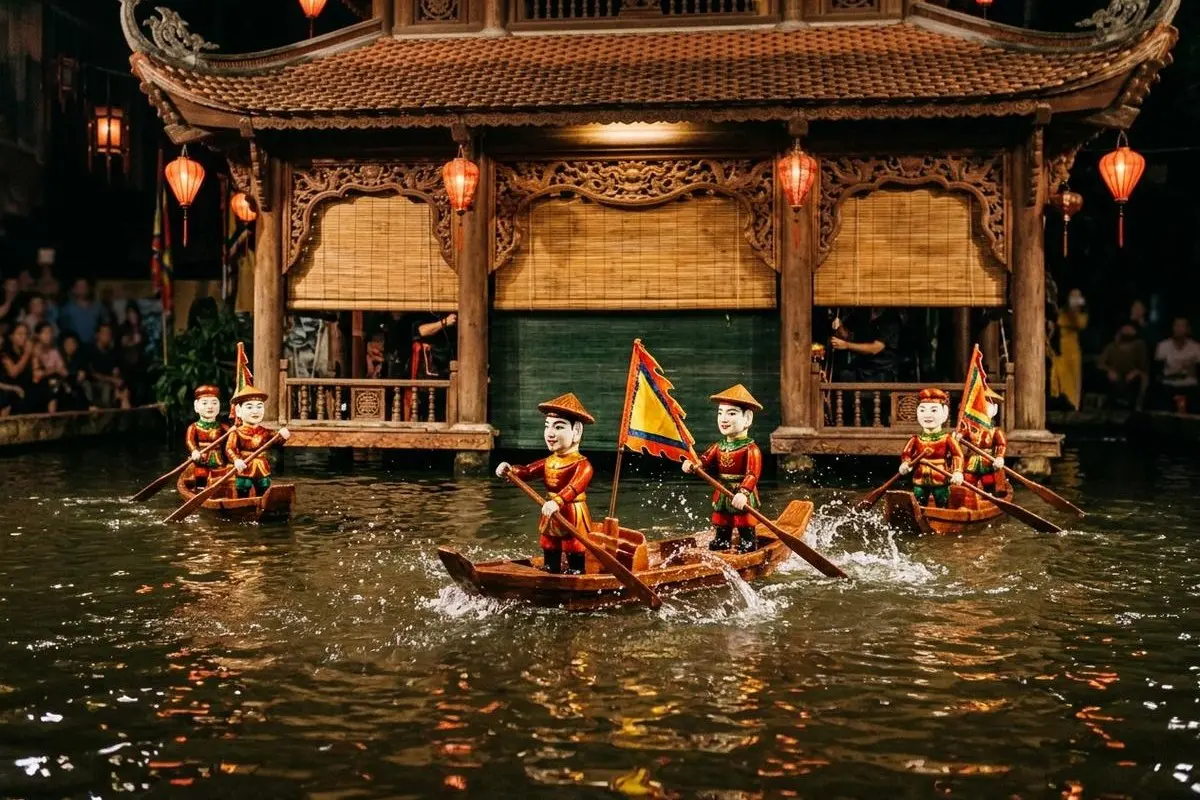
Water puppetry, called mua roi nuoc in Vietnamese, is a form of theater where wooden puppets perform on the surface of a pond or pool. The puppeteers stand in waist-deep water behind a bamboo screen and move the puppets with long poles and strings hidden under the surface. To the audience, the puppets seem to walk, swim and dance on the water by themselves.
| Feature | What it means |
|---|---|
| Origin | Rice-farming villages of the Red River Delta |
| Age | About 1,000 years, with records from the 11th to 12th century |
| Stage | A village pond with a small water pavilion |
| Puppets | Carved from light wood and coated in lacquer |
| Music | Drums, gongs, flutes and folk singing in the cheo style |
| Stories | Farming life, fishing, festivals, legends and local heroes |
Where Water Puppetry Was Born
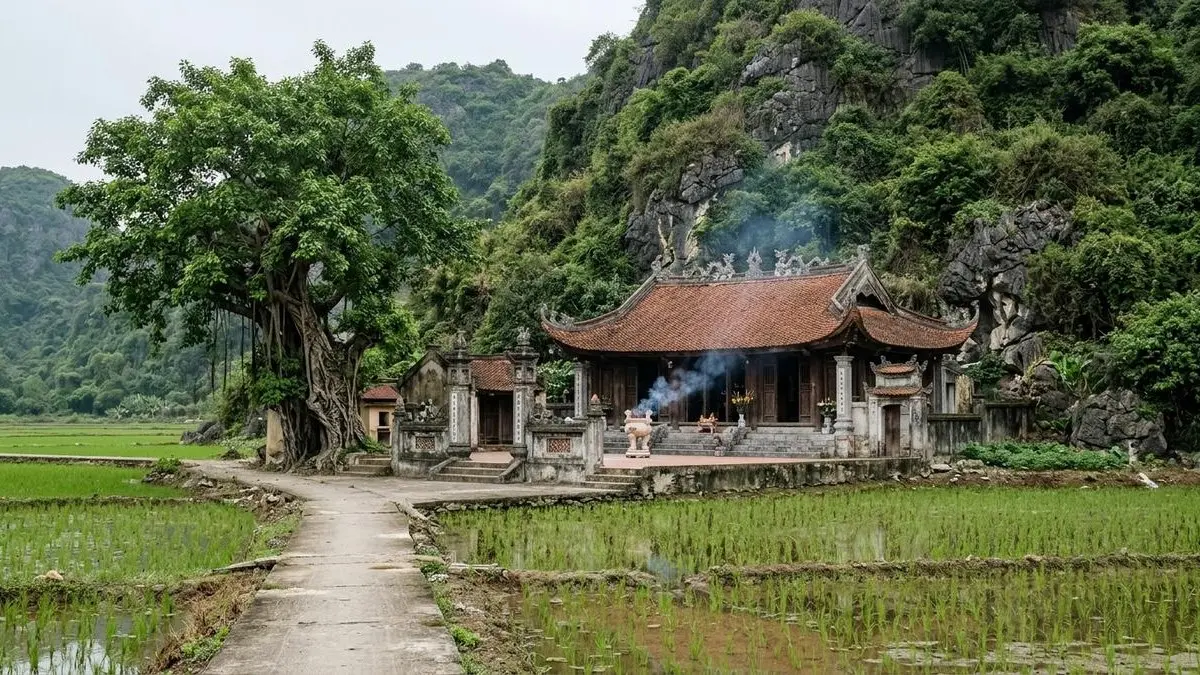
Water puppetry grew out of everyday life in the delta. The land between Hanoi and the sea is low, wet and crossed by rivers. Every village had ponds, flooded rice fields and irrigation ditches, and for months of the year water covered much of the land.
Historians usually trace the art back to the Ly dynasty, around the 11th century. A stone stele from the early 12th century at a pagoda in the delta describes a royal performance with golden turtles and puppets rising from the water, which is often quoted as one of the earliest written records. Before that, the art probably existed for a long time as a village pastime that nobody thought to write down.
Why on Water?
- The stage was already there: every village had a pond, so no theater had to be built.
- Water hides the mechanics: poles and strings disappear under the surface, which creates the magic.
- It fits the farming calendar: shows were held after the harvest and during spring festivals, when people had free time.
- Water carries meaning: in a rice culture, water stands for life, fertility and good harvests.
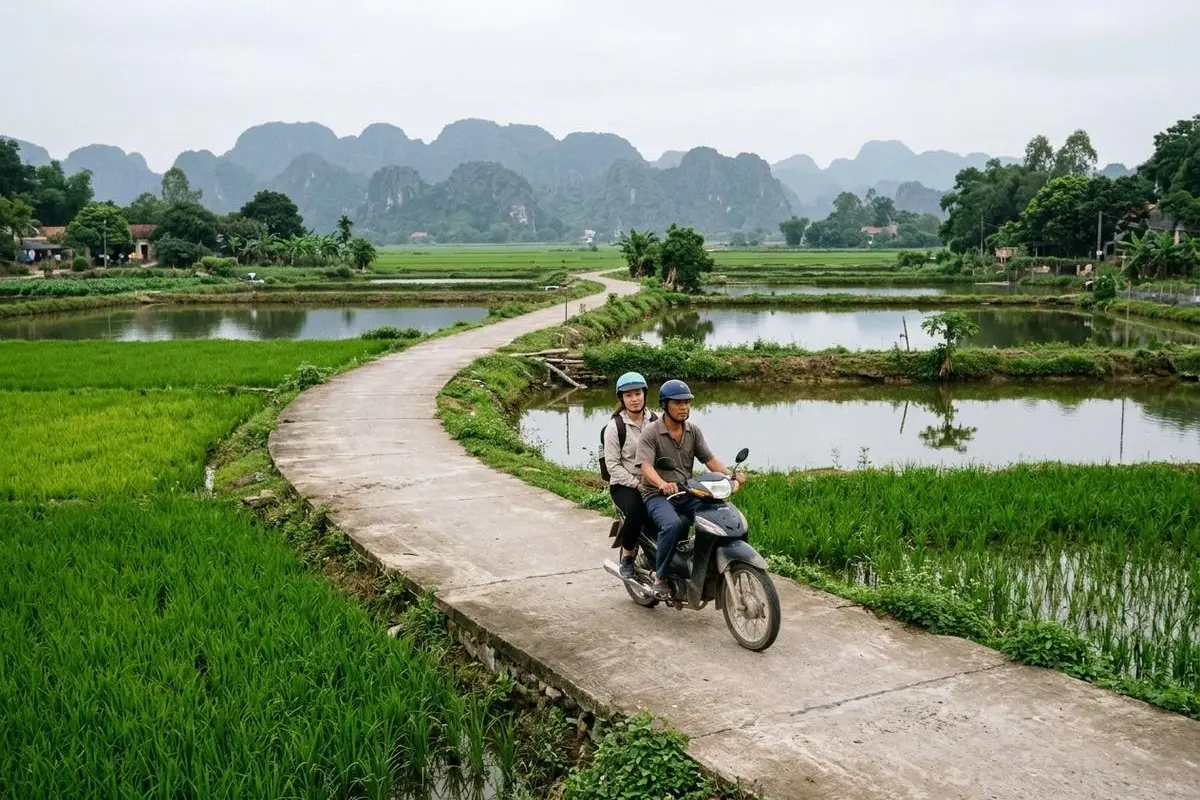
You can still feel this landscape on a ride out of the city. Our story about a Haiphong adventure into the rural countryside shows the kind of villages where the art took shape.
Haiphong’s Place in the Story
Haiphong is not the only birthplace of water puppetry, because the art spread across many delta provinces. What makes Haiphong special is that some of its villages kept their own troupes and techniques for generations, passing them from father to son.
Nhan Hoa Village in Vinh Bao
The best known name in Haiphong is the water puppet troupe of Nhan Hoa village in Vinh Bao, in the rural south of the city. Local accounts describe it as a very old village troupe that has performed at festivals for centuries, and it has also taken part in cultural events outside Haiphong. Like many folk troupes, its members are farmers who rehearse in their free time.
Bao Ha and the Rare Dry Puppetry
Also in Vinh Bao, Bao Ha village is famous for wood carving and for a rare form called dry puppetry, or roi can, where puppets perform on land rather than water. It shows how puppet theater in the area took more than one shape.
Troupes in the Wider City
Since the 2025 administrative merger with Hai Duong, the city of Haiphong also includes several more delta districts with their own village puppet traditions. The names and status of these troupes change over time, so ask locally before planning a visit around one.
>>> Exploring Rural Villages Via Haiphong Motorbike Tour
How a Water Puppet Show Works
Understanding the mechanics makes a show far more enjoyable. Everything is designed so the audience sees only the puppets and the water.
The Water Pavilion
The stage building is called a thuy dinh, or water pavilion. It is a small open pavilion with a tiled roof that stands in or beside the pond. A bamboo screen hangs across the front, and the puppeteers stand behind it, hidden from view.
The Puppets
Puppets are carved from light, water-resistant wood, often fig wood, then coated in several layers of lacquer and paint to protect them. Each one sits on a float or a long pole. Simple puppets have only one moving part, while complex ones can raise arms, turn heads or spray water.
The Puppeteers
Puppeteers work in cold water for long periods, often for an hour or more. They control the puppets with bamboo poles and underwater strings, and they must coordinate perfectly with the music and with each other. Skills were traditionally kept within families or village guilds.
The Music
A small band sits to the side and plays drums, gongs, bamboo flutes and stringed instruments. Singers voice the characters in a folk style close to cheo, the traditional opera of the northern delta. Firecrackers and smoke sometimes add drama.
Recommended tour
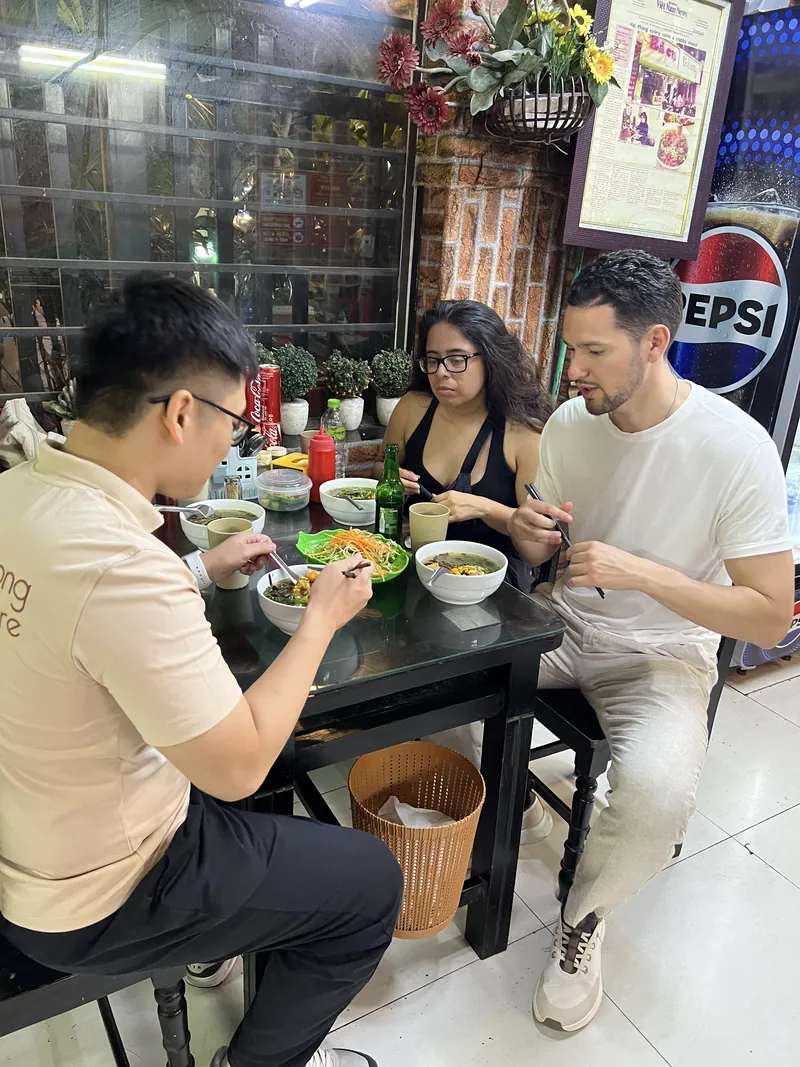
Curious about local culture? Explore old streets, pagodas and markets with a local guide who shares the stories behind them, with classic Haiphong flavors along the way.
From $79 per person
Characters and Stories You Will See
Water puppet plays are short scenes, usually a few minutes each, strung together into a program. Most are about village life, so they are easy to follow even without understanding Vietnamese.
Chu Teu, the Narrator
The most famous puppet is Chu Teu, a cheerful, chubby peasant boy with a big smile. He usually opens the show, greets the audience and makes jokes about village life. He represents the ordinary farmer and the humor of the delta.
Scenes From Farming Life
- Planting and harvesting rice
- Herding buffalo and catching fish with baskets
- Ducks being chased by a fox
- Village wrestling and boat races
Legends and Sacred Animals
- Dragons and phoenixes: often spraying water or fire in the grand finale.
- The golden turtle and the returned sword: the legend of King Le Loi and Hoan Kiem Lake.
- Fairies and unicorns: dances of the four sacred animals.
Some village troupes also perform local stories. In a region with a history like Haiphong, heroic river battles are a natural theme, and our guide to cultural things to do in Haiphong lists other ways to meet these stories.
Water Puppetry and Village Festivals
Traditionally, water puppet shows were part of village festivals rather than a daily performance. They were held in spring after Tet, at the village communal house or pagoda, to thank the guardian spirits and pray for a good harvest.
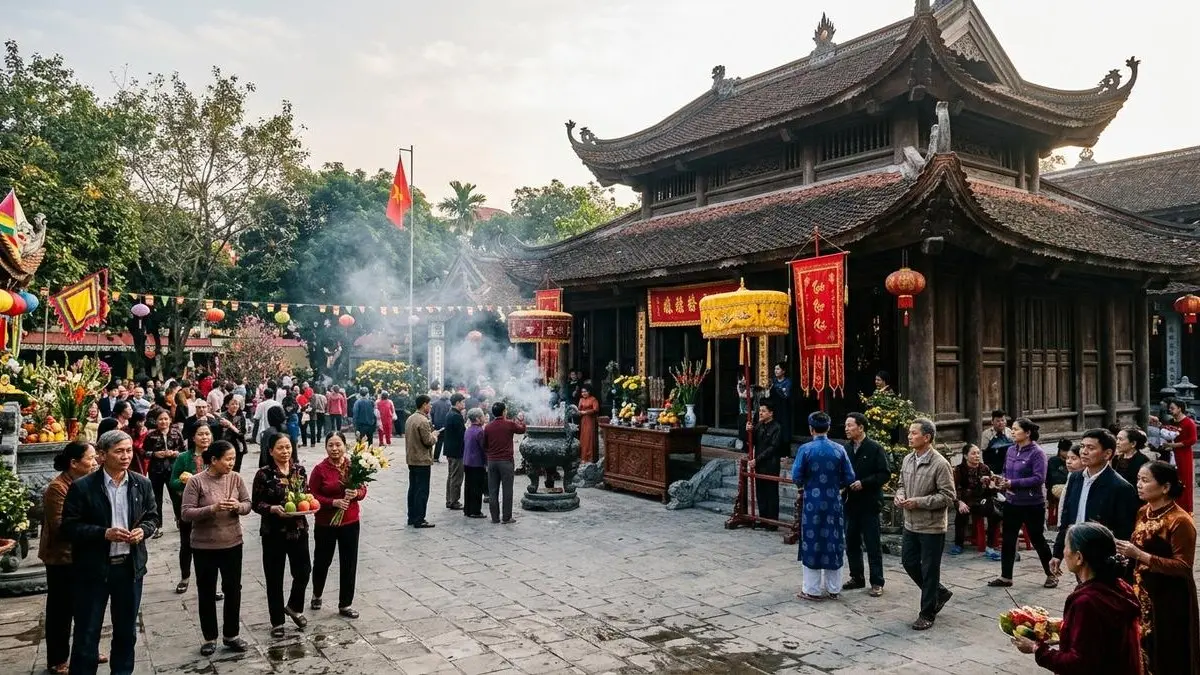
The same festival season brings processions, offerings and folk games, so a puppet show was one part of a bigger celebration. To see how this works in the city, read about festivals at Hang Kenh communal house.
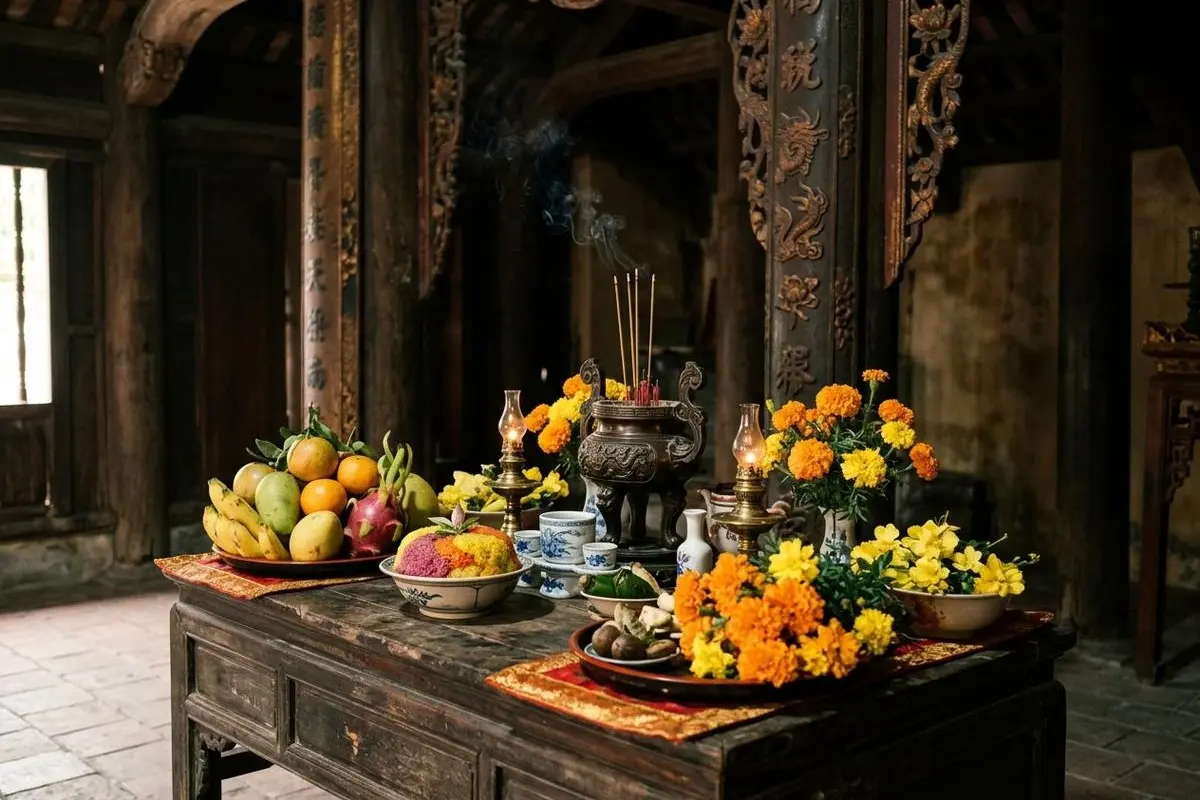
>>> Haiphong Festivals Calendar to Plan Your Visit by Season
How to Experience Water Puppetry Today
Here is the honest picture for travelers. Village troupes in Haiphong mostly perform at festivals and special events, not on a fixed tourist schedule. That makes a village show special, but also hard to plan around.
Option 1: Time Your Trip With a Festival
Spring, in the weeks after Tet, is the most likely time for village performances. Dates follow the lunar calendar and change every year, so ask a local guide or your hotel to check for you (reference only, updated November 2026).
Option 2: Visit the Villages
Even without a show, a ride to Vinh Bao lets you see the ponds, communal houses and craft workshops that keep the tradition going. With a guide, you may be able to meet artisans or see puppets, but this always depends on the people there.
Option 3: See a Show in Hanoi
If you want a guaranteed performance, Hanoi has professional water puppet theaters with shows almost every day. Many visitors combine a show there with a trip to Haiphong. Our Haiphong cruise port to Hanoi day trip guide helps with planning the journey.
Tips for Watching Water Puppetry
- Sit near the front if you can, as splashes are part of the fun.
- Read the program or ask for a short summary, since scenes change quickly.
- Bring small cash for village donations or tickets.
- Be respectful at festivals: dress modestly and follow local cues near altars.
- Ask before photographing puppeteers or artisans in their workshops.
- Bring insect repellent for evening shows near ponds.
For more ideas on respectful visits to sacred places, see our guide to temples and pagodas in Haiphong.
>>> Hang Kenh Communal House History And Heritage
Frequently Asked Questions
Did water puppetry start in Haiphong?
Water puppetry started across the rice villages of the Red River Delta, not in one single place. Haiphong is one of the delta areas where old village troupes, such as the one in Nhan Hoa, Vinh Bao, have kept the tradition alive.
How old is water puppetry?
It is usually said to be about a thousand years old. Written records from the Ly dynasty in the 11th to 12th century mention performances, and the art likely existed in villages even earlier.
Can I see a water puppet show in Haiphong?
Village troupes perform mainly at festivals and special events, so shows are not available every day. Ask locally for current dates, or see a daily show in Hanoi.
Who is Chu Teu?
Chu Teu is the cheerful peasant boy puppet who usually opens the show and narrates with jokes. He is the symbol of Vietnamese water puppetry.
Is water puppetry suitable for children?
Yes. Shows are short, colorful and full of music, water splashes and animals, so children usually love them.
Discover Haiphong’s Living Folk Art
The water puppetry origins story takes you straight into the heart of delta village life: ponds turned into stages, farmers turned into performers and stories carried across generations. Haiphong’s countryside is one of the places where you can still feel that world, even when no show is running. Haiphong Adventure plans countryside rides, culture walks and day trips for international travelers. Browse our Haiphong tours or message us to ask about festival dates during your visit.
Contact Haiphong Adventure
- WhatsApp, Viber, WeChat: +84(0)934.555.001
- KakaoTalk, Line ID: haiphongadventure