Why Is Haiphong Called the City of Red Flamboyant Flowers
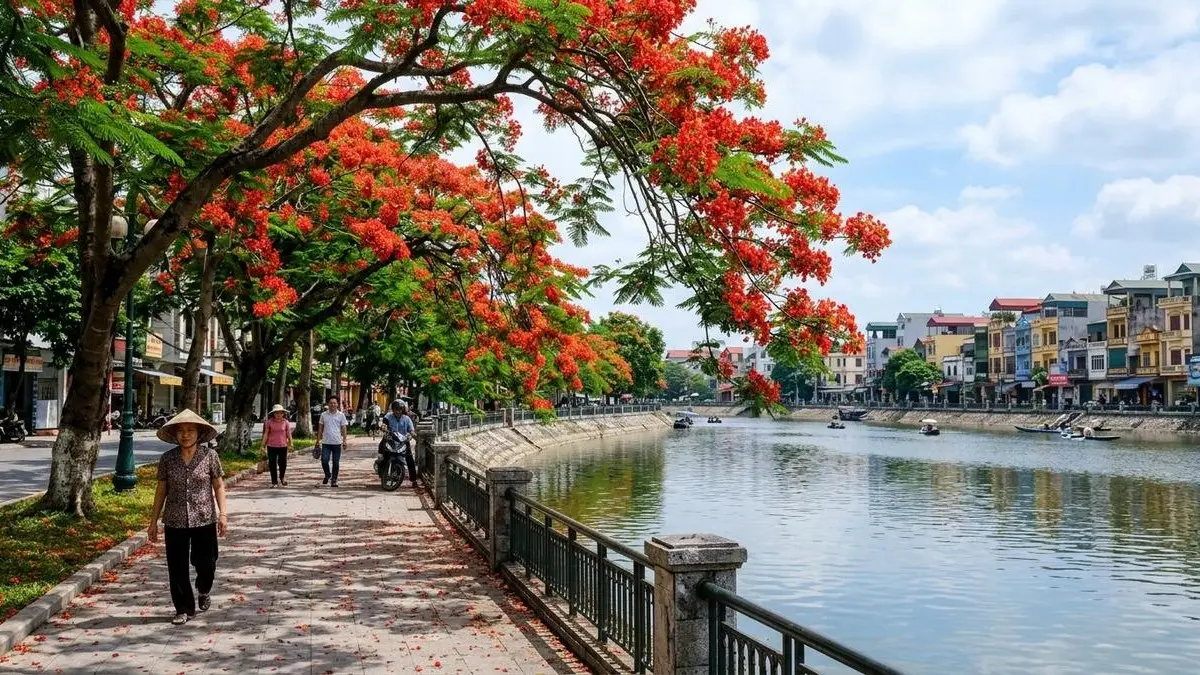
Why is Haiphong called the city of red flamboyant flowers? Because the flamboyant tree, known in Vietnamese as phuong vi or hoa phuong, has lined the city’s streets, lakes and parks for more than a century, and every early summer it turns Haiphong a vivid red. The flower became the city’s emblem, its nickname and the theme of songs, poems and an annual festival. For locals, the name is a matter of pride. For visitors, it is a promise of one of the most colorful city scenes in northern Vietnam.
This guide explains where the nickname comes from, what the flower means to people in Haiphong, where to see the trees and how to plan a visit around the bloom. At Haiphong Adventure we ride under these trees almost every day, and we still slow down when they flower.
The Short Answer
Haiphong earned the name for three simple reasons. The flamboyant tree is planted widely across the old center, so the color is everywhere when it blooms. The city chose the flower as its symbol, and it appears in official imagery and public events. And generations of residents have tied the flower to memories of school, summer and home, so the nickname stuck in songs, poems and everyday speech.
In Vietnamese the city is often called Thanh pho Hoa Phuong Do, which means the City of Red Flamboyant Flowers. You will hear the phrase on local radio, see it on banners and read it in travel brochures.
Where the Flamboyant Tree Comes From
The flamboyant tree, Delonix regia, is native to Madagascar and spread across the tropics as a shade and ornamental tree. In Vietnam it is commonly linked with the French colonial period, when broad streets, parks and public squares were laid out in cities such as Haiphong. Shade trees were planted along the new avenues, and the flamboyant thrived in the hot, humid summers of the coast.
Over time the trees became part of the city itself. Many streets in the old center still have mature trees whose branches meet above the road, forming a red canopy in bloom season and a feathery green one for the rest of the year.
What the tree looks like
The flamboyant has a wide, umbrella-shaped crown, fern-like leaves and clusters of red-orange flowers with five petals, one of them often streaked with white or yellow. After the flowers fall, long dark seed pods hang from the branches. Even outside the bloom, the shape of the tree is easy to recognize.
What the Flower Means to Local People
Across Vietnam, the flamboyant is known as the student flower, or hoa hoc tro. It blooms at the end of the school year, so it reminds people of exams, farewells to classmates and the start of summer holidays. Many adults remember pressing petals into notebooks or writing goodbye notes under a flowering tree.
In Haiphong the meaning goes further. The bright red color is linked with the energy and openness of a port city, and with the warm character people say Haiphong residents have. A well-known Vietnamese song carries the title Thanh pho hoa phuong do, and the phrase is so familiar that most people in the north know it immediately.
>>> Cultural Insights From A Haiphong City Tour Day
The Red Flamboyant Festival
Haiphong celebrates its flower with a Red Flamboyant Festival, usually held around May, when the first trees come into bloom. Program details change from year to year, but the festival generally includes outdoor music and art performances, street parades, cultural shows around the Opera House area and decorations across the center.
Exact dates and events are announced locally each year, so check the latest schedule before you plan a trip around it (reference only, updated November 2026). Even outside the festival days, the city feels festive when the trees are in full color.

When the Flamboyant Trees Bloom
In Haiphong, flamboyant trees typically start to bloom in May, peak in late May and June, and keep some color into July. Timing shifts a little each year with the weather. A hot, sunny spring can bring the flowers earlier, while a cool or rainy spell can delay them.
- Early May: the first red patches appear among green leaves.
- Late May to June: the best time for full canopies and photos.
- July: fewer flowers, more seed pods and fallen petals on the pavements.
Summer in Haiphong is hot and humid, with sudden showers. Plan outdoor walks for early morning or late afternoon, carry water and keep a light rain jacket in your bag.
Recommended tour
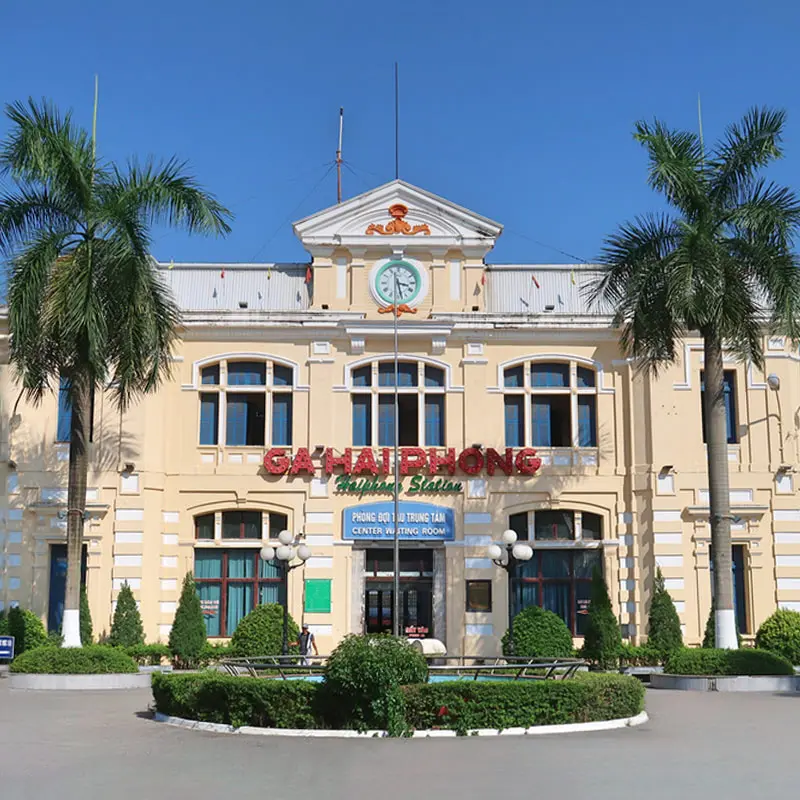
See the old streets, lakes and squares where the flamboyant trees grow, with a local guide who knows the stories behind them and the best street food along the way.
From $79 per person
Best Places to See the Red Blooms
You do not need a map to find flamboyant trees in Haiphong, but some places are especially rewarding.
Tam Bac Lake
The paths around Tam Bac Lake are lined with trees whose branches lean over the water. In bloom season the red reflects on the surface, and cafes nearby make it easy to sit and watch the city go by.
Opera House square and the central streets
The square in front of the Opera House and the streets around it form the classic postcard view, with French-era facades framed by red flowers. This is also where many festival events take place.
Le Chan statue and the riverside
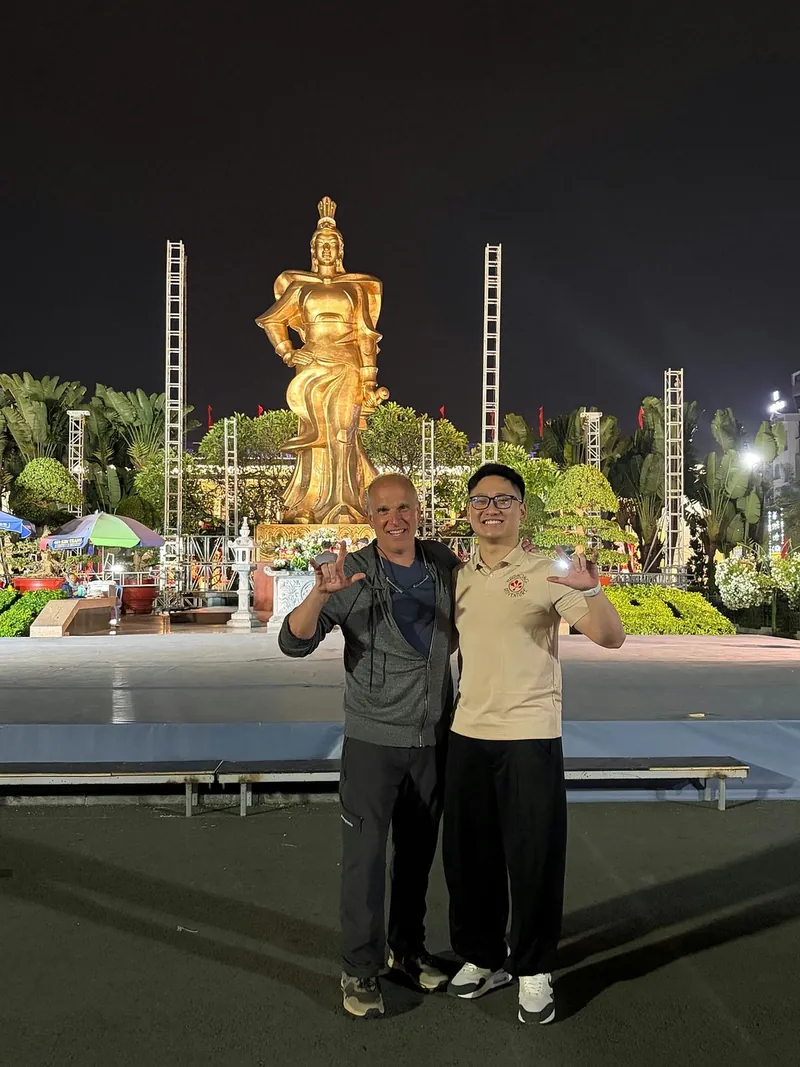
The square around the statue of Le Chan, the legendary founder of the settlement that grew into Haiphong, and the promenades by the Cam River offer open views and evening breezes.
Residential streets and school gates
Some of the most charming trees stand outside schools and along quiet residential lanes. A slow ride through the old quarter often reveals scenes that big squares cannot match. Our list of the top must-visit spots in Haiphong helps you combine these views with other sights.
>>> Free Things To Do In Haiphong For Budget Travel
Photo Tips for Flamboyant Season
- Go early. Soft morning light makes the red look rich, and the streets are quieter.
- Look up and down. Shoot the canopy against the sky, then the carpet of petals on the pavement.
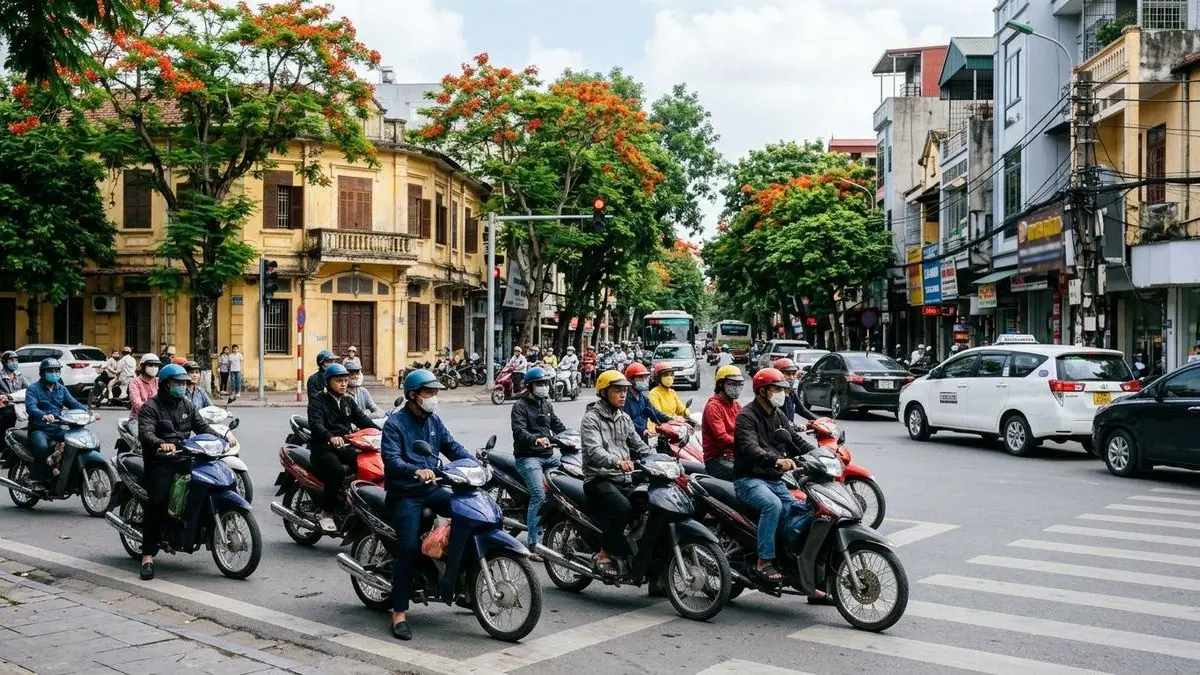
- Use buildings as a frame. Yellow colonial walls and green shutters make the red stand out.
- Mind the traffic. Step onto the pavement before you stop for a photo, and never stand in the road.
- Be respectful. Do not break branches or pick flowers from public trees.
Ways to Enjoy the Flower City
A walk around the lakes is the easiest option. A cyclo ride lets you sit back and look up at the canopy. A motorbike tour covers more ground, from the colonial center to quieter neighborhoods where trees grow beside small temples and markets. Our cultural things to do in Haiphong guide suggests stops that pair well with flower season.
If you visit outside May to July, the city is still worth seeing. The trees stay green and shady, and the nickname lives on in local pride, festivals and street names.
>>> The Ultimate Guide to Haiphong Motorbike Tour Routes for Scenic Views
Frequently Asked Questions
Why is Haiphong called the city of red flamboyant flowers?
Because flamboyant trees grow throughout the city and turn it red each early summer, and the flower has become the official symbol and much-loved nickname of Haiphong.
What is the flamboyant flower called in Vietnamese?
It is called hoa phuong or phuong vi. Many people also call it the student flower because it blooms at the end of the school year.
When is the best time to see the flowers?
Usually from late May to June, although the season can start in early May and last into July depending on the weather.
Is there a festival for the flower?
Yes, Haiphong holds a Red Flamboyant Festival, usually around May. Check local announcements for the current year’s dates and program.
Can I see the trees on a short visit?
Yes. The trees grow right in the old center, so even a half-day walk or ride shows you plenty, especially around the lakes and the Opera House.
See the Flower City with Haiphong Adventure
Want to time your trip with the bloom or simply explore the city that wears red every summer? Browse our Haiphong tours or message us your dates, and we will suggest the best route and time of day.
Contact Haiphong Adventure:
WhatsApp, Viber, WeChat: +84(0)934.555.001
KakaoTalk, Line ID: haiphongadventure