Haiphong Local Specialties to Bring Home: A Foodie Gift Guide
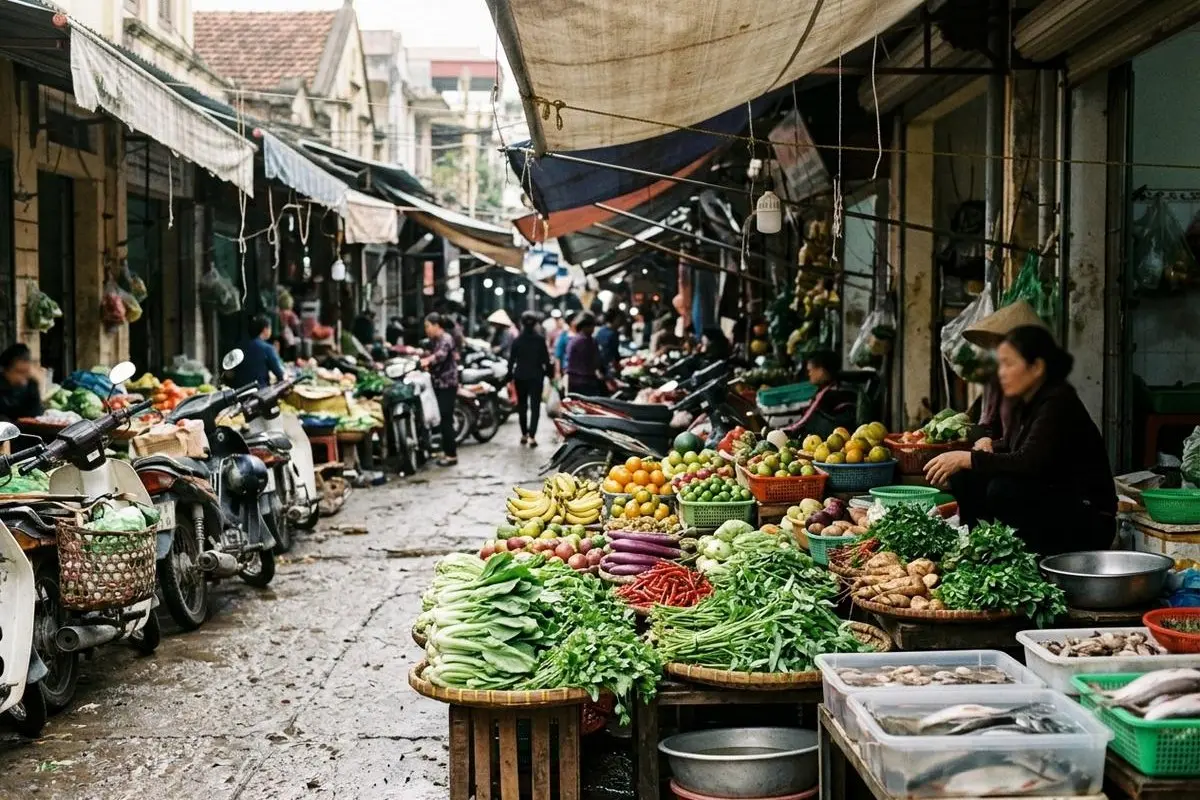
The best Haiphong local specialties to bring home are edible: red banh da noodles, Cat Hai fish sauce, dried squid and shrimp from the islands, green bean cakes and lychees from the old Hai Duong area, and a bag of local coffee. Some keep for months in a suitcase, some last only a few days, and a few should only travel inside Vietnam. This foodie gift guide sorts them by how well they travel, so you buy the right treat for the right trip.
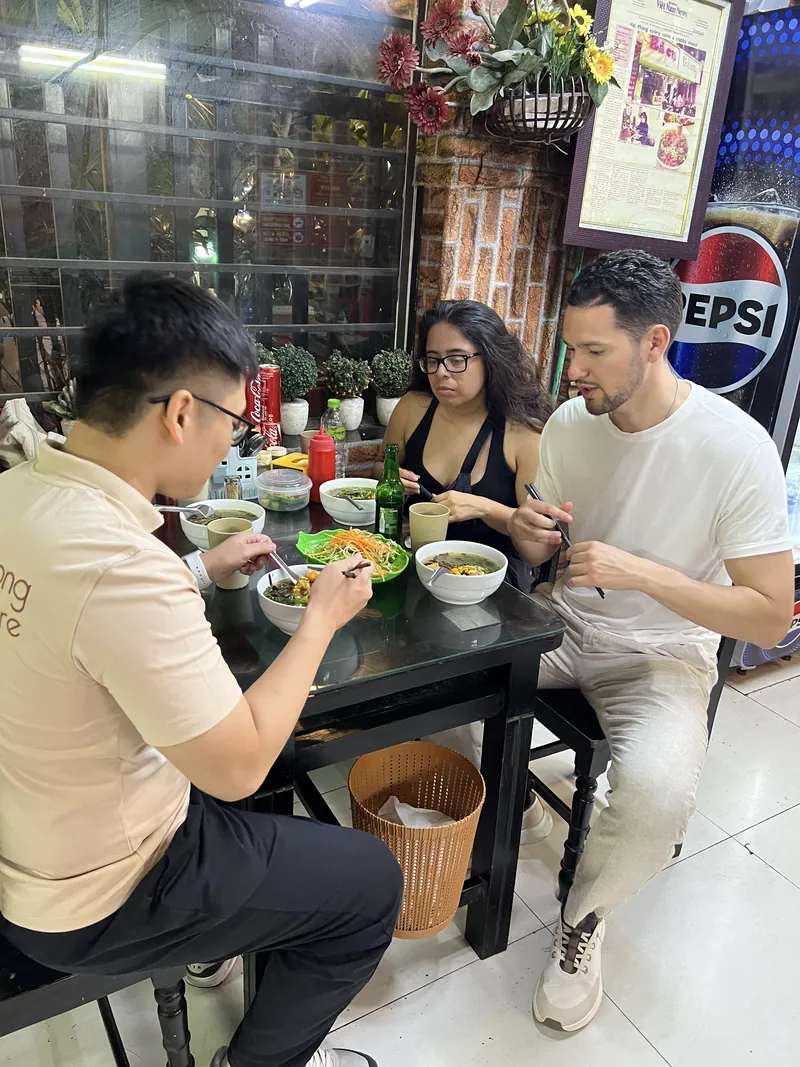
We are Haiphong Adventure, a local team that takes travelers through markets and food streets every week on our Haiphong tours. Guests often ask us what Vietnamese families carry as gifts when they visit relatives. Here is our honest answer, with tips on choosing, storing and using each specialty once you are back home.
How to Choose Haiphong Local Specialties to Bring Home
Haiphong is a port city with a big appetite. Its most famous foods come from the sea, from the rice fields of the delta and, since mid-2025, from the orchards of the former Hai Duong province, which merged into Haiphong city. That gives food lovers a wider pantry than many visitors expect.
Before you shop, ask yourself three quick questions:
- How long is my trip home? A two-day flight route needs gifts that keep without a fridge.
- Who is it for? A home cook will love fish sauce and noodles. A snack lover will prefer cakes and dried squid.
- What does my country allow? Many countries limit meat, seafood, fruit and plant products in luggage.
Our pillar guide to shopping in Haiphong covers markets, malls and crafts. This article stays in the kitchen and looks only at food gifts.
Red Banh Da Noodles
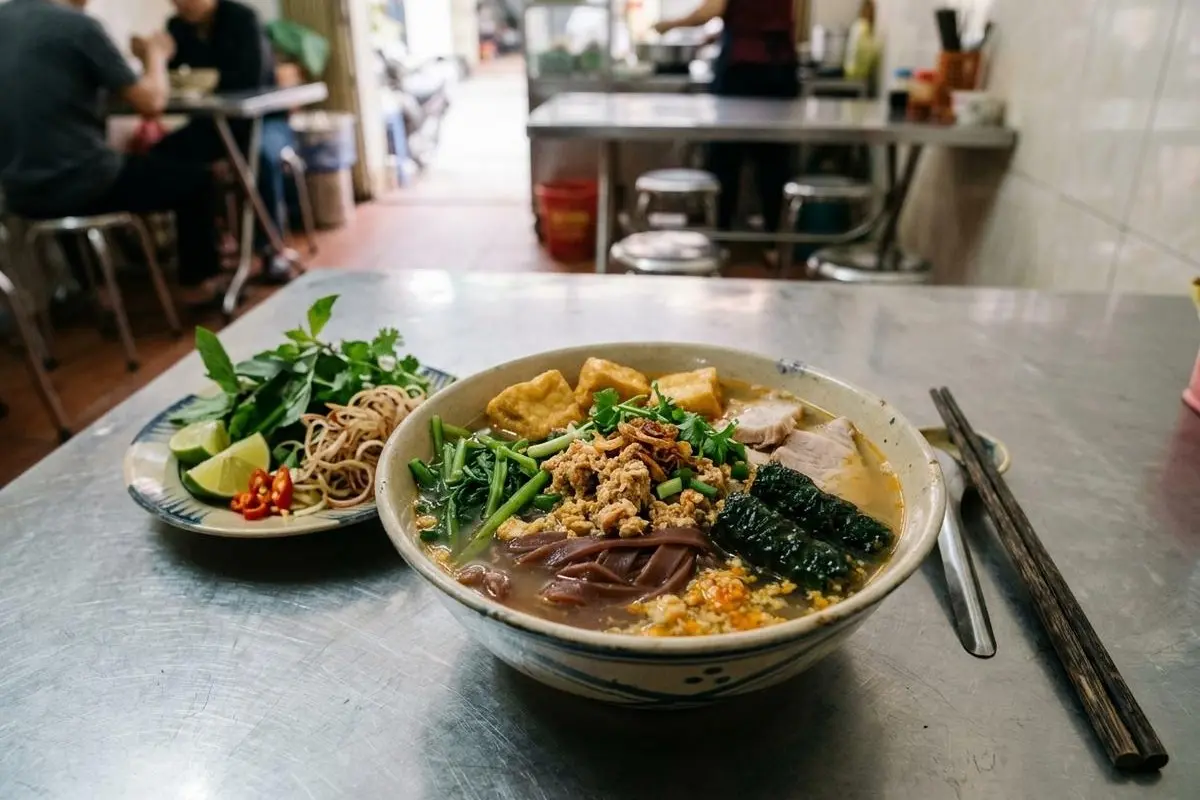
If one food says Haiphong, it is banh da do, the flat reddish-brown rice noodle used in banh da cua, the city’s crab noodle soup. The color comes from the type of rice and the way the sheets are made and dried. The noodles are chewier than pho noodles and hold their shape well in a rich broth.
Why It Makes a Great Gift
- Dried packs are light, cheap and keep for months in a dry cupboard.
- They are hard to find outside Vietnam, even in Asian supermarkets.
- They work in soups and stir-fries, so any home cook can use them.
How to Use It at Home
Soak the noodles in warm water until soft, then blanch them for a minute before adding broth. A simple tomato and seafood broth with fried shallots gets close to the Haiphong flavor. Ask the seller or your guide to write the name ‘banh da do Hai Phong’ on the bag, so you can find more later.
>>> Banh Da Cua vs Pho What Is the Difference in Haiphong
Cat Hai Fish Sauce
Cat Hai is an island district of Haiphong with a long tradition of fish sauce making. The sauce is made from anchovies and salt, fermented slowly until it turns amber and deeply savory. Northern cooks often say it tastes more salty and direct than the sweeter southern styles.
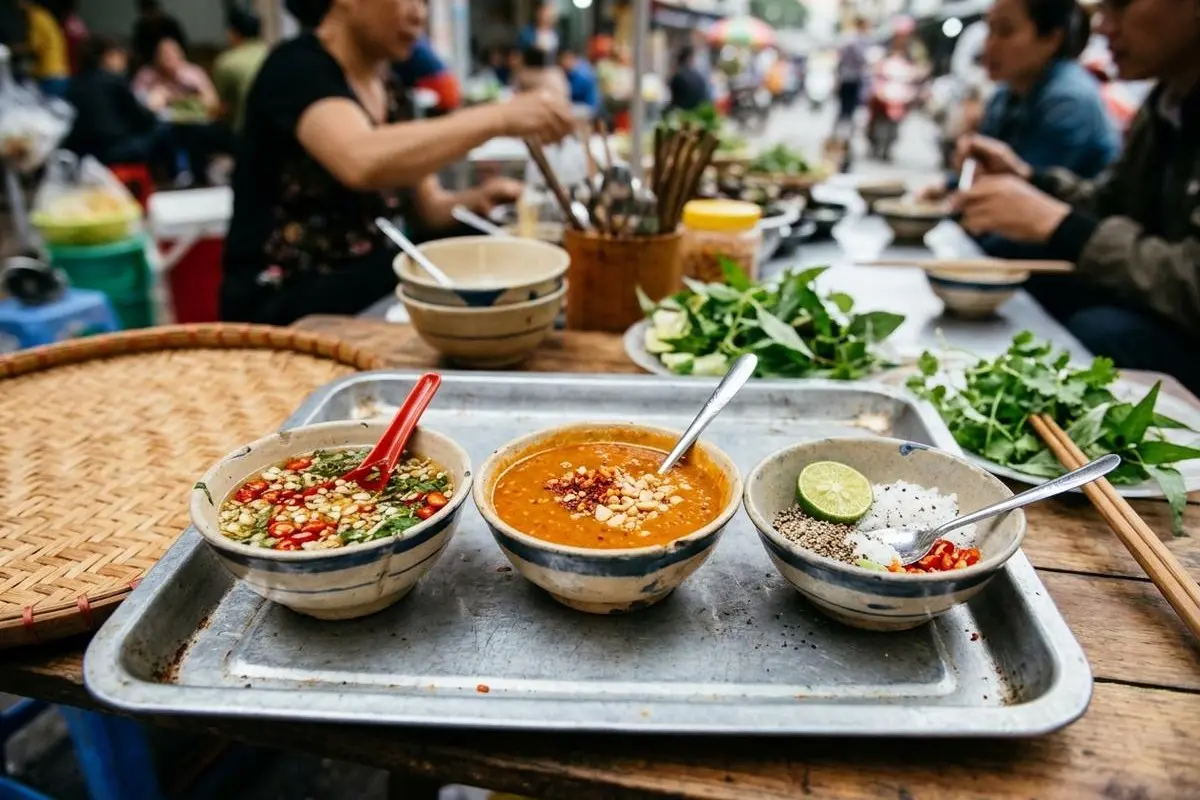
Choose factory-sealed bottles with a clear label, a production date and the protein level printed on the front. Smaller plastic bottles are safer to pack than glass. Fish sauce must go in checked luggage, wrapped in two plastic bags and then in clothes. Some airlines have their own rules for strong-smelling liquids, so ask before you fly.
At home, mix one spoon of fish sauce with lime juice, sugar, water, garlic and chili and you have nuoc cham, the dipping sauce served with spring rolls all over Haiphong.
Dried Squid from the Islands
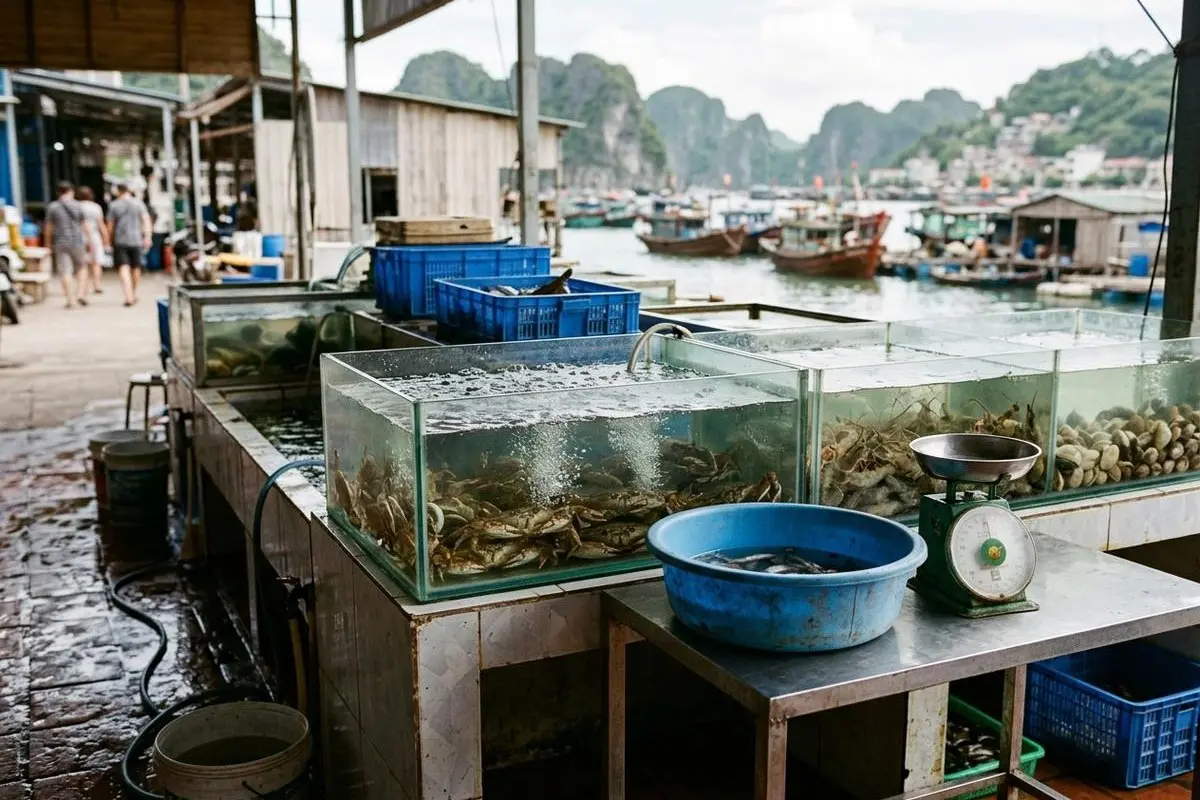
Dried squid is the classic gift that coastal families carry to relatives inland. Much of it comes from the fishing communities around Cat Ba and the other islands of Haiphong, where squid is caught at night and dried in the sun.
How to Pick Good Dried Squid
- Look for thick bodies with even, pale amber color.
- Smell it: good squid smells of the sea, not of ammonia.
- Avoid pieces that look wet, sticky or very white, which can mean poor drying or added chemicals.
- Ask for vacuum sealing. It keeps the smell inside and extends the shelf life.
How Locals Eat It
Grill the squid briefly over charcoal or a gas flame, pound it lightly and tear it into thin strips. Serve with chili sauce or mayonnaise and a cold beer. Prices depend on the size grade and season, so compare a few stalls. Our guide to Haiphong seafood prices per kg explains how sellers grade and price their goods.
Dried Shrimp and Small Dried Fish
Dried shrimp are the quiet hero of the Vietnamese kitchen. A handful adds sweetness to soups, salads and stir-fried vegetables. In Haiphong markets you will see them sorted by size, from tiny shrimp for broth to large ones for snacks.
- Color: bright, natural orange-pink is a good sign. Very bright red can mean added dye.
- Texture: firm and dry, not soft or dusty.
- Uniform size: a bag of even shrimp usually means better sorting and quality.
Small dried fish and fish fillets are cheaper and very popular with Vietnamese families, but their smell is strong. They suit friends who already cook Asian food. For everyone else, dried shrimp are the easier choice.
>>> Bargaining Tips at Haiphong Markets: Shop Like a Local
Recommended tour

Visit local markets, food stalls and coffee shops with a guide who helps you taste, compare and buy the best local specialties.
From $79 per person
Frozen Nem Cua Be Crab Spring Rolls
Nem cua be are the square crab spring rolls of Haiphong, filled with crab meat, pork, mushrooms and vegetables, and wrapped in a crisp rice paper net. Many shops in the city sell them uncooked and frozen, packed in boxes for families to take to other provinces.
This is a great gift for trips inside Vietnam, for example if you continue to Hanoi or fly to Ho Chi Minh City and stay with friends. Ask the shop to pack them in a foam box with ice packs. They are not a good choice for long international flights. Raw meat and seafood products are banned or strictly limited by many countries, and they will not stay frozen long enough anyway.
If you cannot carry them, enjoy them here. Our Haiphong local dishes list shows how to order nem cua be and other local favorites.
Green Bean Cakes from the Hai Duong Area
Banh dau xanh, small square cakes made from mung beans, sugar and a little oil, are one of the most famous sweets of the former Hai Duong province. Since the 2025 merger, that area is part of Haiphong city, so these cakes have become a Haiphong specialty too.
They come in neat paper or plastic boxes, are very light and keep for a long time while sealed. The taste is soft, sweet and slightly crumbly, and Vietnamese people serve them with hot green tea. They are a safe gift for children, colleagues and anyone with a sweet tooth.
- Check the expiry date printed on the box.
- Choose well-known brands with a clear address and seal.
- Pack them on top of your luggage, as the cakes crumble under pressure.
Thanh Ha Lychees, Fresh or Dried
Thanh Ha, also in the former Hai Duong area, is one of the best known lychee regions of Vietnam. The fresh fruit is in season for a short time in early summer, usually around late May and June. During those weeks, roadside stalls and markets are full of red bunches.
Fresh lychees are perfect to eat during your stay or to carry on a short domestic trip, but most countries do not allow fresh fruit in luggage. For international travel, look for dried lychees instead. They are sweet, chewy and sold all year in sealed packs. Always check the import rules of your home country for dried fruit.
>>> What Not to Buy in Haiphong: Souvenir Mistakes to Avoid
Banh Gai Black Leaf Cakes
Banh gai is a dark sticky rice cake made with the leaves of the ramie plant, filled with mung bean, coconut and sometimes lotus seeds, and wrapped in dried banana leaves. Ninh Giang, in the same former Hai Duong area, is famous for it.
These cakes are delicious but short-lived. They are best within a few days of making, so treat them as a treat for your hotel room, a picnic on the way to Cat Ba or a small gift for a host family. Do not plan to take them on a long flight.
Local Coffee and Green Tea
Coffee is part of daily life in Haiphong, from sidewalk stalls to cafes in old colonial houses. Vietnam grows mostly robusta, which gives strong, dark coffee with notes of chocolate. A bag of beans or ground coffee plus a small phin filter makes a light and useful gift.
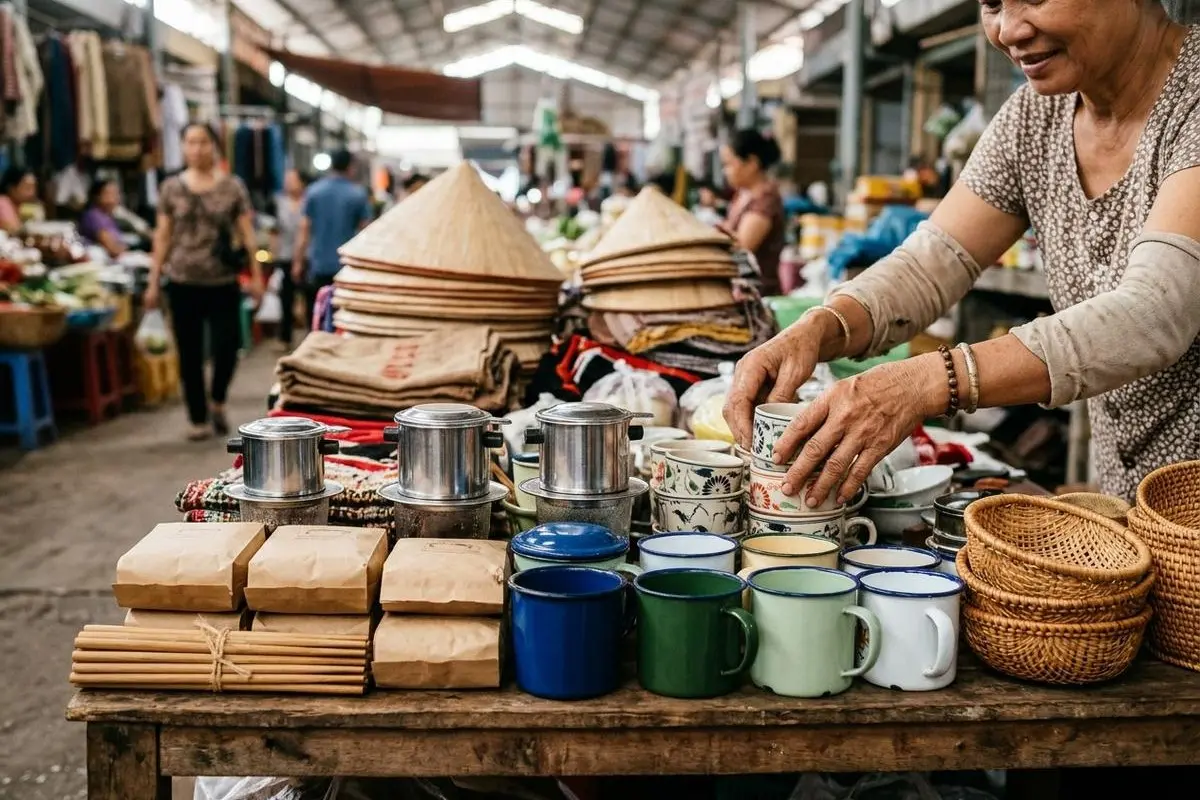
Green tea is just as common. Small cups of hot or iced tea are poured at almost every street stall. Loose tea from the northern hills, sold in simple vacuum packs, pairs perfectly with green bean cakes. For more gift ideas beyond food, see our guide to the best souvenirs to buy in Haiphong.
Shelf Life at a Glance
Use this table to match each specialty to your journey. Times are a general guide for sealed products and can vary by brand, so always read the label.
| Specialty | Keeps for | Best for |
|---|---|---|
| Red banh da noodles (dried) | Several months | Any trip, home cooks |
| Cat Hai fish sauce (sealed) | A year or more | Checked luggage, food lovers |
| Dried squid and shrimp (vacuum sealed) | Several months | Trips where seafood is allowed |
| Green bean cakes (boxed) | Months, check the label | Any trip, sweet tooth |
| Dried lychees | Several months | Any trip, if dried fruit is allowed |
| Coffee and green tea | Several months | Any trip, coffee and tea lovers |
| Frozen nem cua be | Hours without a freezer | Short trips inside Vietnam only |
| Fresh lychees, banh gai | A few days | Eat during your stay |
Match the Gift to the Person
- The home cook: red banh da noodles, a small bottle of fish sauce and a handwritten recipe.
- The snack lover: vacuum-sealed dried squid and a pack of dried lychees.
- The office team: a few boxes of green bean cakes to share.
- The coffee fan: local robusta beans and a phin filter.
- Your host family in Vietnam: fresh lychees in season or a box of frozen nem cua be.
Where to Buy and How to Pack
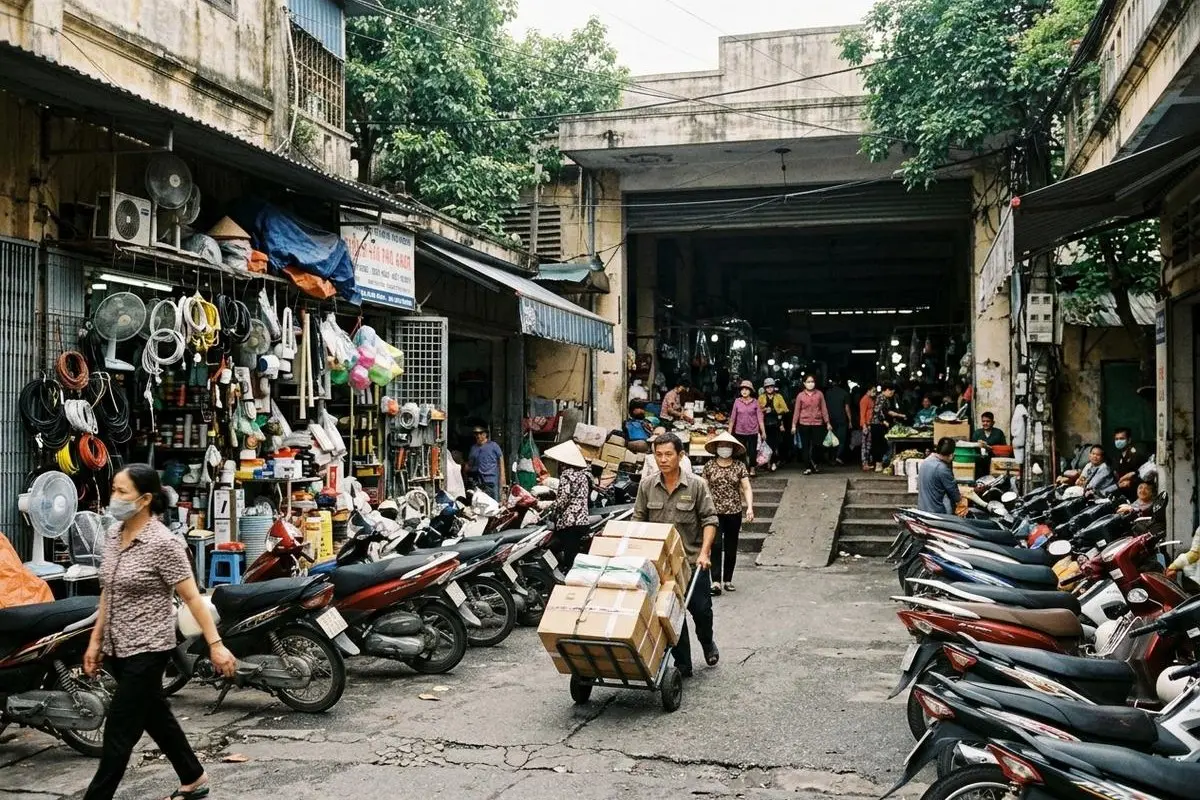
Traditional markets are best for dried seafood, noodles and tea, and bargaining is normal there. Specialty food shops and supermarkets have fixed prices, sealed packaging and labels in Vietnamese, which helps at customs. Coffee is best bought from small roasters who let you smell the beans.
When you pack, keep these simple rules in mind:
- Put liquids and anything smelly in checked luggage, double bagged.
- Choose factory-sealed and vacuum-packed products with printed labels.
- Pack cakes and fragile packs on top, wrapped in soft clothes.
- Declare food at customs when the form asks you to.
- Keep receipts, especially for larger amounts of dried seafood.
Rules change and differ by country, so check the official customs website of your destination before you buy. Our article on duty free and customs rules when leaving Haiphong explains the Vietnamese side of the journey.
Frequently Asked Questions
What is the most famous food gift from Haiphong?
Dried squid and red banh da noodles are the gifts most Vietnamese people link with Haiphong, followed by Cat Hai fish sauce and frozen nem cua be for trips inside the country.
Can I take dried squid on an international flight?
It depends on your destination. Many countries limit seafood and animal products. Buy vacuum-sealed packs, declare them and check your country’s customs rules before you fly.
Which Haiphong specialties keep the longest?
Dried banh da noodles, sealed fish sauce, boxed green bean cakes, dried lychees, coffee and tea all keep for months when sealed and stored in a dry place.
When can I buy fresh Thanh Ha lychees?
The fresh season is short, usually around late May and June. Outside those weeks, dried lychees are sold all year in sealed packs.
Are green bean cakes a Haiphong specialty?
They are a classic of the former Hai Duong province, which became part of Haiphong city in 2025, so many locals now count them as a Haiphong specialty.
Shop for Local Specialties with Haiphong Adventure
The best Haiphong local specialties to bring home are the ones you have already tasted: the red noodles in your morning soup, the fish sauce on your spring rolls and the coffee you sipped on a tiny stool. With a local guide from Haiphong Adventure, you can taste before you buy, find honest shops and get help with packing for your flight. Browse our Haiphong tours and tell us which flavors you want to bring home.
Contact Haiphong Adventure:
WhatsApp, Viber, WeChat: +84(0)934.555.001
KakaoTalk, Line ID: haiphongadventure