Cultural Etiquette For Haiphong Travel Visitors
Good manners open doors in Vietnam, and Haiphong is no exception. If you are planning Haiphong travel for the first time, a little cultural knowledge will help you connect with local people, avoid awkward moments and enjoy the city the way residents do. This guide explains the etiquette that matters most, from greetings and pagoda visits to street food habits, bargaining and traffic. Information on customs and prices is for reference and was checked in October 2026, so always follow the lead of the people around you.
Haiphong is a working port city, not a resort town. People are direct, warm and curious about visitors, and they forgive honest mistakes quickly. You do not need to memorise a rulebook. You only need to understand a few ideas: respect for elders, modesty in sacred places, patience in busy settings and a sense of humour when plans change.
Why Etiquette Matters When You Plan Haiphong Travel
Haiphong sees far fewer foreign visitors than Hanoi or Halong Bay, so many locals are genuinely pleased to meet you. That goodwill is easy to keep when you show basic respect. A smile, a small bow of the head and a few Vietnamese words go a long way.
Vietnamese culture values harmony and “face”, meaning a person’s dignity in front of others. Raising your voice, arguing loudly over a small price or openly criticising someone can cause that person to lose face, and the situation rarely improves. Staying calm, friendly and flexible is the single most useful habit for any traveller here.
Respect for age and hierarchy
Age matters. Older people are greeted first, served first at the table and usually given the best seat. If you travel with a local guide or share a table with a family, watch who sits and eats first and follow their lead. When you hand something to an older person, use both hands or support your right forearm with your left hand. It is a simple gesture that shows respect.
Patience and flexibility
Schedules in Vietnam can be relaxed. A restaurant may close early when the food runs out, a ferry may leave a little late and a shop may open when the owner arrives. Treat it as part of the experience and not as a problem to complain about.
Greetings and First Impressions
Greetings in Vietnam are gentle and unhurried. A smile and a nod are always safe. Many locals, especially younger people, will offer a handshake, and in business settings men and women both shake hands lightly. Older women and some men may prefer a nod instead, so wait to see whether a hand is offered.
Useful words to know
Learning a few words shows effort, and people respond warmly. “Xin chao” (sin chow) means hello, “cam on” (gahm uhn) means thank you, and “xin loi” (sin loy) means sorry or excuse me. Locals also say “vang” (yes, politely) and “khong” (no). Even clumsy pronunciation will earn a smile.
Names and titles
Vietnamese names list the family name first. Locals often address each other by a family title such as “anh” for a slightly older man, “chi” for a slightly older woman or “em” for someone younger. You can simply use the person’s first name with a polite tone, and nobody will mind if you get the title wrong.
Avoid touching people’s heads, even children’s, and avoid hugging or touching near strangers. Light physical contact is more common between friends of the same gender, so do not be surprised if a local guide links arms or pats you on the shoulder during a long day out.
Dress Codes for Temples, Pagodas and Daily Life
Haiphong is a relaxed, modern city, and shorts and T-shirts are fine for sightseeing in hot weather. Still, modest clothing is appreciated and is required at religious sites. When you pack for Haiphong travel, keep one light shirt that covers your shoulders and one pair of trousers or a long skirt that covers your knees.
What to wear in sacred places
Cover your shoulders and knees when you enter a pagoda, temple or communal house. Avoid very short shorts, low necklines, see-through fabric and hats inside the main hall. A thin scarf or a light overshirt in your daypack solves most problems in seconds.
Everyday dress and weather
Summers are hot and humid, and the rainy season brings sudden showers, so breathable fabrics and a small rain jacket are practical. In winter the city can feel surprisingly cool and damp, especially on a motorbike, so bring a light jacket. Closed shoes are best for motorbike rides, and slip-on sandals are handy because you will take your shoes off often.
Visiting Pagodas and Communal Houses
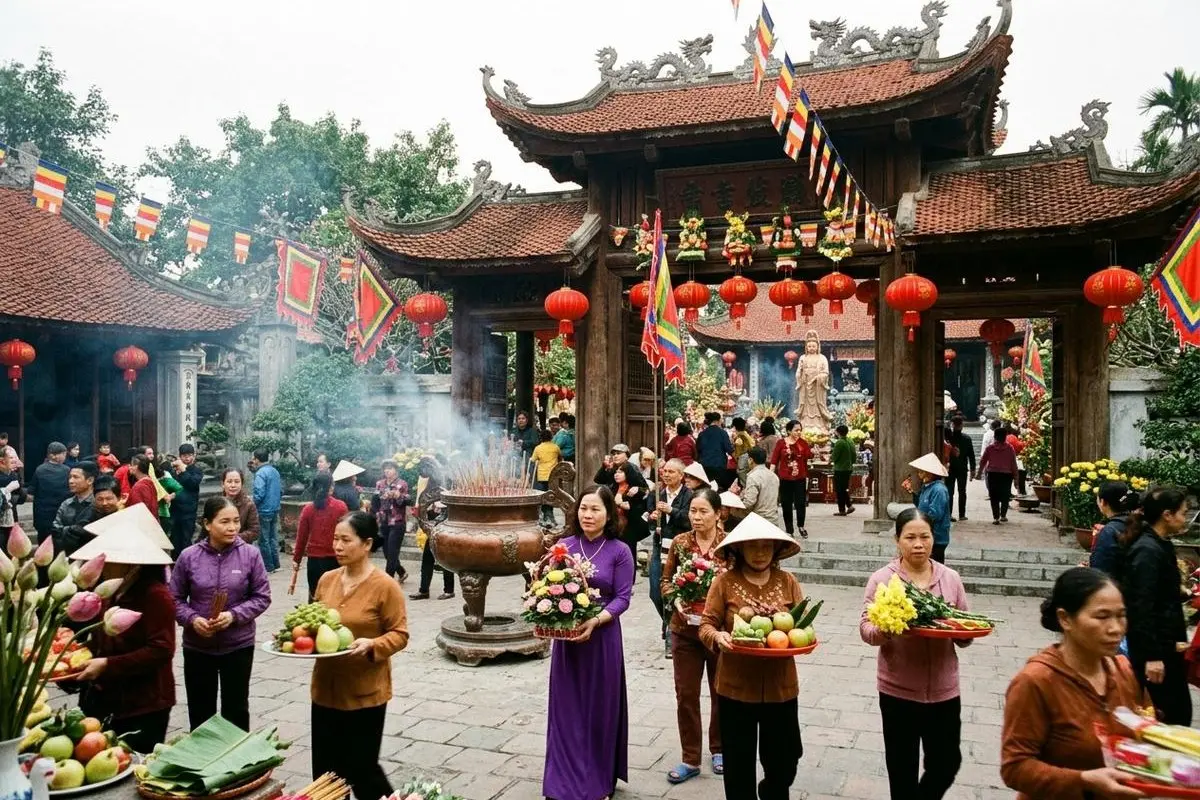
Many families in Haiphong still visit pagodas on the first and fifteenth days of the lunar month, and they are busiest around Tet, the Lunar New Year. These places are working religious spaces, not museums, so quiet and respectful behaviour is expected.
Basic rules at the gate and in the hall
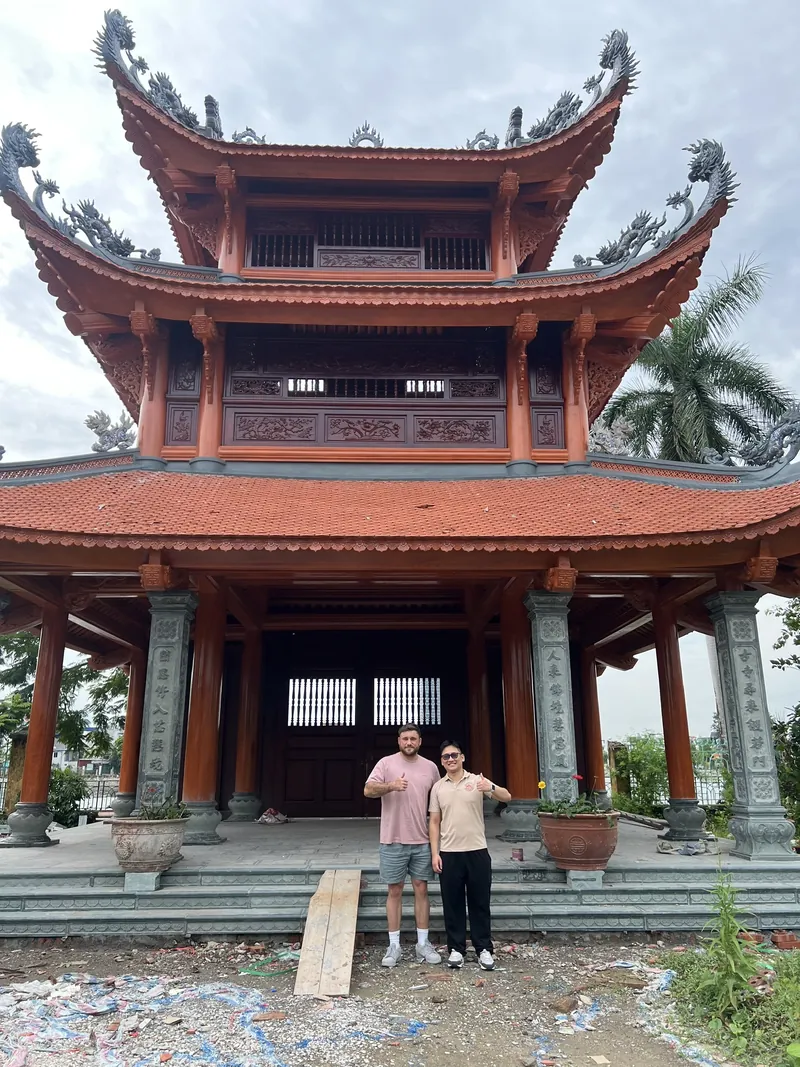
Speak softly, silence your phone and walk slowly. Remove your shoes at the entrance to the main hall if other people do, and place them neatly to the side. Step over the wooden threshold rather than on it, since locals consider it part of the sacred space. Do not point your feet toward the altar or statues, and do not sit with your back to the altar if you can avoid it.
You do not have to pray or burn incense. If you wish to join, copy what worshippers do, hold the incense with both hands and place it in the burner calmly. Donations are voluntary. A small contribution in the donation box is welcome, and nobody should pressure you.
Monks, nuns and ceremonies
Do not touch monks or nuns, and women should avoid handing items directly to a monk. Place offerings on a table instead. If a ceremony is taking place, stay at the back, keep your voice down and ask permission before photographing anyone. For more places that suit curious travellers, see our list of cultural things to do in Haiphong.
Eating Etiquette at Street Stalls and Family Meals
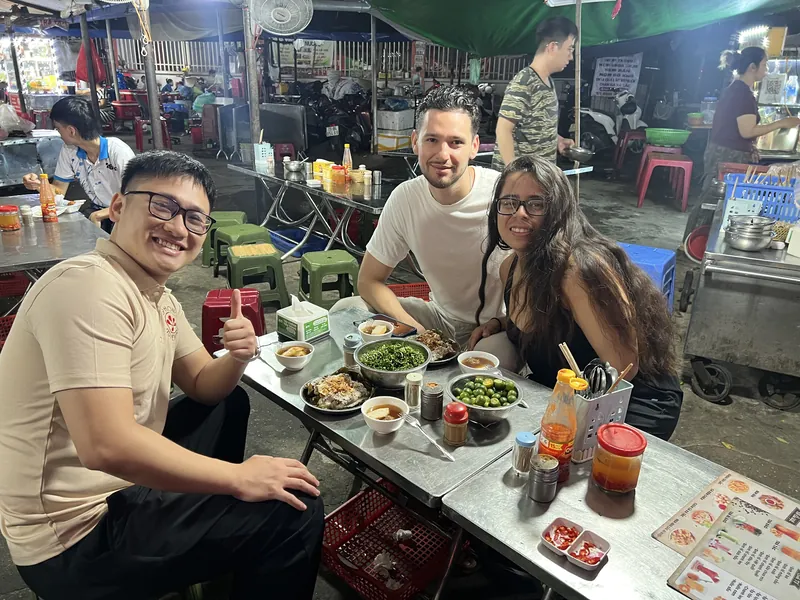
Food is the best way into local culture, and the table is where manners show most. Haiphong is famous for dishes such as banh da cua, a crab noodle soup made with brown rice noodles, and for plenty of small snacks served from roadside stalls. You will often sit on small plastic stools at low tables, and that is completely normal.
At a street stall
Point to what you want, smile and say “cho toi cai nay” (I would like this). Stalls are often crowded, so sharing a table with strangers is common. Do not waste food, and finish what you order if you can. Place used tissues in the bin or on the table as locals do, because floors at some stalls are part of the cleaning routine. Look for busy stalls with high turnover, which is the best sign of fresh food. Our street food adventure shares dishes to try.
Chopsticks and shared dishes
Never leave chopsticks standing upright in a bowl of rice, since that resembles incense sticks offered to the dead. Do not pass food from chopstick to chopstick either. Rest your chopsticks across the bowl or on the holder. At family meals, take food from shared plates with the serving utensils or the clean end of your chopsticks, and put it into your own bowl first.
Dietary needs
Fish sauce, shrimp paste and pork are everywhere. If you have allergies or follow a vegetarian diet, tell your host or guide before you order, and use simple phrases such as “toi an chay” (I eat vegetarian). Cross contamination can happen at small stalls, so be prepared to choose carefully.
Recommended tour

Explore the real Haiphong with a local guide, from colonial landmarks to family-run eateries, and practise your new etiquette along the way.
From $79 per person
Tipping, Bargaining and Paying
Tipping is not required in Vietnam, but it is appreciated for good service. In restaurants, check whether a service charge is already included. For a private guide or driver, a small tip at the end of the day is a kind gesture, not an obligation. Prices and customs change, so ask your tour operator what is usual at the time of your trip.
Bargaining with a smile
You can bargain at markets and with some street vendors, especially for souvenirs and clothing, but it should be friendly, not aggressive. Start by asking the price, then suggest a slightly lower number and meet in the middle. If you cannot agree, thank the seller and walk away. Do not bargain in restaurants, supermarkets, small food stalls or when the price is posted. The few thousand dong you save are rarely worth a seller’s lost dignity.
Paying and handling cash
Cash is still the easiest way to pay at street stalls, though many cafes and shops accept cards and QR transfers. Carry small notes, and hand over money with both hands or with your right hand supported by the left. Check your change quietly and politely. Compare the prices of similar drinks or taxi rides before you pay, because a gentle question is better than an argument.
Photography and Respecting Privacy
Haiphong is photogenic. The Cau Quay swing bridge, the colonial Opera House and the old streets all make beautiful pictures. Even so, people are not scenery.
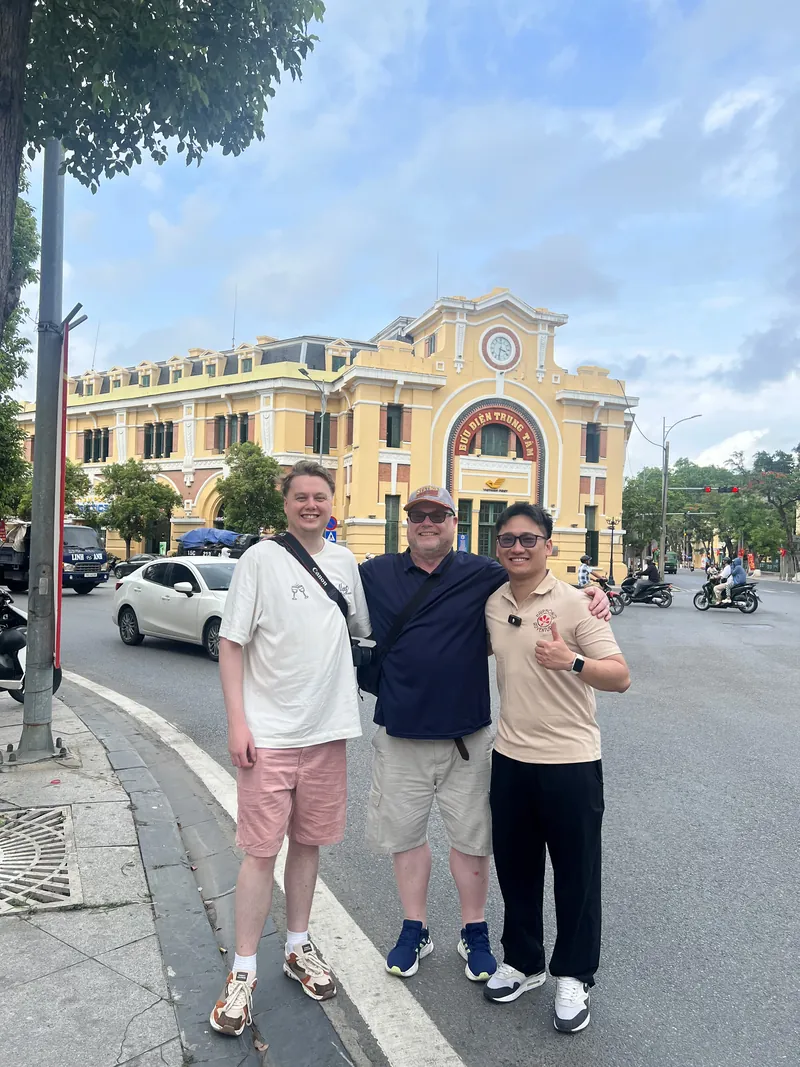
Ask before you photograph people
Make eye contact, smile and gesture toward your camera. Most people will happily agree, and many will want to see the result. If someone shakes their head or turns away, respect it immediately. Be extra careful photographing children and women at work, and never take pictures inside a home without invitation.
Sensitive places and drones
Do not photograph military sites, port facilities or officials on duty, and check the rules before flying a drone, since it can need permission. Inside pagodas, avoid flash and never pose in front of an altar in a disrespectful way. At memorials and cemeteries, keep a respectful distance.
Traffic, Motorbikes and Crossing the Street
Traffic can look chaotic, yet there is a rhythm. Motorbikes flow around you like water, so the key to crossing is to walk at a slow, steady pace and never stop suddenly or run. Make eye contact with drivers when you can, and let the stream of motorbikes adjust to you.
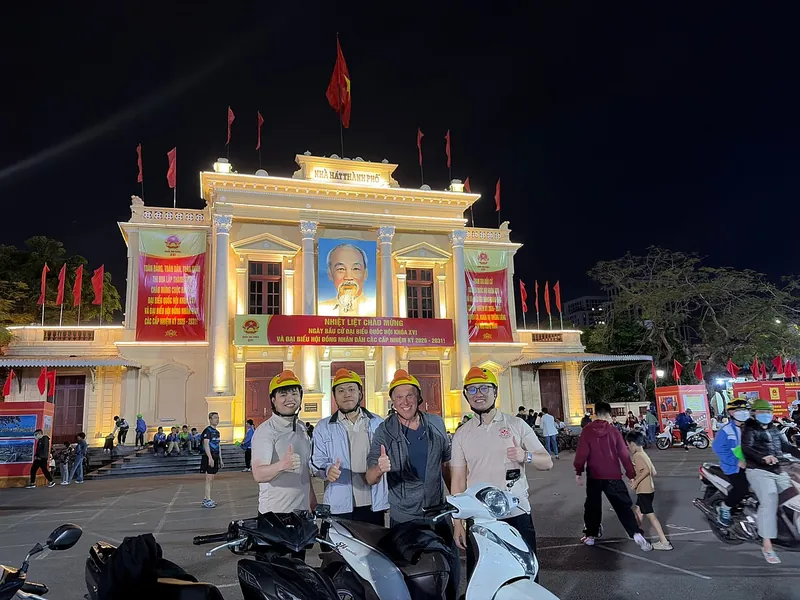
Riding as a passenger
If you join a guided ride, wear the helmet your guide provides, keep your feet on the pegs and hold on as instructed. Lean with the rider, not against them, and avoid sudden movements. Do not touch the exhaust, which gets very hot. Our motorbike tour safety tips explain what to expect and how to stay comfortable on the road.
Horns, parking and sidewalks
Horns are used to say “I am here”, not to show anger. Sidewalks are often used for parking and for small cafes, so you may have to walk around bikes. Park your bike where others do, and never block a shop entrance. If you rent a motorbike yourself, check the licence requirements carefully and understand the insurance before riding.
Social Rules, Gestures and Conversation
Vietnamese people are friendly and may ask personal questions that surprise visitors, such as your age, whether you are married or how much you earn. These questions are meant as friendly interest, not as rudeness. Answer briefly or change the subject with a smile if you prefer.
Gestures to avoid
Do not point with one finger at people, since it can seem rude. Use an open hand instead. Beckoning with a palm up is also impolite, so gesture with your palm down. Crossing your arms in front of an elder may look defiant, and pointing your feet at people or at food is considered disrespectful. Avoid touching someone’s head or shoulders, and keep your voice at a polite volume.
Visiting a home
If you are invited to a home, take off your shoes at the door, accept a drink even if you only take a sip and bring a small gift such as fruit or sweets. Give and receive with both hands. Avoid giving gifts in sets of four, since the number is linked to bad luck, and be gentle when you refuse more food, because hosts show care by offering plenty.
Talking about history and politics
Haiphong has a proud, complex history, and locals enjoy sharing it. Ask questions with curiosity and avoid arguing about politics, the war or comparisons that could cause offence. Listen first, and you will learn far more.
Coffee, Beer and Nightlife Manners
Social life happens on the pavement. A cup of iced coffee on a plastic stool can last an hour, and nobody will rush you.
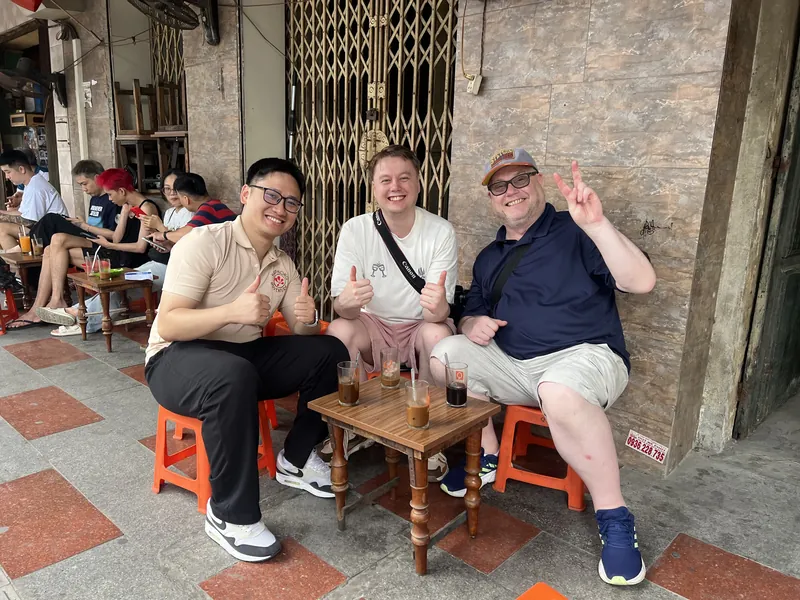
Cafe habits
You usually order at the counter or from a server who comes to you, and you may pay when you leave. Say “ca phe sua da” for iced coffee with condensed milk. Linger as long as you like, but do not move furniture around crowded spots without asking.
Drinking and toasts
Beer is cheap and social. When glasses are raised, the traditional toast is “mot, hai, ba, dzo” (one, two, three, cheers). Drink at your own pace and say no politely if you have had enough. It is also fine to stay with soft drinks or tea. Never drive after drinking, and keep an eye on your phone and bag in crowded bars. Our weekend itinerary suggests relaxed evening stops.
Handling Mistakes and Staying Safe
You will make a few etiquette mistakes, and that is perfectly fine. Apologise with “xin loi”, smile and carry on. Locals appreciate sincerity more than perfection.
For safety, keep copies of your passport, carry only the cash you need and take care of your phone when walking near the road. Use official taxis or ride-hailing apps, confirm the price or meter before you start, and keep emergency contacts in your phone. If something goes wrong, ask a hotel or guide for help rather than arguing in the street. Travelling with a local guide is the easiest way to learn these customs, and our advice on joining a tour solo or with a group can help you decide which style suits you.
Frequently Asked Questions About Haiphong Travel Etiquette
Is it rude to wear shorts in Haiphong?
No, shorts are fine in the city. However, cover your knees and shoulders in pagodas, temples and communal houses, and carry a light cover-up in your bag.
Do I need to tip in Haiphong?
Tipping is optional. A small tip for a guide, driver or good restaurant service is appreciated, but nobody expects it. Check whether a service charge is already included.
Can I bargain in Haiphong?
Yes, at markets and souvenir stalls, politely and with a smile. Do not bargain at restaurants, supermarkets or food stalls with fixed prices.
Is it okay to take photos of local people?
Ask first. Most people are happy to agree, and a smile helps. Always respect a refusal, and be especially careful around children and religious ceremonies.
What should I do if I make a cultural mistake?
Say “xin loi”, smile and move on. Local people are forgiving of visitors who show a sincere effort to respect the culture.
Plan Your Haiphong Travel With Local Guides
Etiquette is easiest to learn when someone shows you in person. With Haiphong Adventure, our local guides can lead you through markets, pagodas and street food stalls, and explain the customs as you go. Browse our Haiphong tours to choose a motorbike, food or city experience that fits your trip.
Questions before you book? Contact us any time:
WhatsApp, Viber, WeChat: +84(0)934.555.001
KakaoTalk, Line ID: haiphongadventure