Temples and Pagodas in Haiphong Worth Adding to Your Trip
Looking for temples and pagodas in Haiphong that are worth a stop? Start with a handful of living places of worship in the city center, such as Du Hang Pagoda, Nghe Temple and Hang Kenh Communal House, then add a village temple or a coastal pagoda if you have a spare half day. Most are free or very cheap to enter, quiet in the morning and easy to reach by taxi, ride app or motorbike.
Haiphong is better known for its food and its gateway to Cat Ba, so its spiritual side surprises many visitors. In this guide the Haiphong Adventure team shares the places we like to show guests, how to behave inside, what to wear and how to combine several stops in one relaxed day. Opening hours, festival dates and rules change, so treat every detail as a reference only, updated November 2026.
Why Visit Temples and Pagodas in Haiphong
Vietnamese temples and pagodas are not museums. They are working community spaces where families light incense for ancestors, elders chat in the courtyard and neighbors gather on the first and fifteenth day of the lunar month. Visiting one is one of the easiest ways to see everyday religious life without joining a big group tour.
Haiphong adds a few special touches. It is a port city with a long river and sea history, so many shrines honor local heroes, sea spirits and the founders of old villages as well as the Buddha. You will often see Buddhist halls, ancestor altars and folk deities sitting side by side in the same compound.
- Calm: most sites are far less crowded than famous pagodas in Hanoi.
- Architecture: sweeping tiled roofs, carved wooden columns, stone steps and old trees.
- Local life: a window into festivals, offerings and neighborhood traditions.
- Easy logistics: several highlights sit within a short ride of the old center.
Pagodas and Temples in the City Center
If you only have a few hours, stay in the central districts. You can combine two or three stops with a coffee break and a bowl of banh da cua in between.
Du Hang Pagoda
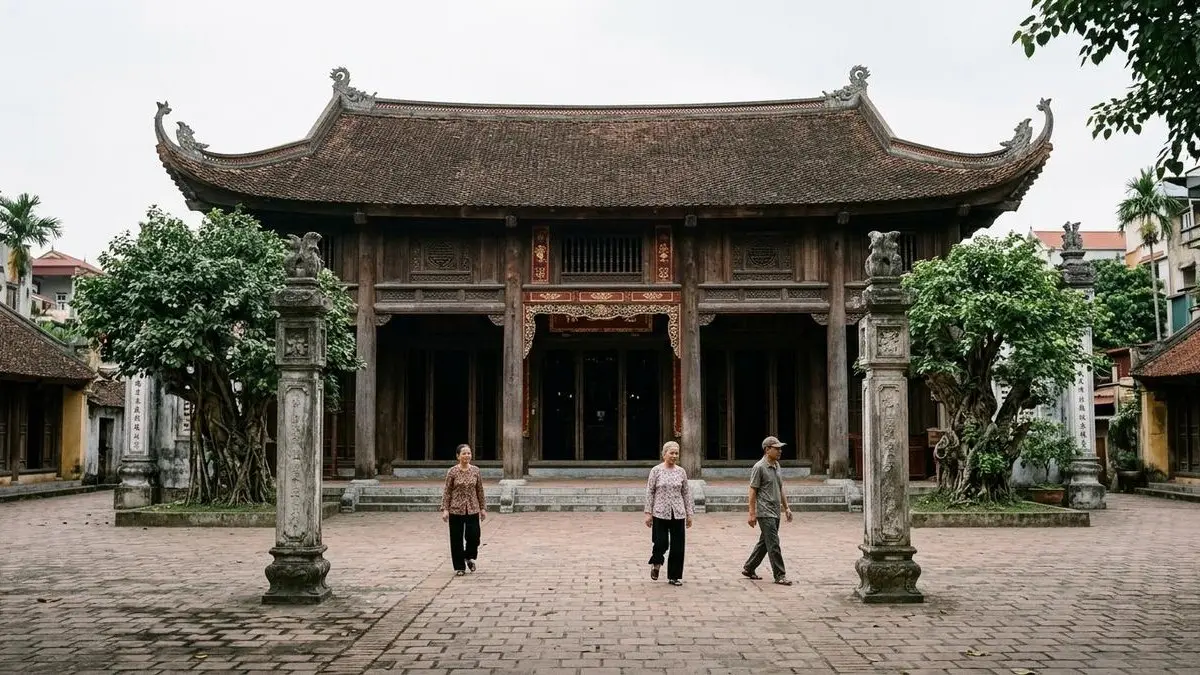
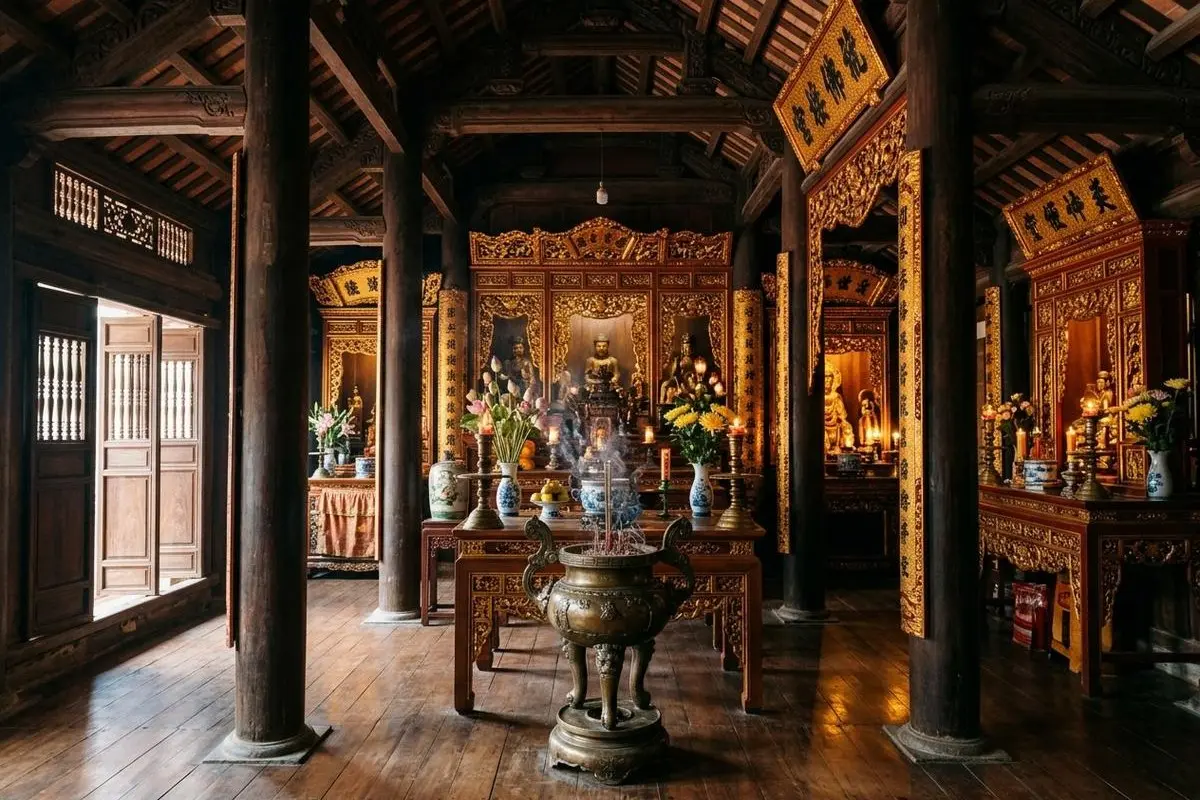
Du Hang Pagoda is one of the best known Buddhist pagodas in Haiphong and a favorite with photographers. Look for the three-entrance gate, the layered tiled roofs, the stone courtyard and the dark wooden columns inside the main hall. It has a long history and is recognized locally as an important heritage site, but we do not quote exact dates here because sources differ. If you want a guide to explain the details, ask at the gate or book a local host.
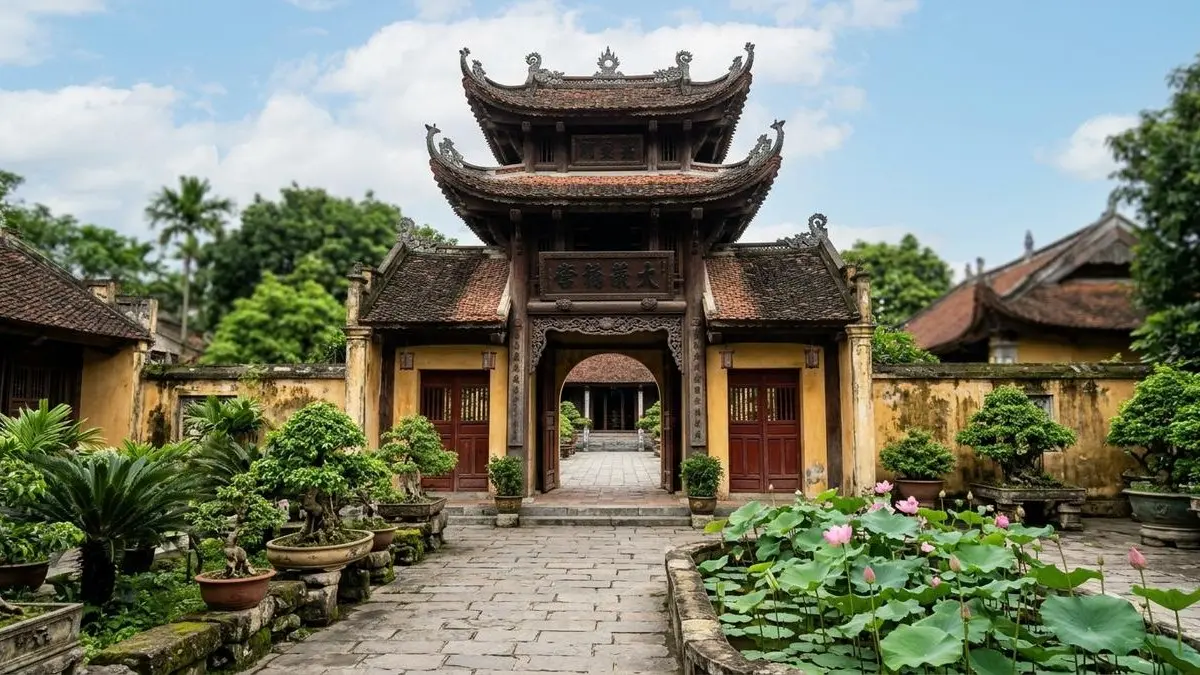
Go early in the morning or late in the afternoon, when the light is soft and the courtyard is quiet. On the first and fifteenth day of the lunar month more local worshippers come, which is lovely to watch but means less space for photos.
Nghe Temple
Nghe Temple is a local favorite, linked in popular memory with Le Chan, the female general honored as a founder of the Haiphong area. The compound has shaded courtyards, stone animals and altars that locals visit for blessings. It is a good example of a folk shrine that mixes history, legend and daily worship.
Hang Kenh Communal House
A communal house, or dinh, is a village meeting hall that also honors a guardian spirit. Hang Kenh Communal House is famous for the detailed wooden carving on its beams and roof frame. Even if you cannot read the Han Nom inscriptions, take time to look up at the dragons, flowers and clouds.
For more cultural stops that pair well with these sites, read our guide to cultural things to do in Haiphong.
>>> Cultural Insights From A Haiphong City Tour Day
Linh Quang Pagoda and other neighborhood pagodas
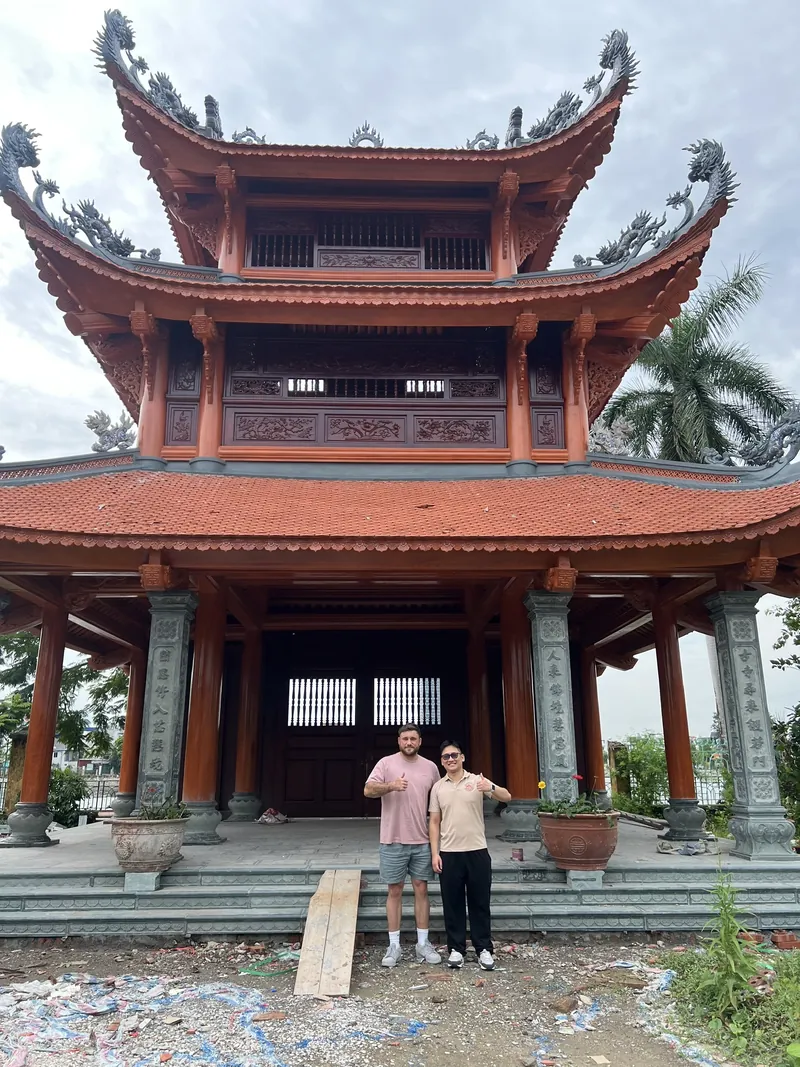
Many small pagodas are tucked into alleys and between shophouses. Linh Quang Pagoda, with its red-roofed bell tower, is one we stop at on our motorbike tours because the tower makes a striking backdrop. Smaller neighborhood pagodas may be closed at midday, so do not worry if a gate is shut. Simply move on and try another.
Temples and Shrines Outside the Center
With half a day and some form of transport, the countryside and the coast add very different atmospheres.
Do Son and the coast
The Do Son peninsula has hillside pagodas and small shrines facing the sea. Fishermen and boat owners have long prayed here for safe voyages, and you may notice offerings of fruit, flowers and incense. Do Son is also famous for its buffalo fighting festival, so check the lunar calendar if you want to see local traditions up close.
Village temples among the rice fields
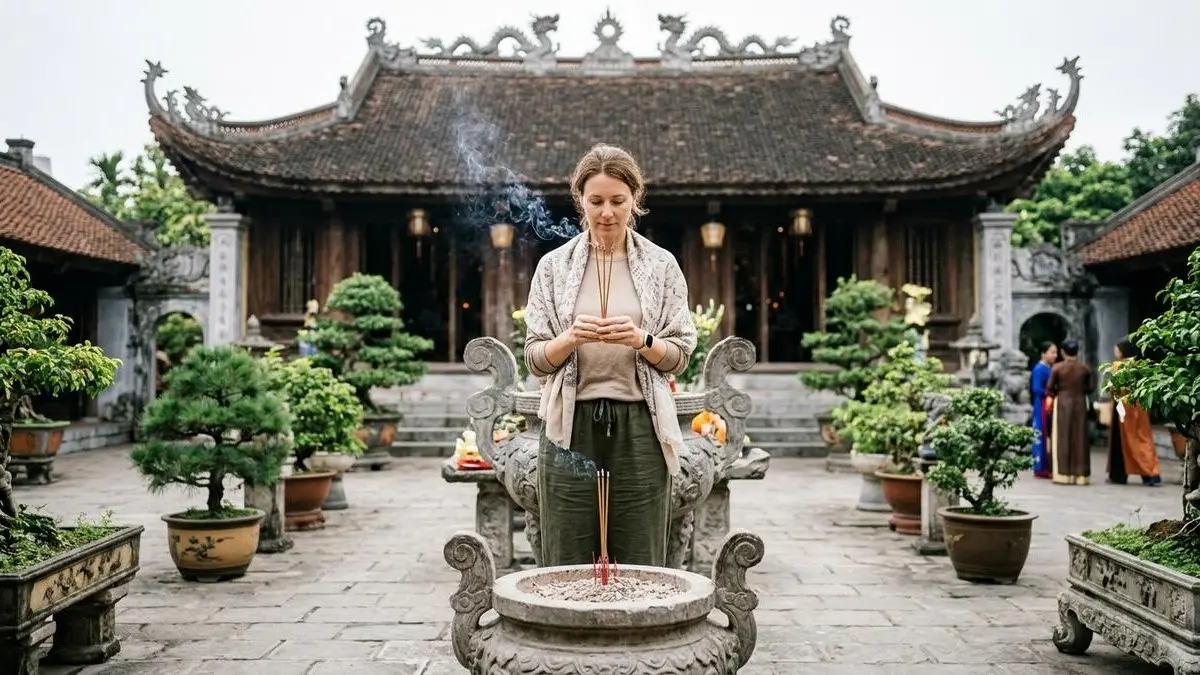
Past the city edge you will find old village temples with curved roofs, moss-covered walls and big shady trees. They are often unstaffed, so you may only meet a caretaker or a neighbor sweeping the yard. Be quiet, ask before taking photos and leave a small donation if a box is available.
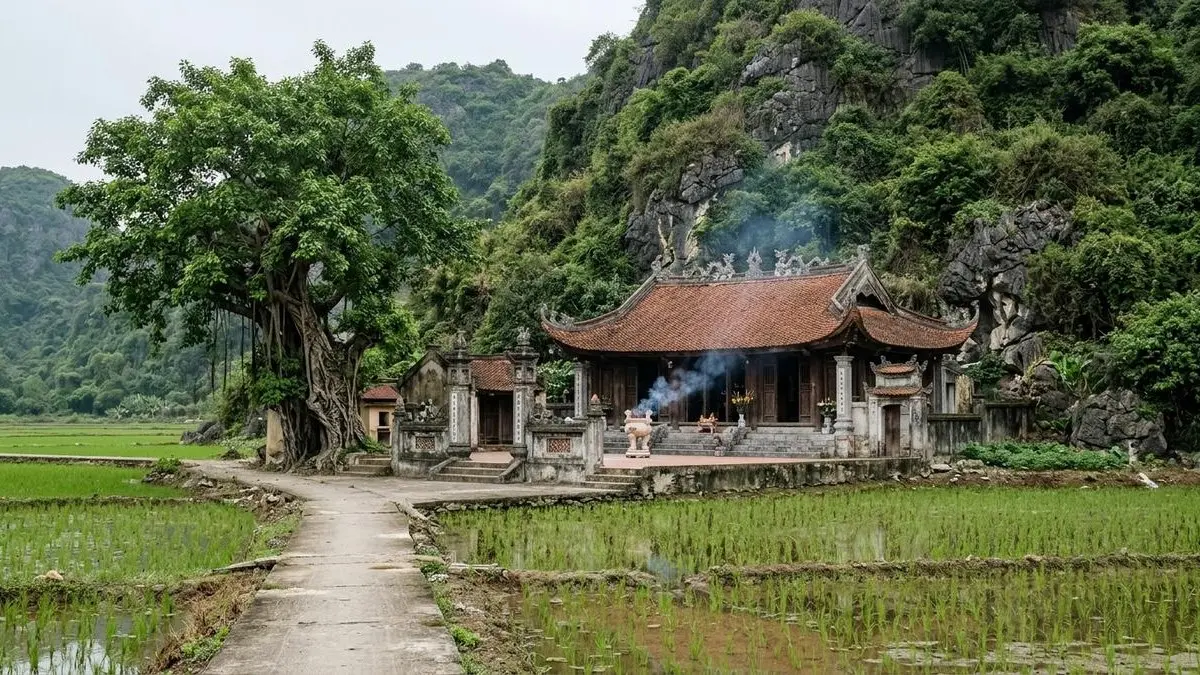
Riding out to these villages is much easier with a local guide who knows which gates are open and which families look after each shrine. See our story of exploring rural villages by motorbike for a taste of the route.
Shrines honoring national heroes
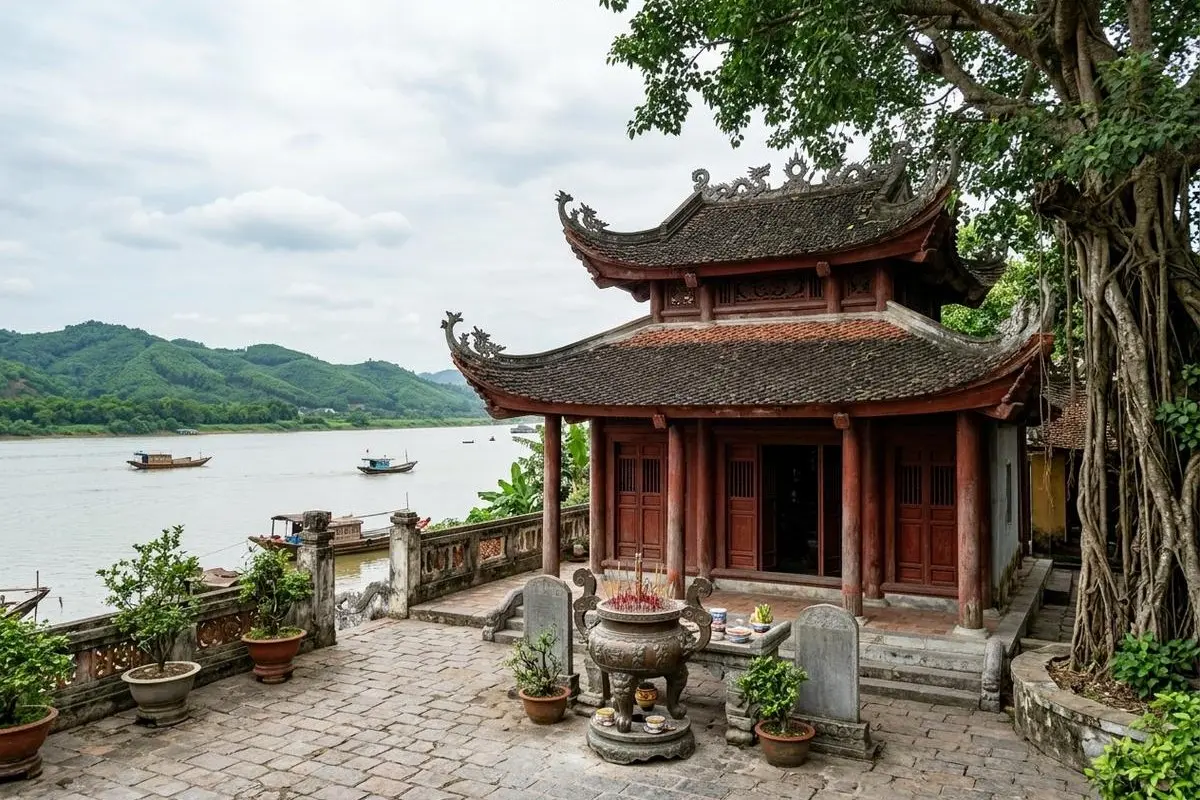
Along the rivers of Haiphong you will find temples that honor generals and heroes who defended the country, especially around the Bach Dang River area. They are quieter than pagodas and give a feel for the city’s military and river history.
Temple Etiquette for Foreign Visitors
A few simple habits will make your visit smoother and show respect to worshippers.
- Dress modestly: cover shoulders and knees. Bring a light shirt or scarf in your bag.
- Take off hats and sunglasses: especially inside the main hall.
- Remove shoes where others do: look for shoes lined up at the steps and follow the example.
- Keep your voice low: do not shout, run or take phone calls inside.
- Do not point your feet at altars or statues: sit with your legs tucked to the side if you rest.
- Ask before photographing people: and avoid flash near altars.
- Do not touch statues or offerings: and do not step on door thresholds.
- Donate if you wish: small notes in the donation box are appreciated but never required.
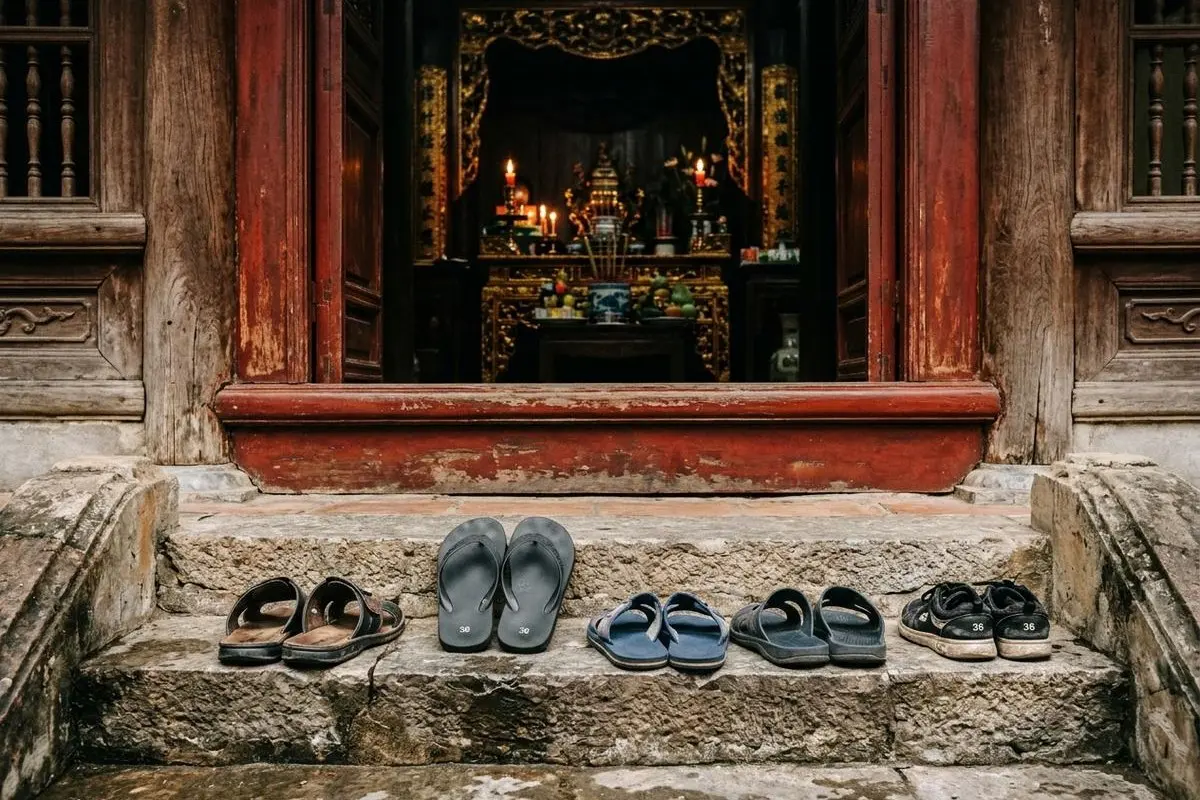
If you are not sure what to do with incense, simply watch the locals or skip it. Nobody will mind if you only walk and observe.
Best Time to Visit and Festival Days
Temples and pagodas in Haiphong are open all year, but the mood changes with the calendar.
- Early morning: the calmest time, with soft light and fewer visitors.
- First and fifteenth day of the lunar month: more worshippers and offerings.
- Lunar New Year (Tet) season: many families visit to pray for the new year, and some temples are crowded.
- Local festival days: villages hold processions, music and games. Dates follow the lunar calendar, so confirm locally before you plan around them.
- Midday: some small sites close for a rest, and it is hot in summer.
Cooler months from autumn to early spring are the most comfortable for walking between stops, while summer calls for water, a hat for the walk and early starts.
>>> Unusual Things To Do In Haiphong Off Beaten Path
Sample One Day Temple Route
This simple plan keeps travel short and leaves room for lunch. Adjust it to your pace.
- Morning: start with Du Hang Pagoda while it is quiet.
- Late morning: walk or ride to Hang Kenh Communal House to see the carved beams.
- Lunch: try banh da cua or banh mi cay in the old center.
- Early afternoon: visit Nghe Temple and a small neighborhood pagoda.
- Late afternoon: ride out to a village temple or the coast for sunset.
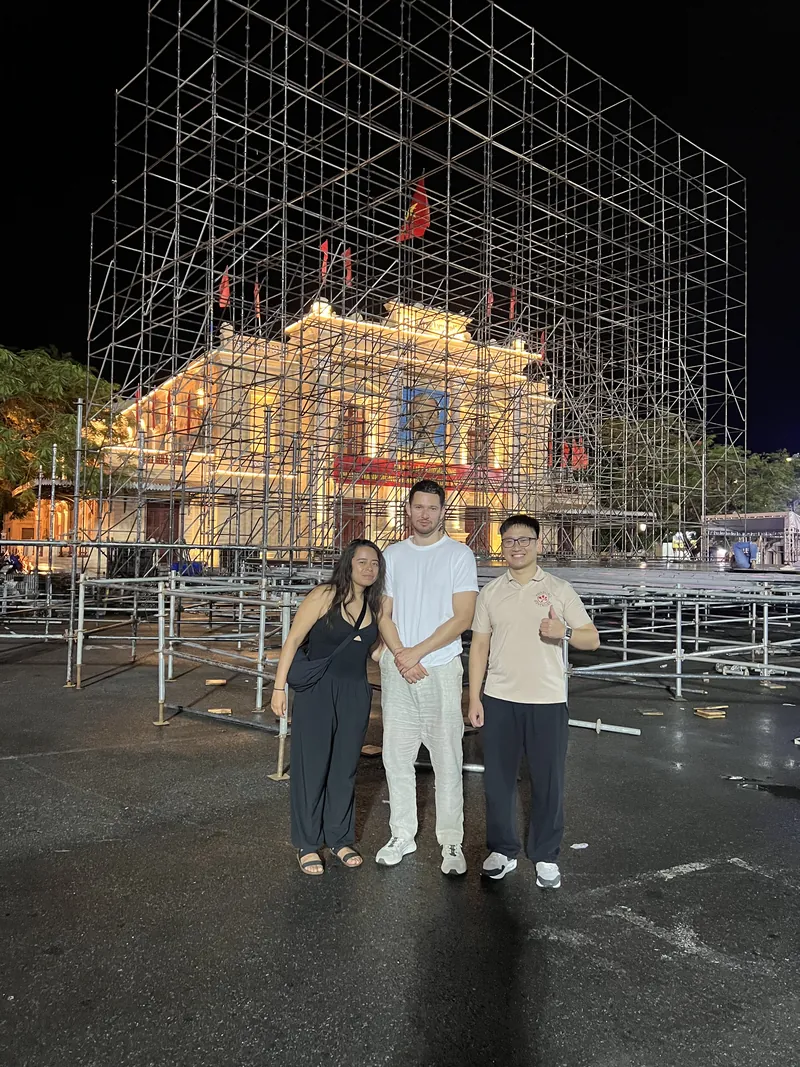
- Evening: end with dinner near the Opera House square.
Recommended tour
Haiphong Countryside & Coastal Landmarks

Want the countryside shrines and coastal pagodas without the planning? A local guide rides with you, explains what you see and handles the route.
From $79 per person
How to Get Around
- Walking: some central stops are close enough to combine on foot in cooler weather.
- Ride apps and taxis: Grab, Be and Xanh SM make short hops easy. Check the price on the app before you ride.
- Motorbike with a guide: the best option for villages and the coast, since signposts are often in Vietnamese only.
- Private car: comfortable for families and older travelers.
Not sure about the logistics of a full day out? Our private Haiphong tour article explains what a local guide adds, from route planning to local etiquette.
Practical Tips Before You Go
- Carry small cash: for donations, incense or a bottle of water.
- Check opening hours: many sites open early and close for lunch. Times can change.
- Wear easy shoes: you will take them on and off several times.
- Use a translation app: signs and inscriptions are mostly in Vietnamese and Han Nom.
- Respect closed gates: if a site is closed for a ceremony, come back another time.
- Be flexible: a small temple that is closed can be replaced by a street snack and a new view.
For a budget-friendly mix of sights, see our list of free things to do in Haiphong, where many pagodas and shrines appear.
>>> My Favorite Things To Do In Haiphong On Weekend
Frequently Asked Questions
Which is the most famous pagoda in Haiphong?
Du Hang Pagoda is one of the best known, thanks to its old gate, wooden halls and central location. Other popular spots include Nghe Temple and Hang Kenh Communal House.
Do I need to pay to enter temples and pagodas in Haiphong?
Most are free to enter. A donation box is usually available if you want to give a small gift, but it is not required. Rules can change, so check locally.
What should I wear to a pagoda?
Wear modest clothes that cover shoulders and knees. A light scarf or shirt in your bag is handy for impromptu visits.
Can I take photos inside?
Usually yes in courtyards and halls, but avoid flash, never photograph worshippers without asking and follow any signs.
How long do I need to visit several temples?
Plan about 30 to 45 minutes for each stop in the center. A full day lets you add a village temple and a coastal pagoda.
Add a Quiet Moment to Your Haiphong Trip
Temples and pagodas in Haiphong give you a calm, authentic counterpoint to street food and city sights. Pick two or three stops, dress respectfully and move slowly. The details you notice, from carved beams to curls of incense smoke, are often what travelers remember most.
Want a local guide to plan the route, handle transport and explain the traditions? Haiphong Adventure is happy to help. Contact us:
- WhatsApp, Viber, WeChat: +84(0)934.555.001
- KakaoTalk, Line ID: haiphongadventure
Safe travels and welcome to Haiphong.