Do Son Buffalo Fighting Festival Guide: Rituals and Tips
This Do Son buffalo fighting festival guide walks you through the whole event the way locals experience it: months of choosing and training the buffaloes, temple rituals on the eve, a grand procession and flag dance on the main day, short but intense fights in the arena, and the sacred offering that ends it. The finals take place on the 9th day of the eighth lunar month, usually in September, in the seaside town of Do Son, about 20 km from central Haiphong.
It is one of the most powerful traditional festivals in northern Vietnam, and it is not a show put on for tourists. Below we explain each ritual step in order, then share practical tips on tickets, transport, where to sit and what to expect emotionally, so you can decide whether it is right for you.
What the Festival Is Really About
At its heart, the festival is a prayer. Do Son has always been a fishing community, and people here depend on the sea. The buffalo fighting is part of a ritual to honor the local guardian deity linked to water and to pray for calm seas, good catches and a peaceful year.
The fighting buffaloes are treated as sacred during the festival period. Villagers believe that the strength and spirit of the winning buffalo bring luck to its owners and to the whole community. That is why preparation is taken so seriously and why the festival ends with an offering rather than a simple prize ceremony.
The Do Son Buffalo Fighting Festival has been recognized as part of Vietnam’s national intangible cultural heritage. For an overview of its history and meaning, see our article on Do Son Buffalo Fighting Festival traditions and visitor tips.
Do Son Buffalo Fighting Festival Guide to the Ritual Steps
The festival is not a single day. It is a cycle that runs through much of the year. Here are the main stages in order.
Step 1: Choosing the buffaloes
Months before the festival, owners and buyers travel widely in search of the right animals. Experienced selectors look for specific qualities, passed down through generations:
- A broad, deep chest and strong neck
- Long, curved and sharp-looking horns
- Dark, glossy skin with fine hair
- Bright eyes and a calm but confident temperament
- Strong legs and a solid stance
Step 2: Raising and training
Once chosen, each buffalo is kept apart from other animals and cared for with great attention. It gets selected food, regular baths and exercise, and is trained to stay calm in crowds and noise. Owners spend a lot of time, effort and money on this stage, and the bond between handler and buffalo becomes very close.
Step 3: Preliminary rounds
Earlier in the year, usually in the summer, preliminary fights are held to decide which buffaloes go through to the main festival day. These rounds are smaller and less ceremonial, but they build excitement across Do Son.
Step 4: Temple rituals on the eve
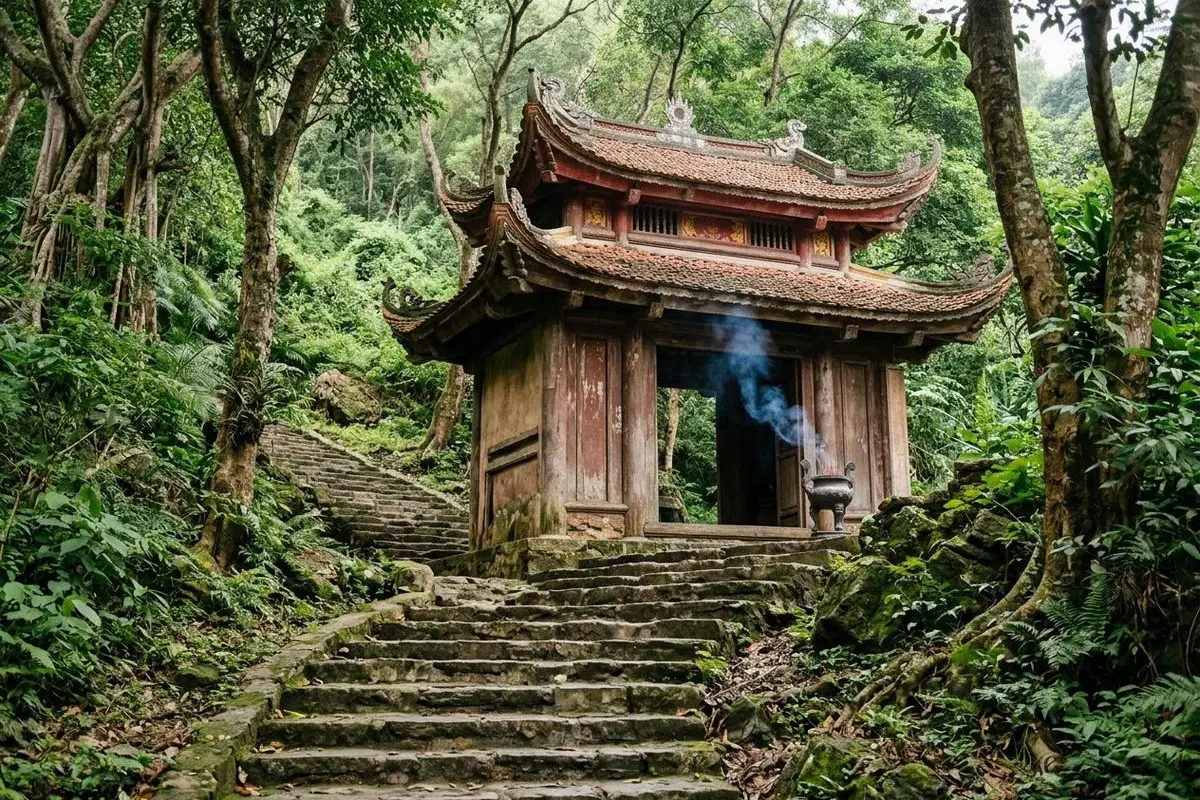
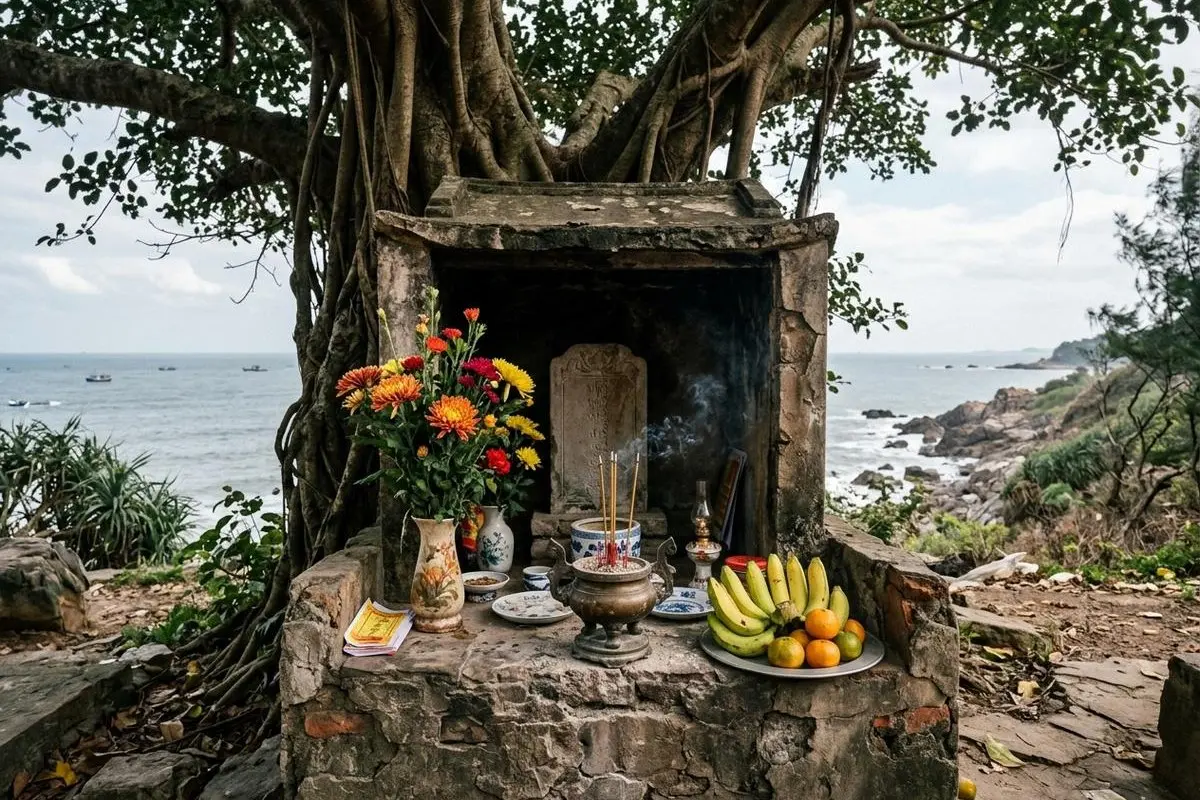
In the days before the final, the community holds ceremonies at the local temples. Elders in traditional robes make offerings, read prayers and perform rites to invite the guardian deity to witness the festival. These rituals are solemn and quiet, very different from the noise of the arena.
Step 5: The procession and flag dance
On the main day, the festival opens with a colorful procession. Teams in traditional costume carry flags, parasols and ritual objects, accompanied by drums and gongs. Young men perform a flag dance, waving large banners in coordinated movements that signal the start of the event. It is one of the most photogenic moments of the day.
Step 6: The fights
The buffaloes enter the arena from opposite sides, led by their handlers, often with red cloth and decorations. When released, they charge toward each other. Fights are usually short: one buffalo turns away or runs, and the other is declared the winner. Handlers then step in quickly to separate the animals. Winners move on through the rounds until a champion is crowned.
Step 7: The sacred offering
By tradition, the buffaloes are sacrificed after the festival as an offering to the deity, and the meat is shared and sold. Locals believe that eating it brings good luck. This is the part many foreign visitors find hardest to accept, and it is important to know about it before you decide to go.
Recommended tour

In Haiphong around festival time? Explore the city with a local guide who can explain the traditions behind Do Son’s festival and help you plan your visit.
From $79 per person
When the Festival Takes Place
The final day falls on the 9th day of the eighth lunar month. On the Western calendar this usually lands in September, sometimes early October. Preparations and preliminary rounds happen in the months before, and the Mid-Autumn Festival follows just a few days later.
| Stage | Approximate timing |
| Selecting buffaloes | Months ahead, often from early in the lunar year |
| Training and care | Through spring and summer |
| Preliminary rounds | Summer, ahead of the final |
| Temple rituals | The days before the main event |
| Final day | 9th day of the eighth lunar month (usually September) |
The festival has been paused or changed in some years, so always confirm the current program through local news or your hotel before planning a trip. Our Haiphong festivals calendar shows what else is on around the same time.
>>> Temples and Pagodas in Haiphong Worth Adding to Your Trip
Getting to Do Son and Getting a Seat
Getting there
Do Son is around 20 km southeast of central Haiphong, usually 30 to 45 minutes by road on a normal day. On festival day, traffic is heavy, so leave early.
- Taxi or ride-hailing app: the easiest choice. Agree on the return trip or expect to wait for a car after the event. Our Grab in Haiphong price guide helps you estimate costs.
- Private car with driver: comfortable and flexible, especially for groups.
- Motorbike: only if you are an experienced rider. Festival crowds and parking can be stressful.
Tickets and seating
The main fights are held in a large arena in Do Son, and tickets are typically required for seats in the stands. Prices, sales points and arrangements can change each year, so check locally or ask your hotel to help a few days in advance. Arrive early to find good seats, ideally in the shade and with a clear view of the arena entrance.
>>> Haiphong Budget Travel Cost Per Day for Smart Planning
Practical Tips for Festival Day
- Arrive early. The procession is a highlight, and the best seats fill fast.
- Protect yourself from the sun. September can be hot and humid. Bring a hat, sunscreen and plenty of water.
- Carry cash in small notes for snacks, drinks and transport.
- Keep valuables close. Crowds are dense, so use a zipped bag at the front.
- Stay in the stands. Never try to get closer to the arena edge. Buffaloes are powerful and unpredictable.
- Respect the rituals. Be quiet during temple ceremonies and ask before photographing elders or participants.
- Bring ear protection if you are sensitive to noise. Drums, music and cheering are loud all day.
- Plan your exit. Agree on a meeting point with your group in case you get separated.
Is the Festival Right for You?
This festival is a deep and living tradition, but it is not for everyone. Think honestly about these points before you go:
| You may love it if you | You may prefer to skip it if you |
| Are fascinated by living rituals and local beliefs | Are uncomfortable with animal contests |
| Enjoy colorful processions and big crowds | Do not like heat, noise and tight spaces |
| Want to see a side of Vietnam few tourists see | Are traveling with young children |
| Can watch with respect, without judging | Would be upset knowing the buffaloes are sacrificed |
If you decide not to attend the fights, you can still enjoy Do Son’s temples, seafront and seafood around festival time, and feel the excitement in town.
Make a Day of It in Do Son
Do Son is more than its festival. Combine your visit with a few of these:
- Hilltop temples and pagodas on the green peninsula, with views over the sea.
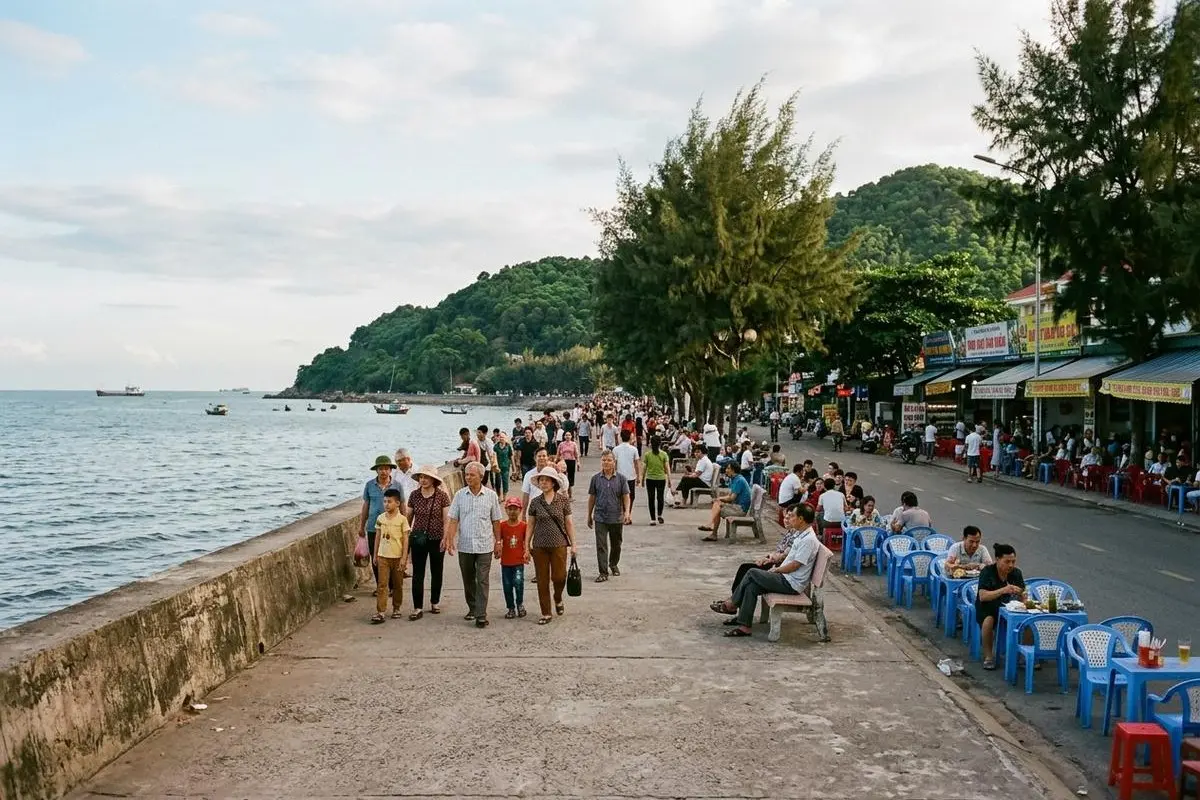
- A walk along the beachfront and promenade in the late afternoon.
- A fresh seafood dinner at a local restaurant. Check prices before ordering, using our guide to Haiphong seafood prices per kg.
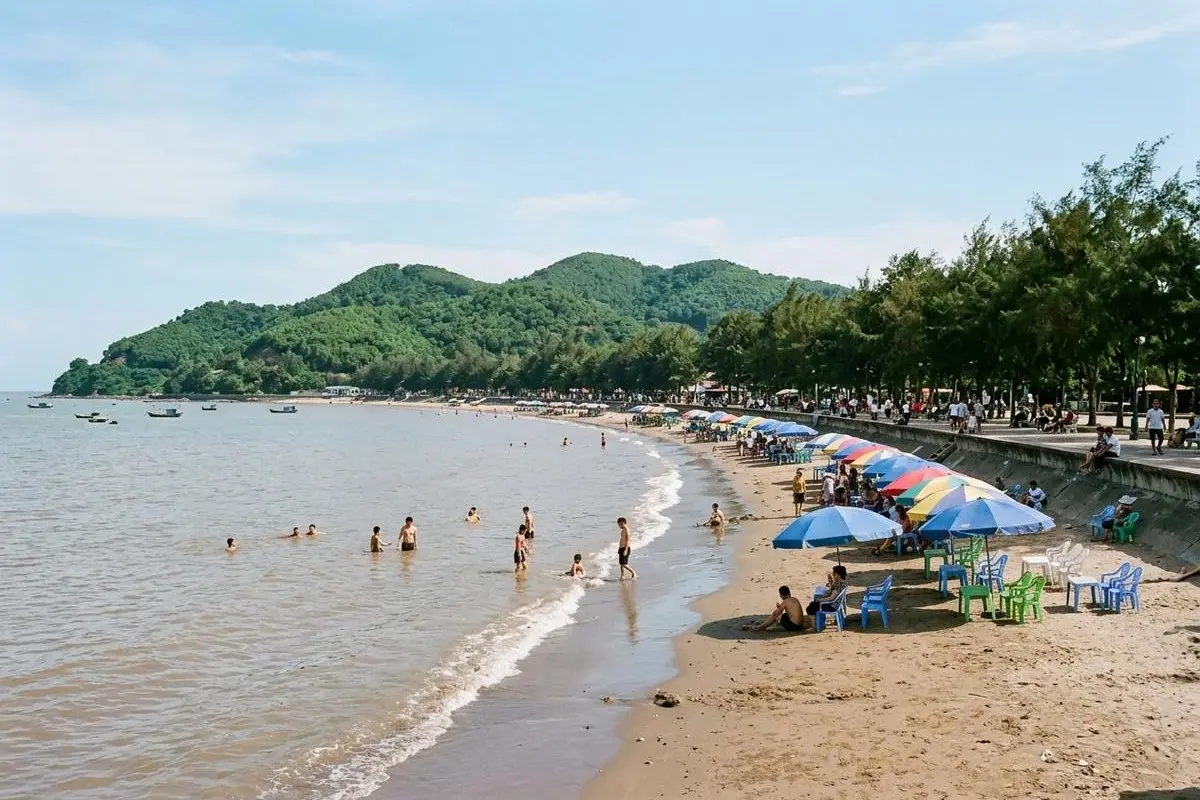
For an honest picture of the beach itself, read our Do Son beach travel experience review.
Frequently Asked Questions
When is the Do Son Buffalo Fighting Festival?
The final day is held on the 9th day of the eighth lunar month, which usually falls in September. Check the exact date for your year.
Can foreigners attend the buffalo fighting festival?
Yes. Foreign visitors are welcome. Buy tickets in advance if possible, arrive early and follow local guidance at the arena.
Are the buffaloes killed after the festival?
Yes. By tradition they are sacrificed as an offering after the festival, and the meat is shared and sold. Consider this before deciding to attend.
How long does a buffalo fight last?
Most fights are short, often just a few minutes, ending when one buffalo turns away. The full day includes many rounds plus ceremonies.
How do I get from Haiphong to Do Son?
Taxi, ride-hailing apps or a private car are easiest. The trip is about 20 km and takes 30 to 45 minutes without festival traffic.
Experience a Living Tradition
This Do Son buffalo fighting festival guide shows that the event is far more than a contest. It is a year-long ritual of care, prayer and community pride, rooted in the life of a fishing town. Go with open eyes, respect the ceremonies and you will see a side of Vietnam few travelers witness. Haiphong Adventure offers small-group and private Haiphong tours, and our local team is happy to help you plan a festival trip or suggest other experiences around Do Son. Browse our Haiphong tours or message us with your dates.
Contact Haiphong Adventure
- WhatsApp, Viber, WeChat: +84(0)934.555.001
- KakaoTalk, Line ID: haiphongadventure