Haiphong Cultural Experiences for Tourists: 10 Authentic Picks
The best Haiphong cultural experiences for tourists are the ones you take part in, not just look at: a slow coffee on a plastic stool, a dawn walk through a wet market, a bowl of banh da cua ordered the local way, incense at an old pagoda, and a home-cooked dinner with a Vietnamese family. This guide picks 10 hands-on experiences that show how people in Haiphong really live, worship, eat and celebrate.
Each pick comes with practical tips on when to go, how to behave and what to expect, written by the local team at Haiphong Adventure. We run small Haiphong tours by motorbike and on foot, so these are the moments our guests remember long after the photos of famous buildings fade.
How We Chose These Haiphong Cultural Experiences for Tourists
Many lists of things to do in Haiphong focus on landmarks. Those are worth seeing, and our guide to cultural things to do in Haiphong covers the classic sights. This list is different. Every pick here asks you to do something: sit, taste, buy, listen, follow a ritual or share a table.
We used three simple rules:
- Authentic: locals do it every day or every year, with or without tourists.
- Accessible: a foreign visitor can join without speaking Vietnamese, with a little preparation.
- Respectful: it does not turn people or sacred places into a show.
Opening hours, show times and festival dates can change, so treat the timing notes below as a guide (updated November 2026) and check locally before you go.
Start the Day at a Sidewalk Coffee Shop
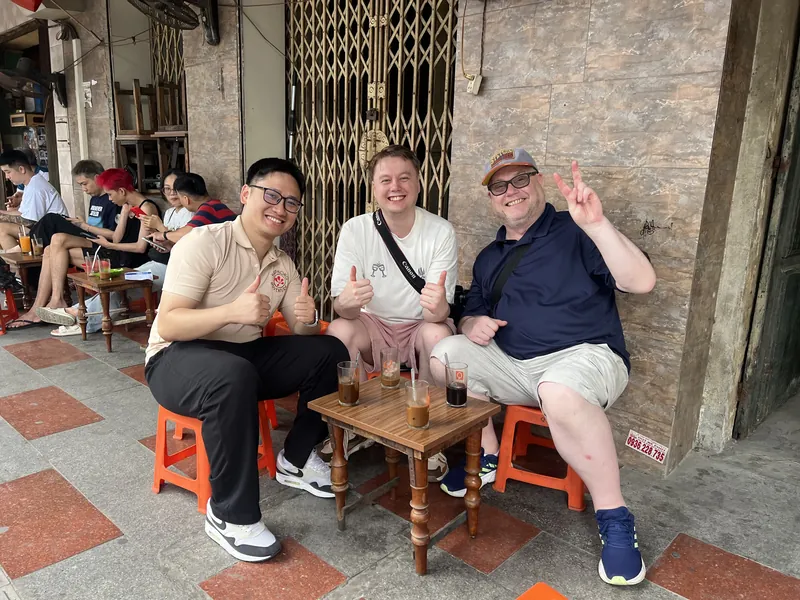
Coffee culture in Haiphong lives on the pavement. From early morning, small shops set out low plastic stools, and office workers, retirees and students sit shoulder to shoulder, watching the traffic and talking. Joining them is the simplest cultural experience in the city, and it costs very little.
How to join in
- Point and order ca phe sua da (iced coffee with condensed milk) or ca phe den (black coffee).
- Expect a free glass of iced tea on the side. It is normal to sip it while you wait.
- Sit low, lean back and stay a while. Nobody will rush you.
- Go between 6:30 and 8:30 in the morning to see the busiest, most local scene.
A sidewalk coffee also makes a good base for people watching: street vendors, school runs and neighbors greeting each other all pass by in the first hour of the day.
Walk Through a Neighborhood Wet Market at Dawn
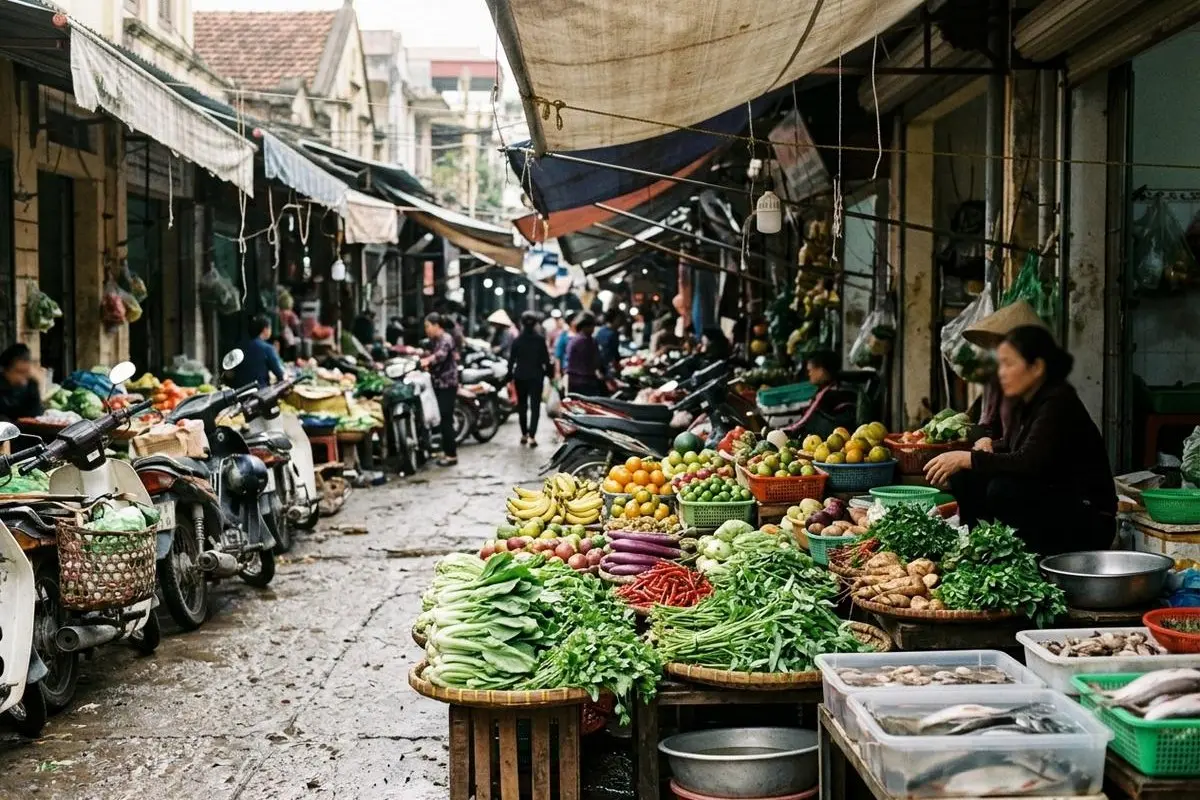
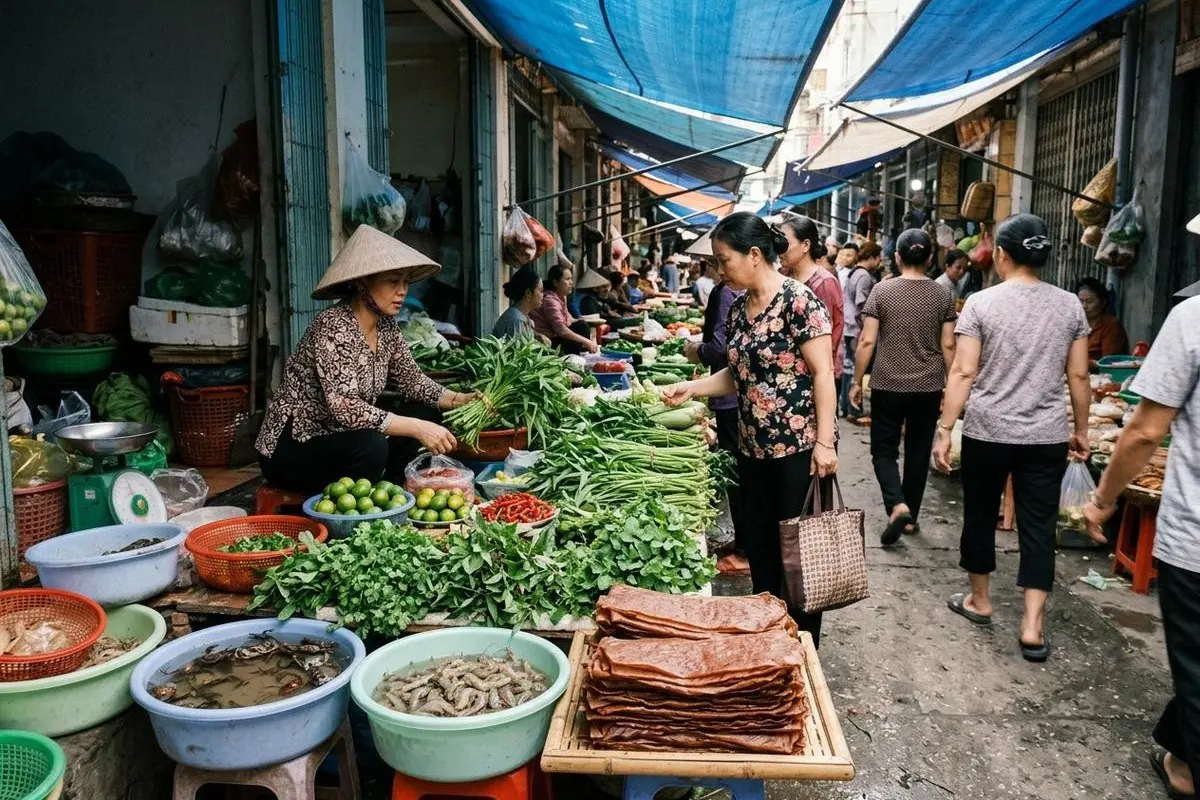
Wet markets are where Haiphong households buy what they will cook that day. Go early and you will see crabs from the rice fields, piles of fresh herbs, sheets of red-brown banh da noodles, river fish and seafood from the coast. It is loud, wet and full of life.
Market tips
- Arrive between 6:00 and 8:00, when stalls are full and locals do their shopping.
- Wear closed shoes. Floors are often wet and slippery.
- Ask with a gesture before photographing a seller up close, and buy something small if you take a portrait.
- Buy fruit to taste. It is the easiest purchase for a visitor and a friendly way to start a conversation.
If you want to buy more than fruit, our guide to bargaining at Haiphong markets explains how prices and polite haggling work.
>>> Haiphong Local Customs and Traditions Every Visitor Should Know
Eat Banh Da Cua the Way Locals Do
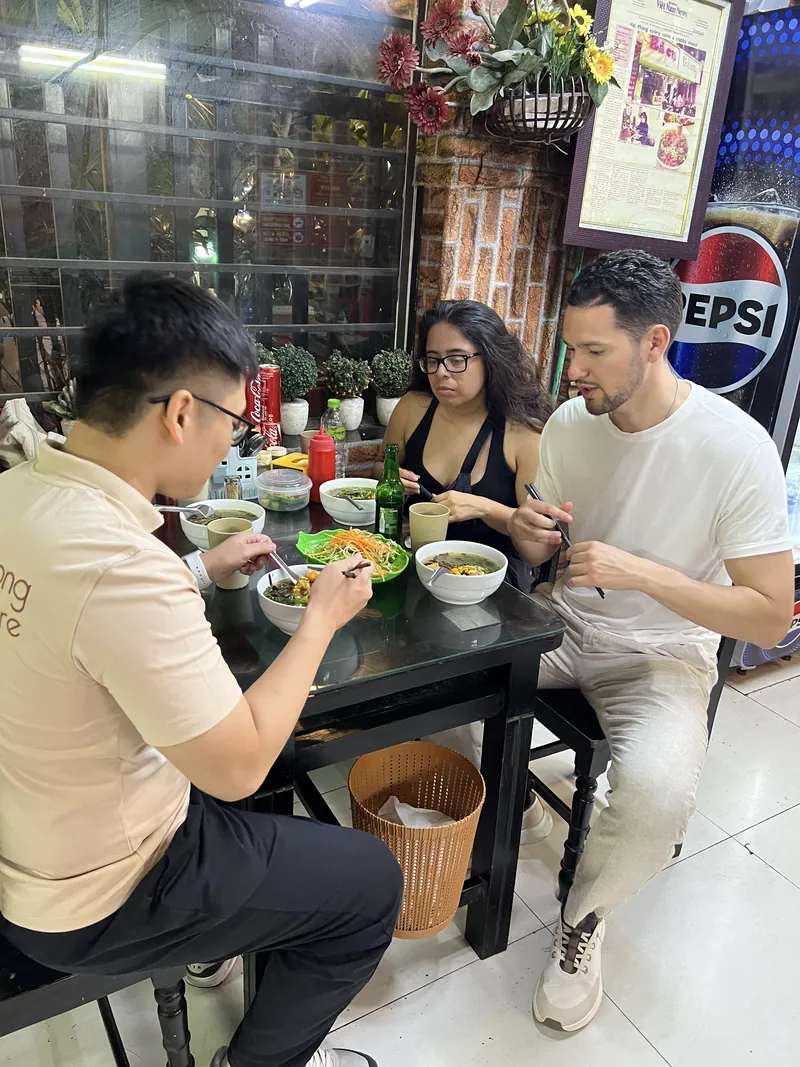
Banh da cua, a crab noodle soup with flat red-brown rice noodles, is the dish Haiphong people miss most when they leave home. Eating it at a busy family stall is a cultural lesson in itself: how locals order, how they season at the table and how fast a good stall turns over its seats.
How to eat it like a local
- Choose a stall that is crowded with locals in the morning. A full stall means fresh broth.
- Add lime, chili and fresh herbs a little at a time. Taste first, then adjust.
- Use chopsticks for the noodles and a spoon for the broth, and lift the bowl slightly if you like.
- Pay when you finish. Small stalls usually take cash only.
Light Incense at an Ancient Pagoda
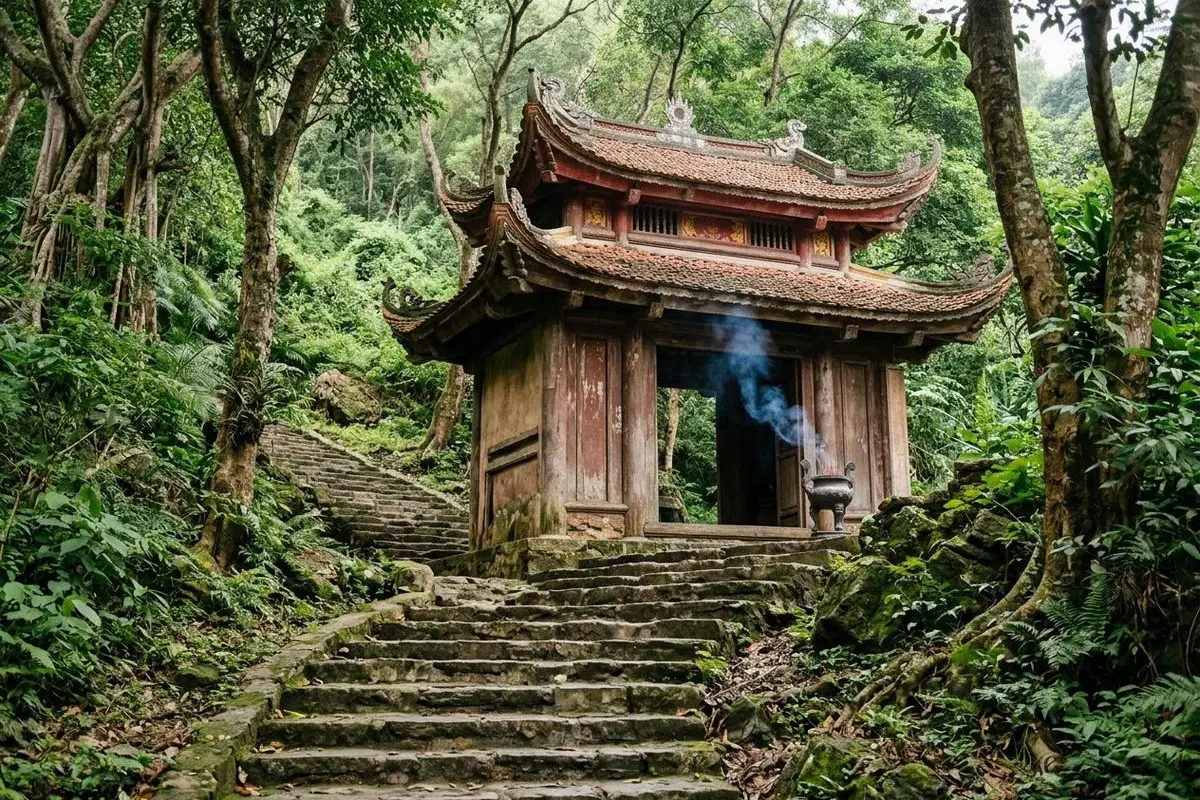
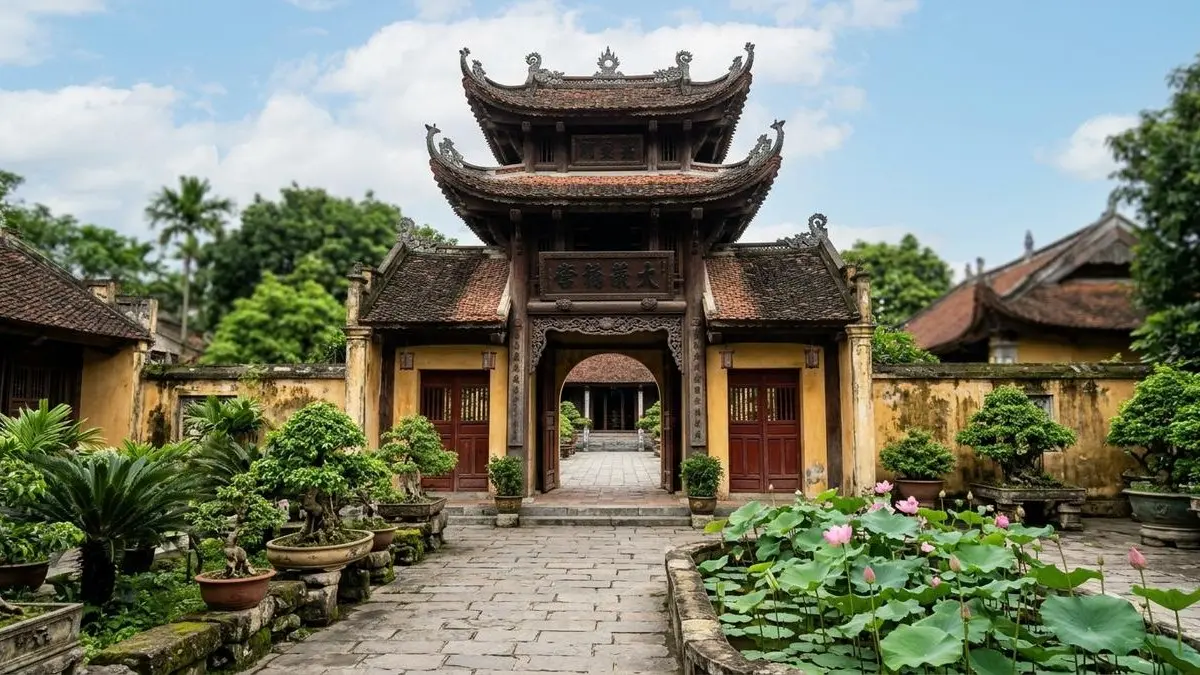
Buddhism and ancestor worship shape daily life in Haiphong. Old pagodas such as Du Hang Pagoda in Le Chan district are active places of worship, not museums. Visitors are welcome, and quietly following the local ritual is one of the most meaningful Haiphong cultural experiences for tourists.
Pagoda etiquette in five steps
- Dress modestly, with shoulders and knees covered.
- Remove your shoes where you see others leave theirs before entering a hall.
- If you light incense, hold the sticks with both hands, bow gently and place them in the burner.
- Speak softly and do not point your feet towards the altar when you sit.
- Leave a small donation in the box if you wish. It is welcome, never required.
The first and fifteenth days of each lunar month are the busiest days at pagodas, when families come to pray. They are lively times to visit, as long as you keep to the side.
Recommended tour
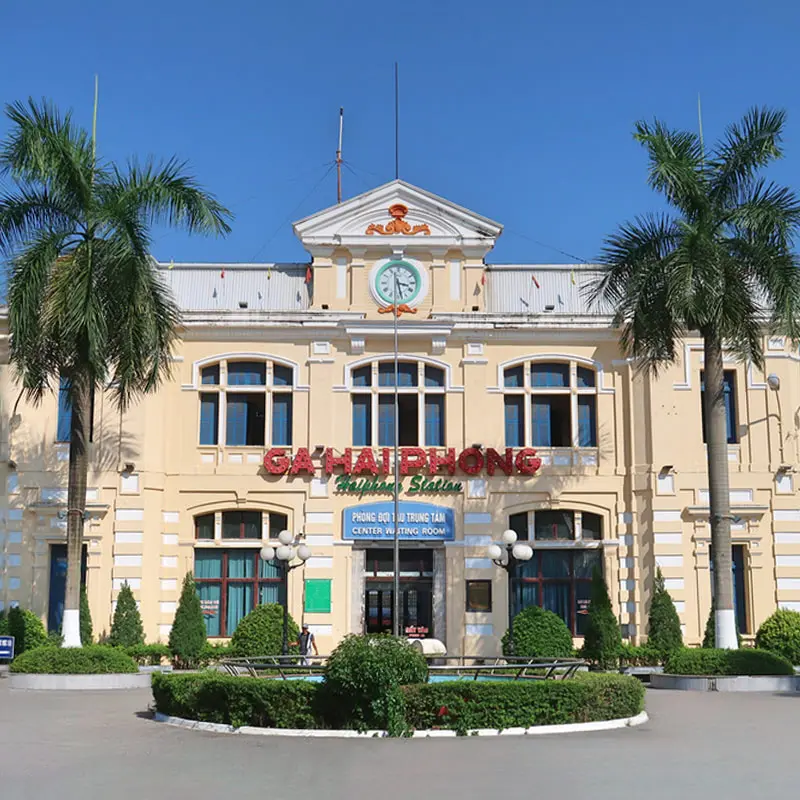
Visit local markets, pagodas, sidewalk cafes and family food stalls with a guide who explains the stories and customs behind each stop.
From $79 per person
Read the Wood Carvings at Hang Kenh Communal House
A communal house, or dinh, is the heart of a traditional Vietnamese village. It honors the village’s guardian spirit and hosts meetings and festivals. Hang Kenh Communal House in Le Chan district is one of the finest in northern Vietnam, famous for hundreds of dragon and folk-life carvings on its wooden beams.
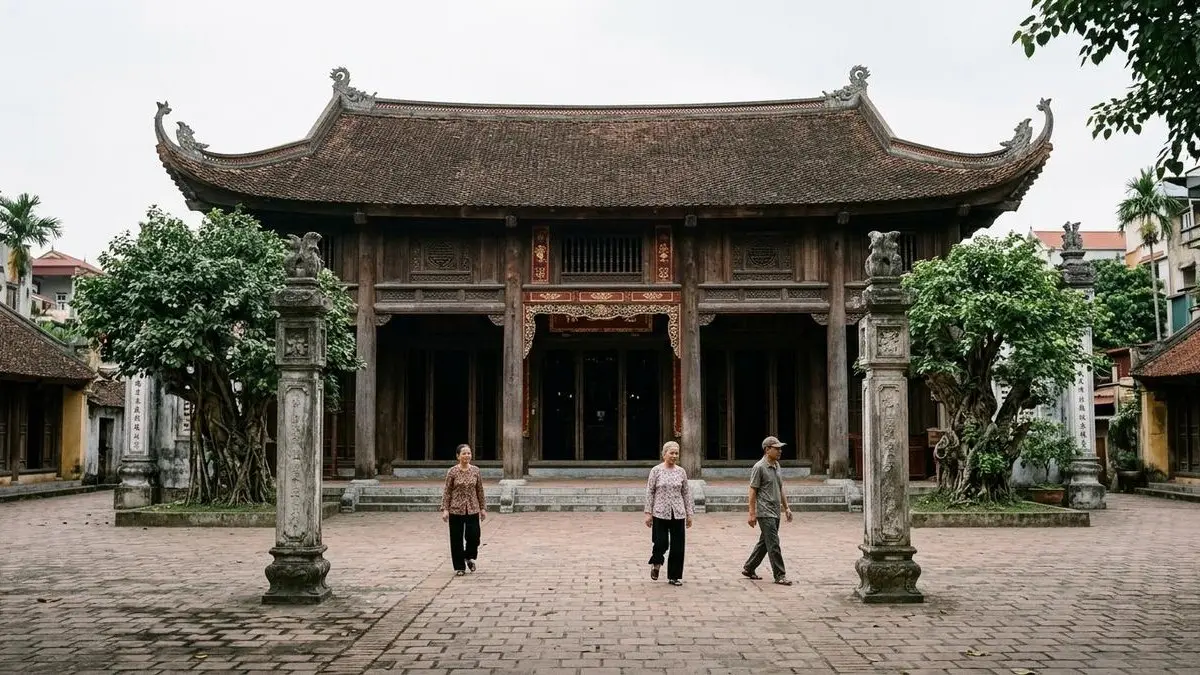
Instead of walking straight through, slow down and look for details: dragons in different poses, small human figures, animals and plants hidden among the beams. Our guide to the carving art at Hang Kenh Communal House shows what to look for and how to read the scenes.
Watch Water Puppetry, a Folk Art of the Red River Delta
Water puppetry grew out of village life in the Red River Delta, where farmers performed on ponds after the harvest. Wooden puppets glide across the water while hidden puppeteers work them with long poles, accompanied by drums, flutes and folk songs.
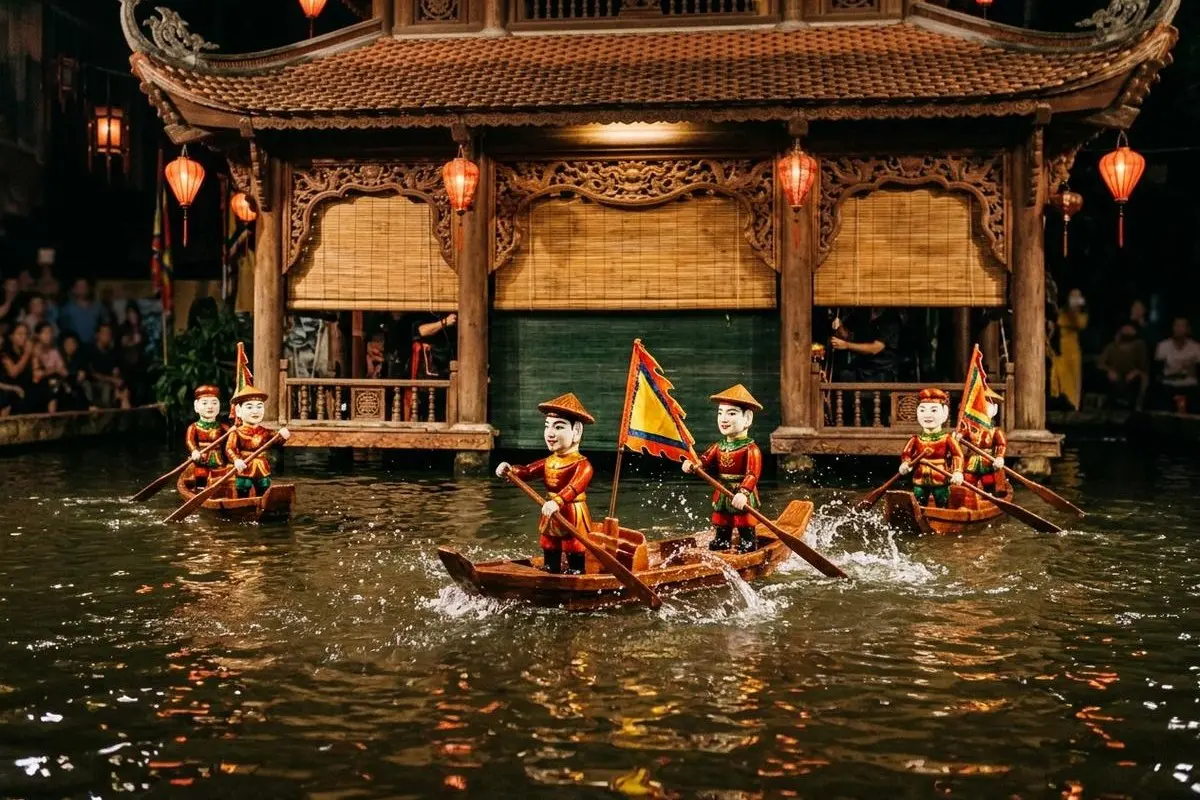
In Haiphong, performances are not held on a fixed daily schedule like the big theaters in Hanoi. They are more often staged at festivals, cultural events or in nearby villages, so ask your hotel or guide what is on during your stay. Learn the background first in our story of water puppetry origins in Haiphong, and the show will mean much more.
Join the Evening Life Around the Opera House
The Haiphong Opera House, built in the French colonial period, is the city’s best-known building. In the evening, the square and the tree-lined streets around it become a living room for the city: families stroll, children play, couples sit on benches and groups exercise together.
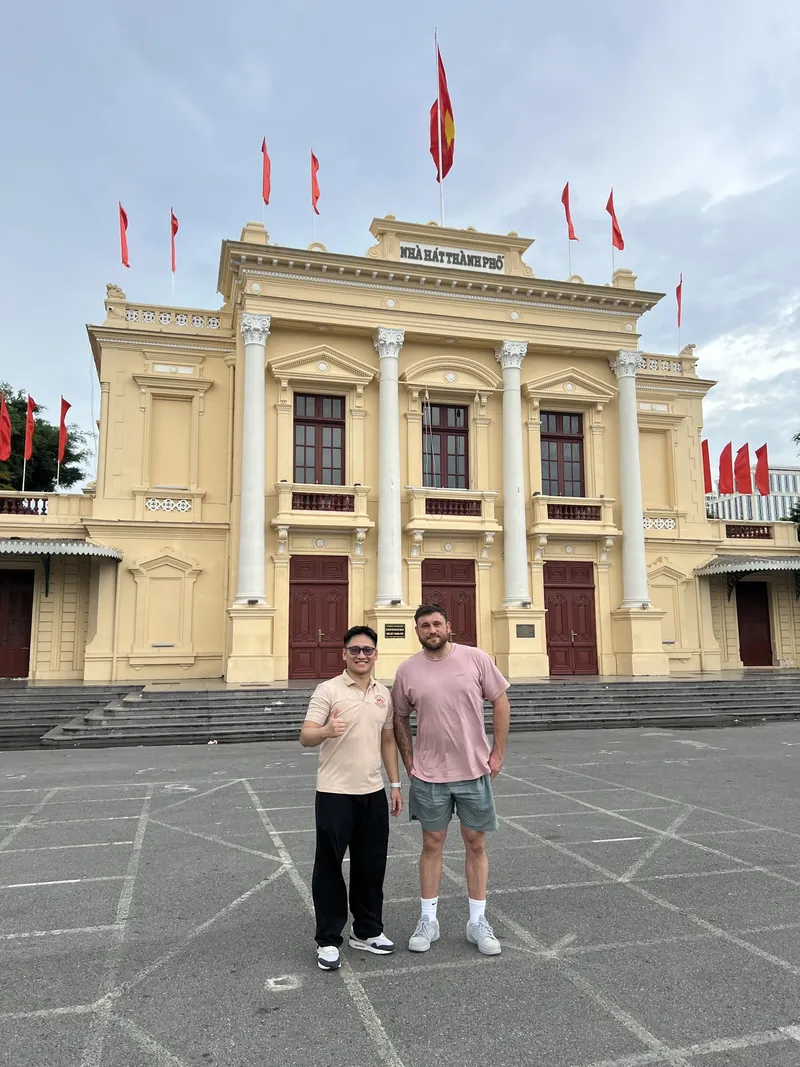
What to do there
- Walk the old streets nearby to see French-era shophouses and the old post office.
- Stop for a fresh juice or sweet soup at a small stall.
- Check the Opera House notice board for concerts or traditional performances during your visit.
>>> Haiphong Old Quarter Self Guided Walking Route to Follow
Time Your Trip for a Local Festival
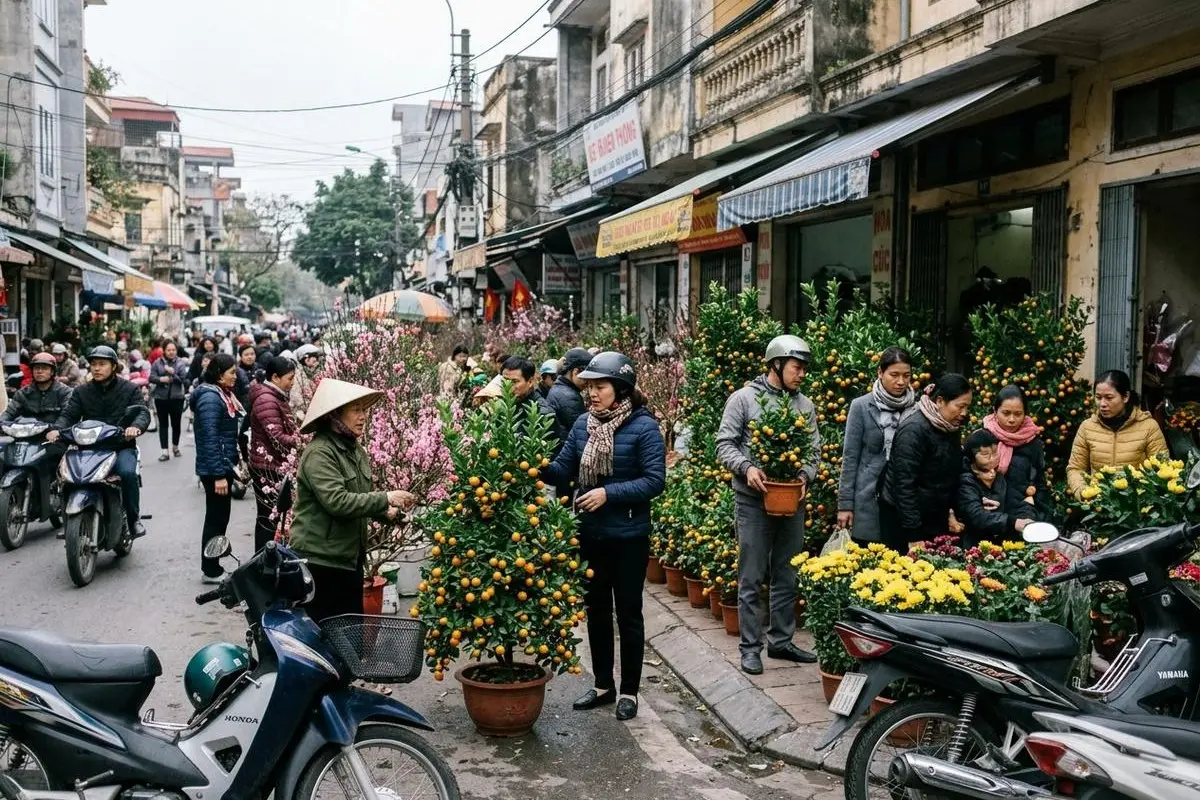
Festivals are when Haiphong culture is at its most vivid. The best known is the Do Son Buffalo Fighting Festival, held on the coast each year around the eighth lunar month, usually in September. It combines village rituals, processions and the famous buffalo contests. Smaller pagoda and communal house festivals take place across the city through the year, especially in spring after Tet.
- Festival dates follow the lunar calendar and change every year, so confirm them before you book.
- Arrive early. Crowds build quickly, and parking near popular sites fills up.
- Watch rituals from the edge and follow the lead of locals when offerings are made.
If you are planning around Lunar New Year, our guide to the Tet holiday in Haiphong explains what to expect.
>>> Haiphong Festivals Calendar to Plan Your Visit by Season
Ride Out to a Traditional Craft Village
Beyond the city, the Haiphong countryside is dotted with villages that still practice crafts handed down for generations. A countryside ride lets you see artisans at work, walk through village lanes and stop at rice fields and small temples along the way.
Our guide to the traditional craft villages near Haiphong lists the villages worth a visit. When you go, ask before entering a workshop, buy directly from the makers if you like what you see, and keep your visit short during busy working hours.
>>> Cycling Routes in Haiphong Countryside: Villages and Rice Fields
Share a Home-Cooked Meal with a Local Family
Nothing teaches you more about Vietnamese culture than eating at a family table. Dishes are shared from the middle, the eldest person is invited to start, and guests are offered the best pieces. A homestay in the countryside or on Cat Ba Island is the easiest way to experience this.
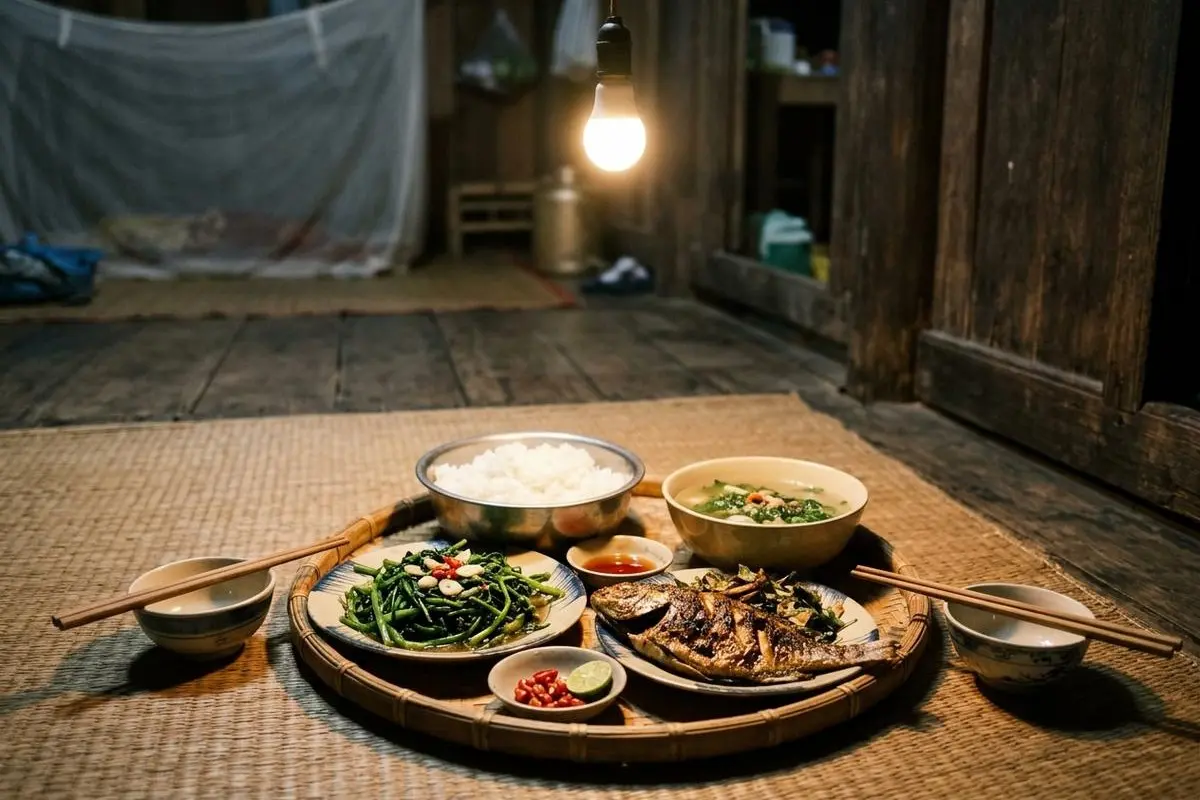
Table manners to know
- Wait for the host or eldest person to invite everyone to eat.
- Take food from shared plates onto your rice bowl, a little at a time.
- Never leave chopsticks standing upright in rice. It recalls incense at funerals.
- Accept a small glass if offered a toast, and say mot, hai, ba, zo with everyone.
- Offer to help clear up. It is often politely refused, but always appreciated.
A One-Day Cultural Plan for Haiphong
Want to fit several experiences into one day? This simple plan links the city picks in a natural order. Adjust it to opening hours and the weather.
| Time | Experience |
|---|---|
| 6:30 | Wet market walk and fruit tasting |
| 7:30 | Breakfast of banh da cua at a busy family stall |
| 8:30 | Sidewalk coffee and people watching |
| 9:30 | Du Hang Pagoda and Hang Kenh Communal House |
| 12:00 | Lunch and a rest during the hot midday hours |
| 15:00 | French quarter walk towards the Opera House |
| 17:30 | Evening life on the Opera House square |
| 19:00 | Street food dinner, or a performance if one is on |
Add a second day for the countryside: a craft village visit and a homestay dinner make a perfect contrast to the city.
Respectful Travel Tips for Cultural Experiences
- Learn a few words: xin chao (hello) and cam on (thank you) open many doors.
- Ask before photos: a smile and a gesture towards your camera is enough.
- Use both hands: when giving or receiving money, gifts or business cards.
- Carry small cash: markets, stalls and donation boxes rarely take cards.
- Go with a local: a guide can explain rituals, translate and introduce you to people you would never meet alone.
Frequently Asked Questions
What are the best cultural experiences in Haiphong for first-time visitors?
Start with the easy, everyday ones: sidewalk coffee, a morning wet market and a bowl of banh da cua. Then add a pagoda visit and Hang Kenh Communal House for the spiritual and village side of local life.
Do I need a guide for cultural experiences in Haiphong?
No, but a local guide makes a big difference. Few people speak English at markets and pagodas, and a guide can explain rituals, help you order food and introduce you to locals.
What should I wear to pagodas and communal houses?
Wear clothes that cover your shoulders and knees, and shoes that are easy to slip off. Avoid beachwear and very short skirts or shorts.
When is the best time of year for festivals in Haiphong?
Spring, in the weeks after Tet, is the busiest festival season. The Do Son Buffalo Fighting Festival usually takes place around September. Check lunar calendar dates for your travel year.
Can I see a water puppet show in Haiphong every day?
Usually not. Shows in Haiphong are mostly held at festivals and special events. Ask your hotel or guide what is on during your stay, or plan to see a regular show in Hanoi.
Experience Haiphong Culture with Haiphong Adventure
The real Haiphong is found on its pavements, in its markets and at its family tables. If you would like a local friend to show you these places, the team at Haiphong Adventure is happy to plan a day around your interests. Browse our Haiphong tours or send us a message with your dates.
Contact Haiphong Adventure:
WhatsApp, Viber, WeChat: +84(0)934.555.001
KakaoTalk, Line ID: haiphongadventure