Carving Art At Hang Kenh Communal House Guide
Hang Kenh Communal House is the best place in Haiphong to see traditional northern Vietnamese wood carving up close. Built in the mid-19th century, this village dinh is famous for its ironwood beams, rafters and panels covered in dragons, clouds, flowers and mythical animals. Local guides often say there are more than 300 dragons carved into the timber, each slightly different from the next. If you love craftsmanship, history or simply beautiful buildings, it deserves a place on your Haiphong itinerary.
This guide from the Haiphong Adventure team explains what makes the carving art at Hang Kenh special, how to read the main motifs, where to look inside the hall and how to plan a respectful, rewarding visit. Opening hours and access can change, especially on festival days, so check locally before you go (updated October 2026).
What Is Hang Kenh Communal House
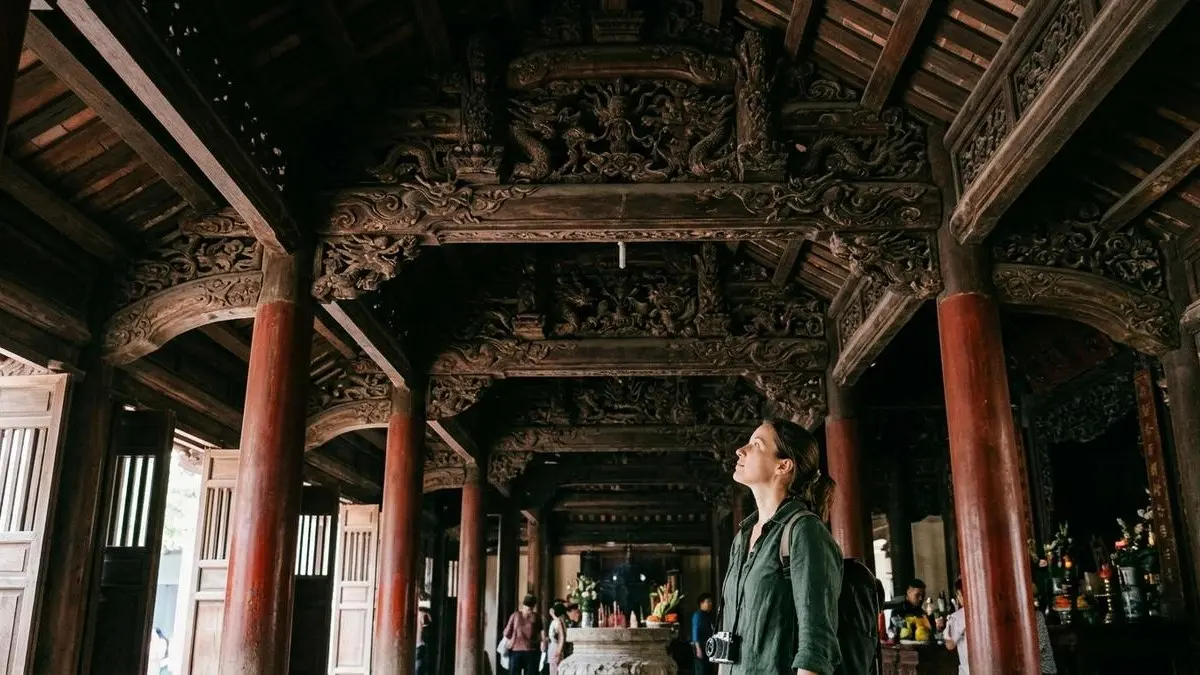
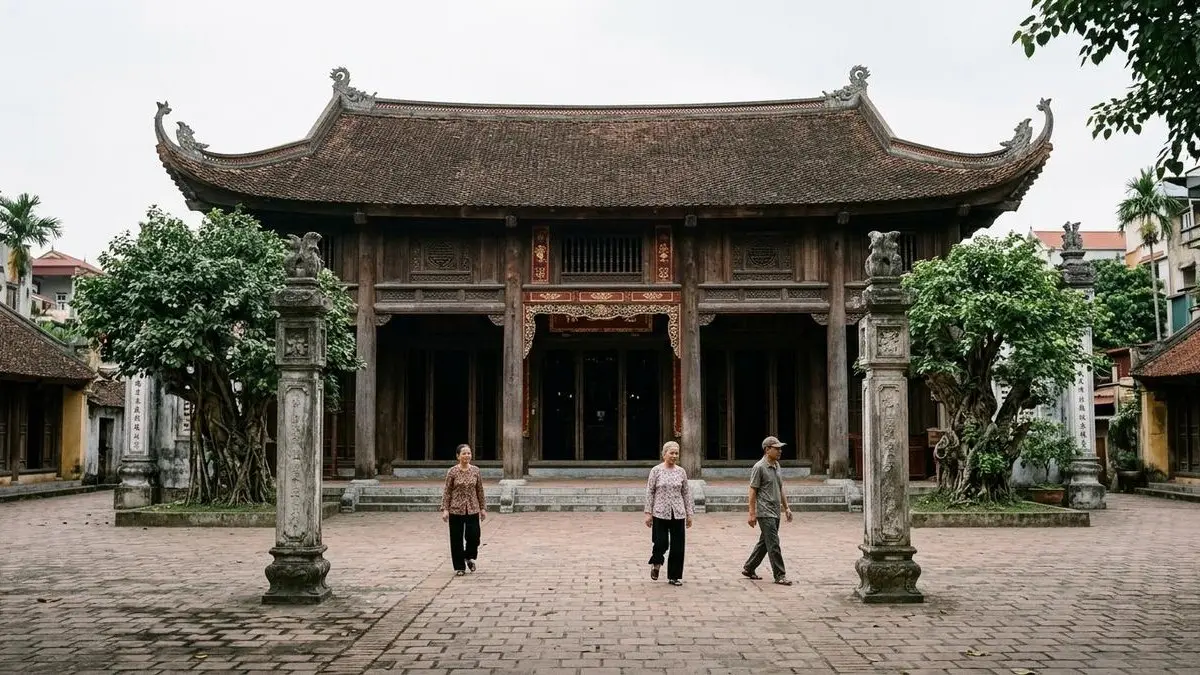
A communal house, or dinh, is the heart of a traditional northern Vietnamese village. It is where villagers worshipped their guardian spirit, held meetings and celebrated festivals. Hang Kenh was once a separate craft village on the edge of the port city, and its communal house was the pride of the community.
Today the village has been absorbed into central Haiphong, but the dinh still stands in the Le Chan area, on Nguyen Cong Tru Street, surrounded by a courtyard and a small lake. It honours national hero Ngo Quyen, the general who defeated an invading fleet on the Bach Dang River in 938, alongside local tutelary spirits.
- Type of building. Traditional village communal house (dinh).
- Era. Mid-19th century, under the Nguyen dynasty.
- Main material. Ironwood (go lim), a dense, durable hardwood.
- Status. A recognised national historical and architectural relic.
- Search name. “Dinh Hang Kenh” in Google Maps or Grab.
If you want the wider story of the site and its role in the city, our cultural things to do in Haiphong guide places it alongside the city’s other heritage stops.
Why The Carving Art At Hang Kenh Is Special
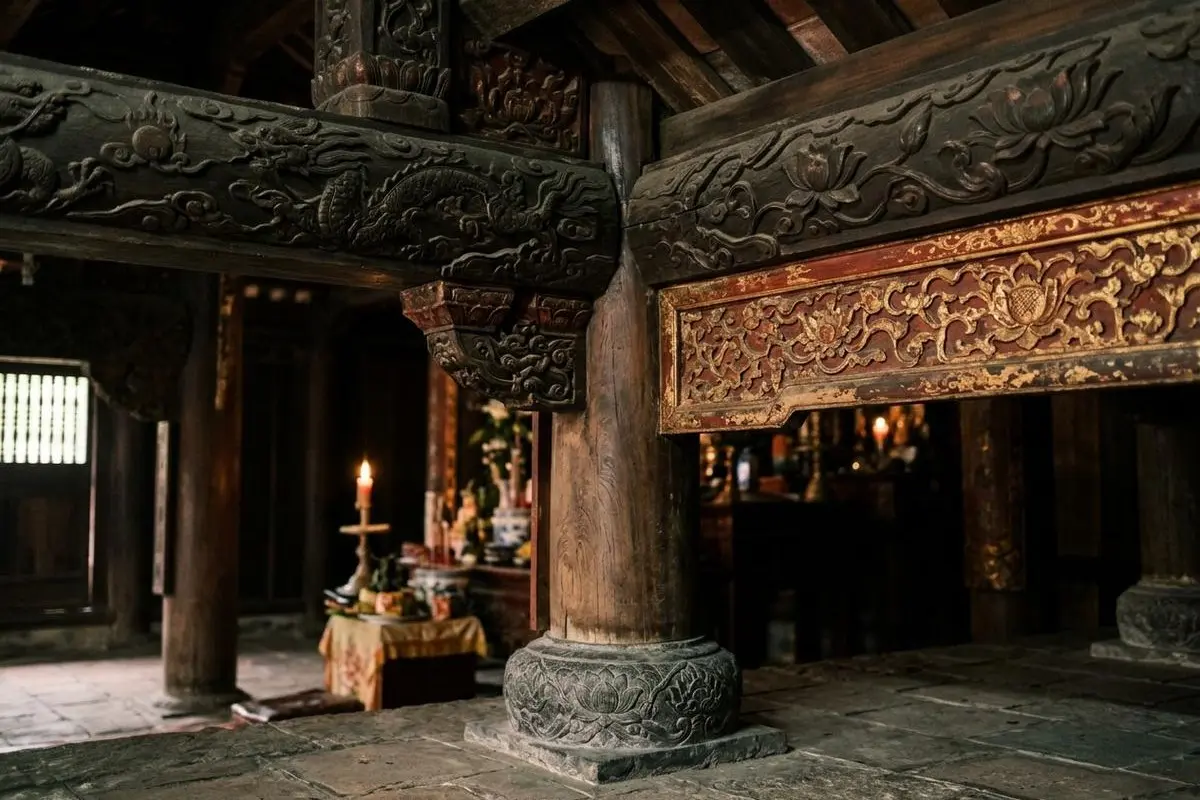
Many temples in northern Vietnam have carved wood, but Hang Kenh stands out for the density and consistency of its decoration. Almost every structural piece, from the rafters and brackets to the beam ends and panels, carries some form of relief.
Carving that is also structure
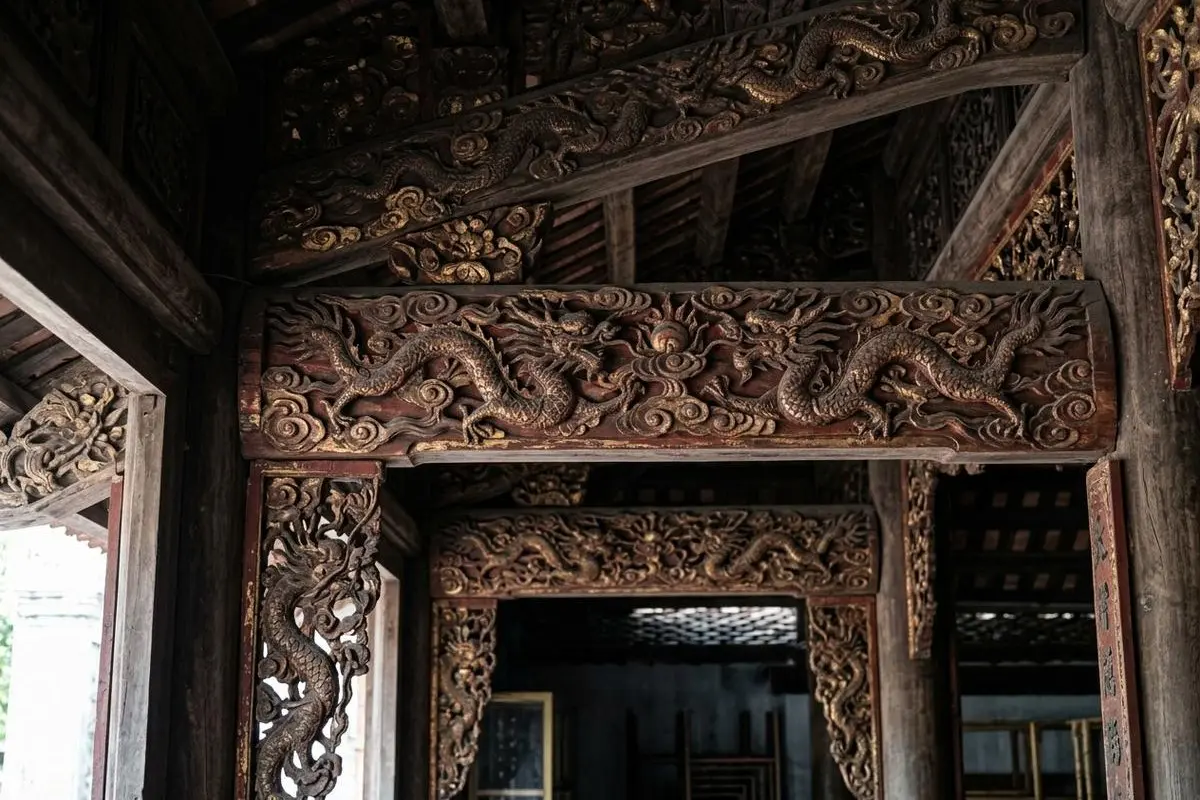
In a traditional dinh, the carving is not added as separate decoration. The craftsmen carved directly into the load-bearing timbers. Beams, brackets and the short struts that support the roof were shaped and decorated at the same time, so the art and the building are one.
The sheer number of dragons
The dragon is the star of Hang Kenh. You will see dragons coiling around beam ends, dragons peeking out of clouds and small dragons hidden among leaves. Counting them is a popular game for visitors, and most people lose track long before they reach the end.
Quality of the ironwood
Ironwood is hard to work but lasts for centuries. Its dark, glossy surface shows fine detail well, and the carvings still look crisp after more than 150 years of humid coastal weather.
>>> The Ultimate Haiphong Tour: Top 10 Must-Visit Spots in 2025
How To Read The Main Motifs
Vietnamese temple carving uses a shared visual language. Once you know a few symbols, the walls start to tell stories. The table below covers the motifs you are most likely to notice.
| Motif | What to look for | Traditional meaning |
|---|---|---|
| Dragon (long) | Long body, curling whiskers, flame-like mane | Power, rain, protection and good fortune |
| Unicorn (lan) | Four-legged creature with a lion-like head | Wisdom and peace |
| Turtle (quy) | Shell pattern, often near water themes | Longevity and stability |
| Phoenix (phuong) | Long tail feathers, spread wings | Grace, virtue and harmony |
| Clouds and water | Swirling scroll lines around animals | Heaven, rain and abundance |
| Lotus and leaves | Petals and curling foliage on panels | Purity and renewal |
The dragon, unicorn, turtle and phoenix together form the tu linh, the four sacred creatures. Seeing them side by side is a sign that the building was designed to attract harmony and protection for the whole village.
Where To Look Inside The Hall
The carvings are spread across the building, and some of the best details are easy to miss. Take your time and move slowly from the entrance toward the inner sanctuary.
- The front hall beams. Look up as soon as you step in. The beam ends and brackets carry the boldest dragon heads.
- The roof trusses. Stand in the middle and look straight up to see how the carved timbers interlock.
- The side panels. Lower panels often show smaller scenes with leaves, flowers and animals.
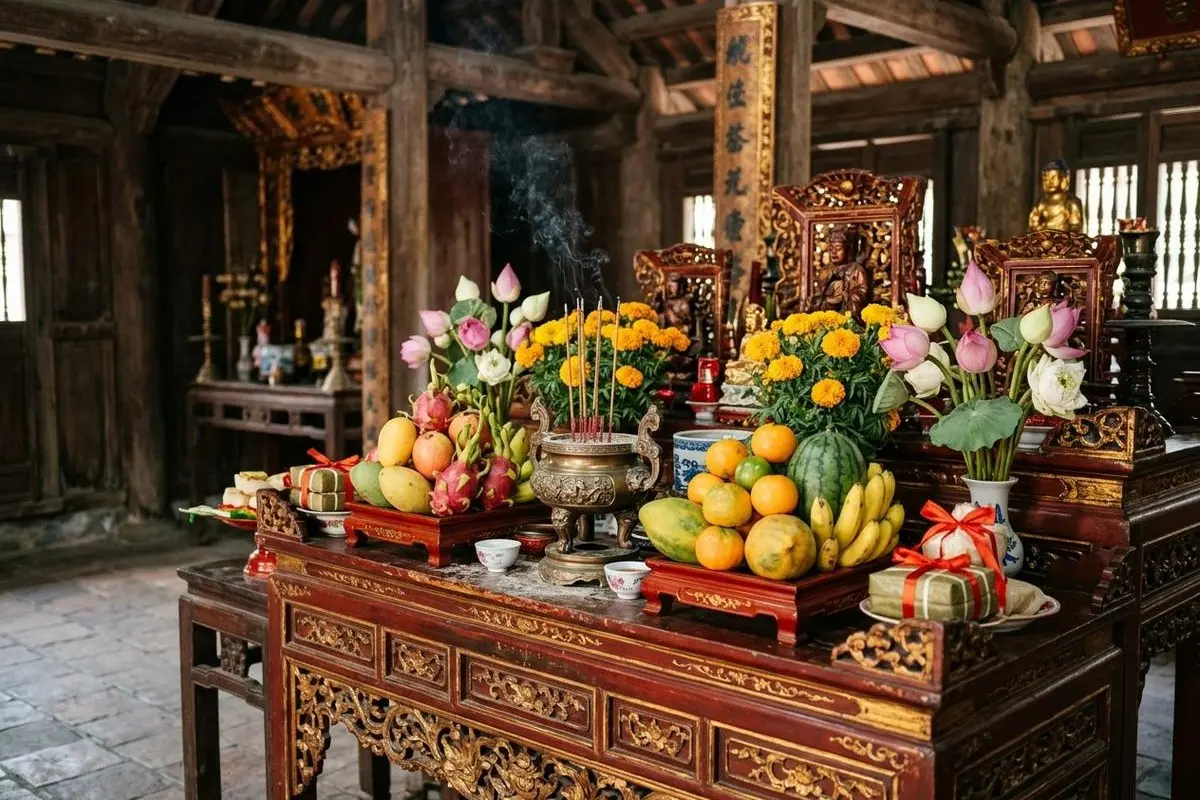
- The altar area. Gilded and lacquered details frame the altar. Observe from a respectful distance.
- The courtyard and gate. Step back outside to see the curved roof ridges and decorated gateway.
A small flashlight or your phone light can help in dim corners, but never shine a bright light at people praying or at the altar.
Recommended tour
The Haiphong Street Food and City Tour
Explore the old city with a local guide who can explain the heritage sites, then taste the best street food along the way.
From $85 per person
The Craftsmen Behind The Carvings
The names of most of the carvers are not widely recorded, but their work reflects the skills of northern Vietnam’s woodworking villages. Master carpenters planned the frame, while specialist carvers shaped the decorative surfaces by hand with chisels and mallets.
The style at Hang Kenh is lively rather than stiff. Dragons twist and turn, clouds flow around them and leaves curl naturally. This sense of movement is what makes the carving feel alive, even after more than a century and a half.
Hang Kenh village was also known in the past for traditional crafts, including wool carpet weaving. Visiting the communal house is a chance to imagine the busy craft village that once surrounded it.
>>> Unusual Things To Do In Haiphong Off Beaten Path
Tips For Photographing The Carvings
The interior can be dim and the details are high above your head, so a few simple tricks help.
- Go in the morning. Soft daylight through the doors shows the relief better than harsh noon light.
- Turn off the flash. Flash flattens the carving and can disturb worshippers.
- Use a wide lens for the roof. Stand in the center and shoot straight up to capture the trusses.
- Zoom for details. A phone zoom or telephoto lens isolates single dragon heads nicely.
- Ask before photographing people. Some visitors come to pray, not to be photographed.
Planning Your Visit
Hang Kenh is easy to add to a day in central Haiphong. Most visitors spend 30 to 60 minutes inside and in the courtyard.
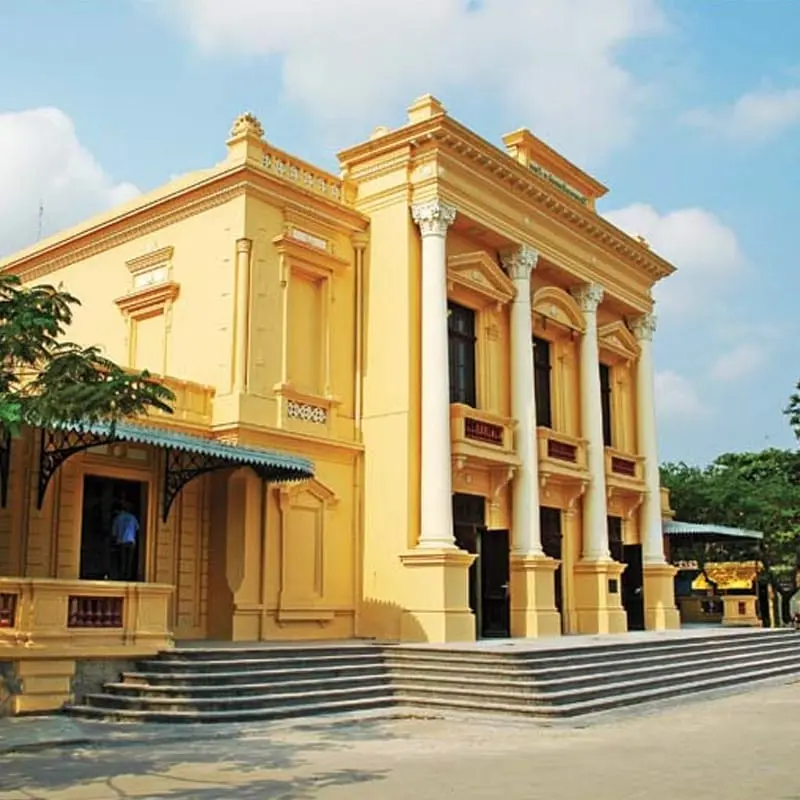
- Getting there. Take a Grab or taxi and search “Dinh Hang Kenh”. From the Opera House it is a short ride.
- Entry. Entry has traditionally been free or by donation. Check on arrival, as arrangements can change.
- Opening hours. The site usually opens during daytime hours. Hours may differ on holidays and festival days.
- Combine with. The Haiphong Museum, the Opera House and Tam Bac Lake for a heritage half day.
If you prefer someone to explain the stories in each beam, a private Haiphong tour with a local guide makes the visit much richer. Our Haiphong city tour with cultural insights also shows how the communal house fits into the city’s history.
Etiquette At The Communal House
Hang Kenh is still an active place of worship. A little respect goes a long way and local caretakers appreciate it.
- Dress modestly. Cover shoulders and knees.
- Speak softly. Keep your voice low inside the hall.
- Do not touch the carvings. Oils from hands damage old wood over time.
- Do not climb or lean. Stay off steps around the altar and avoid leaning on columns.
- Leave a small donation. A donation box helps with maintenance if you wish to contribute.
Many travellers combine a heritage stop like this with one of our haiphong tours, so they can see the carvings, hear the legends and still have time for street food. It is a calm, thoughtful start to any haiphong adventure in the city.
>>> Half-Day Haiphong Tour: The Ultimate 4-Hour Itinerary
Frequently Asked Questions About Hang Kenh Communal House
Where is Hang Kenh Communal House?
It is in central Haiphong, in the Le Chan area on Nguyen Cong Tru Street. Search “Dinh Hang Kenh” in a map or ride-hailing app.
How old is Hang Kenh Communal House?
The present building dates from the mid-19th century, during the Nguyen dynasty, which makes it more than 150 years old.
How many dragons are carved at Hang Kenh?
Local guides often quote a figure of over 300 dragons. Exact counts vary depending on what is included, so treat it as an approximate number.
Is there an entrance fee?
Entry has traditionally been free or by donation. Check on arrival, as arrangements may change.
How long should I spend there?
Plan 30 to 60 minutes to see the carvings properly and walk around the courtyard.
See Haiphong’s Finest Wood Carving For Yourself
The carving art at Hang Kenh Communal House shows the skill, faith and imagination of a 19th century craft village. Look up at the beams, find the four sacred creatures and take a moment to enjoy the quiet courtyard. It is one of the most rewarding heritage stops in Haiphong.
If you would like a local guide to explain the stories hidden in the timber, send the Haiphong Adventure team a message. We will help you plan a visit that fits your schedule.
WhatsApp, Viber, WeChat: +84(0)934.555.001
KakaoTalk, Line ID: haiphongadventure