Bargaining Tips at Haiphong Markets: Shop Like a Local
The best bargaining tips at Haiphong markets are simple: know where haggling is normal, ask the price before you show too much interest, offer a little lower with a smile, and be ready to walk away politely. Bargaining is expected in traditional markets and at street stalls, but not in supermarkets, malls or most food stalls. Done the local way, it is friendly, quick and part of the fun. This guide shows you how locals do it, which phrases help and the small mistakes that cost visitors money.
We are Haiphong Adventure, a local team that walks travelers through Haiphong markets almost every day. These are the tips our guides share before guests start shopping.
Where Bargaining Is Normal in Haiphong
Haggling in the wrong place feels awkward for everyone. Use this quick guide before you start.
| Place | Bargain? | Notes |
|---|---|---|
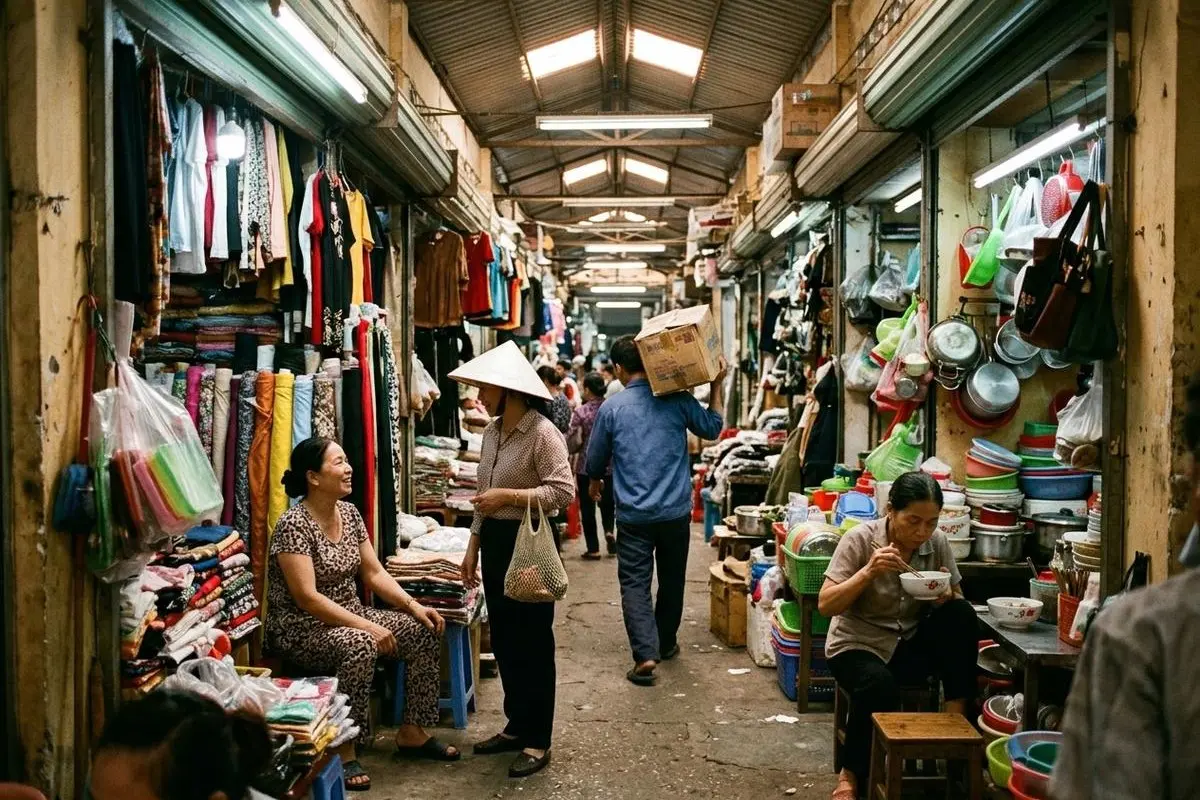
| Traditional covered markets | Yes | Clothes, fabric, bags, household goods, souvenirs |
| Street stalls and night market | Yes, lightly | Clothes, accessories, small gifts |
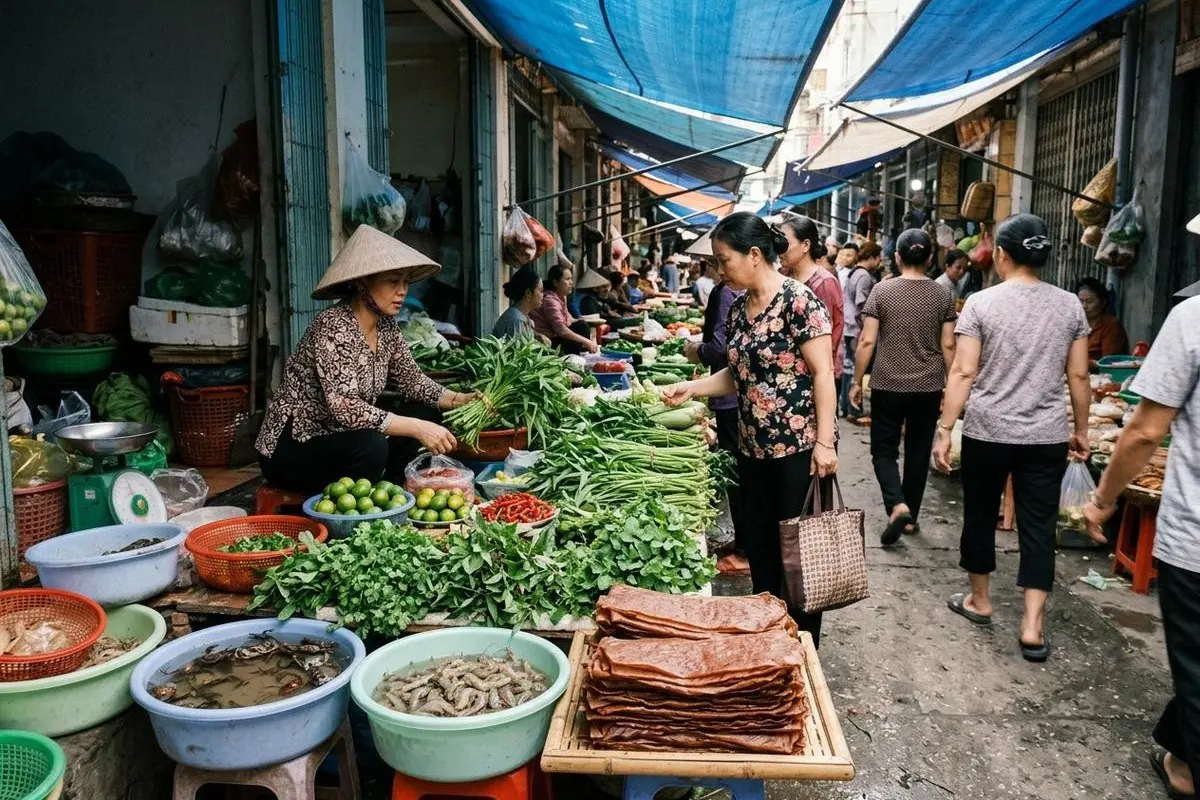
| Wet markets (fresh food) | A little | Prices are often close to fixed for locals |
| Street food stalls | No | Small, set prices, ask first if no menu |
| Supermarkets, malls, chain stores | No | Printed price tags |
| Restaurants with menus, ride apps | No | Price is shown in advance |
For the city’s biggest central market, read our guide on what to buy at Cho Sat Market before you go.
Look Around Before You Ask
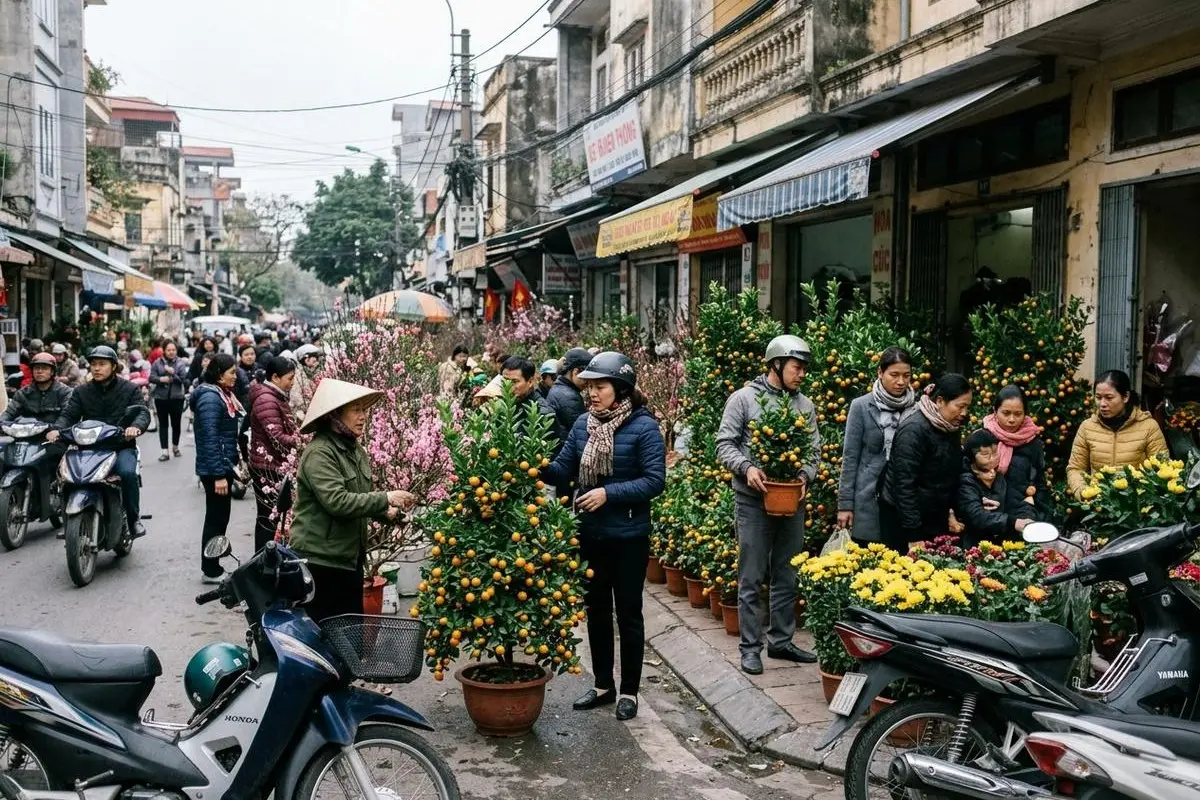
Many stalls in the same market sell similar goods. Walk one full aisle before you buy, and notice which stalls have the items you like. This gives you a feel for quality and price without any pressure.
- Visit two or three stalls and ask the price of the same item.
- Check quality closely: stitching, zips, seams and material.
- Remember that the first stall at the entrance is not always the best.
Ask the Price First
Let the seller name a number before you say anything about price. If you start with your own number, you may offer more than they expected.
A simple question works: ‘How much?’ or in Vietnamese, ‘Bao nhieu tien?’ Many sellers will type the price on a calculator or phone, which avoids confusion with numbers.
Make a Calm, Reasonable Counter Offer
There is no fixed formula, and anyone who tells you to always offer half is giving bad advice. In Haiphong, the first price for visitors is often a little higher than the local price, but not wildly so. Offer a lower amount that feels fair after comparing stalls, then meet somewhere in the middle.
- Start lower than you want to pay, but not so low that it feels rude.
- Move up in small steps.
- Once you agree a price, pay it. Walking away after agreeing is considered bad manners.
Learn a Few Vietnamese Words
A few local words make sellers smile and often lead to a better price.
| English | Vietnamese | When to use it |
|---|---|---|
| How much? | Bao nhieu tien? | To ask the price |
| Too expensive | Dat qua | Said with a smile, not a frown |
| A little cheaper, please | Bot di | To ask for a discount |
| Okay | Duoc | To accept the price |
| Thank you | Cam on | Always, whether you buy or not |
Do not worry about perfect tones. The effort matters more than the pronunciation.
>>> Haiphong Walking Tour Through The Local Markets
Buy More to Pay Less
The easiest discount in any market is buying several items from the same seller. Ask for a price for three shirts or five scarves together rather than one at a time. Sellers prefer one bigger sale and usually offer a better total.
Keep It Friendly
In Vietnam, staying calm and polite is important. Raising your voice or showing frustration makes people lose face, and the seller is less likely to help you.
- Smile and keep a light, joking tone.
- Do not touch and squeeze goods you have no plan to buy.
- Remember that a small difference in price may matter more to the seller than to you.
Our guide to cultural etiquette for Haiphong visitors explains more local manners that help in markets.
Recommended tour

Visit local markets with a guide who can translate, explain fair prices and help you bargain the friendly way.
From $79 per person
Know When to Walk Away
If the price will not move and you are not happy, say thank you and walk away slowly. Sometimes the seller calls you back with a better offer. If not, another stall nearby probably sells the same item.
Walking away is only polite before you agree a price. Once you say yes, the deal is done.
Pay Smart with Cash
Most market sellers prefer cash in Vietnamese dong, and many do not take cards. A little preparation avoids awkward moments.
- Carry small notes so you can pay the exact amount.
- Keep large notes separate and out of sight.
- Check each note before you hand it over. The 20,000 and 500,000 dong notes have a similar colour.
- Count your change before you leave the stall.
Do Not Bargain Where Prices Are Fixed
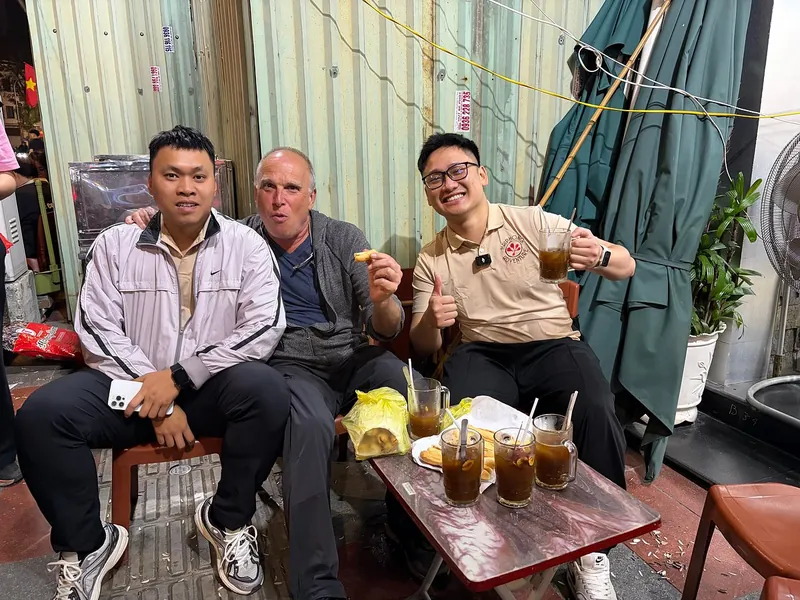
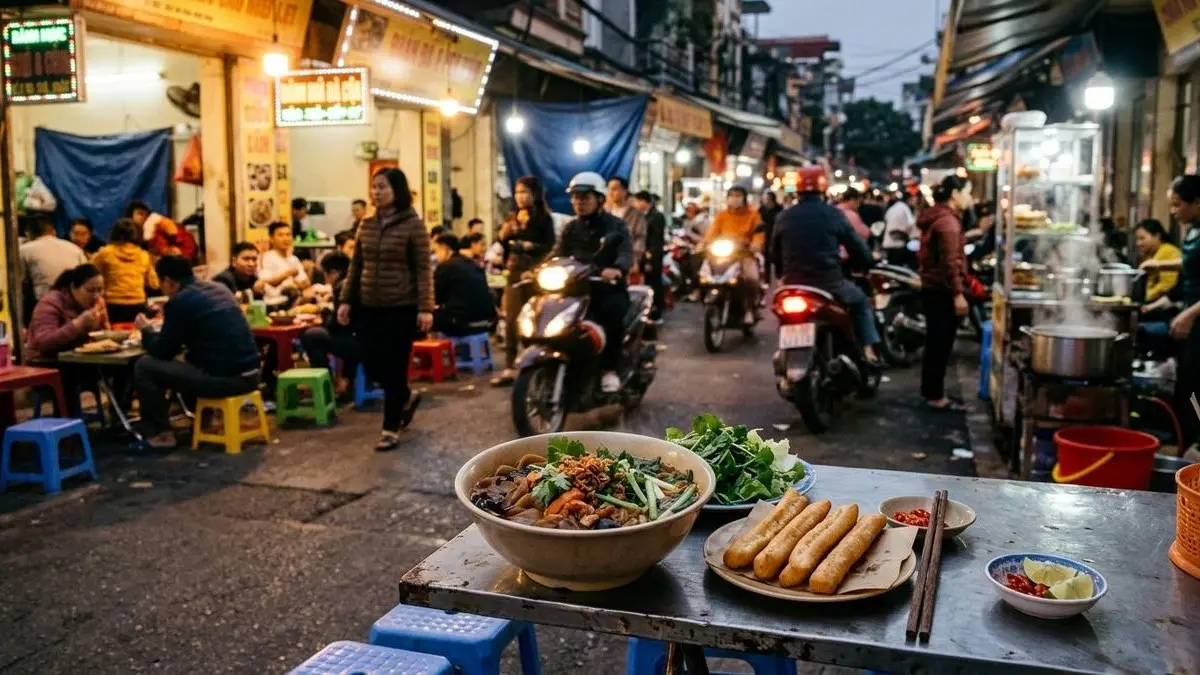
Food stalls, small cafes and many service providers have set prices that are already low. Haggling over a bowl of noodles or an iced coffee is not done, even if the price is not written down. If there is no menu, simply ask the price before you order.
For transport, use ride apps where the price is shown in advance, or agree the fare clearly before a cyclo ride. Our guides to Haiphong cyclo ride prices and Grab prices in Haiphong explain what to expect.
>>> Haiphong Food Prices for Tourists on Streets and Restaurants
Common Mistakes Visitors Make
- Bargaining too hard over tiny amounts. A few thousand dong is very little for you and can matter to the seller.
- Showing too much excitement. Sellers notice when you love an item and will hold their price.
- Not checking quality. A cheap price means nothing if the zip breaks the next day.
- Agreeing and then leaving. This is the one bargaining move locals find truly rude.
- Bargaining at the seafood market without knowing prices. Learn typical prices first in our guide to Haiphong seafood prices.
>>> Haiphong Seafood Prices Per Kg and How Not to Overpay
Frequently Asked Questions
Is bargaining expected in Haiphong?
Yes, in traditional markets and at street stalls selling clothes and souvenirs. It is not expected in supermarkets, malls, restaurants or at food stalls.
How much discount should I ask for?
There is no fixed rule. Compare a few stalls, offer a fair amount below the first price and meet in the middle. Keep it friendly rather than chasing the lowest number.
Do Haiphong market sellers speak English?
Some know a few words and numbers. Most use a calculator or phone to show prices, which makes bargaining easy.
Can I pay by card at Haiphong markets?
Usually not. Bring cash in small Vietnamese dong notes. Some sellers accept bank transfer by QR code, which needs a local bank account.
Is it rude to walk away?
No, as long as you have not agreed a price. Say thank you and move on politely.
Shop Haiphong Markets With a Local Guide
These bargaining tips at Haiphong markets will help you shop with confidence: compare first, ask the price, counter calmly, keep smiling and pay with small notes. If you would like a local by your side, Haiphong Adventure guides can walk the markets with you, translate, explain fair prices and show you the stalls locals trust. Browse our Haiphong tours and tell us your travel dates.
Contact Haiphong Adventure
- WhatsApp, Viber, WeChat: +84(0)934.555.001
- KakaoTalk, Line ID: haiphongadventure