Traditional Craft Villages Near Haiphong Worth Visiting on a Countryside Day
Looking for traditional craft villages near Haiphong? The countryside around the port city still keeps several old trades alive: wood carvers in Bao Ha who make statues for pagodas and communal houses, bronze casters in Thuy Nguyen, flower growers who supply the Tet markets, and island families who make Cat Hai fish sauce. These are working villages, not theme parks, so a visit feels quiet and real. This guide explains which villages are worth the trip, what you can see, how to get there and how to visit respectfully as a foreign traveler.
Most craft villages sit 20 to 60 kilometers from the city center, so they fit well into a half day or full day countryside trip. Workshops are family businesses with no fixed opening hours, which is why many visitors go with a local guide who can call ahead, translate and explain each step of the craft.
Why Visit Traditional Craft Villages Near Haiphong
For centuries, villages in northern Vietnam specialized in one trade and passed it from parents to children. A village might be known for statues, bronze, mats, flowers or food, and its temple often honors the founder who first taught the craft. Visiting one of these places gives you a view of rural life that you will not get in the city.
- You see skills up close: carvers shaping a statue with chisels, or metalworkers pouring molten bronze into clay molds.
- You meet local families: many artisans are happy to show their work when visitors are polite and curious.
- You discover the countryside: the roads pass rice fields, fish ponds, village gates and small temples.
- You support living heritage: buying directly from a workshop helps keep traditional trades going.
Craft villages are also a calm contrast to the busy center. If you enjoy culture and photography, combine them with a ride through rural roads. Our story about a Haiphong adventure into the rural countryside gives a feel for what the journey is like.
Bao Ha Wood Carving Village
Bao Ha, in Vinh Bao district south of the city, is the best known craft village in the Haiphong area. For generations, its carvers have made wooden statues of Buddhas, saints and guardian figures for pagodas, temples and communal houses across northern Vietnam. Many religious buildings in the region hold statues that started life in a Bao Ha workshop.
What You Can See
Walk along the village lanes and you will hear the tapping of mallets on chisels. Inside open workshops, craftsmen rough out large blocks of wood, then refine faces, hands and robes with smaller tools. Finished pieces are often lacquered and gilded in red and gold. Seeing a statue at different stages, from raw block to polished figure, helps you understand how much skill goes into each one.
The Unique Dry Puppetry of Bao Ha
Bao Ha is also known for a rare folk art called múa rối cạn, or dry puppetry. Unlike the famous water puppets, these wooden puppets perform on a stage without water, controlled by puppeteers hidden behind a screen. The puppets are carved by the same village artisans, which shows how the craft and the performance grew up together. Shows are not held every day, so ask in advance if you hope to see one.

Tips for Visiting
- The drive from the city center usually takes around an hour or more, depending on traffic and your route.
- Workshops are private homes and businesses. Ask before entering or filming, and do not touch tools or unfinished pieces.
- Small carved items can make meaningful souvenirs. Large statues are usually made to order for temples, so treat them as art to admire.
>>> Carving Art At Hang Kenh Communal House Guide
Water Puppetry Traditions in Vinh Bao
Water puppetry was born in the wet rice villages of the Red River Delta, where village ponds became natural stages. The Haiphong countryside shares this heritage, and Vinh Bao district is home to village puppet troupes, including the one in Nhan Hoa, that have kept performances going for many generations.
A traditional show uses a pond or water tank as the stage. Puppeteers stand waist deep behind a bamboo screen and move the puppets with long rods hidden under the water. Scenes show farming, fishing, festivals and legends, with live music and singing. Village performances usually happen at festivals or for booked groups rather than on a daily schedule, so plan with a guide or ask the local cultural office before you go.
If you cannot catch a village performance, look for shows during spring festivals after Tet, when many communities organize traditional entertainment. Our Haiphong festivals calendar helps you find the right season.
My Dong Bronze Casting Village
In Thuy Nguyen, north of the Cam River, My Dong has a long tradition of bronze casting. Families here make bells, incense burners, statues and decorative objects for temples and homes. Bronze work is one of the oldest crafts in Vietnam, linked to the famous Dong Son bronze drums that you can see in regional museums.
A casting day is dramatic. Artisans prepare clay molds, melt the metal in a furnace and pour it in a glowing stream. After cooling, the rough piece is cleaned, filed and polished by hand. Casting does not happen every day, and workshops are hot and busy, so keep a safe distance and follow your host’s instructions.
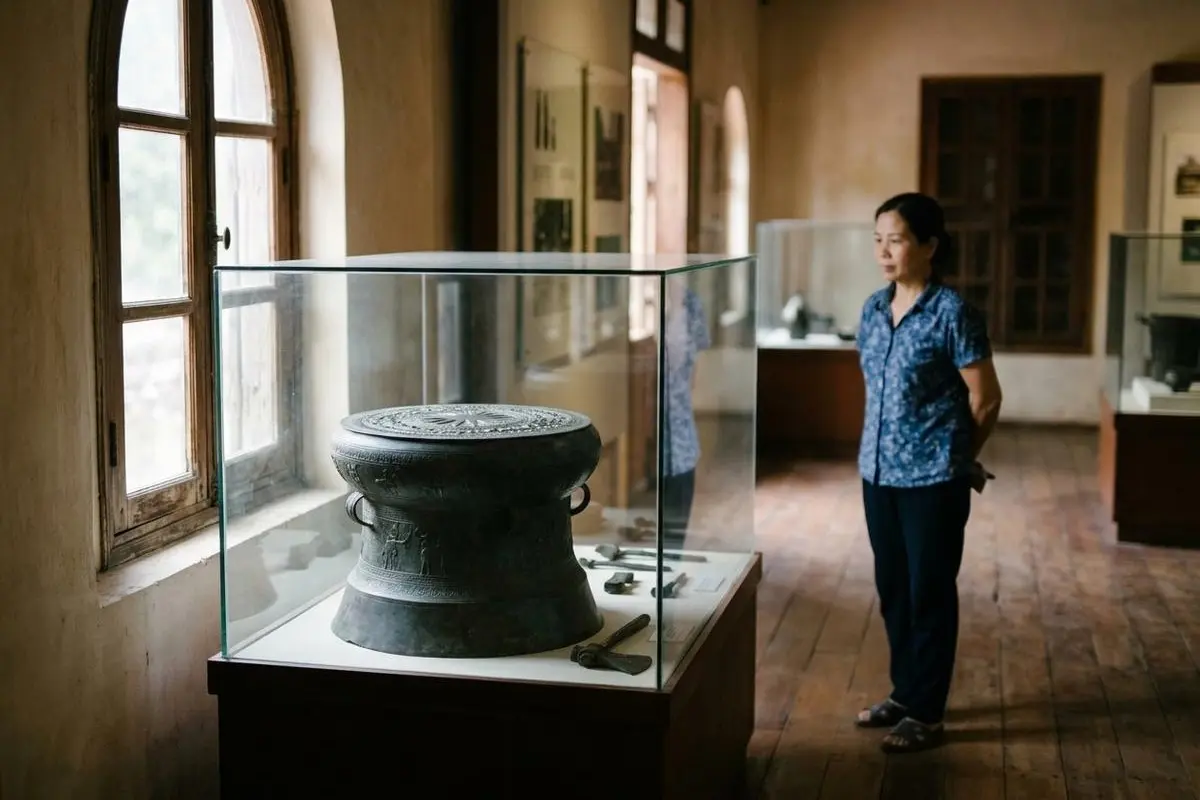
Before or after your visit, the artifacts at Haiphong Museum give helpful background on the region’s long bronze tradition. Thuy Nguyen is also home to the Bach Dang River relic sites, so it is easy to combine history and crafts in one day.
>>> Visiting Bach Dang River Stakes Monument Guide
Flower Growing Villages Before Tet
On the edge of the city, flower growing areas such as Dang Hai in Hai An district have long supplied the markets of Haiphong. Fields of chrysanthemums, gladioli, roses and potted plants are tended all year, but the busiest and most photogenic time is the month before Tet, the Lunar New Year.
In that season, growers work from dawn to dusk to prepare plants for the flower markets, and traders arrive to load trucks and motorbikes. Visitors can walk along the field paths, watch the harvest and buy fresh flowers at farm prices. Always stay on paths, ask before entering a garden and never pick flowers without permission.
The growing area changes as the city expands, so ask a local guide where fields are still active. To plan around the seasons, check our guide to the best time to visit Haiphong.

Recommended tour

Explore the real Haiphong with a local guide who knows the back roads, family workshops and stories behind the city’s traditions, and can help you talk with artisans along the way.
From $79 per person
Cat Hai Fish Sauce and Island Food Crafts
Not every traditional craft involves wood or metal. On Cat Hai island, between the city and Cat Ba, families have made fish sauce for generations. Small fish are layered with sea salt in large vats and left to ferment slowly, then the clear amber liquid is drawn off and aged. Cat Hai fish sauce is one of the best known local specialties and a popular food gift.
Fish sauce workshops can have a strong smell, which is part of the experience. If you visit, wear shoes you do not mind getting wet, ask before photographing inside storage areas and taste a few grades to compare. Sealed bottles from established producers are the safest choice if you plan to take some home in checked luggage.
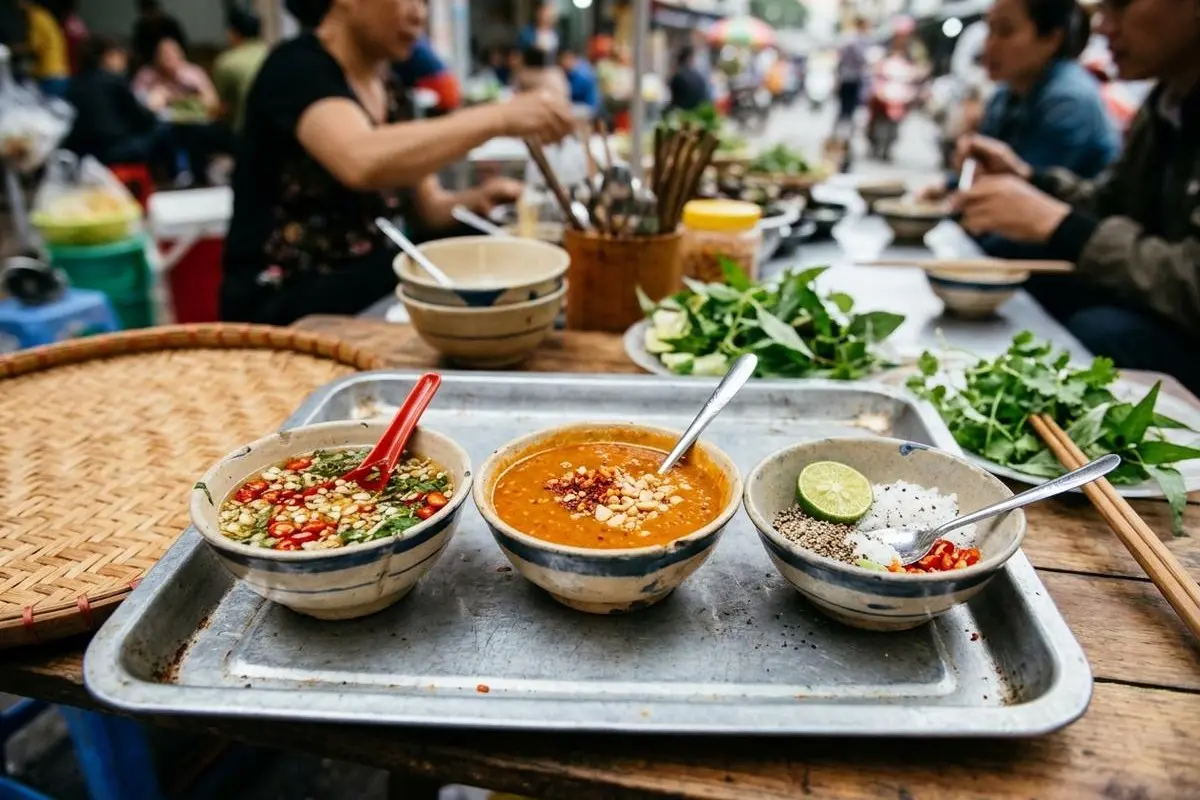
Cat Hai sits on the route toward Cat Ba, so a stop can fit into a trip to the islands. For transport options, see our guide on getting from Haiphong to Cat Ba by local transport.
>>> Haiphong Local Dishes List with Easy Tips for Ordering
Hang Kenh and the City’s Craft Heritage
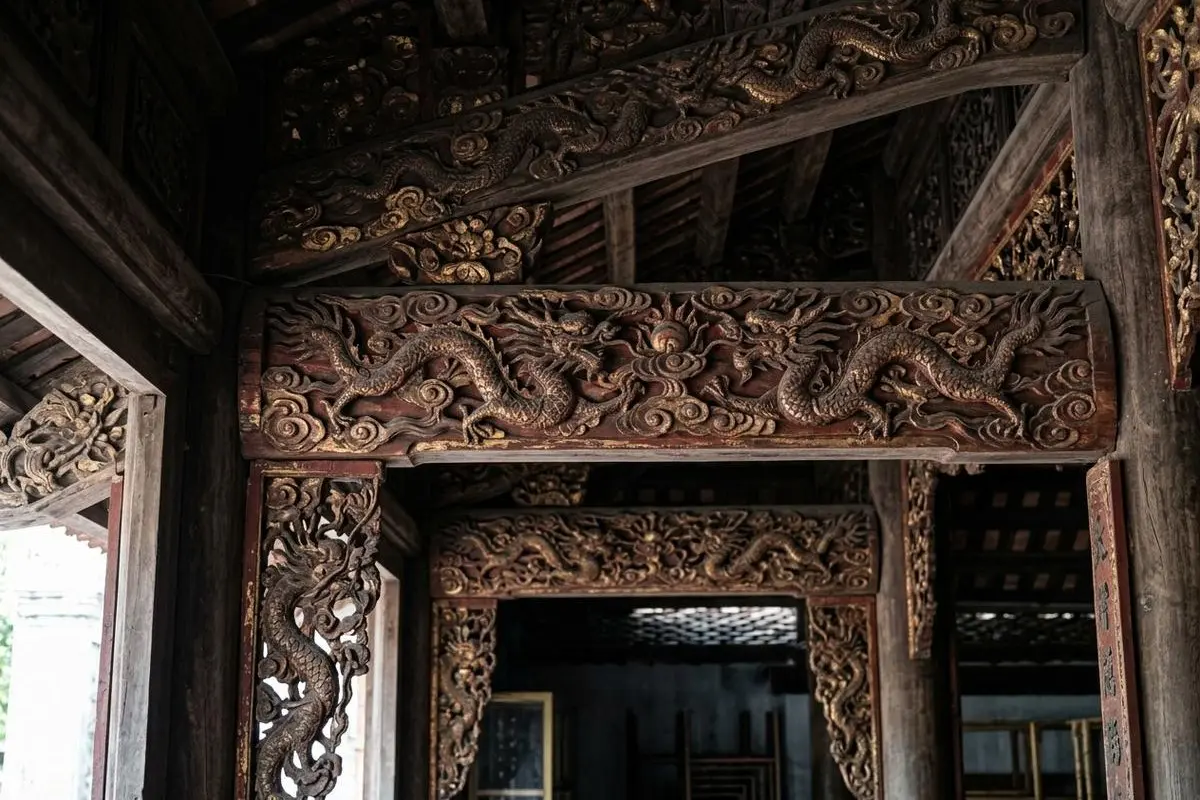
You do not have to leave the city to find craft history. The Hang Kenh area in Le Chan district was once famous for hand woven wool carpets, a trade that brought skilled weavers to the neighborhood. Today the area is best known for Hang Kenh Communal House, whose dense wood carvings are among the finest in the region.
Standing under its dark ironwood beams, you can see dragons, clouds and scenes of village life carved in remarkable detail. It is a perfect warm-up before visiting a carving village in the countryside, because you see the finished art first and then meet the people who still make it.
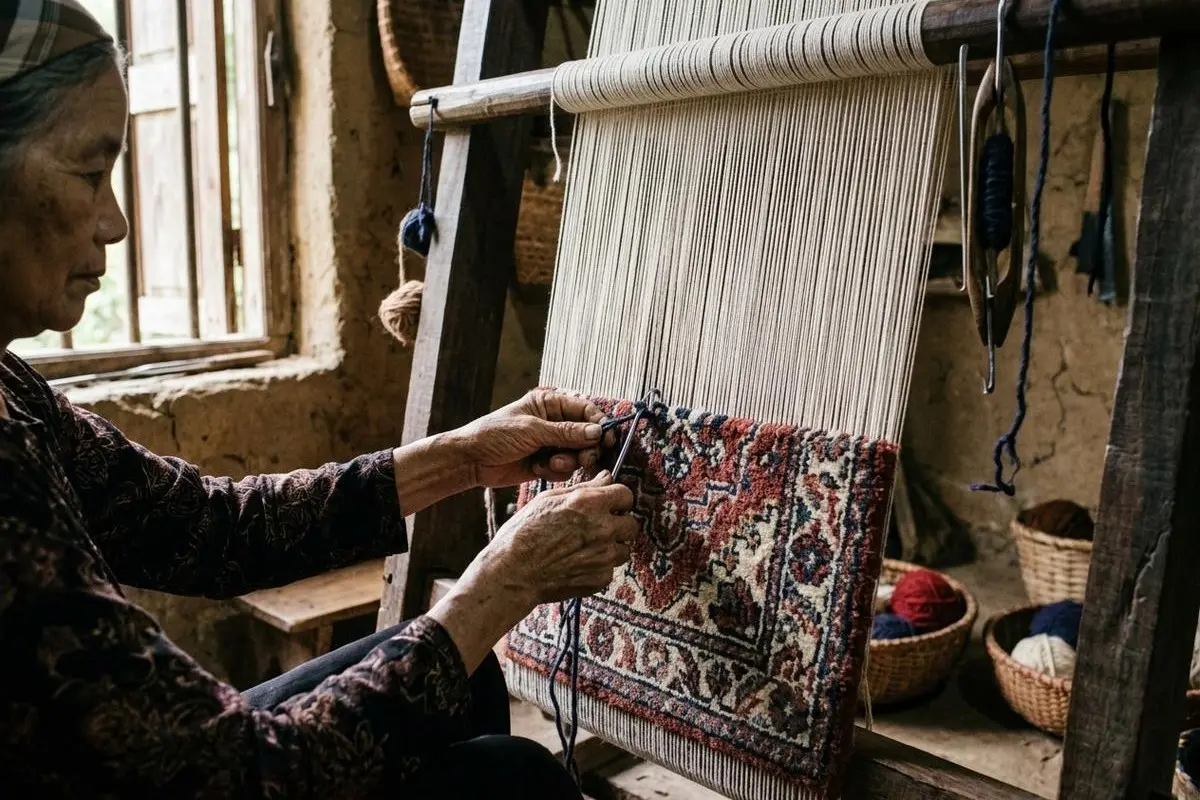
Learn more in our guide to Hang Kenh Communal House history and heritage.
How to Plan a Craft Village Trip
Craft villages are spread around the city in different directions, so a little planning saves time.
| Village or area | Craft | Direction from center | Best combined with |
|---|---|---|---|
| Bao Ha, Vinh Bao | Wood carving, dry puppetry | South | Countryside ride, village temples |
| Vinh Bao villages | Water puppetry | South | Bao Ha, spring festivals |
| My Dong, Thuy Nguyen | Bronze casting | North, across the Cam River | Bach Dang River relic sites |
| Dang Hai, Hai An | Flower growing | East, toward the airport | Tet flower markets |
| Cat Hai island | Fish sauce | East, toward Cat Ba | Trip to Cat Ba and Lan Ha Bay |
Getting There
Public buses reach some districts, but routes are hard to use without Vietnamese, and villages are spread out. Most travelers choose one of these options:
- Guided motorbike tour: the most flexible way to explore small lanes and stop wherever something interesting happens.
- Private car with driver: comfortable for families or in bad weather. See our guide to a Haiphong private car with driver.
- Ride hailing: fine for reaching a village, but drivers may not wait, and finding a return ride in the countryside can be slow.
Best Time to Go
Mornings are usually the most active time in workshops, and the light is softer for photos. The cool, dry months are the most comfortable for countryside travel. Avoid the first days of Tet, when most families stop working, but do consider the weeks before Tet, when flower and craft production is at its busiest.
Etiquette for Visiting Artisans
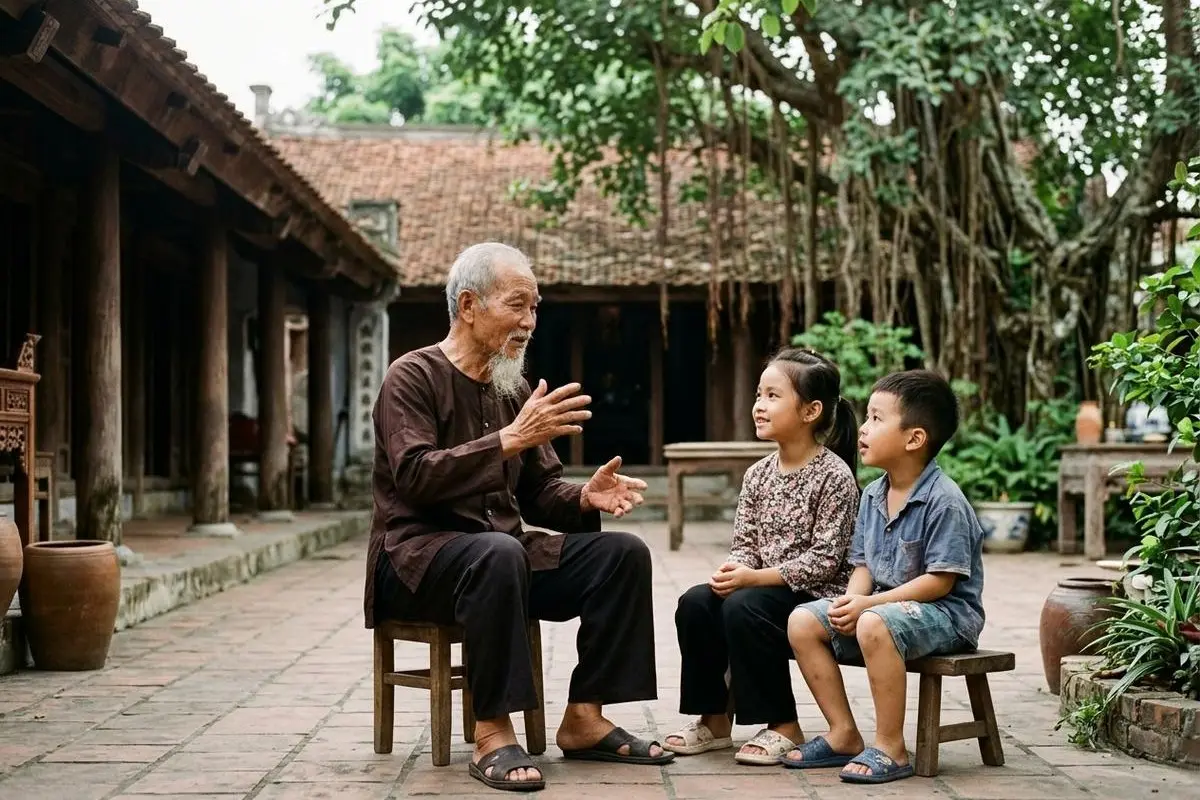
A craft village is a place of work and home life. These simple habits make your visit pleasant for everyone:
- Greet first. A smile and a simple “xin chào” opens doors.
- Ask before photos. Point to your camera and wait for a nod, especially for close-up portraits.
- Keep your hands off. Do not touch tools, molds or unfinished work unless invited.
- Respect temples. Many villages honor the founder of their craft at a local temple. Dress modestly and keep your voice low.
- Buy if you can. Even a small item is a meaningful thank you. Agree on the price before paying.
- Stay safe. Keep away from furnaces, sharp tools and machinery, and keep children close.
>>> Cultural Etiquette For Haiphong Travel Visitors
Buying Crafts and Taking Them Home
Buying directly from artisans is one of the best ways to support traditional craft villages near Haiphong. A few practical points:
- Small carvings and bronze pieces travel well if wrapped in clothes. Ask the workshop to pack them firmly.
- Large items such as statues or heavy bronze objects are expensive to ship. Ask about shipping only if you are serious, and get written details.
- Religious objects may have special meaning. Ask your guide whether an item is appropriate as decoration before you buy.
- Fish sauce must go in checked luggage, sealed and wrapped. Check your home country’s import rules for food.
- Cash is the normal way to pay in villages. Bring small notes.
Prices depend on size, material and the time each piece takes, so there is no standard price list. Compare a few workshops, and remember that hand work takes days or weeks.
Sample Day Trip Itinerary
Here is one way to see two crafts and the countryside in a single day. Times are flexible and depend on traffic and how long you stay at each stop.
- Morning: start at Hang Kenh Communal House in the city to admire its carvings.
- Late morning: ride south through rice fields to Bao Ha and visit two or three carving workshops.
- Lunch: a simple countryside meal at a local eatery.
- Afternoon: visit a village temple, then, if pre-arranged, watch a short puppet performance.
- Late afternoon: return to the city for a sunset coffee by the lake.
Prefer bronze and history? Swap the southern loop for Thuy Nguyen, combining My Dong with the Bach Dang River sites. A local guide makes either day smoother, which is why many travelers include craft stops in their Haiphong tours.
Want more ideas for days out? Browse our list of cultural things to do in Haiphong.
Frequently Asked Questions
What is the most famous craft village near Haiphong?
Bao Ha wood carving village in Vinh Bao is the best known. Its artisans make statues for pagodas and temples across northern Vietnam, and the village is also famous for dry puppetry.
Can I visit craft villages without a guide?
Yes, but it is harder. Workshops have no fixed hours, few artisans speak English and villages are spread out. A guide can call ahead, translate and make sure you arrive when work is happening.
How far are the craft villages from Haiphong city?
Most are roughly 20 to 60 kilometers from the center, about 30 minutes to over an hour by road depending on the village and traffic.
Can I see a water puppet show in a Haiphong village?
Village troupes perform mainly at festivals or for booked groups. Ask your guide or hotel in advance about any scheduled shows during your stay.
Are craft villages good for families with kids?
Yes, children usually love watching carvers and puppets. Keep them close in workshops with sharp tools or furnaces, and choose cooler morning hours.
Discover Living Traditions Around Haiphong
The traditional craft villages near Haiphong are a window into skills that have shaped northern Vietnam for centuries: statues carved in Bao Ha, bronze poured in Thuy Nguyen, flowers grown for Tet and fish sauce aged on Cat Hai island. Go with curiosity, respect the artisans’ work and leave time to enjoy the countryside in between. If you would like a local to plan the route, arrange workshop visits and translate along the way, Haiphong Adventure would be happy to help. Browse our Haiphong tours or send us your travel dates.
Contact Haiphong Adventure
- WhatsApp, Viber, WeChat: +84(0)934.555.001
- KakaoTalk, Line ID: haiphongadventure