Hang Kenh Communal House History And Heritage
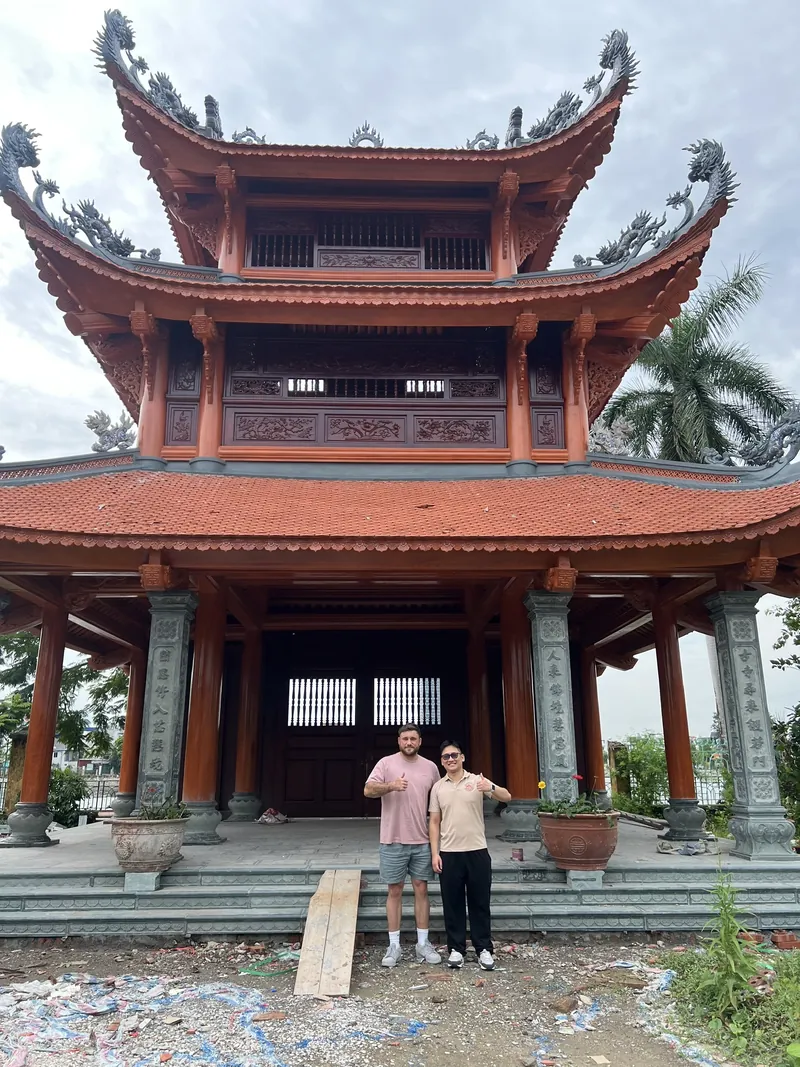
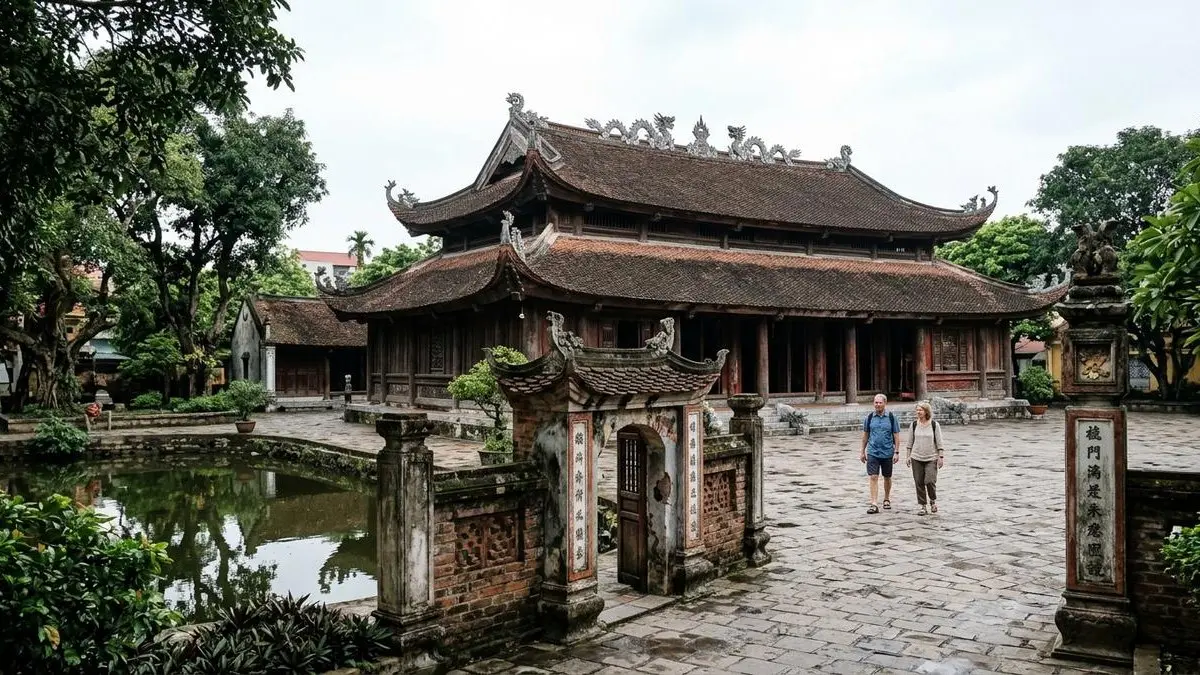
Hang Kenh Communal House is one of the oldest and best-preserved village buildings in Haiphong, and its history tells the story of how a small craft village became part of a major port city. The present wooden hall was built in the mid-19th century under the Nguyen dynasty, honours the national hero Ngo Quyen and was later recognised as a national historical and architectural relic. For visitors, it is a rare chance to step inside the world of old northern Vietnamese village life.
In this guide, the Haiphong Adventure team walks you through the origins of the communal house, the village that built it, the hero it honours, how it survived the 20th century and why it still matters to local people. Historical dates are given as commonly cited by local sources and may vary slightly between references (updated October 2026).
A Quick Timeline Of Hang Kenh
Before diving into the details, here is a simple overview of the key stages in the life of the communal house.
| Period | What happened |
|---|---|
| Before the 19th century | Hang Kenh is a farming and craft village on the outskirts of what later becomes Haiphong. |
| Mid-19th century | The present communal house is built in ironwood under the Nguyen dynasty, often dated to the 1850s. |
| Late 19th to early 20th century | Haiphong grows rapidly as a port. The village slowly becomes part of the city. |
| 20th century | The building survives decades of war and change while the community keeps its traditions alive. |
| Early 1960s | Hang Kenh is listed as a national historical and architectural relic. |
| Today | An active place of worship, a heritage site and a quiet escape in the city center. |
The Village Behind The Communal House
Long before Haiphong became a busy port, Hang Kenh was a village of farmers and craftspeople. Like every village in the Red River Delta, it had a communal house where residents gathered to worship their guardian spirit, settle community matters and hold festivals.
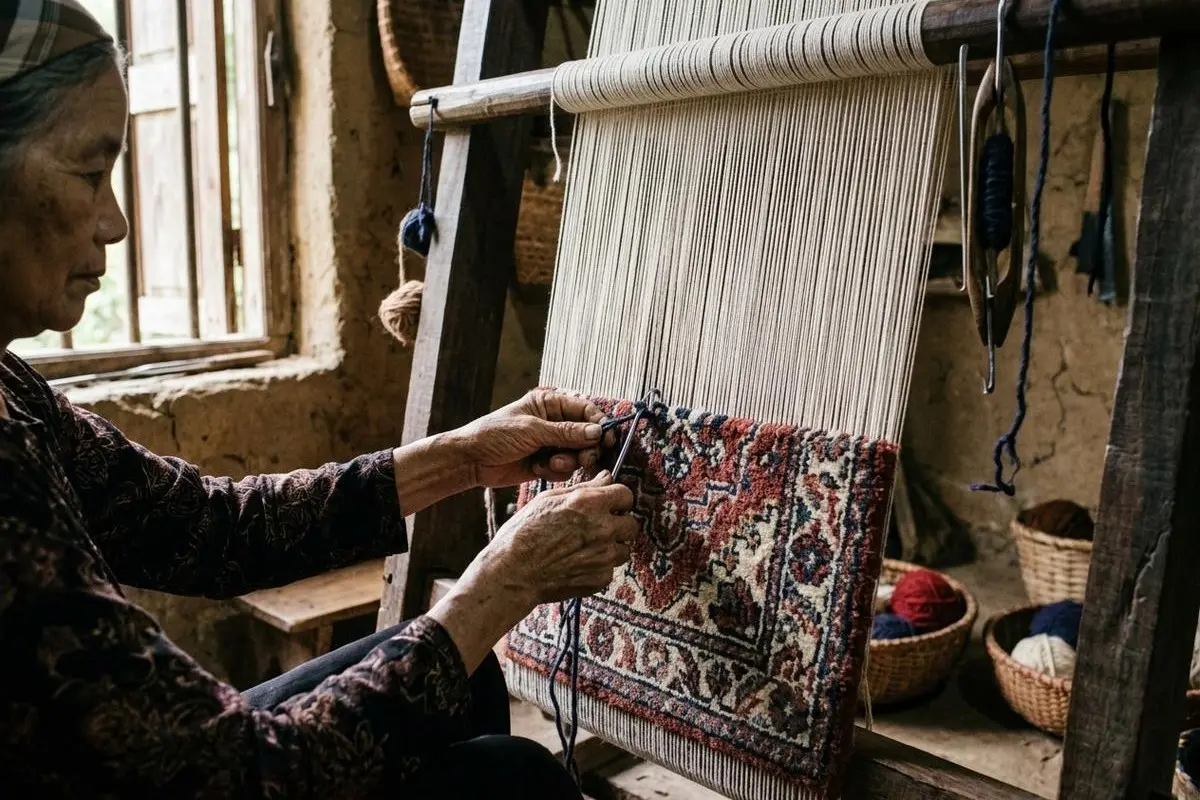
Hang Kenh was especially known for handicrafts. In the late 19th and 20th centuries, the name became linked with hand-knotted wool carpets, a trade that brought skills and pride to the community. The quality of the carving inside the communal house reflects that same culture of fine handwork.
As Haiphong expanded, the rice fields gave way to streets and houses. The village was gradually absorbed into the city, but the communal house remained the symbolic center of the old community.
>>> The Ultimate Haiphong Tour: Top 10 Must-Visit Spots in 2025
Ngo Quyen And The Spirit Of Bach Dang
Hang Kenh Communal House honours Ngo Quyen, one of the most important figures in Vietnamese history. In 938, he defeated an invading fleet on the Bach Dang River, near today’s Haiphong, by planting sharpened wooden stakes in the riverbed and using the tide to trap the enemy ships.
That victory is widely seen as the end of a long period of foreign rule and the beginning of Vietnamese independence. Because the battle took place so close to Haiphong, Ngo Quyen holds a special place in local memory, and several temples in the region honour him.
- Who. Ngo Quyen, general and later king.
- When. 938.
- Where. The Bach Dang River, north of central Haiphong.
- Why it matters. A symbol of independence and local pride.

Architecture As A Historical Record
The building itself is one of the best historical sources at the site. Its layout and materials reveal how a prosperous 19th century village wanted to present itself.
Layout
Like many northern communal houses, Hang Kenh has a large front hall for gatherings and ceremonies and an inner sanctuary for worship. The courtyard, gateway and pond in front complete the traditional arrangement.
Materials
The frame is made from ironwood, a heavy, durable hardwood. Using so much quality timber was expensive, which shows how much the village valued its communal house.
Decoration
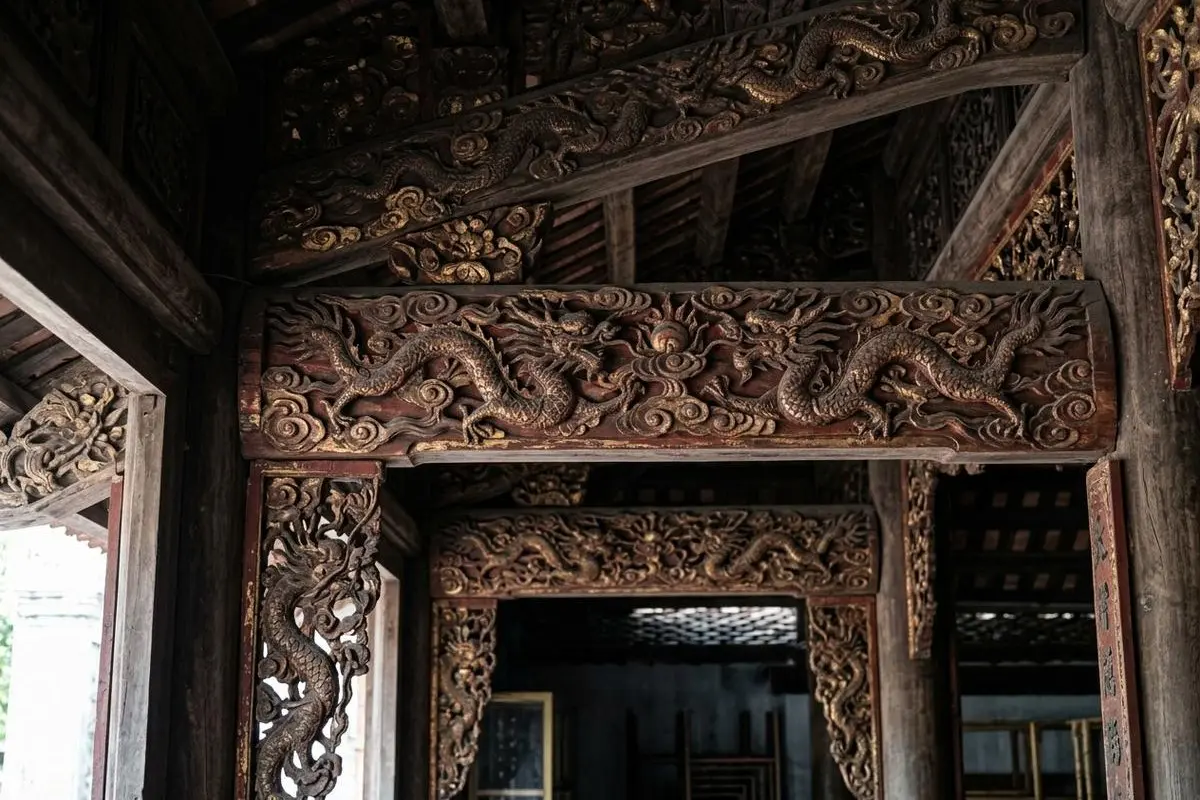
The beams and panels are famous for dense carving, especially dragons. If you want to focus on that side of the building, our separate guide to the carving art at Hang Kenh explains how to read the motifs.
Recommended tour
The Haiphong Street Food and City Tour
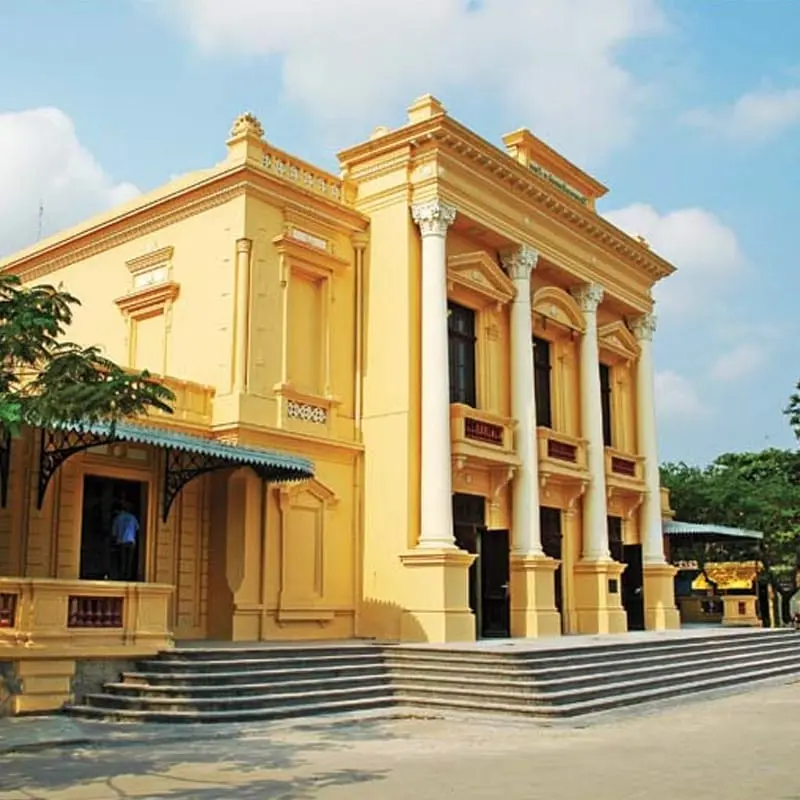
Discover the history of old Haiphong with a local guide, from colonial landmarks to village heritage, with street food stops along the way.
From $85 per person
Surviving The 20th Century
The 20th century brought huge change to Haiphong: colonial expansion, war, rebuilding and rapid urban growth. Many village buildings across northern Vietnam were damaged, repurposed or lost during these decades.
Hang Kenh survived, thanks in large part to local people who continued to care for it. Its listing as a national relic in the early 1960s gave it formal protection and recognition. Since then, conservation work has focused on keeping the original timber frame and carvings intact.
For a broader look at how the city developed around sites like this, our Haiphong city tour with cultural insights connects the old villages with the colonial port and modern city.
>>> My Haiphong Tours Itinerary For Weekend Getaway
Living Heritage Today
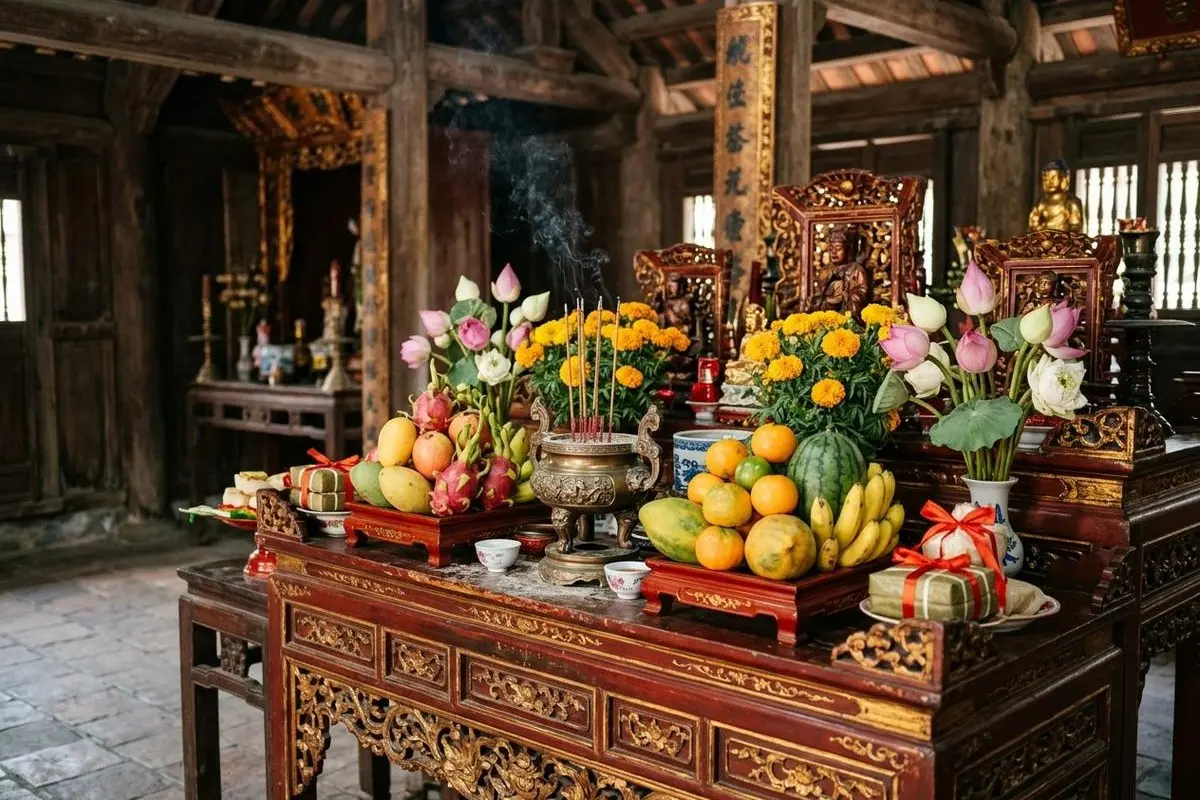
Hang Kenh is not a museum. It remains a living place of worship and community life.
- Daily worship. Local residents come to light incense and pray.
- Festivals. Traditional ceremonies are held at certain times of the lunar year, bringing music, offerings and processions.
- Community events. The courtyard is still a place where neighbours meet.
- Education. Students and researchers visit to study traditional architecture.
Visiting with this in mind makes the experience richer. You are entering a space that still matters deeply to the people who live around it.
Why The Heritage Of Hang Kenh Matters
Haiphong is often described as a modern port city, but places like Hang Kenh show its deeper roots.
- A link to village life. It preserves the role of the communal house in traditional society.
- A link to national history. Through Ngo Quyen, it connects the city to the story of Vietnamese independence.
- A showcase of craftsmanship. Its carvings are a reference for traditional woodworking.
- A calm space. It offers a peaceful contrast to the busy streets outside.
It sits comfortably alongside other heritage stops in our guide to cultural things to do in Haiphong, and it is easy to combine with the museum and Opera House in one morning.
Visiting Hang Kenh With History In Mind
- Location. In central Haiphong, on Nguyen Cong Tru Street in the Le Chan area. Search “Dinh Hang Kenh”.
- Time needed. 30 to 60 minutes.
- Best time. Morning, when it is cooler and quieter.
- Entry. Traditionally free or by donation. Check on arrival.
- Dress. Cover shoulders and knees, as it is an active place of worship.
- Pair it with. The Bach Dang River relic site if you want to follow the story of Ngo Quyen further.
If you would rather hear these stories from a local, many of our haiphong tours include heritage stops in the city center. It is an easy way to add depth to your haiphong adventure without planning every detail yourself, and our list of best things to do in Haiphong has more ideas for the rest of your day.
>>> Free Things To Do In Haiphong For Budget Travel
Frequently Asked Questions About Hang Kenh Communal House History
When was Hang Kenh Communal House built?
The present building dates from the mid-19th century, under the Nguyen dynasty. Local sources often place it in the 1850s.
Who is worshipped at Hang Kenh Communal House?
It honours Ngo Quyen, the hero of the 938 Bach Dang victory, together with local tutelary spirits.
Is Hang Kenh a national relic?
Yes. It was recognised as a national historical and architectural relic in the early 1960s.
What was Hang Kenh village known for?
Besides farming, the village became known for handicrafts, especially hand-knotted wool carpets.
Can tourists visit Hang Kenh Communal House?
Yes. Visitors are welcome during opening hours. Dress modestly, speak softly and respect people who come to pray.
Step Into Haiphong’s Village Past
The history of Hang Kenh Communal House brings together a craft village, a national hero and more than 150 years of survival in a fast-changing city. Standing in its courtyard, you can still feel the rhythm of old village life in the middle of modern Haiphong.
If you would like a local guide to share these stories with you, send the Haiphong Adventure team a message. We will help you plan a heritage visit that fits your trip.
WhatsApp, Viber, WeChat: +84(0)934.555.001
KakaoTalk, Line ID: haiphongadventure