Exploring Haiphong Museum Artifacts And Stories
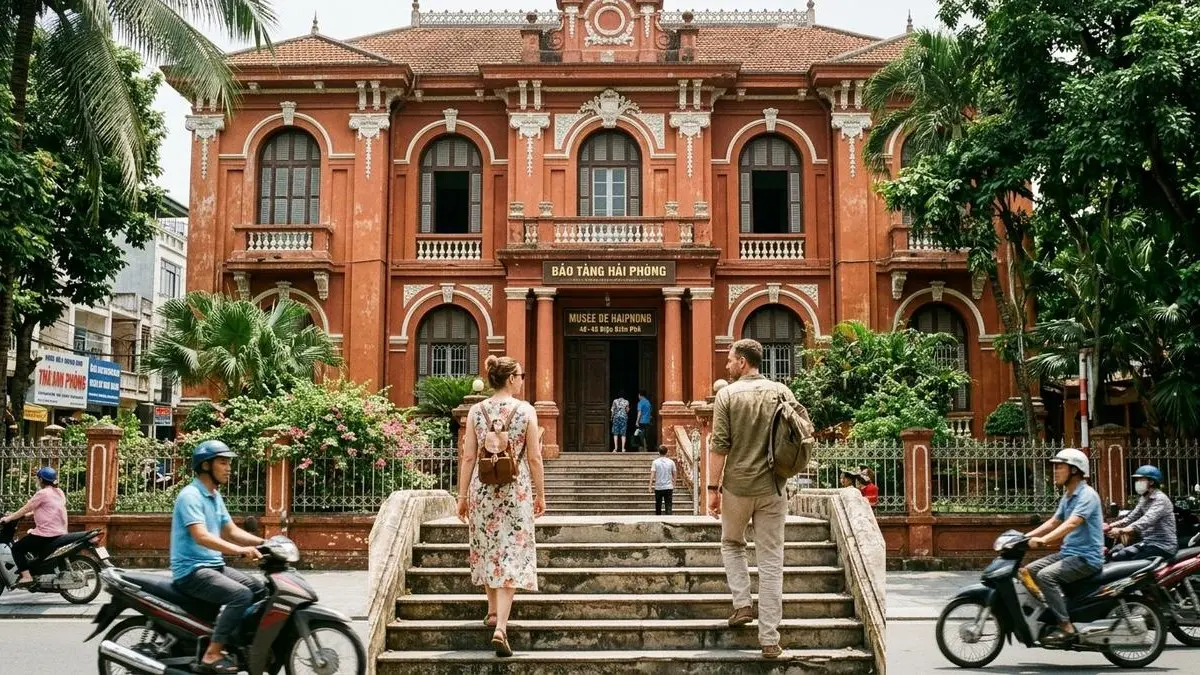
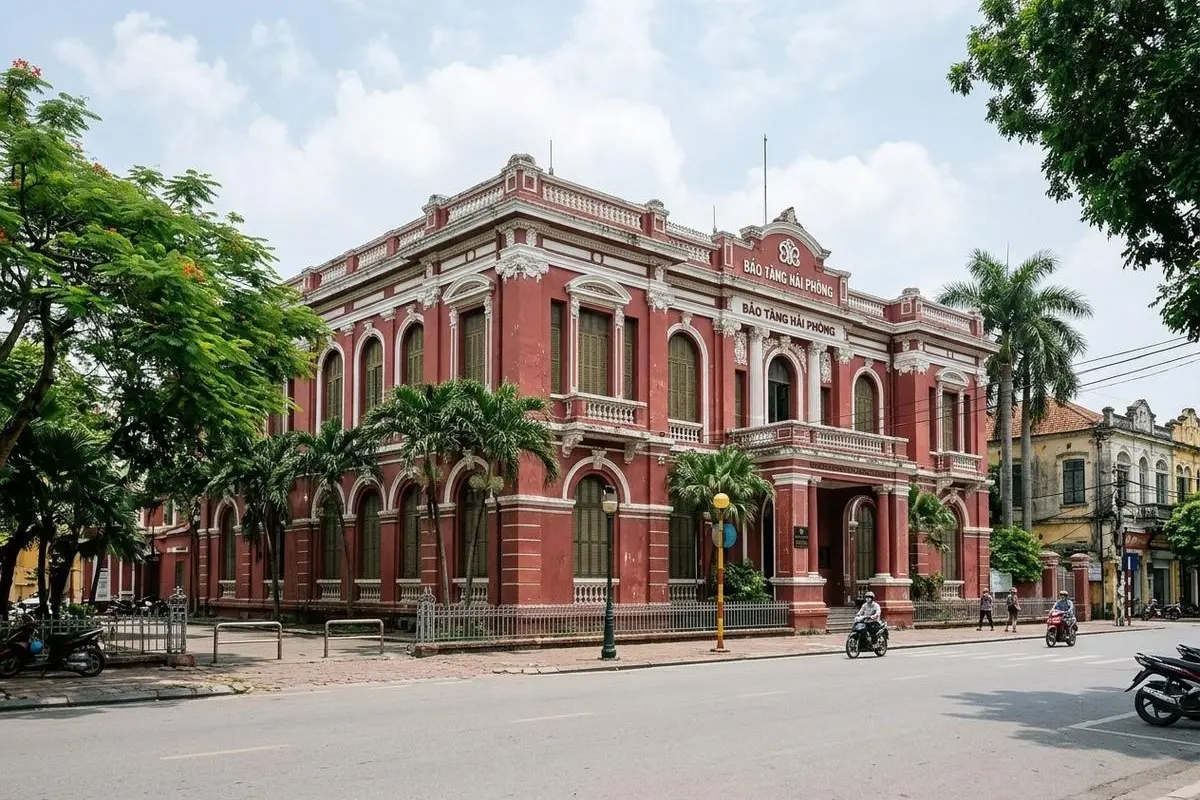
The Haiphong Museum is the easiest way to hear the stories that the streets of this port city never tell out loud. Behind its red colonial walls sit bronze drums, boat shaped coffins, hand tools from the ancient coast, heavy timber stakes from a famous river battle and photographs of a busy colonial harbour. Each object comes with a story, and together they explain how a small fishing settlement became one of northern Vietnam’s great cities.
This guide from the Haiphong Adventure team focuses on the artifacts themselves: what they are, why they matter and how to look at them so the visit feels like a conversation with the past rather than a quick walk past glass cases. Opening hours, ticket prices and gallery layouts change from time to time, so treat practical details as a reference (updated October 2026) and confirm them locally before you go.
Why The Collection Is Worth A Slow Look
Many visitors pass through Haiphong on the way to Cat Ba Island or Lan Ha Bay and treat the city as a transit stop. The museum is the best argument for staying a few hours longer. It is compact, rarely crowded and arranged in a clear timeline, so even a first timer can follow the story from prehistory to the modern port.
- Objects make history real. A wooden stake or a bronze blade tells you more about the past than a paragraph on a wall.
- It is easy to reach. The building stands in the old French quarter, close to the Opera House, the City Post Office and Tam Bac Lake.
- It is a calm indoor stop. When rain or heat makes walking tiring, the galleries are a rewarding place to slow down.
If you only have one morning in town, combine the visit with our half day Haiphong itinerary so you can see the buildings and the objects that belong together.
How To Read The Galleries Like A Storyteller
Most galleries in Vietnamese regional museums follow the same simple logic: oldest objects first, then the great battles, then the colonial period, then the wars of the twentieth century and reconstruction. Knowing this helps you pace yourself. Spend your freshest energy on the early rooms, where the artifacts are the most unusual, and move more quickly through the modern photographs once you feel tired.
Three questions to ask at every case
- Who made it, and for what? A drum can be music, a status symbol and a ritual object all at once.
- Where was it found? Place names such as Cai Beo, Viet Khe and Bach Dang connect the museum to real spots you can later visit.
- What does it say about daily life? Look for fishing, farming, trade and ceremony in the decoration.
Some labels are only in Vietnamese. A translation app that uses your phone camera is a big help, and a local guide is even better because they can add family memories and small details that never appear on a panel.
Stone, Shell And The First Settlers Of The Coast
The oldest objects in the collection come from sites around the Haiphong coast and its islands. They are not flashy, but they carry a huge idea: people were living, fishing and gathering shellfish along this shoreline thousands of years before the cruise boats arrived in the bay.
Cai Beo and the story of the shell mounds
The Cai Beo site on Cat Ba Island is widely described as one of the earliest known coastal communities in northern Vietnam. Archaeologists found stone tools, pottery fragments and layers of discarded shells, the kitchen waste of people who lived from the sea. When you look at these simple pieces, imagine the limestone towers of Lan Ha Bay with no tourist boats at all, only small groups paddling between the rocks.
Polished ornaments and early craft skill
Other finds from the wider region include polished stone rings and beads. Look closely at how smooth and even the surfaces are. They were made without metal tools, using patience, sand and water, which tells you that craft was already a respected skill long before cities existed.
Bronze Drums And The Dong Son Culture
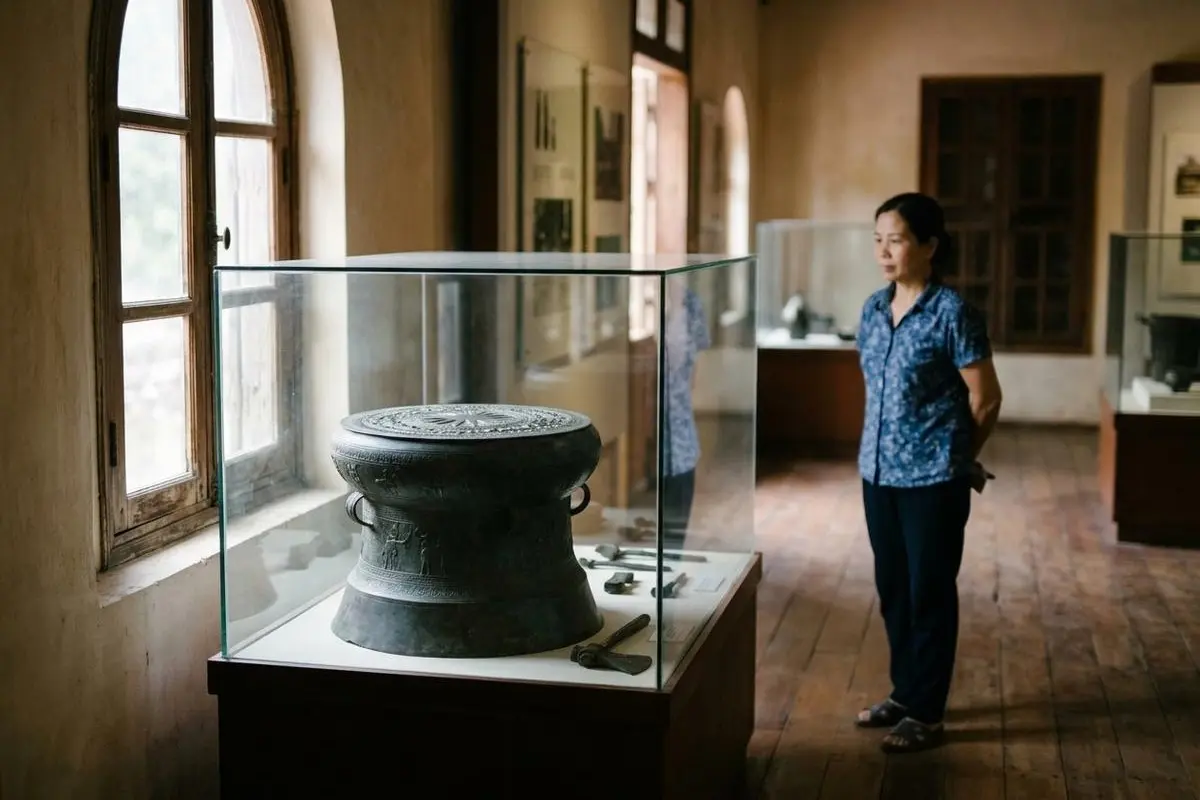
For many visitors the most memorable objects are the bronze pieces from the Dong Son period, a culture that flourished in northern Vietnam roughly two and a half thousand years ago. Dong Son bronze work is famous across Southeast Asia, and the drum is its best known symbol.
A typical drum has a sun like star at the centre of the top, surrounded by rings of tiny geometric patterns, flying birds, deer and sometimes scenes of boats and people. Nobody can say for certain every meaning, but experts agree that these drums were used in ceremonies and as signs of rank and wealth. The same patterns appear on many souvenirs in Vietnam today, so it is rewarding to see the originals.
What to look for on a bronze piece
| Detail | What it can tell you |
|---|---|
| Star at the centre | Suggests a strong link to the sun and to farming seasons |
| Rings of birds and animals | Show the wildlife and landscape people lived with |
| Boat scenes | Remind you that rivers and the sea were highways |
| Fine geometric lines | Prove advanced casting skill for the time |
>>> Cultural Things To Do In Haiphong You Must Try
The Boat Coffins Of Viet Khe
One of the most unusual stories in the collection belongs to the Viet Khe burial site, not far from the city. Archaeologists uncovered coffins made from hollowed tree trunks shaped like small boats, and inside or beside them they found bronze tools, weapons and other goods. Burying someone in a boat reflects a worldview in which a journey continues after death, and it fits a region where water shaped every part of life.
Take a moment to look at how carefully the wood was shaped and how the objects were arranged. The scene feels personal, almost like a glimpse into a family’s farewell, and it often becomes the exhibit people talk about on the walk back to their hotel.
The Wooden Stakes Of The Bach Dang River
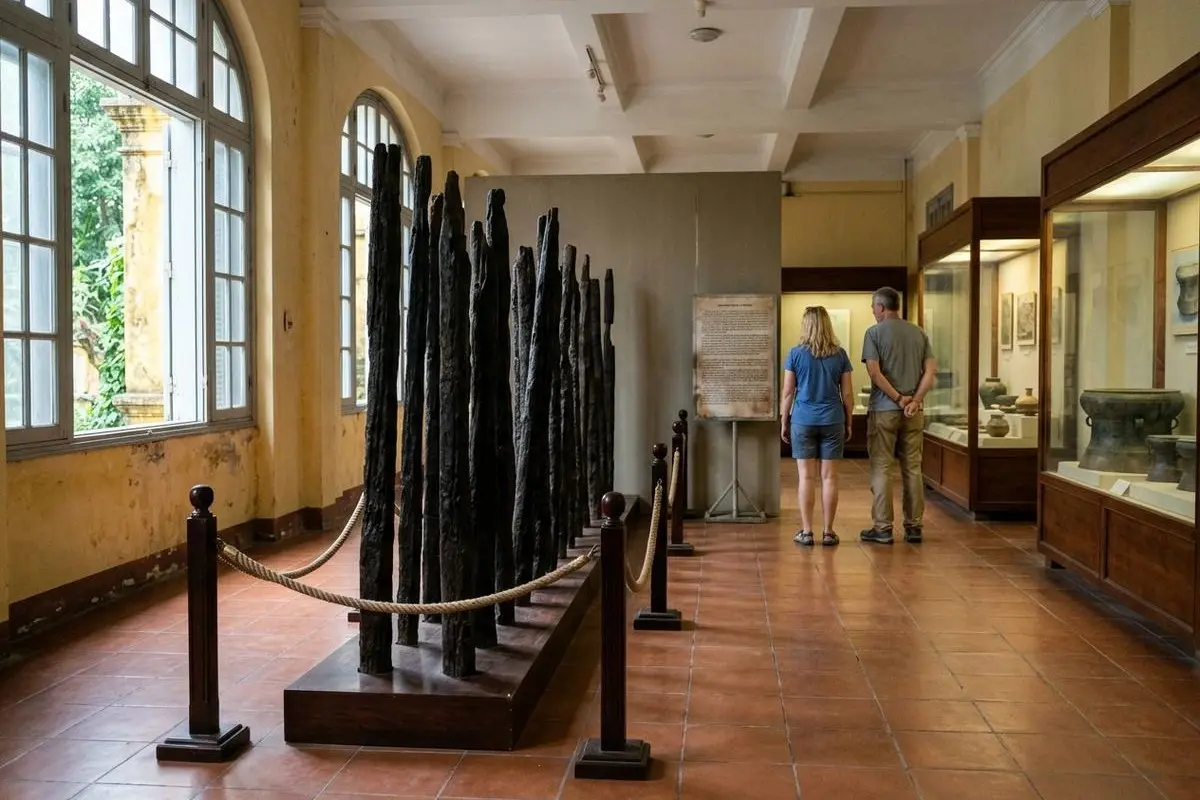
No story of Haiphong is complete without the Bach Dang River. Three times in Vietnamese history, in the years 938, 981 and 1288, invading fleets met disaster here. The tactic was simple and brilliant: sharp wooden stakes were driven into the riverbed and hidden by the rising tide. Enemy boats sailed over them at high water, and when the tide dropped the ships were trapped and torn open.
The museum displays ironwood stakes and explains the plan with maps and models. Standing beside dark, heavy timbers that have survived for many centuries, you can feel the scale of the effort and the local knowledge of the tides that made it work.
After the museum you can learn more about the battlefield sites outside the city. Our local guides often connect the two in a single day, which is one of the reasons many haiphong tours include a history stop.
Lady Le Chan And The Roots Of The City
Locals sometimes call Haiphong the city of Le Chan. According to tradition she was a female general who fought alongside the Trung Sisters in the first century and is remembered as a founder of An Bien, the early settlement that later grew into the city. The museum places her story within the long history of resistance in the delta, and her golden statue now stands in a busy square in the city centre.
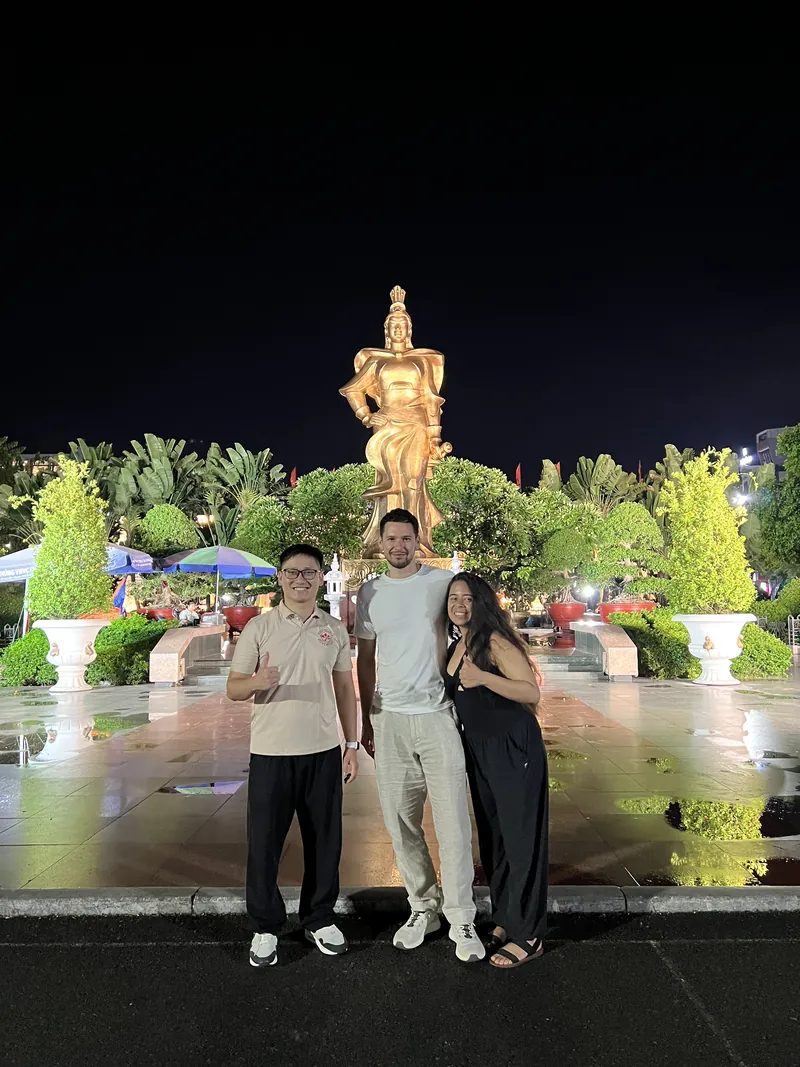
Walking to the statue after seeing the museum turns a legend into a real place. Many visitors say the evening visit, when the square is lit and local families gather, is the moment the story finally clicks.
Recommended tour
The Haiphong Street Food and City Tour
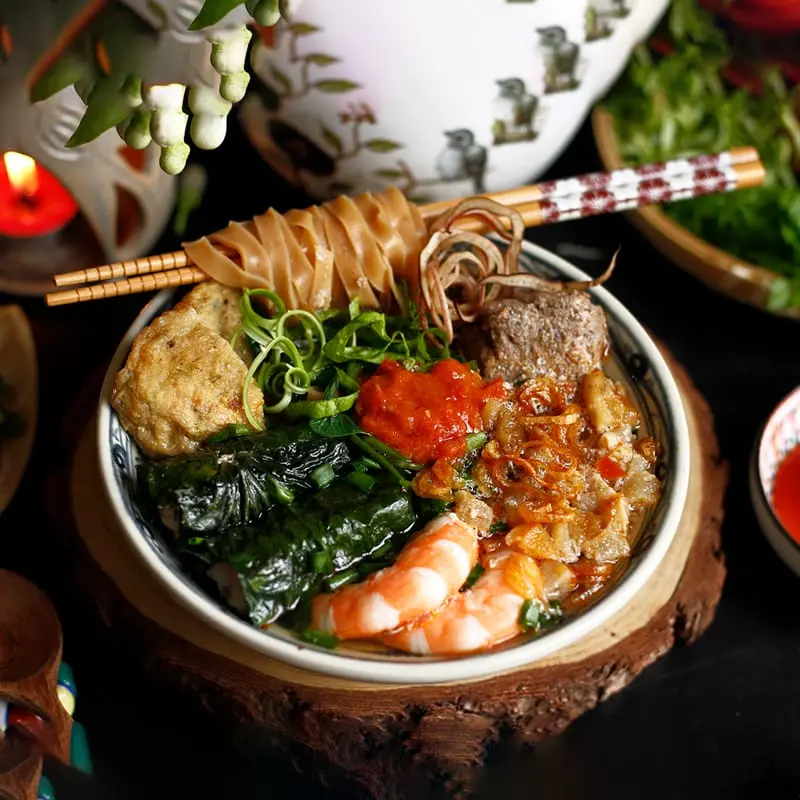
Add a local voice to your museum day: colonial landmarks of the old centre, family run eateries, crab noodle soup, banh mi cay and coconut coffee.
From $85 per person
The Port City And Its Colonial Photographs
From the late nineteenth century the French developed Haiphong into the main seaport of northern Indochina. Docks, warehouses and factories appeared along the river, and a planned grid of streets grew around them. The cement works founded near the end of that century became one of the best known industries of the era.
Old photographs, maps and objects from daily life fill this part of the museum. A good trick is to compare the old street plans with the city you will walk through afterwards. Many of the same roads still form the backbone of the centre, and several grand buildings in the photographs are still standing.
>>> Free Things To Do In Haiphong For Budget Travel
Walk to the colonial landmarks
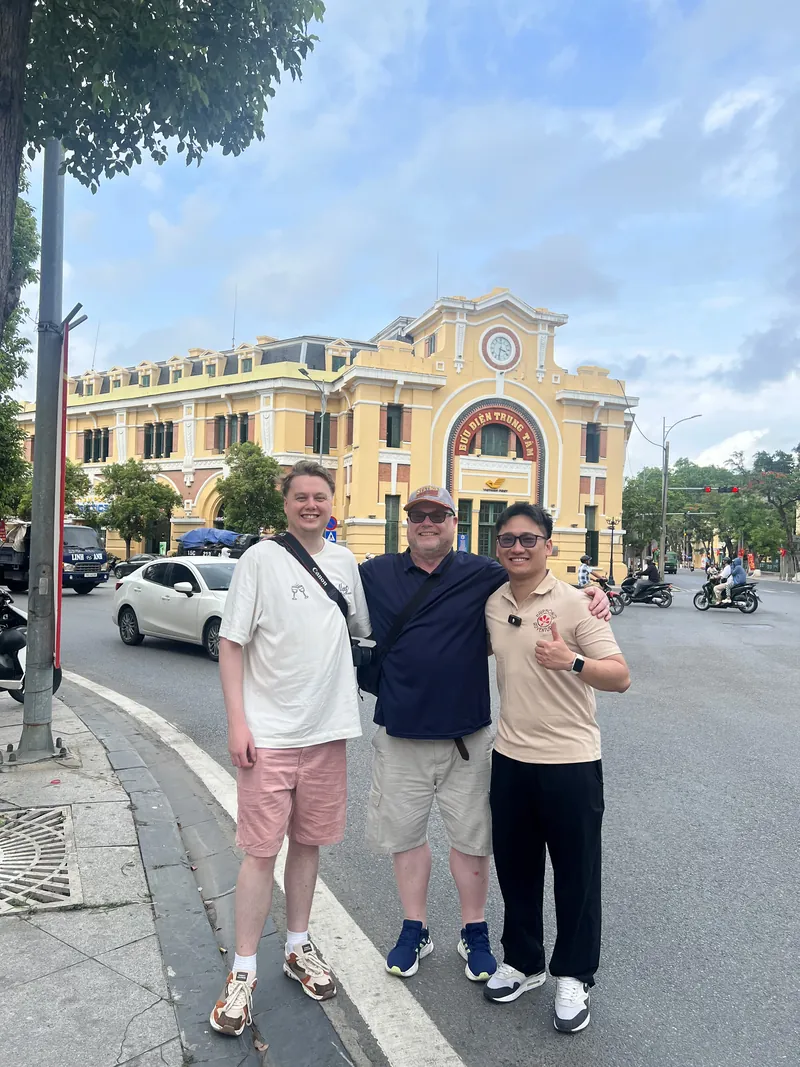
The City Post Office is only a short walk away and is a perfect real life companion to the photographs. Its pale yellow facade, tall windows and arched doors show the style the French used for public buildings. Photograph it in softer morning light if you can.
Twentieth Century Stories Of Resilience
The final galleries cover the twentieth century, when Haiphong was at the centre of major events. In late 1946 the city saw heavy fighting at the start of the war against French rule. Later, during the American war, the port was a key target, and the harbour was mined in 1972. Photographs, letters and personal belongings show how ordinary families lived, worked and rebuilt.
The tone is serious and patriotic, as in most Vietnamese history museums. Keep your voice low, avoid joking at the war displays and remember that many older residents lived through these years. Visitors who show quiet respect are often rewarded with friendly conversations from staff or other guests.
Our article on why a local guide changes everything explains how personal stories can turn a standard exhibit into something you remember for years.
Practical Tips For Visiting The Collection
| Topic | What to know |
|---|---|
| Location | Dien Bien Phu Street, in the old French quarter of central Haiphong |
| Time needed | About one to one and a half hours for the main galleries |
| Opening hours | Often closed on some days and may have a midday break, so check locally |
| Tickets | Traditionally low cost, confirm the current price at the counter |
| Photos | Rules can differ by gallery, ask staff before you use a camera |
| Best time | Mornings tend to be quieter and cooler |
Comfort and etiquette
- Dress neatly. Shorts and T-shirts are usually fine, beachwear is not.
- Do not touch objects or lean on display cases.
- Bring water, because some rooms are not air conditioned in the hot months.
- Take it slowly. Ten objects looked at carefully are better than a hundred glanced at.
Travelling with children? Give them a mission such as finding a bronze drum, a boat coffin and a wooden stake. Our guide to Haiphong tours for a family trip has more ideas.
A Relaxed Day Plan Around The Museum
Here is an easy way to turn your visit into a full day on foot, with short walking distances between each stop.
- Museum galleries: start early with the oldest rooms while you are fresh.
- City Post Office: admire the colonial architecture nearby.
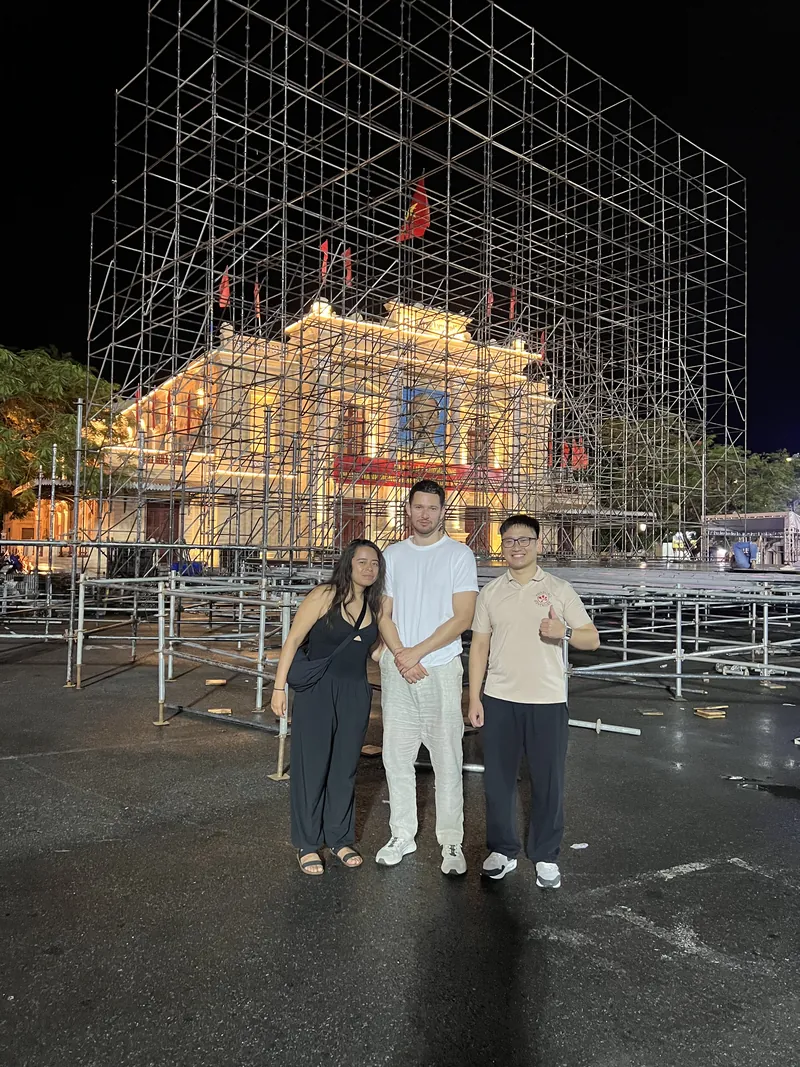
- Opera House and square: the most photographed building in the city.
- Le Chan statue: connect the legend you read about to the real monument.
- Lunch or dinner: try banh da cua, the local crab noodle soup, at a family run eatery.
>>> Cultural Insights From A Haiphong City Tour Day
If you would rather not plan it yourself, our 24 hour DIY Haiphong guide shows how to fit the museum into a longer city visit, and our team can organise a guided version at any time.
Frequently Asked Questions About The Haiphong Museum
What can I see at the Haiphong museum?
The collection covers ancient coastal finds, Dong Son bronze objects, boat coffins from Viet Khe, ironwood stakes from the Bach Dang battles, colonial era photographs and displays about the twentieth century.
How long should I plan for a visit?
Most people need about one to one and a half hours. History fans can easily spend two hours in the early history and Bach Dang sections.
Is there English information?
Some panels include English but many are Vietnamese only. A camera translation app or a guide solves this very well.
Is the museum suitable for children?
Yes, especially for older children who enjoy boats, battles and ancient objects. Keep the visit short and focused for younger kids.
What can I visit nearby?
The City Post Office, the Opera House, the Le Chan statue and Tam Bac Lake are all within an easy walk.
Let The Objects Tell Their Stories
A visit to the Haiphong museum turns a quick stop into a real understanding of the city. From shell mounds and bronze drums to river stakes and colonial photographs, each artifact adds another chapter. Pair the galleries with a walk through the old centre and a bowl of local noodles, and you have one of the most rewarding half days in northern Vietnam. If you would like a local guide or help planning your time in Haiphong, the Haiphong Adventure team is happy to help.
WhatsApp, Viber, WeChat: +84(0)934.555.001
KakaoTalk, Line ID: haiphongadventure