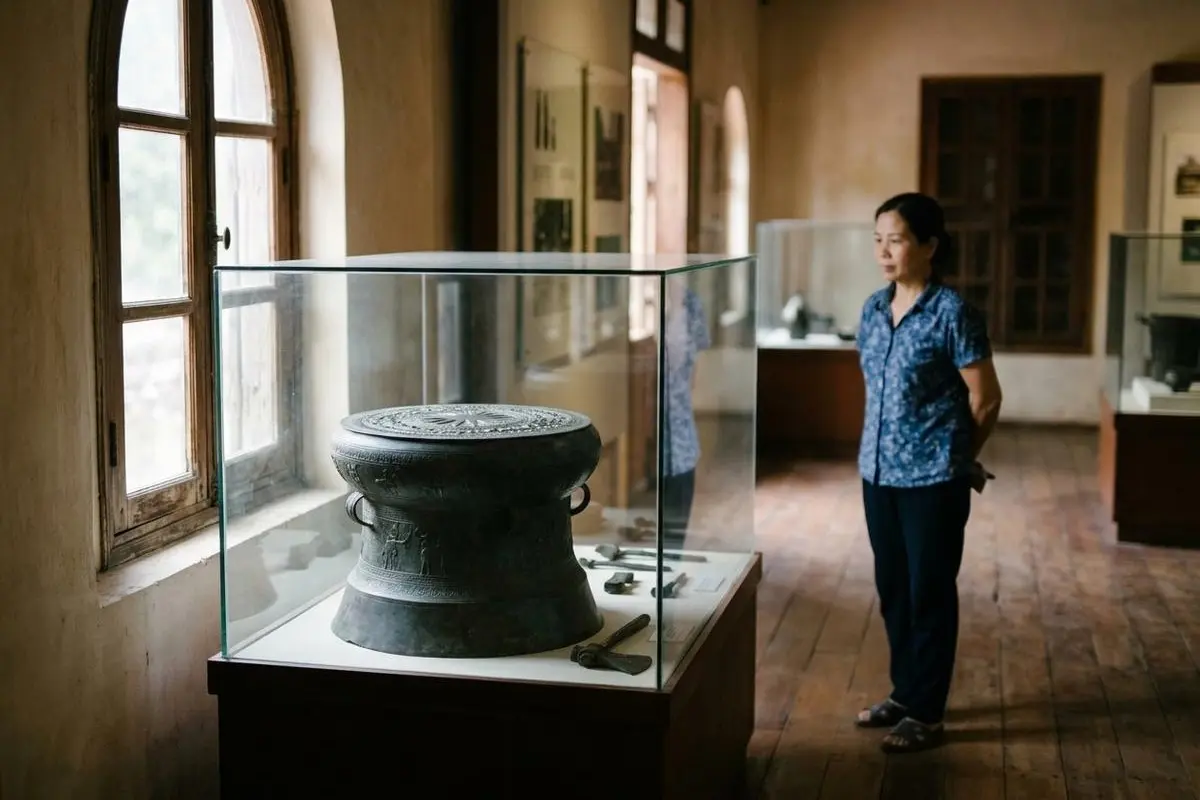
Visiting Bach Dang River Stakes Monument Guide
Visiting the Bach Dang River stakes monument is one of the most rewarding history trips you can take from Haiphong. In the Thuy Nguyen area, north of the city centre, you can stand beside real wooden stakes that were driven into the riverbed centuries ago to trap invading fleets. The site is small, quiet and easy to combine with temples, river views and village roads in a half day.
This practical guide from the Haiphong Adventure team covers what the stake field looks like, how to get there, when to go, how long to stay, what to bring and how to respect this protected heritage site. Local details such as opening times and entry rules can change, so please use them as a reference and check on the day (updated October 2026).
What Is The Bach Dang River Stakes Monument
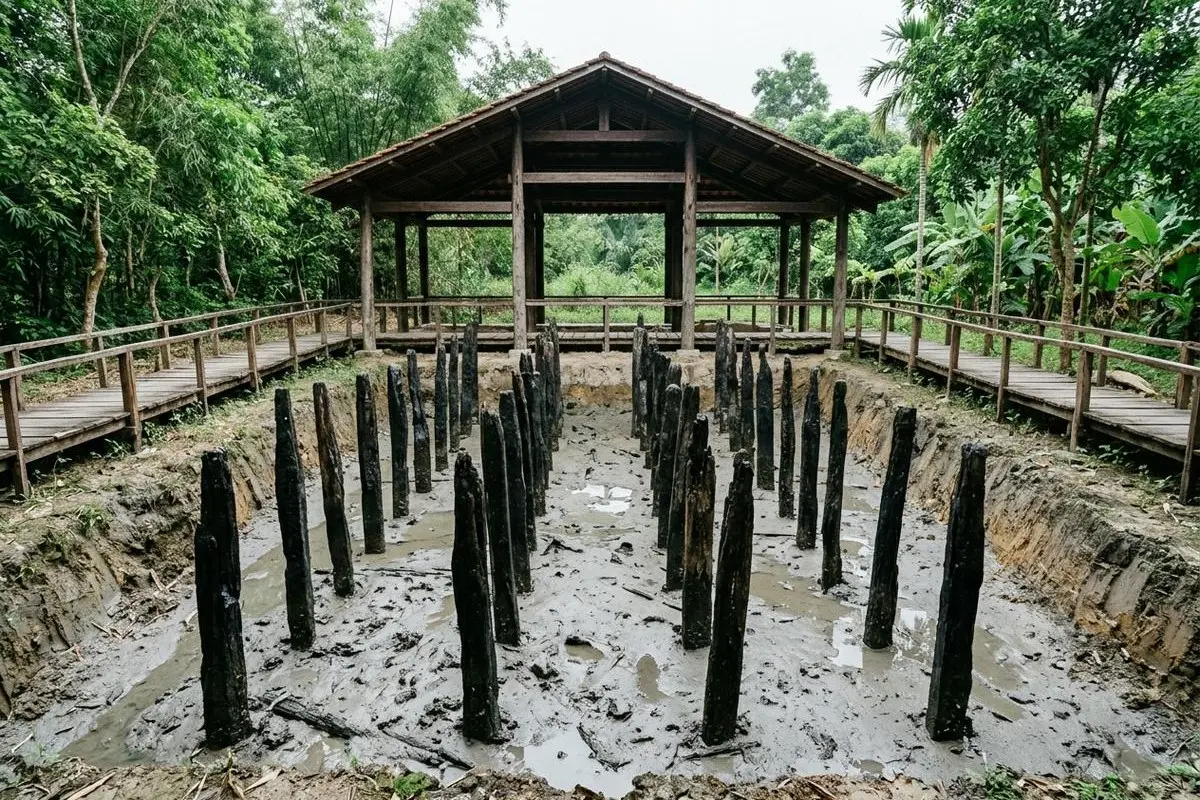
The stakes monument is a preserved stake field linked to the famous battles on the Bach Dang River. Vietnamese forces planted sharp wooden stakes in the riverbed, hid them under the high tide and lured enemy ships over them. When the tide went out, the ships were trapped.
On the Haiphong side, the best known site is the Cao Quy stake field in the Thuy Nguyen area. Local residents found old stakes here in the mid-2000s while digging low land near the river. Archaeologists later studied the site, and researchers link the stakes to the Tran dynasty victory over the Yuan Mongol fleet in 1288.
Today, part of the field is protected and displayed so visitors can see the stakes where they were found. It is not a large museum. Think of it as an open-air archaeological site, simple but very powerful once you know the story.
Quick facts
| Item | Details |
|---|---|
| Location | Thuy Nguyen area, north of central Haiphong, near the Bach Dang River |
| Main period | Linked to the 1288 battle led by Tran Hung Dao |
| Type of site | Preserved stake field and relic area |
| Time needed | About 30 to 60 minutes at the stakes, longer with nearby temples |
| Best for | History lovers, curious travellers, families with older children |
Why The Stakes Are Worth Seeing
Many historic battlefields leave little behind. At the Bach Dang River, you can see the actual tools of the battle. That makes the story feel real in a way books cannot.
- Physical evidence. The wooden stakes are real objects from the past, not copies.
- Clever strategy. You can picture how tide and timing turned a simple idea into a decisive victory.
- National pride. The Bach Dang battles are among the most famous events in Vietnamese history, and the site is part of a special national relic.
- Quiet atmosphere. Unlike busy city attractions, the area is calm and rural, so you can take your time.
If you want to see more of the city’s cultural side on the same trip, our list of cultural things to do in Haiphong gives you plenty of ideas.
The Story Behind The Stakes In Brief
You will enjoy the visit more if you know the basics before you arrive. The Bach Dang River saw three major battles:
- 938, when Ngo Quyen defeated the Southern Han fleet and opened a new era of independence.
- 981, when Le Hoan stopped a Song dynasty invasion.
- 1288, when Tran Hung Dao destroyed a large part of the Yuan Mongol fleet.
Each time, the plan used the same elements: knowledge of local channels, the strong tide of the estuary and a field of hidden stakes. The stakes you see in Thuy Nguyen are connected by researchers to the last of these battles.
>>> Unusual Things To Do In Haiphong Off Beaten Path
How To Get To The Stakes Monument From Haiphong
The stake field is outside the city centre, on the north side of the Cam and Bach Dang river system. Most visitors come from central Haiphong, and the trip usually takes under an hour, depending on traffic and the route.
By motorbike tour with a local guide
This is the most enjoyable way for many travellers. You ride through village roads, stop when something interesting appears and hear the stories in English. A guide also helps you find the right site, because signs are mostly in Vietnamese.
By private car
A car with a driver is comfortable for families, older travellers and rainy days. Ask your driver to wait for you, as finding transport back from a rural area can take time.
By Grab or taxi
Ride-hailing apps work from the city, but return trips from rural spots can be slow. Agree on a return pickup in advance or ask the driver to wait.
By self-drive motorbike
Only choose this if you are an experienced rider with the right licence and insurance. Roads can be busy with trucks near industrial areas, and village lanes are narrow. Our tips on riding safely on a Haiphong motorbike tour are worth reading first.

Transport options compared
| Option | Comfort | Flexibility | Local experience |
|---|---|---|---|
| Guided motorbike tour | Medium | High | Very high |
| Private car | High | High | Medium |
| Grab or taxi | High | Low on return | Low |
| Self-drive motorbike | Medium | High | High, but more risk |
Recommended tour
Haiphong Countryside & Coastal Landmarks

Prefer history with a local guide? Ride through villages, old pagodas and wartime sites around Haiphong and hear the stories behind each stop.
From $79 per person
What You Will See At The Site
The preserved stakes
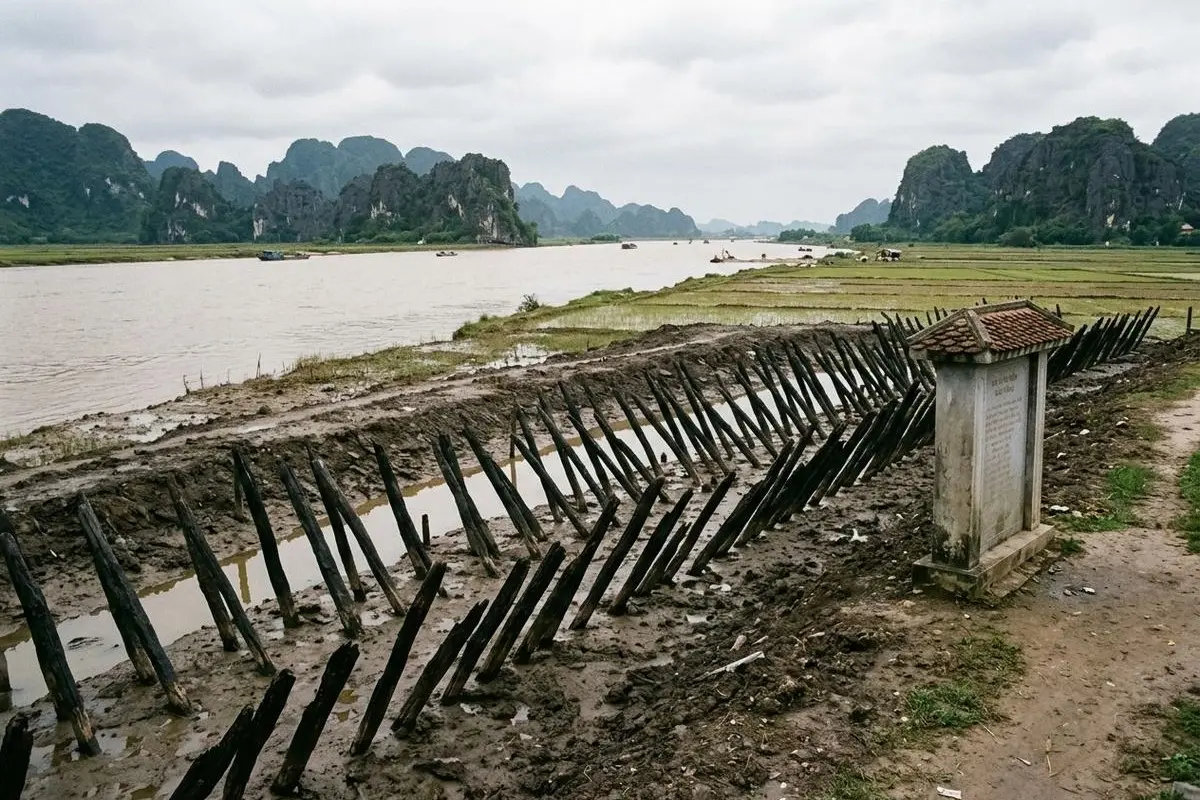
The highlight is a group of dark, weathered wooden stakes still standing in the ground. Some lean at an angle, the way they were planted to face oncoming ships. Their size often surprises visitors, and it is easy to imagine how they could break the hull of a wooden ship.
Protective structures
To slow down decay, the displayed stakes are protected and kept in controlled conditions. You view them from walkways or railings. Do not step into the excavation area.
Information boards
Boards on site explain the battles and the excavation. Most text is in Vietnamese, so a guide or a translation app makes a big difference.
Memorial spaces and temples nearby
The wider Bach Dang relic area includes temples and memorial spaces dedicated to the commanders of the battles. Locals come to light incense, especially on important dates in the lunar calendar.
Best Time To Visit The Stakes Monument
Season
- October to April is usually cooler and drier, good for outdoor sightseeing.
- May to September is hot and humid, with storms possible. Go early in the morning.
Time of day
Morning visits are cooler and quieter. Late afternoon light is beautiful for photos by the river, but check that the site is still open before you set off.
Tides
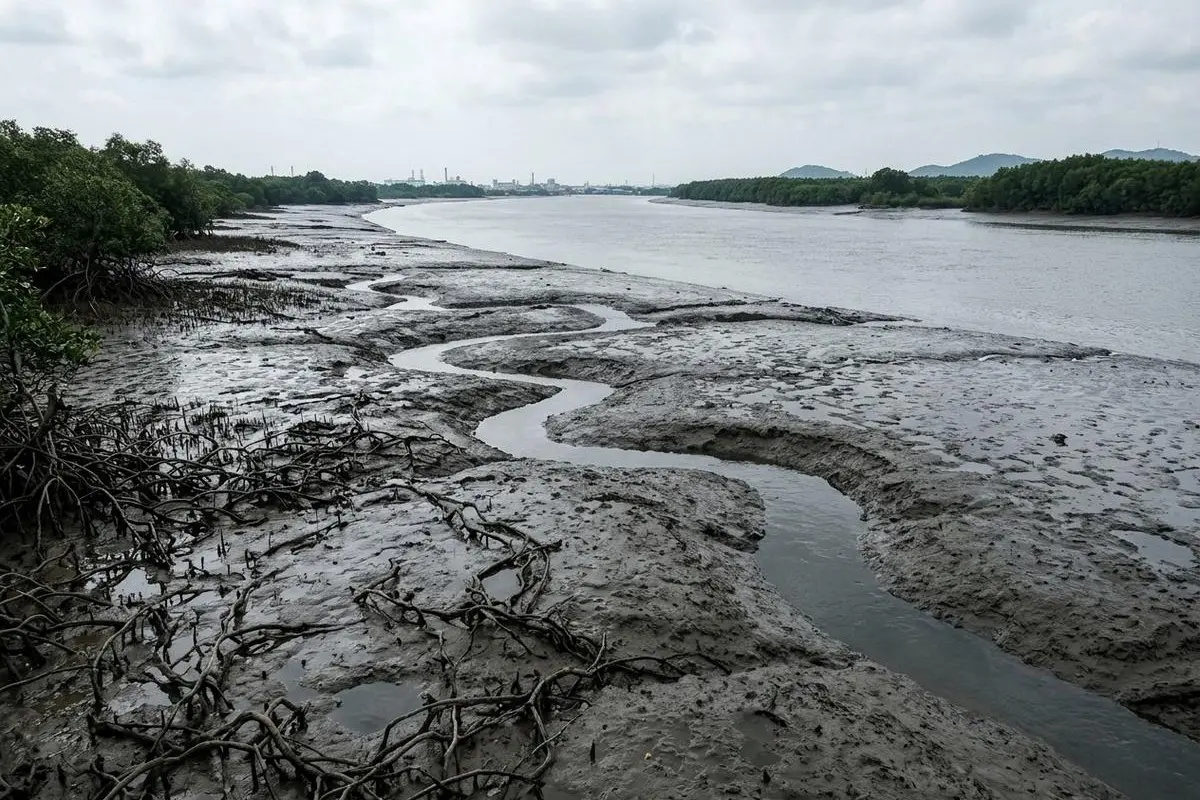
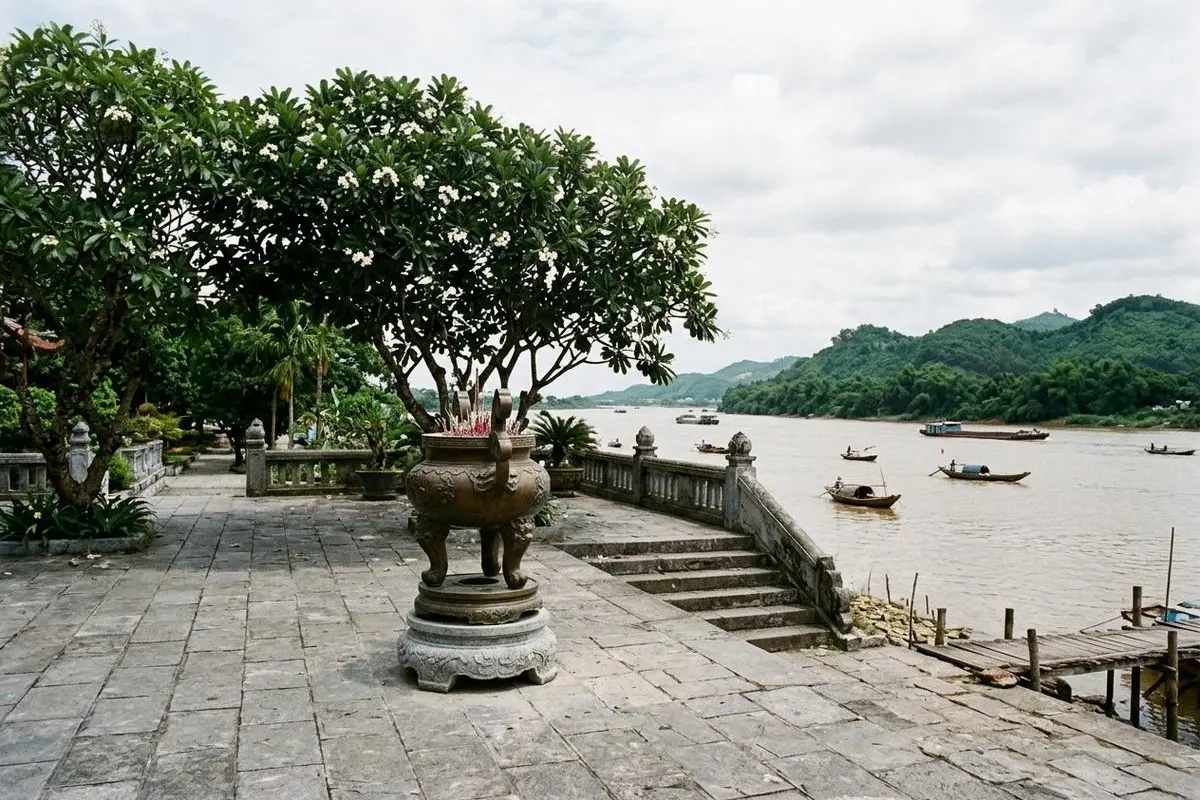
If you also want to see the river, ask a local about the tide. Watching the water drop at the Bach Dang River helps you understand exactly how the trap worked.
Festival days
Ceremonies to remember the victories are usually held around the third lunar month. They are colourful but busy, with more traffic and crowds. Dates follow the lunar calendar, so check each year.
>>> Exploring Rural Villages Via Haiphong Motorbike Tour
Tickets, Opening Hours And Facilities
Entry rules and hours for relic sites in Vietnam can change, so we keep this section general.
- Entry. Many local relic sites are free or ask only for a voluntary donation. Ask on arrival.
- Opening hours. Sites are generally open during daytime. Arrive well before late afternoon.
- Facilities. Expect basic facilities. Toilets and drinks may be limited, so plan ahead.
- Parking. Motorbike and car parking is usually available nearby, sometimes for a small fee.
- Accessibility. Paths can be uneven. Travellers with reduced mobility may find some areas difficult.
What To Bring And Wear
- Modest clothing covering shoulders and knees if you plan to visit temples.
- Comfortable shoes for walking on uneven ground.
- Sun protection: hat, sunglasses and sunscreen.
- Insect repellent, especially near water and mangroves.
- Water and a small snack.
- Small cash for parking, drinks and donations.
- Rain jacket in the wet season.
- Phone with translation app for reading information boards.
Etiquette And Heritage Protection
The stakes are fragile and protected. A few simple rules help keep them safe for future visitors.
- Never touch, climb on or lean against the stakes.
- Do not throw coins or objects into the excavation area.
- Keep children close and away from railings.
- Use a quiet voice near temples and memorial spaces.
- Ask before photographing people who are praying.
- Take all rubbish with you.

Photography Tips At The Stake Field
- Shoot low. A low angle shows the height and slope of the stakes.
- Include a scale. A railing or a person nearby helps viewers understand the size.
- Avoid harsh noon light. Morning or late afternoon gives softer contrast.
- No drones without permission. Rules for drones near heritage sites can be strict.
- Respect the space. Do not lean over barriers for a better angle.
A Sample Half Day Itinerary
- 08:00 Leave central Haiphong after breakfast.
- 08:45 Ride through village roads and rice fields on the Thuy Nguyen side.
- 09:15 Visit the stake field and read the story with your guide.
- 10:15 Continue to nearby temples and memorial spaces linked to the battles.
- 11:00 Stop by the Bach Dang River to watch the boats and the tide.
- 12:00 Simple local lunch, then return to the city.
Times are only a guide. Traffic, weather and your own pace will change them, and that is part of the fun of a haiphong adventure outside the city.
>>> Half-Day Haiphong Tour: The Ultimate 4-Hour Itinerary
Combine Your Visit With Nearby Highlights
- Village life. Small markets, rice fields and fish ponds along the way.
- River views. The wide estuary and fishing boats of the Bach Dang River.
- City heritage. Back in central Haiphong, the Opera House, colonial streets and old markets.
- Halong Bay. The river lies on the way between Haiphong and Halong, so history fans can add the stakes to a longer trip.
For more ideas on scenic roads around the city, see our guide to Haiphong motorbike tour routes for scenic views.
How To Read The Stakes Like A Historian
At first glance, the stake field can look like a group of old posts in the mud. A few simple questions help you see much more.
- Which way do they lean? Stakes were often set at an angle toward the direction ships would come from. Try to work out where the enemy fleet sailed.
- How close are they? The spacing shows how carefully the field was planned so that ships could not slip between the stakes.
- How deep is the mud? The soft riverbed held the stakes firmly, while the muddy water hid them at high tide.
- Where was the old channel? Rivers move over centuries. The site today may be some distance from the main water, which tells you the landscape has changed since 1288.
Ask your guide to point out these details. It turns a short stop into a small history lesson that everyone in the group can enjoy.
Visiting With Children And Older Travellers
The stake field can be a great outing for families, as long as you plan for comfort and safety.
- Tell the story first. Children enjoy the idea of a hidden trap and a clever plan. Share it on the way so they arrive curious.
- Keep the visit short. Thirty to forty minutes at the stakes is enough for younger children. Add a snack break by the river.
- Watch the edges. Railings and uneven ground need attention, especially near the excavation area.
- Choose a car for longer trips. Families with small children or older relatives may prefer a private car to a motorbike.
- Avoid the hottest hours. Go early in the morning and bring water for everyone.
Older travellers usually enjoy the calm pace of the site. Benches and shade can be limited, so a portable seat or an umbrella can help on sunny days.
Frequently Asked Questions About Visiting The Bach Dang Stakes
Where are the Bach Dang River stakes?
The best known stake field on the Haiphong side is in the Thuy Nguyen area, north of the city centre. Other stake fields are across the river in Quang Yen.
Are the stakes real?
Yes. The displayed stakes are original wooden stakes found in the ground and linked by researchers to the battle of 1288.
How long should I spend there?
Plan 30 to 60 minutes at the stakes, or a half day if you add temples, the river and village roads.
Is it worth visiting without a guide?
Yes, but a guide helps a lot with directions, translation and the story behind what you see.
Can I visit on the way to Halong Bay?
It is possible with a private car or tour, as the area lies between Haiphong and Halong. Allow extra time.
Plan Your Visit To The Bach Dang River Stakes
Standing next to stakes that once stopped a powerful fleet is a moment many travellers remember long after their trip. With a little planning, the Bach Dang River stakes monument makes an easy and meaningful half day from Haiphong, full of history, river views and village life.
If you would like a local guide to take you there, or want to include the site in one of our haiphong tours, the Haiphong Adventure team is happy to help you plan.
WhatsApp, Viber, WeChat: +84(0)934.555.001
KakaoTalk, Line ID: haiphongadventure