Festival Days At Du Hang Pagoda Local Culture
If you are planning a visit, knowing the festival days at Du Hang Pagoda can turn a quiet sightseeing stop into one of the warmest cultural moments of your Haiphong trip. Du Hang Pagoda sits in the old Le Chan area of the city, and on special days the courtyard fills with incense, flowers, fruit and families dressed neatly for the occasion. This guide explains which dates matter, what you will see, how to behave, and how to fit the pagoda into your own Haiphong tours plan.
At Haiphong Adventure we ride past this pagoda on many city routes, and the difference between an ordinary Tuesday and a festival day is striking. Below you will find practical, honest advice based on what we see on the ground. Festival dates in Vietnam follow the lunar calendar and local temple committees can adjust details, so always treat the dates as a guide and confirm locally before you go.
Why Du Hang Pagoda Matters To Haiphong
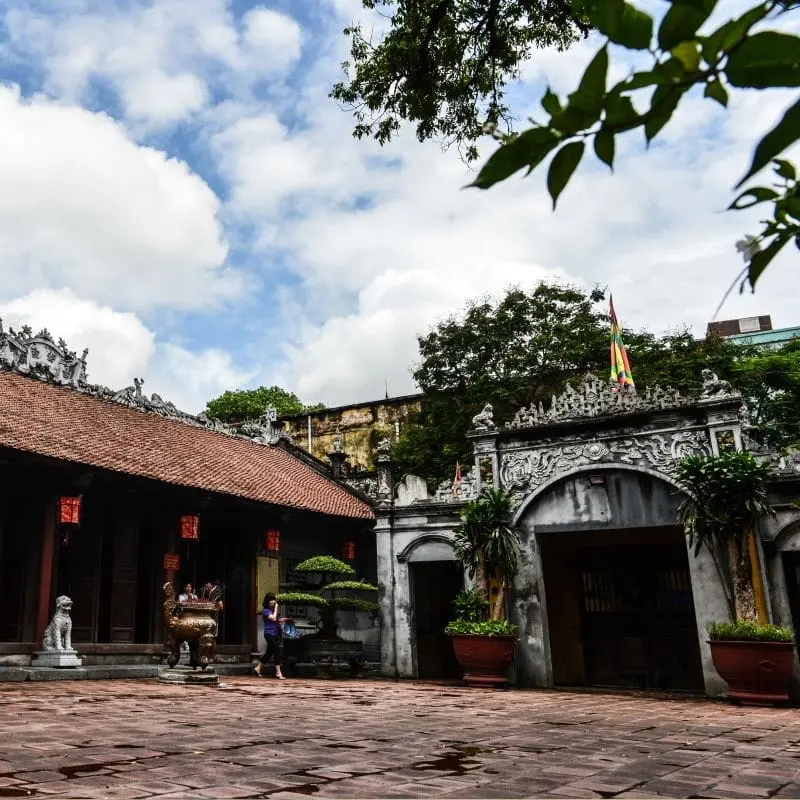
Du Hang Pagoda is one of the best known Buddhist temples in Haiphong. It is commonly described as several centuries old, with the main buildings restored over time, and it is closely tied to the old neighbourhoods that grew around the port. For many local families it is not a museum. It is a place they visit for the first day of the lunar month, before exams, before long trips and during family milestones.
That living role is exactly why festival days are so interesting for visitors. You are not watching a staged show. You are seeing ordinary residents of Haiphong take part in traditions that their parents and grandparents followed. If you only have a short time in the city, the pagoda is an easy and respectful way to see local culture up close.
>>> Cultural Things To Do In Haiphong You Must Try
How Vietnamese Pagoda Festivals Work
Most Buddhist festivals in northern Vietnam follow the lunar calendar, so the Gregorian date changes every year. A simple rule helps: the new moon (the 1st of the lunar month) and the full moon (the 15th) are traditional days for temple visits. Other dates are tied to special occasions, such as the Buddha’s birthday or the festival of filial piety.
Lunar dates versus calendar dates
Search for the lunar date plus the year, then convert it to the Gregorian calendar before booking your trip. Many travellers miss festival days simply because they look for a fixed date. If your trip is flexible, plan around the lunar month rather than around the weekend.
What a festival day feels like
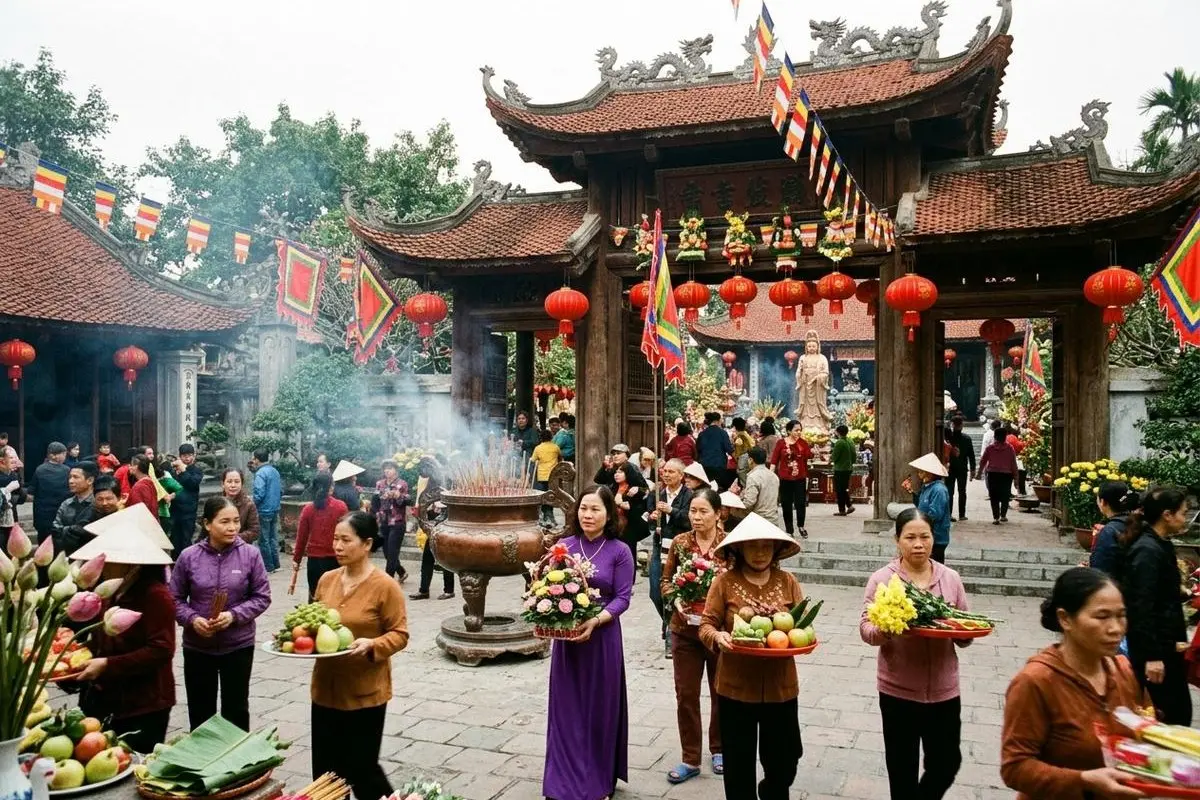
Expect a calm but busy atmosphere. People bring flowers, fruit and incense, light sticks at the burner, bow in front of the altars and then sit quietly for a few minutes. Monks and nuns may chant in the main hall. There is usually no ticket gate or loud entertainment, which keeps the mood respectful.
Main Festival Days At Du Hang Pagoda
The exact programme at Du Hang Pagoda can change from year to year, so please use the list below as a general calendar rather than a fixed schedule. These are the days when Buddhist pagodas across northern Vietnam, including Du Hang Pagoda, are usually busiest.
Lunar New Year and the first month
Tet is the biggest time of the year. In the days around the new year and through the first lunar month, families visit the pagoda to pray for health, luck and peace. This is the most colourful period, with fresh flowers everywhere and many people in their best clothes. It is also the most crowded, so go early in the morning if you want space for photos.
The 1st and 15th of every lunar month
On these two days each month the pagoda sees a steady stream of regular worshippers. It is a gentler version of a festival, ideal if you want to experience local culture without the Tet crowds. Many guesthouses and hosts in Haiphong can tell you the lunar date for your stay.
Buddha’s birthday (Vesak)
Vesak is usually celebrated around the middle of the fourth lunar month. Expect ceremonies, chanting and a more formal atmosphere. If you visit then, dress very modestly and let the ceremonies take priority over photography.
Vu Lan, the festival of filial piety
Vu Lan falls around the full moon of the seventh lunar month. It is a deeply emotional day when people honour their parents. Some visitors wear a small flower as part of the tradition. As a traveller, the best approach is to observe quietly and keep your voice low.
>>> Cultural Insights From A Haiphong City Tour Day
What You Will See And Hear
Even outside festival days, the pagoda has beautiful details: curved tile roofs, carved wooden beams, red and gold altars and a quiet garden. On festival days the details come alive with sound and scent.
Offerings on the altar
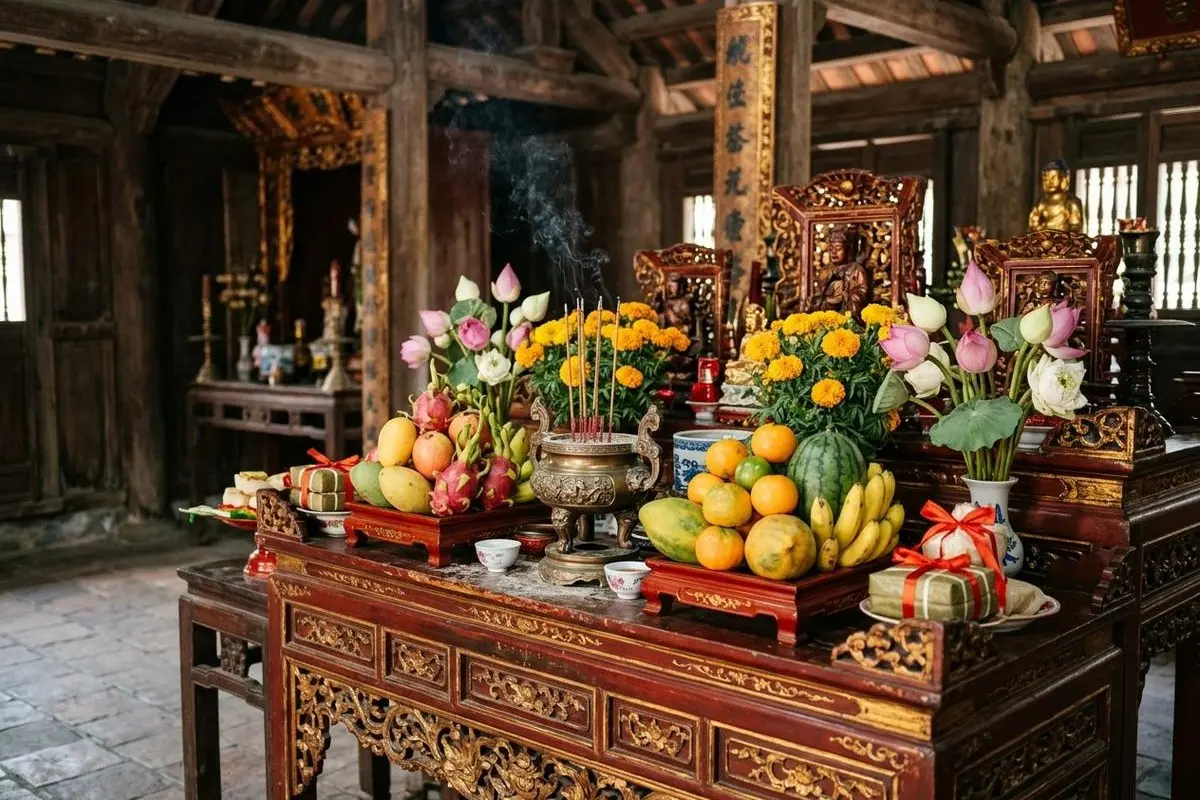
Fresh fruit, flowers, tea, vegetarian dishes and sometimes sweets are placed in front of the Buddha statues. Vegetarian food is the norm in pagodas, so you will not see meat offerings in the main hall. If you want to understand more about vegetarian traditions and local flavours, our food guides are a good next read.
Incense, chanting and bells
The smell of incense, the low rhythm of chanting and the occasional bell create a soundtrack that many visitors remember longer than any photo. Stand back, listen for a minute and let your senses adjust before you start taking pictures.
Local people and families
You will see grandparents teaching children how to hold incense, students praying for good results and shopkeepers stopping by on their way to work. These small scenes tell you more about Haiphong than any guidebook paragraph.
Etiquette On Festival Days
Good manners make a big difference, and locals appreciate visitors who make an effort. These simple rules work at Du Hang Pagoda and at almost every pagoda in Vietnam.
What to wear
Cover your shoulders and knees. Light long trousers, a skirt below the knee and a shirt with sleeves are ideal. Avoid hats inside the buildings and avoid bright, revealing outfits. Carry a light scarf if you want to be extra safe.
How to behave
Remove your shoes where other people do, speak softly, switch your phone to silent and never point your feet at an altar. Do not touch statues or offerings. If you are unsure whether you may enter a hall, wait and watch what others do.
Photography and donations
Ask before photographing people who are praying, and avoid flash. Do not photograph monks or nuns closely without permission. Donations are voluntary. If you wish to give, use the donation box rather than handing money to someone directly.
>>> Riding Haiphong Motorbike Tour Safety Tips Guide
Recommended tour
A guided motorbike ride through the old city that mixes local food with architecture, temples and living history, an easy way to feel the culture around Du Hang Pagoda.
From $79 per person
Best Time To Visit
Early morning is the best time on any festival day. The light is soft, the air is cooler and the first worshippers arrive with a calm, unhurried mood. By late morning the crowd grows, and in the afternoon things usually quieten down again.
For a quiet visit, choose a normal weekday outside the main festivals. For atmosphere, choose a full moon day or one of the larger festivals and accept that there will be more people. Both are rewarding in their own way.
Getting There From The City Centre
Du Hang Pagoda is easy to reach from the central area of Haiphong. A taxi or ride-hailing car is simple, and the short distance also suits a motorbike or a pleasant walk if the weather is good. On festival days, narrow streets nearby can be crowded and parking is limited, so allow extra time.
If you are arriving from Hanoi, you can plan the pagoda as a first stop after you settle into your hotel. Our guides often combine it with other old-city landmarks on a half-day route.
>>> Half-Day Haiphong Tour: The Ultimate 4-Hour Itinerary
Local Customs Behind The Festivals
Understanding a few customs makes the day more meaningful. Many families visit the pagoda at the start of the lunar month to ask for a peaceful month ahead, and the visit is often followed by a simple family meal at home. The act of bringing fresh flowers and fruit is about gratitude and respect, not about spending money, so the offerings are usually modest and carefully chosen.
You may notice people bowing three times in front of the main altar. Each bow is a quiet moment of respect, and the incense is held with both hands. Visitors are not expected to copy this exactly, but standing quietly with a slight bow is always appreciated.
A word about luck and superstition
Locals often visit before big decisions, journeys or exams. Some people also avoid certain actions on festival days, such as arguing or raising their voice. A calm, friendly manner is the best way to fit in as a guest.
Food Around Festival Days
Pagodas serve vegetarian meals on special occasions, and small stalls near the entrance may sell flowers, incense and snacks. After the visit, many people head to a nearby cafe or street food spot, and so should you. Haiphong is famous for its street food, and a pagoda visit pairs very well with a slow food walk.
If you enjoy food as much as culture, ask your guide to add a tasting stop to your route. It is one of the easiest ways to connect with local life, and it gives you a break from walking in the sun.
>>> My Haiphong Street Food Adventure Local Taste
Nearby Cultural Stops
One of the best things about the pagoda is its location. Within the old city you can combine it with other places that show how history, faith and daily life mix in Haiphong.
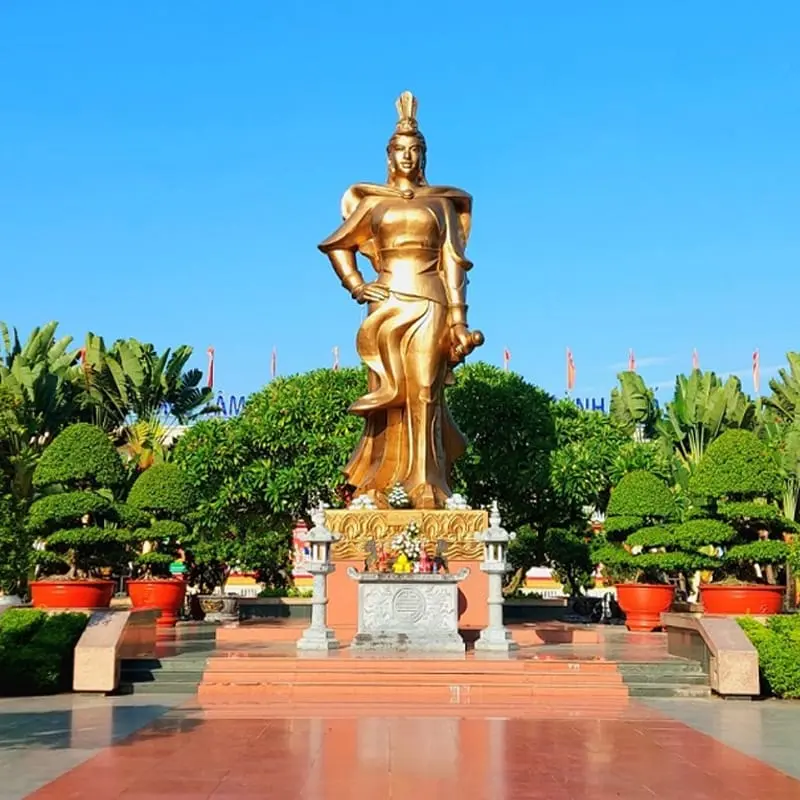
Nghe Temple is a short ride away and is associated with General Le Chan, a historic female general honoured in Haiphong. Her story is a favourite with our guests, and you can read more in our guide to unusual things to do in Haiphong.
The old colonial buildings around the centre, the Opera House and the local markets are also within easy reach. A slow afternoon wandering between them gives you a full picture of the city.
Sample Half-Day Plan
Here is a relaxed plan that works for most travellers who want to include a festival day or a regular visit. Adjust the times to local conditions and to your own pace.
- Early morning: arrive at the pagoda, walk the courtyard and watch the first offerings.
- Mid-morning: visit the main hall quietly, then explore the garden and the side buildings.
- Late morning: coffee or tea nearby, then a short ride to the next cultural stop.
- Lunch: try a local Haiphong dish at a simple restaurant in the old quarter.
- Afternoon: explore the old city on foot or by motorbike with a local guide.
If you would rather not organise everything yourself, our team can build a route like this into one of our Haiphong tours, with a local guide who can explain what you are seeing.
Practical Tips For Travellers
Small details make the visit smoother. Bring a bottle of water, small bills for a possible donation and a light layer for modest dress. Keep valuables close in crowded areas and keep your belongings in a small bag.
Opening hours, entry rules and festival programmes can change, so treat any hours you read online as a guide only. Ask your hotel or your guide to confirm the day before. Weather in northern Vietnam can shift quickly, so a compact umbrella is useful in any season.
>>> My Haiphong Tours Itinerary For Weekend Getaway
Frequently Asked Questions
Is Du Hang Pagoda free to visit?
Pagodas in Vietnam are usually free to enter, and donations are voluntary. Rules can change, so check locally on the day.
Can foreigners join festival ceremonies?
Visitors are generally welcome to observe quietly. Take part only if you are invited, follow the lead of locals and dress modestly.
What is the best festival day for a first-time visitor?
The 1st or 15th of a lunar month gives you a real local atmosphere without the biggest crowds. The Tet period is the most colourful but also the busiest.
How long should I spend at the pagoda?
Plan on 45 to 90 minutes. On a festival day, add extra time for the crowd and for sitting quietly to enjoy the atmosphere.
Can I visit with a guide?
Yes. A local guide helps with etiquette, history and timing, and can connect the pagoda with other places in the old city. Haiphong Adventure can arrange this on request.
Plan Your Visit And Get In Touch
A festival day at Du Hang Pagoda is a gentle, authentic way to understand Haiphong beyond the usual attractions. Pick your lunar date, arrive early, dress modestly and let the atmosphere do the rest. If you would like help building a day around it, message us and we will suggest a route that fits your dates.
Contact Haiphong Adventure
WhatsApp, Viber, WeChat: +84(0)934.555.001
KakaoTalk, Line ID: haiphongadventure