Life Of Locals In Viet Hai Village Cat Ba Story
Viet Hai village is a small community tucked inside Cat Ba National Park, and it is one of the few places in northern Vietnam where daily life still moves at the pace of the seasons. There are no big hotels, no tour buses idling at the gate and very little traffic. Instead you find stone-walled gardens, buffalo on the paths, rice fields squeezed between limestone hills and neighbours who greet you by waving from the porch. This story follows the rhythm of a normal day for the people who live here, and it shows you how to visit in a way that helps rather than disturbs them. If you are planning haiphong tours that go beyond the usual viewpoints, this village deserves a place on your list.
Where Viet Hai village sits and why it feels different
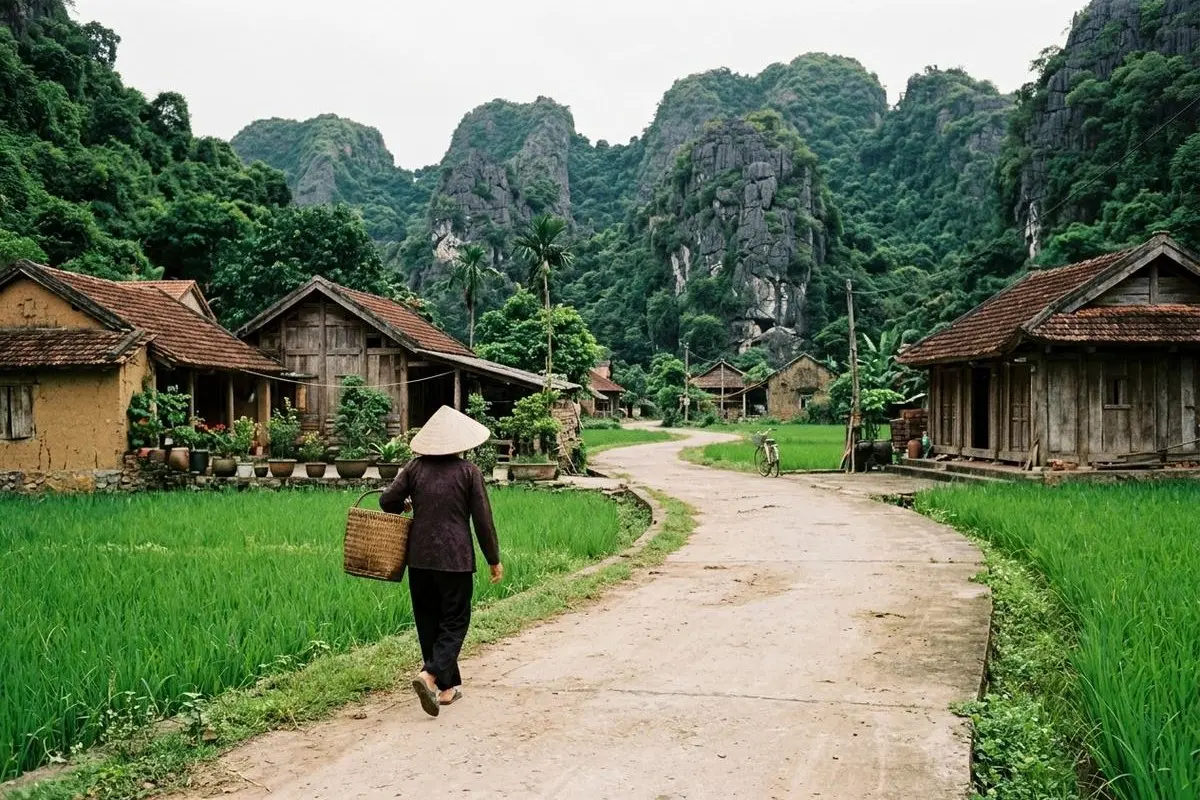
Viet Hai lies inside the protected forest of Cat Ba National Park, on the island of Cat Ba in Haiphong. The village sits in a valley that is ringed by limestone hills, which is the main reason it stayed quiet for so long. For many years the easiest way in was on foot or by boat, and even today the road is narrow and the final stretch is often shared with bicycles and walkers.
Because the valley is enclosed, the village has its own microclimate and its own routines. Mornings can be misty, afternoons are warm, and the hills block much of the noise from the island’s busier areas. Visitors often say the first thing they notice is the sound: roosters, birds and the occasional motorbike, nothing more.
If you have only seen Cat Ba town and the bay, the contrast is striking. You can read more about the island side of the journey in our guide to travel time and schedules from Haiphong to Cat Ba.
A normal morning for a Viet Hai family
Days here start early. Many households wake around dawn to feed chickens and pigs, boil water and prepare a simple breakfast of rice, vegetables or noodles. Coffee and strong green tea are common, and in cooler months the kitchen fire is the warmest place in the house.
Farming and the garden economy
Most families grow at least part of what they eat. Small rice plots, vegetable beds, banana trees and fruit trees surround the houses. Livestock is usually kept for the family and for sharing at festivals. Fields are small because the land is hemmed in by hills, so work is done by hand or with simple tools.
Children and school
Village children walk or cycle to school along the same lanes that visitors use. If you meet them on the road, a smile and a wave are the right response; there is no need to hand out sweets or money, which can create bad habits. Ask the family or your guide if you want to take photos of children.
How the village earns a living today
Farming still matters, but tourism has added a second income. Some families run small homestays, others sell drinks and snacks, rent bicycles or cook lunch for groups that arrive from the trekking trails. A few people work as guides or boat operators connected to the national park.
This mix of farming and light tourism is fragile. Income depends on the weather, the season and the number of travellers who make the effort to come. When you spend your money with local families, such as eating lunch in a home kitchen or staying overnight, you support the village directly instead of a distant company.
Food you will taste in Viet Hai
Lunch in the village is usually a shared meal at a low table. Expect steamed rice, stir-fried greens from the garden, tofu, egg dishes and, depending on what is available, chicken or fish. Menus are simple and change with the harvest, so ask what the family is cooking that day instead of expecting a fixed list.
If you like street food, you may enjoy comparing the village table with the city. Our article on a Haiphong street food adventure shows how different the flavours are on the mainland.
Tips for eating respectfully
Tell your host about allergies or vegetarian needs when you book, not when the food is already served. Prices and portion sizes vary, so confirm before you sit down. Wait for the oldest person at the table to start, and accept a second bowl of rice if you are offered one; it is a sign of hospitality.
Recommended tour

Haiphong Countryside & Coastal Landmarks
A motorbike journey beyond the city that mixes rural scenery, local culture and coastal sights, ideal if you enjoy village life.
From $79 per person
Houses, gardens and community life
Houses in Viet Hai are modest and practical: brick or stone walls, tiled roofs, an open front room and a yard that doubles as a drying area for rice, beans and laundry. Many families keep a small altar for ancestors, and you may see incense burning in the doorway.
Neighbours help each other. During harvest, house repairs or family celebrations, people gather to share work and food. This is why the village feels so close-knit, and why visitors are often invited to sit down for tea after only a few minutes of conversation.
Festivals, rituals and the rhythm of the year
Like most Vietnamese communities, Viet Hai follows the lunar calendar. Tet, the lunar new year, is the biggest moment, when families return home, clean their houses and prepare special foods. Smaller occasions, such as ancestor remembrance days, are quieter family events.
Dates move every year and not every ceremony is open to visitors, so ask your host before you join or photograph anything. If you are invited, dress modestly, speak softly and follow the lead of the family.
How to get to Viet Hai village
There are three common ways to reach the village. You can trek through the national park, ride or cycle on the road from the Cat Ba side, or arrive by boat on some tours. The best choice depends on your fitness, the season and how much time you have.
Trekking through the forest
The trek passes through jungle and karst scenery and usually takes several hours, so start early and carry water. The path can be slippery after rain, so wear shoes with good grip. If you prefer to see more of the trail experience first, read about trekking, hiking and swimming on a Cat Ba tour.
Cycling or riding
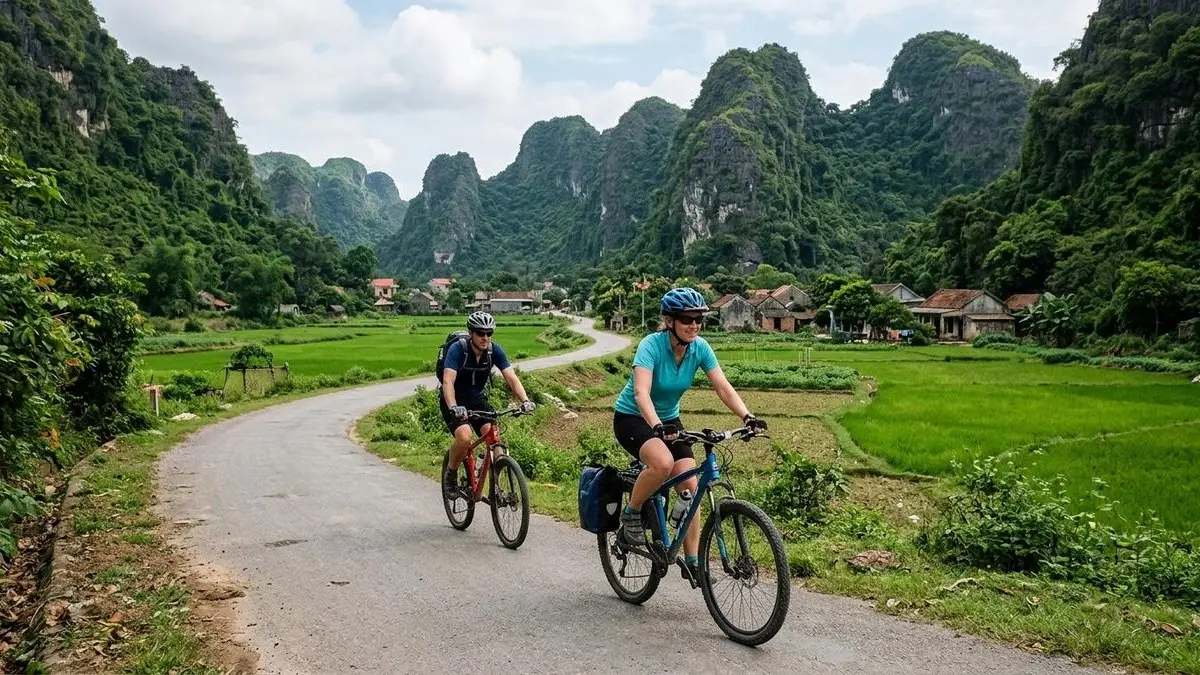
Cycling is popular because it keeps the pace slow and lets you stop for photos. Check the weather and the condition of the road before you set out, and do not ride a motorbike on sections that are too narrow or wet for your experience.
>>> Haiphong To Cat Ba Journey Ferry And Bus Tips
Transfers and timing
Getting from Haiphong to Cat Ba already takes part of a day by ferry and road, so most travellers treat Viet Hai as a full-day outing or an overnight stay. Schedules and boat times change, so confirm them locally before you travel (reference only, check again before your trip).
Where to stay and how to plan the day
A homestay is the best way to understand village life. You eat with the family, hear the evening routines and see the valley after the day visitors have gone. Rooms are simple, facilities are basic and mobile signal can be weak, so bring cash, a power bank and a light jacket for cooler evenings.
If you only have a day, a good plan is an early start, a morning walk or ride, lunch in a family kitchen, a slow stroll through the lanes and an early return so you are not on forest paths after dark.
>>> Cat Ba Tour Itinerary For Nature Lovers Guide
How to visit Viet Hai respectfully
The village is a home, not a stage. Following a few simple habits makes your visit better for everyone.
- Ask before you photograph people, houses or ceremonies.
- Keep your voice low and stay on the paths, since gardens and fields are private property.
- Take all rubbish with you, including plastic bottles.
- Buy drinks, meals or crafts from local families instead of bargaining hard.
- Do not feed or chase animals, and do not hand out money or sweets to children.
Best time to visit and what to pack
Cooler, drier months usually make trekking and cycling more comfortable, while summer can be hot and humid with sudden rain. Weather in the north changes from year to year, so check a forecast a few days before you go (reference only).
Pack a hat, sunscreen, insect repellent, a light rain jacket, closed shoes, a refillable bottle and a small amount of cash. A compact first-aid kit and a small bag for rubbish are also useful.
Frequently asked questions about Viet Hai village
Is Viet Hai village worth visiting?
Yes, if you enjoy quiet landscapes, simple food and meeting local families. It is not a place for nightlife or shopping, and that is exactly why many travellers love it.
Can I visit Viet Hai in one day?
Yes. Many travellers go for the day, but an overnight stay lets you see the village at its calmest.
Is there an ATM or strong mobile signal?
Do not count on either. Bring enough cash and download offline maps before you arrive.
Do I need a guide?
A guide is not always required, but a local guide helps with the route, safety and conversation with families, especially on forest trails.
Is it suitable for families?
Families with active children usually enjoy it, as long as the route is chosen carefully and the weather is good.
Plan your trip with Haiphong Adventure
Viet Hai village shows a side of Cat Ba that most visitors miss: working farms, friendly families and a pace of life that has not been rushed. If you want help linking it with the rest of your northern Vietnam plans, the Haiphong Adventure team can suggest routes, timing and local contacts, and you can browse more haiphong tours on our website.
Contact us:
WhatsApp, Viber, WeChat: +84(0)934.555.001
KakaoTalk, Line ID: haiphongadventure