Haiphong Historical Sites to Visit: 12 Must-See Places
The best Haiphong historical sites to visit are the French-era Opera House and City Post Office, the Hang Kenh communal house, Du Hang Pagoda, the Bach Dang River battlefield and the wartime Hospital Cave on Cat Ba Island. Most city sights sit within a short ride of each other, so you can see the highlights in one or two days.
We are Haiphong Adventure, a local team based in Haiphong. This guide gathers twelve places that tell the story of the city, from ancient river battles to the colonial port era, with practical tips so you know what to expect before you go.
Why Haiphong Is Rich in History
Haiphong sits where the Red River delta meets the sea, and rivers have shaped its story for centuries. Medieval armies fought for control of the Bach Dang River, villagers built communal houses and pagodas along its banks, and in the late nineteenth century the French turned the area into northern Vietnam’s main port.
That mix means you can see ancient spiritual sites, colonial architecture and wartime relics in a single trip. If you want a wider overview first, our guide to temples and pagodas in Haiphong is a good starting point.
Haiphong Historical Sites at a Glance
| Area | Sites | Time needed |
|---|---|---|
| City center | Opera House, Haiphong Museum, City Post Office, Cathedral, Cau Quay | Half a day |
| Old districts | Hang Kenh communal house, Du Hang Pagoda, Linh Quang Pagoda, Le Chan statue | Half a day |
| Outside the center | Bach Dang River stakes site, Cat Ba Cannon Fort and Hospital Cave | One full day each |
Opening hours, entrance fees and access rules change, so treat this list as a guide and confirm details locally (reference only, updated November 2026).
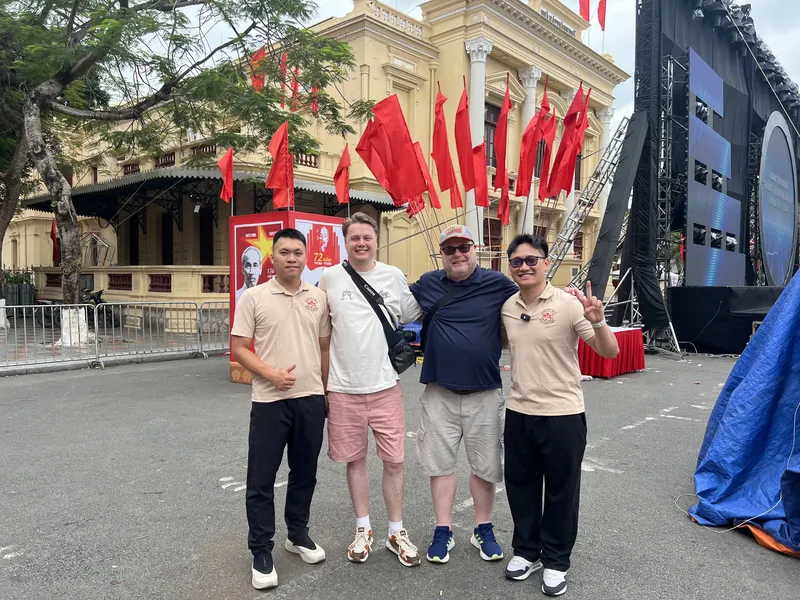
Haiphong Opera House
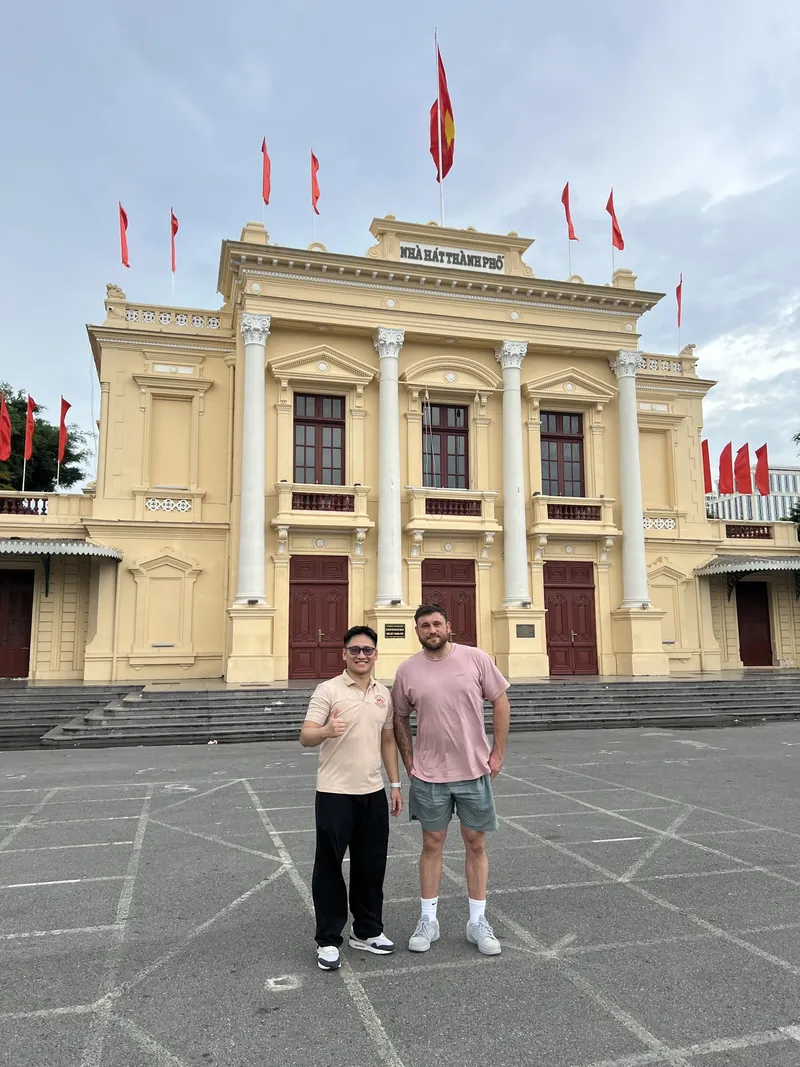
The Opera House is the best first stop. Built in the early twentieth century in a neoclassical style, it has columns, a pediment and tall arched windows, and it faces a wide square where locals gather in the evening.
It is still a working theater, so you can usually see the inside only during performances. The outside is free to admire at any time, and the square is lively after sunset.
>>> Haiphong French Colonial Architecture Worth Seeing
Haiphong Museum
A short walk away on Dien Bien Phu Street, the deep red Haiphong Museum is one of the most photographed buildings in town. Inside, the galleries follow local history from early settlements and river battles to the growth of the port, so it works as a perfect introduction before you visit the other sites.
Check opening hours at the entrance, because they can differ on weekends and holidays.
Haiphong City Post Office
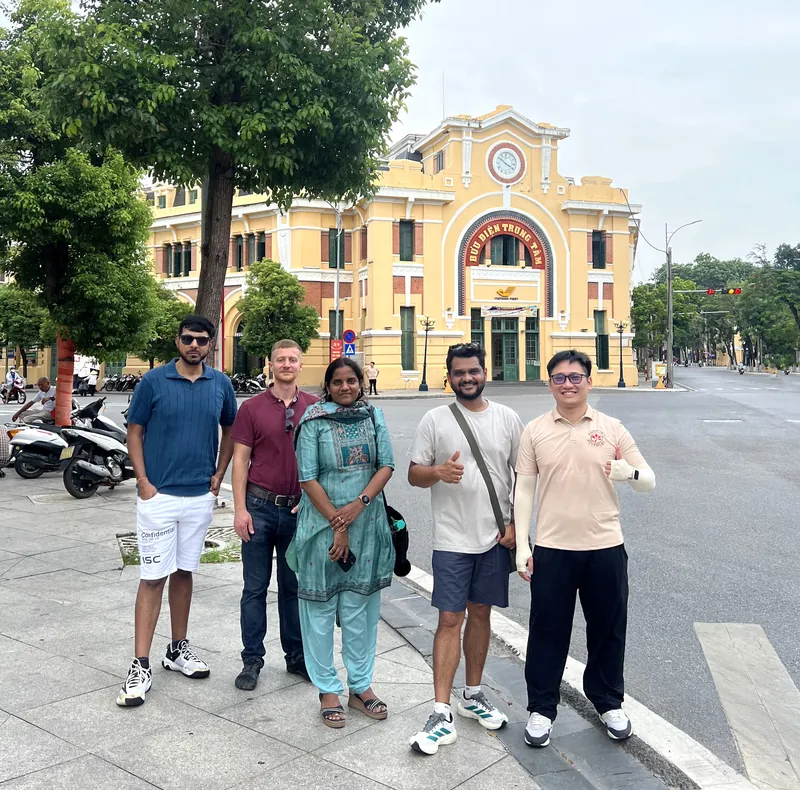
The City Post Office is a long yellow colonial building with a corner entrance and tall windows. It still works as a post office, which makes it a rare chance to step inside a living piece of heritage. Buying stamps and sending a postcard home is a simple, memorable souvenir.
Haiphong Cathedral
The Catholic cathedral is one of the city’s most striking religious buildings, with a tall gray facade and pointed Gothic-style windows. It is an active church, so visit outside Mass times, dress modestly and keep your voice low.
For a longer route that links these four landmarks on foot, follow our Haiphong colonial buildings map.
Cau Quay Swing Bridge
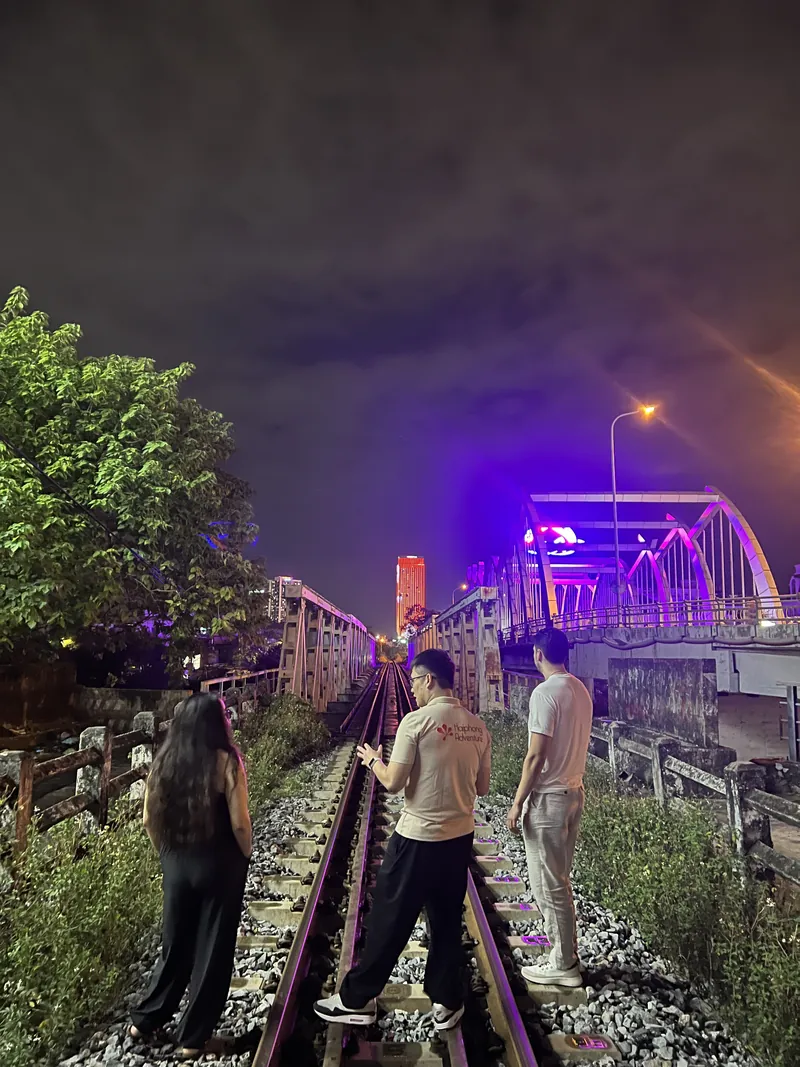
Cau Quay is an old iron railway bridge that reflects the industrial side of the colonial port. The street beside it is decorated with murals of old Haiphong, and the bridge looks best in the evening when it is lit. Stay clear of the tracks and follow local signs.
Recommended tour

Explore the old town with a local guide, hear the stories behind its buildings and stop for classic Haiphong flavors along the way.
From $79 per person
Hang Kenh Communal House
Hang Kenh is one of the finest traditional communal houses in northern Vietnam and is dedicated to Le Chan, a female general honored as a guardian spirit of the city. Look for the intricate wood carving on beams and pillars, which is the main reason people visit.
Dress modestly, speak softly and ask before taking photos inside the sanctuary. You can read more in our guide to Hang Kenh communal house history.
Du Hang Pagoda
Du Hang is one of the best known pagodas in the city, with a calm courtyard, old tiled roofs and carved wooden details. It is a place of worship rather than a museum, so move quietly and follow the monks’ and locals’ lead.
>>> Haiphong Trip Itinerary For History Buffs Guide
Linh Quang Pagoda
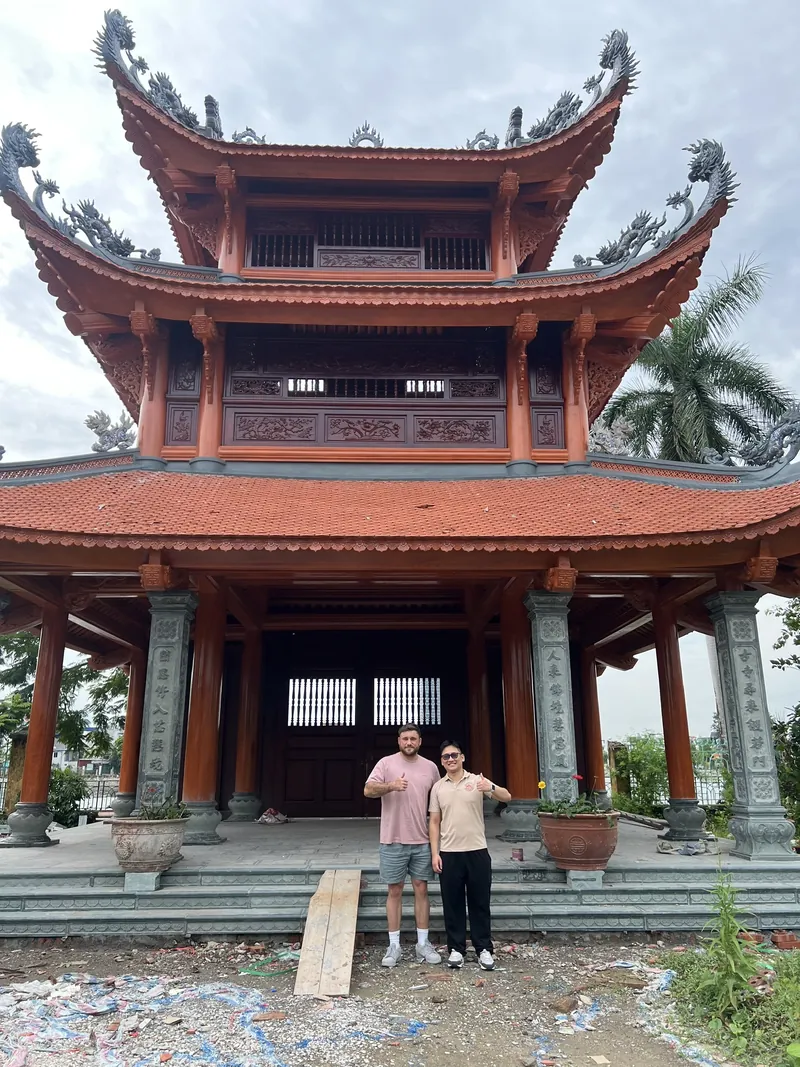
Linh Quang Pagoda is easy to recognize by its red-roofed bell tower. It is a quiet stop where you can see how Buddhist life continues in the middle of a busy port city.
Le Chan Statue Square
A golden statue honors Le Chan, the legendary female general whose name appears across the city. The square is pleasant in the evening when the statue is lit, and it makes a natural pause between the pagodas and the riverside.
Bach Dang River Stakes Site
The Bach Dang River is where Vietnamese forces won three famous naval victories, in 938, 981 and 1288, often by using hidden wooden stakes to trap enemy ships at low tide. The relic site in Thuy Nguyen, across the Cam River from the center, preserves this story with a monument and exhibits.
Plan a half day, bring water and check access details locally. Our story about learning Vietnamese history at Bach Dang River explains why it matters so much.
Cannon Fort on Cat Ba Island
On Cat Ba Island, a hilltop defensive site known as Cannon Fort gives you old fortifications and wide views over the sea and mountains. It involves a short climb, so wear good shoes and bring water. Read the full Cannon Fort trail guide before you go.
Hospital Cave on Cat Ba Island
Hospital Cave was a hidden underground hospital used during the Vietnam War era. Walking through its rooms and corridors gives a sobering look at how wartime medical care was kept out of sight. Pair it with Cannon Fort for a full day of Cat Ba history.
>>> Historical Stories From My Haiphong Walking Tour
Suggested Routes
- Half day in the center: Opera House, Haiphong Museum, City Post Office, then Cau Quay in the evening.
- Full day of heritage: add Hang Kenh, Du Hang and Linh Quang before lunch, then the Le Chan statue at dusk.
- History-focused second day: Bach Dang River in the morning, then head back for a riverside dinner.
- Cat Ba day trip: Cannon Fort and Hospital Cave, with ferry timing checked in advance.
If you prefer to cover these places on two wheels with a local guide, ask us about our motorbike options on Haiphong tours.
Tips for Visiting Historical Sites
- Dress modestly at pagodas and communal houses, with shoulders and knees covered.
- Visit religious sites outside major ceremony times and keep voices low.
- Do not photograph guards, security points or military areas.
- Carry some cash for small entrance fees, donations and snacks.
- Start early to avoid midday heat, especially at outdoor sites.
Frequently Asked Questions
What is the most important historical site in Haiphong?
The Bach Dang River relic site is the most significant for Vietnamese history, while the Opera House and Hang Kenh communal house are the easiest to visit in the city.
How many days do I need to see Haiphong historical sites?
One full day covers the city center and old districts. Add one day each for Bach Dang River and Cat Ba if you want the full picture.
Are the historical sites free to enter?
Many outdoor sites and building exteriors are free to see, while some museums and relic sites may charge a small fee. Check locally for current prices.
Do I need a guide?
No, you can explore on your own. A local guide adds stories, shortcuts and food stops that are easy to miss.
Explore Haiphong History with Haiphong Adventure
Haiphong’s past is spread across temples, riverbanks, colonial streets and islands, and it is best explored with someone who knows the stories. Message us to plan your route or browse our Haiphong tours.
Contact Haiphong Adventure:
WhatsApp, Viber, WeChat: +84(0)934.555.001
KakaoTalk, Line ID: haiphongadventure