Haiphong Trip Itinerary For History Buffs Guide
A Haiphong trip for history buffs works best over two to three days. Spend day one in the city centre exploring French colonial landmarks, the Haiphong Museum and temples linked to local heroes. Use day two for the communal houses, pagodas and the Bach Dang River battle sites on the city’s outskirts. If you have a third day, head to Cat Ba Island for wartime relics such as Cannon Fort and Hospital Cave. This route takes you from ancient river battles to the colonial era and the 20th-century wars in one compact journey.
In this guide, the Haiphong Adventure team shares a practical history itinerary, what to see at each stop, how to get around and tips for making the most of every site. Opening hours, entry rules and fees change from time to time, so check before you go (updated October 2026).
Why Plan A Haiphong Trip Around History
Haiphong is often seen as a gateway to Cat Ba and Lan Ha Bay, but the city itself has a long and layered past. Its story covers:
- Ancient resistance. The Bach Dang River saw famous naval victories in 938, 981 and 1288.
- Local heroes. Female general Le Chan, who fought alongside the Trung sisters in the first century, is honoured as a founder figure of the area.
- Village heritage. Communal houses and pagodas preserve traditional wood carving and village life.
- The colonial port. The French developed Haiphong into a major port, leaving grand public buildings and boulevards.
- 20th-century wars. Cat Ba Island holds forts, caves and bunkers from the wars of the last century.
Because the main sites are relatively close together, a history-focused Haiphong trip is easy to organise and far less crowded than similar routes in Hanoi. For a broader overview of local culture, see our cultural things to do in Haiphong.
Day 1 Morning, The French Colonial Centre
Start your Haiphong trip in the heart of the old colonial city, where wide streets and grand buildings show how important the port was in the early 20th century.
Haiphong Opera House
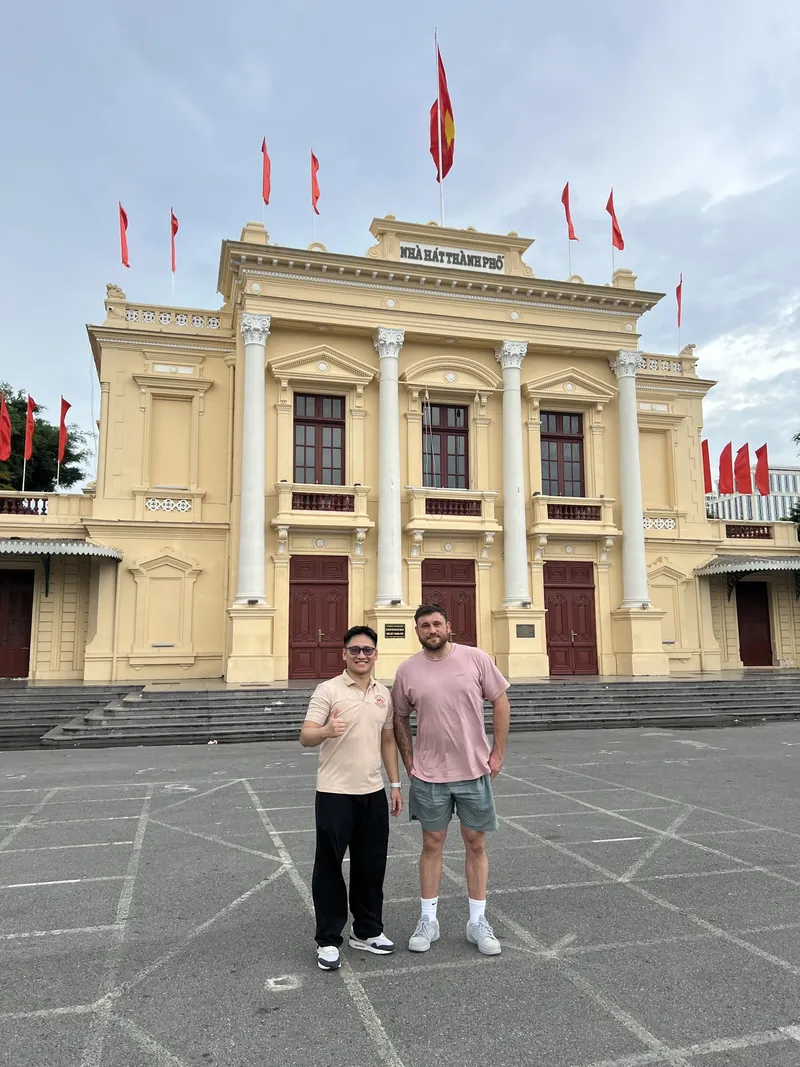
Completed in the early 1900s, the Opera House is the city’s best-known colonial landmark, with a classical facade, columns and a square in front that hosts festivals and events. You can admire it from the outside at any time; access inside depends on performances and events.
Haiphong Museum
Housed in an elegant French-era building on Dien Bien Phu Street, the museum covers the region’s history from prehistoric times to the modern era. It is the best place to put the rest of your itinerary into context, so visit early in the trip.
City Post Office and colonial streets
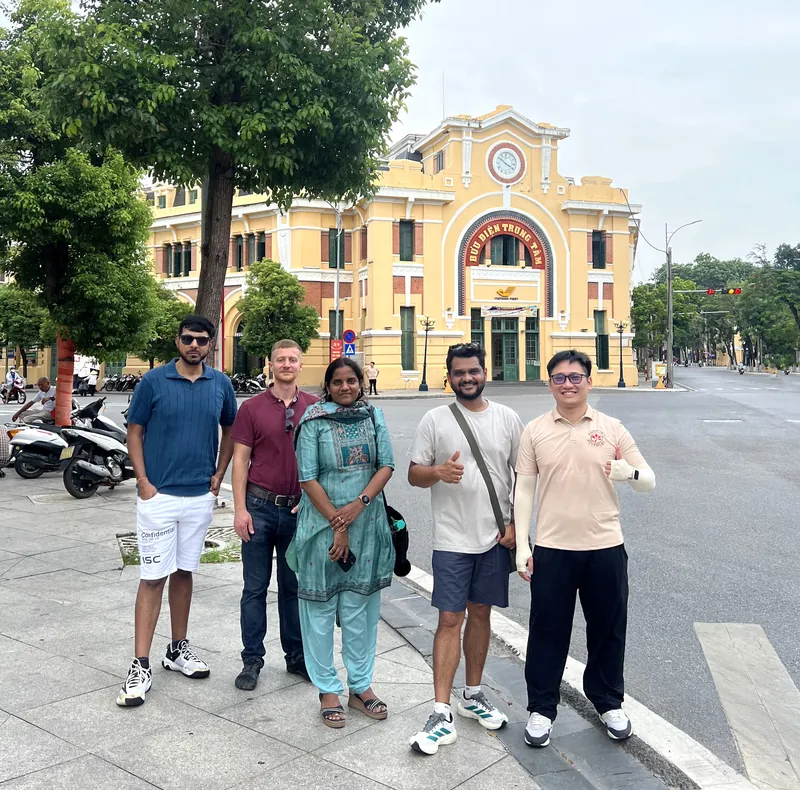
Walk past the Haiphong City Post Office and the surrounding streets to see more colonial architecture, from tall shuttered windows to ornate balconies. Early morning light is ideal for photos.
>>> Cultural Insights From A Haiphong City Tour Day
Day 1 Afternoon, Temples Of Local Heroes
After lunch, switch from colonial history to the much older stories that locals hold dear.
- Nghe Temple. A central temple dedicated to female general Le Chan. Its carved stone and wooden details reward a slow visit, and it is busy with worshippers on the first and fifteenth days of the lunar month.
- Le Chan statue square. A short walk away, the large statue of the general is a popular gathering place, especially in the evening.
- Tam Bac Lake. End the day with a stroll by the lake and the old trading streets nearby.
Dress modestly for temple visits, with shoulders and knees covered, and speak quietly inside the halls.
Recommended tour
The Insider’s Haiphong

See Haiphong’s landmarks, hidden corners and stories with a local guide who brings the city’s history to life.
From $79 per person
Day 2 Morning, Communal Houses And Pagodas
Day two of your Haiphong trip focuses on village heritage that survived inside the growing city.
Hang Kenh Communal House
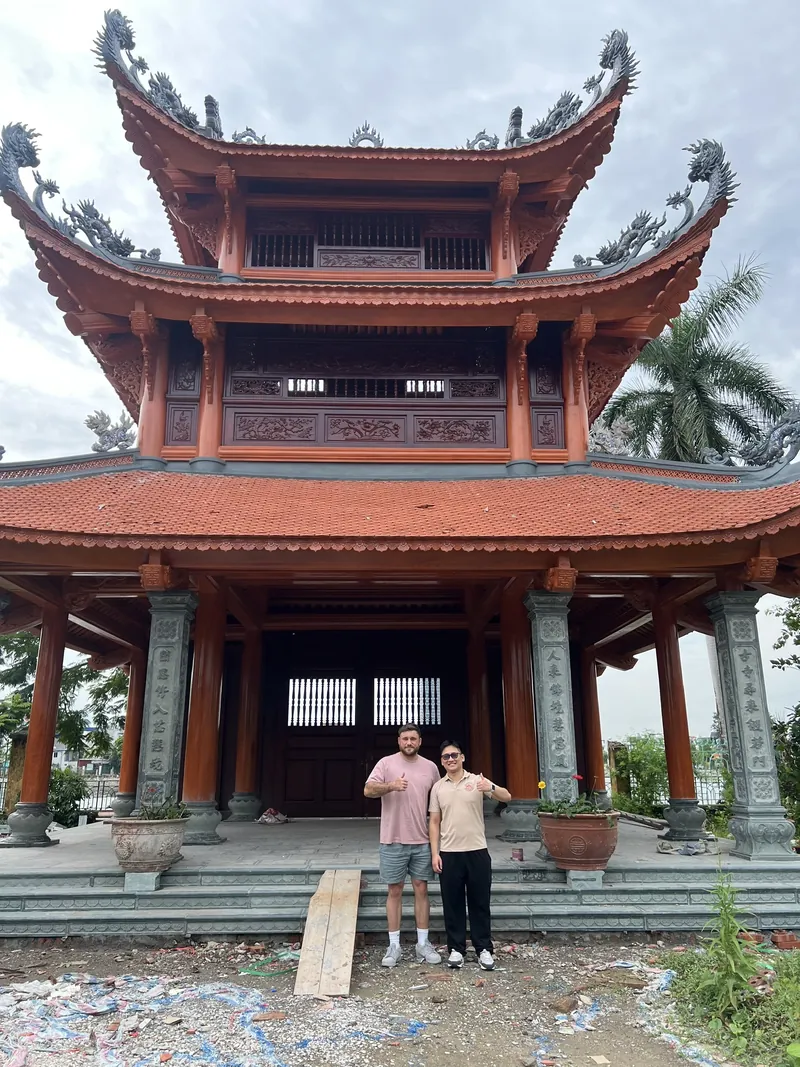
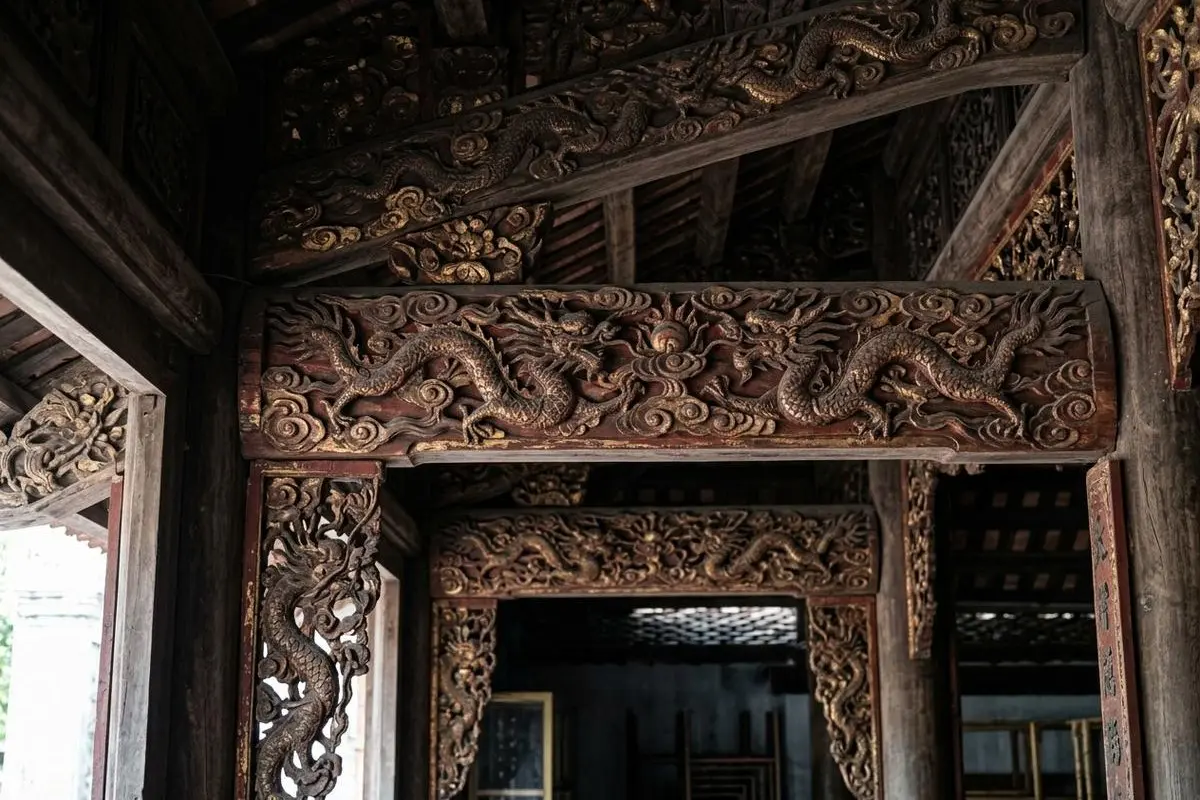
Dating from the 19th century, Hang Kenh is one of the finest communal houses in northern Vietnam. It is famous for its dense wood carvings, many featuring dragons, which decorate the beams and pillars. Communal houses like this were the centre of village life, used for worship, meetings and festivals.
Du Hang Pagoda
Du Hang is an ancient Buddhist pagoda that has been rebuilt and restored many times over the centuries. Its gate, bell tower, carved stone and quiet gardens make it a peaceful contrast to the busy streets outside.
Both sites are active places of worship, so be respectful, avoid stepping on raised thresholds and ask before photographing people.
>>> Unusual Things To Do In Haiphong Off Beaten Path
Day 2 Afternoon, The Bach Dang River Battles
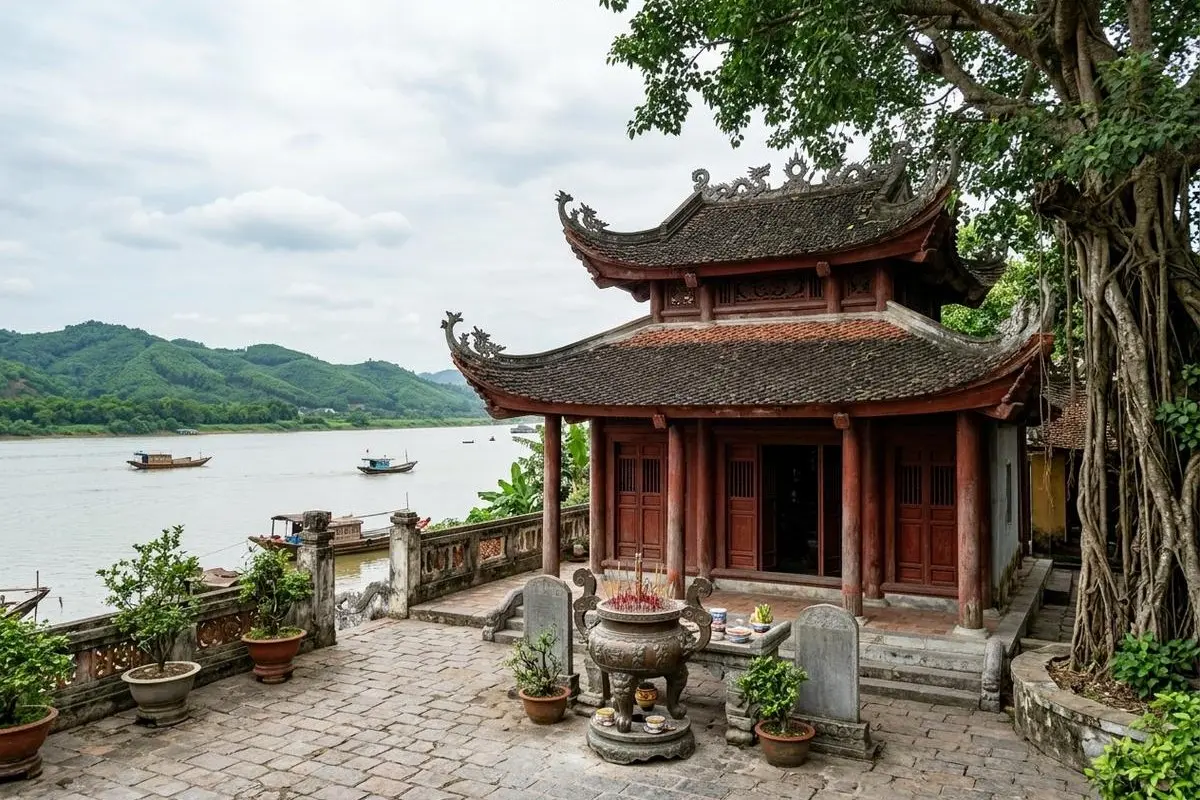
No history-themed Haiphong trip is complete without the Bach Dang River. On this river, Vietnamese forces defeated invading fleets three times using a clever tactic: they planted sharpened wooden stakes in the riverbed, lured enemy ships in at high tide, then attacked as the water fell and the ships became trapped.
| Year | Vietnamese leader | Opponent |
|---|---|---|
| 938 | Ngo Quyen | Southern Han fleet |
| 981 | Le Hoan | Song dynasty forces |
| 1288 | Tran Hung Dao | Yuan Mongol fleet |
Today, relic sites and temples along the river in the Thuy Nguyen area remember these victories. Visiting with a guide helps, as the sites are spread out and most information boards are in Vietnamese.
Optional Extras For Deeper History
If you have more time, consider adding one of these stops.
- Mac dynasty memorial. The Mac dynasty, which ruled in the 16th century, came from the Kien Thuy area south of the city, where a memorial site honours its kings.
- Sites in the former Hai Duong area. Since Haiphong merged with neighbouring Hai Duong province in 2025, the wider city also includes famous historic areas such as Con Son and Kiep Bac. Allow a full day, as travel times are longer.
- Haiphong Railway Station. A colonial-era station still in use, linking the city with Hanoi.
Plan these extras around opening hours and travel time, and ask your hotel or guide for the latest access information.
Day 3, Wartime History On Cat Ba Island
Cat Ba Island combines nature with important 20th-century history. It makes a rewarding final day for history lovers.
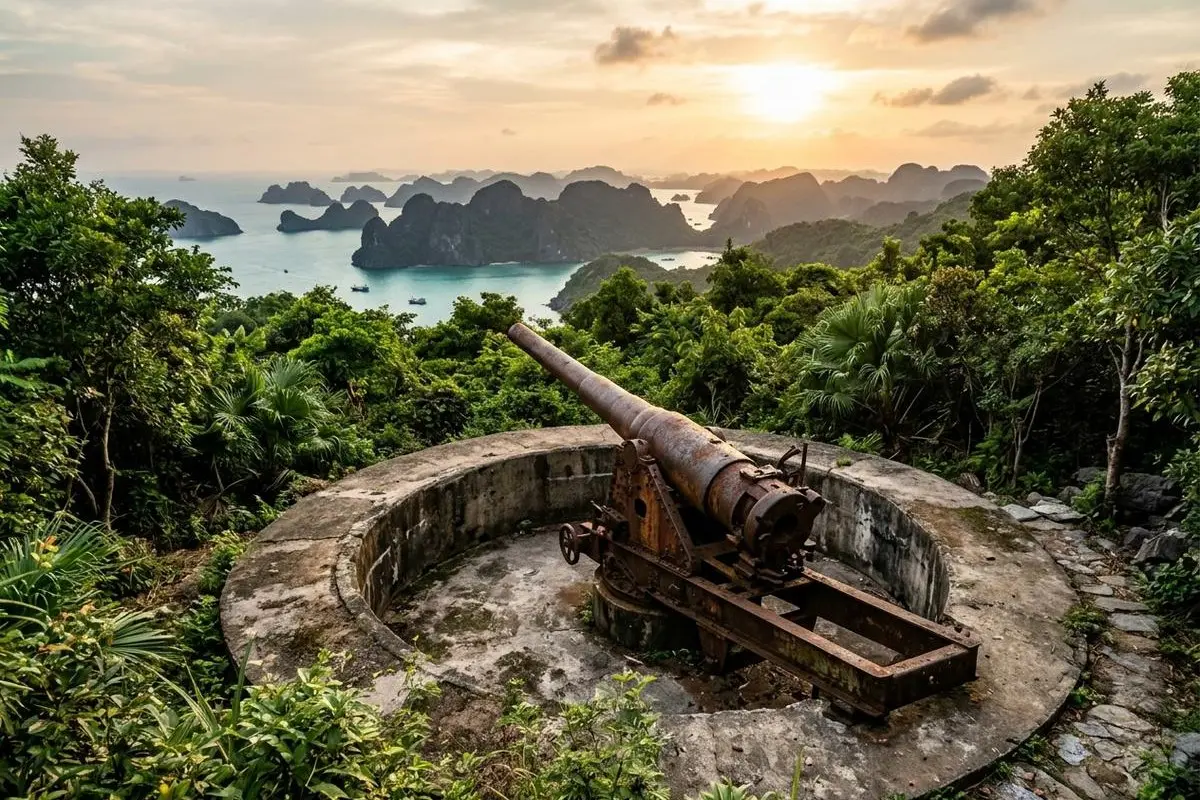
- Cannon Fort. A hilltop site with old gun emplacements, tunnels and trenches, plus wide views over Cat Ba town and the bay.
- Hospital Cave. A cave that was turned into a hidden hospital and shelter during the wartime years, with rooms built inside the rock.
- Fishing harbour. End the day by the harbour, where floating fish farms show how island life continues today.
Getting to Cat Ba takes planning, so read our guide on planning a perfect Cat Ba tour from Haiphong city before you book transport.
Getting Around And Practical Tips
Most city-centre sites are within walking distance of each other or a short taxi ride apart. The Bach Dang sites and Cat Ba need transport.
- In the city. Walk, use ride-hailing apps or join a guided motorbike tour.
- Bach Dang area. Hire a car with driver or join a guided tour, as sites are spread out.
- To Cat Ba. Combine road and ferry, or use a transfer service.
- Dress code. Cover shoulders and knees for temples, pagodas and communal houses.
- Timing. Many sites close for lunch. Visit museums and temples in the morning or late afternoon.
- Language. English signage is limited at smaller sites, so a guide or translation app helps.
Short on time? Our half-day Haiphong itinerary covers several of the city-centre highlights in four hours.
>>> My Haiphong Tours Itinerary For Weekend Getaway
Sample Itinerary At A Glance
| Day | Morning | Afternoon |
|---|---|---|
| Day 1 | Opera House, Haiphong Museum, Post Office | Nghe Temple, Le Chan statue, Tam Bac Lake |
| Day 2 | Hang Kenh Communal House, Du Hang Pagoda | Bach Dang River relic sites |
| Day 3 (optional) | Transfer to Cat Ba, Hospital Cave | Cannon Fort and harbour |
History lovers often tell us that seeing these places with a local storyteller makes all the difference. Our haiphong tours can be tailored around history, and a guide turns each stop into a real haiphong adventure through the centuries.
Frequently Asked Questions About A Haiphong Trip For History Buffs
How many days do I need for a history-focused Haiphong trip?
Two days cover the city and the Bach Dang sites. Add a third day for Cat Ba’s wartime relics.
What is the most important historic site in Haiphong?
The Bach Dang River is the most significant for Vietnamese history, while the Opera House and Hang Kenh Communal House are the most visited in the city.
Is the Haiphong Museum worth visiting?
Yes. It gives useful context for the rest of your itinerary and is housed in a beautiful colonial building.
Do I need a guide for the Bach Dang River sites?
It is not required, but recommended, because the sites are spread out and most signs are in Vietnamese.
What should I wear when visiting temples?
Wear clothes that cover your shoulders and knees, and remove your hat inside the halls.
Start Your Journey Through Haiphong’s Past
A Haiphong trip built around history takes you from ancient river battles and village communal houses to colonial boulevards and wartime caves. With two or three well-planned days, you can see how this port city shaped, and was shaped by, Vietnam’s story.
If you would like a local guide to plan a history route and share the stories behind each site, send the Haiphong Adventure team a message. We will help you design the perfect itinerary.
WhatsApp, Viber, WeChat: +84(0)934.555.001
KakaoTalk, Line ID: haiphongadventure