Learning Vietnamese History At Bach Dang River
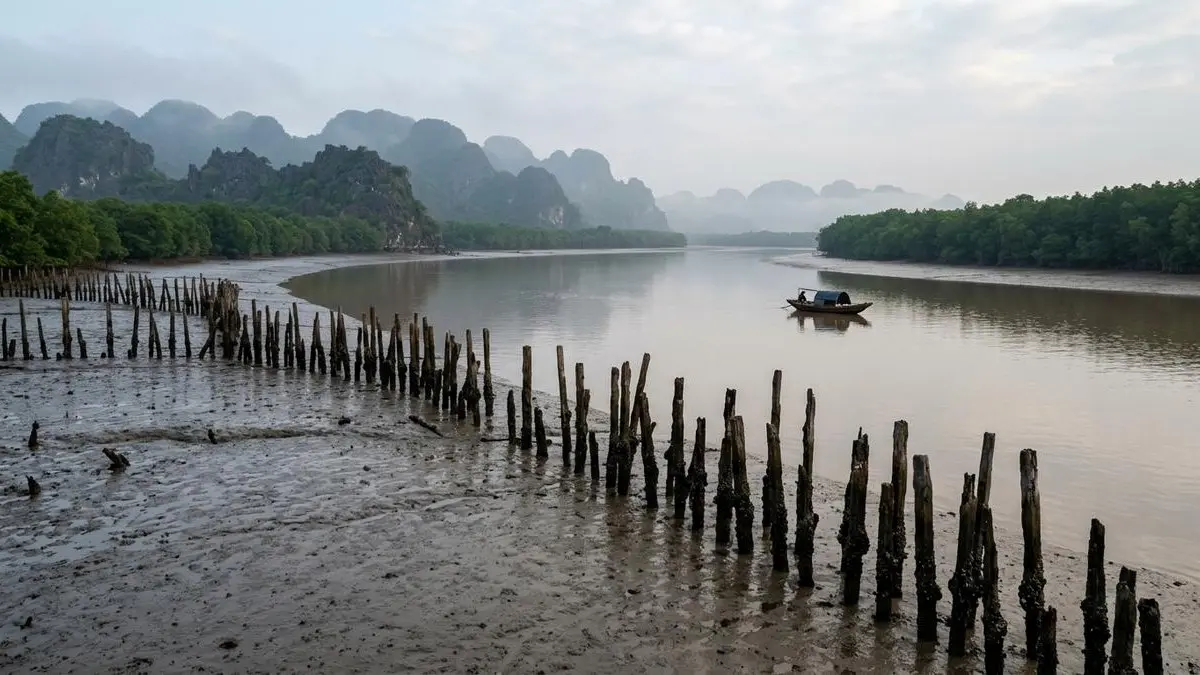
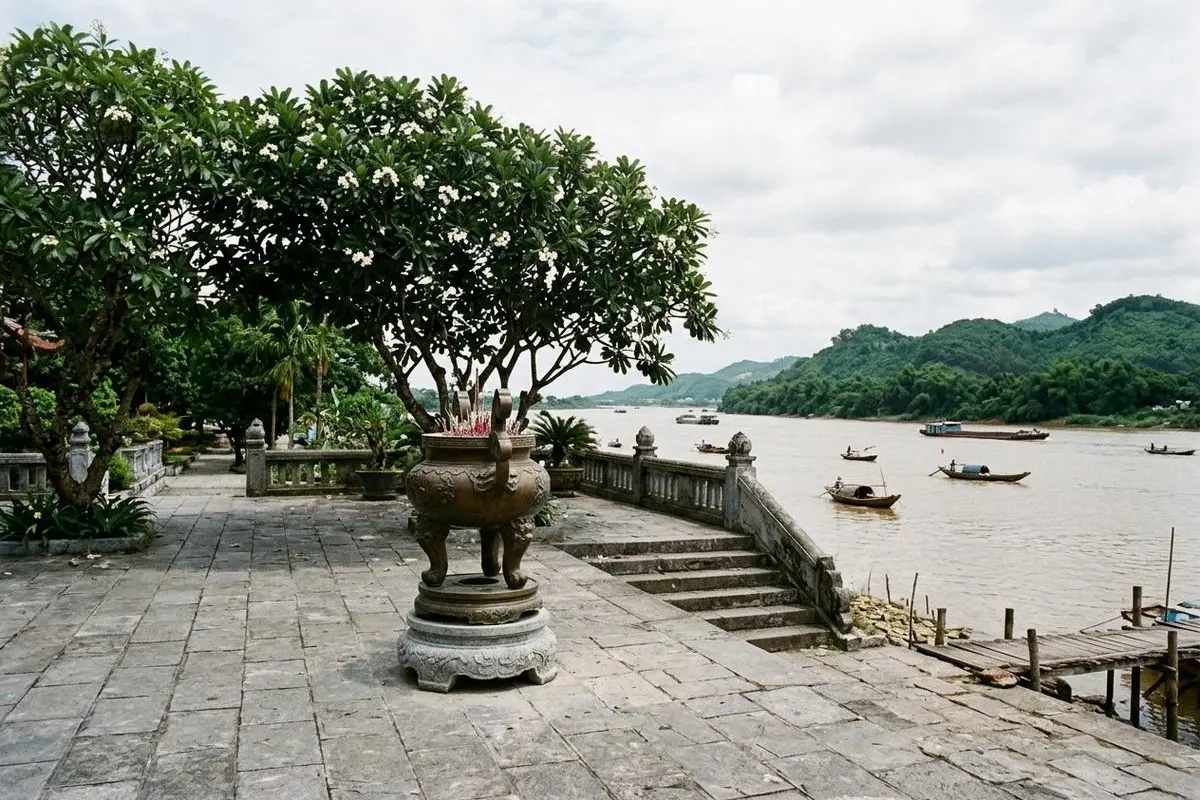
The Bach Dang River, flowing past Thuy Nguyen on the northern edge of Haiphong, is one of the best places in Vietnam to learn about the country’s long struggle for independence. Three times, in 938, 981 and 1288, Vietnamese forces defeated much larger invading fleets here, using the tide and hidden wooden stakes to trap enemy ships. Visiting the river today, with its relic sites, temples and tidal flats, turns a chapter of a history book into something you can see and feel.
In this guide, the Haiphong Adventure team explains the three battles in simple terms, how the famous stake strategy worked, where to see the history on the ground and how to plan a meaningful visit from Haiphong. Historical details are summarised from widely accepted accounts, and site arrangements can change, so check locally before you go (updated October 2026).
Why The Bach Dang River Matters In Vietnamese History
Ask almost any Vietnamese person about the Bach Dang River and they will know its story. It appears in school textbooks, poems, street names and monuments across the country.
The river connects the sea to the inland Red River Delta. For centuries, invading fleets from the north tried to use it as a gateway. Each time, Vietnamese commanders turned the river’s strong tides into a weapon.
- Three major victories. 938, 981 and 1288.
- One clever strategy. Sharpened stakes hidden under high tide.
- A symbol of independence. The 938 victory is widely seen as the start of a new era of self-rule.
- A living landscape. The river, mudflats and temples are still there to explore.
The Three Battles In Simple Terms
Here is a quick overview before we look at each battle more closely.
| Year | Vietnamese leader | Opponent | Result |
|---|---|---|---|
| 938 | Ngo Quyen | Southern Han fleet | Decisive victory, ending a long period of northern rule |
| 981 | Le Hoan (Le Dai Hanh) | Song dynasty forces | Invasion repelled |
| 1288 | Tran Hung Dao | Yuan (Mongol) fleet | Major naval victory ending the third Mongol invasion |
938: Ngo Quyen and the birth of independence
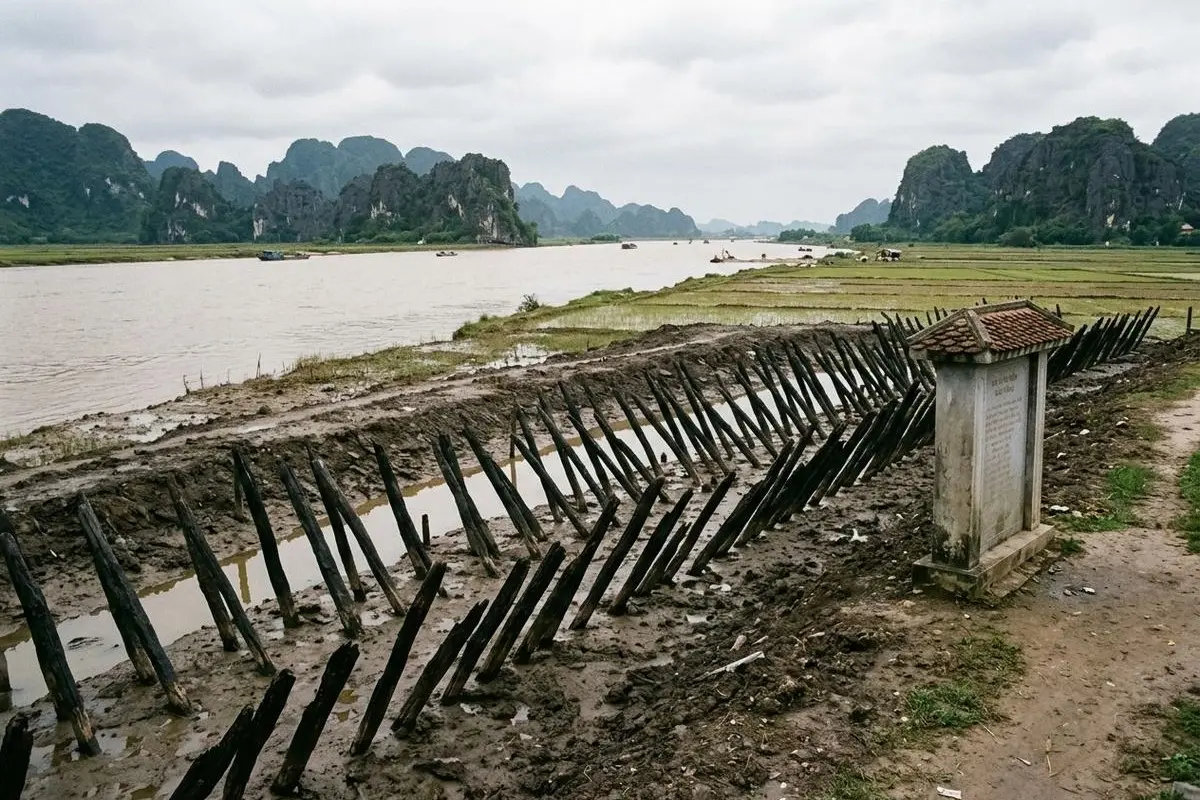
Ngo Quyen knew the enemy fleet would sail up the Bach Dang River. He had his soldiers drive large wooden stakes, tipped with iron, into the riverbed. At high tide the stakes were hidden. Small boats lured the enemy ships upstream, and when the tide turned, the heavy ships were caught and wrecked on the stakes.
981: Le Hoan defends the new kingdom
Just a few decades later, a new invasion came from the Song dynasty. Le Hoan led the defence, and the Bach Dang area again played a role in pushing the invaders back.
1288: Tran Hung Dao defeats the Mongol fleet
The most famous battle came in 1288, during the third Mongol invasion. General Tran Hung Dao repeated and improved Ngo Quyen’s tactic, planting fields of stakes and timing the attack with the tide. The Yuan fleet was destroyed, a remarkable achievement against one of the largest empires in history.
>>> Unusual Things To Do In Haiphong Off Beaten Path
How The Stake Strategy Worked
The genius of the Bach Dang battles lies in reading nature. The river has a strong tidal range, so water levels rise and fall significantly each day.
- Prepare. Cut and sharpen large hardwood trunks, often tipped with iron.
- Plant. Drive the stakes into the riverbed at low tide, in rows across the channel.
- Hide. Wait for high tide to cover the stakes completely.
- Lure. Send small, fast boats to provoke the enemy and draw them upstream.
- Strike. As the tide falls, attack. Heavy ships run onto the stakes and become trapped.
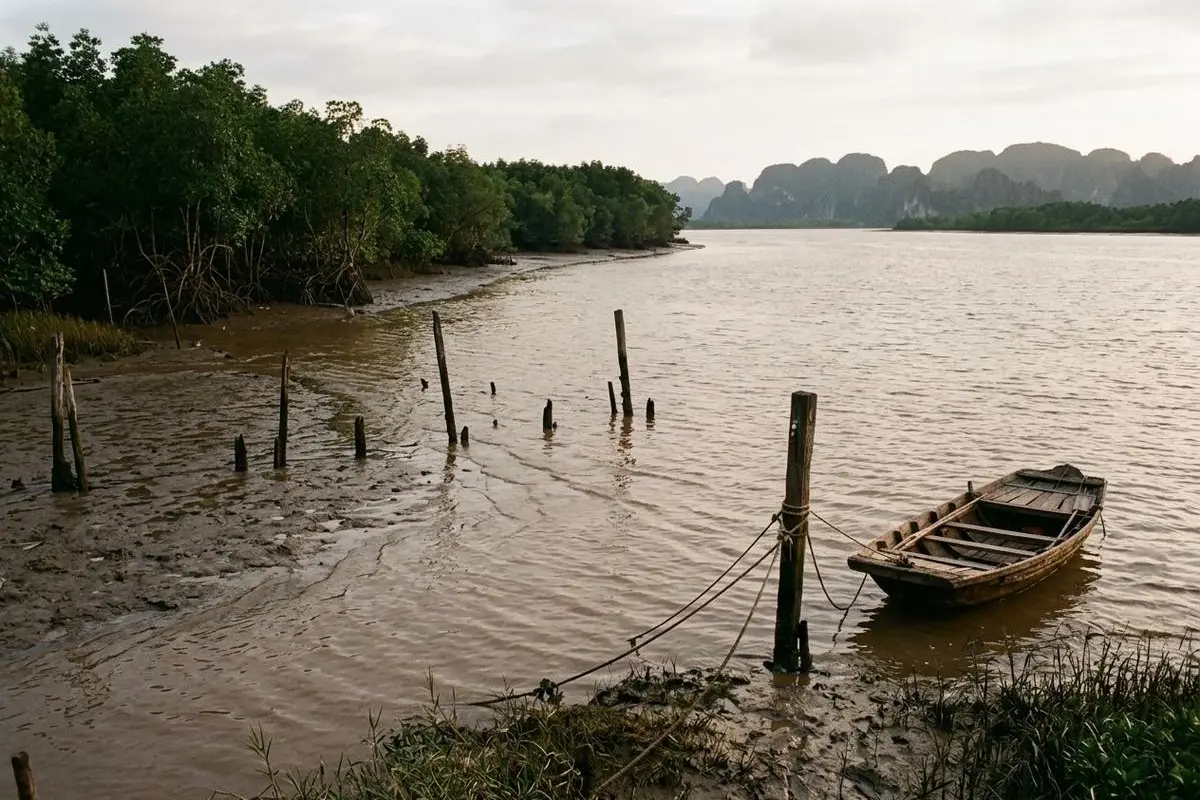
Standing by the river at low tide, you can easily imagine how effective this plan must have been. The mudflats appear quickly as the water drops, and the current is strong.
Recommended tour
The Haiphong Street Food and City Tour

Start your history journey in the city with a local guide, visiting heritage landmarks and tasting Haiphong’s favourite dishes.
From $85 per person
Where To See The History Today
The Bach Dang story is spread across several places on both banks of the river, as well as in museums. Here are the main ways to experience it.
Trang Kenh and Bach Dang relic area in Thuy Nguyen
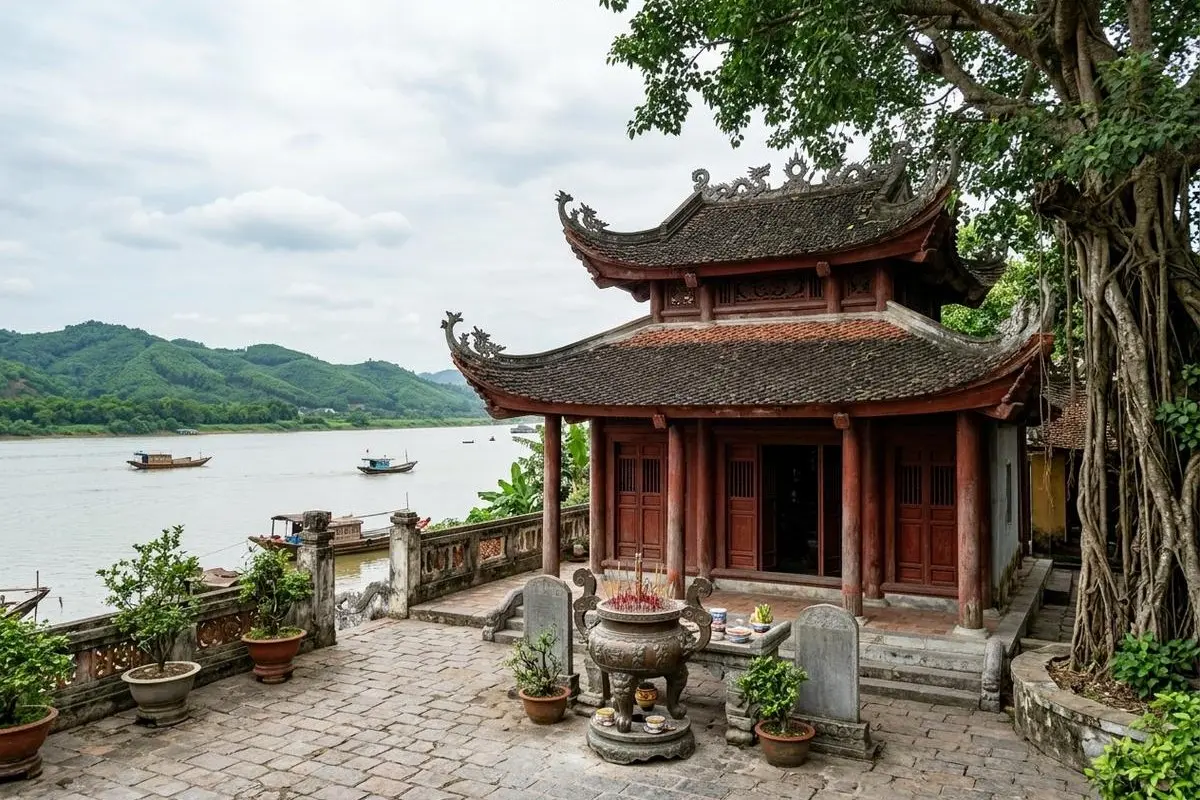
On the Haiphong side, the Thuy Nguyen area holds temples and memorial sites linked to the battles. The Trang Kenh – Bach Dang relic complex is recognised as one of Vietnam’s most important historical sites.
Temples to the heroes
Temples honour Ngo Quyen, Le Hoan and Tran Hung Dao. Visiting one gives you a feel for how these leaders are still remembered with incense and offerings.
Stake fields across the river
Archaeologists have found stakes from the battles at several places in the wider estuary, including across the river in the Quang Yen area of Quang Ninh. Some are displayed in situ or in small exhibition areas.
Museums in the city
Museums in Haiphong display artefacts and maps that put the battles in context. It is a good rainy-day option and a useful starting point before you head to the river.
>>> The Ultimate Haiphong Tour: Top 10 Must-Visit Spots in 2025
A Suggested Half-Day History Route
This simple plan works well for travellers based in central Haiphong. Allow about four to five hours.
- Morning in the city. Visit a museum or heritage site to understand the background.
- Drive to Thuy Nguyen. Cross the river north of the city by car or motorbike.
- Visit a relic site or temple. Learn about the heroes and see where the battles took place.
- Walk by the river. Time your visit near low tide to see the mudflats appear.
- Return for lunch. Head back to the city for local food.
The countryside around Thuy Nguyen is also scenic, with limestone hills and rice fields. Our guide to Haiphong motorbike tour routes for scenic views shows how to combine history with a beautiful ride.
Tips For Learning History On Site
- Read a little first. Knowing the three dates makes the sites much more meaningful.
- Check the tide. Low tide shows the mudflats and helps you imagine the stakes.
- Go with a guide. Many signs are in Vietnamese only. A guide brings the stories to life.
- Dress respectfully. Temples are active places of worship. Cover shoulders and knees.
- Bring sun protection. Riverbanks can be exposed and hot.
- Allow travel time. Roads and traffic can vary, so plan extra time.
A private Haiphong tour with a local guide is the easiest way to visit, as your guide handles transport and translation.
What Travellers Take Away From Bach Dang
Visiting the Bach Dang River is not only about dates and battles. It helps you understand modern Vietnam too.
- National pride. The victories are part of how Vietnamese people see themselves.
- Respect for nature. The battles were won by understanding tides and terrain.
- Local identity. Haiphong people are proud that this history happened on their doorstep.
- Context for other sites. Temples, statues and street names across the country make more sense.
Many guests add this river to one of our haiphong tours to see the countryside and hear the stories from a local. It is one of the most meaningful days of any haiphong adventure in the north.
>>> Cultural Things To Do In Haiphong You Must Try
Frequently Asked Questions About The Bach Dang River
Where is the Bach Dang River?
It flows along the northern edge of Haiphong, past the Thuy Nguyen area, toward the sea. Parts of the estuary border Quang Ninh province.
What happened at the Bach Dang River?
Vietnamese forces won major naval battles here in 938, 981 and 1288, using hidden wooden stakes and the tide to defeat invading fleets.
Can I see the original wooden stakes?
Some excavated stakes are displayed at relic sites and in museums in the region. Availability and displays can change, so check before you go.
How long does a visit take?
A half day from central Haiphong is enough to visit a relic site, a temple and the riverbank.
Is it suitable for children?
Yes. The story of the hidden stakes is easy for children to understand and enjoy, especially at low tide.
Bring Vietnamese History To Life
The Bach Dang River is where Vietnam’s history meets its landscape. Learn the three dates, watch the tide fall and visit the temples to the heroes, and you will leave with a much deeper understanding of the country.
If you would like a local guide to take you to the river and tell the stories along the way, send the Haiphong Adventure team a message. We will help you plan a history trip that suits your schedule.
WhatsApp, Viber, WeChat: +84(0)934.555.001
KakaoTalk, Line ID: haiphongadventure