Peace At Du Hang Pagoda Haiphong Zen Experience
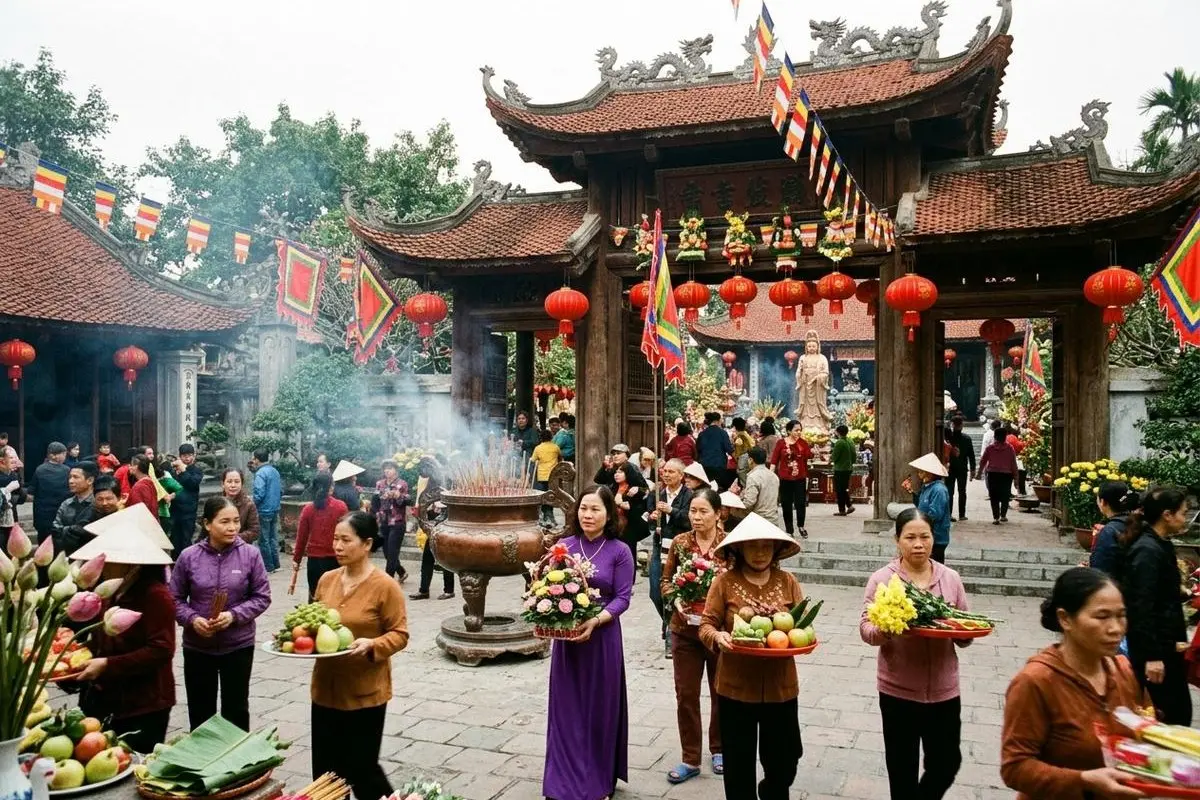
Du Hang Pagoda is where Haiphong slows down. Step through its old gate on Chua Hang Street and the noise of motorbikes fades behind you, replaced by incense smoke, birdsong and the soft sound of a temple bell. For travellers looking for a quiet, reflective moment in a busy port city, Du Hang Pagoda offers one of the most peaceful experiences in town.
This guide from the Haiphong Adventure team is not a history lecture. Instead, it shows you how to enjoy the pagoda calmly and respectfully: the best time to go, what to notice, simple mindful things you can do, and how to build a slow, restful half day around your visit. Opening times and ceremonies can change, so treat practical details as a reference (updated October 2026).
Why Du Hang Pagoda Feels So Peaceful
Du Hang is one of the oldest and most respected Buddhist pagodas in Haiphong, with roots that local records trace back around a thousand years. It has been rebuilt and restored many times, and today it is still an active place of worship rather than a museum. That is exactly why it feels so calm: people come here to pray, reflect and rest, not to tick off sights.
- Living tradition. Monks, nuns and local Buddhists follow daily routines of chanting, offerings and cleaning.
- Garden spaces. Courtyards with bonsai, flowering trees and stone stupas invite you to slow your pace.
- Craftsmanship. Carved wood, curved roofs and old statues reward a patient eye.
- Few crowds. Outside festival days, mornings are usually quiet.
If you enjoy places like this, our list of cultural things to do in Haiphong has more ideas for a thoughtful trip.
Best Time For A Quiet Visit
Timing makes a big difference to the atmosphere at Du Hang Pagoda.
| Time | What it feels like | Good for |
|---|---|---|
| Early morning | Cool air, soft light, few visitors | Reflection, photography, slow walking |
| Late morning | Some local worshippers, warmer | Seeing daily offerings |
| Midday | Often quiet as people rest | Short visits, shade under the trees |
| Late afternoon | Golden light, gentle activity | Photos of roofs and gardens |
| 1st and 15th of the lunar month | Busy with worshippers and incense | Seeing local devotion, less quiet |
| Major Buddhist festivals | Crowded and colourful | Culture lovers rather than calm seekers |
For the most peaceful experience, aim for an ordinary weekday morning. Check the lunar calendar before you go if quiet matters to you.
What To Notice As You Walk Through
A slow visit is about noticing details. Here is what to look for as you move from the gate to the inner halls.
The gate and front courtyard
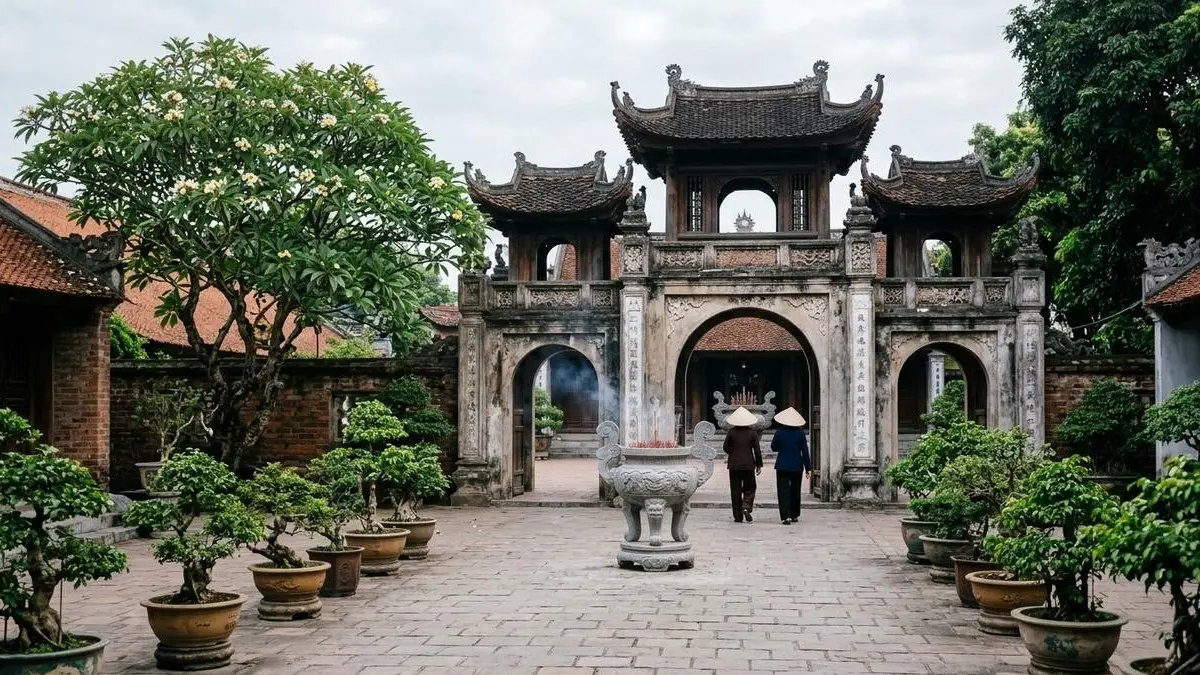
The traditional gate marks the shift from street to sacred space. Pause here for a moment before entering. In the courtyard, look at the bonsai trees, many carefully shaped over years, and the stone incense burner where visitors place their offerings.
The main hall
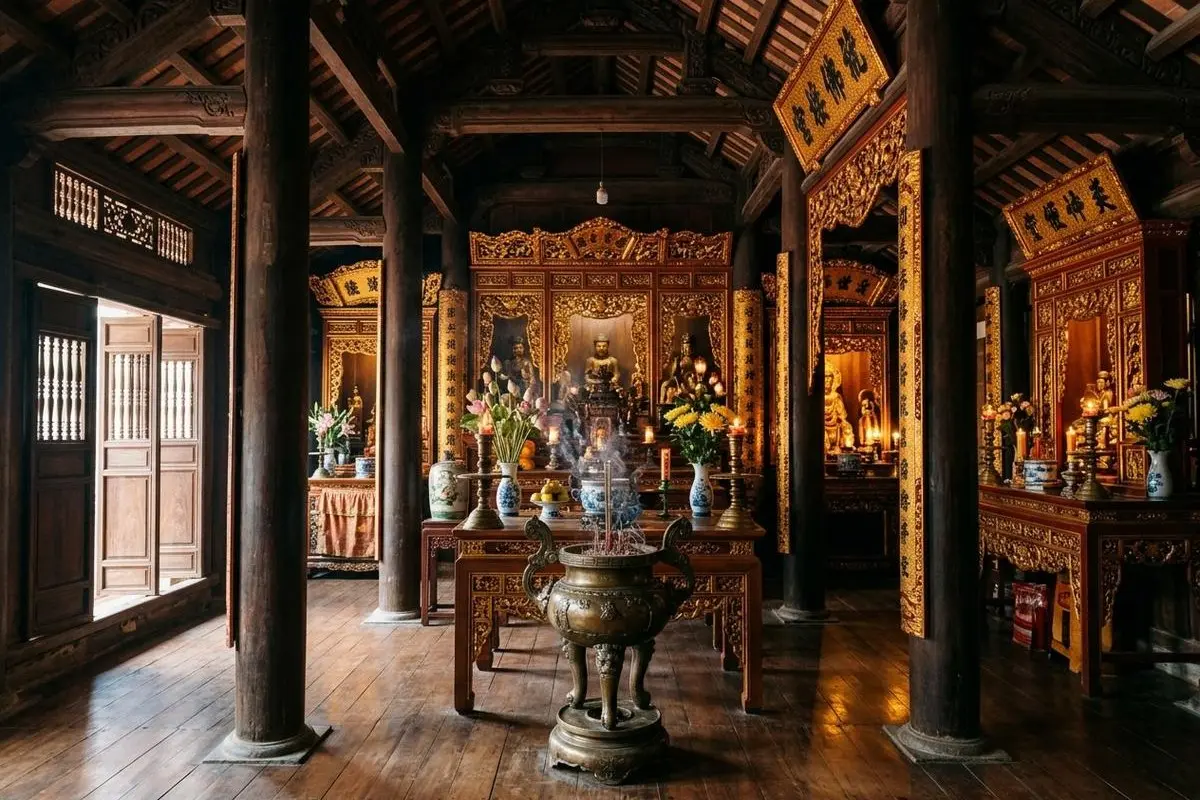
Inside, rows of dark wooden columns hold up the roof, and altars rise in tiers with Buddha statues, lacquered panels and flowers. Light is low and the air smells of sandalwood. Stand at the back, let your eyes adjust and simply watch for a minute.
Carvings and statues
Look up at the roof beams and along the altars for carved dragons, clouds and lotus flowers. Many statues have calm, half closed eyes, a visual reminder of the stillness the pagoda invites.
The stupa garden
Behind or beside the halls you may find stone stupas, memorials for respected monks. This is one of the quietest corners, ideal for sitting on a bench in the shade.
>>> Cultural Insights From A Haiphong City Tour Day
Simple Mindful Moments To Try
You do not need to be Buddhist to enjoy a reflective visit. These small practices help you slow down without disturbing anyone.
- Three slow breaths at the gate. Leave your plans and the traffic outside.
- A walking pause. Walk once around the courtyard at half your normal speed, noticing your steps and the sounds around you.
- Sit and listen. Find a bench in the garden for five minutes. Count the different sounds: bells, birds, brooms, distant chanting.
- Light incense, if you wish. Many visitors light a few sticks and make a silent wish or a moment of gratitude. Follow what locals do and place them gently.
- Write one line. Before you leave, note one thing you want to remember from the visit.
If there is chanting during your visit, you are usually welcome to stand quietly at the back and listen. Do not film people praying without permission.
Recommended tour
The Haiphong Street Food and City Tour
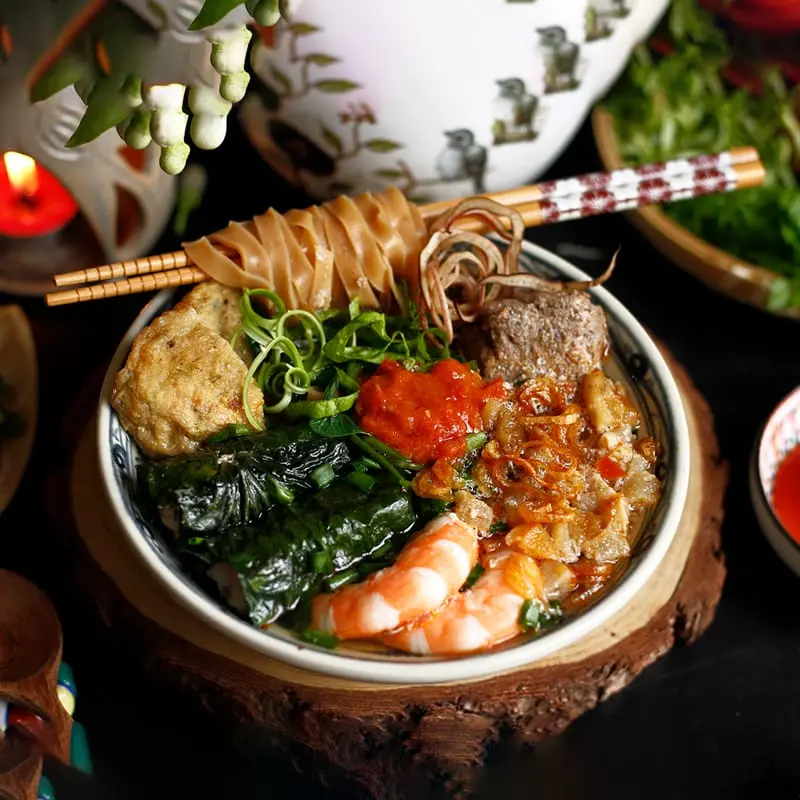
Balance a calm pagoda morning with local flavours: a guided taste of crab noodle soup, banh mi cay, coconut coffee and the old city landmarks.
From $85 per person
Pagoda Etiquette For A Respectful Visit
Good manners keep the pagoda peaceful for everyone, including you.
- Dress modestly. Cover shoulders and knees. A light scarf or long trousers are easy to carry.
- Remove shoes where you see others doing so, usually before entering inner halls.
- Speak softly and switch your phone to silent.
- Do not point your feet toward altars when sitting, and do not climb on statues or stupas.
- Ask before photographing monks, nuns or people praying. Some halls may not allow photos.
- Small donations in the box are appreciated but never required.

Festival Days And Local Devotion
If you prefer energy to silence, visit on a festival day instead. Buddha’s birthday and the Vu Lan festival, which honours parents and ancestors, bring families with flowers, fruit and incense. The 1st and 15th days of each lunar month are also busy with offerings.
These days are not quiet, but they show how central the pagoda still is to local life. Arrive early, stay to the side and let worshippers pass first.
>>> Free Things To Do In Haiphong For Budget Travel
A Slow Half Day Around Du Hang Pagoda
Make the calm last longer with an unhurried plan. The pagoda sits in the city centre, so most stops are a short ride by taxi or Grab.
- Early morning: arrive at Du Hang Pagoda when it is cool and quiet. Spend 45 to 60 minutes inside and in the garden.
- Mid morning: enjoy a slow coffee at a small cafe nearby. Try egg coffee or coconut coffee.
- Late morning: visit another quiet religious site, such as a small neighbourhood temple or communal house.
- Lunch: a gentle bowl of banh da cua, the local crab noodle soup.
- Afternoon: rest, then stroll by Tam Bac Lake in the late afternoon light.
Want more off the beaten path ideas? Our list of unusual things to do in Haiphong includes several calm, local experiences.
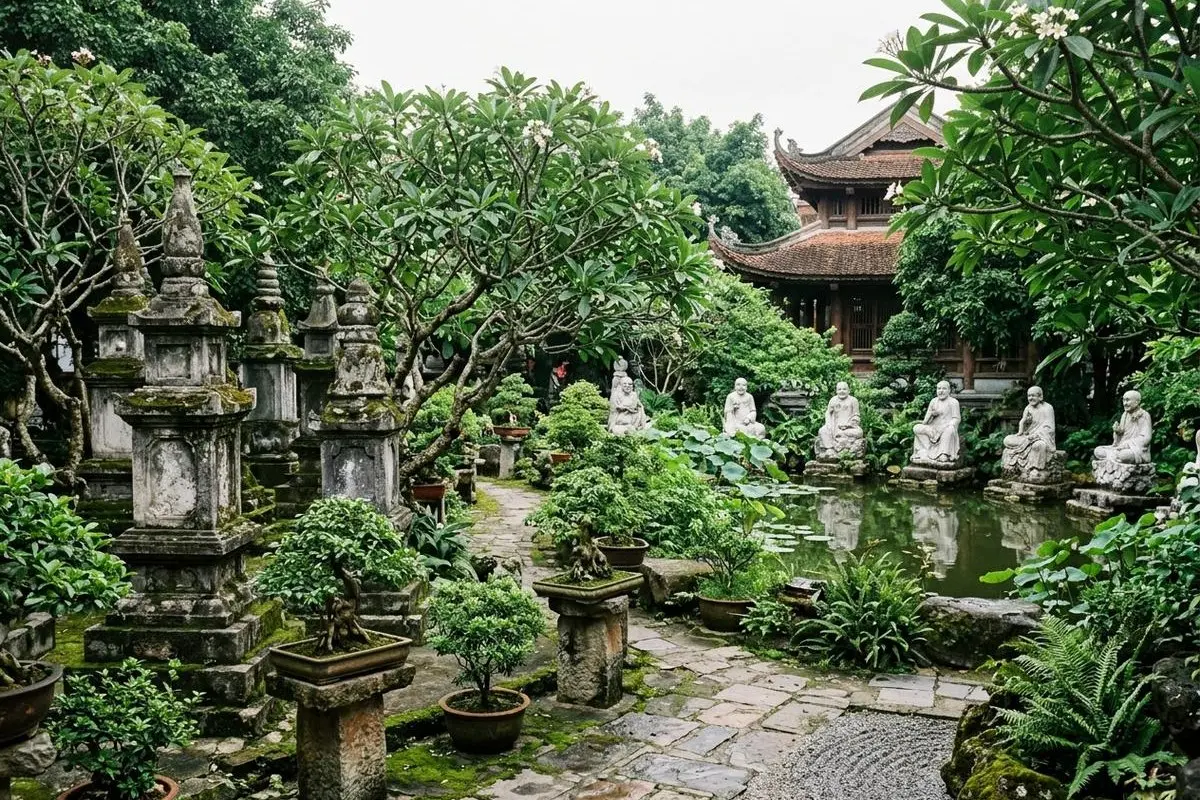
Other Peaceful Spiritual Places In Haiphong
If Du Hang Pagoda leaves you wanting more calm, Haiphong has other temples and pagodas worth a quiet visit. Neighbourhood pagodas often have beautiful bell towers and gardens and see very few foreign visitors. Communal houses, the traditional village halls of northern Vietnam, offer a different kind of stillness with their carved wooden structures.
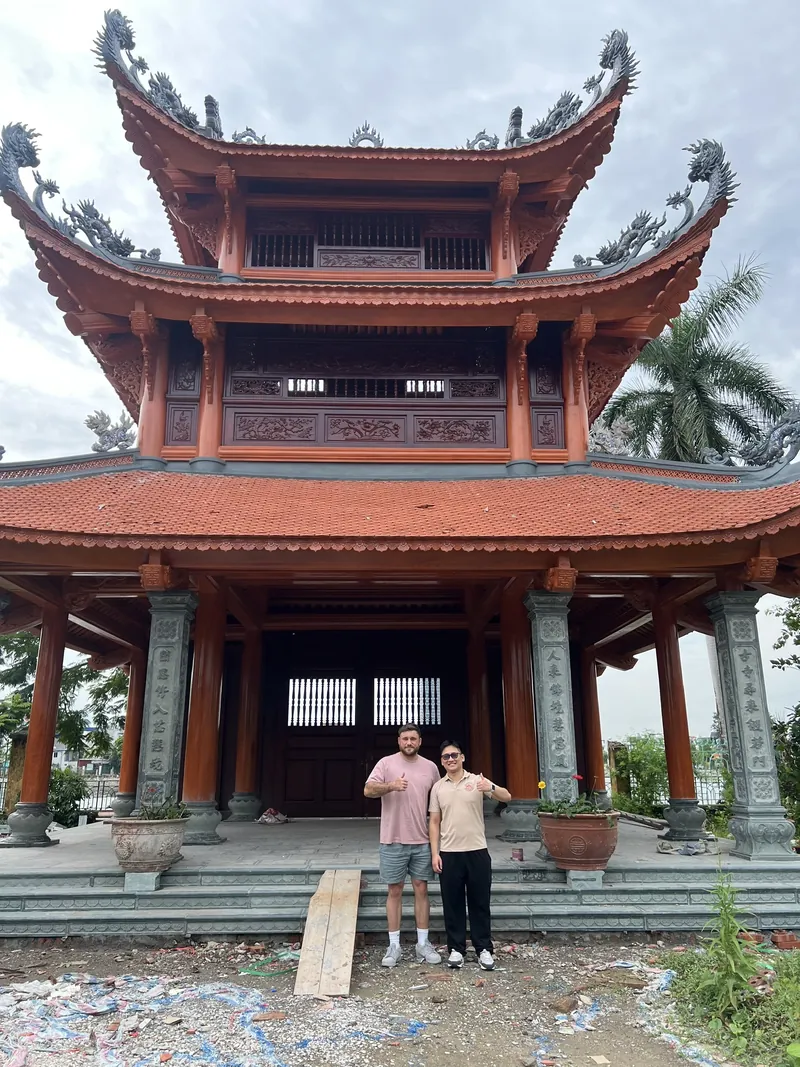
Visiting with a local guide helps you find these lesser known places and understand the customs. Many guests on our haiphong tours say the quiet temple stops were among their favourite moments, a welcome contrast to busy markets and traffic. For a full weekend plan, see our favourite things to do in Haiphong on a weekend.
>>> My Haiphong Street Food Adventure Local Taste
Frequently Asked Questions About Du Hang Pagoda
Where is Du Hang Pagoda?
It is on Chua Hang Street in central Haiphong, a short taxi or Grab ride from the Opera House and Tam Bac Lake.
Is there an entrance fee?
Visiting is generally free. A small donation is welcome but not required.
How long should I stay?
Around 45 to 60 minutes is enough for a calm visit, longer if you want to sit in the garden.
Can non-Buddhists light incense?
Yes, visitors of any background often light incense respectfully. Watch how locals do it and follow their lead.
When is the pagoda quietest?
Early weekday mornings outside the 1st and 15th of the lunar month and major festivals are usually the calmest.
Find Your Quiet Moment In Haiphong
A visit to Du Hang Pagoda is a gentle reminder that even a busy port city has places of deep calm. Go early, dress respectfully, move slowly and give yourself time to simply sit and listen. If you would like help planning a peaceful day in Haiphong, or a guide to show you its quieter side, the Haiphong Adventure team is happy to help.
WhatsApp, Viber, WeChat: +84(0)934.555.001
KakaoTalk, Line ID: haiphongadventure