
My Haiphong Street Food Adventure Local Taste
The first time I really understood Haiphong street food, I was sitting on a blue plastic stool barely higher than my knees, elbow to elbow with office workers, grandmothers and a delivery rider who had parked his motorbike right next to our table. Nobody spoke much. Everyone was busy with a steaming bowl of red noodles, a pile of fresh herbs and a small dish of chili. That breakfast set the tone for a whole day of eating my way around Vietnam’s great port city.
This guide follows that day from early market to late-night snacks. It covers the dishes worth crossing town for, how to order when you don’t speak Vietnamese, how to eat safely, and how to plan your own route. Whether you explore alone or join one of the local haiphong tours, you will find that the city’s food is the easiest way into its everyday life.
What Makes Haiphong Street Food Different
Haiphong sits close to the sea and to the rice fields of the Red River Delta, and you can taste both in almost everything. Crab, shrimp, snails and fish appear on menus from breakfast to midnight, while rice noodles, rice cakes and fresh greens come from the surrounding countryside. The result is food that is lighter and more savory than many visitors expect, with a strong focus on broth and texture.
The other big difference is the scale. Haiphong is a large city, but it does not have the crowds of tourists you find in Hanoi’s Old Quarter. Most stalls cook for locals, menus are short (often just one dish), and prices are set for neighbors rather than visitors. You will rarely see an English menu, which can feel intimidating at first, but it also means the food has not been adjusted for foreign tastes.
Many of the best places are family-run spots that have specialized in one recipe for years. They open when the dish is ready and close when it sells out. That rhythm shapes the whole eating day: noodle soups in the morning, coffee in the late morning, snacks in the afternoon, and seafood and snails after dark.
Starting Early At A Local Market
My local taste adventure began just after sunrise at a neighborhood market. Markets in Haiphong wake up early, and the first hours are the most interesting: sellers lay out bunches of herbs, buckets of live crabs and snails, mountains of rice noodles and trays of fresh tofu. It is the best place to see the raw ingredients behind the dishes you will eat later.
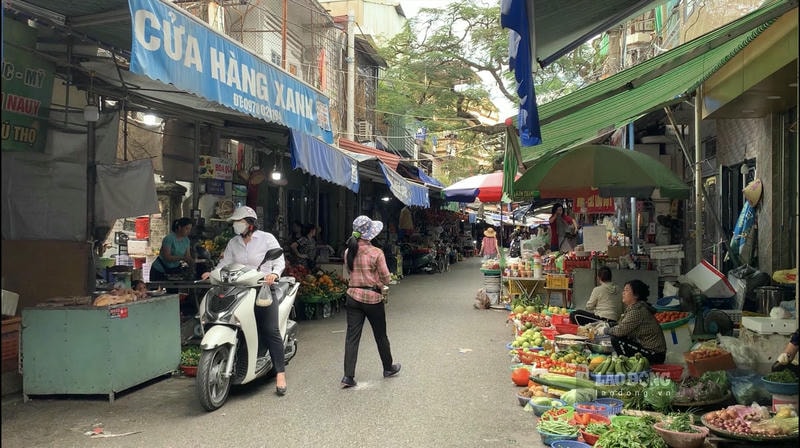
Walk slowly, stay to the side so motorbikes can pass (yes, they ride through the market lanes), and ask before you photograph a vendor up close. A smile and a small gesture toward your camera usually works. If you want to buy fruit, point at what you want and hold up fingers for the quantity; most sellers will show you the price on a calculator or phone.
Markets also have their own breakfast corners, where a few tables sit beside a pot of broth. If you see a crowd of locals eating at one, that is a very good sign. For a deeper look at how locals shop and eat, our guide to cultural things to do in Haiphong explains more about daily life in the city.
Banh Da Cua: The Red Crab Noodle Soup
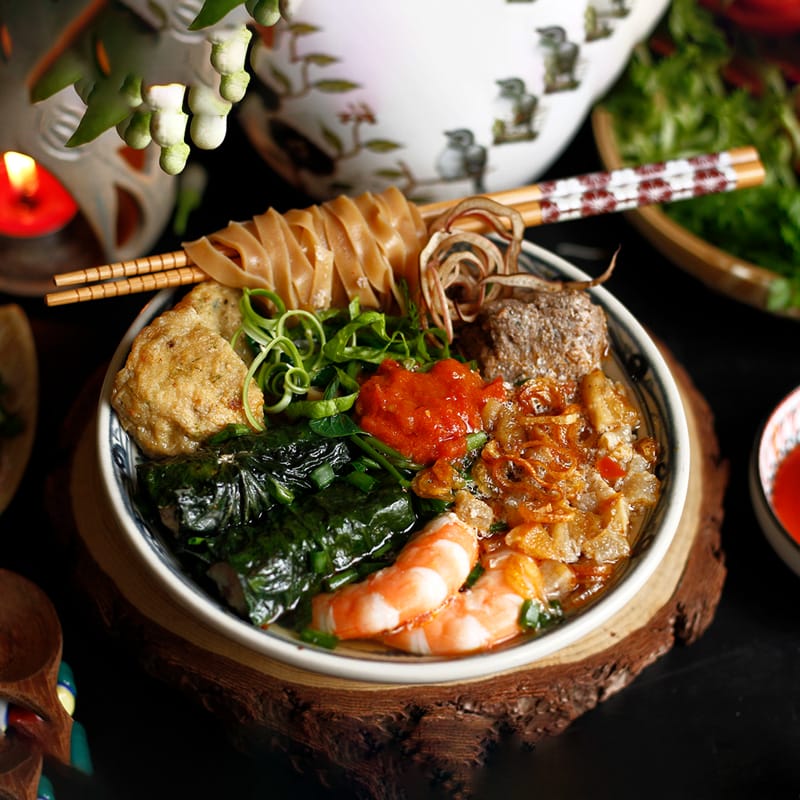
If you only eat one dish in Haiphong, make it banh da cua. This is the city’s signature noodle soup: flat, chewy red-brown rice noodles in a sweet, slightly earthy broth made from freshwater field crabs. The crab is pounded and strained to make the broth, and the crab “paste” floats on top in soft golden clumps.
Toppings vary from stall to stall but often include fried tofu, pork or fish cakes, rolls wrapped in betel leaves, and leafy greens. You will get a plate of fresh herbs on the side, plus lime, chili and sometimes a little shrimp paste or chili sauce to adjust the flavor yourself. Taste the broth first, then add a squeeze of lime and a little chili.
Banh da cua is mostly a breakfast and lunch dish. Prices at simple stalls are usually modest, roughly in the range of a few tens of thousands of dong per bowl, though they vary with toppings and location, so check before you order. It is the dish locals are proudest of, so it makes a perfect first stop on any eating day in the city.
Banh Mi Cay: Small Bread With A Big Kick
Forget the big, overstuffed baguette sandwiches you may know from other parts of Vietnam. Haiphong’s banh mi cay is small, thin and crunchy, about the length of a hand. It is filled with a smear of pate and a little spicy sauce, then toasted until crisp. Locals often order several at once and eat them as a snack rather than a meal.
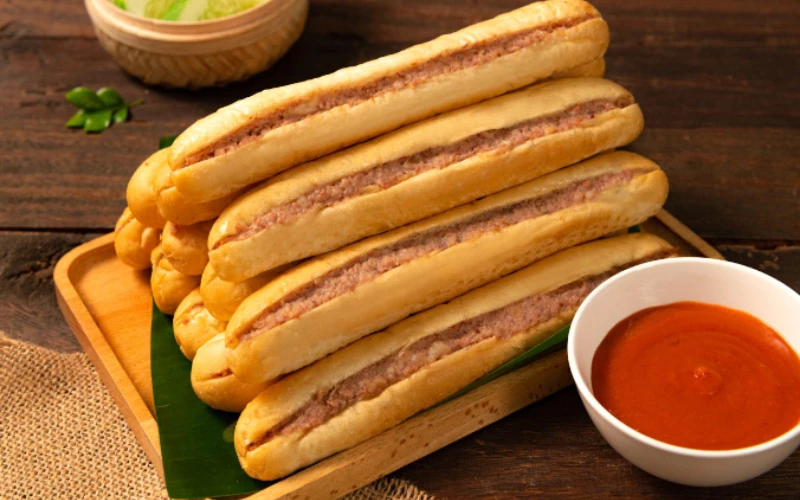
The fun is in the dipping sauce. Most sellers give you a small bowl of chili sauce to dip each bite into, and the heat level can surprise you. If you are sensitive to spice, ask for less sauce or simply dip lightly. These sticks are very cheap, so it is easy to buy a few, share them, and move on to the next stop.
Banh mi cay is best eaten hot, straight from the grill or oven. If you buy a bag to take away, eat them within an hour or so; they lose their crunch quickly in Haiphong’s humid air.
Recommended tour
The Haiphong Street Food and City Tour
Taste banh beo, banh da cua and sweet local treats with a local guide, with stops at Linh Quang Pagoda, the Opera House and the Le Chan statue in between.
From $85 per person
Coffee Breaks: Iced Coffee And Coconut Coffee
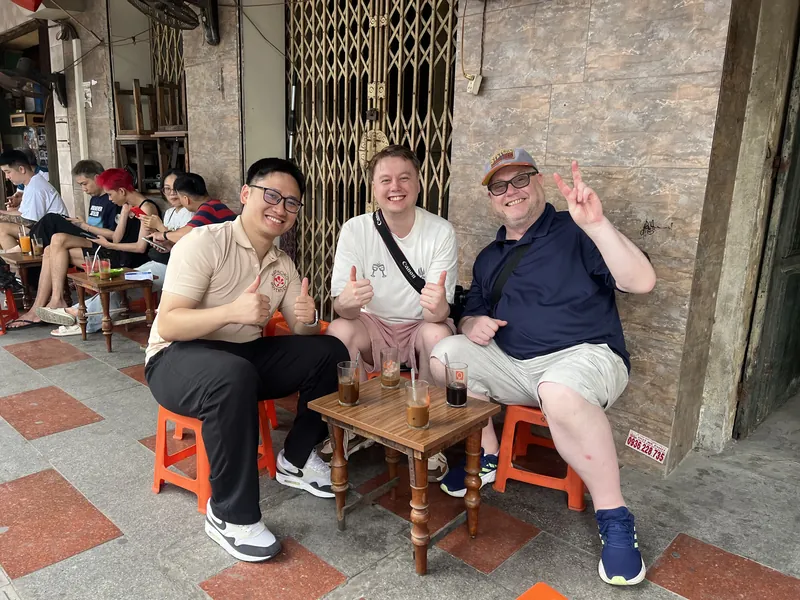
By mid-morning, the city slows down for coffee. Sidewalk cafes set out low tables and tiny stools, and people sit for an hour watching traffic go by. Order a ca phe sua da (iced coffee with sweetened condensed milk) or a ca phe den da (iced black coffee) and do as the locals do: stir, wait, sip slowly.
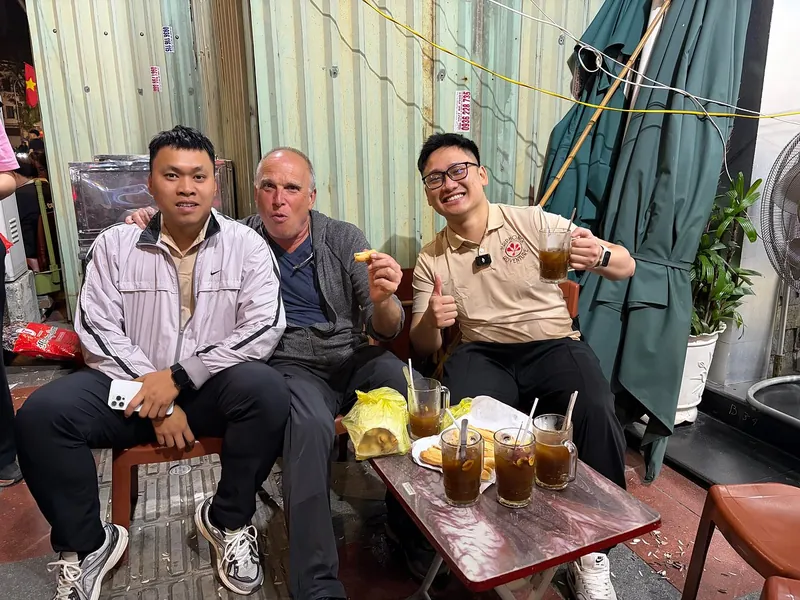
Vietnamese coffee is strong, so if you are not used to it, start with a milk coffee rather than black. Many cafes also serve a free glass of iced tea (tra da) alongside, which is a nice way to stay hydrated.
For something sweeter, try coconut coffee, a blend of coffee with a frozen, creamy coconut mixture. It tastes almost like dessert and is perfect on a hot afternoon.
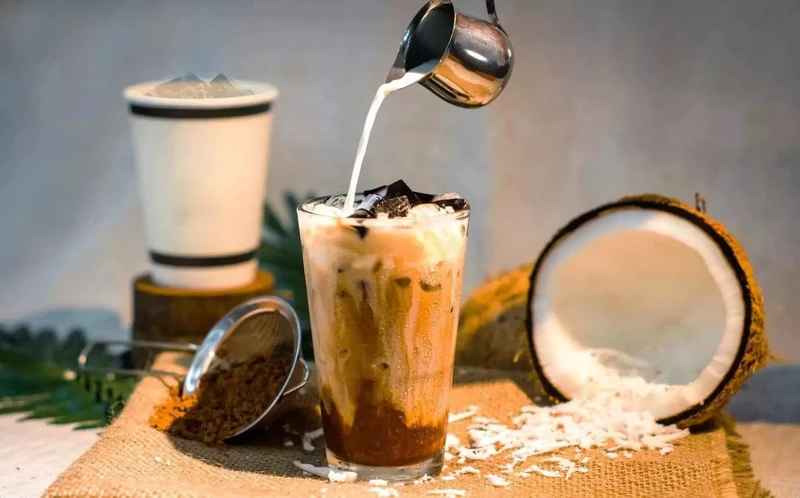
Coffee stops are also the best moments to rest your feet and plan the next part of the day. If you are touring with a guide, this is when you can ask all your questions about local life, prices and customs.
Snails And Shellfish: The Social Side Of Eating
When the sun goes down, a different kind of eating begins. Groups of friends gather around tables covered with plates of snails and shellfish, known locally as oc. This is not a quick meal; it is a social evening, with plenty of conversation, cold drinks and a slow parade of small dishes.
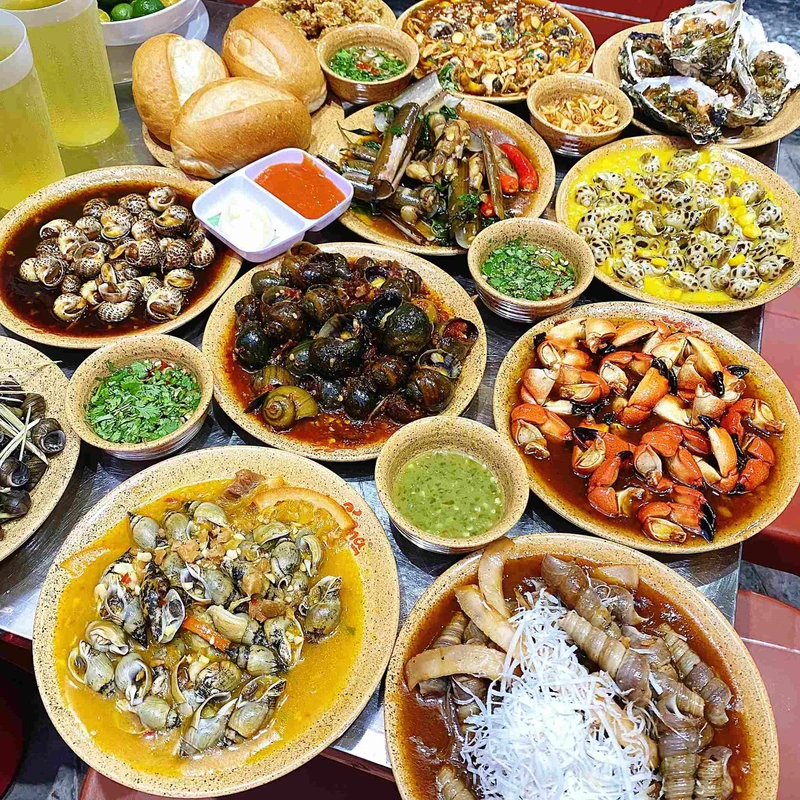
Snails and clams come prepared in many ways: steamed with lemongrass, stir-fried with garlic or tamarind, or cooked in coconut milk. Each dish comes with its own dipping sauce, often based on fish sauce, ginger, chili or lime. Use a toothpick or small pin to pull the snail out of its shell, dip, and enjoy.
Seafood is where a little caution pays off. Choose busy places where the turnover is high, and make sure shellfish is served hot and freshly cooked. Prices for seafood vary more than other street food, so it is wise to confirm the price of each dish (or ask for a menu with prices) before ordering several plates.
Banh Beo And Other Night Snacks
Haiphong’s version of banh beo is quite different from the small rice-cake saucers of central Vietnam. Here, it is a soft steamed rice cake wrapped in banana leaf and filled with minced pork and wood-ear mushrooms, usually served with a warm, savory broth for dipping. It is comforting, mild and very easy to love, even for travelers who are cautious about spice.
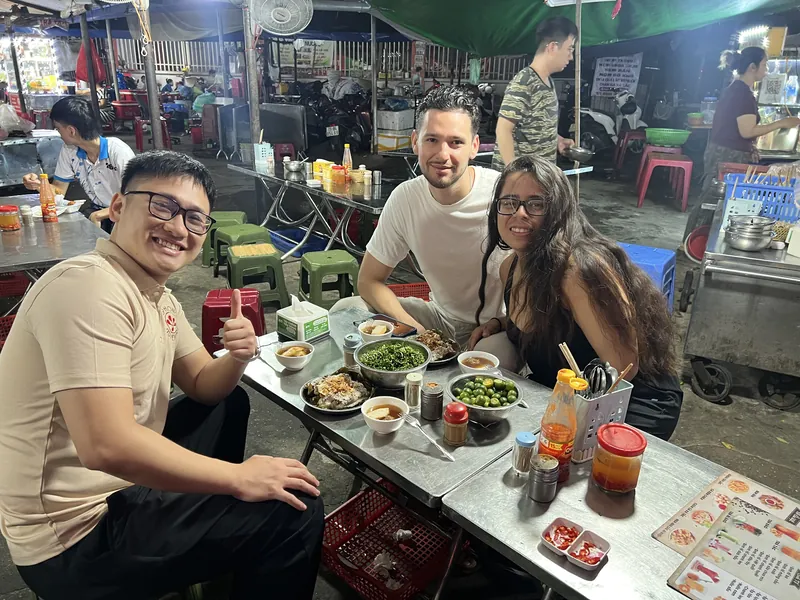
Night stalls also sell sweet soups (che), grilled snacks and noodle dishes until late. The best approach is to graze: order one portion of something, share it, and keep walking. You will taste more dishes and stay comfortable for longer.
If you enjoy evening eating, the dark hours are when the city feels most alive. Lights reflect off the streets, families come out to eat, and the smell of grilled food drifts from every corner.
Eating Haiphong Street Food Safely
Most travelers eat street food in Haiphong without any problems, and a few simple habits make it even safer. The aim is not to avoid street food, but to choose well.
Choose Busy Stalls
A stall full of locals is the best quality check you can get. High turnover means ingredients are fresh, and regular customers would not come back if the food made them sick.
Look For Food Cooked In Front Of You
Hot soups, grilled items and freshly fried snacks are safer bets than dishes that have been sitting out. Broth that is kept boiling is a good sign.
Be Smart With Ice, Water And Raw Greens
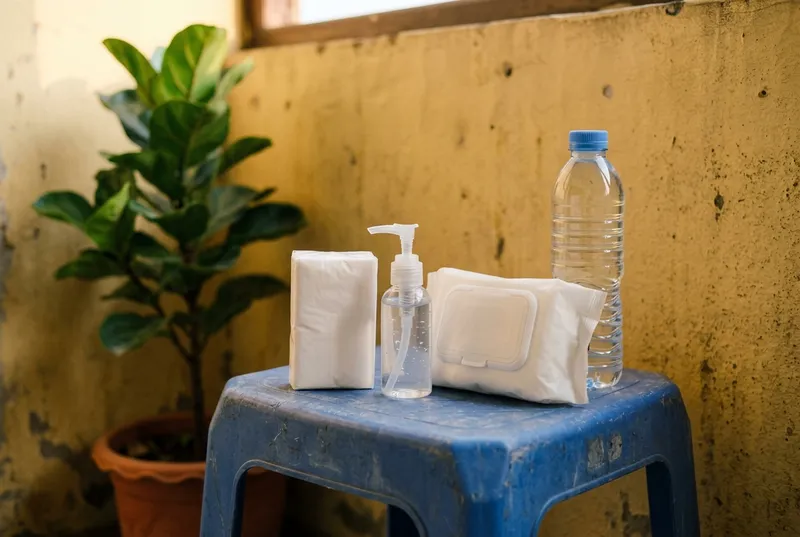
Drink bottled or filtered water. Ice in established cafes is generally made from purified water, but if your stomach is sensitive, you can order drinks without ice for the first day or two. Fresh herbs are part of almost every meal; if you are worried, eat smaller amounts at first and let your body adjust.
Pace Yourself
Rich broth, chili and seafood all in one day can be a lot for a new stomach. Spread your tasting out, drink plenty of water, and do not be afraid to share portions.
How To Order And Eat Like A Local
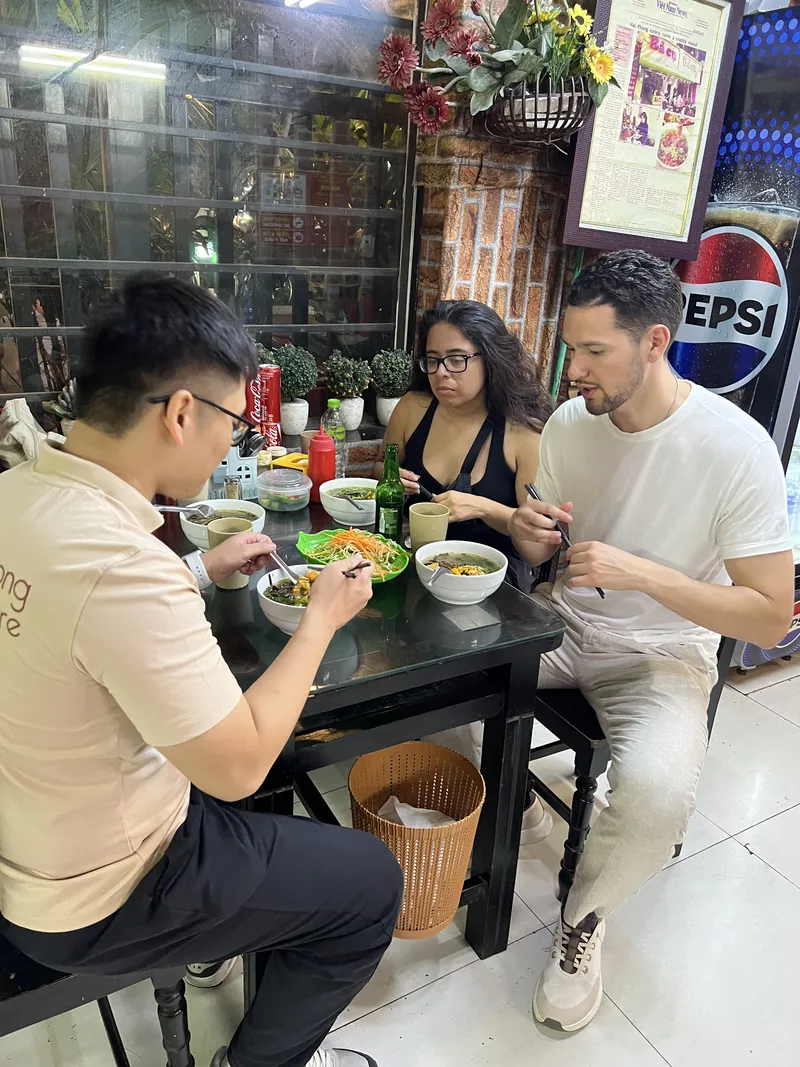
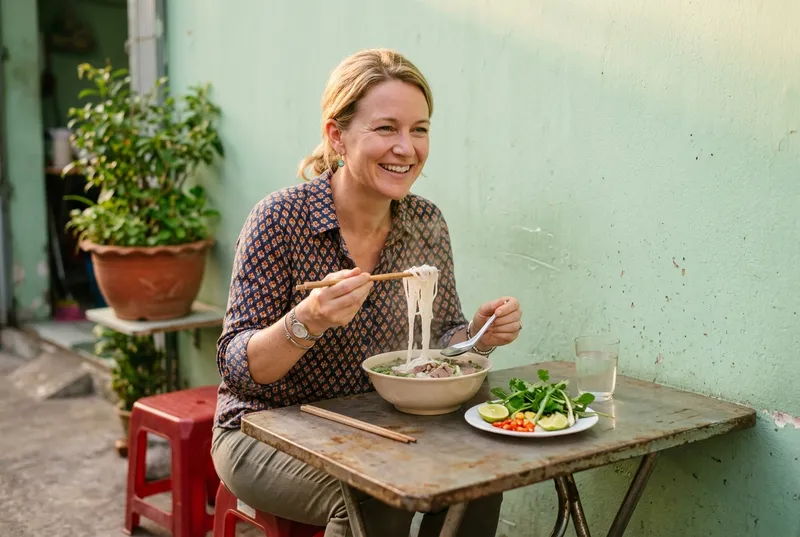
The language barrier is smaller than you think, because most stalls only sell one or two things. Sitting down is often enough to order: the cook will simply bring you the house dish. If there is a choice, pointing at what other people are eating works perfectly.
A Few Useful Words
“Xin chao” (hello), “cam on” (thank you), “bao nhieu?” (how much?) and “khong cay” (not spicy) will take you a long way. Locals appreciate even a clumsy attempt at Vietnamese.
Table Habits
You will usually find chopsticks, spoons and napkins in a container on the table, plus condiments such as chili, garlic vinegar and fish sauce. It is normal to wipe your chopsticks and spoon with a napkin before eating. Add herbs and lime bit by bit, and taste as you go.
Paying
You normally pay after eating. Just catch the owner’s eye and ask “bao nhieu?” or make a small writing gesture. Street stalls rarely accept cards, so carry small notes. Tipping is not expected at simple stalls, but a sincere thank you is always welcome.
What To Bring On A Street Food Day
You do not need much to enjoy a full day of eating, but a few small items make it far more comfortable.
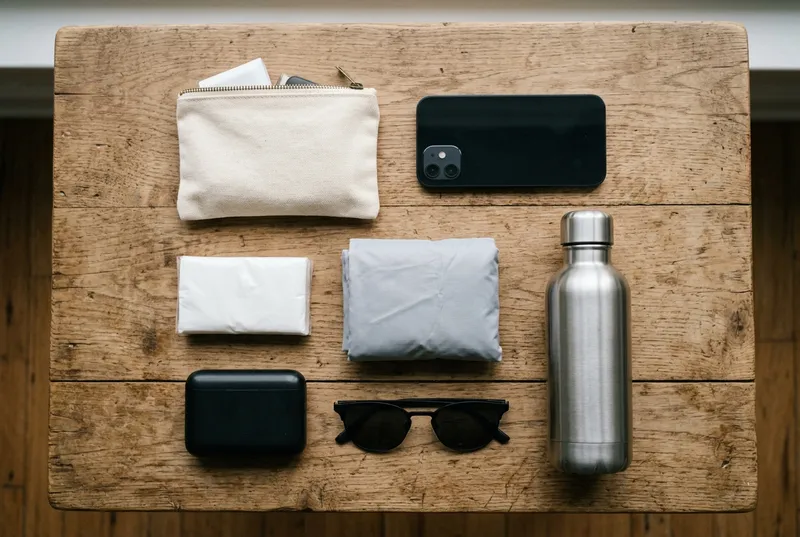
- Small cash: plenty of low-value notes so you are not asking sellers to break large bills.
- Tissues and wet wipes: napkins can run out, and some places do not have a sink.
- Hand sanitizer: useful before eating with your hands, especially snails and shellfish.
- A reusable water bottle: refill it at your hotel or cafe to stay hydrated in the heat.
- A light rain poncho: showers can arrive quickly in the rainy season.
- Sunglasses and comfortable shoes: you will spend a lot of time outdoors and on your feet.
- Any medicine you rely on: including something for an upset stomach, just in case.
A Simple One-Day Street Food Itinerary
Here is the route I would suggest for a first visit. Treat the times as a guide, as opening hours change and many stalls close once they sell out.
Early Morning: Market And Noodles
Start at a neighborhood market around 6:30 to 7:30 am. Walk through the stalls, then sit down for a bowl of banh da cua or banh beo with broth. This is the best time for noodle soups, when broths are freshest.
Late Morning: Coffee And A Short Walk
Find a sidewalk cafe for iced coffee or coconut coffee. Afterward, walk off breakfast around the city center and its French colonial buildings, such as the Opera House.
Afternoon: Snacks And Rest
Grab a few sticks of banh mi cay for a light lunch, then head back to your hotel for a rest during the hottest hours. Locals take a long midday break, and you should too.
Evening: Snails, Night Snacks And A Ride
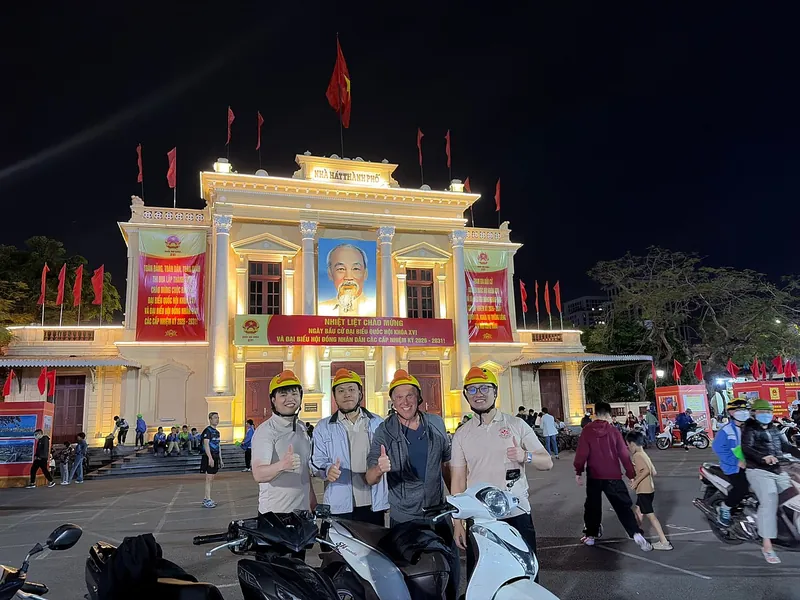
From around 6 pm, go for snails and shellfish with a cold drink, then finish with a sweet soup or another light snack. If you join an evening motorbike tour, you can combine food stops with the city’s lights and landmarks.
Coming from Hanoi just for the day? Compare the bus and train from Hanoi to Haiphong so you can arrive in time for an early bowl of noodles.
Exploring On Your Own Or With A Local Guide
You can absolutely explore Haiphong’s food scene independently. Pick a neighborhood, follow the crowds, and point at what looks good. It is cheap, flexible and full of small surprises.
The challenge is that the best stalls are not always easy to find. Many have no sign, change locations between morning and evening, or are tucked inside alleys. Without Vietnamese, you may also miss the stories behind the dishes, and it can be hard to know what you are eating.
That is where a guide helps. On a food tour with Haiphong Adventure, our local guides take you by motorbike between stalls they visit themselves, order for you, explain each dish and adjust the route for dietary needs. Being on the back of a bike also lets you cover far more ground than on foot, from quiet residential lanes to busy night streets. You can read more tips in our article on secrets to enjoying a real Haiphong food tour, or ask us about our haiphong tours to compare day and evening options.
If you are nervous about riding as a passenger, our guides provide helmets and ride at a relaxed pace. Once you feel comfortable, exploring rural villages on a Haiphong motorbike tour is a great way to taste the countryside behind the city’s food.
Frequently Asked Questions
Is Haiphong street food safe for foreigners?
Generally, yes. Choose busy stalls, eat food that is cooked fresh and served hot, drink bottled or filtered water, and pace yourself on the first day. Most visitors enjoy street food here without problems.
What is the most famous Haiphong street food?
Banh da cua, the red crab noodle soup, is the dish most closely linked with the city. Banh mi cay, Haiphong-style banh beo and evening snail dishes are also local favorites.
How much money do I need for a day of street food?
Street food is inexpensive. Simple dishes and snacks usually cost a small amount each, while seafood and snail dinners cost more. Prices change over time and between stalls, so carry small cash and check prices before ordering seafood.
Can vegetarians enjoy street food in Haiphong?
It is possible but takes planning, since many broths use meat, crab or fish sauce. Learn the phrase “an chay” (vegetarian food) and look for vegetarian restaurants, which are often near pagodas. A guide can help you find suitable dishes.
What is the best time of day to eat street food in Haiphong?
Early morning is best for noodle soups, mid-morning for coffee, and evening for snails, seafood and snacks. Many stalls sell out, so arriving earlier gives you more choice.
Do I need to speak Vietnamese to order?
No. Most stalls specialize in one dish, so sitting down or pointing is usually enough. A few basic words like “cam on” (thank you) and “bao nhieu?” (how much?) make the experience friendlier.
Final Thoughts On My Local Taste Adventure
By the end of that day, I had eaten crab noodles at a market table, dipped crunchy bread into fiery chili sauce, lingered over coconut coffee and shared plates of snails under the city lights. None of it was fancy, and that was exactly the point. Haiphong street food is honest, local and full of character, and it gives you a real feel for how people in this port city live.
Come hungry, stay curious, and say yes to the stool by the roadside. If you would like a local to show you the way, the team at Haiphong Adventure is happy to help you plan your own street food day.
WhatsApp, Viber, WeChat: +84(0)934.555.001
KakaoTalk, Line ID: haiphongadventure