
Exploring Rural Villages Via Haiphong Motorbike Tour
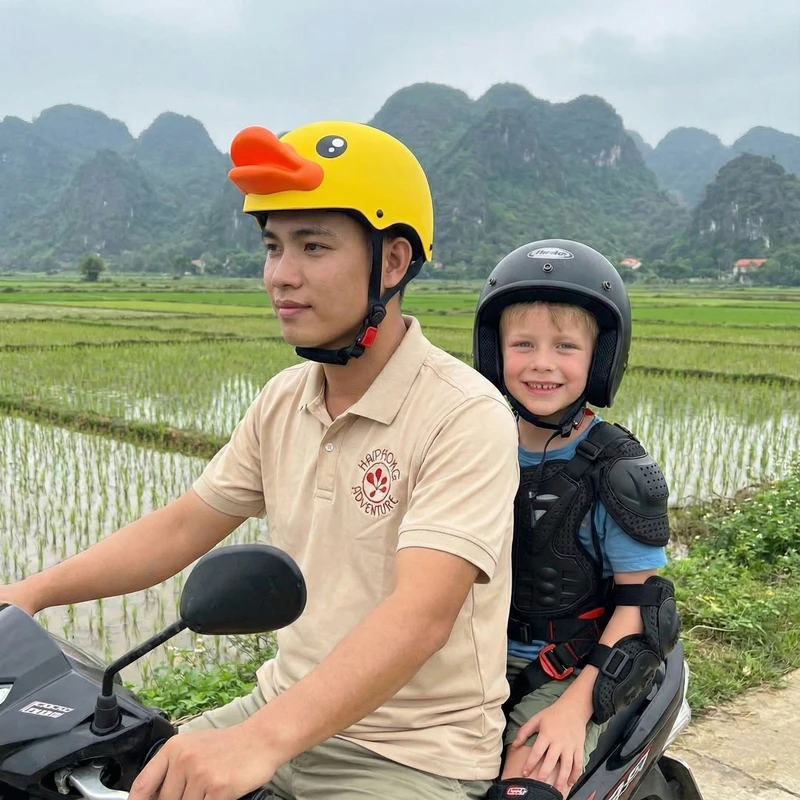
Twenty minutes from the busy centre of Haiphong, the noise fades, the buildings drop away and the road narrows into a ribbon of concrete between rice paddies. Farmers in conical hats bend over the fields, ducks paddle along irrigation canals, and every village seems to have a pagoda roof peeking through the trees. A Haiphong motorbike tour into this countryside is, for many of our guests, the moment their trip changes from sightseeing to actually feeling Vietnam.
Our guides grew up with these villages, and many of us still have family in them. In this guide we share what a rural day on two wheels really looks like: the kind of roads you ride, the stops we like to make, how to behave politely in a village, what to wear, and how to decide between joining a guided tour and riding yourself. It is the practical, on-the-ground side of the countryside, written from the back seat and the handlebars.
Why Rural Haiphong Is Worth The Ride
Haiphong is usually described as a port city, and the centre certainly feels like one. But much of the wider city area is still agricultural, especially toward the south and west in places like Kien Thuy, An Lao, Tien Lang and Vinh Bao, and across the river in Thuy Nguyen. Here life follows the rice calendar, families still live in multi-generation homes, and festivals at the local pagoda or communal house bring everyone together.
The countryside is also flat, which makes it ideal for motorbikes. You get long, easy stretches of road, little traffic compared with the city, and wide views across the fields. Unlike the mountain loops in the far north, you do not need advanced riding skills, and you can see a lot in half a day. That is why rural routes are among the most requested trips we run.
If you are more interested in the main temples, communal houses and their history in the city itself, our article on cultural things to do in Haiphong covers those. This guide stays out in the villages.
What A Rural Haiphong Motorbike Tour Day Looks Like
Every route is a little different, depending on the season, the weather and what our guests want to see. But most countryside days follow a similar flow: an early start to beat the heat, a mix of riding and short walks, several stops in villages, a long lunch, and a return in the afternoon. A half-day ride typically covers around four to five hours, and a full day can include the coast as well.
Here are the experiences that usually make up one of our rural rides, roughly in the order you would meet them.
Leave The City Before The Heat
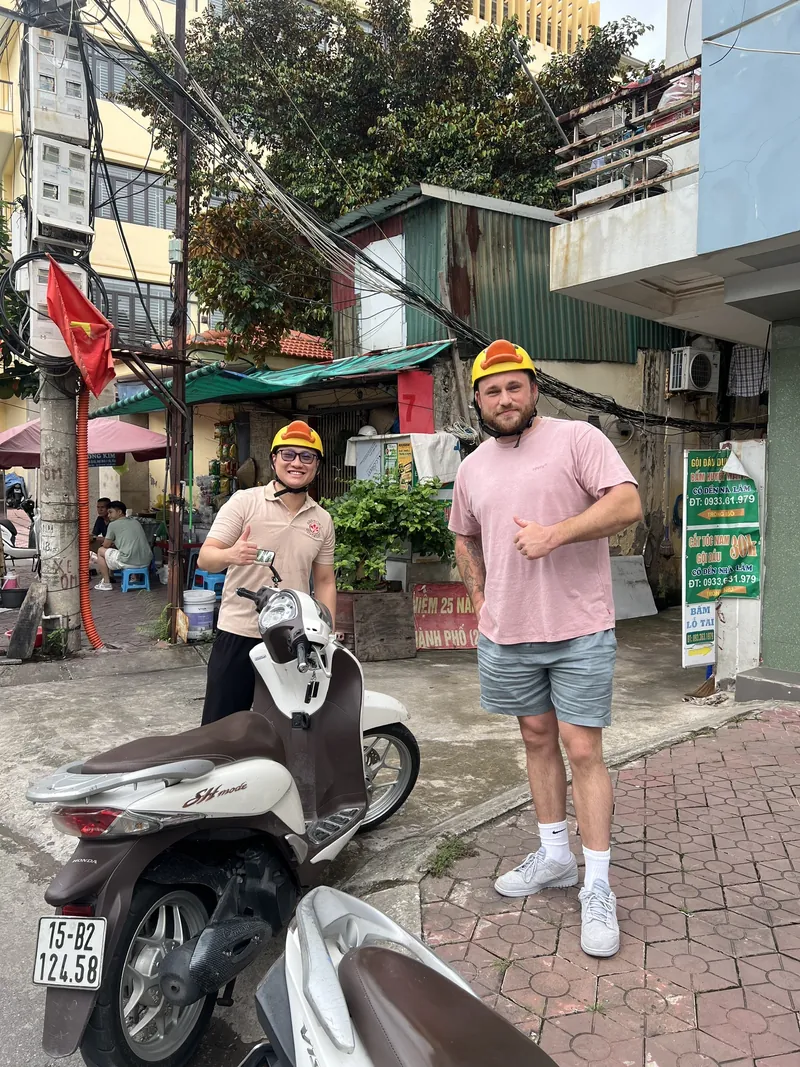
We like to set off early, often around 7:30 or 8:00, especially from April to October when midday heat can be intense. Your guide will check your helmet, explain hand signals and how to sit comfortably as a passenger, and then ease out through the morning traffic.
The first half hour is usually the busiest part of the day. Once you cross the outer ring roads, the scenery changes quickly: factories and shophouses give way to fish ponds, vegetable plots and the first rice fields. This is a good time to relax into the rhythm of the ride and get used to the noise of trucks passing on the main roads before we turn onto the quieter village lanes.
Ride The Dykes Between The Rice Fields
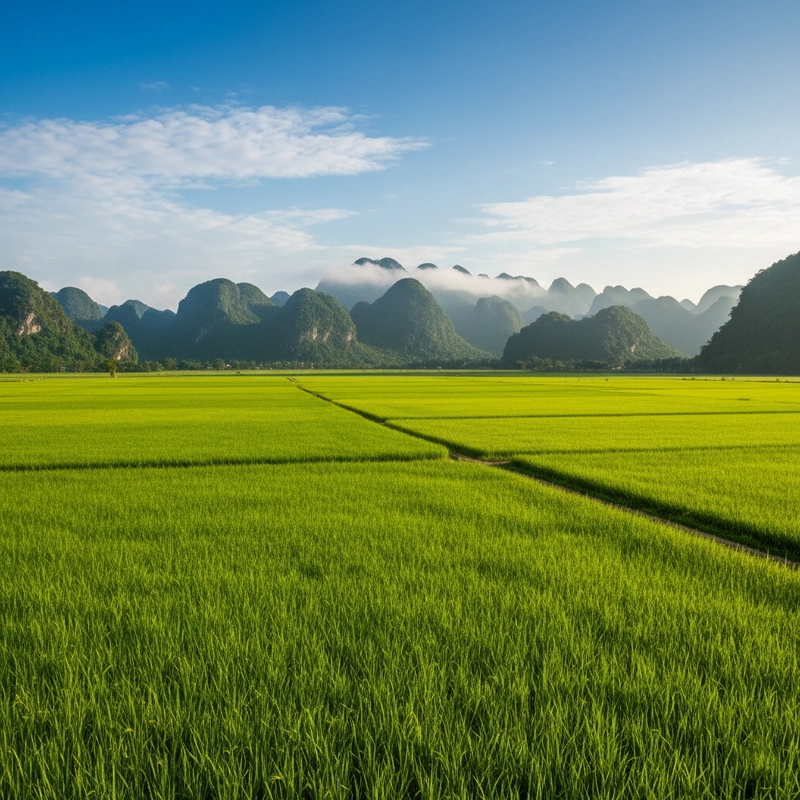
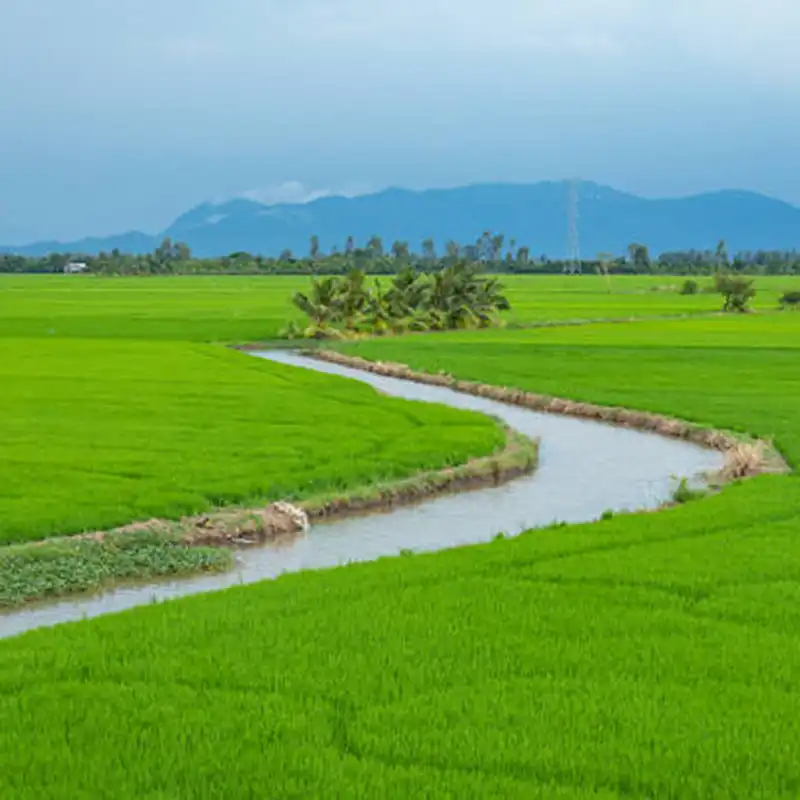
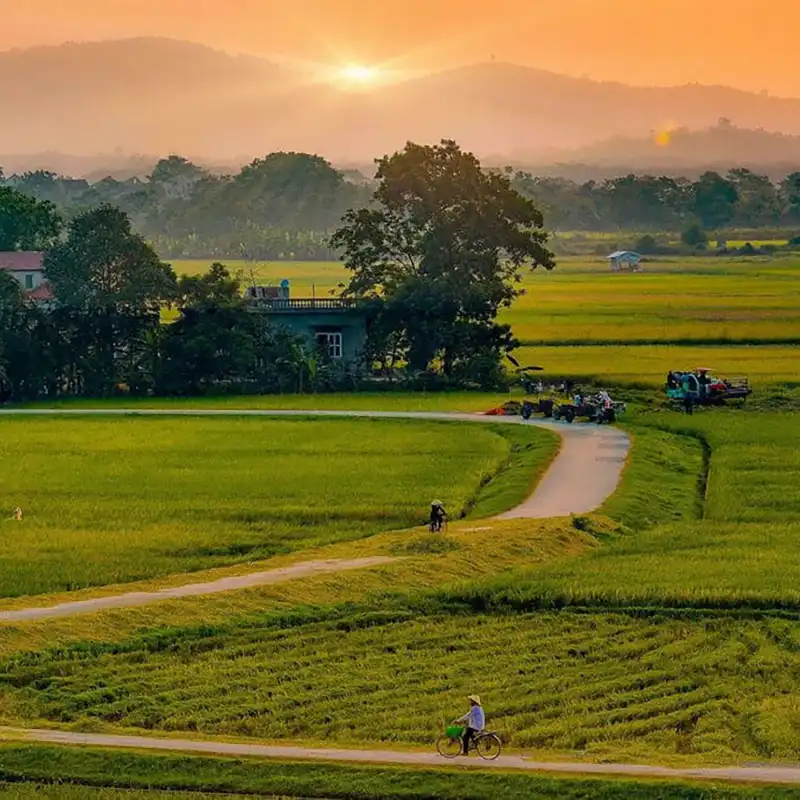
The heart of any rural Haiphong motorbike tour is the rice. Narrow concrete paths and earth dykes run between the paddies, linking hamlets and fields. Riding slowly along them, you see farmers transplanting seedlings by hand, children cycling to school, and buffalo or cows grazing on the verges.
The fields look different depending on when you come. Very roughly, the main planting periods fall around late winter to early spring and again in early summer, with harvests a few months later, around late spring to early summer and again in early autumn. Exact timing varies from year to year and village to village. Young rice is bright green, ripe rice turns golden, and after harvest you may see straw drying on the roadsides and smell smoke from burning stubble.
We always stop for photos, and if farmers are working nearby, your guide may ask whether you can try a few minutes of planting or help carry a basket. It is muddy, hot and a lot harder than it looks, which is exactly why people remember it.
Recommended tour
Haiphong Countryside & Coastal Landmarks
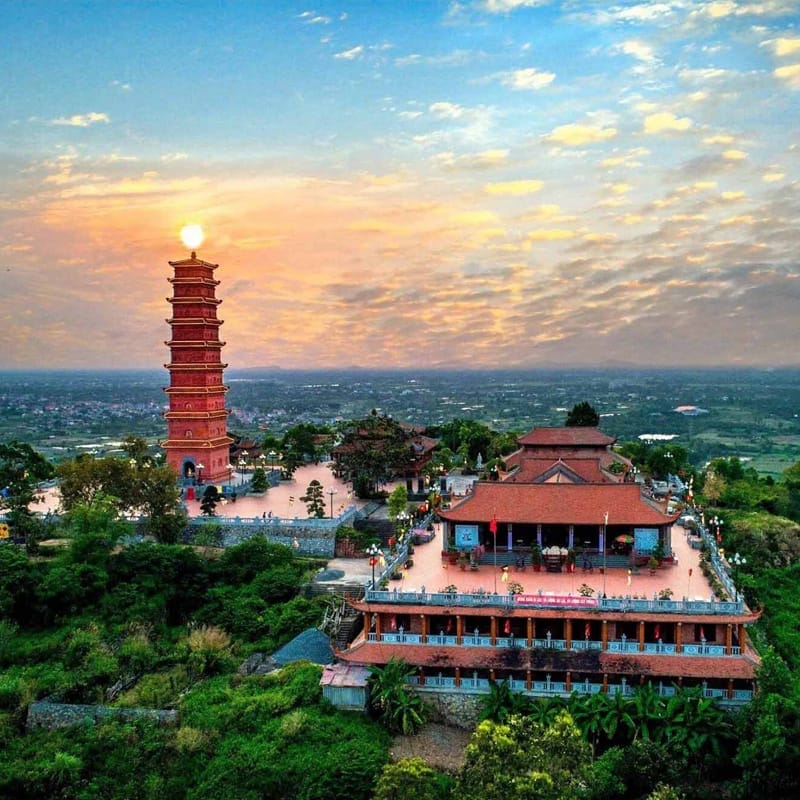
Leave the city behind for rice fields, village pagodas and coastal landmarks on a relaxed motorbike ride with a local guide.
From $79 per person
Step Into A Village Pagoda
Almost every village has its own pagoda, often surrounded by old trees, a pond and a small garden. Unlike the busy pagodas in the city, these are usually quiet. You may meet a resident nun sweeping the courtyard, or an elderly villager tending the incense.
Some rural pagodas are many centuries old. Near Do Son, for example, the Tuong Long tower stands on a hill and is traditionally dated to the Ly dynasty, making it one of the oldest structures in the Haiphong area. Other village pagodas are newer or rebuilt, but still full of character: carved wooden beams, statues lined up in rows, and bells that ring out over the fields at dusk.
Walk Through A Hamlet On Foot
At some point we park the bikes and walk. Village lanes are narrow, lined with brick walls, banana trees and small gates leading into family courtyards. You will see old houses with tiled roofs next to new concrete homes, drying racks of rice or chillies, and small family altars visible through open doors.
This is when the real encounters happen. Kids practise their English with a shy “hello!”, grandmothers wave you over to sit for a moment, and someone may offer a cup of green tea. Your guide translates, so you can ask about family life, farming or how the village has changed. These short conversations are often the highlight of the whole day.
Visit Farmers And Small Family Workshops
The countryside around Haiphong is not just rice. Depending on the route, you might pass fish and shrimp ponds, vegetable gardens, flower fields grown for Tet (Lunar New Year), or small family workshops making things by hand, from woodwork to food products such as rice noodles or rice paper.
These are working businesses, not show villages, so visits are informal and depend on who is home and busy that day. Your guide knows which families are happy to receive visitors and will ask first. A small purchase is always appreciated, and it helps keep these traditions alive.
Pause For Tea At A Roadside Stall
Village roads are dotted with tiny drink stalls: a wooden bench under a tree, a thermos of green tea, a jar of peanut candy and a few packets of cigarettes. These are the countryside’s meeting points, where farmers stop between jobs and older men argue about football. A short break here is one of the simplest pleasures of a rural ride.
Order a glass of tra da (iced tea) or hot green tea, try a piece of sesame or peanut brittle, and sit for ten minutes. Locals are usually curious about where you are from, and your guide will happily translate the questions, which often include how old you are, whether you are married, and how much rice you eat at home. It is all friendly, and you will leave with a better feel for village life than any museum could give you.
Share A Home-Style Lunch
Lunch in the countryside is simple and filling. Typical dishes include steamed or fried fish from local ponds, boiled vegetables with dipping sauce, braised pork, tofu in tomato sauce, crab soup and plenty of rice. Depending on the route, we eat at a local eatery or a family place, and everything is shared in the middle of the table. If local food is a big part of your trip, our tips for enjoying a real Haiphong food tour make a good match for a countryside day.
Let your guide know about any allergies or dietary needs in advance. Vegetarian meals are possible with notice. After lunch, locals traditionally rest through the hottest part of the day, and we often take a slower pace too, perhaps with an iced coffee at a roadside stall.
See Voi Mountain Or Ride To The Coast
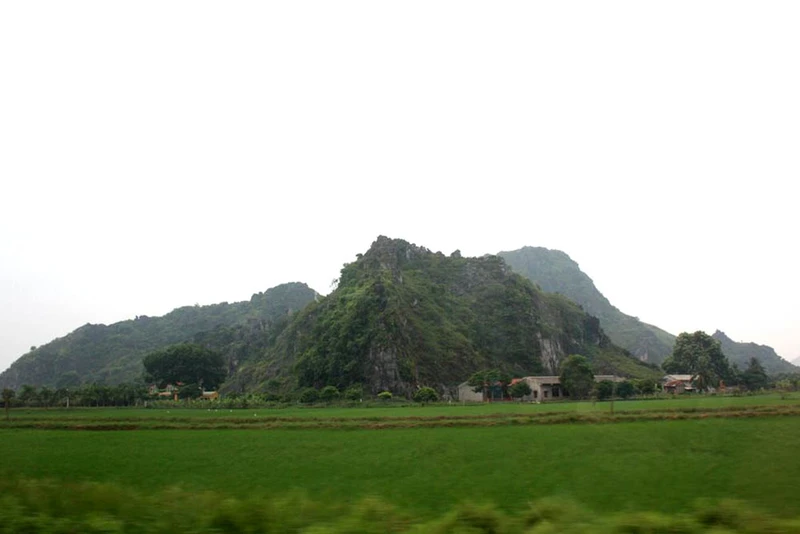
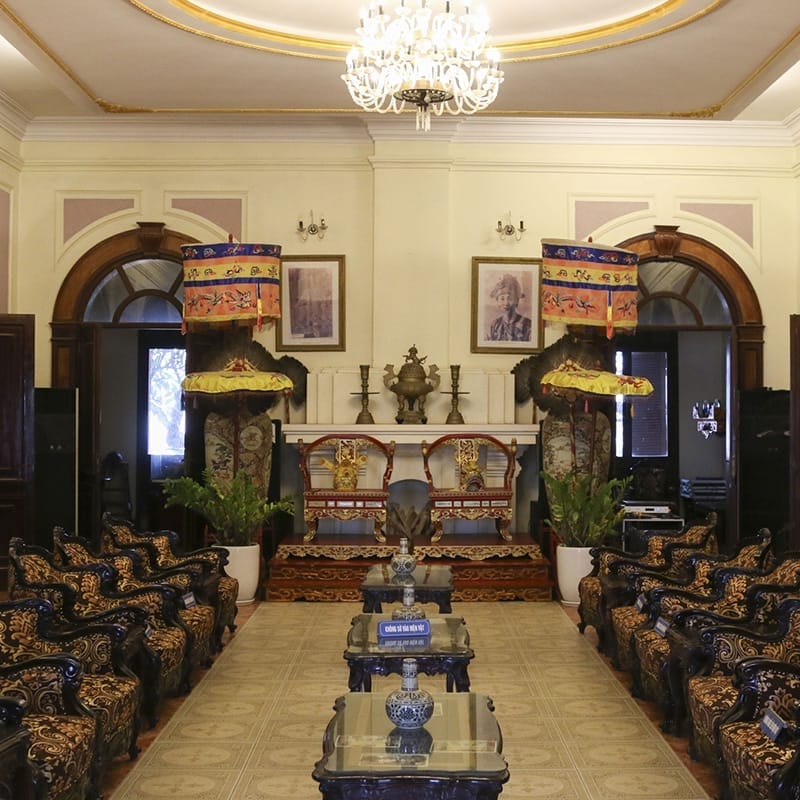
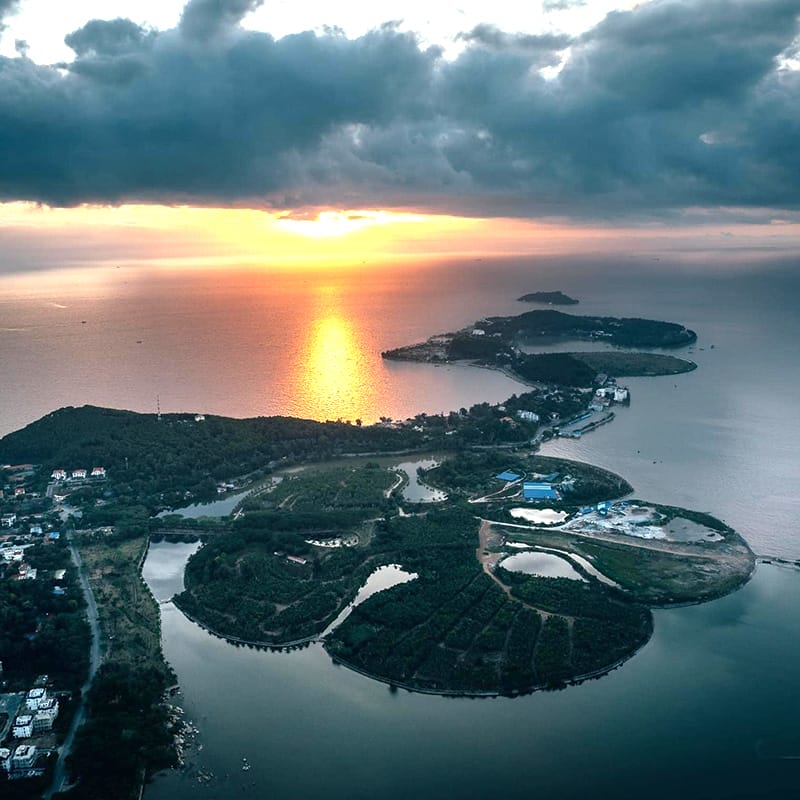
On longer rides we add a scenic highlight. To the southwest, Voi Mountain rises abruptly from the flat fields, a limestone outcrop said to resemble an elephant, with caves and village life around its base. To the southeast, the road heads toward Do Son, where you can see the sea, fishing boats, the hills of the peninsula and the old villa of King Bao Dai.
Which one we choose depends on your time and energy, and on the weather. If you like quiet corners like these, our guide to unusual things to do in Haiphong shares more off-the-beaten-path ideas around the city.
A Sample Half-Day Haiphong Motorbike Tour Route
To give you a clearer picture, here is how a typical half-day countryside ride might flow. It is only an example; the real route depends on the season, road conditions and what you want to see.
- Around 7:30 – 8:00: Pick-up at your hotel in central Haiphong, helmet check and a quick briefing.
- First hour: Ride out of the city, then turn onto quieter roads past fish ponds and the first rice fields.
- Mid-morning: Ride the dykes, stop for photos and, if farmers are working, a chat or a try at their work.
- Late morning: Visit a village pagoda and walk through a hamlet on foot, with tea at a roadside stall.
- Midday: Lunch at a local eatery or family place.
- Early afternoon: Ride back by a different road, with a final coffee stop before drop-off.
On a full-day version, we add Voi Mountain or the coast at Do Son and slow everything down. If you only have a morning, a shorter loop still gives you plenty of rice fields and at least one village stop. Most guests tell us that even a few hours in the countryside is the most memorable part of their Haiphong motorbike tour.
Village Etiquette For Visitors
Rural Haiphong is friendly and welcoming, and a little cultural awareness goes a long way. These are the things our guides quietly remind every guest of.
Greetings And Photos
- Smile and say “xin chào” (hello). A nod or a small wave works too.
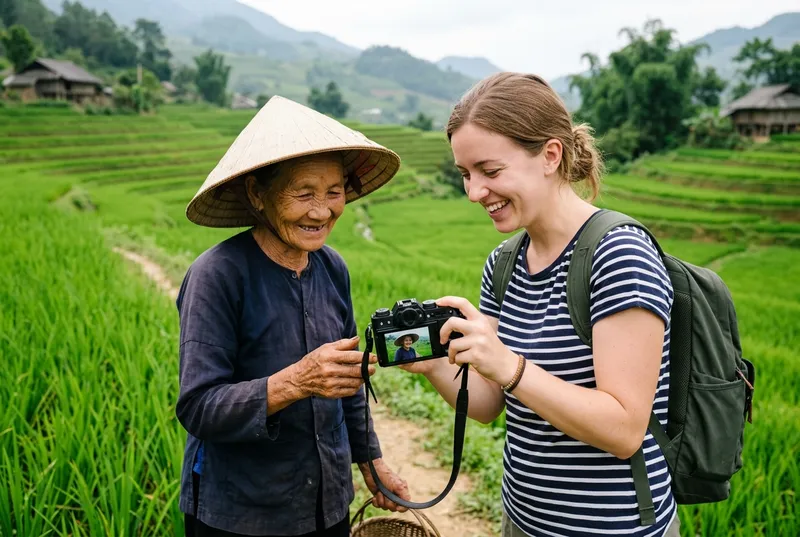
- Ask before photographing people, especially elderly villagers and children. A gesture toward your camera and a smile is usually enough.
- If someone says no, respect it and put the camera away.
Pagodas And Homes
- Cover shoulders and knees when entering pagodas and temples.
- Take off your shoes if you see others doing so, especially before entering a home.
- Do not touch altars or offerings, and do not point your feet toward them.
- Accept tea or snacks with both hands if offered. A small taste is polite even if you are full.
On The Road
- Slow down when passing through villages, near schools and around animals.
- Do not ride through fields or on dykes that are clearly private or under repair.
- Keep noise down early in the morning and around lunchtime rest.
Practical Tips For Your Countryside Ride
What To Wear And Bring
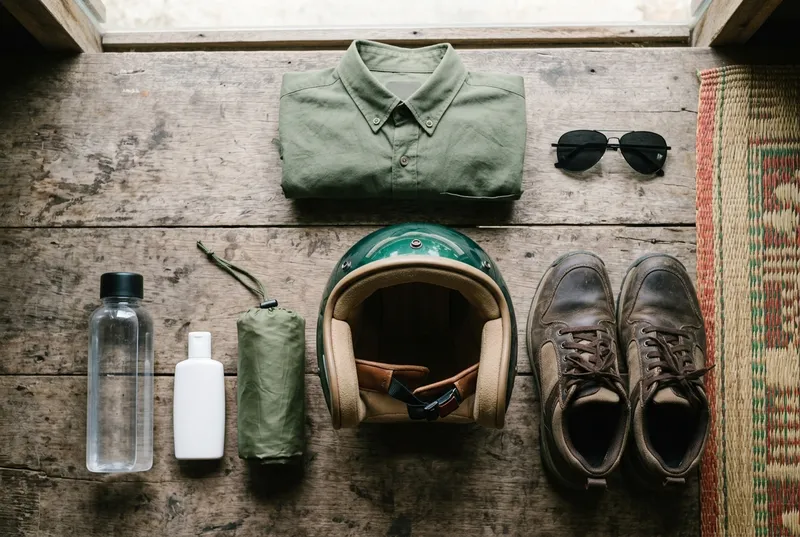
- Long, light trousers and a breathable shirt that covers your shoulders.
- Closed shoes or sturdy sandals with a back strap.
- Sunglasses, sunscreen and a light rain jacket in the wet season.
- A warm layer from roughly December to February, when mornings can feel cold on the bike.
- Some small cash for drinks, donations and small purchases.
Guided Ride Or Self-Drive?
Most guests ride as passengers with our experienced drivers, which lets you relax, take photos and enjoy the scenery. If you are a confident rider with the correct licence and insurance, self-drive is possible, and we also offer motorbike rental; just message us. If you plan to rent a bike, our guide to motorbike rental scams in Haiphong explains what to check first. Either way, ride with care. Country roads look quiet, but trucks, potholes, animals and sudden turns all appear without warning.
Best Time Of Year
Autumn and spring are usually the most comfortable seasons. Summer is green and beautiful but hot and stormy, so early starts matter. Winter can be grey and drizzly but has fewer crowds and soft light. Rice field colours depend on the planting cycle, so tell us what you hope to see and we will advise.
Frequently Asked Questions About Rural Motorbike Tours
Do I need motorbike experience for a countryside Haiphong motorbike tour?
No. Most guests ride on the back with a professional driver, so no experience is needed. Self-drive is only recommended for confident riders with the correct licence.
How long does a rural motorbike tour take?
A half-day ride usually lasts around four to five hours. A full day can add Voi Mountain or the coast at Do Son.
Is the countryside tour suitable for children or older travellers?
Yes, in most cases. The roads are flat and the pace is relaxed. Let us know ages and any mobility needs so we can plan suitable stops.
When is the best season to see the rice fields?
Green rice is common in late spring and summer, and golden fields appear around harvest time. Exact timing changes each year, so message us before booking if this matters to you.
Will I visit a local family?
Often, yes, but visits are informal and depend on who is at home. We never stage visits, which is why each tour is a little different.
What happens if it rains?
Light rain is usually fine with a good raincoat; ask us what to bring. In heavy storms we adjust the route or reschedule for safety.
Book Your Countryside Ride With Our Local Team
Rural Haiphong is where we feel most at home, and sharing it is one of the best parts of our job. Haiphong Adventure runs countryside rides for solo travellers, couples, families and small groups, and we are happy to tailor the route around rice seasons, pagodas, the coast or simply lots of village stops. You can also see our full list of haiphong tours and compare city, food and countryside options, then message us with your dates and we will suggest the right ride.
WhatsApp, Viber, WeChat: +84(0)934.555.001
KakaoTalk, Line ID: haiphongadventure