Afternoon Snack Nom Bo Kho Haiphong Culture
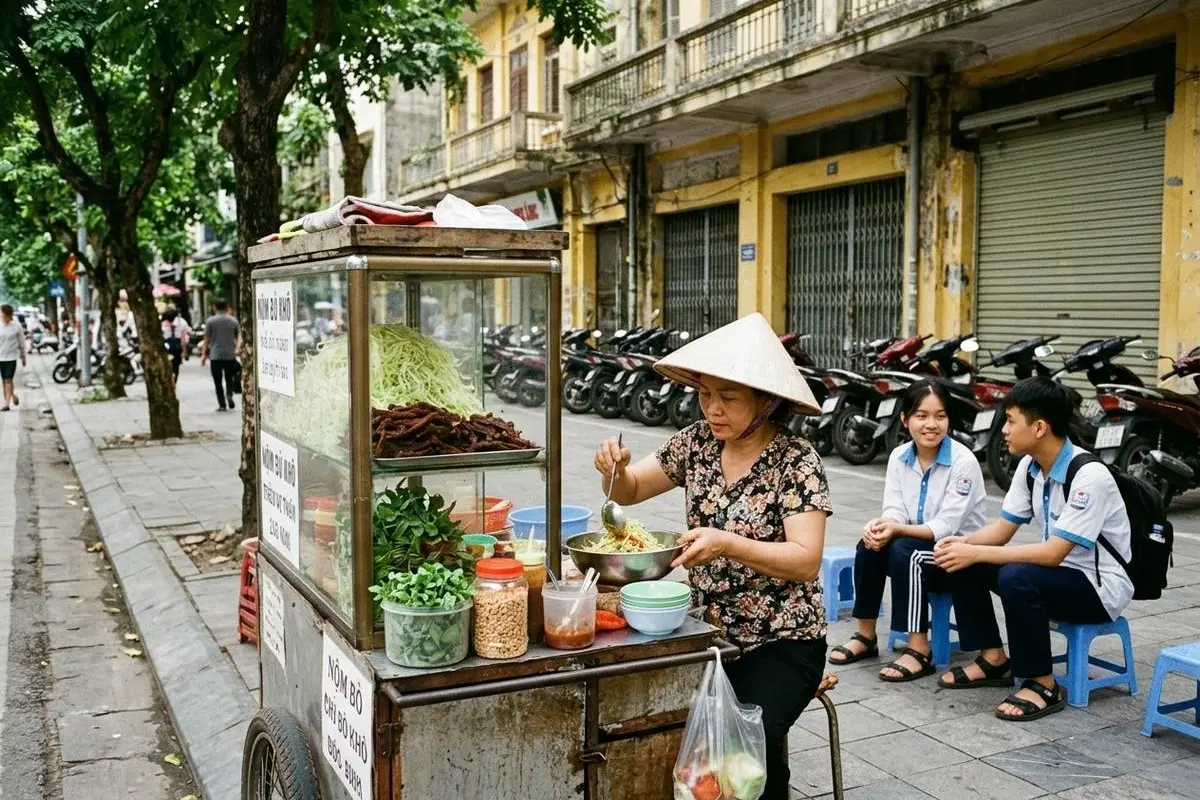
Around three or four in the afternoon, something changes on the sidewalks of Haiphong. School gates open, office workers take a break, and small carts appear with glass cabinets full of shredded green papaya and dark strips of dried beef. This is the hour of nom bo kho, a crunchy, sweet, sour and gently spicy salad that many locals treat as their favorite afternoon snack.
Nom bo kho is not a grand restaurant dish. It is street food in its purest form: cheap, quick, shared with friends and eaten on low plastic stools. In this guide, the Haiphong Adventure team explains what goes into it, why it belongs to the culture of the afternoon snack, how to order it and how to fit it into your own day of exploring. If you love trying what locals actually eat, it deserves a place on your list alongside the city’s more famous noodle soups.
For a wider view of the local menu, start with our list of top dishes to try on a Haiphong food tour.
What Is Nom Bo Kho?
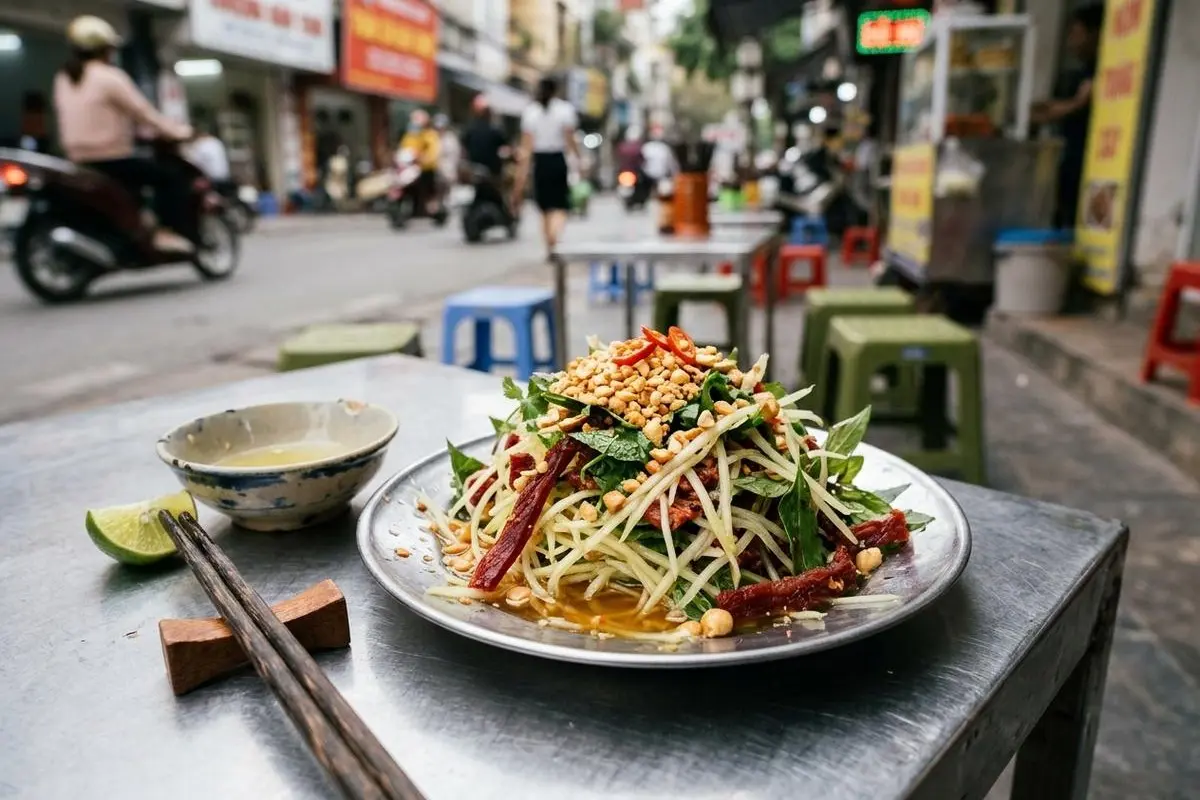
In Vietnamese, nom means a mixed salad and bo kho means dried beef. Put together, nom bo kho is a salad of finely shredded green papaya topped with sweet and spicy dried beef, fresh herbs, roasted peanuts and a light dressing. It is popular across northern Vietnam, and Haiphong has its own loyal fans and favorite vendors.
The key ingredients
- Green papaya: unripe papaya cut into long, thin strands, crisp and mild.
- Dried beef: thin strips of seasoned beef jerky, chewy, sweet and a little spicy. Some vendors add other beef parts such as liver, depending on their own recipe.
- Herbs: Vietnamese basil and other fragrant leaves that lift the whole plate.
- Roasted peanuts: crushed and scattered on top for crunch.
- Dressing: a sweet and sour mix, often with a little chili sauce, poured over just before serving.
Why the texture matters
Locals judge a good plate by its crunch. The papaya should snap, not wilt, and the beef should be chewy without being tough. That contrast is the real pleasure of the dish, and it is why vendors only dress each portion at the last moment.
The Culture Of The Afternoon Snack In Haiphong
Vietnamese food culture has a special word for snacks eaten between lunch and dinner: qua chieu, the afternoon treat. It is not a full meal and not a dessert. It is a small, social bite that fills the gap in the day, and nom bo kho is one of its classics.
A snack shared with friends
Students gather around carts after class, friends meet for a quick plate before heading home, and colleagues send someone out to bring back a few portions for the office. The salad is light enough not to spoil dinner, which is exactly why it fits this hour.
Street life on plastic stools
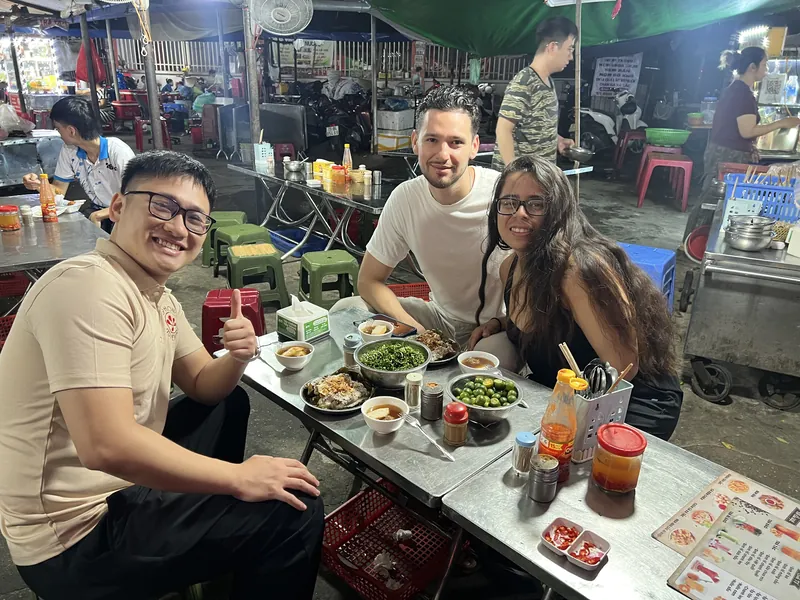
Most nom bo kho is eaten right on the sidewalk. Vendors set out a few low stools and a small table, and customers sit shoulder to shoulder. For visitors, this is one of the easiest ways to feel part of daily life in the port city.
>>> My Haiphong Street Food Adventure Local Taste
What Nom Bo Kho Tastes Like
If you have tried Thai green papaya salad, you have a starting point, but nom bo kho is gentler and sweeter. The dressing is balanced rather than fiery, and the dried beef brings a savory, slightly smoky depth.
Sweet, sour, salty and spicy
The first bite is fresh and crunchy, then comes the sweet and sour dressing. The beef adds salt and chew, and the chili builds slowly. Herbs keep everything bright, while peanuts round off each mouthful.
Adjusting the heat
Most vendors keep chili sauce or fresh chili on the side. If you are sensitive to spice, ask for less chili. If you love heat, add a little at a time, because the spice can sneak up on you.
How To Order Nom Bo Kho Like A Local
Ordering is simple, even if you speak no Vietnamese. Point, smile and hold up fingers for the number of portions. These few words help too.
- Cho toi mot dia nom bo kho: one plate of nom bo kho, please.
- It cay: less spicy.
- Khong cay: not spicy.
- Bao nhieu tien? How much is it?
- Cam on: thank you.
Payment and prices
Nom bo kho is one of the most affordable snacks in the city. Prices vary by vendor and portion size, so ask before you order and pay in cash with small notes. Street vendors rarely accept cards.
Takeaway or eat in
You can sit at the cart or ask for a takeaway bag. Locals often take it to go, with the dressing in a separate small bag so the papaya stays crisp.
Want a few more phrases and habits before you go? Our secrets to enjoying a real Haiphong food tour cover etiquette at street stalls.
How To Eat It
Toss the salad gently with chopsticks so the dressing coats every strand. Take a little papaya, a strip of beef and a few herbs in one bite. Some people squeeze lime over the top, others add a dash of extra chili sauce. There is no wrong way, but mixing well makes a big difference.
Hygiene tips
- Choose busy stalls where food turns over quickly.
- Look for vendors who keep ingredients covered in a glass cabinet.
- Carry wet wipes, as napkins can be thin.
- If your stomach is sensitive, start with a small portion.
Where To Find Nom Bo Kho In Haiphong
Rather than one famous address, nom bo kho is spread across the city. You will find it at mobile carts, small shopfronts and snack stalls, especially near schools, markets and busy residential streets. Vendors move and change, so the best approach is to follow the crowd in the afternoon.
Good places to look
- Streets around schools when classes finish in the afternoon.
- Lanes near local markets, where snack sellers gather.
- Busy food streets in the old center, mixed with other snack stalls.
If you prefer to explore by yourself, our DIY Haiphong food tour map helps you plan a route through the city’s food streets.
Recommended tour
The Haiphong Street Food and City Tour
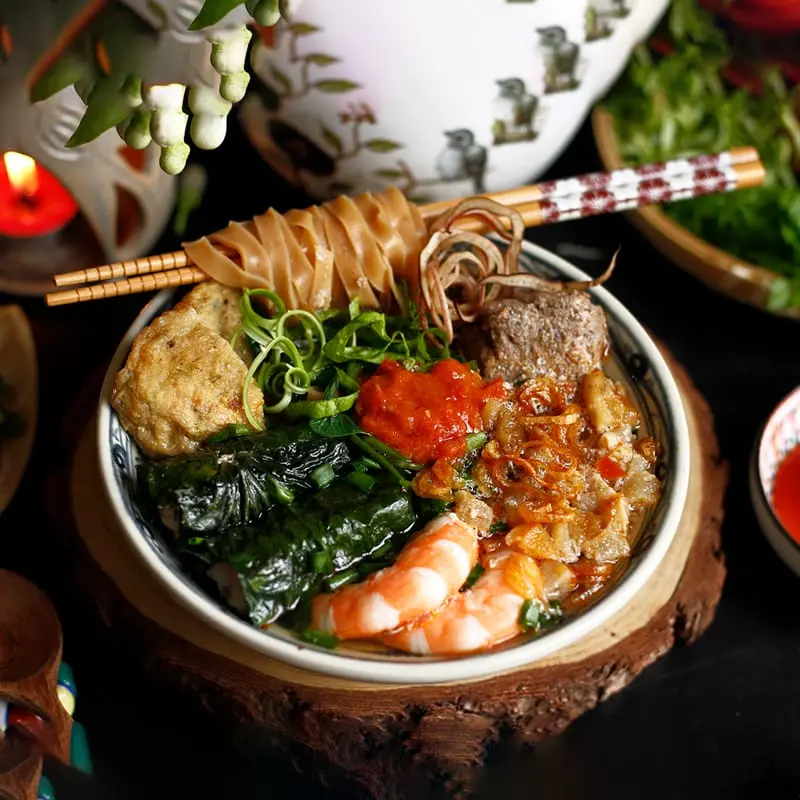
Ride with a local guide to the stalls and snack carts that residents love, tasting signature dishes while you see the old city between bites.
From $85 per person
Other Afternoon Snacks To Try Nearby
Nom bo kho is rarely eaten alone. Locals often combine it with other small bites as they move through the afternoon. Here are a few you will likely see on the same streets.
Banh mi que
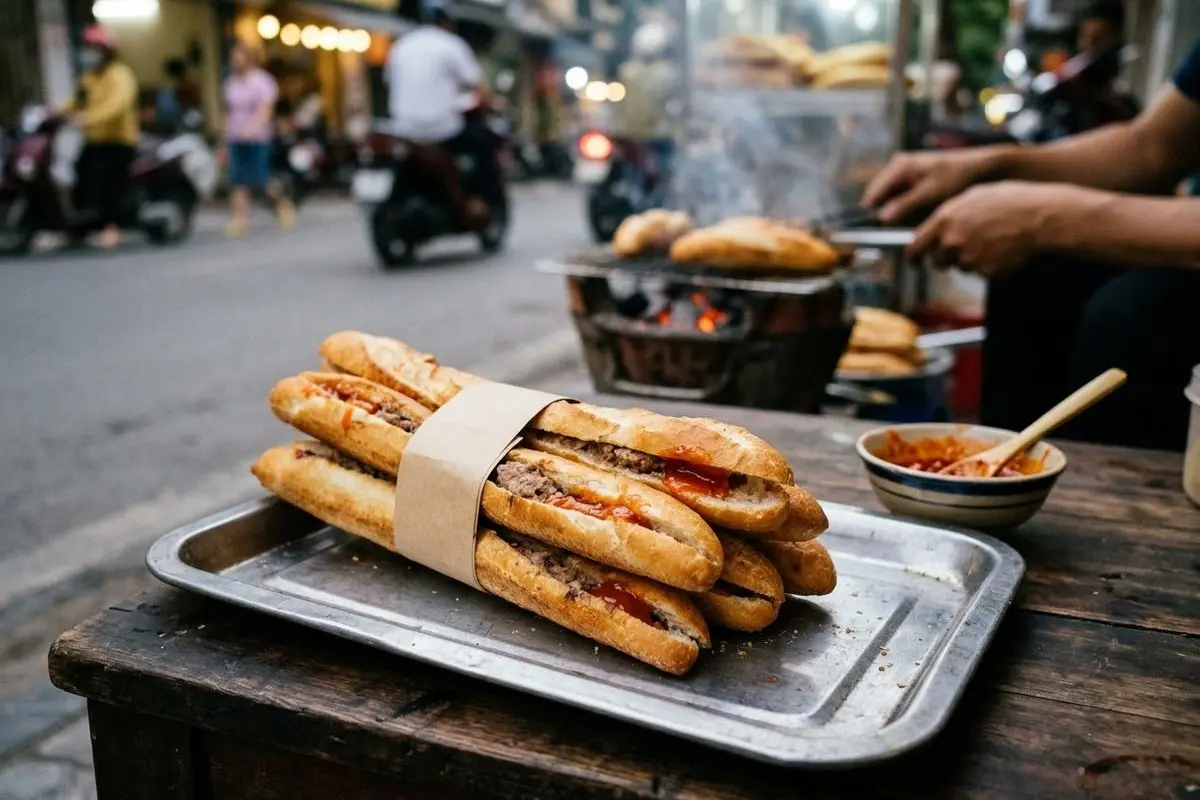
Haiphong’s skinny baguette sticks filled with pate and brushed with chili sauce. Crunchy, spicy and easy to eat while walking.
Banh beo and small savory cakes
Soft rice cakes with toppings, served in small portions that suit a snack break.
Sweet soups and fruit
Che, the Vietnamese sweet soup, and cut seasonal fruit are popular in hot weather, especially after something salty and spicy.
Iced drinks
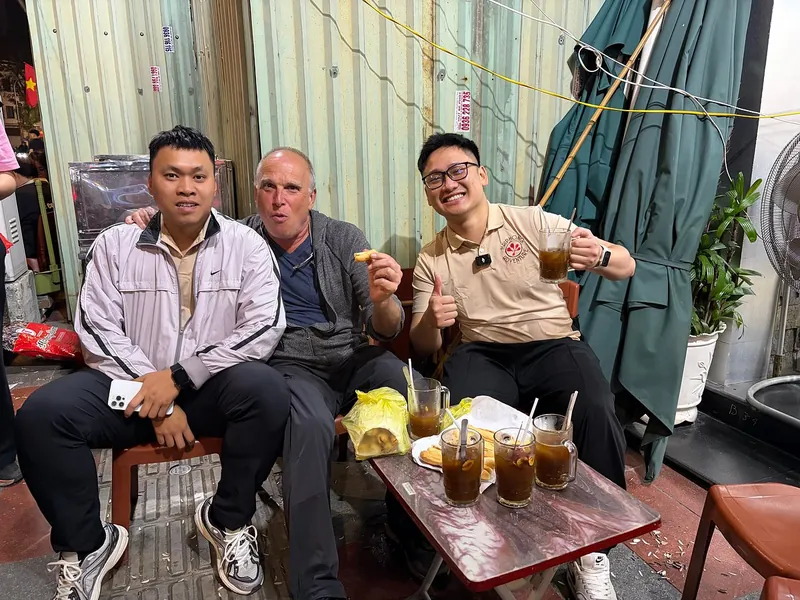
A glass of iced tea or Vietnamese coffee is the classic partner to any afternoon snack.
>>> Food Tour Haiphong: 16 Best Must-Try Dishes & Local Eateries
A Simple Afternoon Snack Route
Here is an easy way to build an afternoon around local snacks. Distances in the old center are short, and you can walk or ride as a passenger on a motorbike tour.
- 2:30 pm: Coffee on a sidewalk near the Opera House to cool down.
- 3:30 pm: Walk the old streets and look for a nom bo kho cart as schools let out.
- 4:15 pm: Try banh mi que from a busy stall.
- 5:00 pm: Finish with a sweet soup or fresh fruit, then watch the city light up.
>>> Haiphong Food Tour Route Exploring Local Markets
Why Visitors Love This Snack
Travelers often tell us that the simple dishes are the ones they remember. Nom bo kho is fresh and light in hot weather, it introduces the balance of Vietnamese flavors without overwhelming heat, and it comes with a small window into everyday life. Sitting on a stool beside students and office workers is a real Haiphong moment, far from tourist menus.
Good for different diets?
The salad contains beef, peanuts and usually fish sauce or soy in the dressing, so it is not vegetarian and not suitable for peanut allergies. If you have dietary needs, a local guide can explain them to the vendor or suggest alternatives.
>>> Banh Da Cua Ingredients What Makes It Special
Frequently Asked Questions
What is nom bo kho made of?
It is a salad of shredded green papaya topped with dried beef, fresh herbs, roasted peanuts and a sweet and sour dressing, often with chili sauce on the side.
Is nom bo kho spicy?
It is usually mild to medium. Chili is often added separately, so you can ask for less or none.
When is the best time to eat nom bo kho in Haiphong?
Mid to late afternoon is the classic time, when vendors are busy and locals take their snack break.
Is it safe for visitors to eat street salads?
Most visitors enjoy it without problems. Choose busy, clean stalls with covered ingredients, and start with a small portion if your stomach is sensitive.
Can I try nom bo kho on a guided tour?
Yes. Street food tours with Haiphong Adventure can include local snacks like this, depending on the day and the vendors open on your route.
Taste Haiphong’s Afternoon With Haiphong Adventure
A plate of nom bo kho on a busy sidewalk tells you more about Haiphong than any guidebook. If you would like a local to show you the best snack stalls, explain each dish and keep you safe in traffic, our Haiphong tours are designed for exactly that. Get in touch to plan your food adventure:
- WhatsApp, Viber, WeChat: +84(0)934.555.001
- KakaoTalk, Line ID: haiphongadventure
See you on the sidewalk at snack time.