Safety Tips For Climbing Elephant Mountain
Elephant Mountain Haiphong is a low, friendly limestone hill, but it still deserves respect. The rock is sharp, the paths are informal, there is little shade and the weather in northern Vietnam can turn quickly. Most problems on the mountain come from small things: the wrong shoes, wet rock, too little water or climbing alone late in the day. Get those right and the hike is safe, easy to enjoy and very rewarding.
This guide from the Haiphong Adventure team brings together the safety tips we share with our own guests before a countryside trip to Nui Voi, as locals call it. It covers planning, clothing, the climb itself, caves, weather, wildlife, first aid and how to get help. Trail conditions and local rules can change, so always check with villagers, temple caretakers or your guide on the day (updated October 2026).
Know What Kind Of Mountain Elephant Mountain Is
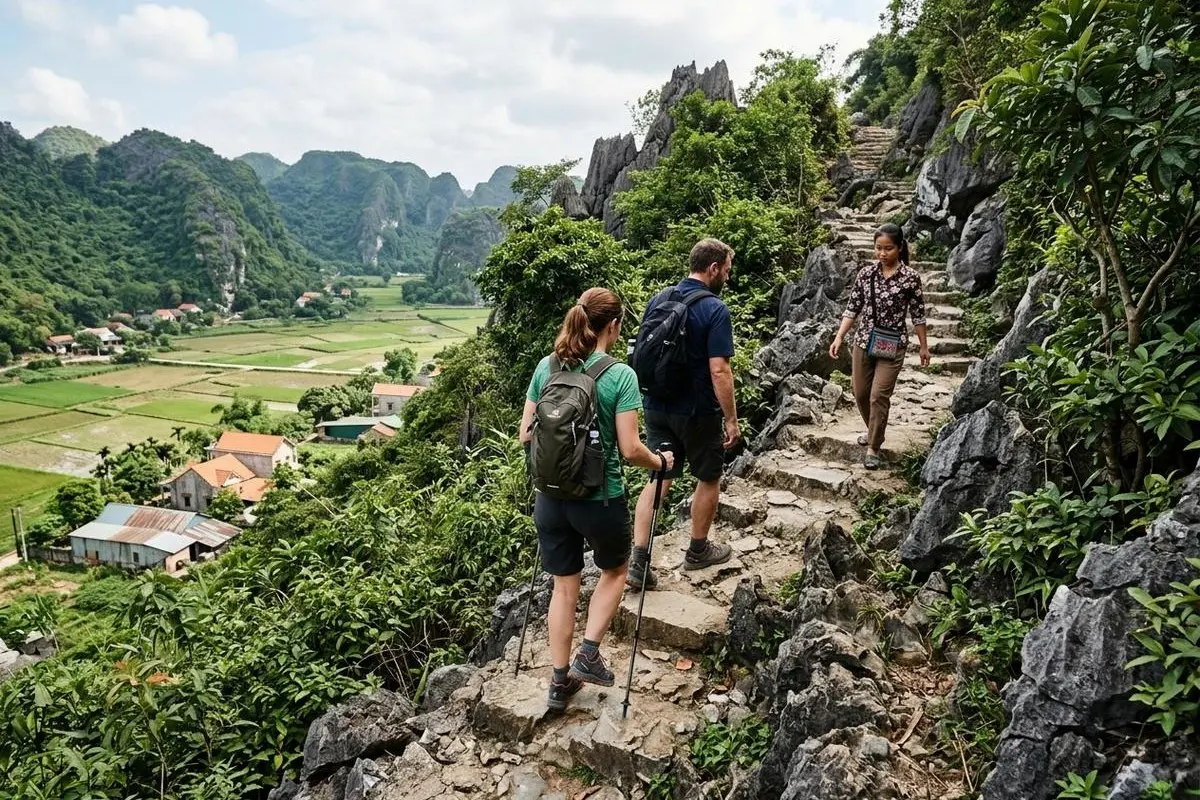
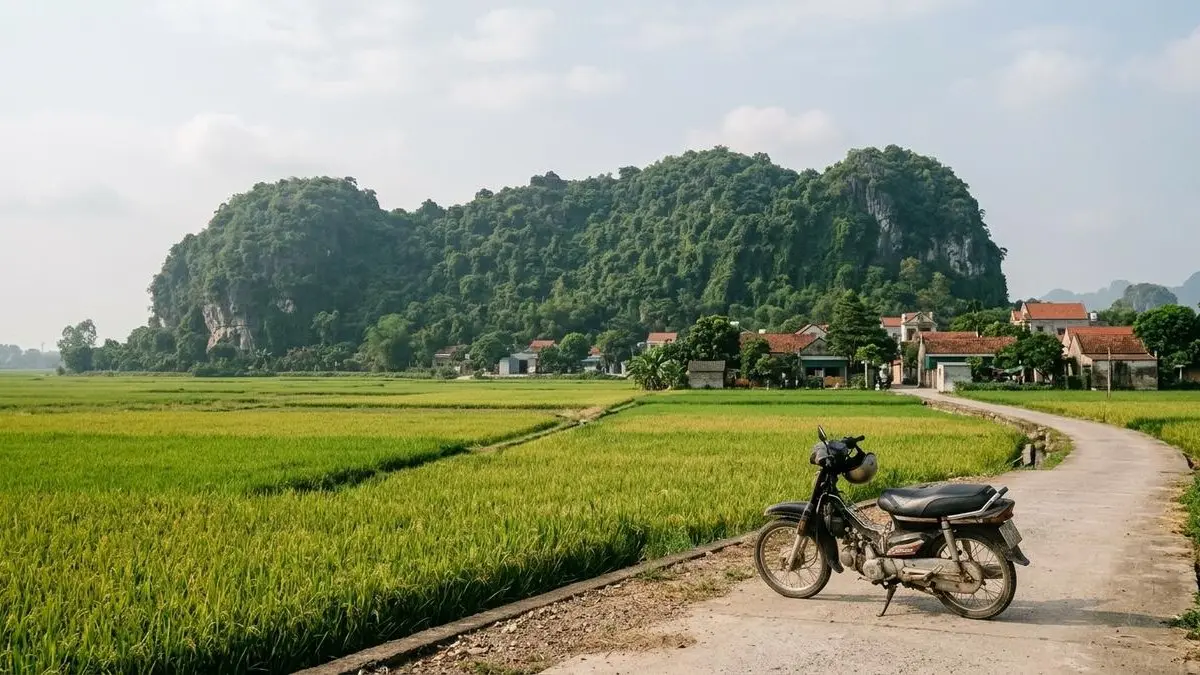
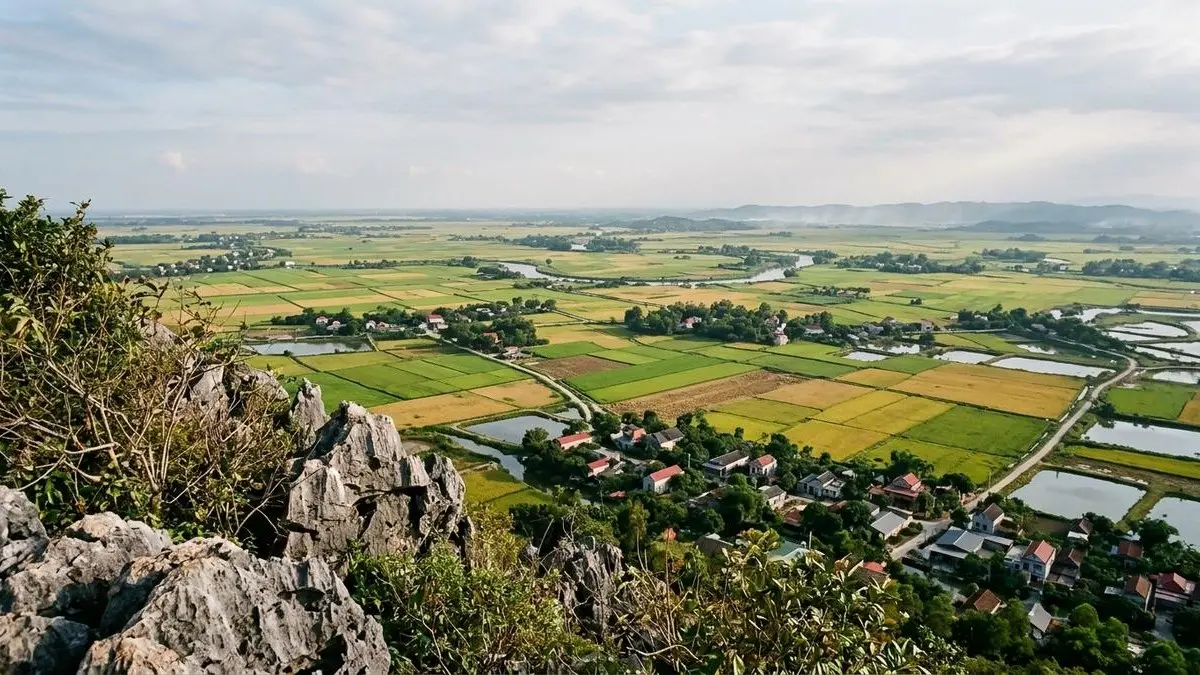
Good safety starts with realistic expectations. Elephant Mountain is a chain of limestone hills rising from the rice fields of the An Lao countryside, southwest of central Haiphong. It is not a high peak and you do not need climbing skills. Even so, it is not a park with railings and signposts either.
- No official trail system. Paths are made by villagers, worshippers and goats, so they can split, fade or end suddenly.
- Karst rock. Limestone here is weathered into sharp edges and small holes that can cut hands and twist ankles.
- Loose surfaces. Dust, gravel and fallen leaves sit on top of the rock, which makes some steps slippery even when dry.
- Steep drops in places. Some outcrops end in short vertical faces that are not obvious from above.
- Limited services. There are village shops and homes nearby, but no rescue post or ranger station on the hill.
Think of it as a short, rough scramble in a rural area rather than a walk in a city park. With that mindset, the rest of the tips below make a lot of sense.
Plan Your Hike Before You Leave The City
Most safety decisions happen before you even reach the foot of the hill. A little planning removes the most common risks.
Choose the right time of day
Start early. In the morning the air is cooler, the light is soft and there is plenty of daylight left if something takes longer than expected. Aim to finish any climbing well before late afternoon, because it gets dark quickly in Vietnam, especially in winter, and rocky paths are much harder to read in fading light.
Check the weather
Look at the forecast the evening before and again in the morning. Heavy rain, storms or strong wind are good reasons to change plans. In summer, afternoon thunderstorms are common, so morning hikes are safer. In spring, light drizzle can leave a slick film on the rock for hours.
Tell someone your plan
Let your hotel, homestay or a friend know where you are going and when you expect to be back. Share your live location if you are comfortable doing so. It is a simple step that makes a big difference if you are delayed.
Check your insurance
Make sure your travel insurance covers hiking and, if you plan to ride there yourself, motorbike riding with the correct licence. Many policies exclude riding without a valid licence, which matters if you have an accident on the way.
If you are riding out of the city, read our Haiphong motorbike safety tips first, because the ride is often riskier than the hike itself.
Wear The Right Shoes And Clothing
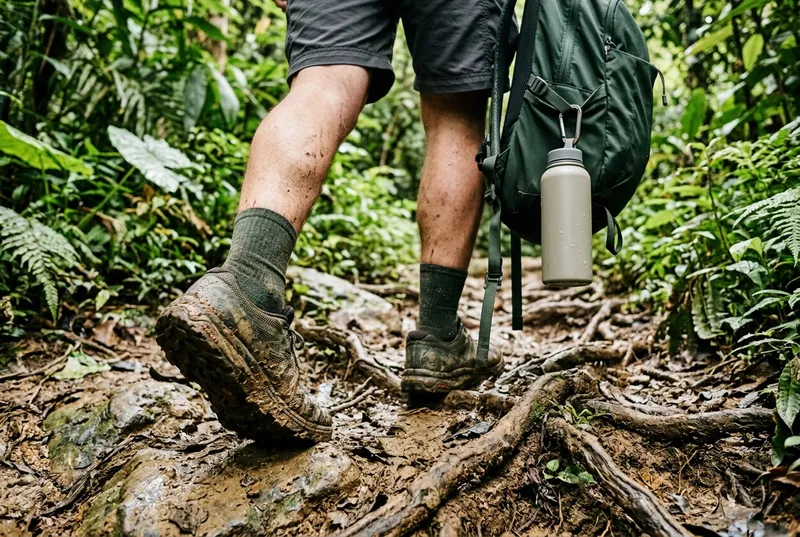
Clothing is the easiest safety tip to get right, and the one most often ignored. Limestone is unforgiving, and the countryside sun is strong.
| Item | Why it matters | Avoid |
|---|---|---|
| Trainers or light hiking shoes | Grip on dusty rock and protection from sharp edges | Flip-flops, sandals, smooth fashion sneakers |
| Light long trousers | Protect legs from scratches, insects and sun, and suit temple visits | Very short shorts |
| Breathable shirt with sleeves | Sun protection and modest dress near shrines | Heavy cotton in summer |
| Hat and sunglasses | There is little shade on the rocks | Going bareheaded at midday |
| Thin gloves (optional) | Useful for scrambling over rough rock | Thick gloves that reduce grip |
| Light rain jacket | Sudden showers and wind on exposed rock | Umbrellas while climbing |
Good grip is the single most important factor. If your shoes slip on a dry, dusty slab at the start of the path, they will be worse higher up. Turn back and enjoy the temples and fields instead.
Pack A Small Safety Kit
You do not need a big backpack for Elephant Mountain, but a light daypack with a few essentials covers almost every situation.
- Water. At least one litre per person, more in hot months. Village shops are small and not always open.
- Snacks. Fruit, nuts or biscuits to keep your energy steady.
- Fully charged phone. For maps, photos and calls. A small power bank is a smart extra.
- Torch or headlamp. Essential for looking into caves and useful if you are delayed.
- Basic first aid. Plasters, antiseptic wipes, a small bandage and any personal medicine.
- Sunscreen and insect repellent. Fields, shrubs and caves attract mosquitoes.
- Small cash. For drinks, parking and temple donations.
- Plastic bag. To carry your rubbish back and keep your phone dry in rain.
Hikers heading to bigger mountains later in the trip can compare this list with our guide to preparing for Cat Ba National Park hiking, which covers longer and more remote trails.
Climb Slowly And Use Three Points Of Contact
Once you are on the rock, the pace and technique of your climb are what keep you safe. Rushing is the most common cause of slips and cuts.
Test every step
Before you put your full weight on a rock, press it with your foot. Limestone can look solid but have a loose top layer. On dusty slabs, place your whole sole flat rather than standing on your toes.
Keep three points of contact
On steeper sections, keep two hands and one foot, or two feet and one hand, on the rock at all times. Move one limb at a time. This simple habit prevents most falls.
Mind your hands
Limestone edges can be razor sharp. Grip with your palm and fingers rather than sliding your hand along the rock, and avoid putting your hand into holes or cracks you cannot see into.
Think about the way down
Going down is usually harder than going up. If you climb a section that needs your hands, ask yourself whether you can safely reverse it. If not, do not go higher. Many minor injuries happen on the descent, when legs are tired and attention drops.
Stay on visible paths
Follow worn footpaths and stone steps. Avoid shortcuts through shrubs, where hidden holes, thorny plants and loose rock are common. If a path fades out, go back to the last point you were sure of instead of pushing on.
>>> Preparedness For Cat Ba National Park Hiking
Respect The Weather And The Heat
Weather is the biggest variable on Elephant Mountain. The same short path can be easy in the morning and risky after a storm.
| Season | Main risk | Safety advice |
|---|---|---|
| Spring (February to April) | Drizzle and mist make rock slick | Climb only on dry days, focus on fields and temples when wet |
| Summer (May to August) | Heat, humidity and afternoon storms | Start at sunrise, carry extra water, finish before midday |
| Autumn (September to November) | Usually pleasant, but strong sun and occasional storms | Still start early, watch for late typhoon warnings |
| Winter (December to January) | Cool, grey days with short daylight | Bring a light layer, finish well before dark |
Signs of heat exhaustion
Watch for heavy sweating, headache, dizziness, nausea or unusual tiredness. If you or a friend feel this way, stop, move into shade, sip water and rest. Do not continue climbing. If symptoms get worse or confusion appears, seek medical help.
Lightning and storms
Exposed rock is a poor place to be in a thunderstorm. If you hear thunder or see dark clouds building, head down calmly to the village or a temple building and wait it out.
Recommended tour
Haiphong Countryside & Coastal Landmarks
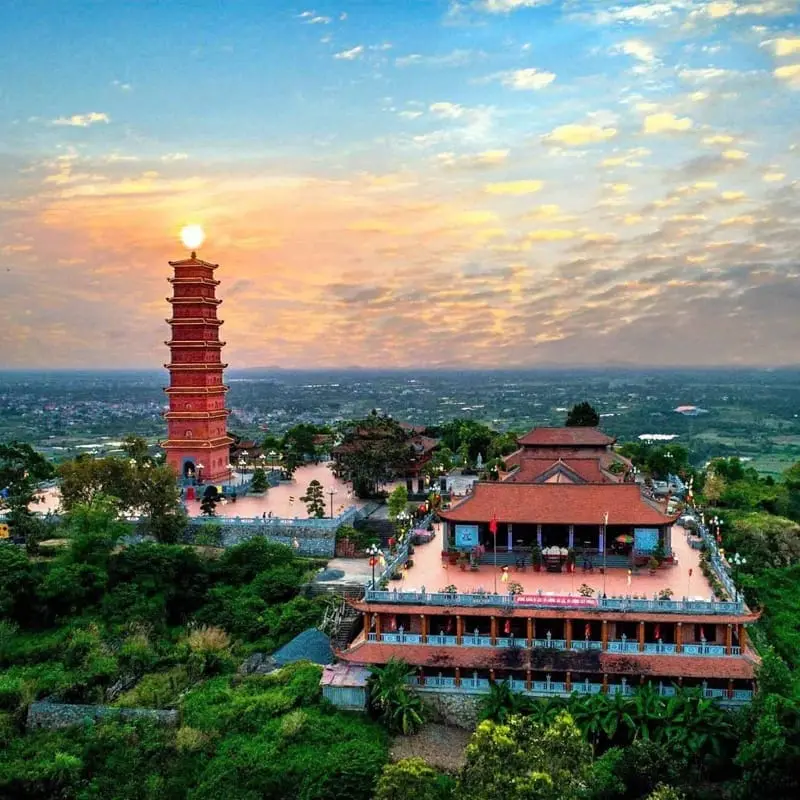
Prefer to leave the route, the traffic and the timing to a local? Explore the Haiphong countryside and coastal landmarks with a guide who knows the safe paths.
From $79 per person
Be Careful Around The Caves
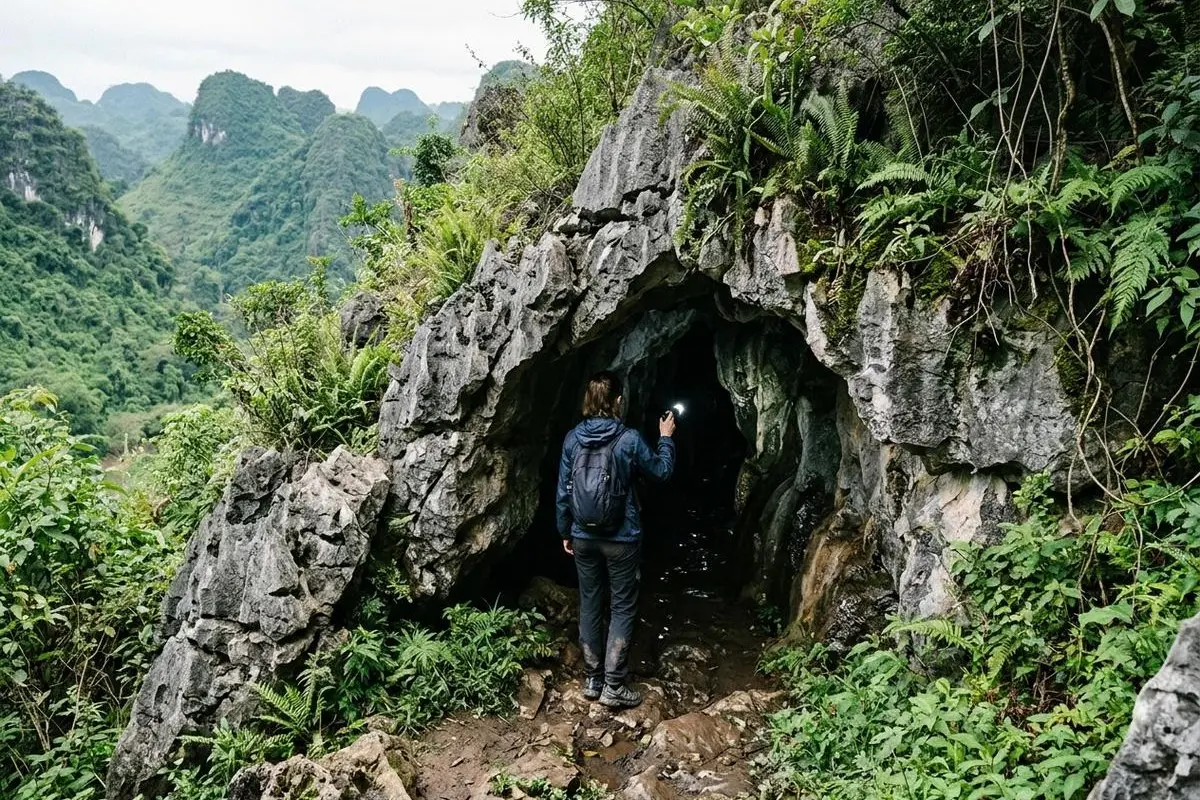
Small natural caves sit at the foot of the limestone, and some hold shrines with incense and offerings. They are fascinating, but they bring their own risks.
- Look from the entrance first. Use your torch to check the floor and ceiling before stepping inside.
- Never go deep alone. Passages can be narrow, dark and confusing. Stay within sight of daylight unless you are with a local guide.
- Watch your head. Low ceilings and hanging rock are easy to hit when you are looking down at your feet.
- Expect slippery floors. Cave floors are often damp, even in dry weather.
- Leave the shrines untouched. Do not move offerings, statues or stones, and keep candles and incense away from clothing.
- Respect wildlife. Bats and insects live in caves. Avoid disturbing them and do not touch bat droppings.
Watch Out For Wildlife, Plants And Insects
The countryside around Elephant Mountain is full of life. Almost all of it is harmless, but a few simple habits keep it that way.
- Snakes. They live in rural Vietnam and usually move away from people. Watch where you put your hands and feet, avoid long grass and never try to touch or photograph a snake up close.
- Insects. Mosquitoes, ants and wasps are the most likely nuisance. Use repellent and avoid swatting at nests in shrubs or rock crevices.
- Dogs. Village dogs often bark at strangers. Walk calmly, do not run and keep a respectful distance from houses.
- Buffalo and cattle. They are usually calm, but give them space, especially mothers with calves.
- Thorny plants. Long sleeves and trousers prevent most scratches.
If you are bitten or stung and feel unwell, swelling spreads or breathing becomes difficult, treat it as an emergency and get medical help quickly.
Ride To The Mountain Safely
For many visitors, the journey from the city is the riskiest part of the day. Elephant Mountain is reached by main roads and then narrow village lanes.
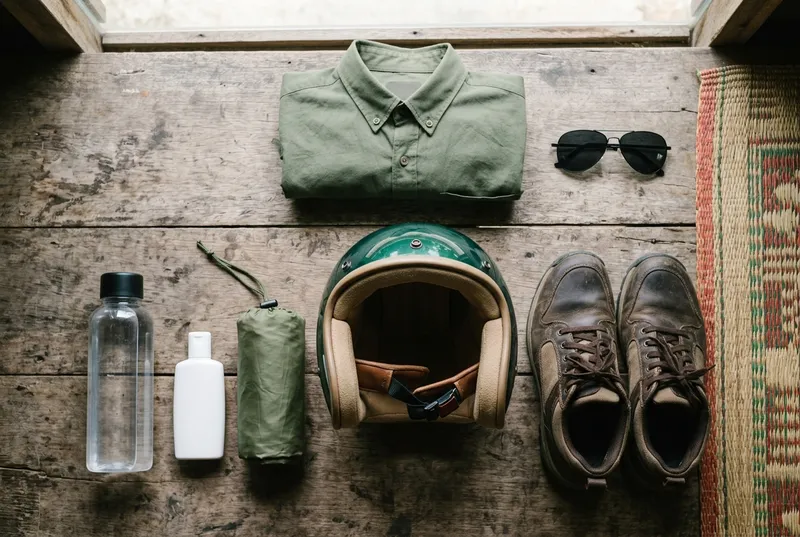
- Wear a proper helmet and fasten the strap every time.
- Ride slowly in villages, where children, dogs, chickens and tractors appear without warning.
- Avoid riding at dusk, when visibility drops and lanes are busy with people returning from work.
- Park considerately near the temple area or a village house, and ask permission if needed.
- Do not ride tired. After a hot hike, rest, drink and eat before getting back on the bike.
If you are not an experienced rider, a guided ride is much safer. Our guide to exploring rural villages on a Haiphong motorbike tour shows what a countryside day with a local driver looks like.
>>> Riding Haiphong Motorbike Tour Safety Tips Guide
Respect Local People And Sacred Places
Safety on Elephant Mountain is also about respect. The hills are part of a protected historical relic area, and local families farm, live and worship here.
- Dress modestly near temples and the pagoda, covering shoulders and knees.
- Walk on the raised banks between rice fields, never through the crops.
- Ask before taking photos of people, especially the elderly.
- Do not climb on shrines, walls or old structures for a better view.
- Keep noise low near places of worship.
- Take all rubbish home and never light fires on the hill.
Villagers are often your best safety resource. A smile and a simple xin chao (hello) can lead to helpful advice about which paths are open, slippery or best avoided that day. For more etiquette tips, see our guide to cultural things to do in Haiphong.
Know What To Do If Something Goes Wrong
Even careful hikers can twist an ankle or feel unwell. Knowing what to do keeps a small problem from becoming a big one.
- Stop and stay calm. Move to a stable, shaded spot away from edges.
- Check the injury. Clean cuts with water and antiseptic wipes, cover them and apply pressure to stop bleeding.
- Do not walk on a bad sprain over rough rock. Ask your companion to help you down slowly or call for help.
- Call for help. In Vietnam, the emergency number for ambulance is 115. A local guide, your hotel or a villager can help explain your location in Vietnamese.
- Share your location. Send a map pin from your phone to the person helping you.
- Get checked. For deep cuts, suspected fractures, heat illness or animal bites, visit a hospital in Haiphong city.
Save the phone number of your hotel and your tour operator before you leave. If you hike with Haiphong Adventure, your guide handles communication and transport if anything goes wrong.
Hike With A Local Guide For Extra Peace Of Mind
You can visit Elephant Mountain on your own, but a local guide adds a real safety margin, especially for first-time visitors.
- Route knowledge. Guides know which paths are in good condition and which to skip after rain.
- Language. They can ask villagers for advice and explain your needs in an emergency.
- Traffic and transport. No need to ride busy roads yourself, and a ride back is always ready.
- Culture and history. You hear the legends and history of the mountain while someone else watches the time and weather.
This is why many of our guests choose haiphong tours with a local driver rather than renting a bike alone. Read why a private Haiphong tour with a local guide changes the experience.
>>> Unusual Things To Do In Haiphong Off Beaten Path
Quick Safety Checklist For Elephant Mountain
Before you set off, run through this short list.
- Weather checked, no storms or heavy rain expected.
- Start early and plan to finish well before dark.
- Shoes with good grip, long light trousers, hat and sunscreen.
- At least one litre of water per person, plus snacks.
- Phone charged, torch packed, small first aid kit ready.
- Someone knows your plan and expected return time.
- Hiking with a friend or a local guide, never alone.
- Clear rule agreed: if rock is wet or you feel unsure, turn back.
Frequently Asked Questions About Elephant Mountain Haiphong Safety
Is Elephant Mountain Haiphong safe for beginners?
Yes, if you take it slowly. The hills are low and the climbs are short, but the rock is rough and uneven. Beginners should stay on clear paths, avoid steep outcrops and hike with a guide or friend.
Can children climb Elephant Mountain?
Older children who are used to walking can enjoy the lower paths and temple area with close adult supervision. Steeper rocky sections and caves are not suitable for young children.
Should I climb after rain?
No. Wet limestone becomes very slippery. After rain, enjoy the village, rice fields and temples instead, and save the climb for a dry day.
Do I need special equipment?
No ropes or climbing gear are needed. Good shoes, water, sun protection, a torch and a small first aid kit are enough for a normal visit.
What is the emergency number in Vietnam?
Dial 115 for an ambulance, 113 for police and 114 for fire and rescue. Having a local guide or hotel contact who speaks Vietnamese makes these calls much easier.
Enjoy Elephant Mountain The Safe Way
Elephant Mountain is one of the quietest and most rewarding countryside escapes near Haiphong. With good shoes, an early start, plenty of water and a willingness to turn back when conditions are poor, the hike is easy to enjoy and the views over the rice fields are worth every step.
If you would like a local guide from Haiphong Adventure to take you there safely, handle the ride and share the stories behind the mountain, send us a message and we will help you plan your Haiphong adventure.
WhatsApp, Viber, WeChat: +84(0)934.555.001
KakaoTalk, Line ID: haiphongadventure