Educational Trip To Haiphong Museum For Kids
A visit to the Haiphong Museum is one of the easiest ways to turn a family holiday in northern Vietnam into a real history lesson, without a single textbook. Children can stand in front of a bronze drum that is more than two thousand years old, see the giant wooden stakes that sank enemy fleets on the Bach Dang River and spot old photographs of the port their parents just sailed or drove into. The museum is compact, calm and central, so even young kids can enjoy it before they get tired.
This guide from the Haiphong Adventure team is written for parents. It explains what children will see inside, how to prepare them, which exhibits work best for different ages, simple games to keep them curious and how to build a relaxed half day around the visit. Opening hours, ticket prices and gallery layouts can change, so treat practical details as a reference (updated October 2026) and confirm them locally before you go.
Why The Haiphong Museum Works Well For Kids
Big national museums can overwhelm children with endless rooms. The Haiphong Museum is different. It is a regional museum in a single colonial building, arranged as a clear timeline from prehistory to the modern city. That makes it ideal for families.
- Short and manageable. Most families see the highlights in about an hour, which matches a child’s attention span.
- Real objects, not screens. Stone tools, bronze drums and wooden stakes are things kids can imagine people using.
- Big stories. Brave generals, clever river traps and a fishing village that became a port city are perfect bedtime-story material.
- Central location. It sits on Dien Bien Phu Street in the old French quarter, close to the Opera House, Tam Bac Lake and plenty of snack stops.
- A calm indoor break. On a hot or rainy day, the cool galleries give everyone a rest from traffic and sun.
If your family enjoys learning through places, our guide to cultural things to do in Haiphong has more ideas that suit curious young travellers.
Start Outside With The Building Itself
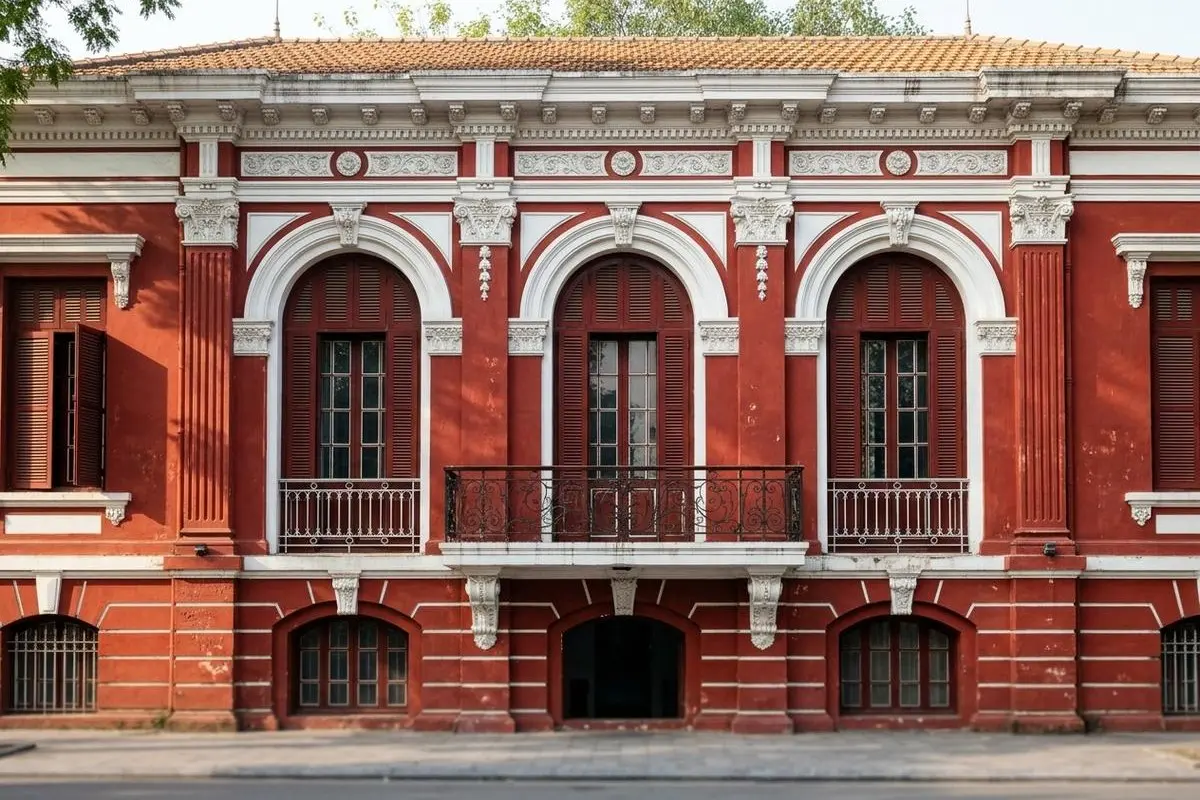
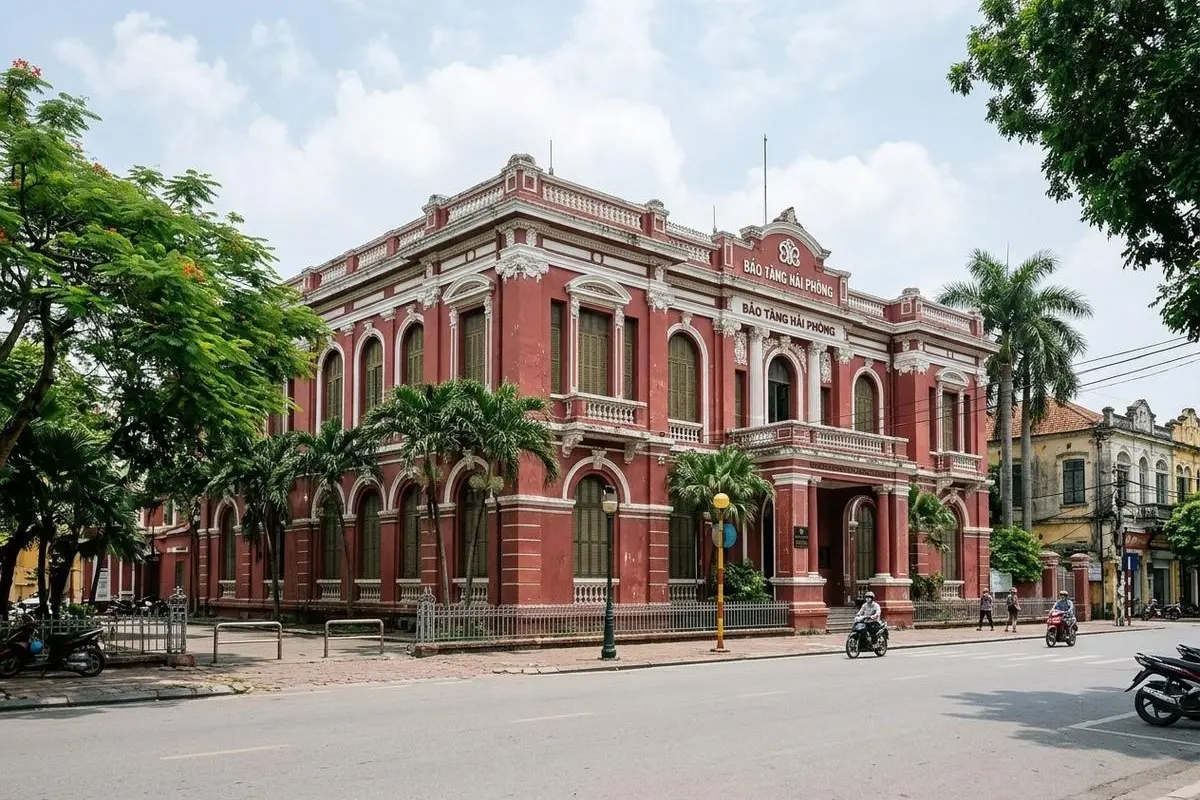
The lesson begins before you go in. The museum occupies a striking French colonial building from the early twentieth century, with deep red walls, white trim and tall arched windows. The museum itself was founded in 1959 and has used this building for many years.
Ask your children a few questions on the pavement:
- Does this building look Vietnamese or European? Why might that be?
- How many arched windows can you count?
- What colour would you paint it if it were your museum?
These small questions help kids connect the building with the story of Haiphong as a French-era port city. Later, when you walk past the Opera House and the City Post Office, they will start to recognise the same style on their own.
Prepare Your Children Before The Visit
Five minutes of preparation can double how much children enjoy a museum. Try a few of these ideas the evening before or over breakfast.
Tell one story in advance
Pick one exciting story, such as the Bach Dang River battles, and tell it simply. When children later see the real wooden stakes, they feel like they have found the evidence for a story they already know.
Show them a map
Point out Haiphong on a map of Vietnam, then the sea, Cat Ba Island and the rivers around the city. Explain that people have lived on this coast for thousands of years because the sea gave them fish, trade and a way to travel.
Set a clear plan
Tell kids how long you will stay and what comes next, for example an ice cream by the lake or a ride in a cyclo. Knowing there is a reward afterwards keeps energy and patience high.
Agree on museum manners
Walk, do not run. Speak quietly. Look with your eyes, not your hands. Ask before taking photos. Simple rules agreed in advance are easier than reminders inside.
Ancient Life On The Coast
The early history rooms are often the biggest surprise for families. They show objects from archaeological sites around Haiphong and its islands, including the Cai Beo site on Cat Ba Island, one of the oldest known coastal settlements in northern Vietnam.
For children, the key idea is simple: long ago, people here had no shops, cars or phones. They made tools from stone, cooked in clay pots and ate lots of shellfish from the sea. Archaeologists found piles of old shells, which are basically ancient rubbish heaps.
- For younger kids. Ask them to find a tool and guess what it was for: cutting, scraping or digging?
- For older kids. Ask how people could make such smooth stone rings and beads without metal tools.
- Fun fact to share. Scientists learn a lot about ancient people by studying what they threw away.
>>> Private Haiphong Tour: Why A Local Guide Changes Everything
Bronze Drums And Boat Coffins
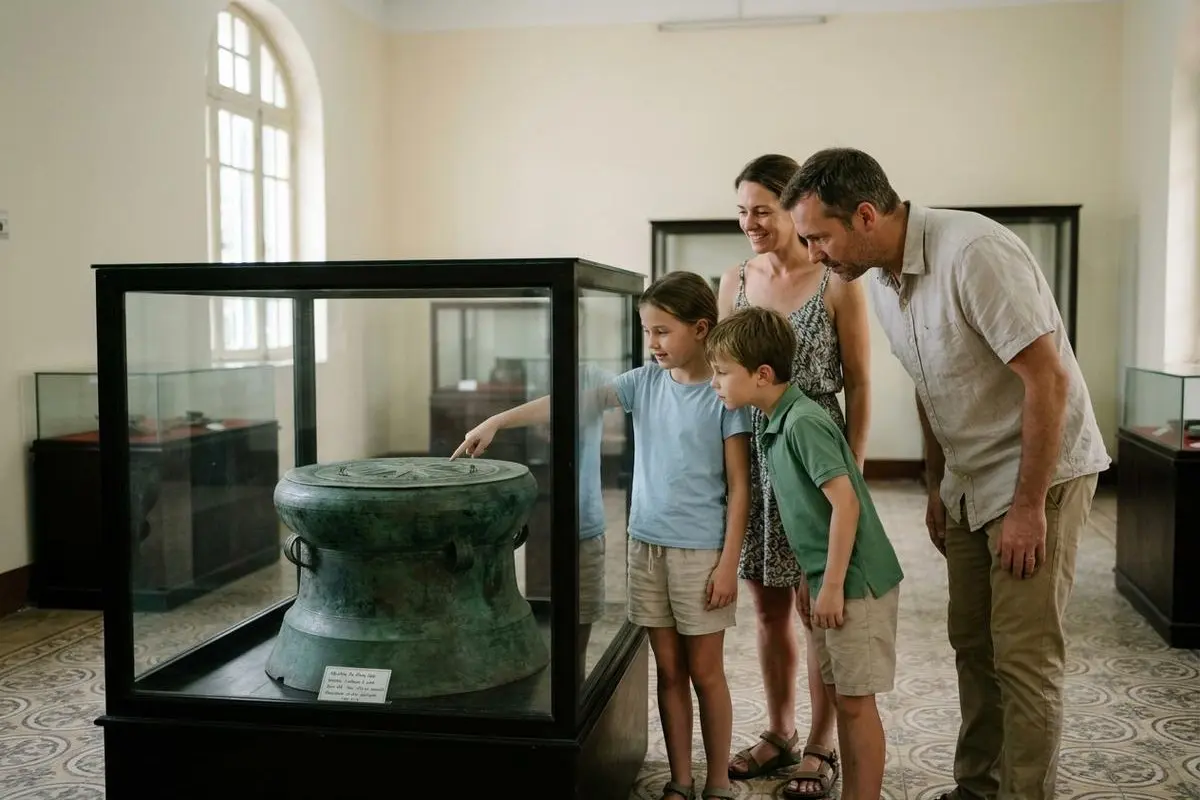
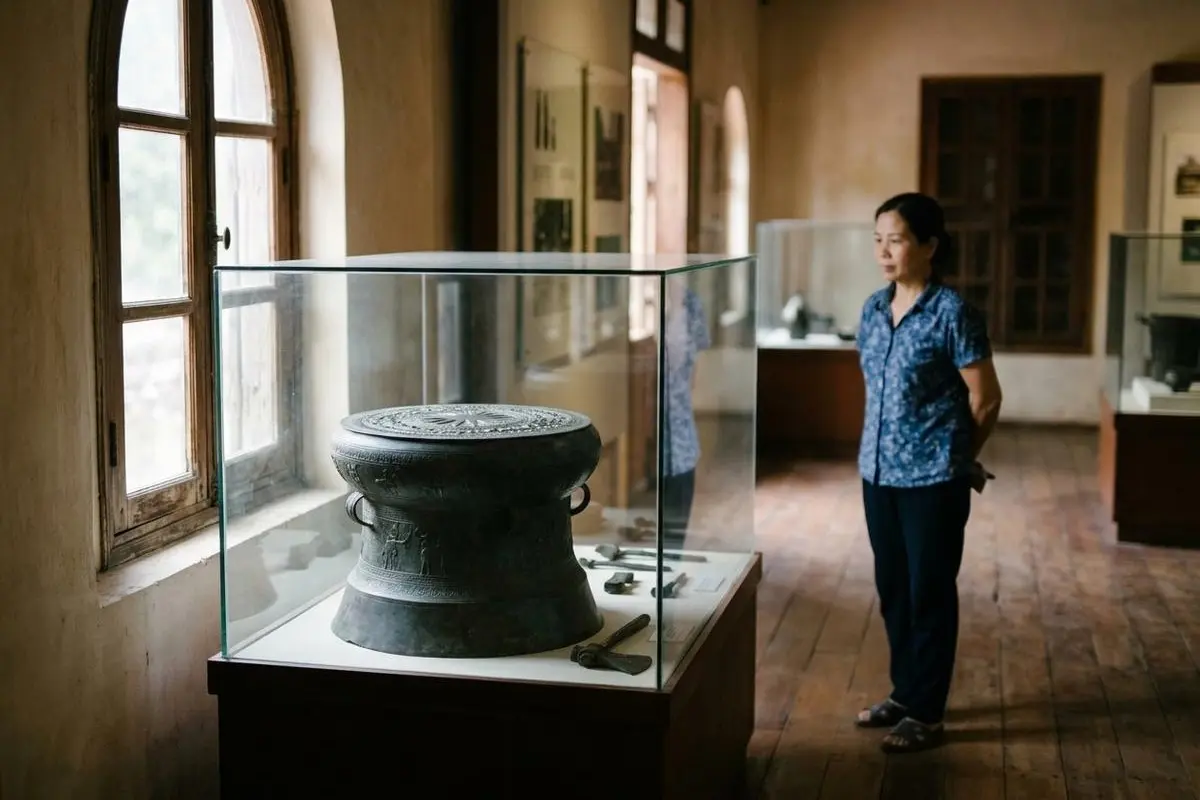
The bronze age exhibits are usually the favourite part for children. They belong to the Dong Son culture, which flourished in northern Vietnam roughly two and a half thousand years ago and is famous for its bronze drums.
A Dong Son drum usually has a star shape in the centre of the top, surrounded by rings of patterns, birds, animals and sometimes boats and people. Experts believe the drums were used in ceremonies and as signs of importance and wealth.
| Object | What kids can look for | Question to ask |
|---|---|---|
| Bronze drum | The star in the middle and flying birds | What sound do you think it made? |
| Bronze tools and weapons | Blades, axes and spear tips | Which one would you use to farm? |
| Boat-shaped coffin | A coffin carved from a single tree trunk | Why might people be buried in a boat shape? |
| Pottery | Simple patterns pressed into clay | What would you store in this pot? |
The boat-shaped coffins from the Viet Khe site are a great talking point. They show how important rivers and boats were to people here, even in their beliefs about the afterlife. Keep the explanation gentle for younger children and focus on the carving skill.
The Bach Dang River Battles
If there is one story every child should take home from the Haiphong Museum, it is the Bach Dang River. This river flows into the sea on the northern side of Haiphong, and it was the scene of famous Vietnamese victories against invading fleets.
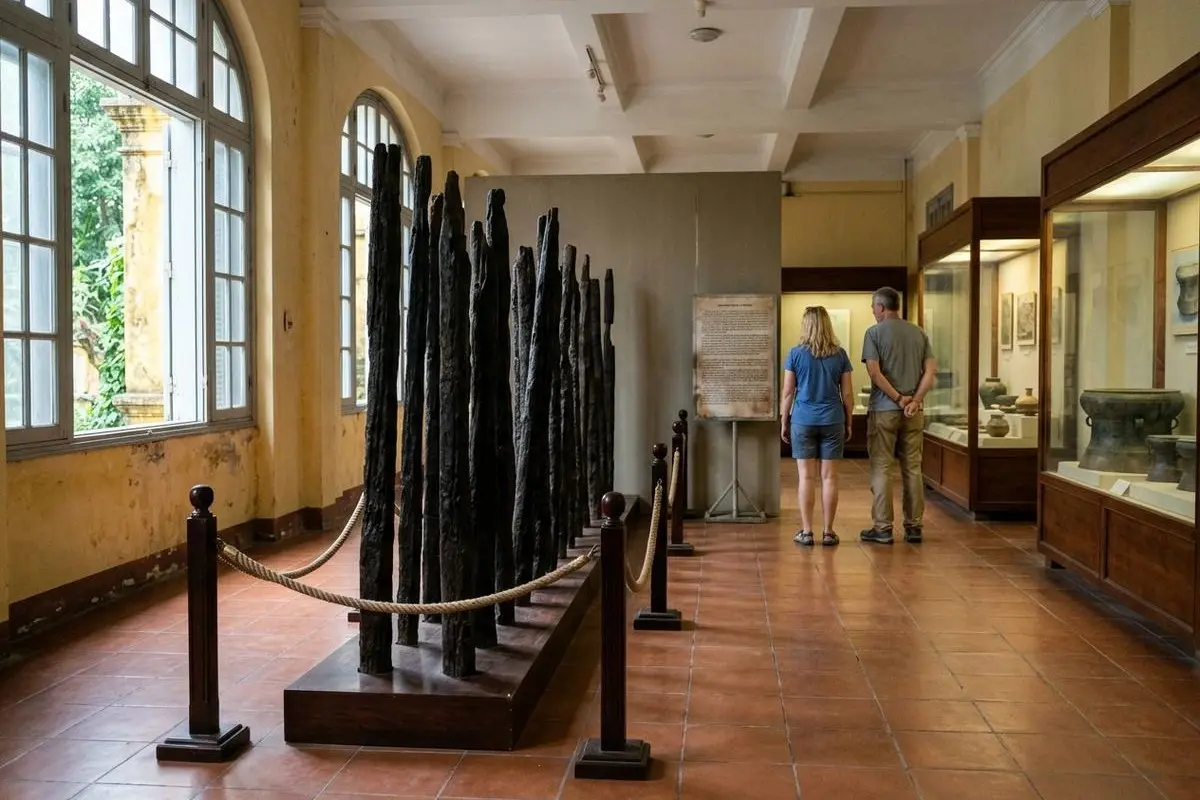
The clever trick was simple and brilliant. Defenders drove sharp wooden stakes into the riverbed. At high tide the water hid the stakes. Enemy ships were lured upstream, and when the tide went out, the heavy ships got stuck or were damaged on the stakes.
- 938. Ngo Quyen used this tactic to defeat the Southern Han fleet.
- 981. Le Hoan used the river again against a Song invasion.
- 1288. Tran Hung Dao defeated a large Mongol-Yuan fleet in the most famous battle of all.
Seeing real timber stakes in the museum makes the story come alive. Ask kids to imagine standing on the riverbank, waiting for the tide to change. It is a great lesson in using nature and good timing rather than size and strength.
Recommended tour
The Haiphong Street Food and City Tour
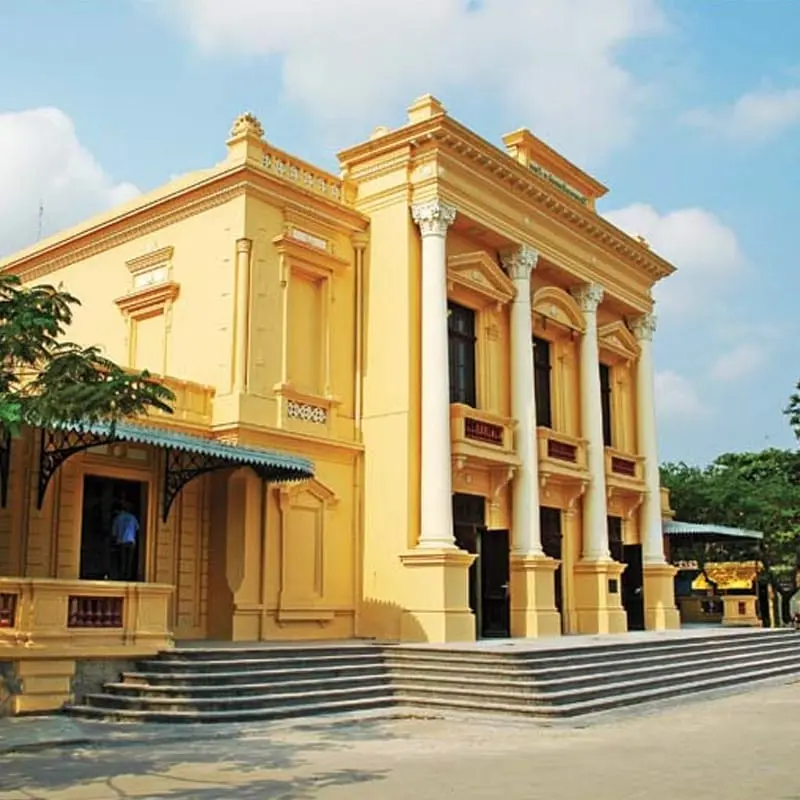
Turn your museum morning into a full family day: colonial landmarks, local stories and kid-friendly street food with a guide who knows the city.
From $85 per person
From Colonial Port To Modern City
Later galleries cover the French colonial period, the growth of the port and the wars and reconstruction of the twentieth century. For children, this part works best through photographs.
- Old port photos. Ask kids to compare old ships and cranes with what they saw at the harbour or on the way into the city.
- Street scenes. Look for rickshaws, bicycles and old shopfronts, then compare them with today’s motorbikes.
- Buildings they know. See if they can spot the Opera House or other landmarks in old pictures.
Some exhibits about twentieth-century wars include serious images. Preview the room quickly yourself and decide how much to show younger children. Older kids and teens often appreciate an honest, age-appropriate explanation.
For a broader look at how the old centre fits together, read about a Haiphong city tour with cultural insights.
Fun Activities To Keep Kids Engaged
Turn the visit into a game and children will happily explore every room. Here are some ideas that work for different ages.
Museum treasure hunt
Before you go in, write a short list on your phone: a star, a bird, a boat, a weapon, a pot, a ship and an old map. Kids tick each one off as they find it. A small reward at the end makes it even more fun.
Be the museum guide
Let each child choose one favourite object and explain it to the family in their own words. They will remember it far better than anything you tell them.
Draw one object
Bring a small notebook and pencil. Sketching a bronze drum or a carved coffin makes children look closely at details most adults miss.
Then and now
For older kids, compare life then and now: food, transport, homes and jobs. It is a simple way to practise history thinking.
Photo challenge
Where photography is allowed, give teens a mission to take three photos that tell the story of Haiphong. Always respect any no-photo signs.
Tips By Age Group
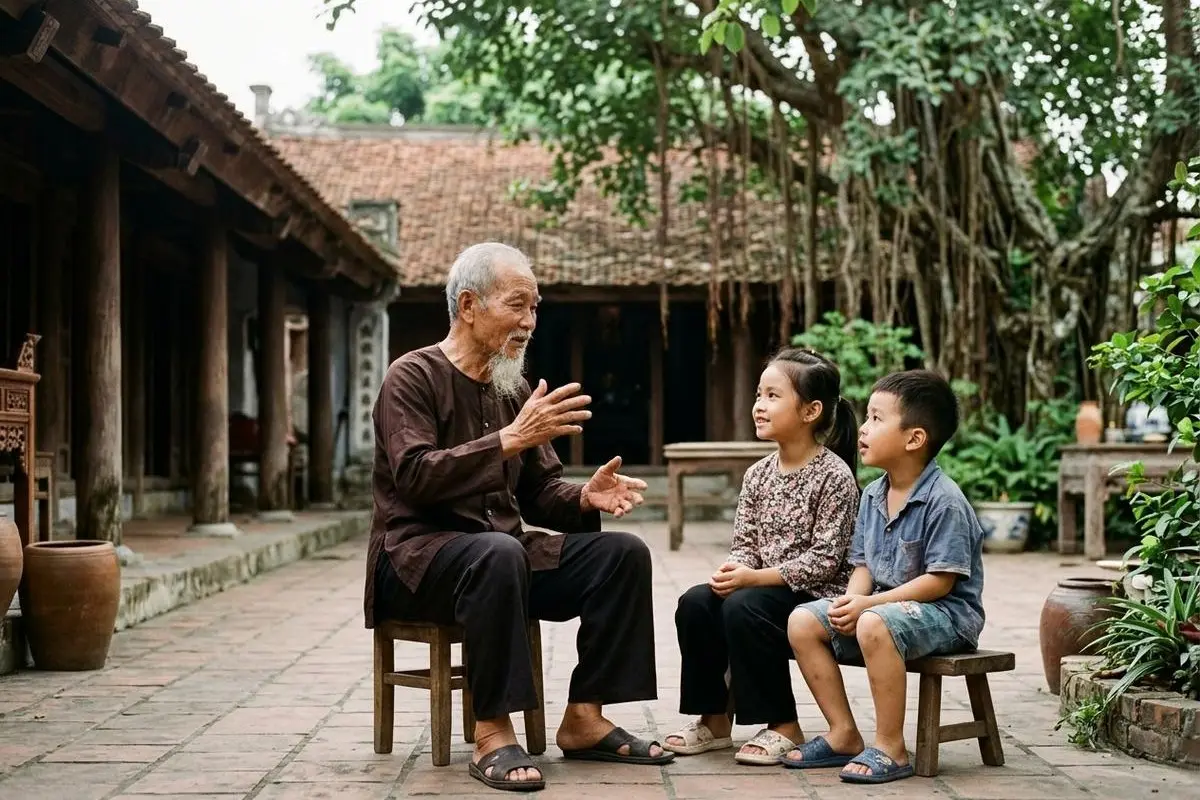
Every child experiences a museum differently. Adjust your visit to match their age and energy.
| Age | Best focus | Time inside | Tip |
|---|---|---|---|
| 3 to 5 | Shapes, animals and colours on objects | 20 to 30 minutes | Carry them to see higher cases and keep it short |
| 6 to 9 | Bronze drums, boats and the river trap story | 40 to 60 minutes | Use the treasure hunt and a snack break afterwards |
| 10 to 13 | Battles, inventions and ancient crafts | About 1 hour | Let them read labels with a translation app |
| Teens | Colonial history, war and how cities change | 1 to 1.5 hours | Ask for their opinion, not just facts |
Many labels are in Vietnamese only. A camera translation app helps, but a local guide is the best way to add stories, answer questions and adjust the visit to your children.
Practical Tips For Parents
A few practical details make the visit smoother for the whole family.
- Go early. Mornings are cooler and kids have more energy. Many Vietnamese museums close for a lunch break, so check times locally.
- Check the opening days. Schedules can change around holidays, so confirm before you go.
- Bring water and a small snack for after the visit. Do not eat inside the galleries.
- Dress comfortably. Light clothes and closed shoes are best for walking between sights.
- Use the restroom first. Ask staff on arrival where facilities are.
- Strollers. A light, foldable stroller is easiest, as older buildings may have steps.
- Cash. Bring small notes for tickets and snacks nearby.
Families planning a longer stay can find more ideas in our guide to choosing the best Haiphong tours for a family trip.
Build A Kid-Friendly Half Day Around The Museum
The museum sits in the heart of the old centre, so it is easy to combine with other short, child-friendly stops.
- Morning at the museum. One hour inside while everyone is fresh.
- Opera House square. A short walk for open space and photos of the grand colonial building.
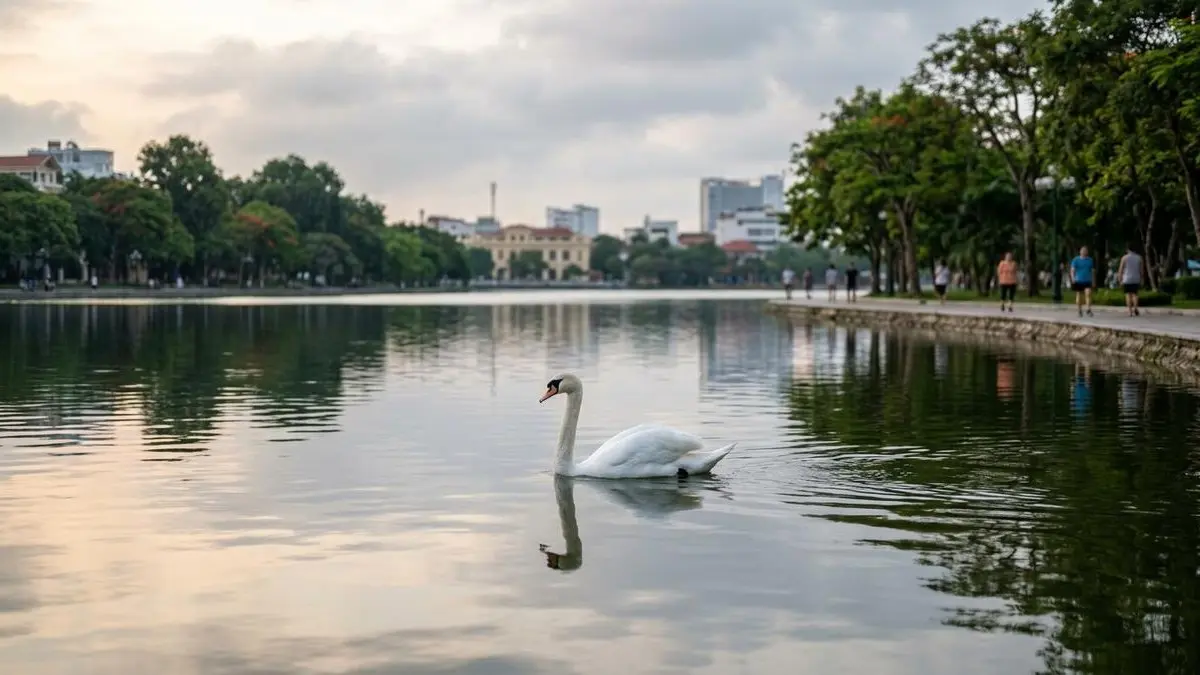
- Tam Bac Lake. Stroll the lakeside walkway and look out for swans and fish.
- Snack break. Try banh mi cay, small crispy bread sticks (ask for a mild version for kids), or fresh fruit.
- Lunch. Share banh da cua, Haiphong’s crab noodle soup, or simple fried rice for picky eaters.
If you only have a few hours, our half-day Haiphong tour itinerary shows how to fit the main sights into one morning.
>>> Free Things To Do In Haiphong For Budget Travel
Keep The Learning Going After The Visit
The best educational trips continue after you leave the building. Small follow-up activities help children remember what they saw.
- Visit a real place from the museum. On a longer stay, the Bach Dang River stakes site or Cat Ba Island links directly to the exhibits.
- Make a travel journal page. Kids draw their favourite object and write one sentence about it.
- Tell the story at dinner. Ask your child to retell the river trap story in their own words.
- Spot the patterns. Look for bronze drum designs on souvenirs, walls and buildings around Vietnam.
- Taste history. Many Haiphong dishes come from the sea, linking food to the fishing life you saw in the early galleries.
Food is part of the story too. Our list of top dishes to try on a Haiphong food tour helps you choose what the family might enjoy.
>>> My Haiphong Street Food Adventure Local Taste
Why A Local Guide Helps Families
You can visit the Haiphong Museum independently, but families often get more from it with a local guide.
- Stories, not just facts. Guides tell legends and family memories that children love.
- Translation. They explain labels that are only in Vietnamese.
- Flexible pace. A good guide reads the kids’ energy and knows when to move on or take a break.
- Easy logistics. Transport, snacks and the next stop are already planned.
Many families combine the museum with one of our haiphong tours, so parents can relax while a local makes the day fun and educational.
Frequently Asked Questions About The Haiphong Museum With Kids
Is the Haiphong Museum suitable for young children?
Yes. It is compact and calm, and objects such as bronze drums and wooden stakes are easy for children to understand. Keep visits with very young kids short and focus on shapes, animals and stories.
How long should a family spend at the Haiphong Museum?
About one hour suits most families. Younger children may be happy with 30 minutes, while teens interested in history can spend longer.
Are the exhibits in English?
Some labels may include English, but many are in Vietnamese only. A translation app or a local guide makes the visit much easier.
What is the most interesting exhibit for kids?
Most children love the Dong Son bronze drums, the boat-shaped coffins and the wooden stakes from the Bach Dang River battles.
What can we do nearby after the museum?
Walk to the Opera House square, stroll around Tam Bac Lake, look for swans and enjoy a snack or lunch in the old centre.
Make History An Adventure For Your Children
An educational trip to the Haiphong Museum is short, affordable and full of stories that children remember long after the holiday ends. With a little preparation, a simple treasure hunt and a fun stop by the lake afterwards, the visit becomes one of the highlights of a family trip to Haiphong.
If you would like a local guide from Haiphong Adventure to plan a kid-friendly museum and city day for your family, send us a message and we will help you create your own Haiphong adventure.
WhatsApp, Viber, WeChat: +84(0)934.555.001
KakaoTalk, Line ID: haiphongadventure