
DIY Haiphong Food Tour Map For Independent Eater
You do not need a guide to eat well in this city, but you do need a plan. A DIY haiphong food tour works best when you treat it like a treasure hunt: a pinned map, a short list of dishes, a few polite phrases and a relaxed schedule. This guide shows you how to build that map yourself, step by step, so you can graze through the port city at your own pace.
We are Haiphong Adventure, a local tour team, and we spend our days walking the same streets. Everything below comes from that daily habit. Opening hours, prices and even whole stalls can change without notice, so use this as a framework and double-check details on the day.
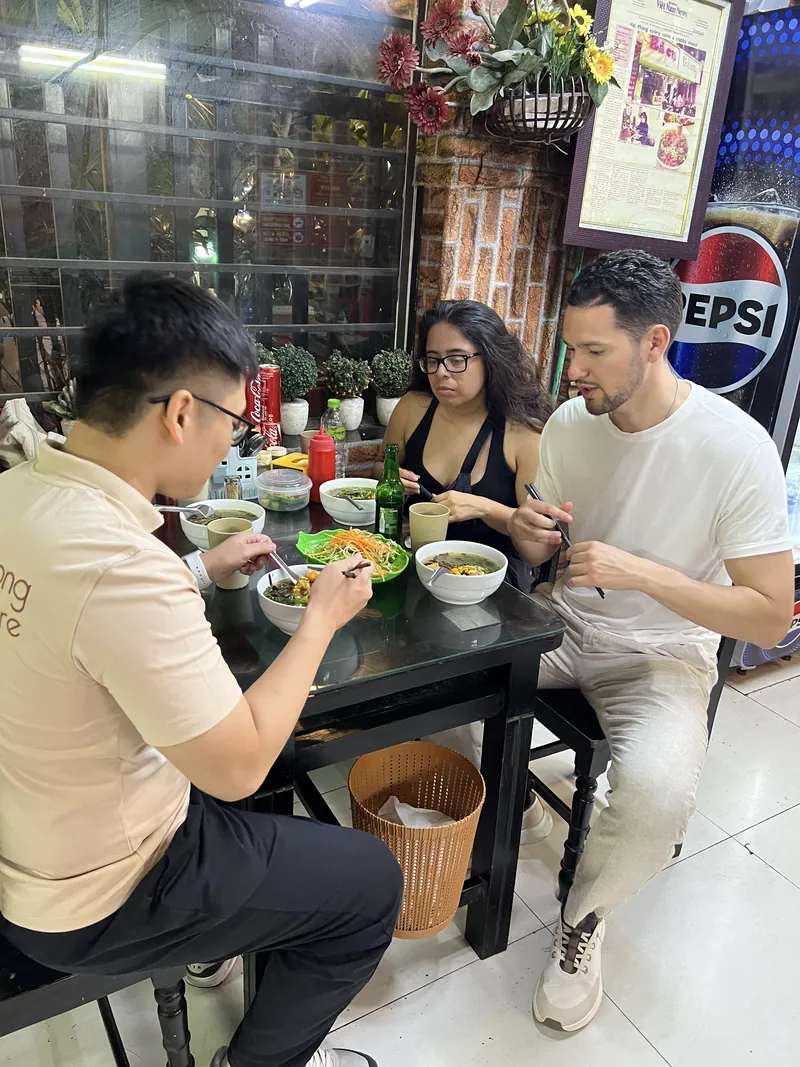
Why Build Your Own Haiphong Food Tour Map
A self-guided route gives you freedom. You can linger over a second bowl, skip a dish you dislike and stop for coffee whenever you feel like it. It also teaches you how locals eat: small portions, many stops, and a lot of sitting on low plastic stools.
The trade-off is effort. You will need to research, navigate and order without help. If that sounds like fun, keep reading. If it sounds tiring, a guided outing may suit you better, and we explain that choice near the end.
Who this guide is for
- Independent travelers who like exploring on foot.
- Budget-minded eaters who want to choose every stop.
- Repeat visitors who already know a little Vietnamese food culture.
- Anyone staying a few days who wants a flexible plan.
Set Up Your Digital Map
Start with a free mapping app on your phone. Create a new saved list and call it something simple, such as Haiphong Eats. Every stall, cafe and market you find goes into this list as a pin.
Where to find real places to pin
Search the app for dish names rather than for restaurants. Typing the name of a dish usually shows nearby places that serve it, with recent photos from other visitors. Read the newest reviews first, because stalls change quickly. Ask your hotel staff too. People who live in the city have strong opinions, and a handwritten note from a receptionist is worth more than a long web list.
Save names in Vietnamese
Many stalls have no English sign. Screenshot the Vietnamese name and address of each pin, so you can show a taxi or motorbike driver if needed. Keep the app in offline mode when you can, since signal can drop in narrow alleys.
Pick Your Base Zone
Do not try to eat across the whole city in one day. Choose one walkable zone, cluster five to eight pins inside it, and stay there. Travel time between far-apart pins eats into your appetite and your day.
Most visitors base themselves in the central area around the old colonial streets, the Opera House and the lake districts. That region has the densest mix of eateries, cafes and markets within a short walk. Look at a map of your hotel’s surroundings and draw a loop of about two kilometers, then pin along that loop.
Why clusters beat long routes
Food tourism works in small bites. A cluster lets you walk off one bowl before starting the next, and it makes it easy to double back for something you missed. It also saves money on transport.
>>> Secrets To Enjoying A Real Haiphong Food Tour
Plan the Day in Three Blocks
A good haiphong food tour has rhythm. Split the day into morning, afternoon and evening, and give each block one or two main stops plus a snack or drink.
Morning block
Mornings are for noodle soups and fresh bread. Locals eat early, and some popular stalls sell out before the lunch rush. Start around the time most people begin their workday, and aim for a hearty bowl as your anchor. Follow it with a Vietnamese coffee at a small cafe, ideally one with seating facing the street.
Afternoon block
The afternoon is a good time for markets, sweet snacks and cold drinks. Walk through a fresh market to see produce, seafood and herbs, then stop for a dessert or a glass of sweet tea in the shade. This is the hottest part of the day in summer, so slow down and rest in air conditioning if you need to.
Evening block
Evenings bring grilled food, snails, fried snacks and beer by the glass. Stalls often come alive after dusk, with small tables spilling onto the sidewalk. Plan two or three light stops rather than one big dinner so you can taste more variety.
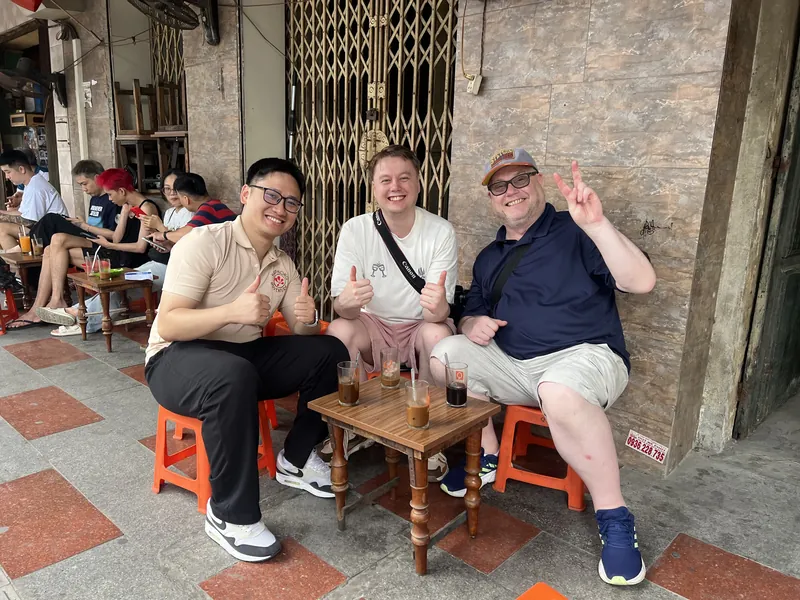
Build a Dish Checklist
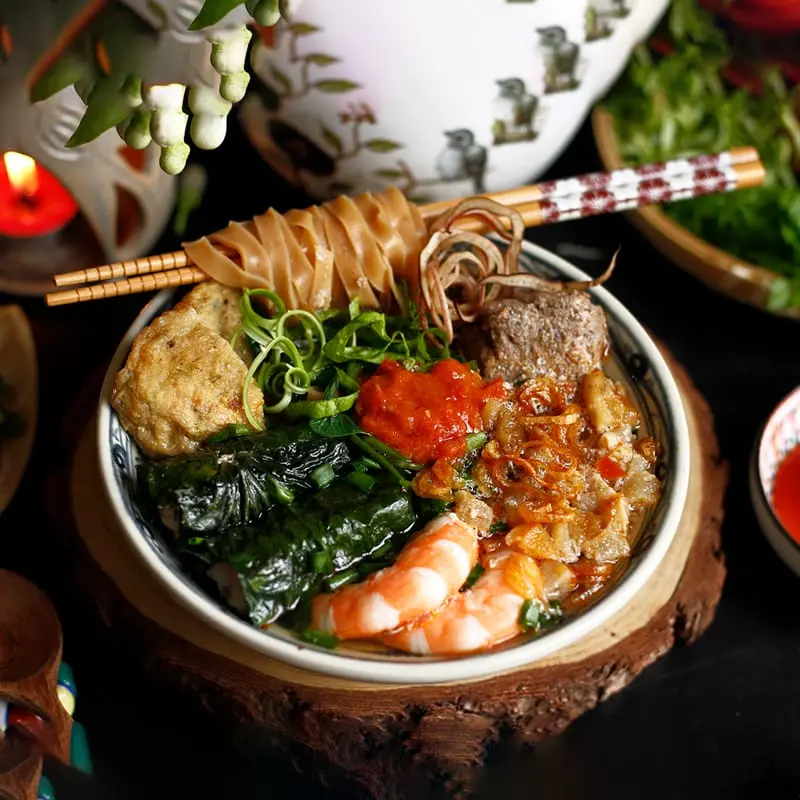
Instead of chasing names, chase dishes. Write a short checklist and tick items off as you eat. The city is famous for its crab-based noodle soup, and you will find other seafood-driven snacks, spicy bread rolls and many types of rolls and pancakes. We go deeper on each of these in our guide to the Haiphong street food adventure.
A flexible starter list
- One crab noodle soup, the city’s best-known bowl.
- One crab spring roll, for crunch and sweetness.
- One spicy bread sandwich, a local fast-food favorite.
- One steamed rice roll or rice pancake.
- One grilled item or seafood snack in the evening.
- One sweet treat or drink to finish.
Treat the list as a guide, not a rulebook. If a stall nearby smells wonderful, follow your nose.
Share to taste more
Portions are often small, but a full day of eating still adds up. If you travel with a friend, share each dish and order a second round only if you love it. That way you taste more without feeling stuffed by lunch.
Recommended tour
The Haiphong Street Food and City Tour
Prefer to skip the planning? Join a local guide for a four-hour mix of street food and city sights, and let someone else do the navigating and ordering.
From $85 per person (reference price, updated October 2026, please confirm before booking)
How to Spot a Good Stall
With so many stalls, how do you choose? Use your eyes and nose before you use your phone.
Signs of a busy, reliable stall
- A steady flow of local customers, especially at normal mealtimes.
- A short menu. Stalls that do one or two things usually do them well.
- Fresh ingredients visible: herbs, vegetables, clean cutting boards.
- Food prepared in front of you, rather than reheated from a tray.
- Staff who are quick, organized and friendly with regulars.
Signs to move on
Be cautious if food sits uncovered for a long time in the sun, if the place is empty at a busy hour, or if prices are not displayed and the owner will not tell you. A calm walk away costs nothing, and there will be another stall within a minute.
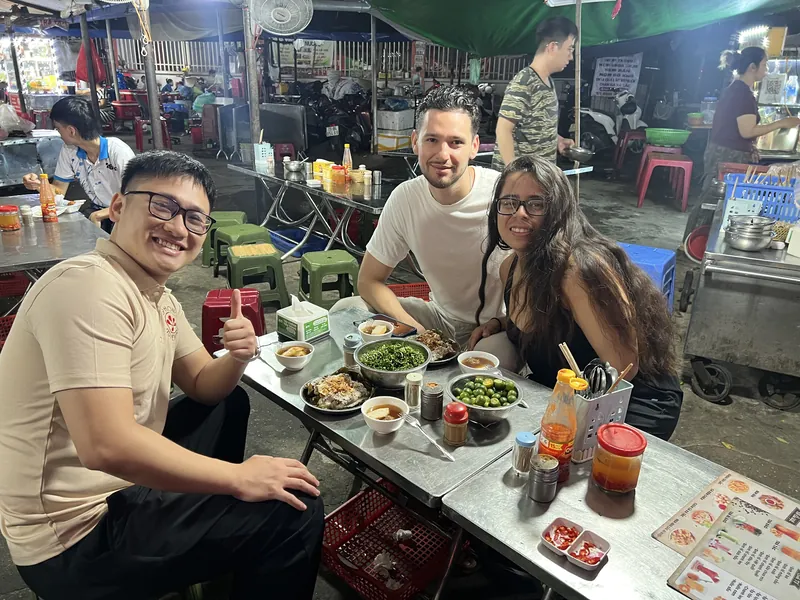
>>> Food Tour Haiphong: 16 Best Must-Try Dishes & Local Eateries
Ordering Without a Common Language
You do not need fluent Vietnamese. A few phrases and a friendly smile go a long way, and pointing is perfectly normal. Here are some useful ones.
Phrases worth learning
- Xin chao, hello.
- Cam on, thank you.
- Ngon qua, so delicious.
- Khong cay, not spicy.
- Tinh tien, the bill, please.
Say them slowly and do not worry about tones. People appreciate the effort, and you will likely hear a laugh and a smile in return.
Use your phone to help
A translation app can show your allergies or dietary needs in Vietnamese. Type your note in advance, then show the screen when ordering. If you have a serious allergy, take extra care, since cross-contact is hard to control at street stalls, and consider a guided option where a local can explain your needs in person.
Budget and Payments
Street food is generally good value, but we will not quote exact prices here because they change with season, location and ingredients. Instead, plan your spending by counting stops, not by chasing a number.
Cash first, cards later
Carry small notes in Vietnamese dong. Many stalls do not take cards, and breaking a large note at a tiny stand can be awkward. Some modern cafes accept cards or mobile payments, so keep a card as a backup. Always check what you owe before you eat if there is no printed menu, and always confirm that the prices shown are in thousands of dong, to avoid any misunderstanding.
Pay attention to drinks
Drinks, especially bottled beverages and iced items, can add up faster than food. Ask for the price first if you are unsure, and keep a bottle of water with you so you are not buying every time you feel thirsty.
Getting Between Stops
Within a walkable zone, your feet are the best transport. For longer hops, use a ride-hailing app or a licensed taxi, and have your pin ready on the screen.
Cross the street the local way
Traffic can look chaotic, but it flows. Walk at a steady pace, do not stop suddenly and let the bikes steer around you. If you are nervous, cross alongside a local. Our notes on local traffic tips explain how road habits work here.
Keep hydration and rest in mind
Carry water, wear a hat in sun and take breaks. A long food day is more tiring than it sounds. Check the weather on the morning of your walk and adjust your plan if rain is coming.
>>> My Favorite Things To Do In Haiphong On Weekend
Timing Your Food Walk Around the Weather
Northern Vietnam has real seasons, and they shape how a food day feels. Summers are hot and humid, with sudden afternoon showers. Winters are cooler and often grey, which makes a steaming bowl of noodles even more welcome.
Hot months
Front-load your eating in the morning and evening, when the streets are cooler and stalls are busiest. Use the middle of the day for an air-conditioned cafe, a rest at your hotel or a slow market visit in the shade. Light clothes and a refillable bottle make a big difference.
Cool and rainy days
Rain rarely stops locals from eating out. Many stalls pull down awnings and keep cooking. Pack a light poncho, choose pins with covered seating and swap a long walk for shorter hops by taxi. A rainy afternoon is also a good excuse to sit longer over coffee and watch the street.
Weekends and holidays
Weekend evenings are lively, so popular stalls can fill quickly. Arrive a little before the main rush or be ready to wait. Around major holidays such as Lunar New Year, many family-run stalls close for several days, so check your pins and keep backups ready.
Food Safety Basics for Independent Eaters
Many visitors eat street food in Vietnam without trouble, and a few simple habits lower the risk further. Choose busy stalls, eat food that is cooked hot, and wash or sanitize your hands before eating. Be careful with raw items if your stomach is sensitive, and drink bottled or properly treated water.
Before you travel, it is wise to read the official travel health advice from your own government. Your doctor can also advise on vaccinations and anything specific to your health.
Pack a tiny food kit
Bring wet wipes, hand sanitizer, tissues and any medication you normally take. Many stalls provide tissues, but not always, and a small pack makes things easier.
Table Manners and Local Etiquette
Eating at a street stall is casual, but a few habits show respect and make everything smoother. Say hello when you sit down, smile at the owner and wait to be served. If a stall is crowded, standing nearby and making eye contact is the usual way to claim the next seat.
Small habits that help
- Do not leave chopsticks standing upright in a bowl of rice or noodles.
- Keep voices friendly rather than loud, especially near homes and shrines.
- Take your trash to the bin if there is one, or leave it on the table for staff.
- Ask before taking photos of people at work, and a smile helps.
- Be patient at busy stalls. Good food takes time to prepare.
Sharing the table
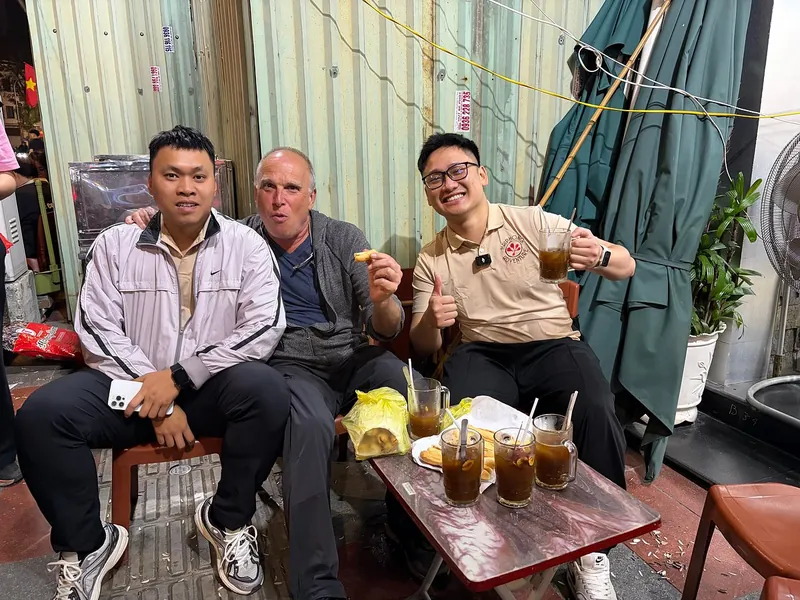
At small stalls, strangers often share a table. Nod politely and take whichever stool is free. It is a good chance for a short chat, and locals are often curious about where you come from and what you think of the food.
A Sample One-Day Plan
Here is a loose template you can adapt to your own map. It uses categories, not specific stalls, so you can fill each slot with a pin you trust.
- Early morning: a hot noodle soup from a busy neighborhood stall.
- Mid-morning: coffee at a small cafe, then a short walk.
- Late morning: visit a fresh market to see ingredients and snack lightly.
- Lunch: crab spring rolls or another shared plate.
- Afternoon: sweet treats and a cold drink in the shade.
- Early evening: a spicy bread sandwich as a snack.
- Night: grilled seafood or snacks with a local beer if you drink.
What to do if a stall is closed
It happens. Stalls close for holidays, weather or simply because the owner went home early. Keep two or three backup pins in the same area so a closed door never ruins your plan.
When a Guide Makes More Sense
DIY is rewarding, but it is not for everyone. If you have limited time, a food allergy, a language barrier or simply want to hear the stories behind each dish, a guide can turn a good day into a great one.
A local guide chooses stalls, explains what you are eating and handles ordering and payment. You walk, taste and ask questions. Many travelers combine both approaches: one guided evening to learn the ropes, then a free day to explore with a map. Browse our list of Haiphong tours to see what is available.
Frequently Asked Questions
Can I really do a haiphong food tour without a guide?
Yes. With a saved map, a short dish list and a few phrases, many independent travelers do it happily. A guide simply removes the guesswork.
How many stops should I plan in one day?
Five to eight small stops is a comfortable range for most people. Share dishes and leave room to adapt.
Is street food safe for visitors?
Many visitors eat it without trouble. Choose busy stalls, eat hot food and keep your hands clean. If you have a sensitive stomach or a medical condition, talk to your doctor before you travel.
What should I pay for a bowl of noodles?
Prices vary by stall and season, so we do not quote a fixed figure. Ask before you eat if prices are not displayed, and compare a couple of stalls to get a feel for the range.
Can you create a custom food route for me?
Often yes. Message us with your dates, interests and dietary needs and we will tell you what we can arrange.
Ready to Taste Haiphong?
Whether you build your own map or join us for a guided evening, we hope you leave hungry and curious. If you would like help planning a route, or a local guide to take you through the best bites, get in touch with Haiphong Adventure.
Contact us:
- WhatsApp, Viber, WeChat: +84(0)934.555.001
- KakaoTalk, Line ID: haiphongadventure