Architecture Of Haiphong Museum Building Style
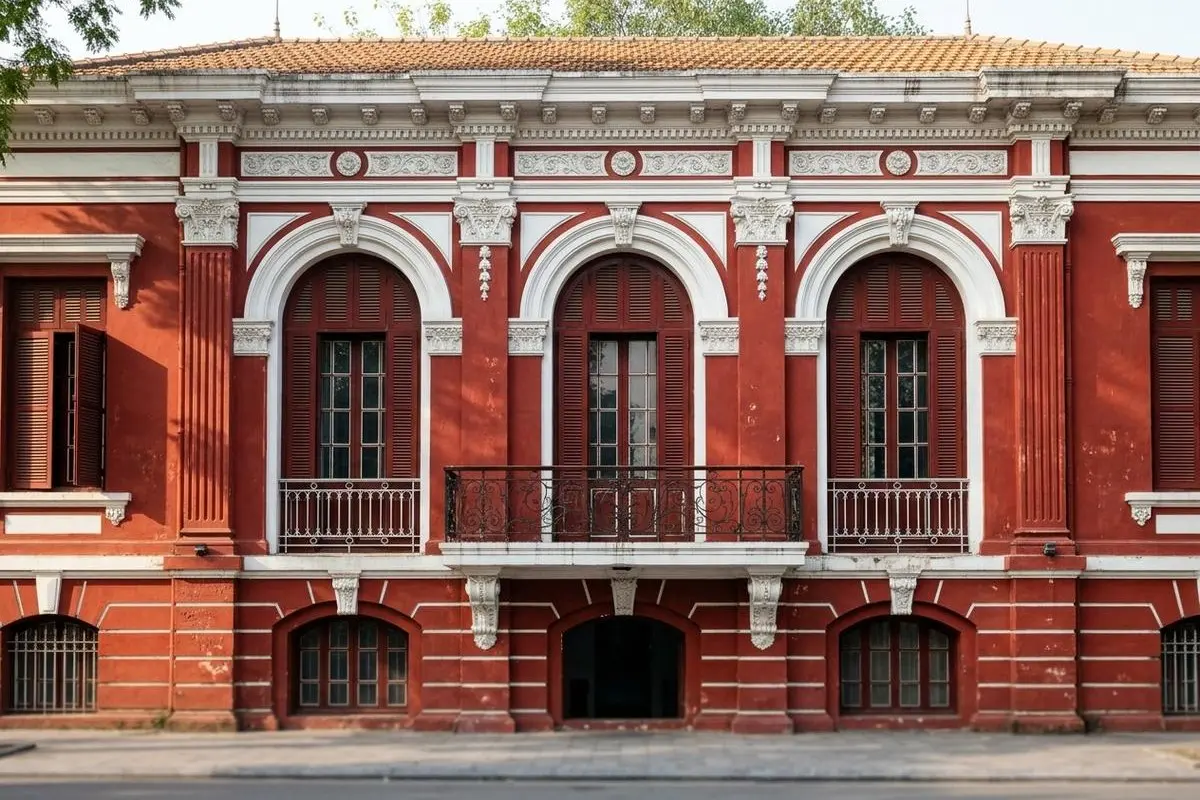
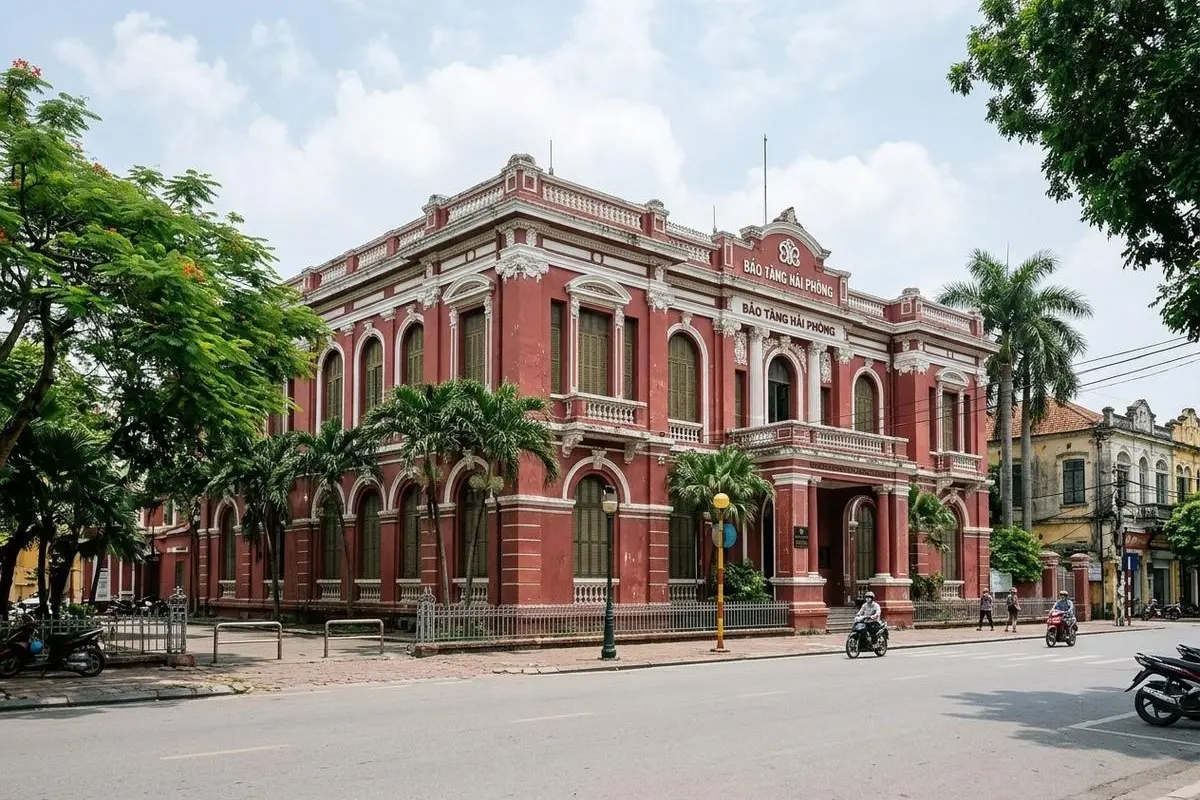
The Haiphong Museum is one of the most photogenic colonial buildings in northern Vietnam. Its deep red walls, crisp white trim, tall arched windows and finely moulded details make it stand out on leafy Dien Bien Phu Street, even in a city full of French-era landmarks. Before you look at a single exhibit, the building itself tells a story about how Haiphong grew into a major port under French rule and how the city has cared for its heritage since.
In this guide, the Haiphong Adventure team looks closely at the architecture of the Haiphong Museum: its history, the style behind its facade, the details worth noticing, how it compares with other colonial buildings nearby and how to photograph it well. Access, opening hours and restoration work can change, so treat practical details as a reference (updated October 2026) and check locally before you go.
A Short History Of The Building
The building that houses the Haiphong Museum was constructed by the French administration in the early twentieth century, generally dated to around 1919. At that time Haiphong was the main port of northern Indochina, and the colonial government filled the new city centre with grand public buildings to show order, wealth and permanence.
The Haiphong Museum itself was founded in 1959, a few years after the end of French rule in the north, and the colonial building was later chosen as its home. Today it holds the city’s main history collection, from prehistoric finds and Dong Son bronzes to the Bach Dang River battles, the colonial port and the twentieth century.
- Early 1900s. Haiphong grows rapidly as a planned French port city.
- Around 1919. The current building is completed in the new administrative and commercial quarter.
- 1959. The Haiphong Museum is established.
- Today. The building is one of the city’s best-loved heritage landmarks and a popular photo stop.
Exact dates can differ slightly between sources, but the general picture is clear: this is a public building from the high point of the colonial port, reused by the city to tell its own story.
Which Architectural Style Is It
Visitors often ask whether the Haiphong Museum is Gothic, Baroque or neoclassical. The honest answer is that, like many colonial civic buildings in Vietnam, it mixes several European influences adapted to a tropical climate.
| Influence | Where you see it |
|---|---|
| French neoclassical | Symmetrical facade, pilasters, cornices and balanced proportions |
| Renaissance and Italianate touches | Rounded arches over tall windows and decorative mouldings |
| Beaux-Arts civic style | A formal, dignified look meant for an important public building |
| Tropical colonial adaptation | High ceilings, tall openings, shutters and deep window reveals for shade and airflow |
Some local guides and writers describe the building as having Gothic or Roman-inspired details, and you will see different labels in different sources. Rather than worrying about one exact name, it is more rewarding to read the building through its features, which show how European ideas were reshaped for the heat and rain of northern Vietnam.
The Facade Details Worth Noticing
Stand across the street for a few minutes and let your eye move slowly over the front of the building. Most visitors only notice the colour, but the details are where the craftsmanship shows.
The deep red colour
The strong red walls are the building’s signature today and make it instantly recognisable. Colours of colonial buildings in Vietnam have changed over the decades with repainting and restoration, so treat the current scheme as part of the building’s modern identity rather than proof of its original look.
Arched windows
Tall windows topped with rounded arches run along the facade. They bring in daylight, let hot air escape and give the building a graceful rhythm. Look at the white mouldings that frame each arch and the small keystone-style details at the top.
Pilasters and cornices
Flat, column-like pilasters divide the facade into bays, while horizontal cornices mark each floor and the roof line. These are classic neoclassical tools to make a building feel orderly and solid.
Balconies and railings
Small balconies with ornamental railings add depth and shadow. In the tropics they also protect windows below from rain and direct sun.
Shutters
Wooden louvred shutters are one of the most practical colonial features. They let air move through the rooms while blocking glare, a simple form of climate control long before air conditioning.
Built For The Tropical Climate
French architects in Vietnam quickly learned that buildings designed for Paris did not work well in Haiphong’s hot, humid summers and heavy rains. The museum shows several clever adaptations.
- High ceilings. Warm air rises away from people inside, keeping rooms cooler.
- Tall, narrow openings. Windows and doors line up to encourage cross ventilation.
- Thick walls. Solid masonry slows down heat moving into the building during the day.
- Shutters and deep reveals. They shade the glass and reduce glare.
- Raised ground floor. Many colonial buildings sit slightly above street level to help with damp and flooding.
- Tiled roofs. Pitched roofs shed heavy monsoon rain quickly.
Notice how the same ideas appear in old shophouses and villas around the city centre. Once you know what to look for, the whole French quarter becomes an open-air architecture lesson.
>>> Cultural Insights From A Haiphong City Tour Day
The Museum In The Colonial City Plan
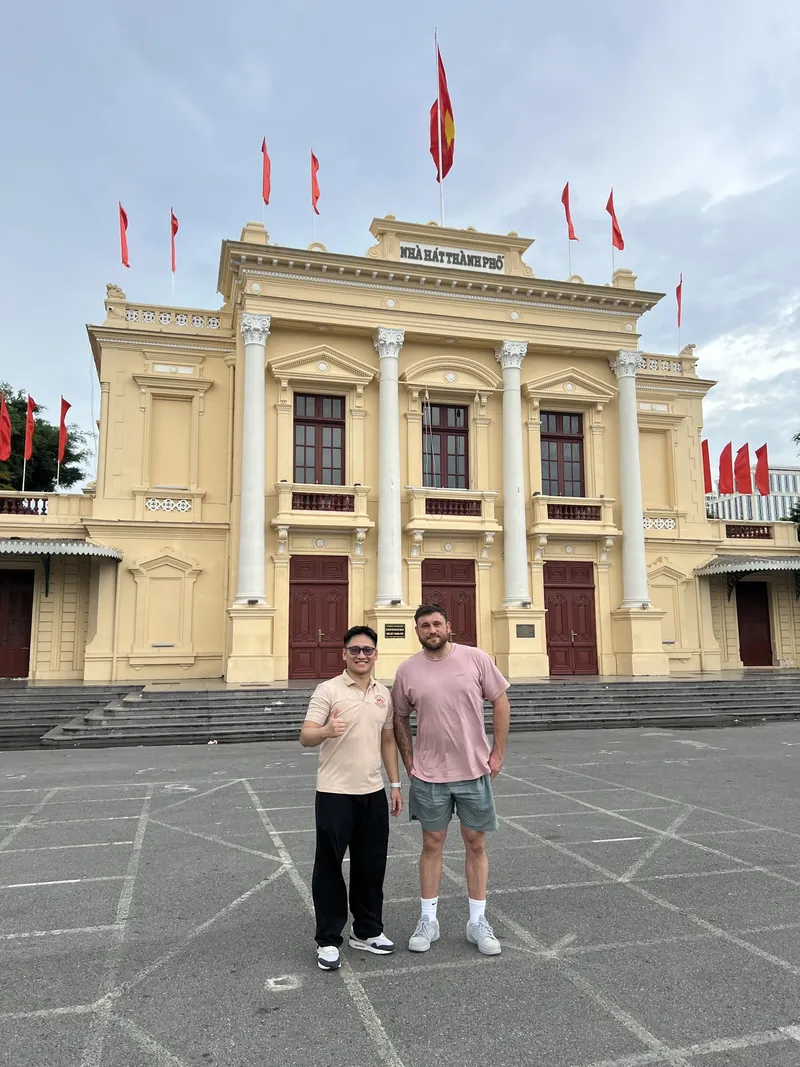
The Haiphong Museum is not an isolated building. It is part of a planned colonial centre that also includes the Opera House, the City Post Office, banks, offices and villas, mostly built between the late nineteenth and early twentieth centuries.
Dien Bien Phu Street, where the museum stands, was one of the key boulevards of this new city. Wide, tree-lined streets, straight axes and grand public buildings were meant to impress visitors arriving by sea and to show the importance of Haiphong as a port.
Walking from the museum to the Opera House, the Post Office and Tam Bac Lake takes you through this planned landscape in a short loop. For more ideas on what to see in the area, read our guide to cultural things to do in Haiphong.
Recommended tour
The Haiphong Street Food and City Tour
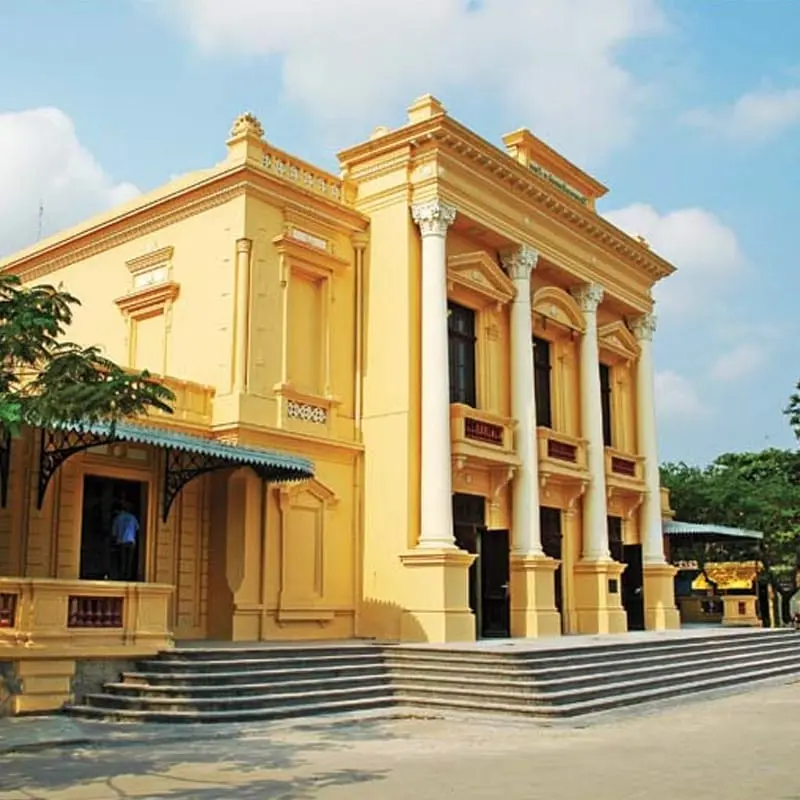
See the museum, the Opera House and the colonial streets with a local guide who knows the stories behind each facade, then taste the city’s best street food.
From $85 per person
Compare It With Other Colonial Landmarks
Seeing the museum alongside its neighbours helps you understand both what is typical and what is special about it.
| Building | Key features | What makes it different |
|---|---|---|
| Haiphong Museum | Red walls, arched windows, white mouldings | Compact, richly detailed civic building with a bold colour |
| Haiphong Opera House | Columns, central pediment, grand steps | Larger and more monumental, designed for performances and events |
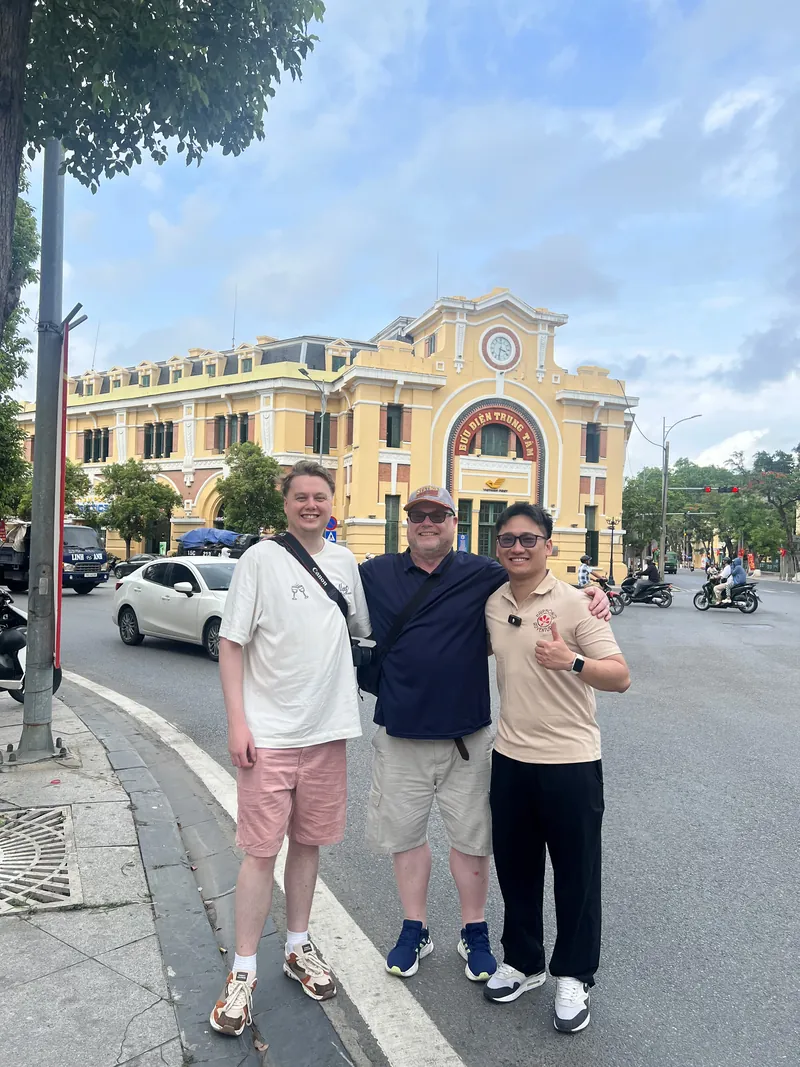
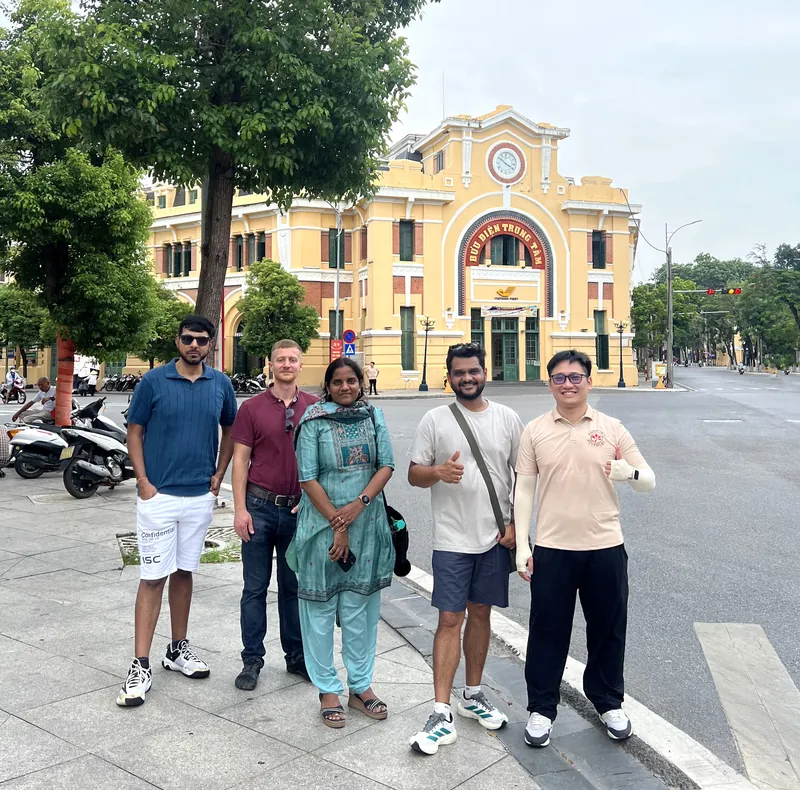
| City Post Office | Yellow walls, long facade and tall shuttered windows | Still a working post office, very practical layout |
| Colonial villas and shophouses | Balconies, shutters, tiled roofs | Private homes and shops that show everyday colonial architecture |
Together, these buildings create one of the most complete colonial townscapes in northern Vietnam outside Hanoi, all within easy walking distance.
Inside The Building
The interior is more practical than grand, which is common for colonial administrative buildings converted into museums. Still, there are features worth noticing as you move through the galleries.
- Tall doorways and windows that keep rooms bright with natural light.
- Thick walls and deep window recesses, clear from the inside.
- Patterned floor tiles in some colonial buildings, a hallmark of the period.
- Room proportions designed for air movement rather than display, which gives the galleries a calm, spacious feel.
As you look at the exhibits, imagine the rooms in their original use, with ceiling fans turning slowly and shutters half closed against the afternoon sun.
>>> Unusual Things To Do In Haiphong Off Beaten Path
Photography Tips For The Museum Facade
The Haiphong Museum is one of the most rewarding buildings in the city to photograph. A few simple tips help you get better shots.
- Go in the morning. Soft light brings out the red and white without harsh shadows.
- Cross the street. Stand on the opposite pavement to capture the full width of the facade.
- Keep lines straight. Hold your phone level to avoid leaning walls, or correct the perspective later.
- Zoom into details. Arches, railings and mouldings make strong close-up photos.
- Frame with trees. Branches along Dien Bien Phu Street add a natural frame.
- Watch the traffic. Stay on the pavement and use pedestrian crossings when moving between angles.
- Be respectful. Avoid blocking the entrance and follow any photography rules inside.
A Self-Guided Architecture Walk Around The Museum
Use the museum as the starting point for a short walk through Haiphong’s colonial heart. Allow one to two hours at a relaxed pace.
- Haiphong Museum. Study the facade, then visit the galleries.
- Dien Bien Phu Street. Look at nearby villas, banks and offices with shutters and balconies.
- City Post Office. Compare its long yellow facade with the museum’s red walls.
- Opera House. End at the most monumental building of the French quarter.
- Tam Bac Lake. Rest by the water and watch daily life.
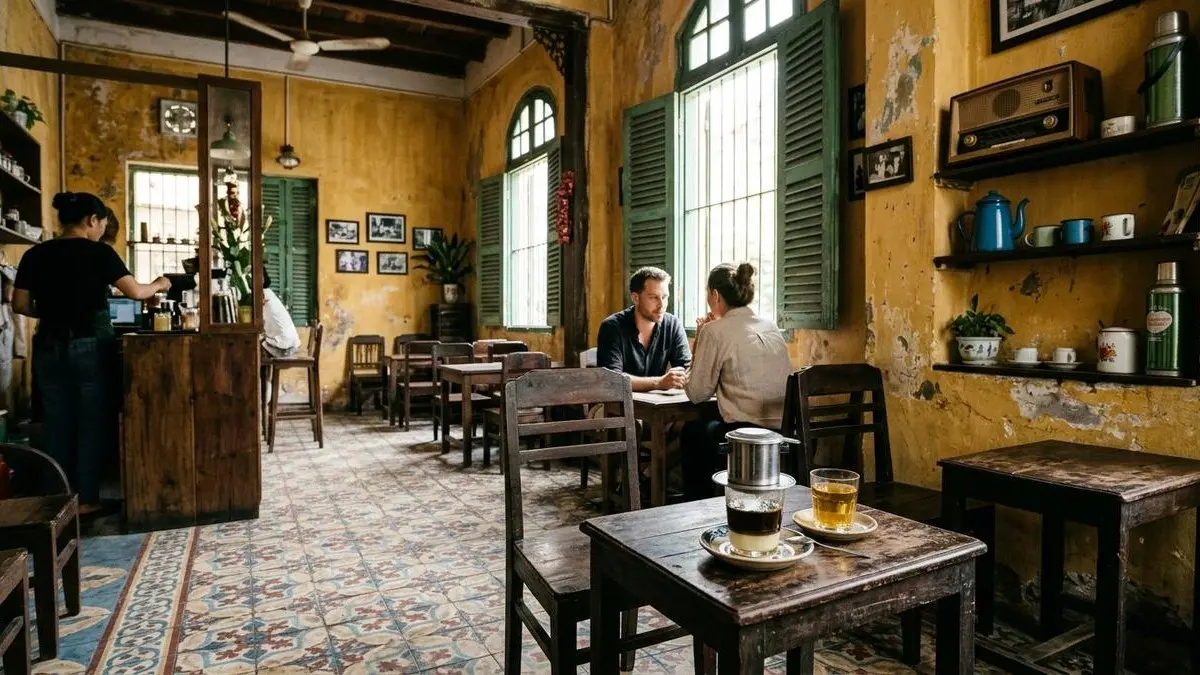
- Coffee break. Choose a cafe in an old townhouse to see a colonial interior up close.
If you only have a morning in town, our half-day Haiphong tour itinerary shows how to combine these stops with lunch. Many visitors also join one of our haiphong tours to hear the stories behind each building from a local guide.
Why Preserving The Building Matters
Colonial buildings in Vietnam carry complex memories. They were built by a foreign power, yet they were also built by Vietnamese workers and craftsmen, and they have been part of local life for more than a century. Turning this building into a museum that tells Haiphong’s own history gives it a new meaning.
Preserving the museum also protects the character of the old centre. As modern towers rise elsewhere in the city, buildings like this keep a link to the past and give residents and visitors a sense of place. When you visit, you are supporting that effort simply by showing that heritage matters.
>>> Free Things To Do In Haiphong For Budget Travel
Architecture Terms To Know Before You Visit
A few simple terms make it easier to describe what you see and to understand guidebooks or museum panels.
- Facade. The front face of a building, usually the most decorated side.
- Bay. A vertical section of a facade, often marked by windows and pilasters.
- Pilaster. A flat, shallow column attached to a wall, used for decoration and rhythm.
- Cornice. A projecting band along the top of a wall or between floors that throws off rain and adds a strong horizontal line.
- Keystone. The central stone at the top of an arch, often emphasised with a decorative block.
- Moulding. Shaped plaster or stone bands that frame windows, doors and edges.
- Louvred shutter. A shutter with angled slats that lets air in and keeps sun and rain out.
- Symmetry. When the left and right sides of a facade mirror each other, a key idea in neoclassical design.
Try to spot each of these on the museum facade. It turns a quick photo stop into a small treasure hunt and helps you compare buildings across the city.
Best Time To Visit For Architecture Lovers
Haiphong has four broad seasons, and each changes how the building looks and how comfortable it is to explore the old quarter on foot.
- Autumn (September to November). Often clearer skies and pleasant temperatures, ideal for walking and photography.
- Winter (December to February). Cooler and sometimes grey, with soft, even light that suits detail shots.
- Spring (March to April). Mild but often misty or drizzly, which can give the red walls a moody look.
- Summer (May to August). Hot and humid, with red flamboyant trees blooming across the city in early summer, a beautiful contrast with colonial facades.
Whatever the season, early morning on a weekday is usually the quietest time, with lighter traffic and fewer people in front of the entrance.
Frequently Asked Questions About Haiphong Museum Architecture
When was the Haiphong Museum building built?
The building dates from the French colonial period and is generally said to have been completed around 1919. The museum itself was founded in 1959.
What style is the Haiphong Museum?
It is a colonial civic building that blends French neoclassical order with arched windows, decorative mouldings and practical features adapted to the tropical climate.
Where is the Haiphong Museum located?
It stands on Dien Bien Phu Street in the old French quarter of central Haiphong, within walking distance of the Opera House, the City Post Office and Tam Bac Lake.
Can I photograph the building?
Yes, the facade is easy to photograph from the street. Inside, follow any rules on photography and ask staff if you are unsure.
How long should I spend at the museum?
Allow 15 to 20 minutes to enjoy the facade and about an hour for the galleries. Add time for a walk around the other colonial landmarks nearby.
See Haiphong’s Colonial Heritage Up Close
The Haiphong Museum is a small building with a big presence. Its red walls, arched windows and careful details reflect the ambitions of the colonial port, while its role as a museum reflects the city’s pride in its own history. Take a few extra minutes outside before going in, and you will see the rest of the French quarter with new eyes.
If you would like a local guide from Haiphong Adventure to show you the museum and the colonial landmarks around it, send us a message and we will help you plan your Haiphong adventure.
WhatsApp, Viber, WeChat: +84(0)934.555.001
KakaoTalk, Line ID: haiphongadventure