History of Haiphong Port: From Trading Post to Gateway
The history of Haiphong port is the story of the city itself. Long before cranes and container ships, the rivers and estuaries here were vital trade routes and the scene of famous naval battles. In the late 19th century the French turned a small riverside settlement into the main port of northern Vietnam, and through war, rebuilding and economic reform it grew into the modern gateway you see today. This guide walks you through each chapter and shows where travelers can still feel that maritime past on the ground.
Understanding the port makes a visit far more rewarding. The colonial streets, the riverside promenades and even the local food all make more sense once you know how ships and trade shaped Haiphong.
Why Geography Made Haiphong a Port City
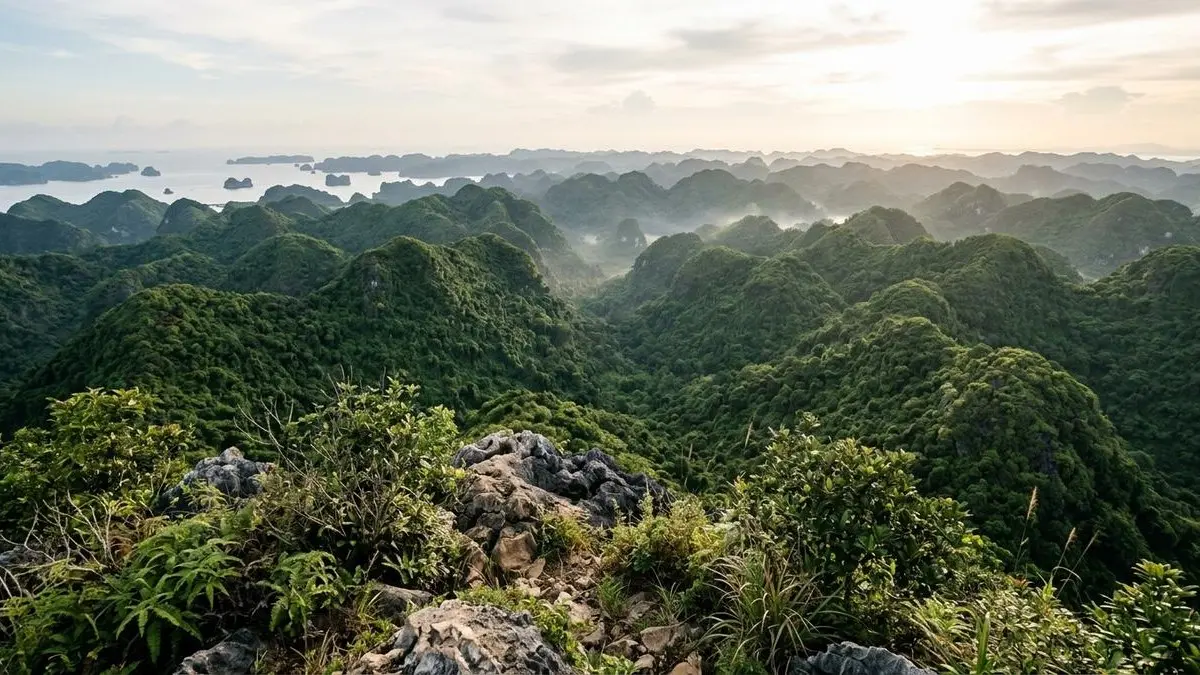
Haiphong sits in the delta where several branches of the Red River system reach the Gulf of Tonkin. Rivers such as the Cam and the Bach Dang link the coast with the rice fields and towns of the north, which made this area a natural meeting point between inland trade and the sea.
The landscape has always been a mix of opportunity and challenge. Tidal rivers carry silt that builds mudflats and shifts channels, so ports here have needed constant dredging and adaptation. Yet the sheltered waterways also offered safe anchorages and a direct route toward Hanoi, the political heart of the country.
- Access to the sea: a short route to the Gulf of Tonkin and the wider South China Sea trade.
- River links inland: waterways connecting to the Red River Delta and the capital.
- Strategic position: control of these rivers meant control of the approach to northern Vietnam.
Early Settlements and the Legend of Le Chan
Local tradition credits Le Chan, a female general who fought alongside the Trung Sisters in the first century, with founding a settlement in this area called An Bien. Today she is honored as the founder of Haiphong, with a statue in the city center and a temple dedicated to her memory.
For many centuries the region was a landscape of fishing villages, salt fields and small river ports rather than a single great harbor. Boats carried rice, fish and local goods along the waterways, and coastal communities developed a strong seafaring culture that still shapes local identity and cuisine.
To learn more about how the city grew from these roots, read our overview of Haiphong history from fishing port to vibrant city.
The Bach Dang River Battles
No account of Haiphong’s waterways is complete without the Bach Dang River. Three times in Vietnamese history, defenders used the river’s tides to defeat invading fleets. The most famous strategy involved planting sharpened wooden stakes in the riverbed, hidden at high tide. When the tide went out, enemy ships were trapped and destroyed.
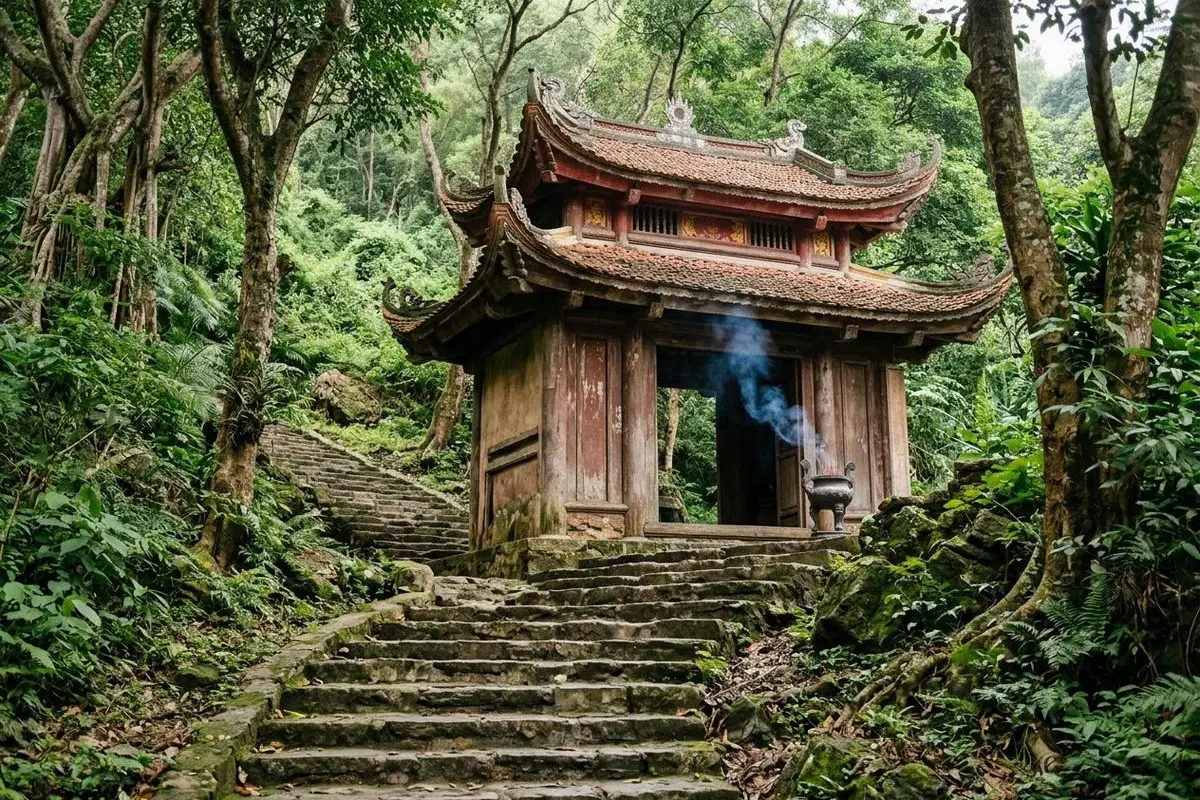
These victories, in 938, 981 and 1288, are among the proudest moments in Vietnamese history. They show how deeply the life of this region has always been tied to its rivers, tides and boats. Today you can visit a relic site with preserved stakes and memorial temples near the river in Thuy Nguyen.
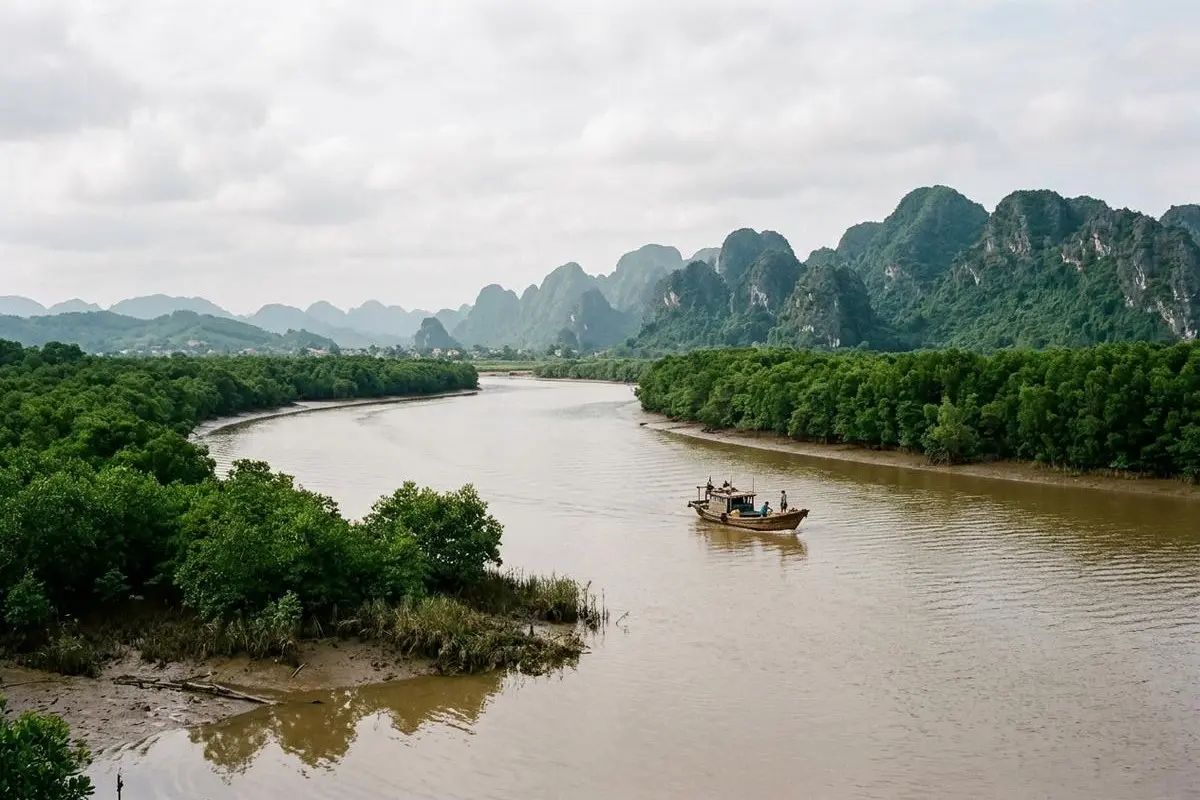
>>> Historical Significance Of Bach Dang River Site
The French Era: Building a Modern Port
The modern port of Haiphong was born in the 1870s. Under an 1874 treaty, the area was opened to foreign trade, and the French began developing a port on the Cam River. Engineers drained marshland, built quays and warehouses, and laid out a new town with straight streets and colonial buildings.
Haiphong quickly became the main gateway for goods moving in and out of northern Vietnam. It was officially established as a city in 1888, and its population and commerce grew around the docks. Trading houses, customs offices, banks and shipping agents set up nearby, giving the center the European character that still survives in places today.
Rail Links to Hanoi and Yunnan
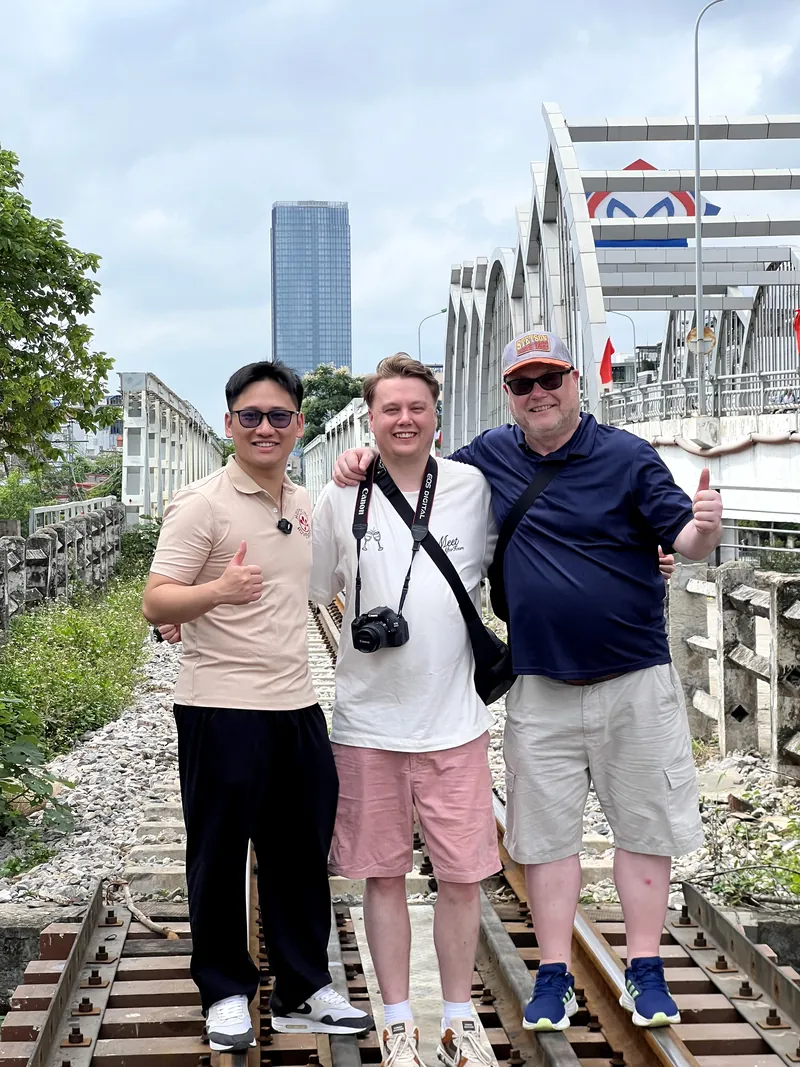
Rail transformed the port’s reach. A railway linked Haiphong with Hanoi and continued north to Kunming in China’s Yunnan province, completed in the early 20th century. Goods from southern China could now travel by train to Haiphong and then by sea to the world, making the port important far beyond Vietnam’s borders.
Many of the grand buildings you can visit now date from this period. Our guide to Haiphong French colonial architecture highlights the best examples.
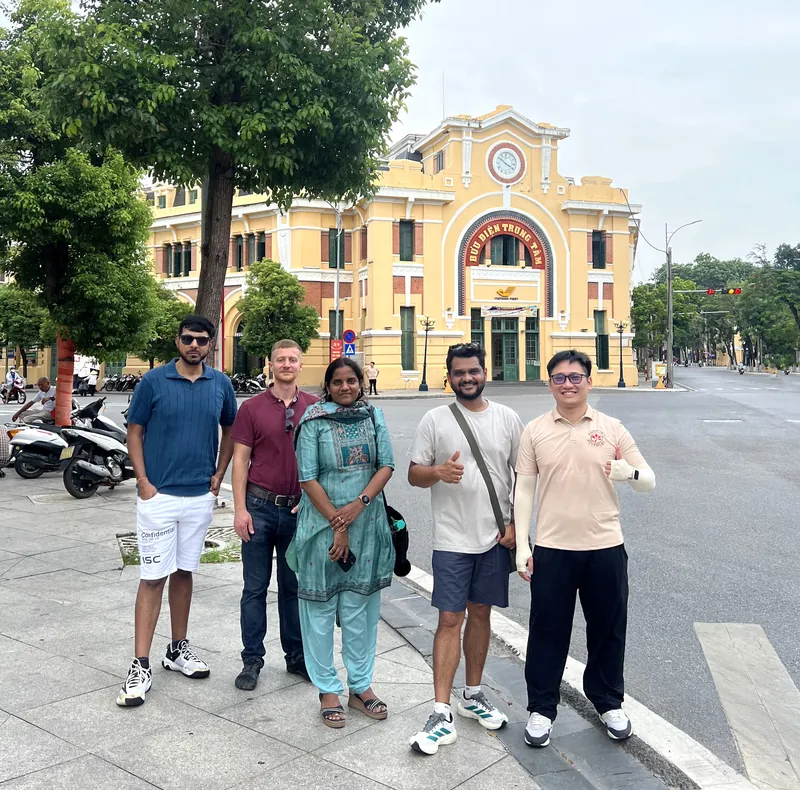
Recommended tour
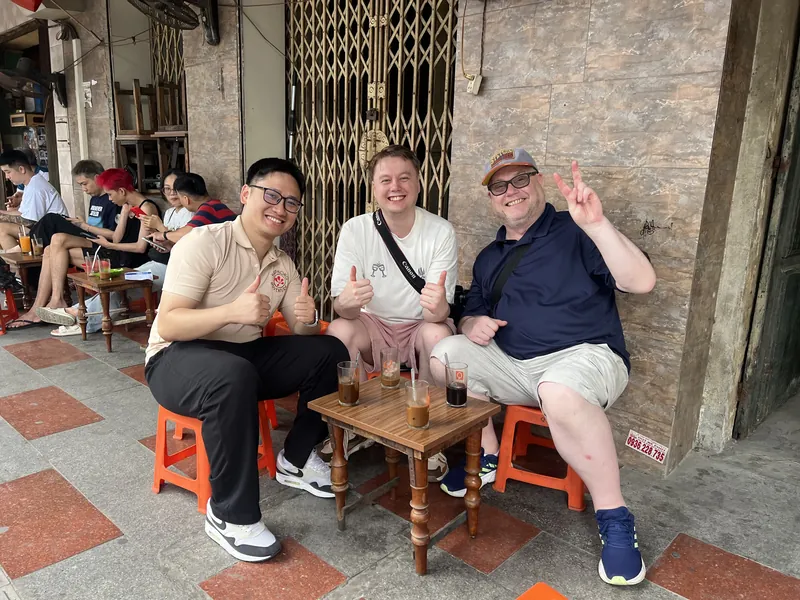
See the colonial port district, the riverside and the stories behind them on a guided ride with a local who brings the city’s history to life.
From $79 per person
War, Independence and a Port Under Pressure
The 20th century brought turmoil. Because Haiphong was the main entry point for supplies into the north, it held great strategic value during the long years of conflict. In 1946, fighting in Haiphong was among the events that marked the start of the First Indochina War. After that war ended, French forces withdrew from the city in 1955, an anniversary still remembered locally.
During the Vietnam War, the port again became a target. It was bombed, and in 1972 its approaches were mined in an effort to cut supplies. Despite heavy damage, port workers kept operations going as much as they could, and the harbor was cleared and rebuilt after the war ended.
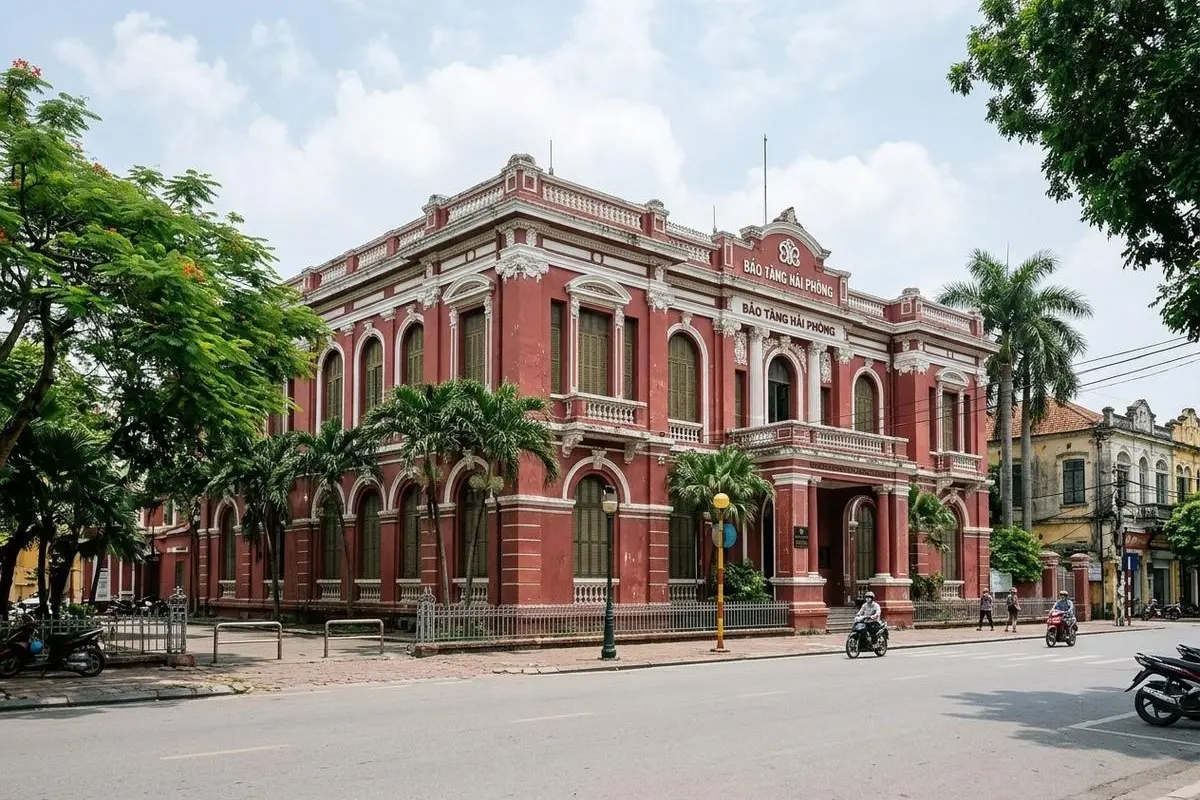
The Haiphong Museum and local memorials tell parts of this story. If you are interested in the city’s past, our Haiphong Museum visit guide explains what you can see inside.
Reform and Rapid Growth
After 1986, Vietnam’s economic reforms, known as Doi Moi, opened the country to foreign investment and international trade. Haiphong was ideally placed to benefit. Container terminals, industrial zones and logistics centers grew around the city, and the port became one of the busiest in the country.
The old river port faced a natural limit, though. The Cam River is relatively shallow and needs constant dredging, which restricts the size of ships that can reach the inner harbor. To keep growing, Haiphong needed a deeper gateway closer to the open sea.
- Industrial zones: factories and assembly plants attracted by port access.
- Logistics networks: expressways and rail links connecting the port to Hanoi and beyond.
- Urban change: new bridges and districts reshaping the city around trade.
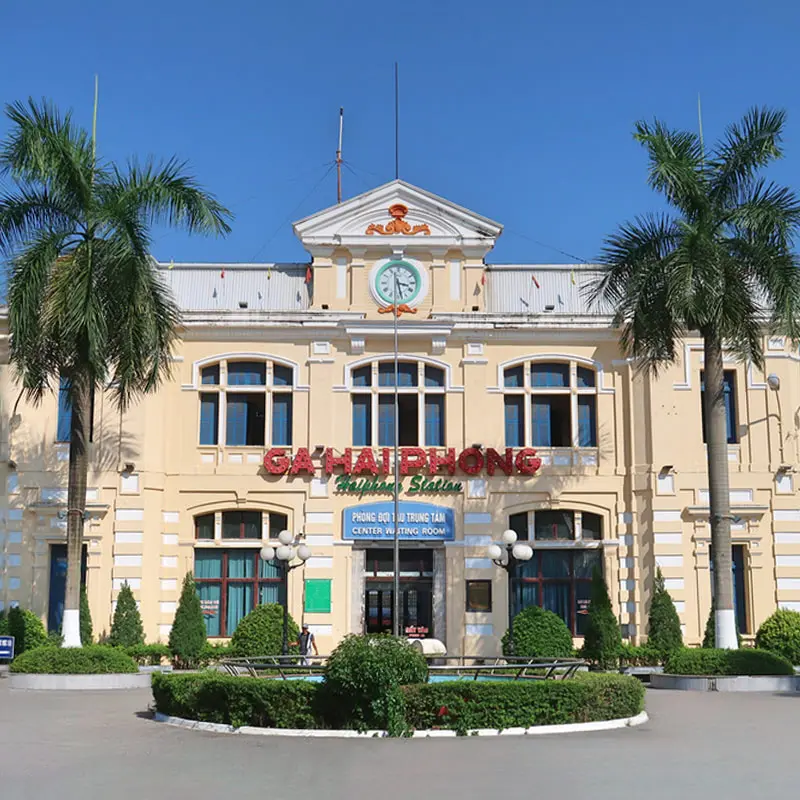
>>> Haiphong Railway Station History And Architecture
Lach Huyen and the Modern Gateway
The answer was Lach Huyen, a deep-water port built on the coast near Cat Hai, with its first terminals starting operation in 2018. Deep-water berths allow much larger container ships to call directly, connecting northern Vietnam with major shipping routes to Asia, Europe and North America.
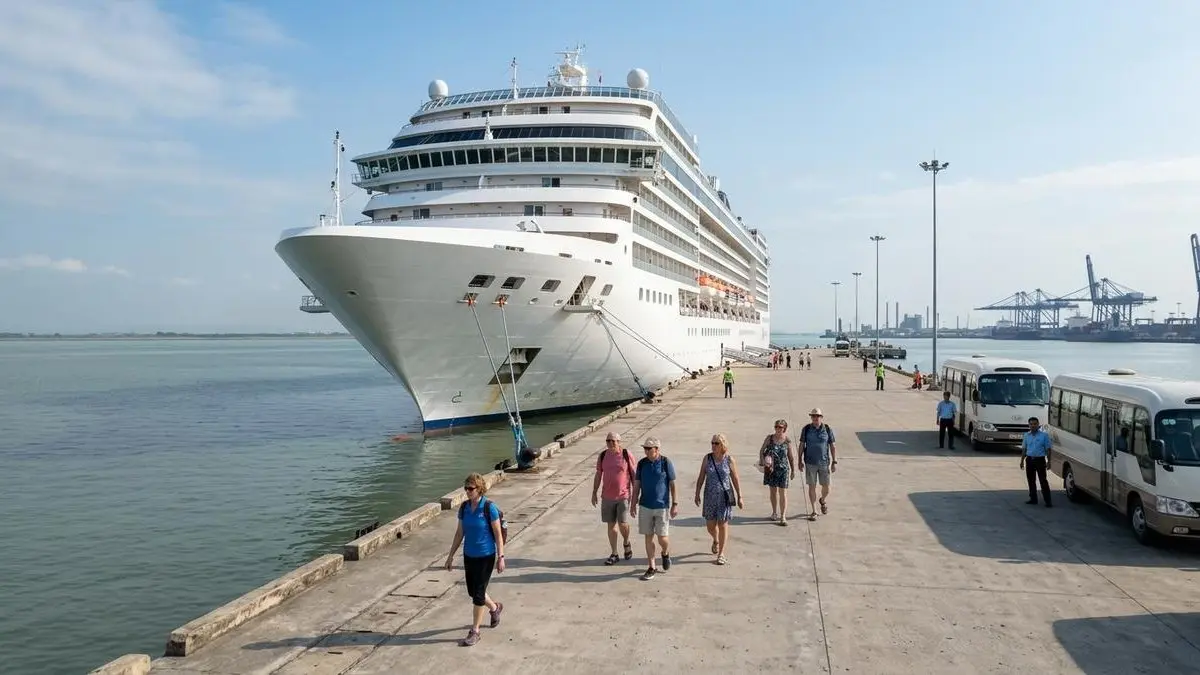
Today the port system includes the historic inner harbor on the Cam River, terminals along the rivers and the deep-water facilities at Lach Huyen. Together they make Haiphong the main maritime gateway of northern Vietnam. The area also welcomes international cruise ships, and many visitors now arrive in Haiphong by sea, just as traders did more than a century ago.
Arriving on a cruise? See our tips on what to do in Haiphong from a cruise ship to make the most of your day in port.
Where to See Haiphong’s Port History Today
Working port areas are generally closed to the public, but you can still explore the maritime heritage of the city at several places:
| Place | What it tells you |
|---|---|
| Cam River promenade | Views of the river that first made Haiphong a port |
| Colonial center and post office | The architecture of the French port town |
| Haiphong Railway Station | The rail link that carried goods to and from the port |
| Haiphong Museum | Exhibits on local history, trade and war |
| Bach Dang River relic site | The ancient naval victories on the tidal river |
| Le Chan statue and temple | The legendary founder of the city |
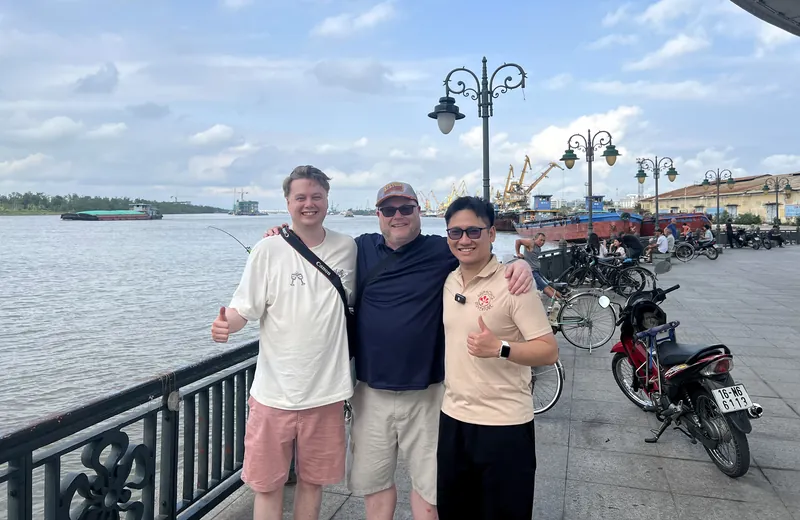
A half day walk or ride can link several of these places. Combine the colonial center with the riverside in the late afternoon, when the light is soft and the promenade fills with locals.
>>> Haiphong Colonial Buildings Map for Tourists Who Love Heritage
How the Port Shaped Local Life and Food
The port influenced more than buildings. It brought workers from many provinces, created a lively street culture and connected the city to new ideas and goods. Locals are known for a direct, energetic character that many link to the port city’s working spirit.
Food tells the same story. Fresh seafood from the coast, crab noodle soup and spicy baguettes that travel easily all reflect a busy, practical city on the move. Eating at a sidewalk stall near the old center is one of the most enjoyable ways to connect with this heritage.
A Simple Timeline of Haiphong Port
- First century: Le Chan is said to found the settlement of An Bien.
- 938, 981 and 1288: famous victories on the Bach Dang River.
- 1874: the area is opened to foreign trade and French port works begin soon after.
- 1888: Haiphong is officially established as a city.
- Early 1900s: rail links connect the port with Hanoi and Yunnan.
- 1946 to 1955: conflict, then French withdrawal from the city.
- 1972: the port is mined during the Vietnam War.
- After 1986: Doi Moi reforms drive rapid port and industrial growth.
- 2018: the deep-water Lach Huyen port begins operations.
Frequently Asked Questions
When was Haiphong port founded?
The modern port developed from the 1870s, after the area was opened to foreign trade in 1874. Settlements and river trade in the region are much older.
Why is Haiphong port important?
It is the main maritime gateway of northern Vietnam, linking the Red River Delta, Hanoi and nearby industrial zones with international shipping routes.
Can tourists visit Haiphong port?
Working terminals are closed to the public, but you can see the river, the colonial port town, the railway station and museums that tell the port’s story.
What is Lach Huyen port?
Lach Huyen is a deep-water port near Cat Hai that began operating in 2018. It allows much larger ships to call at Haiphong than the older river port.
Do cruise ships stop in Haiphong?
Yes, international cruise ships call at the Haiphong area, and many passengers use the stop to explore the city, Ha Long Bay or Hanoi.
Explore the Port City With a Local
The history of Haiphong port runs from legendary founders and tidal battles to colonial quays, wartime resilience and a modern deep-water gateway. Walking the riverside and the old center with that story in mind turns a simple city visit into a journey through time. If you would like a local to share these stories in person, Haiphong Adventure offers guided city rides and heritage routes for international travelers. Browse our Haiphong tours or send us a message with your dates.
Contact Haiphong Adventure
- WhatsApp, Viber, WeChat: +84(0)934.555.001
- KakaoTalk, Line ID: haiphongadventure