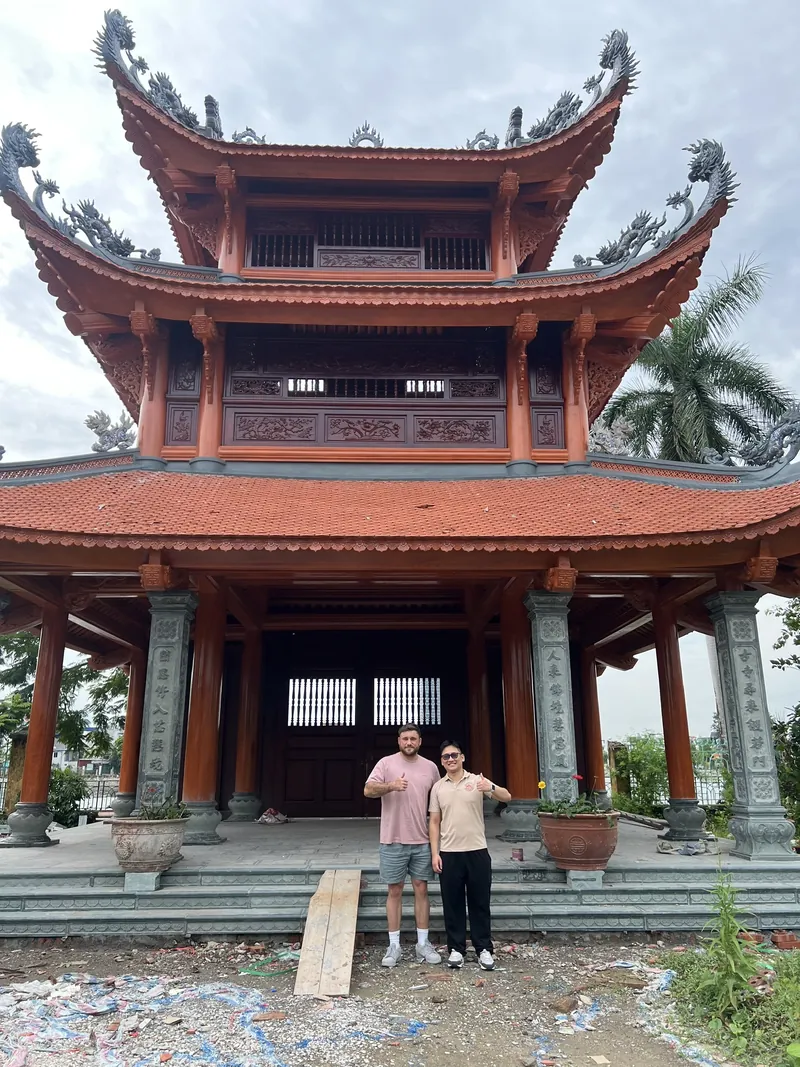
Historical Significance Of Bach Dang River Site
The Bach Dang River is one of the most important places in Vietnamese history. On this tidal river north of Haiphong city, Vietnamese commanders defeated powerful invading fleets three times, in 938, 981 and 1288, using a clever trap of wooden stakes hidden under the water. For many Vietnamese people, the name Bach Dang means independence, courage and smart thinking against a stronger enemy.
This guide from the Haiphong Adventure team explains the historical significance of the Bach Dang River site, the three famous battles, the stake fields found in the Thuy Nguyen area and what you can see there today. We also share practical tips for adding the river to your own trip or to one of our haiphong tours. Details such as opening hours and festival dates can change, so treat them as a reference (updated October 2026).
Where Is The Bach Dang River
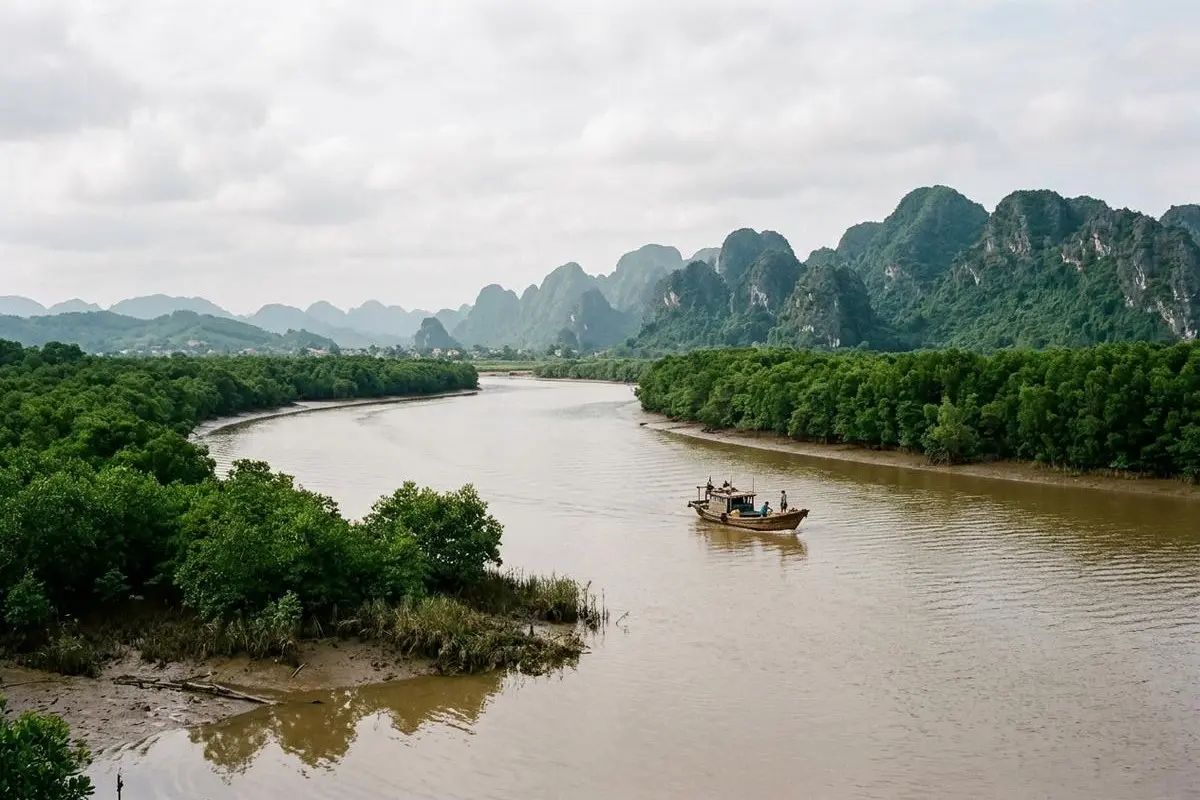
The Bach Dang River flows through the northern part of Haiphong and forms part of the border with Quang Ninh province before reaching the sea near Halong Bay and the Cat Hai area. It is a short but wide estuary river, strongly affected by the tides of the Gulf of Tonkin.
For travellers, the most relevant areas are:
- Thuy Nguyen, on the Haiphong side, where the Bach Dang Giang relic area and the Cao Quy stake field are located.
- Quang Yen, on the Quang Ninh side, where other stake fields and memorial sites can be found.
- The river mouth, close to the routes many visitors use when travelling between Haiphong and Halong Bay.
From central Haiphong, the Thuy Nguyen side of the river is usually within an hour by car or motorbike, depending on traffic and the exact site you choose. Many visitors already cross this area without knowing it, for example when driving from Haiphong to Halong Bay over the big bridges.
Why The Bach Dang River Matters To Vietnam
Vietnam has a long history of resisting larger neighbours. Among all the places linked to that history, few carry as much meaning as this river. Three times, Vietnamese forces used the same landscape and the same idea to defeat invading fleets. That is why the river appears in school books, songs, street names and festivals across the country.
The historical significance of the site comes from several things at once:
- It marks the end of a long period of northern rule. The victory of 938 is often described as the moment Vietnam regained independence after about a thousand years under Chinese dynasties.
- It shows strategy over strength. Vietnamese commanders used tides, river channels and hidden stakes to beat bigger, better equipped fleets.
- It connects three eras. The battles of 938, 981 and 1288 link the Ngo, Early Le and Tran dynasties to one single place.
- It is still visible. Real wooden stakes from these battles have been found in the mud, so visitors can see physical evidence, not only read stories.
If you enjoy places with deep stories, you might also like our list of cultural things to do in Haiphong.
The Three Famous Battles On The Bach Dang River
Each battle has its own heroes and context, but all three followed a similar plan: use the tide, lure the enemy into the river and trap their ships on sharp stakes when the water goes down.
| Year | Vietnamese commander | Invading force | Result |
|---|---|---|---|
| 938 | Ngo Quyen | Southern Han fleet | Decisive victory, start of a new independent era |
| 981 | Le Hoan (Le Dai Hanh) | Song dynasty forces | Invasion stopped, independence protected |
| 1288 | Tran Hung Dao | Yuan Mongol fleet | Large fleet destroyed, Mongol campaign ended |
938: Ngo Quyen and the end of northern rule
In 938, a fleet from the Southern Han kingdom sailed toward northern Vietnam. Ngo Quyen ordered his men to drive large wooden stakes, some with iron tips, into the riverbed near the mouth of the Bach Dang River. At high tide, the stakes were completely hidden.
Small Vietnamese boats then attacked the enemy fleet and pretended to retreat upstream. The invaders followed. When the tide turned and the water dropped, their heavy ships were caught and broken on the stakes. The victory was decisive, and Ngo Quyen went on to establish his own rule soon after. Vietnamese historians see this as the beginning of a long independent era.
981: Le Hoan defends the young state
Less than fifty years later, Song dynasty forces invaded. Le Hoan, who later became known as Le Dai Hanh, led the defence. Historical accounts describe fighting both on land and on the Bach Dang River, and the Vietnamese once again used the river and its stakes to their advantage. The invasion failed, and the new state survived.
1288: Tran Hung Dao and the Mongol fleet
The most famous battle took place in 1288, during the third Mongol invasion of Dai Viet. The Yuan Mongol empire was then one of the largest powers in the world. General Tran Hung Dao studied the earlier victories and prepared an even larger field of stakes.
Using the same trick of luring the fleet at high tide, Vietnamese forces trapped the Mongol ships as the water fell, then attacked from the banks and from small boats. A large part of the fleet was destroyed or captured, together with several commanders. This battle is one reason Tran Hung Dao is still honoured in temples all over Vietnam.
>>> Unusual Things To Do In Haiphong Off Beaten Path
How The Stake Trap Worked
The strategy was simple to explain but very hard to carry out. It depended on deep local knowledge of the river and its tides.
- Cutting and preparing the stakes. Hard wood trunks were cut, sharpened and sometimes fitted with iron points.
- Planting them in the riverbed. The stakes were driven into the mud at an angle, facing the direction the enemy ships would come from.
- Hiding them with the tide. At high tide the stakes were invisible under brown, muddy water.
- Luring the enemy. Light boats attacked, then retreated, to pull the fleet into the right channel at the right time.
- Waiting for the ebb tide. As the water level fell, heavy ships were stuck or holed on the stakes and could no longer move freely.
- Attacking from all sides. Soldiers on the banks and in small boats then struck the trapped fleet.
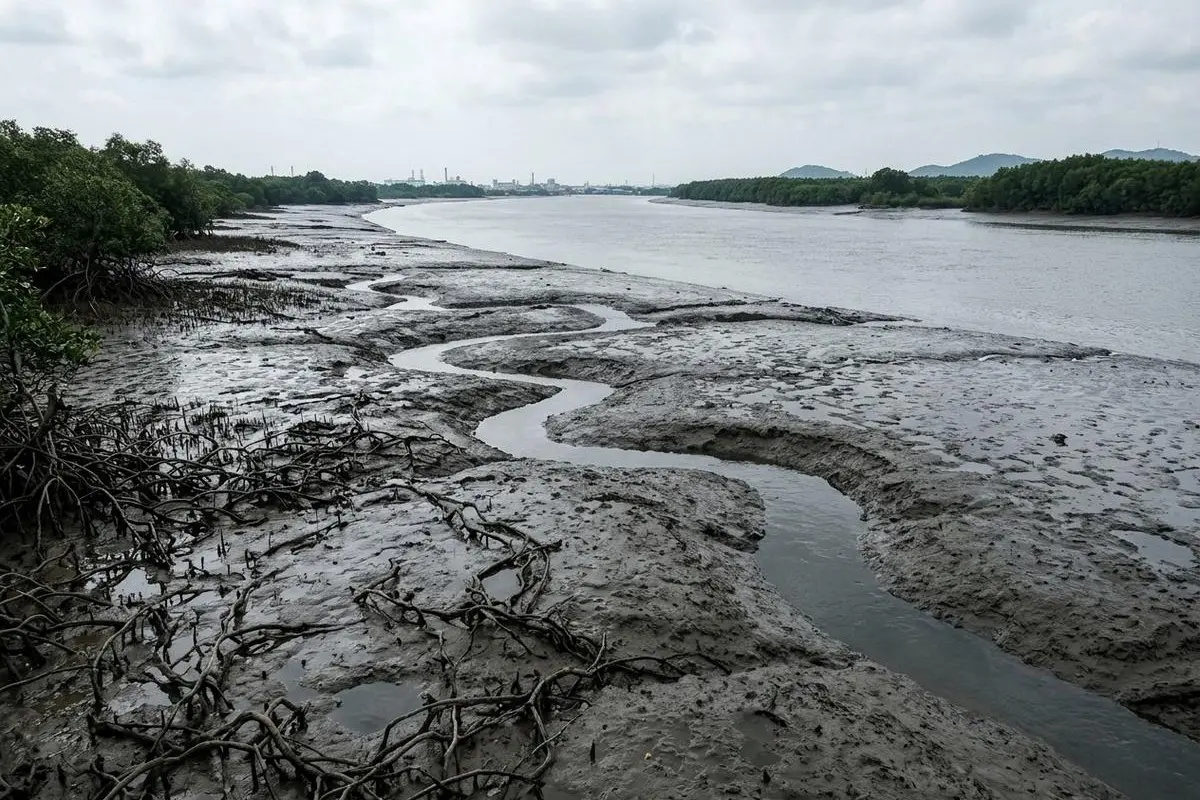
Standing by the river today, especially when the tide is going out, you can easily imagine how quickly the water level changes. That is the best way to understand why the plan worked so well.
The Stake Fields Found In Thuy Nguyen And Quang Yen
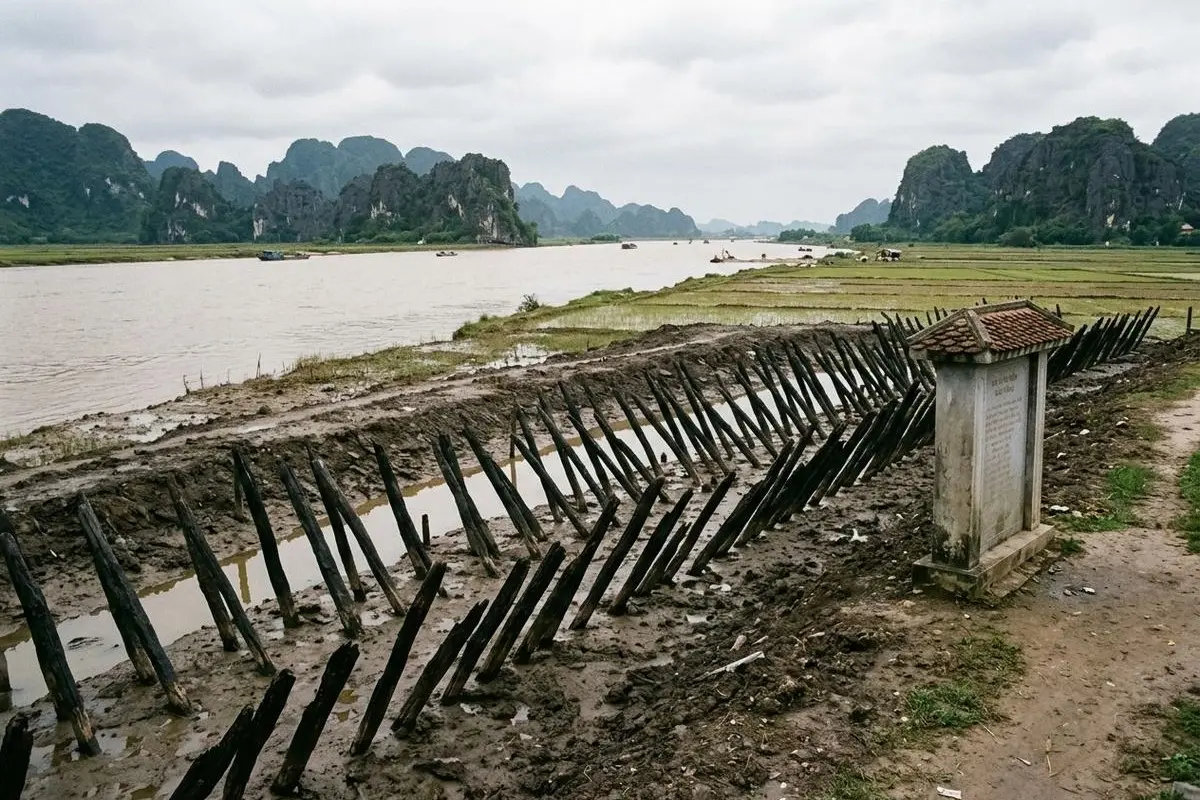
For centuries, the battles were known mainly from old chronicles. In the twentieth and twenty-first centuries, however, archaeologists and local people found real wooden stakes buried in the mud along the river and its old channels.
Cao Quy stake field in Thuy Nguyen
On the Haiphong side, the Cao Quy stake field in the Thuy Nguyen area was found by local residents in the mid-2000s, while digging in low-lying land near the river. Excavations revealed many old wooden stakes still standing in the ground. Researchers link them to the Tran dynasty battle of 1288.
Stake fields in Quang Yen
Across the river in Quang Yen, several other stake fields have been studied, some of them found earlier. Together, the sites on both banks show how wide and well planned the defence system was.
Stakes in museums
Some stakes have been moved to museums for preservation. Museums in Hanoi and Quang Ninh display examples, so you may see them even if you cannot visit the river itself. Always check what is on display before you go, as exhibitions change.
In 2012, the Bach Dang victory sites were recognised as a special national relic, the highest heritage level in Vietnam, covering locations in both Haiphong and Quang Ninh.
Recommended tour
Haiphong Countryside & Coastal Landmarks

Love history beyond the city? Ride with a local guide through villages, wartime sites and coastal landmarks around Haiphong, with plenty of stories along the way.
From $79 per person
What To See At The Bach Dang River Site Today
The Bach Dang River area is not a big theme park. It is a quiet, rural place where history sits next to everyday life. That is part of its charm.
The Bach Dang Giang relic area
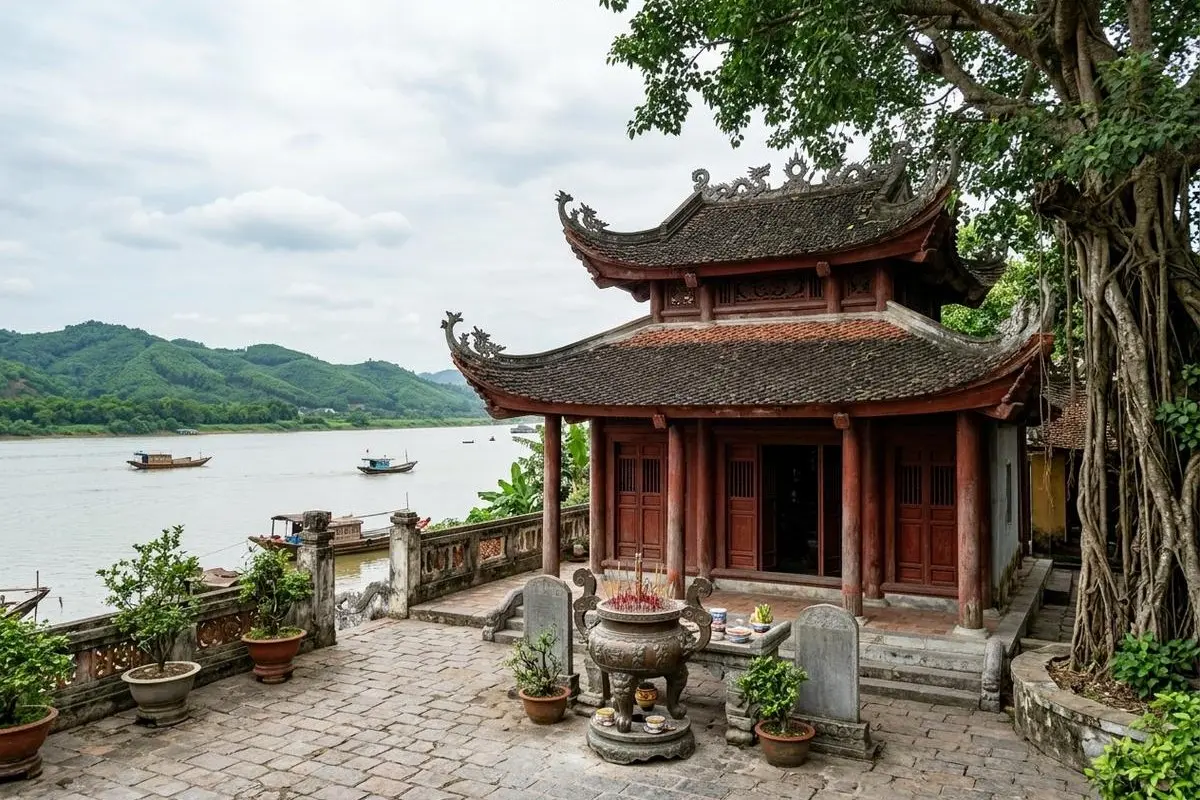
On the Thuy Nguyen side, the Bach Dang Giang relic area includes temples and memorial spaces dedicated to the heroes of the battles. Visitors come to light incense, read the information boards and look out over the river where the fighting happened.
Temples to the three commanders
Ngo Quyen, Le Dai Hanh and Tran Hung Dao are worshipped in temples in the area and across the region. Even if you are not religious, these temples help you understand how strongly Vietnamese people still connect with these figures.
The river and its landscape
Simply standing by the water is worthwhile. You will see fishing boats, mangroves, limestone hills and the strong movement of the tide. On a clear day, the views are calm and wide.
Mangroves and wetlands
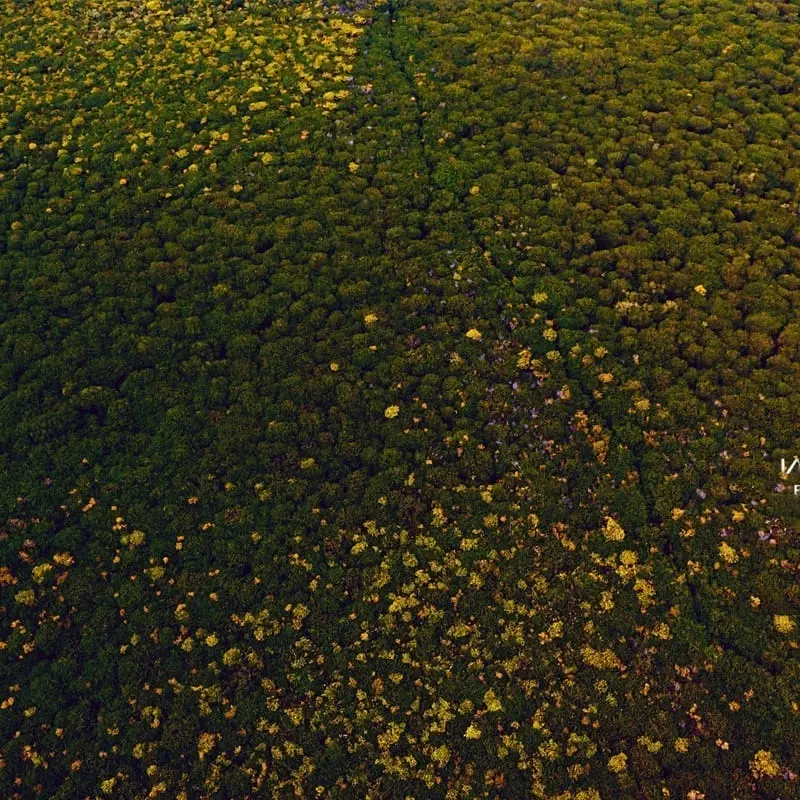
The estuary area is rich in mangroves and wetlands, which protect the coast and support local fishing. Many of our guests enjoy combining history with a short look at this natural environment.
>>> The Ultimate Guide to Haiphong Motorbike Tour Routes for Scenic Views
Bach Dang River In Vietnamese Culture Today
The river is not only a place in the past. Its name is everywhere in modern Vietnam.
- Streets and bridges. Many cities have a Bach Dang street, and a modern Bach Dang Bridge carries the expressway between Haiphong and Halong.
- Festivals. Local communities on both sides of the river hold ceremonies to remember the victories, usually around the third lunar month. Exact dates follow the lunar calendar, so check each year.
- Statues and memorials. Statues of Tran Hung Dao and other heroes stand in cities across the country.
- Education. Every Vietnamese student learns about the Bach Dang battles, and many school groups visit the relic sites.
When you talk with locals in Haiphong, mentioning Bach Dang is a great way to start a conversation. Most people will be proud to share what they know.

How To Visit The Bach Dang River From Haiphong
Getting there
| Option | Good for | Notes |
|---|---|---|
| Motorbike tour with a guide | History lovers who want stories and local stops | Most flexible, combine with villages and other sites |
| Private car with driver | Families, older travellers, rainy days | Comfortable, but less contact with village life |
| Self-drive motorbike | Experienced riders only | Busy roads and few English signs, a local guide helps |
| Grab or taxi | Short visits | Arrange the return trip in advance, as rural pickups can be slow |
When to go
- Autumn and spring usually bring mild temperatures and clearer skies.
- Summer is hot and can be stormy, so start early in the morning.
- Tide timing matters if you want to see the river change. Ask your guide or a local about the tide on the day.
- Festival season is lively but busier. Expect crowds and traffic on main ceremony days.
Practical tips
- Wear modest clothing that covers shoulders and knees for temple visits.
- Bring water, sun protection and insect repellent, especially near mangroves.
- Information boards are mostly in Vietnamese, so a guide or a translation app is useful.
- Do not touch or climb on the old stakes. They are fragile and protected heritage.
- Small cash is handy for drinks, parking and donations at temples.
>>> The Ultimate Haiphong Tour: Top 10 Must-Visit Spots in 2025
A Sample Half Day Bach Dang History Itinerary
This simple plan works well for travellers who have one free morning or afternoon in Haiphong.
- Early start from the city. Leave central Haiphong after breakfast to avoid heat and traffic.
- Village roads. Ride or drive through rice fields and small villages on the Thuy Nguyen side.
- Bach Dang Giang relic area. Visit the temples, read the stories and take in the river views.
- Stake field or riverbank stop. Look at the preserved stakes or simply watch the tide.
- Local lunch. Try simple Haiphong dishes at a roadside restaurant before returning.
If you prefer to see rural life in more depth, our guide to exploring rural villages on a Haiphong motorbike tour has more ideas to add to the same day.
Combine The River With Other Haiphong Highlights
The Bach Dang River fits nicely into a wider trip around Haiphong. Popular combinations include:
- City heritage. French colonial buildings, the Opera House and old markets in central Haiphong.
- Coastal landmarks. Do Son peninsula, old pagodas and wartime sites by the sea.
- Islands and bays. Cat Ba Island and Lan Ha Bay, or Halong Bay on the other side of the river.
- Food. Finish your day with banh da cua or fresh seafood in the city.
A haiphong adventure that mixes history, countryside and food gives you a much richer picture of the city than a quick stop between transport connections.
Frequently Asked Questions About The Bach Dang River
Why is the Bach Dang River famous?
It is famous for three major Vietnamese victories against invading fleets in 938, 981 and 1288, all using hidden wooden stakes and the tides.
Can you still see the old wooden stakes?
Yes. Some stakes are preserved at relic sites near the river, including in the Thuy Nguyen area, and others are displayed in museums.
How long does a visit take?
Most visitors spend one to two hours at the relic area. A half day trip from Haiphong city is comfortable, including travel time.
Is the site suitable for children?
Yes, if they enjoy stories and open spaces. Keep children close to the water and away from protected stakes.
Do I need a guide?
It is not required, but a local guide makes a big difference because most information on site is in Vietnamese.
Discover The Story Of The Bach Dang River
The Bach Dang River is far more than a quiet stretch of water near Haiphong. It is where Vietnamese commanders turned the tide, quite literally, against powerful invaders and protected their country’s independence. Visiting the relic area, seeing the old stakes and watching the river move with the tide brings these stories to life.
If you would like to include the Bach Dang River in your trip, or combine it with countryside and coastal landmarks, the Haiphong Adventure team is happy to help you plan the day.
WhatsApp, Viber, WeChat: +84(0)934.555.001
KakaoTalk, Line ID: haiphongadventure