Haiphong History from Fishing Port to Vibrant City
Haiphong history is the story of a river port that grew from a fishing and trading area into northern Vietnam’s main seaport, shaped by local heroes, French colonial planning, wartime resilience and modern industry. This guide walks you through the main chapters in plain language and shows where you can still see them on the street. It is written by Haiphong Adventure, a local team whose guides tell these stories on motorbike tours every week.
Dates and details in history differ slightly between sources, so we keep to well-known milestones and recommend checking a museum or reference book for anything specific (reference, updated October 2026).
The Early Years, Rivers and Local Legends
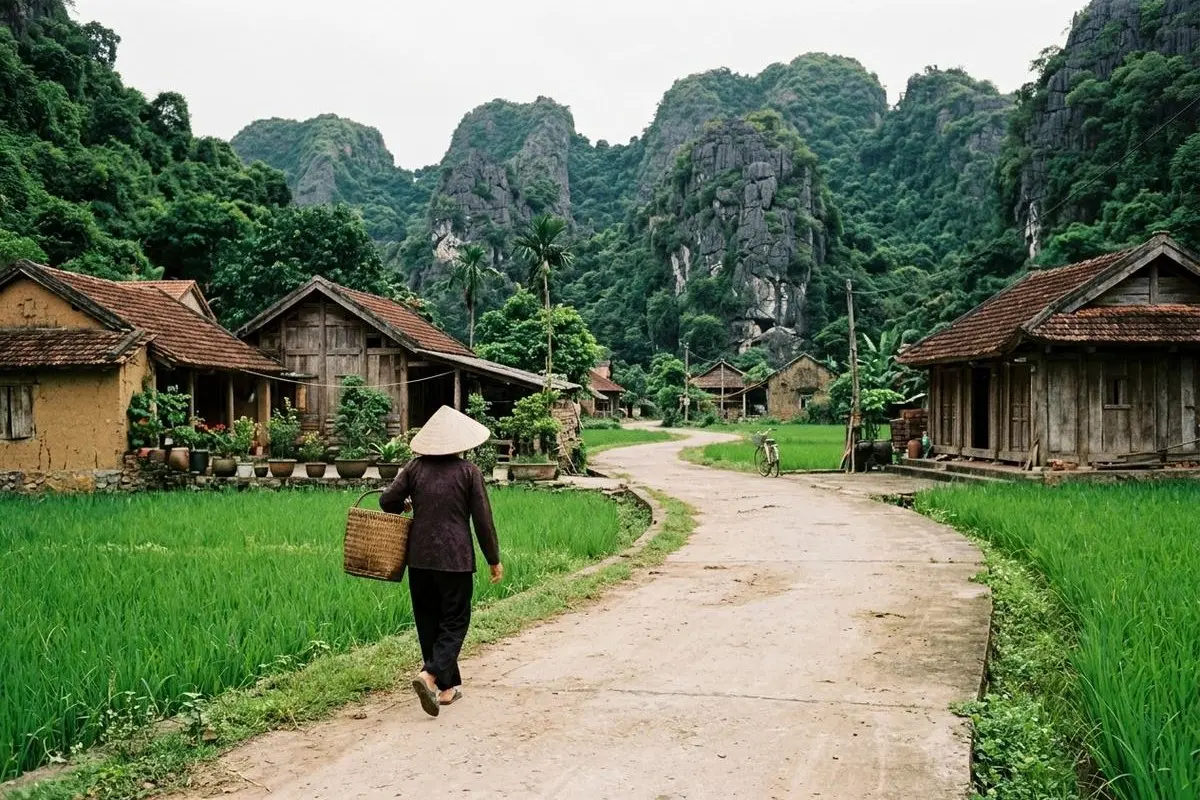
Long before the modern city, the delta around Haiphong was a landscape of rivers, tidal flats and fishing villages. The waterways connected inland communities to the sea, and that geography explains almost everything that came later.
General Le Chan
Le Chan is remembered as a woman general who fought alongside the Trung Sisters in their uprising against foreign rule in the first century. Locals honour her as the founder of Haiphong, and her statue in the city centre is one of its best-known landmarks. Nghe Temple is dedicated to her, and visiting it gives a calm, respectful way to meet this part of the story.
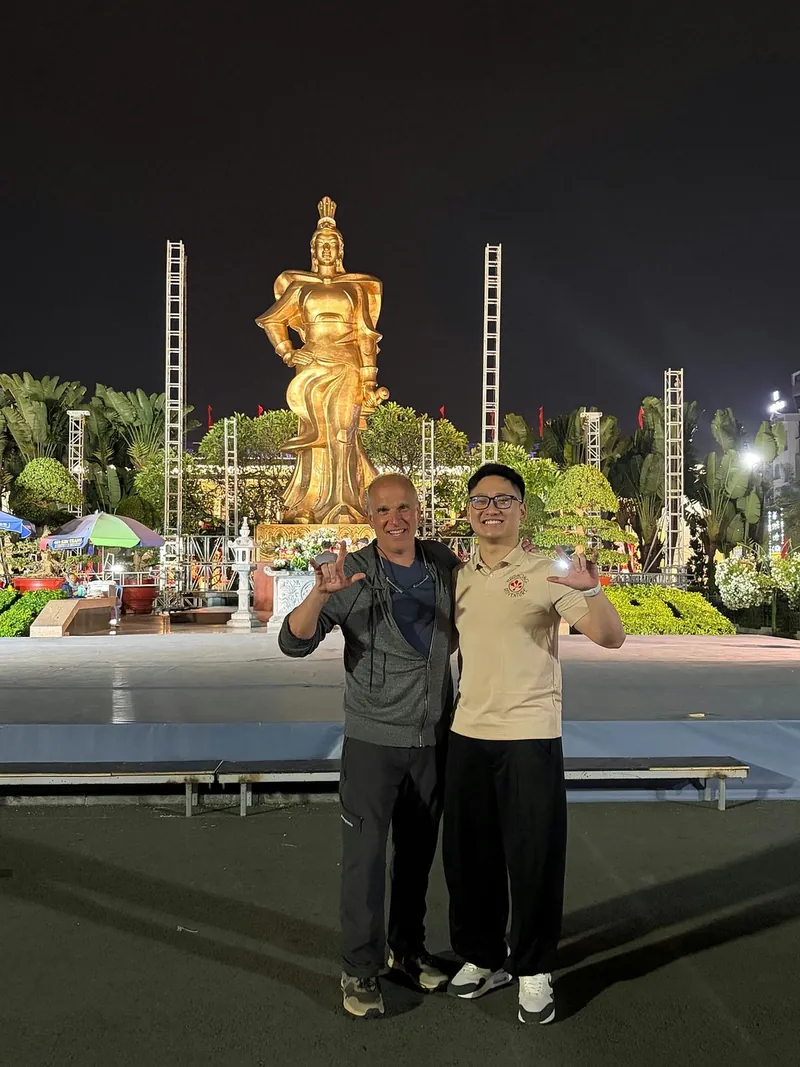
The Bach Dang River Battles
The Bach Dang River nearby is associated with famous naval victories in Vietnamese history, including the battles of 938 and 1288, when river tactics were used to defeat larger forces. These stories remain important to local pride, even though the details can be debated by historians.
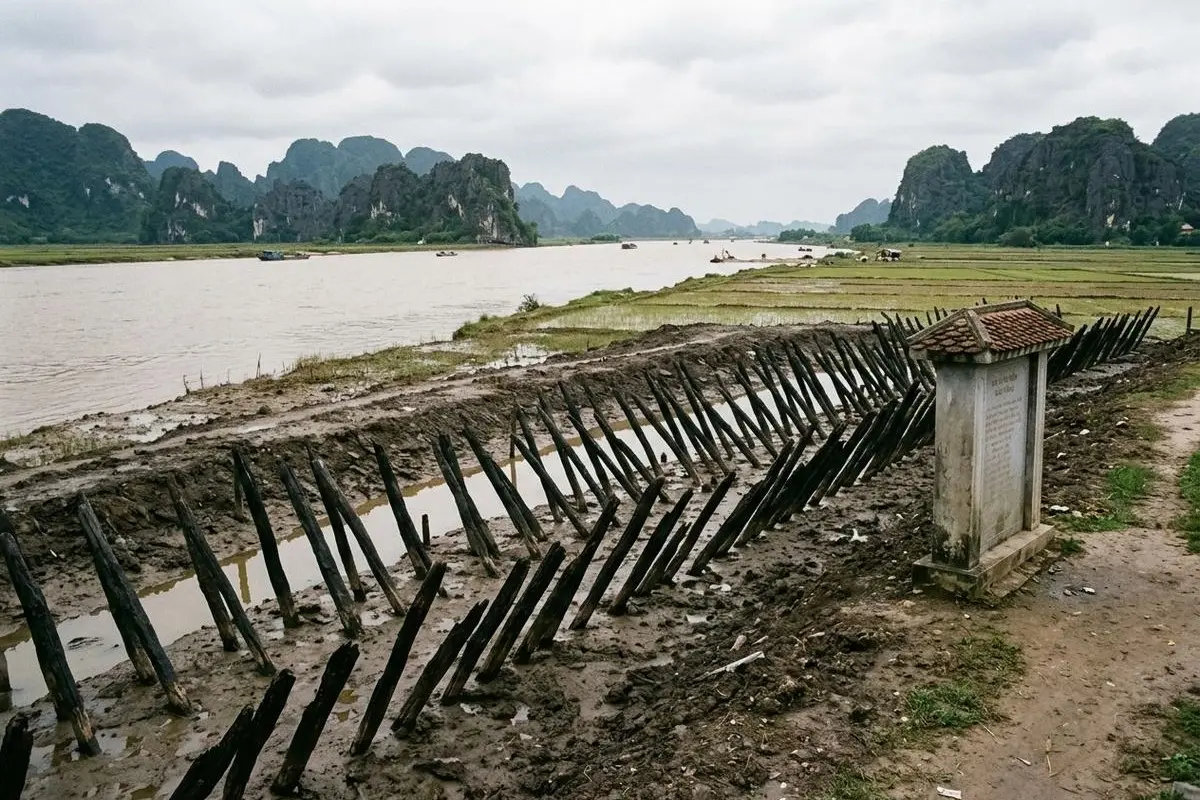
The French Colonial Period and the Birth of a Modern City
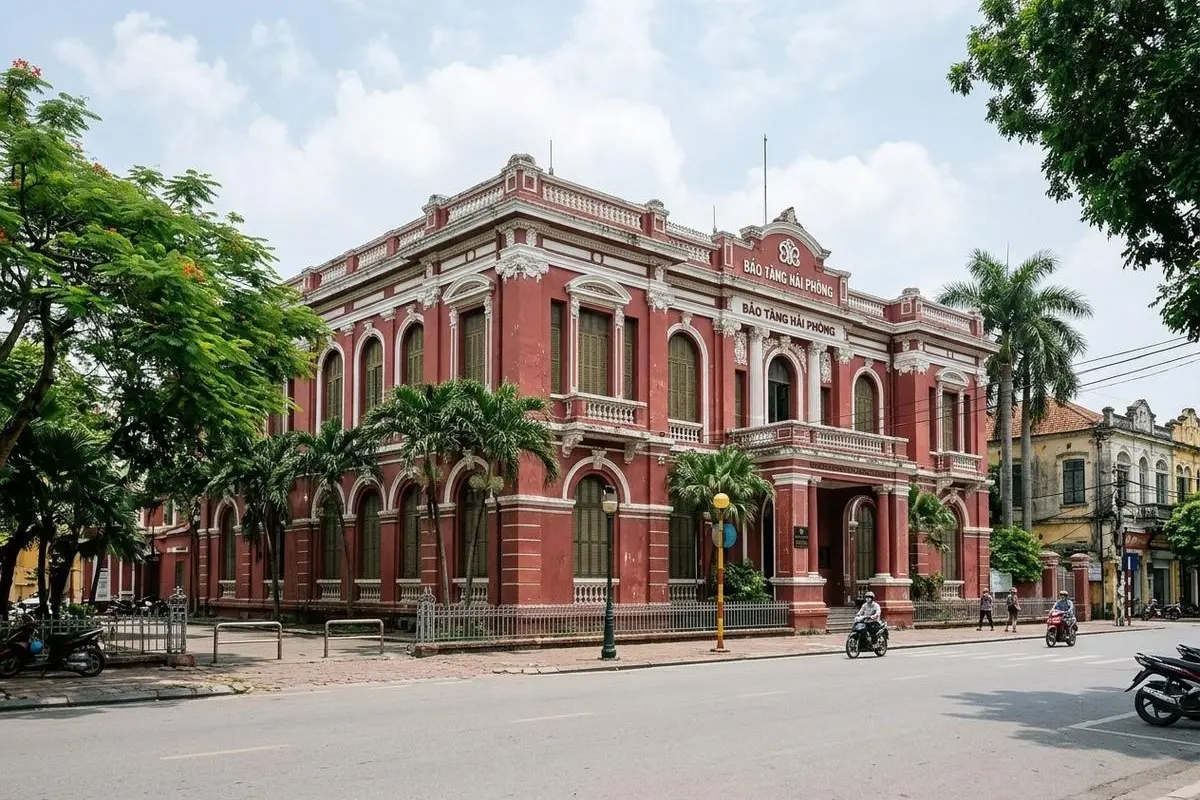
In the late nineteenth century, the French developed Haiphong as a major port and administrative centre for the north. A grid of streets, tree-lined boulevards and European-style public buildings took shape, many of which still stand.
Buildings You Can Still Visit
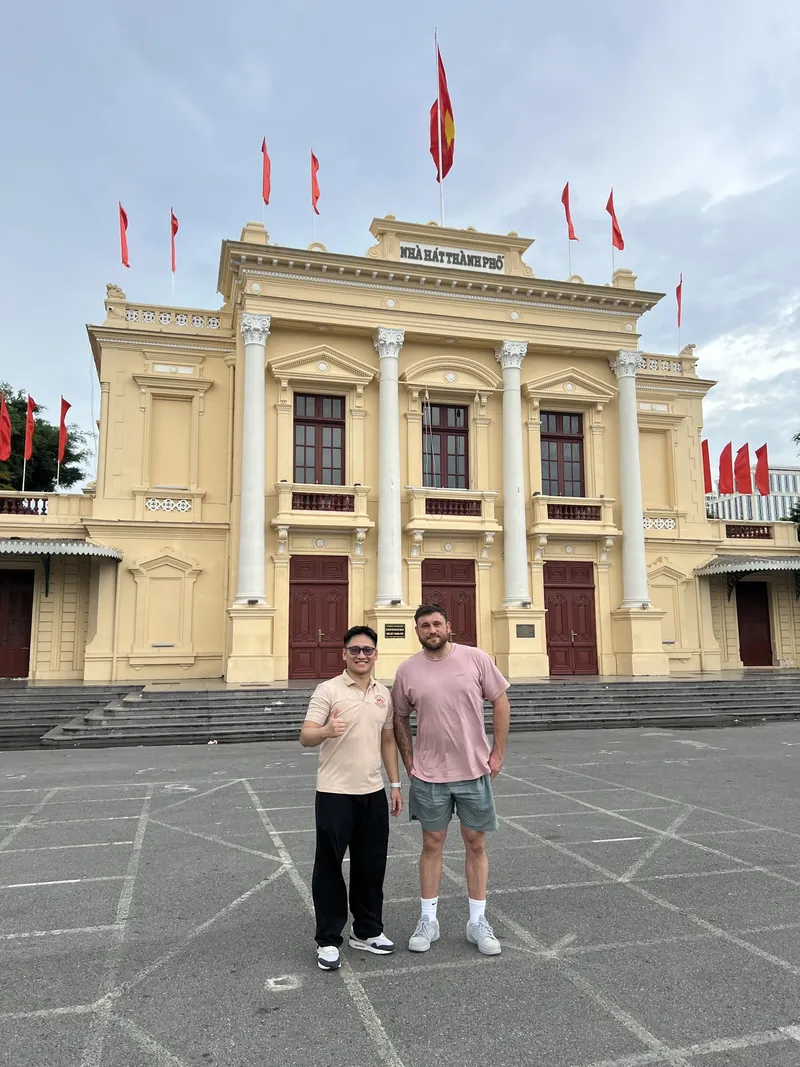
- The Haiphong Opera House, an elegant landmark with classical columns and tall arched windows.
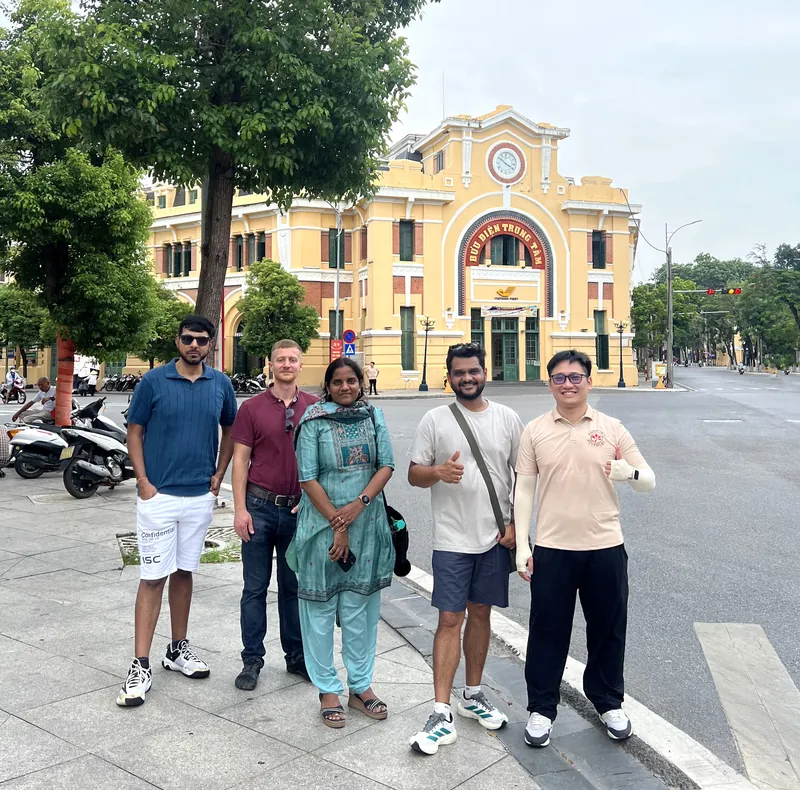
- The Haiphong Post Office, a colonial-era building that once served as a major communication hub.
- Hoang Dieu Port, which grew during the colonial period as a gateway for trade.
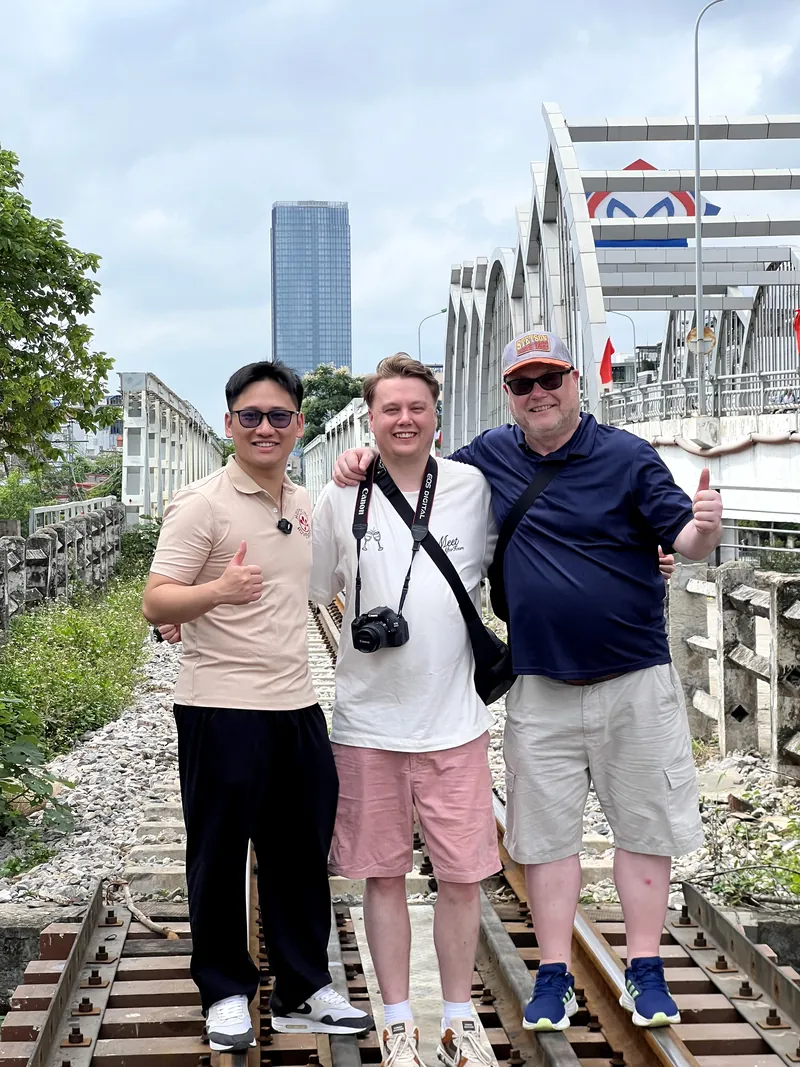
- The Swing Bridge, known locally as Cau Quay, built so part of it could rotate for ships.
Walking this area, you can feel how European planning met Vietnamese street life. Many of these buildings sit within a few blocks of each other, so they are easy to link in one short loop on foot or by motorbike.
>>> Cultural Things To Do In Haiphong You Must Try
Haiphong in the Twentieth Century, War and Resilience
As a port, Haiphong was important in every major conflict of the twentieth century. It was a key entry point for goods and people, and it suffered damage as a result. After periods of conflict, the city was rebuilt, and many residents still carry family stories from those years.
Because this period is sensitive, local guides tend to focus on human stories rather than dates, and we encourage visitors to listen with respect. If you want to read more widely, a museum guide or a reputable history book gives a balanced overview with further references.
Port Life and Daily Routines
Even in difficult times, markets, cafes and food stalls kept going. That sense of everyday continuity is one reason Haiphong feels so approachable today.
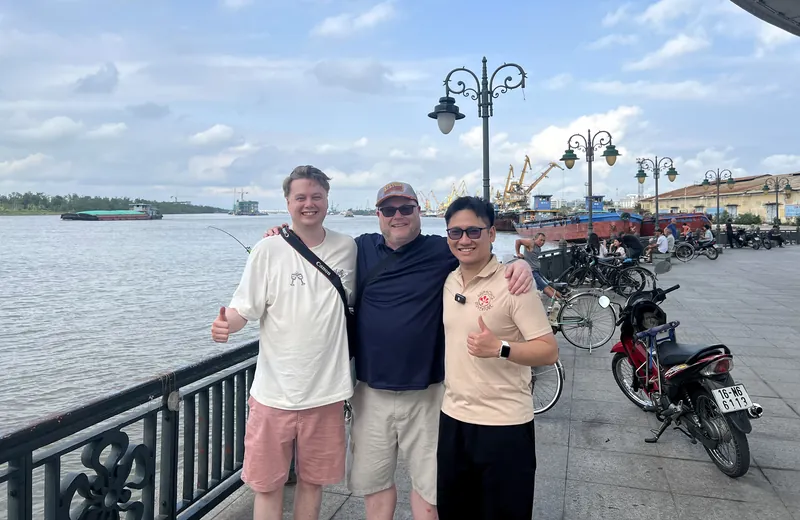
Rebuilding and Modern Growth
Since the economic reforms of the late twentieth century, Haiphong has grown rapidly. New industrial zones, deepwater port projects and highways have changed the skyline, while older neighbourhoods keep their character. The city is often called the city of red flamboyant flowers because the trees bloom in early summer and brighten the streets, which many locals love.
This blend of old and new is why a visit works so well for travellers: you can see a colonial facade and a modern port in the same afternoon.
Recommended tour
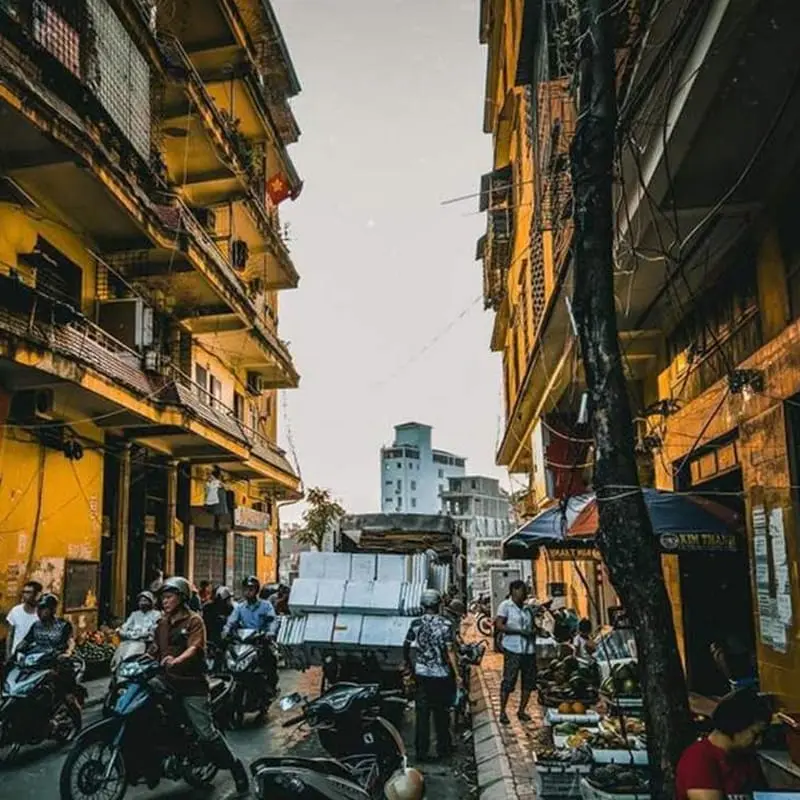
A cultural motorbike tour through the Opera House, Nghe Temple, a local market, the Swing Bridge and Hoang Dieu Port, with coffee and a local meal.
Price: see the tour page for the current rate per person (updated October 2026).
Food as a Living Part of Haiphong History
Haiphong’s cooking tells its own story of trade and river life. Banh da cua, the red crab noodle soup, uses field crab broth and local noodles, and banh mi cay, a small spicy bread roll, reflects the city’s love of bold flavours. Eating these dishes is a living way to connect with the past. Read our Haiphong street food adventure to see how history and food meet in one day.
>>> My Haiphong Street Food Adventure Local Taste
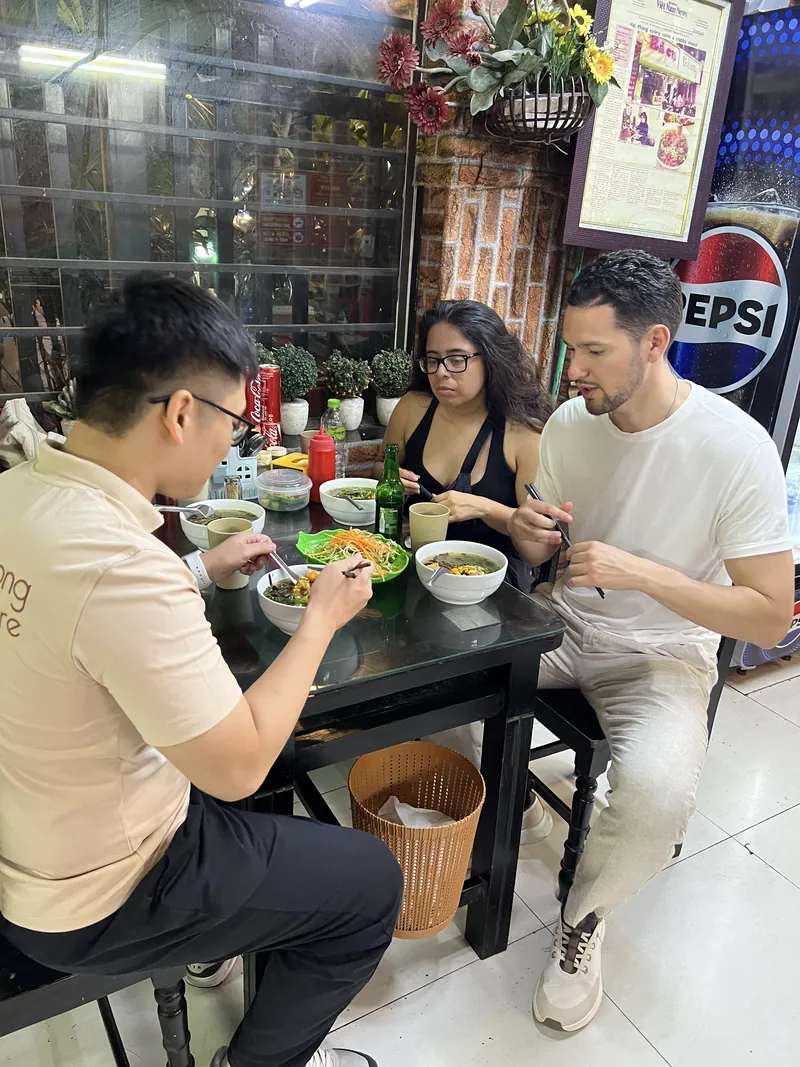
A Simple Haiphong History Walk
You can see most of this story in a half day. Here is a route that works on foot or by guided motorbike, and many haiphong tours follow a similar loop through the old centre.
| Stop | What it shows |
|---|---|
| Opera House | French colonial culture and city planning |
| Le Chan statue | Local legend and civic pride |
| Nghe Temple | Religious tradition and devotion |
| Post Office | Communication and colonial administration |
| Swing Bridge | River engineering and port growth |
| Hoang Dieu Port | Trade and industry |
Our weekend things-to-do guide and unusual things to do in Haiphong can help you add less obvious stops.
Tips for Visiting Historic Sites Respectfully
- Dress modestly at temples and keep your voice low.
- Ask before photographing people, especially during prayer.
- Remove your shoes where signs ask you to.
- Do not touch altars, offerings or carved objects.
- Keep small notes for donation boxes if you wish to leave one.
Opening hours change, so check ahead for any site you plan to enter.
Temples, Pagodas and Communal Houses
Religious buildings hold some of the oldest layers of Haiphong history. They are still in daily use, so you will often see locals lighting incense, leaving offerings or resting quietly in the courtyard.
Hang Kenh Communal House
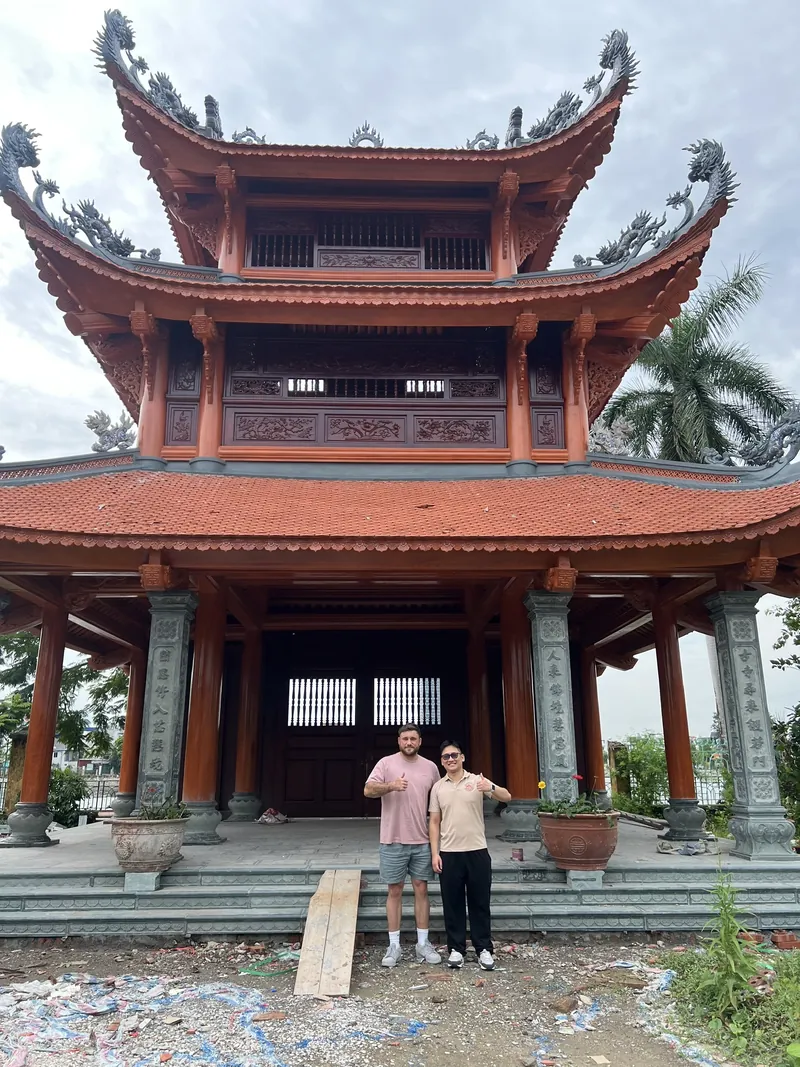
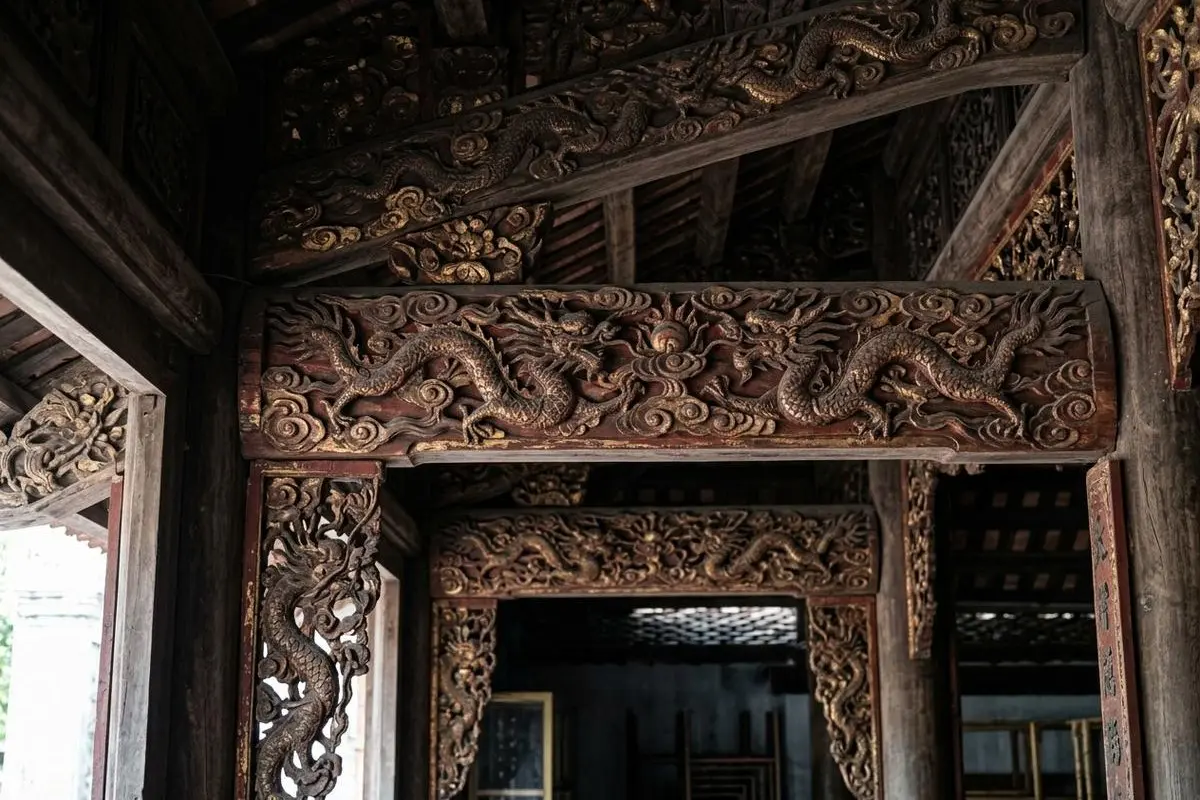
Hang Kenh is a traditional village communal house, or dinh, known for its dark wooden beams and dense carvings of dragons and clouds. It shows how the villages that later became part of the city once organised community life around a shared hall. Take your time inside, because many of the best details are high up in the roof structure.
Du Hang Pagoda
Du Hang Pagoda is one of the oldest Buddhist sites in the city, with an elaborate gate, a calm courtyard and well-kept plants. It is a peaceful contrast to the busy streets outside and a good place to slow down between colonial landmarks.
Pairing Sacred Sites With the Old Centre
Nghe Temple, Hang Kenh and Du Hang sit in different parts of the city. A guided motorbike ride is the easiest way to see two or three of them in one morning. If you prefer to walk, choose one site and combine it with the Opera House area.
How to Read the City as You Walk
A good way to understand Haiphong history is to look for layers. Start with the oldest layer, the legends and temples that celebrate local heroes. Then look at the colonial layer, with its wide boulevards, arcaded facades and public buildings. Finally, look at the modern layer, with cranes on the horizon, new roads and busy industrial zones. Standing in one spot, you can often see all three at once.
Guides often suggest that visitors pay attention to small details: the carved wood in a temple roof, the iron work on an old bridge, the faded paint on a shop house. These details show how the city has been used, repaired and loved over many decades.
Questions Worth Asking Locals
Many residents enjoy sharing family stories about the port, the markets and the old neighbourhoods. Ask politely, listen patiently and remember that some memories are personal. A friendly question about a favourite local dish or street often leads to a deeper conversation than a question about dates.
Museums and Further Reading
If you want more than a walking tour, ask your hotel or guide about local museums and heritage sites, and check their current opening hours before you go, since they can change. For background reading, official information from the Vietnam National Authority of Tourism is a good place to start. For a more detailed timeline, consult a reputable history book or museum guide.
Remember that sources sometimes disagree on exact dates and numbers, particularly for ancient events. When you read, compare at least two sources.
Planning Your Day Around Haiphong History
The old centre is compact, so most history stops sit within a short ride of each other. A half day covers the main landmarks at an easy pace. A full day leaves room for a long lunch, a coffee break and a slower look inside temples.
Best Time of Day
Mornings are usually cooler and calmer, which suits temples and photos of colonial facades. Late afternoon brings softer light along the Cam River. In the evening, the Opera House and the Le Chan statue are lit up and families gather on the squares.
On Foot or by Motorbike
Walking works well around the Opera House and the nearby colonial streets. To link temples, the Swing Bridge and the riverside, a guided motorbike ride saves time and lets you stop wherever a story comes up. If you are new to riding as a passenger, a local driver handles the traffic while you watch the street.
Weather and Seasons
Northern Vietnam has a hot, humid summer with sudden showers and a cooler winter that can feel damp. Carry a light rain jacket, water and sun protection in any month. Keep an indoor stop, such as a museum or a cafe, in mind in case the weather turns.
Why Haiphong History Still Matters to Travellers
Understanding the past changes how you experience the present. A bowl of crab noodle soup tastes better when you know the river that supplied the crabs. The Swing Bridge feels more impressive when you know how the port depended on it. The Opera House looks different when you picture the audiences who once gathered there.
That is the real value of learning a little about Haiphong history before you visit: it turns a simple walk into a conversation with the city.
Frequently Asked Questions
Who founded Haiphong?
Local tradition honours General Le Chan as the founder. The modern city took shape during the French colonial period.
Why is Haiphong important?
It is northern Vietnam’s major seaport and an industrial and trade centre.
What is the best place to learn about local history?
Start with the Le Chan statue, Nghe Temple and the colonial centre, then add a museum if you have time.
Is Haiphong worth visiting for history lovers?
Yes. It is less crowded than larger cities and has a clear mix of legend, colonial architecture and port heritage.
Can I join a guided history tour?
Yes. A local guide adds stories and context that signs often leave out.
See Haiphong History With a Local Guide
Want to hear these stories on the spot? Haiphong Adventure runs guided motorbike tours that visit the Opera House, the Le Chan statue, Nghe Temple, the Swing Bridge and more. Message us on WhatsApp and we will suggest one of our haiphong tours that fits your dates and interests.
WhatsApp, Viber, WeChat: +84(0)934.555.001
KakaoTalk, Line ID: haiphongadventure