Haiphong Museum Visit What To Expect Inside
The Haiphong Museum is the best single place to understand where this port city came from, and a visit takes only about an hour. Inside a handsome ochre colonial building on Dien Bien Phu Street, you will find prehistoric tools, Dong Son bronze drums, wooden stakes from the famous Bach Dang River battles, old photos of the French-era harbour and galleries on the city’s modern story. It is compact, quiet and right in the centre, so it slots easily into any day of sightseeing.
This practical guide from the Haiphong Adventure team explains what to expect before you walk through the door and once you are inside: how to get there, how the visit flows, which rooms deserve the most time, what the rules are and what to do afterwards. Opening hours, ticket prices and gallery layouts can change, so treat practical details as a reference (updated October 2026) and check locally on the day.
Where The Haiphong Museum Is And How To Get There
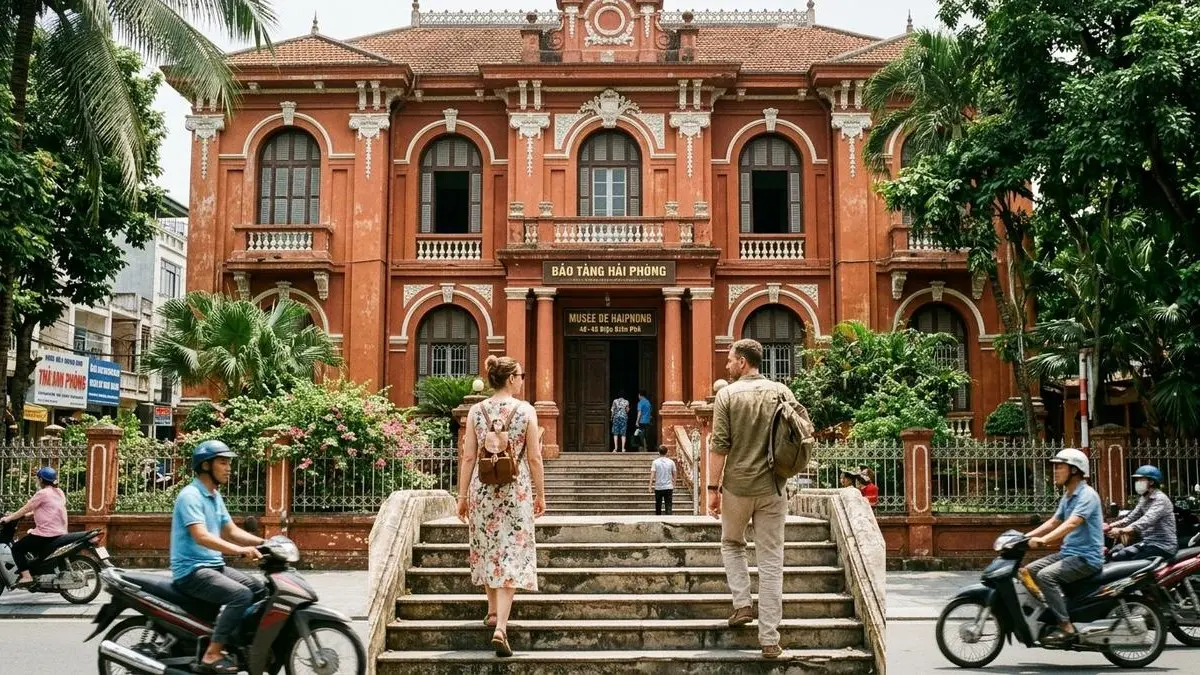
The museum sits on Dien Bien Phu Street in Hong Bang District, the leafy heart of old Haiphong. This is the same neighbourhood as the Opera House, the city post office, Tam Bac Lake and many of the French colonial villas that give the centre its character. If you are staying anywhere in the centre, you are probably within walking distance or a short ride.
Getting there
- On foot. From the Opera House square, the walk takes around 10 minutes along shaded streets.
- By Grab or taxi. Type “Bao tang Hai Phong” into the app. Fares within the centre are usually low, but always check the price in the app before you confirm.
- By motorbike tour. Many city tours pass this street, and a guide can drop you at the gate and wait while you look around.
- From the railway station. Haiphong Railway Station is close to the old centre, so the museum is an easy first stop if you arrive by train from Hanoi.
Parking for motorbikes is usually available nearby. If you arrive by car, ask your driver to drop you at the gate and meet you again afterwards, because stopping on Dien Bien Phu Street can be tricky at busy times.
Opening hours and tickets
The Haiphong Museum keeps shorter hours than many visitors expect. It typically opens in the morning, closes for a long lunch break and reopens in the afternoon, and the schedule can differ from one weekday to another. It may also close on certain days or during public holidays.
- Go in the morning if you can. You will have the most time and the coolest air.
- Avoid arriving just before lunch, when staff begin closing rooms.
- Check hours locally with your hotel or guide on the day you plan to go.
- Bring small cash in Vietnamese dong in case there is an entrance fee or a donation box.
Entry has historically been inexpensive, so cost is rarely a reason to skip it. Simply confirm the current price at the gate.
First Impressions At The Gate
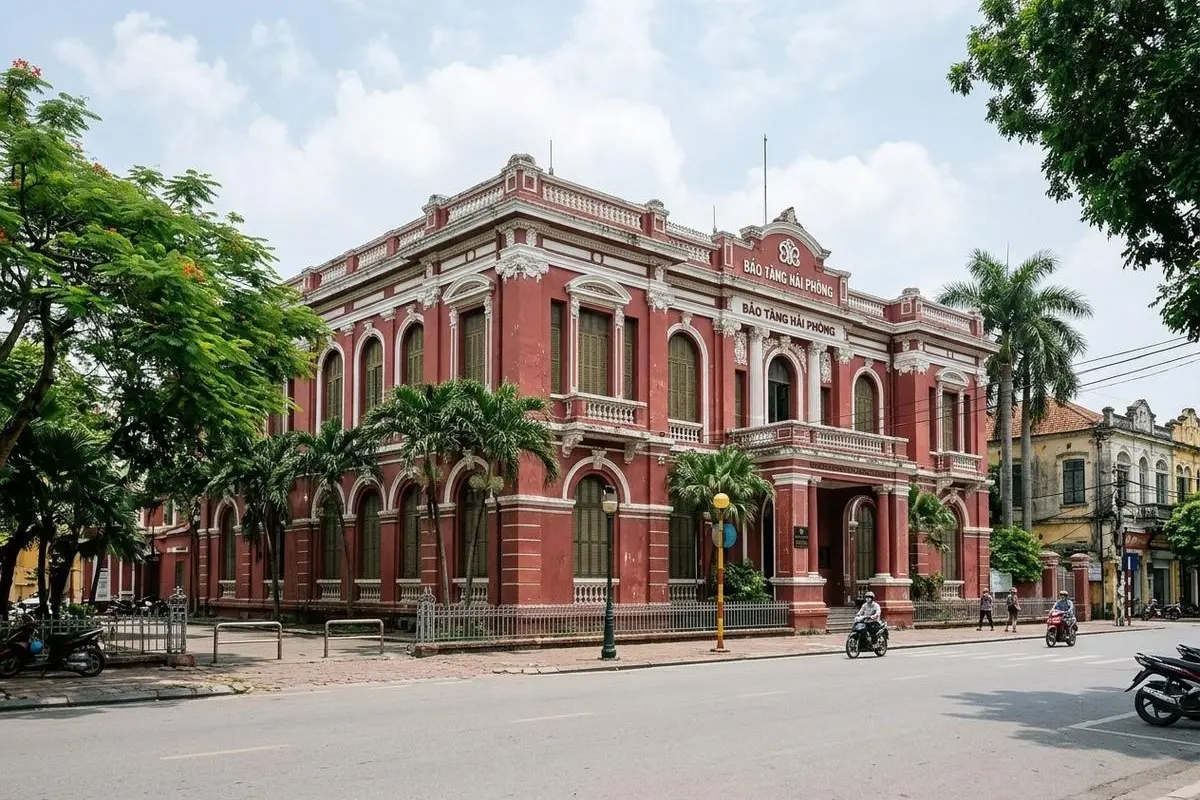
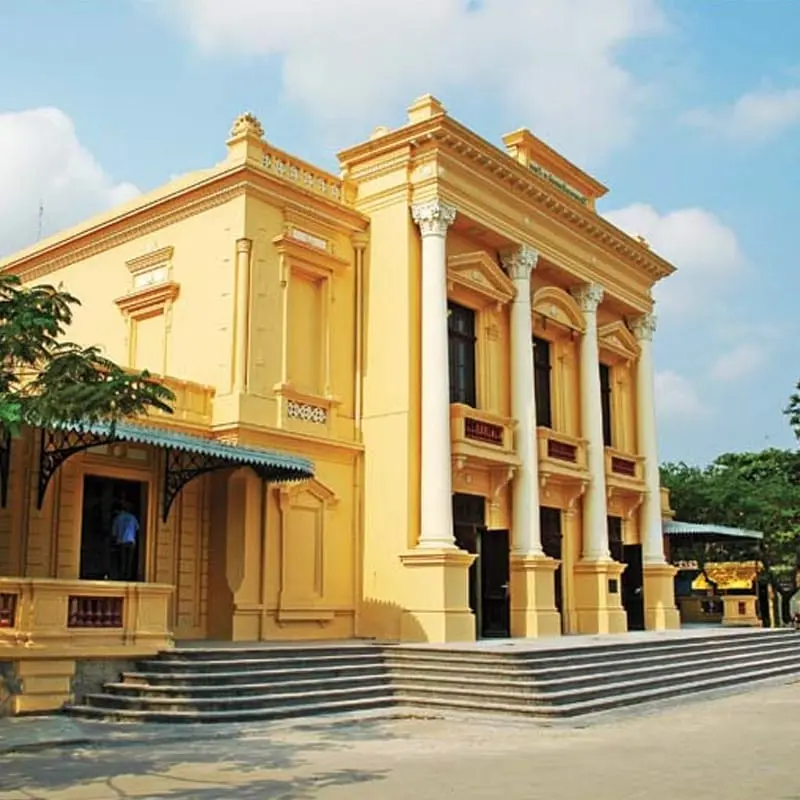
The first thing you notice is the building itself. It is a two-storey French colonial structure painted in warm ochre and red, with tall arched windows, white trim and ornate details along the roofline. It stands out even on a street full of old buildings, and many travellers take their first photo before they even step inside.
Behind the gate there is usually a small front yard with trees and a few outdoor displays. Staff at the entrance may ask you to leave large bags or umbrellas at a counter. Inside, the atmosphere is calm and a little old-fashioned: tiled floors, high ceilings, ceiling fans and glass display cases rather than touch screens.
What the museum feels like
- Quiet. Weekday mornings can be almost empty, which makes it a peaceful break from traffic.
- Compact. You can see everything in 45 to 90 minutes.
- Traditional. Expect objects, maps, models and photographs, not interactive screens.
- Mostly Vietnamese labels. Some captions include English, but many do not.
If you enjoy the colonial architecture as much as the collection, our guide to cultural things to do in Haiphong lists more historic landmarks within walking distance.
How A Visit Flows From Room To Room
The galleries are arranged broadly in time order. You start with the earliest human traces in the Haiphong area and move forward through ancient kingdoms, the great river battles, the colonial port era and finally the wars and rebuilding of the twentieth century. Following the rooms in order makes the story easy to understand, even if you cannot read every label.
Layouts can change when rooms are renovated or temporary exhibitions arrive, so do not worry if the order is slightly different on the day. Staff are generally happy to point you in the right direction.
A simple route through the museum
- Prehistory and archaeology, with stone tools and pottery from coastal and island sites.
- The bronze age, featuring Dong Son drums and bronze objects.
- The Bach Dang River battles, with real wooden stakes and battle maps.
- Feudal dynasties and local heritage, including ceramics and religious objects.
- The colonial port, told through old photographs, maps and documents.
- Modern history, covering resistance, war and the growth of the modern city.
>>> The Ultimate Haiphong Tour: Top 10 Must-Visit Spots in 2025
Ancient Haiphong And The Bronze Age
The early galleries show that people have lived around Haiphong for thousands of years. Archaeological finds from Cat Ba Island and coastal sites include stone tools, shell remains and simple pottery. They remind you that long before the port existed, communities here lived from the sea, the mangroves and the forests.
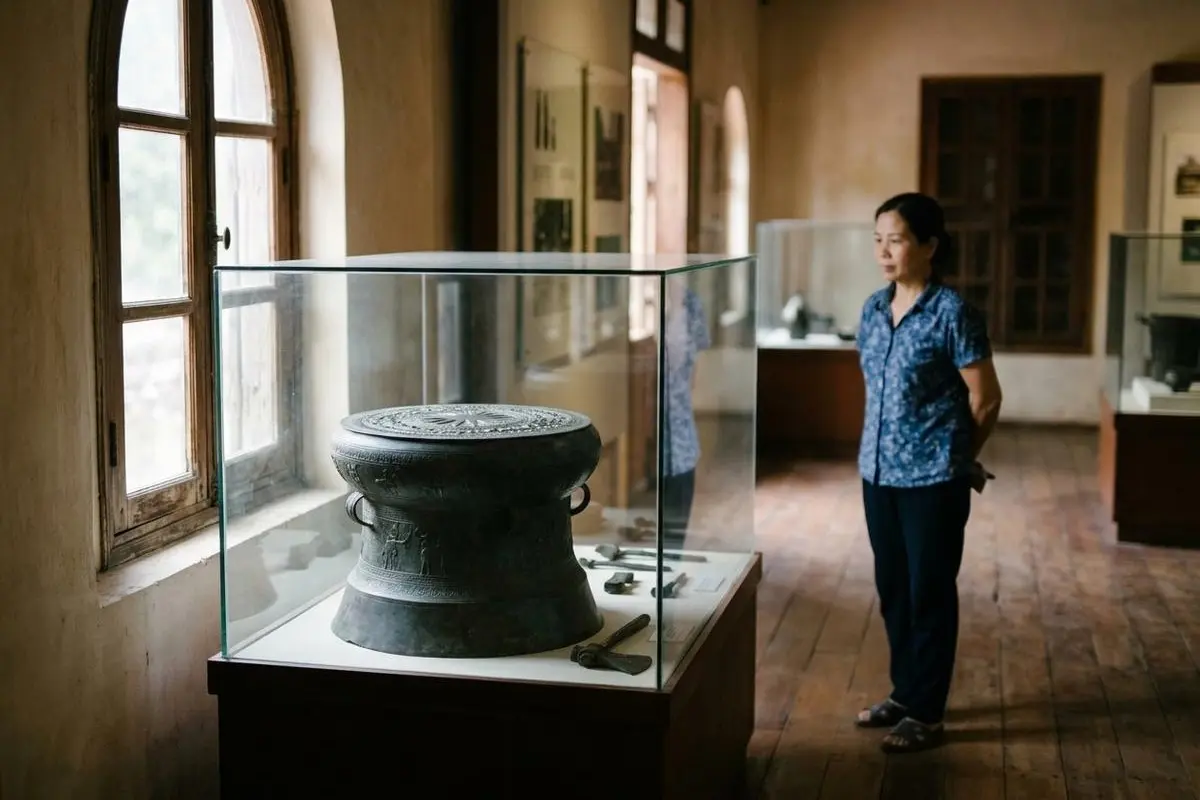
The highlight of this section for most visitors is the bronze age material, especially the Dong Son bronze drums. These large ceremonial drums are decorated with stars, birds, boats and people in feathered costumes. They are some of the most recognisable symbols of ancient Vietnamese culture.
What to look for
- The star in the centre of each drum’s face, surrounded by rings of patterns.
- Flying birds, often long-beaked water birds, circling the star.
- Boats and warriors, which show how important rivers and the sea were even then.
- Tools and weapons in bronze, such as axes and spearheads.
Recommended tour
The Haiphong Street Food and City Tour
Pair the museum with the Opera House, colonial streets and the best local bites, guided by a Haiphong local who brings every stop to life.
From $85 per person
The Bach Dang River Battle Gallery
If you only have time for one room, make it this one. The Bach Dang River, which reaches the sea just north of Haiphong, was the site of three famous victories in Vietnamese history. In each case, defenders drove sharpened wooden stakes into the riverbed, waited for high tide to hide them and then lured enemy ships upstream. When the tide fell, the heavy ships were caught on the stakes and trapped.
- 938. Ngo Quyen defeated the Southern Han fleet, a victory often linked to the end of a long period of northern rule.
- 981. Le Hoan used the river again against a Song invasion.
- 1288. Tran Hung Dao defeated a large Mongol-Yuan fleet in the best-known battle of all.
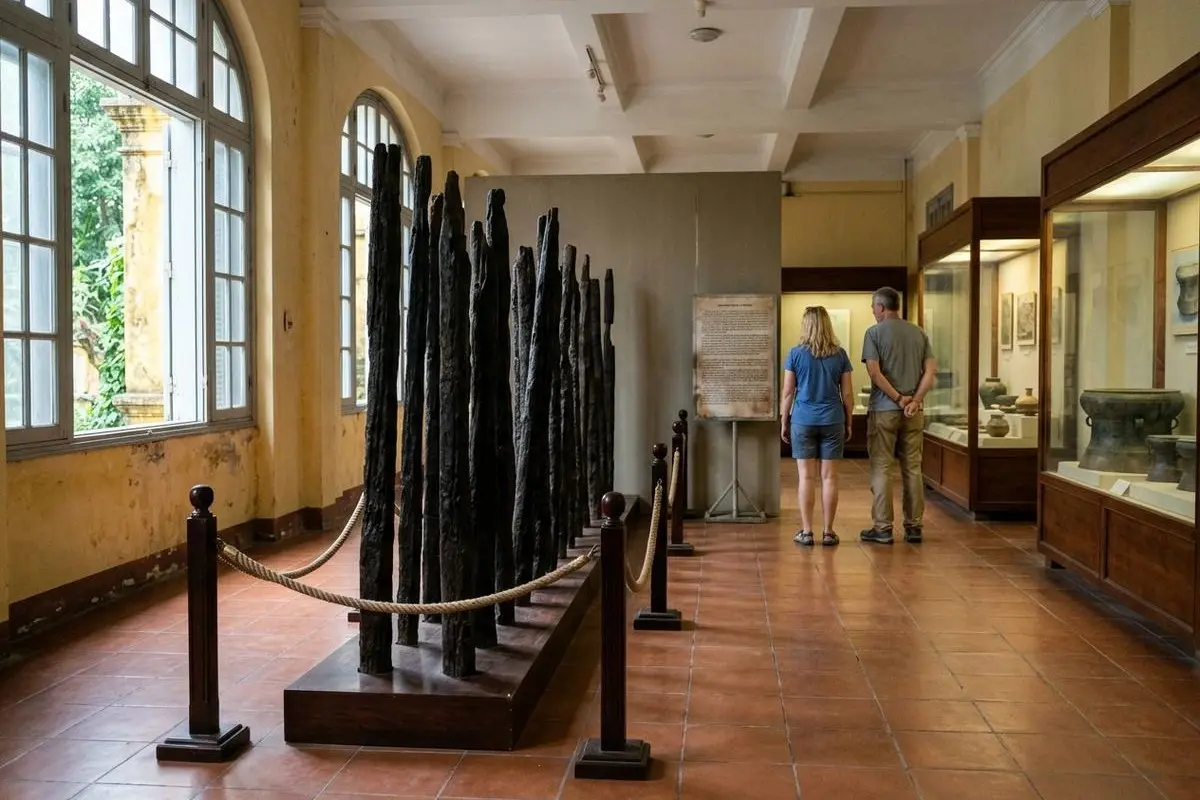
The museum displays real timber stakes recovered from the area, along with maps showing how the trap worked. Standing next to them, you can see how thick and heavy they are, and the story suddenly feels very real.
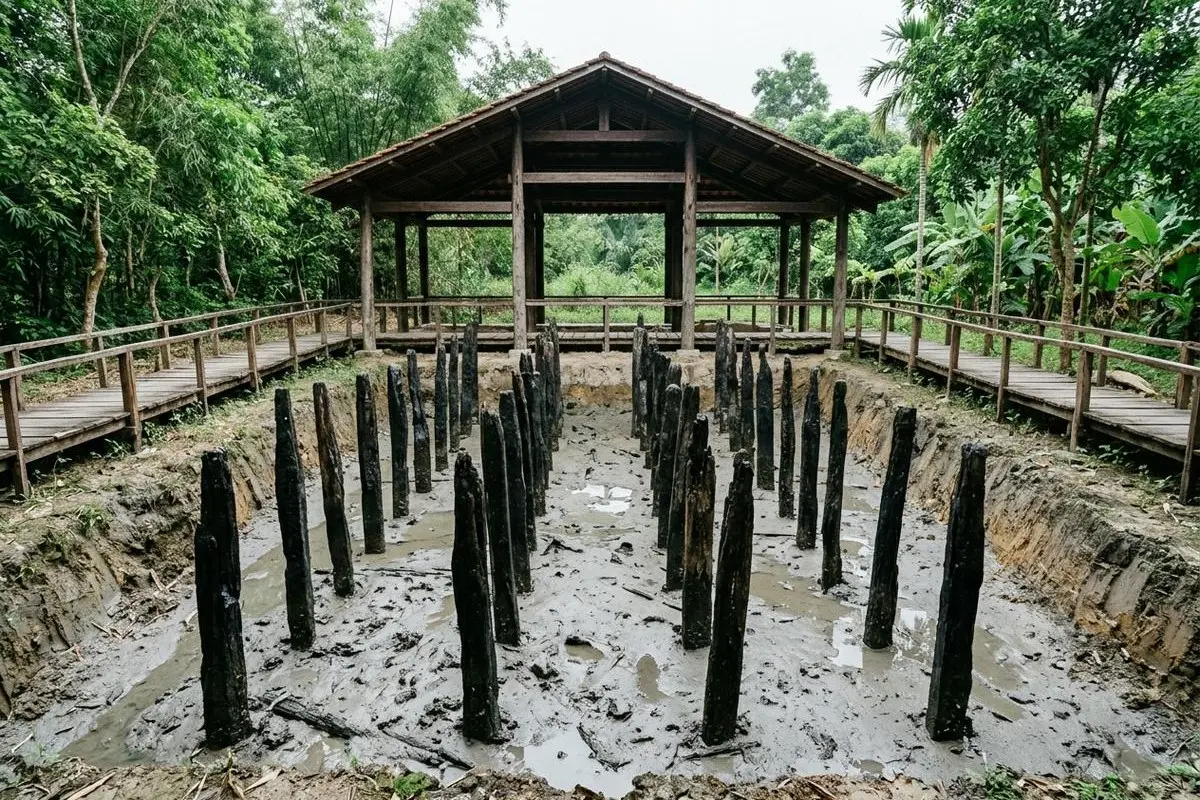
History lovers can extend the story with a trip to the real battlefield area in Thuy Nguyen, where a memorial site and a riverside park stand near the places the stakes were found. It makes a good half-day outing with a driver or on a guided motorbike ride.
Heritage, Faith And Daily Life
Between the great battles and the colonial era, the museum covers the long centuries of feudal dynasties. Displays here include ceramics, bronze and wooden religious objects, stone inscriptions and items connected to local temples and communal houses.
This section helps explain what you will see elsewhere in the city. Haiphong has many pagodas, temples and communal houses, some with remarkable wood carvings. After the museum, visiting a place like Du Hang Pagoda or Hang Kenh Communal House feels richer, because you recognise the symbols and the history behind them.
Small details worth noticing
- Glazed ceramics that show trade links along the coast.
- Dragon and phoenix motifs repeated in carvings and pottery.
- Models and maps of how villages and markets were organised.
- Fishing and boat-building tools, a reminder that the sea shaped daily life.
The Colonial Port And Modern City
Later galleries cover the French colonial period, when Haiphong grew into one of the most important ports in Indochina. Old photographs show steamships, warehouses, early streets and many buildings that still stand today. It is fun to compare them with what you saw on the way to the museum.
The final rooms deal with the twentieth century: resistance movements, wars, damage to the port and the long work of rebuilding. Some images here are serious. Take your time, and if you are travelling with children, preview the room before deciding how much to show them.
For a wider picture of how these places connect on the ground, read about a Haiphong city tour with cultural insights, which links the museum to the streets around it.
>>> Private Haiphong Tour: Why A Local Guide Changes Everything
Rules, Etiquette And Photography
The museum is relaxed, but a few simple habits will make your visit smooth and respectful.
- Dress neatly. Shorts and T-shirts are generally fine, but avoid beachwear. Covered shoulders are a respectful choice.
- Keep voices low. Many visitors are students or older locals reading the displays carefully.
- Do not touch objects or lean on glass cases, even if they look sturdy.
- Ask before taking photos. Photography is often allowed without flash, but rules can vary by room or exhibition. If there is a sign or a staff member asks you to stop, please follow it.
- No food or drinks inside the galleries. Finish your iced coffee outside.
Making sense of Vietnamese labels
Because many captions are only in Vietnamese, a translation app with camera mode is very useful. Point your phone at a label and you will get a rough translation in seconds. Download the Vietnamese language pack before you go in case the signal is weak indoors. Even better, visit with a local guide who can explain the stories behind the objects.
How Long To Spend And When To Go
Most travellers spend about an hour inside. History enthusiasts who want to read everything with a translation app might stay 90 minutes or more, while a quick walk-through can take 30 to 45 minutes.
| Visitor type | Suggested time | Focus on |
|---|---|---|
| Quick visit | 30 to 45 minutes | Bronze drums, Bach Dang stakes, colonial photos |
| Standard visit | About 1 hour | All main galleries in time order |
| History enthusiast | 90 minutes or more | Labels, maps and temporary exhibitions |
| Family with young kids | 30 to 45 minutes | Drums, boats and the river battle story |
Best time of day
Mornings are usually best. The building is cooler, there are fewer school groups later in the term, and you leave the afternoon free for a food tour or a trip out of the city. On very hot summer days, a museum visit is also a smart way to escape the midday sun before the lunch closure.
Haiphong is hot and humid from May to September and cooler from December to February. The museum is a good rainy-day option at any time of year.
What To Do Nearby After Your Visit
One of the best things about the Haiphong Museum is its location. Within a short walk you can see several of the city’s most interesting sights, so it works perfectly as the start of a self-guided walk or a guided city tour.
- Haiphong Opera House. The city’s most famous colonial landmark, with a large square in front.
- Tam Bac Lake. A long, narrow lake with a walking path, cafes and lovely evening lights.
- Haiphong City Post Office. Another fine colonial building close by.
- Sidewalk cafes. Sit on a low plastic stool and try a Vietnamese iced coffee like a local.
- Street food. Banh da cua crab noodle soup and banh mi cay are perfect after a morning of history.
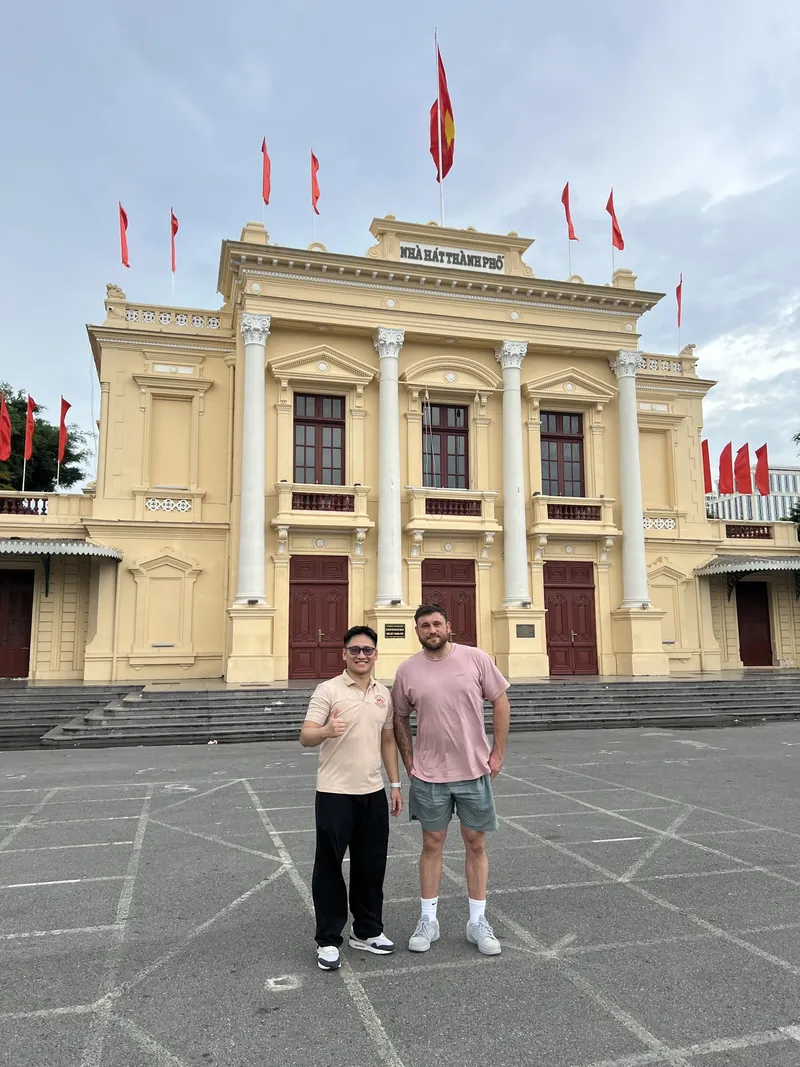
If you want a ready-made plan, our half-day Haiphong tour itinerary shows how to fit the museum, the Opera House and a food stop into one easy morning.
>>> 24-Hour DIY Haiphong Tour: The Ultimate Guide
Sample Morning Plan Around The Museum
Here is a relaxed way to build a morning around the Haiphong Museum. Times are only a guide and should be adjusted to the opening hours on the day.
- 7:30. Breakfast of banh da cua at a local noodle shop.
- 8:30. Walk to the museum and enjoy the colonial facade in soft morning light.
- 8:45 to 9:45. Visit the galleries in time order, spending extra time at the bronze drums and Bach Dang stakes.
- 10:00. Coffee break at a sidewalk cafe nearby.
- 10:30. Stroll past the Opera House and along Tam Bac Lake.
- 11:30. Lunch with local specialities, then rest during the hottest part of the day.
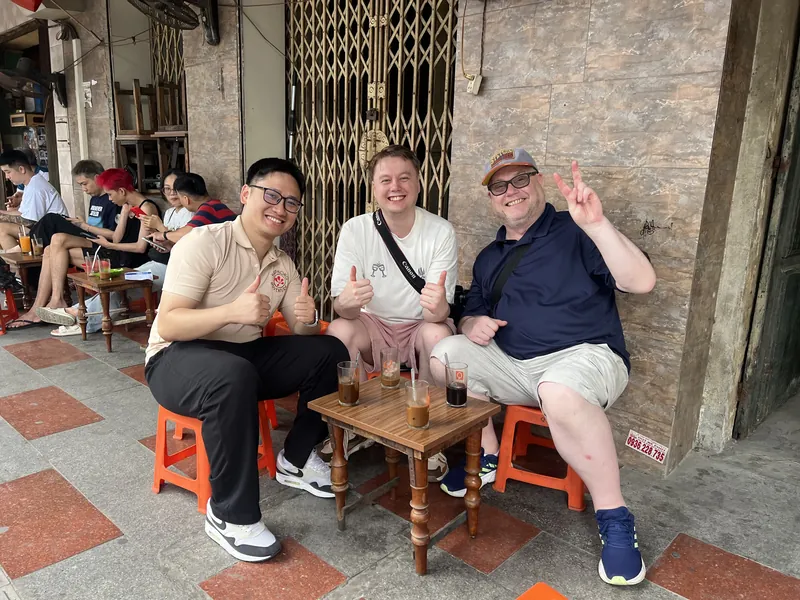
Travellers who prefer to explore with someone local often join one of our haiphong tours. A guide handles the timing around opening hours, translates the labels and links the museum stories to the streets you ride or walk through next. For more budget ideas, see our list of free things to do in Haiphong.
Practical Tips Before You Go
- Confirm opening hours on the morning of your visit.
- Carry small cash for tickets, water or a donation.
- Bring a light layer if you feel the cold under ceiling fans, and a hat for the walk outside.
- Charge your phone for photos and translation.
- Use the restroom before you start, as facilities may be basic.
- Combine with nearby sights to make the most of your morning.
- Be patient with renovations. Rooms sometimes close temporarily for maintenance.
Whether you visit alone or as part of a haiphong adventure with a local guide, the museum gives you context that makes every later stop more meaningful.
Frequently Asked Questions About Visiting The Haiphong Museum
Where is the Haiphong Museum?
It is on Dien Bien Phu Street in Hong Bang District, in the old centre of Haiphong, a short walk from the Opera House and Tam Bac Lake.
How long does a visit take?
About one hour is enough for most visitors. A quick visit takes 30 to 45 minutes, while history lovers may stay 90 minutes or more.
Are the exhibits labelled in English?
Some labels include English, but many are only in Vietnamese. A translation app with camera mode or a local guide will help a lot.
Can I take photos inside?
Photography without flash is often allowed, but rules can differ by room or exhibition. Follow any signs and ask staff if you are unsure.
What are the highlights of the collection?
The Dong Son bronze drums, the wooden stakes from the Bach Dang River battles and the old photographs of the colonial port are the favourites for most visitors.
Plan Your Visit With Haiphong Adventure
A visit to the Haiphong Museum is short, affordable and full of stories that help you understand the whole city. Go in the morning, follow the galleries in time order, spend a little extra time with the bronze drums and Bach Dang stakes, then step outside for coffee, colonial architecture and street food.
If you would like a local guide to plan your museum visit and show you the old centre on foot or by motorbike, send the Haiphong Adventure team a message. We are happy to design a day that matches your interests and pace.
WhatsApp, Viber, WeChat: +84(0)934.555.001
KakaoTalk, Line ID: haiphongadventure