Haiphong in the Vietnam War: History and Sites to Visit
Haiphong in the Vietnam War was North Vietnam’s most important seaport and the main gateway for imported supplies, which made it a major target. From the mid-1960s the city, its port, bridges and industry faced repeated air attacks, in 1972 the harbor was mined, and in December 1972 Haiphong was bombed alongside Hanoi. The city endured, rebuilt and today remembers this period in museums, memorials and wartime sites such as Hospital Cave on Cat Ba Island. This guide explains the history in simple terms and shows where visitors can learn more.
Many of our guests are curious about this chapter, especially those whose families lived through the war years. We share the story respectfully, focusing on what happened, how people lived and which places you can visit.
Why Haiphong Mattered
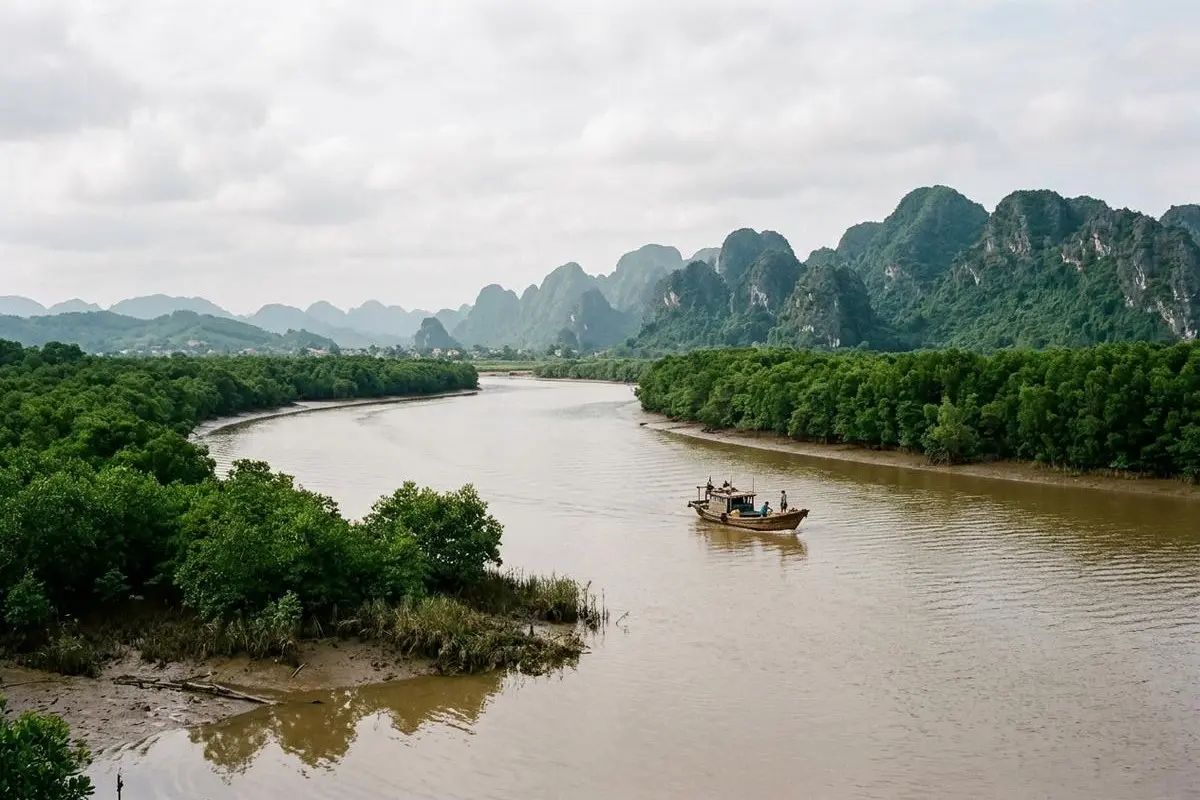
During the war, North Vietnam depended heavily on supplies arriving by sea, and most came through Haiphong. Fuel, food, machinery and military equipment were unloaded at the port and moved inland by road, rail and river. Controlling or disrupting this flow became a key aim in the air war, which put the city at the center of the conflict.
| Period | Key events in Haiphong |
| 1965 to 1968 | Air campaign over the North, attacks on bridges, fuel depots and industry around the city |
| 1968 to early 1972 | Pause in large-scale bombing of the North, rebuilding and continued shipping |
| May 1972 | Haiphong harbor and approaches are mined, closing the port to most shipping |
| December 1972 | Intense bombing of Hanoi and Haiphong before the peace agreement |
| 1973 | Paris Peace Accords, mines in the harbor are cleared |
For the longer story of the port itself, read our history of Haiphong from fishing port to vibrant city.
The Air War Over Haiphong
From 1965, the city’s surroundings were hit repeatedly. Bridges, rail lines, fuel storage, power plants and factories were frequent targets, while the port area itself was handled with more caution in the early years because foreign ships were docked there. People adapted by building shelters, spreading out stockpiles and repairing damage quickly, often overnight.
Many families sent children and older relatives to the countryside, a practice known as evacuation, while workers stayed to keep the port and factories running.
Mining the Harbor in 1972
In May 1972, the United States mined Haiphong harbor and its approaches. The aim was to stop sea deliveries. Ships could no longer enter safely, and supplies had to be brought in by other routes or unloaded offshore in small boats. After the peace agreement in early 1973, the mines were cleared and the port reopened.
>>> Historical Significance Of Bach Dang River Site
December 1972
In the last weeks of 1972, a major bombing campaign struck Hanoi and Haiphong. In Vietnam this period is remembered with strong emotion, and air defense of the two cities is a central part of how the war is commemorated. Shortly afterwards, in January 1973, the Paris Peace Accords were signed.
Recommended tour
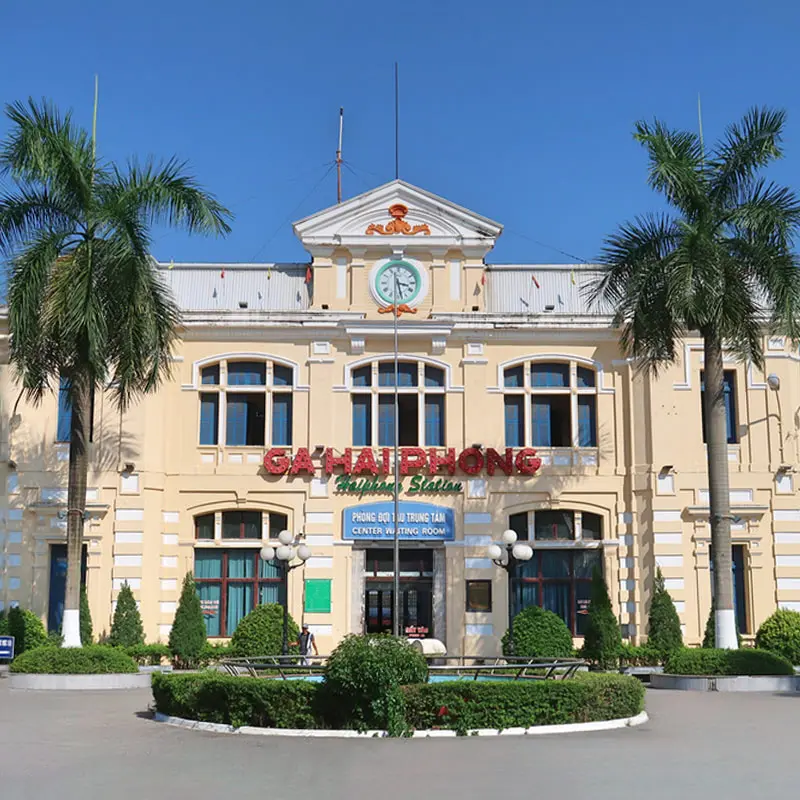
Discover the city’s layered history, from colonial streets to wartime memories, with a local guide who can answer your questions along the way.
From $79 per person
Life in Haiphong During the War
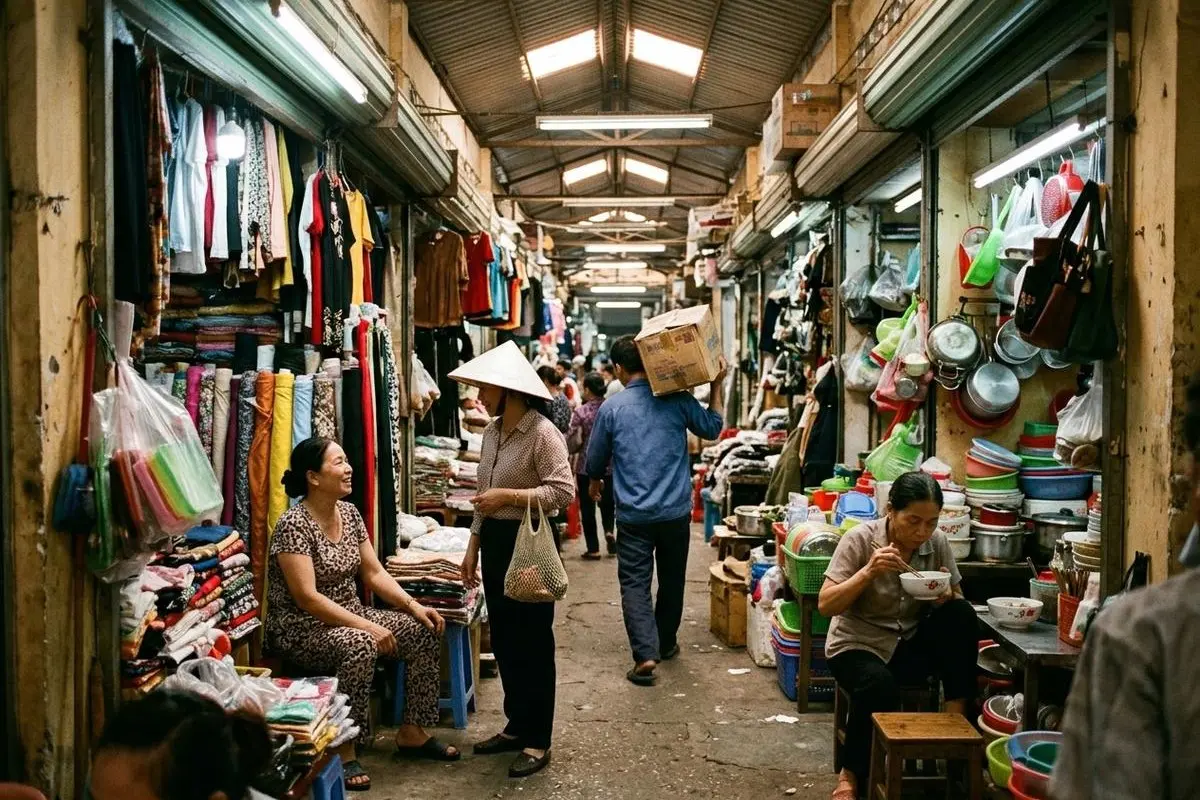
Daily life continued under difficult conditions. Food and goods were rationed, power cuts were common and air raid sirens shaped the rhythm of the day. Communities organized shelters, first aid and repair teams. Older residents still share memories of these years, often with a mix of pride in how the city held together and sadness for what was lost.
When you visit today, it can be hard to imagine this past in a busy, modern city. That contrast is part of what makes learning about it so meaningful.
Wartime Sites to Visit
Hospital Cave, Cat Ba Island
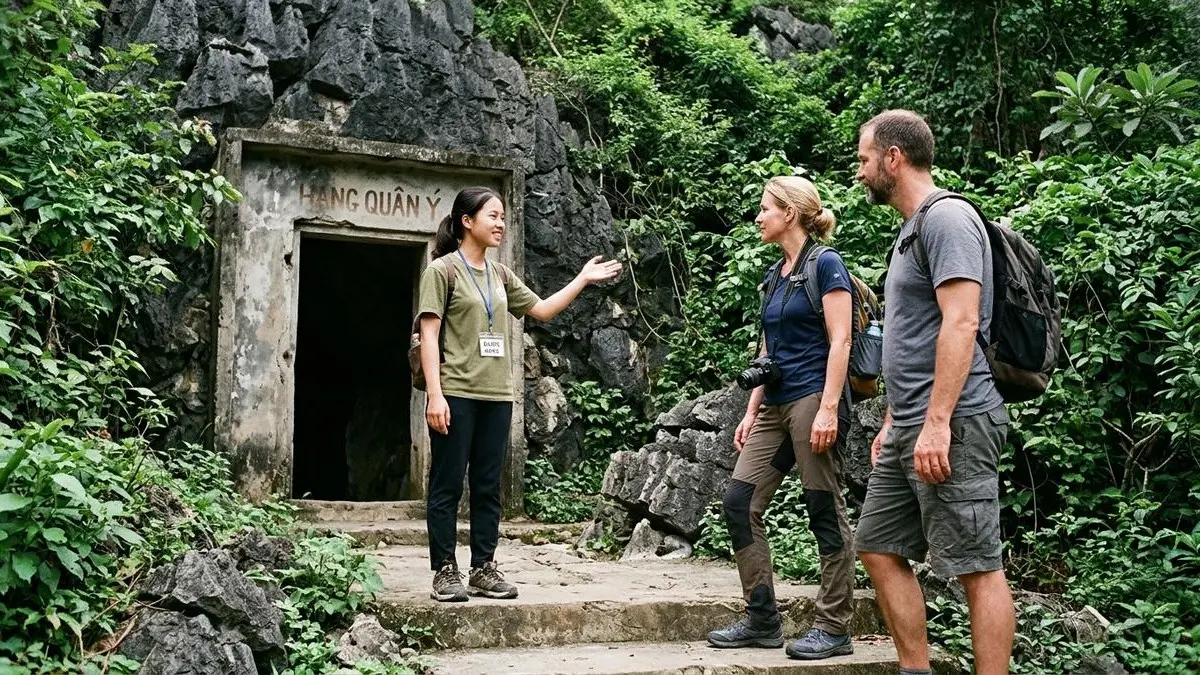
Built inside a limestone hill in the 1960s, this secret hospital treated wounded soldiers and leaders during the war. Visitors can walk through operating rooms, wards and tunnels. Read our historical guide to Hospital Cave Cat Ba.
Cannon Fort, Cat Ba Island
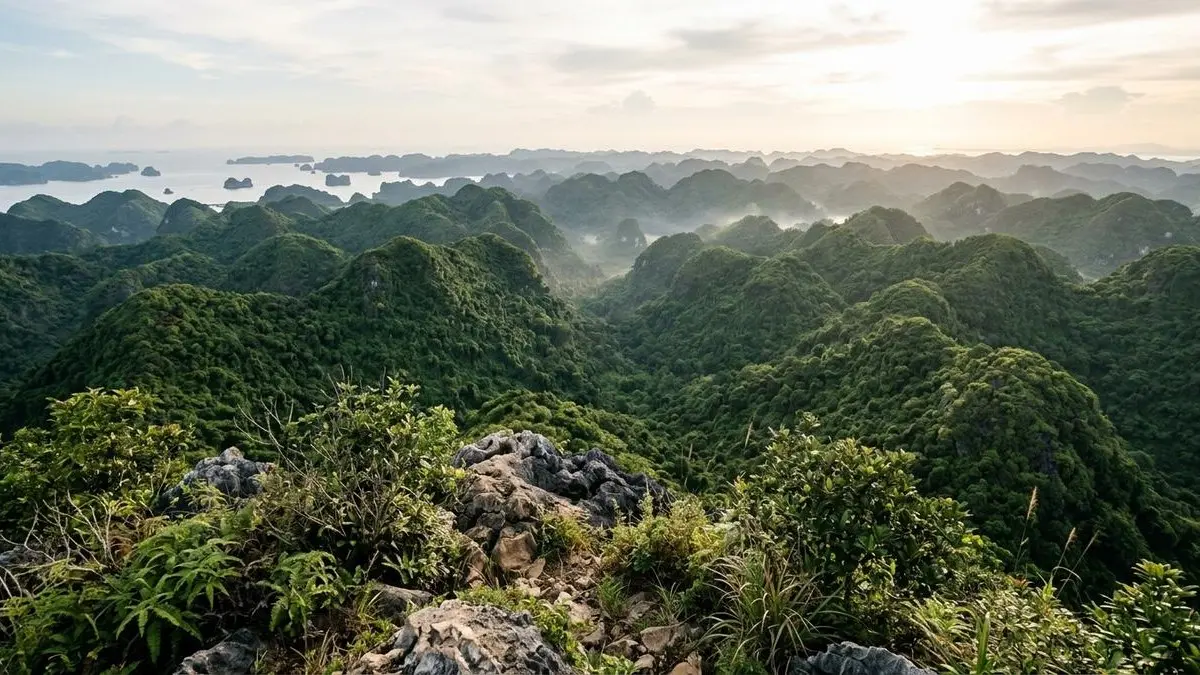
A hilltop site with gun emplacements and tunnels that dates from earlier periods and was used for coastal defense. Today it offers sweeping views over Cat Ba harbor and Lan Ha Bay.

Haiphong Museum
The city museum covers Haiphong’s history from ancient times through the wars of the 20th century, with photographs, documents and objects. See our tips for visiting the Haiphong Museum.
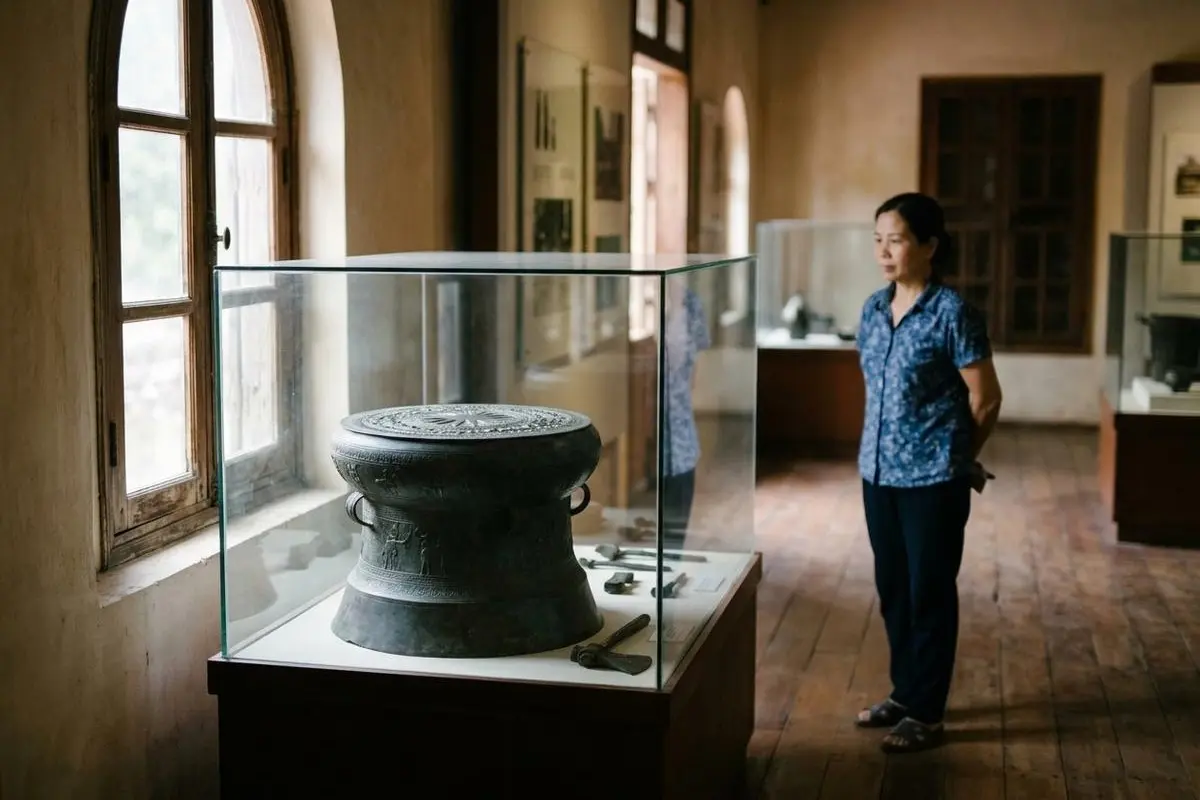
Vietnam Navy Museum
Haiphong is home to the Vietnam Navy Museum, which presents the history of the navy and coastal defense. Check opening arrangements before you go.
>>> History Of Cannon Fort Cat Ba Defensive Site
Visiting Respectfully
- Remember that many local families lost loved ones. Speak and behave respectfully at memorials.
- Ask before photographing older people or veterans.
- Expect the history to be presented from a Vietnamese perspective in local museums.
- Be open to conversation. Many locals are happy to talk about the past and how far the city has come.
>>> Haiphong Trip Itinerary For History Buffs Guide
Frequently Asked Questions
Why was Haiphong important in the Vietnam War?
It was North Vietnam’s main seaport, and most imported supplies arrived through it, making it a strategic target.
When was Haiphong harbor mined?
In May 1972. The mines were cleared after the Paris Peace Accords in 1973.
Can I visit wartime sites near Haiphong?
Yes. Hospital Cave and Cannon Fort on Cat Ba Island, the Haiphong Museum and the Vietnam Navy Museum are good places to start.
Is it appropriate to ask locals about the war?
Many people are open to talking, especially with a guide present. Ask gently and listen with respect.
How long does a visit to Hospital Cave take?
Most visitors spend around an hour there, often combined with Cannon Fort and other Cat Ba sights in a day trip.
Understanding Haiphong’s Past
Learning about Haiphong in the Vietnam War helps you understand the resilience of the city and its people, and makes visits to Cat Ba, the museums and the port far more meaningful. If you would like a local to share these stories, Haiphong Adventure offers city rides, history walks and day trips with friendly English-speaking guides. Explore our Haiphong tours or message us with your questions.
Contact Haiphong Adventure
- WhatsApp, Viber, WeChat: +84(0)934.555.001
- KakaoTalk, Line ID: haiphongadventure