
Haiphong Food Prices for Tourists on Streets and Restaurants
Haiphong food prices for tourists are much lower than most visitors expect, but they are not the same everywhere. A bowl of noodles at a plastic-stool stall, a coffee on the sidewalk and a seafood dinner by the sea sit at very different price levels, and knowing why helps you budget with confidence. In short, street food and local eateries are the cheapest, mid-range restaurants cost a little more, and anything sold by weight, such as live seafood, needs a price check before you order.
We are Haiphong Adventure, a local team that eats in Haiphong with travelers every week. This guide explains how pricing works on the street, in cafes and in restaurants, so you can enjoy the city’s food without worrying about the bill. Prices change with the season, inflation and location, so treat everything here as a guide only (reference only, updated November 2026) and always check the current price on the day.
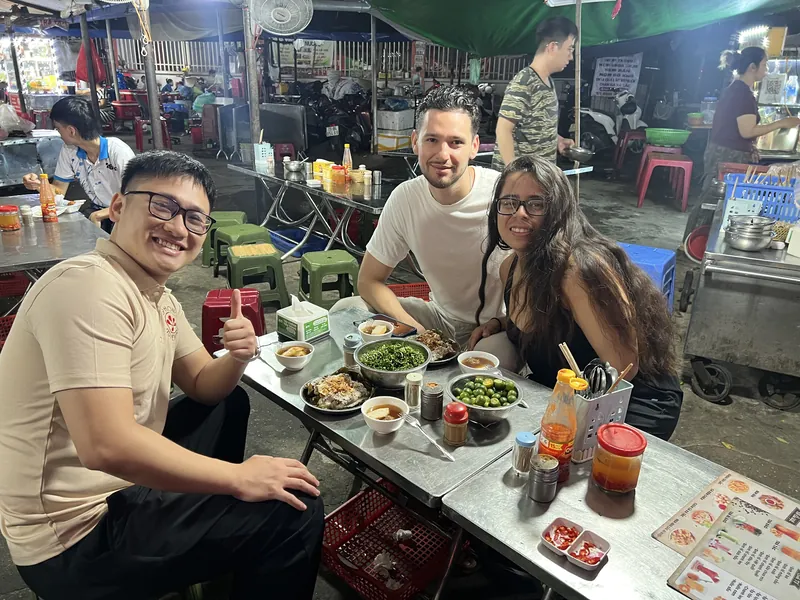
How Food Pricing Works in Haiphong
Haiphong is a working port city, not a resort town. Most restaurants are built for local customers, so the everyday price level is low compared with Hanoi’s Old Quarter or the beach towns on the coast. The city has three broad layers of eating, and each one prices food differently.
| Where you eat | How you pay | Price level |
|---|---|---|
| Street stalls and alley eateries | Per bowl or per plate, usually fixed | Lowest |
| Local restaurants and cafes | Per dish or drink from a menu | Low to medium |
| Tourist, waterfront and hotel restaurants | Menu prices, sometimes plus service charge | Medium to high |
| Seafood restaurants | Per kilogram for live seafood plus cooking | Varies widely |
The most important habit is simple: look for a price before you order. Many local places write prices on a board or menu, and if you cannot see one, a polite question before you sit down saves any surprise later.
Street Food Prices and What to Expect
Street food is where Haiphong is at its best and cheapest. You will see small stalls with low stools set up along sidewalks, usually busy with locals at breakfast, lunch and in the evening. Dishes are normally served one bowl or one plate at a time, so you can taste many things for a modest total.
Noodles and soups
Banh da cua, the red crab noodle soup that Haiphong is famous for, is the dish most visitors want first. Bowls are sold at a fixed price, and extra toppings such as more crab, fried spring rolls or an egg are added on top. A simple bowl is usually inexpensive, and a loaded bowl costs somewhat more. If you want to find the best bowls, our guide to finding the best banh da cua in local alleys lists what to look for.
Snacks and small plates
Evening stalls sell banh beo, grilled skewers, rice paper rolls and other small plates. Prices are per plate or per skewer, which makes it easy to share. Because portions are small, it is normal to order three or four dishes in one sitting, so count the total rather than just the unit price.
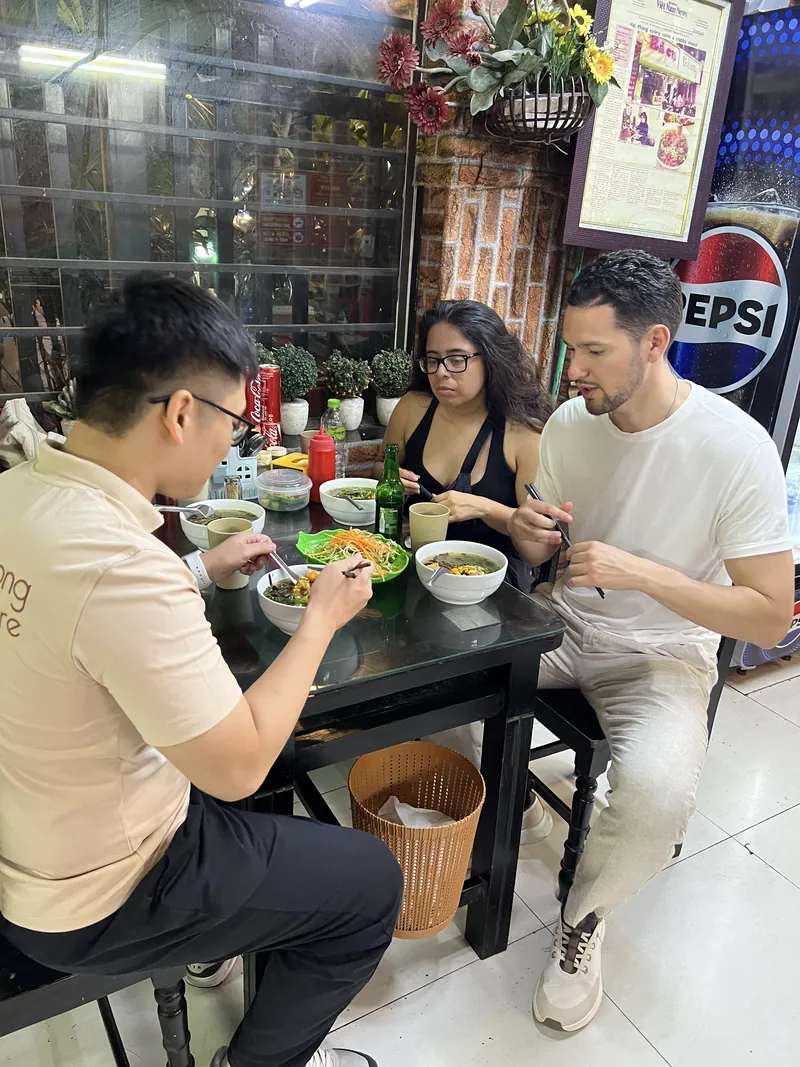
Banh mi and breakfast
Haiphong’s spicy banh mi cay is another cheap, filling option, often sold from a small stand or a window. Breakfast stalls with sticky rice, bun or pho follow the same pattern: a fixed price per bowl or per portion. For the story behind this local favorite, read why banh mi cay is famous in Haiphong.
>>> Top Dishes To Try On Your Haiphong Food Tour Day
Cafe and Drink Prices
Vietnamese coffee culture is part of daily life here, and cafe prices are low. Egg coffee, coconut coffee and iced milk coffee are all sold by the cup at a fixed price, and sidewalk cafes are cheaper than air-conditioned chains or rooftop bars. Fresh sugarcane juice, lime tea and bottled water are also very affordable when bought from local vendors.
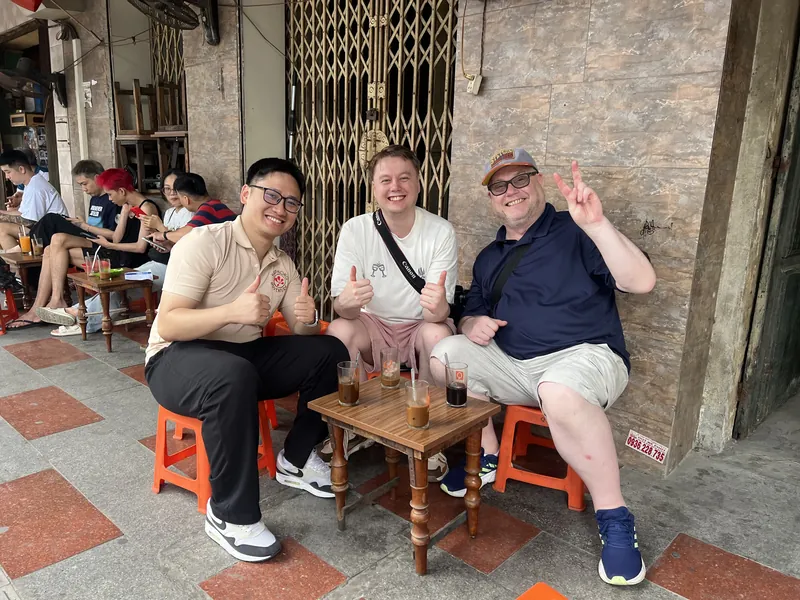
Beer follows the same rule. Local draft beer, known as bia hoi, is among the cheapest drinks in Vietnam, while imported beer and cocktails in tourist bars cost several times more. If you are on a budget, drink like the locals and keep fancier venues for special evenings.
Restaurant Prices for Sit-Down Meals
Local restaurants serve rice dishes, hot pots, grilled meats and family-style plates. Most have a printed menu with prices for each dish, and sharing three or four dishes between two or three people is the usual way to eat. Prices rise a little in restaurants with air conditioning, English menus or a central location, but they are still moderate by international standards.
Menus, service charge and tax
- Check the menu total. Add up the dishes you ordered in your head before the bill arrives.
- Ask about service charge. Upscale and hotel restaurants may add a service charge or VAT, shown as a percentage at the bottom of the bill.
- Rice and extras. Rice, wet towels, nuts or tea placed on your table may be charged. Politely ask if they are free, or send them back.
- Prices in thousands. Many menus drop three zeros, so 50 can mean 50,000 VND. Confirm before ordering.
For a wider view of trip costs beyond food, see our Haiphong tour cost budget guide.
Recommended tour
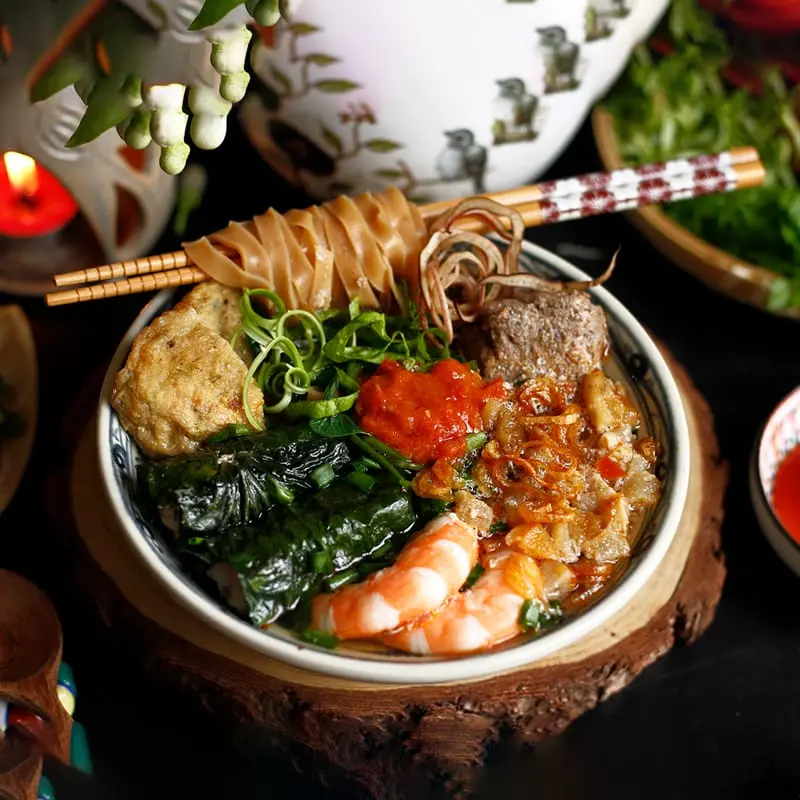
The Haiphong Street Food and City Tour
Eat where locals eat, from crab noodle soup to shellfish stalls, with a guide who orders for you and makes sure you pay local prices.
From $85 per person
Seafood Prices Are Different
Seafood is the one category where the price is not printed next to the dish. In most seafood restaurants you pick live seafood from a tank, it is weighed, and you pay a price per kilogram plus a cooking fee or set price per dish. This is where tourists most often overpay, so slow down and agree on the details.
- Ask the price per kilo for each item and note it down.
- Watch the weighing and remember the weight.
- Ask about cooking fees and how each item will be cooked.
- Agree on a total before the kitchen starts.
Clams, snails and squid are usually the budget choices, while crab, large prawns and rare shellfish cost much more per kilo. Floating restaurants and busy tourist waterfronts tend to cost more than local seafood places in the city. Our guide to scams and overcharging in Haiphong covers general tips for protecting your wallet.
Common Ways Tourists Overpay
- Not asking the price first. The single biggest cause of a bad bill. Ask before you sit, or before the food is cooked.
- Tourist-menu pricing. Some places near hotels and attractions have a separate English menu with higher prices. Compare it with the Vietnamese menu or a local place nearby.
- Touts and commissions. Be careful with anyone who leads you to a restaurant. Your bill may include a commission.
- Extra dishes. Anything placed on your table that you did not order may appear on the bill. Send it back politely.
- Unit confusion. Prices per 100 grams, per piece or per skewer can look cheap until you add everything up.
- Cash habits. Carry small notes, check your change, and count zeros carefully when paying in Vietnamese dong.
If something seems wrong, stay calm and friendly, point to the numbers you wrote down and ask the staff to recheck. Most mistakes are fixed quickly with a smile. For a closer look at independent eating, our DIY Haiphong food tour map shows how to plan your own route.
>>> My Haiphong Street Food Adventure Local Taste
A Simple Daily Food Budget for Tourists
Rather than quoting exact figures that can go out of date, think of your day in levels. A budget traveler can eat breakfast, lunch and a snack crawl entirely at street stalls and local eateries, which keeps the day low-cost. A comfortable traveler mixes street food with a sit-down dinner and a couple of cafes. A splurge day adds a seafood feast or a rooftop drink, and that is where totals jump.
| Style | How the day looks | Cost level |
|---|---|---|
| Budget | Street breakfast, noodle lunch, stall snacks, sidewalk coffee | Low |
| Comfortable | Street food by day, local restaurant dinner, cafes | Low to medium |
| Treat yourself | Seafood dinner, rooftop or hotel bar, imported drinks | Medium to high |
A useful trick is to pay in small notes at each stall rather than one large note, which keeps change simple and avoids confusion. Keep a note on your phone of what you paid so you learn the local price range quickly. Free activities also help keep spending down, and our list of free things to do in Haiphong pairs well with a street food budget.
Markets and Where Locals Shop
Local markets sell fruit, snacks and cooked food at the lowest prices, and they are a good place to learn what things should cost. Fruit is often sold by the kilogram, so ask the price and watch the scale. Cooked food stalls inside markets usually have a fixed price per portion. Go in the morning when stock is freshest, bring small notes and smile, as vendors tend to be friendly to polite visitors. For a walking route, see our Haiphong food tour route through local markets.
>>> Food Tour Haiphong: 16 Best Must-Try Dishes & Local Eateries
Tips for Paying Fair Prices
- Eat where locals eat. A crowd of Vietnamese diners is the best sign of fair prices and fresh food.
- Look for a menu or board with prices before you sit down.
- Take photos of menus and receipts so you can compare later.
- Use a currency app and learn the main banknotes so zeros do not confuse you.
- Prefer cash for street food, and ask if cards are accepted in restaurants.
- Ask your hotel or a local guide for names of trusted places rather than relying only on the first restaurant you see.
Joining one of our Haiphong tours is also a stress-free way to learn the local price range. A guide orders for you, explains each dish and makes sure the bill is fair, so you can focus on the food and the conversation.
Frequently Asked Questions
Is Haiphong cheaper than Hanoi for food?
Often yes at local eateries, since Haiphong sees fewer tourists and most restaurants serve local customers. Tourist areas and holiday periods can narrow the gap, so always check the price first.
Do street food stalls have fixed prices?
Most stalls charge a fixed price per bowl or plate. If you cannot see a price, ask before ordering and be polite about it.
Should I tip in Haiphong restaurants?
Tipping is not expected at local places. Leaving small change for good service is appreciated, and some upscale venues add a service charge.
Can I pay by card for street food?
Rarely. Stalls usually want cash, and many accept bank transfer QR codes from local apps. Carry small notes in Vietnamese dong.
How can I avoid being overcharged?
Ask the price first, look for crowded local places, avoid touts, agree on seafood weight and cooking fees, and check the bill before paying.
Eat Well and Pay Fairly with Haiphong Adventure
Haiphong rewards curious eaters, and a little price knowledge makes every meal more relaxing. If you would like a local to take you to the best stalls and handle the ordering, message us or browse our Haiphong tours.
Contact Haiphong Adventure:
WhatsApp, Viber, WeChat: +84(0)934.555.001
KakaoTalk, Line ID: haiphongadventure