
Scams To Avoid With Motorbike Rental Haiphong
Riding your own scooter through Haiphong is one of the best ways to see the city: flame-tree boulevards, the riverside, quiet residential alleys and, if you are confident, the countryside beyond. Most rental shops in Vietnam are honest family businesses. But every year we meet travellers whose motorbike rental Haiphong experience turned into a stressful argument over a scratch, a missing passport or a bill that kept growing. Almost all of those problems were avoidable.
This guide is not meant to scare you off. It is the briefing our own team would give a friend before they hand over a deposit: the tricks that come up most often, what a fair rental actually looks like, a checklist to run through before you ride away, and what to do if something goes wrong anyway. We also rent bikes ourselves, so we know both sides of the counter, and we will be straight with you about where the real risks are.
Why Motorbike Rental Haiphong Problems Happen
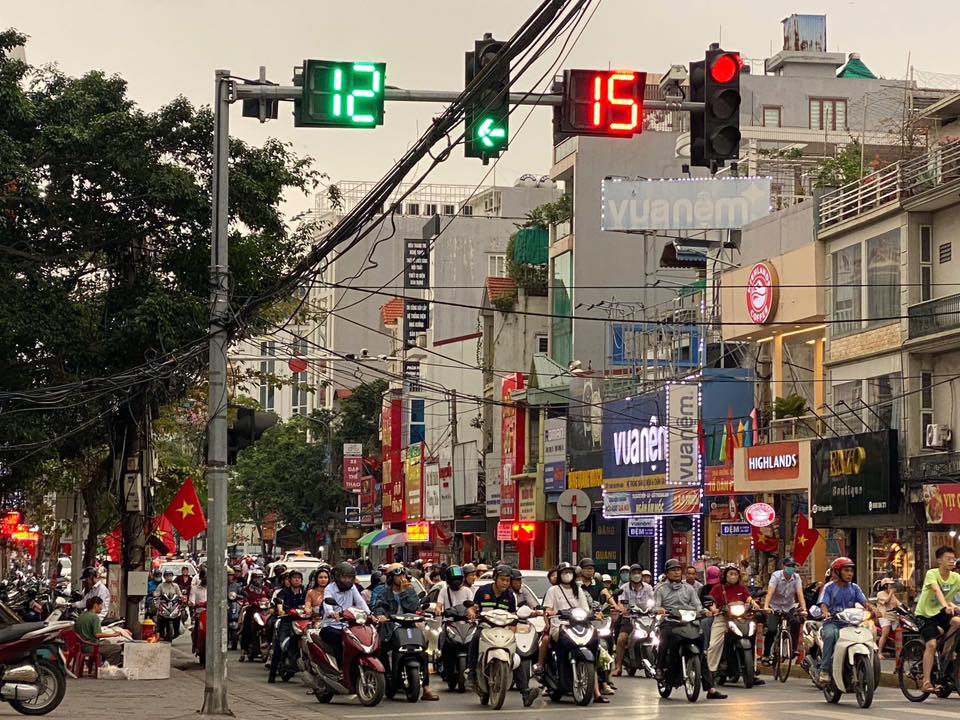
Haiphong is not a backpacker hub like Hanoi or Hoi An. That is part of its charm, but it means there are fewer rental shops geared to foreigners, less online feedback to go on, and more chance that the person renting you a bike has their own ideas about how things work. A misunderstanding over language can quickly look like a scam, and a genuine scam can be dressed up as a misunderstanding.
Most trouble comes from three gaps: no written agreement, no record of the bike’s condition at pick-up, and no clear idea of who pays for what if something happens. Close those gaps and you remove most of the room for dishonesty. The rest is about choosing a decent bike and riding legally.
It also helps to know where you are renting. Many travellers book a motorbike rental Haiphong deal through their hotel, which is often the easiest option because the hotel has a reputation to protect and can translate if there is a problem. Independent shops near the centre can be fine too, but take more care with paperwork. Be most cautious with someone who approaches you on the street offering a bike, because if anything goes wrong you may have no way to find them again.
Licence, Insurance and the Law Before You Ride
This is the part many travellers skip, and it is where the biggest financial risk sits.
Your Licence
To ride a motorbike legally in Vietnam you need a licence covering the right class of motorbike. Vietnam generally recognises International Driving Permits issued under the 1968 Vienna Convention, alongside a valid home licence that includes motorbikes. Permits issued under other conventions, or car-only licences, may not be accepted. Rules and categories have been updated in recent years, so check your own situation before you travel.
Why It Matters Beyond Police Fines
The bigger issue is insurance. Many travel insurance policies refuse claims for motorbike accidents if you were riding without a valid licence for that vehicle. A hospital bill after a crash can cost far more than any rental scam. Read your policy wording before you rent, not after.
Bike Papers
A legally rented bike should come with its registration card and a basic third-party liability insurance certificate, which Vietnamese law requires for every motorbike. If a shop cannot show you these, that is a warning sign in itself.
What a Fair Rental Looks Like
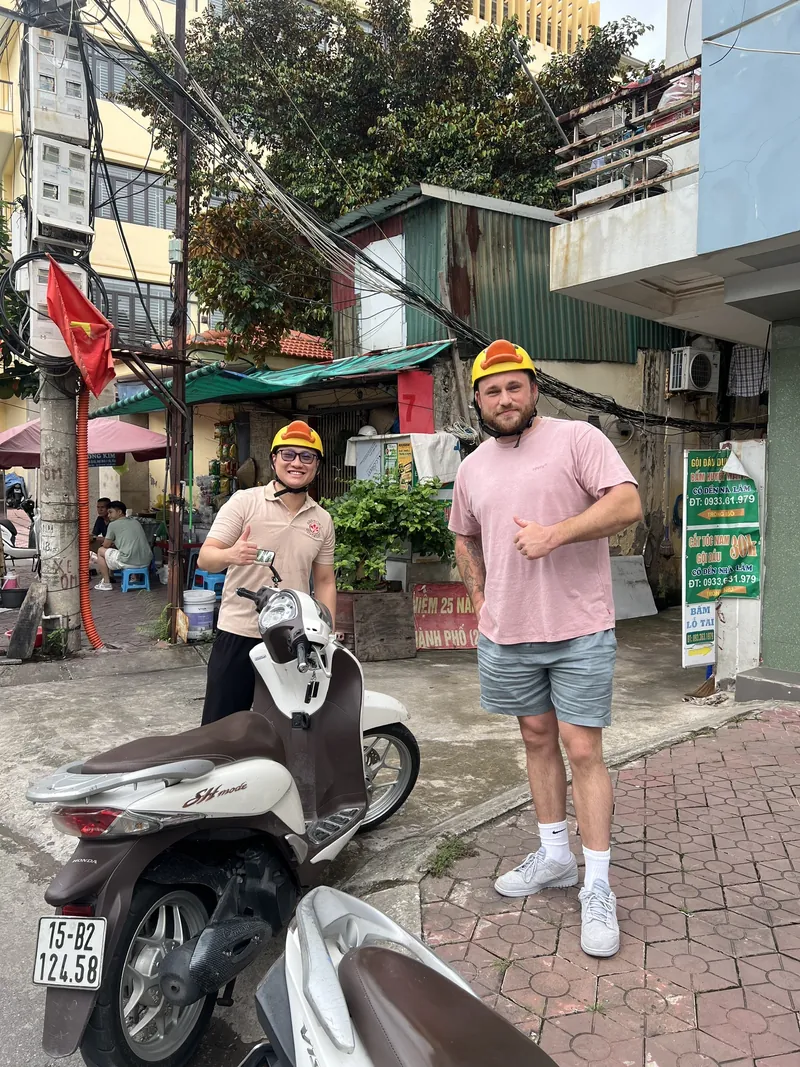
So you can spot what is wrong, here is what a reputable motorbike rental Haiphong shop normally offers:
- A short written agreement or receipt listing the bike’s plate number, the rental period, the price and the deposit.
- A deposit that is either a reasonable cash amount or a photocopy of your passport, not your actual passport.
- A walk-around of the bike together, with photos of existing damage.
- Helmets that fit and fasten properly, ideally with a choice of sizes.
- A clear explanation of fuel, late returns and what happens in case of breakdown.
- A phone or chat contact you can reach while you are out riding.
Prices vary with bike type, season and rental length, so we will not quote numbers here. Compare a couple of options, and treat any offer that is far cheaper than the rest with suspicion. The savings often come back as “fees” later.
Recommended tour
Haiphong Countryside & Coastal Landmarks

Leave the city behind for rice fields, village pagodas and coastal landmarks on a relaxed motorbike ride with a local guide.
From $79 per person
The Passport Deposit Trap
The classic. A shop asks you to leave your passport as security, and once they have it, you have very little bargaining power. If they then claim damage, add mysterious charges or simply disappear at return time, you cannot leave the country, check into a new hotel, or in some cases even buy a train ticket without it.
Hotels in Vietnam often need to see your passport for registration, so handing it to a rental shop also creates problems with your accommodation. Our advice is simple: never leave your passport. Offer a photocopy, a cash deposit with a written receipt, or both. Any honest shop will find a way to work with that. If a shop insists on the original and will not budge, walk away.
Pre-Existing Damage Claims
You return the bike, and suddenly the owner points at a scratch on the side panel, a cracked mirror or a dent in the exhaust guard. You are sure it was there before. They are sure it was not. Without evidence, you lose.
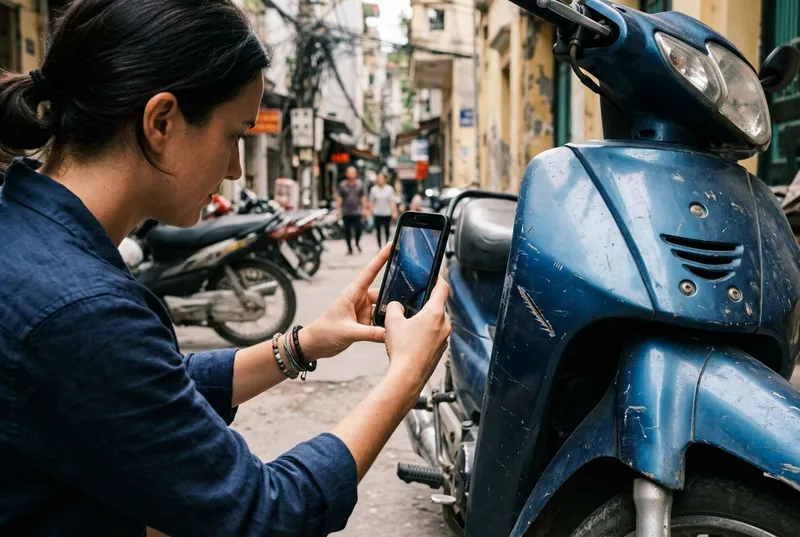
Before you ride away, take a slow video walking all the way around the bike in good light, with the owner in shot if possible. Zoom in on every scratch, the mirrors, indicators, seat, tyres and the dashboard showing fuel and mileage. Then send the video to the shop on WhatsApp or Zalo so there is a timestamp they have seen. It takes three minutes and it ends this scam completely.
The Empty Tank Trick
A bike handed over almost empty, with the fuel light already on, is common. Sometimes it is just laziness. Sometimes it is a setup: you are expected to buy fuel straight away, then return it with more in the tank than you received, or you are charged an inflated price for a “refuel” if you bring it back low.
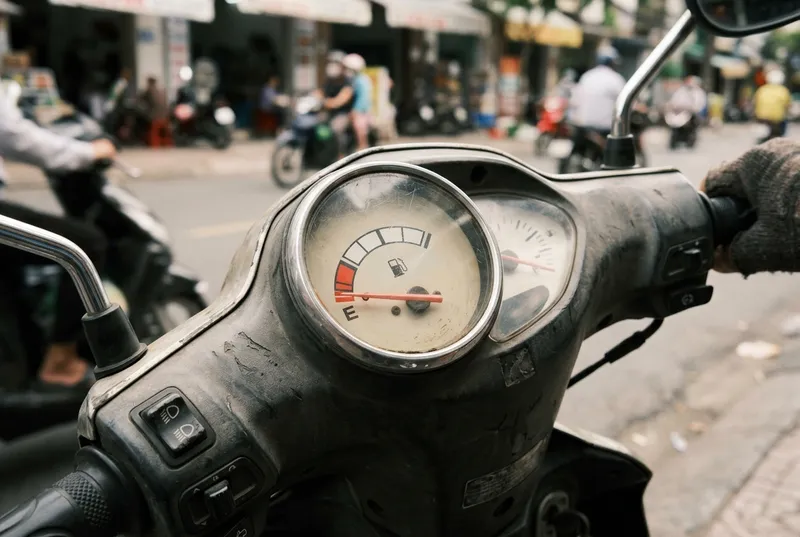
Agree the fuel rule before you leave and write it on the receipt: “return at same level” is the usual standard. Photograph the fuel gauge at pick-up. Then fill up at a proper petrol station, not a roadside bottle seller, where prices are posted on the pump. If you only ride a short distance, a small top-up is all you need.
Fake or Worthless Insurance
Some shops sell “full insurance” for an extra fee. Ask exactly what it covers. Often it is nothing more than the basic third-party certificate the bike should already have by law, or a verbal promise with no paperwork at all. When something happens, the “insurance” turns out not to exist.
Real cover from any motorbike rental Haiphong provider should be written down: what is covered (theft, damage to the bike, your liability to others), how much you still pay as an excess, and what you must do if there is an accident. If the shop cannot put it in writing, assume you are not covered and ride accordingly. Remember too that none of this replaces your own travel insurance for medical costs.
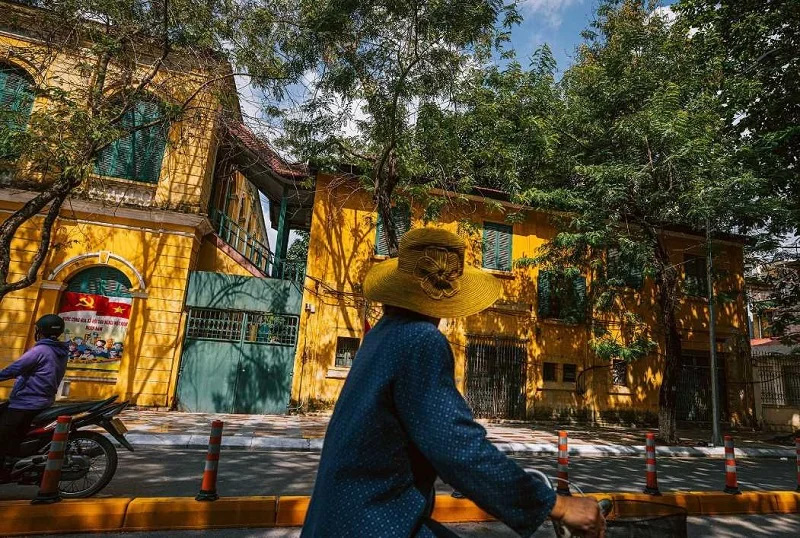
Broken Helmets and Unsafe Bikes
This is less a scam than a cost-cutting habit, but it is the one most likely to hurt you. Thin “rice bowl” helmets with snapped straps, worn tyres, weak brakes, dead indicators and loose mirrors are all things we see on cheap rentals.
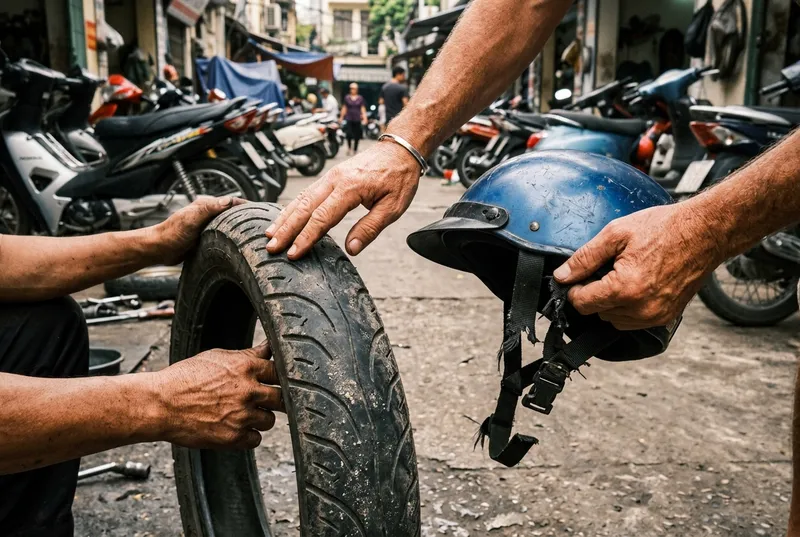
Helmets are compulsory in Vietnam and must be fastened. Ask for a proper half-face or open-face helmet that fits snugly and has a working buckle. Before leaving, squeeze both brakes hard, check the horn, lights and indicators, and look at the tyre tread. If anything feels wrong, ask for a different bike. A shop that refuses to swap an unsafe bike is not one to trust with a deposit.
Police Stops and the Licence Problem
Traffic police in Haiphong do check riders, especially on main roads and during campaigns around holidays. Penalties for riding without a licence, without a helmet or after drinking have been increased significantly in recent years, and a bike can be impounded.
The scam angle appears when a “helpful” person at the rental shop tells you that you do not need a licence, or that police never stop foreigners. Others offer to “help” after a stop for a fee. Ignore both. If you are stopped, stay calm and polite, show your documents and follow the officer’s instructions. Do not offer cash to make it go away, and contact your rental provider or someone who speaks Vietnamese if you need help understanding what is happening.
Hidden Fees and Moving Goalposts
The final category is the slow drip of extras: a “late fee” because you returned twenty minutes after the shop’s unclear closing time, a “cleaning fee” for a dusty bike after a day in the countryside, a charge for a lost key that was never explained, or a parking fine you have never seen evidence of.
Ask about all of these at the start. What time exactly should you return? Is there a grace period? What does a lost key cost? Who pays if the bike is towed or ticketed? Write the answers on the receipt or confirm them in a chat message, so there is a record in plain words both sides can read.
Your Motorbike Rental Haiphong Checklist
Run through this list before you hand over any money. It is the same one our own team uses when we prepare bikes for guests.
- Licence and IDP valid for motorbikes, and travel insurance that covers riding.
- Written agreement or receipt with plate number, dates, price, deposit and fuel rule.
- Passport stays with you. Leave a copy or a cash deposit with a receipt.
- Registration card and third-party insurance certificate are with the bike.
- Full video walk-around, sent to the shop by chat.
- Photo of fuel gauge and odometer.
- Brakes, horn, lights, indicators and tyres checked.
- Helmet fits and the strap buckles securely.
- Return time, late fee, lost key cost and breakdown process agreed.
- Shop contact saved in your phone, plus the address in Vietnamese for taxis or locals.
What to Do If Something Goes Wrong
In a Dispute
Stay calm and polite. Raising your voice almost always makes things worse in Vietnam. Show your video and photos, refer back to the written agreement, and if needed ask your hotel reception to help translate. Many disputes end quickly once the owner sees you have evidence.
After a Breakdown
Move off the road safely and call the shop. Small repair stalls are everywhere in Haiphong and can fix punctures cheaply, but agree with the owner first whether you should use one or wait for them, and keep the receipt.
After an Accident
Get medical help first, and call 115 for an ambulance or 113 for police if needed. Then contact the rental provider and your travel insurer, take photos of the scene and the bike, and ask a local you trust, or us, to help with communication. Do not sign anything you cannot read.
For riding itself, our article with local traffic tips for travelling from Hanoi to Haiphong explains traffic habits and what to expect on the road in more detail.
Rent, Ride With a Guide, or Both?
If you are an experienced rider with the correct licence, renting can be a great way to explore at your own pace, and our list of things to do in Haiphong on a weekend gives you plenty of places to ride to. If you are unsure about traffic, licences or routes, a guided ride is the low-stress alternative: an experienced local does the riding or leads the way, the bike and helmet are checked, and you spend your energy on looking around instead of on intersections.
Many guests do both. They join one of our haiphong tours on the first day to learn how traffic flows, then rent a bike for a second day once they feel comfortable. That first guided ride is also a good chance to ask your guide which streets to avoid at rush hour and which fuel stations are easiest to find. Our article on exploring rural villages on a Haiphong motorbike tour is a good place to plan where to go next.

FAQ About Motorbike Rental Haiphong
Should I ever leave my passport as a deposit?
No. Offer a photocopy plus a cash deposit with a written receipt. A reputable shop will accept that, and you keep control of the document you need for hotels and travel.
Do I need a licence to rent a motorbike in Haiphong?
To ride legally, yes. Shops may rent to you without checking, but that does not make it legal, and your travel insurance may not cover accidents if you ride without the correct licence or a recognised IDP.
How do I avoid being blamed for old damage?
Film the whole bike in detail before leaving, including the fuel gauge and odometer, and send the video to the shop by chat so there is a shared, timestamped record.
Is rental insurance worth buying?
Only if the cover is written down clearly with the excess you still pay. A verbal promise or a basic third-party certificate is not real protection for damage or theft.
What should I do if police stop me?
Stay calm, be polite, show your documents and follow instructions. Do not try to pay cash to settle it informally. Call your rental provider if you need help with language.
Is a guided motorbike tour safer than renting?
For first-time riders in Vietnam, usually yes. The guide handles navigation and traffic, the equipment is checked, and you can still enjoy riding through the city and countryside.
Rent a Bike or Ride With Us
A good rental experience comes down to a fair agreement, a safe bike and a bit of evidence on your phone. Follow the checklist above and you will avoid almost every trick in this guide.
If you are comparing motorbike rental Haiphong options and would rather deal with people you already know, we also offer self-drive motorbike rental – message us with your dates, the type of bike you want and your licence details, and we will tell you what is available and how our deposit and fuel rules work. Prefer someone else to do the riding? Haiphong Adventure runs guided city and countryside rides every day, and our guides are happy to share their favourite routes either way.
WhatsApp, Viber, WeChat: +84(0)934.555.001
KakaoTalk, Line ID: haiphongadventure